
Yes, Kilimanjaro chefs are well-equipped and experienced in handling a wide variety of special diets, including vegetarian, vegan, gluten-free, lactose-free, and specific allergies. Reputable tour operators like Top Guide Adventures prioritize client well-being and dietary needs by communicating requirements to their mountain chefs well in advance, ensuring safe and nutritious meals are prepared throughout the climb.
Understanding Dietary Needs on Kilimanjaro
Climbing Mount Kilimanjaro is an extraordinary physical challenge. Proper nutrition plays a critical role in maintaining energy levels, aiding acclimatization, and ensuring overall health and safety during the trek. While the standard Kilimanjaro menu is designed to be hearty and sustaining, many trekkers have specific dietary requirements due to personal preferences, ethical choices, allergies, intolerances, or medical conditions. The question, “Can Kilimanjaro chefs handle special diets?” is a common and important one for anyone planning this epic adventure, especially as we look towards climbs in 2026 and 2027.
The answer is a resounding yes. The success of a Kilimanjaro expedition hinges on meticulous planning and execution, and this extends to the culinary aspects. Tour operators, particularly those with a strong commitment to client care like Top Guide Adventures, understand that a one-size-fits-all approach to food is not suitable for everyone. They work closely with their teams, including the experienced mountain chefs who spend weeks or months on the mountain each year, to cater to diverse dietary needs.
This comprehensive guide will explore:
- The general approach to food on Kilimanjaro.
- Common special dietary requirements encountered.
- How chefs prepare for and manage these diets.
- The importance of clear communication with your tour operator.
- Specific examples of meals and considerations.
- Why choosing a reputable operator like Top Guide Adventures is key for dietary needs.
The Kilimanjaro Kitchen: What to Expect Generally
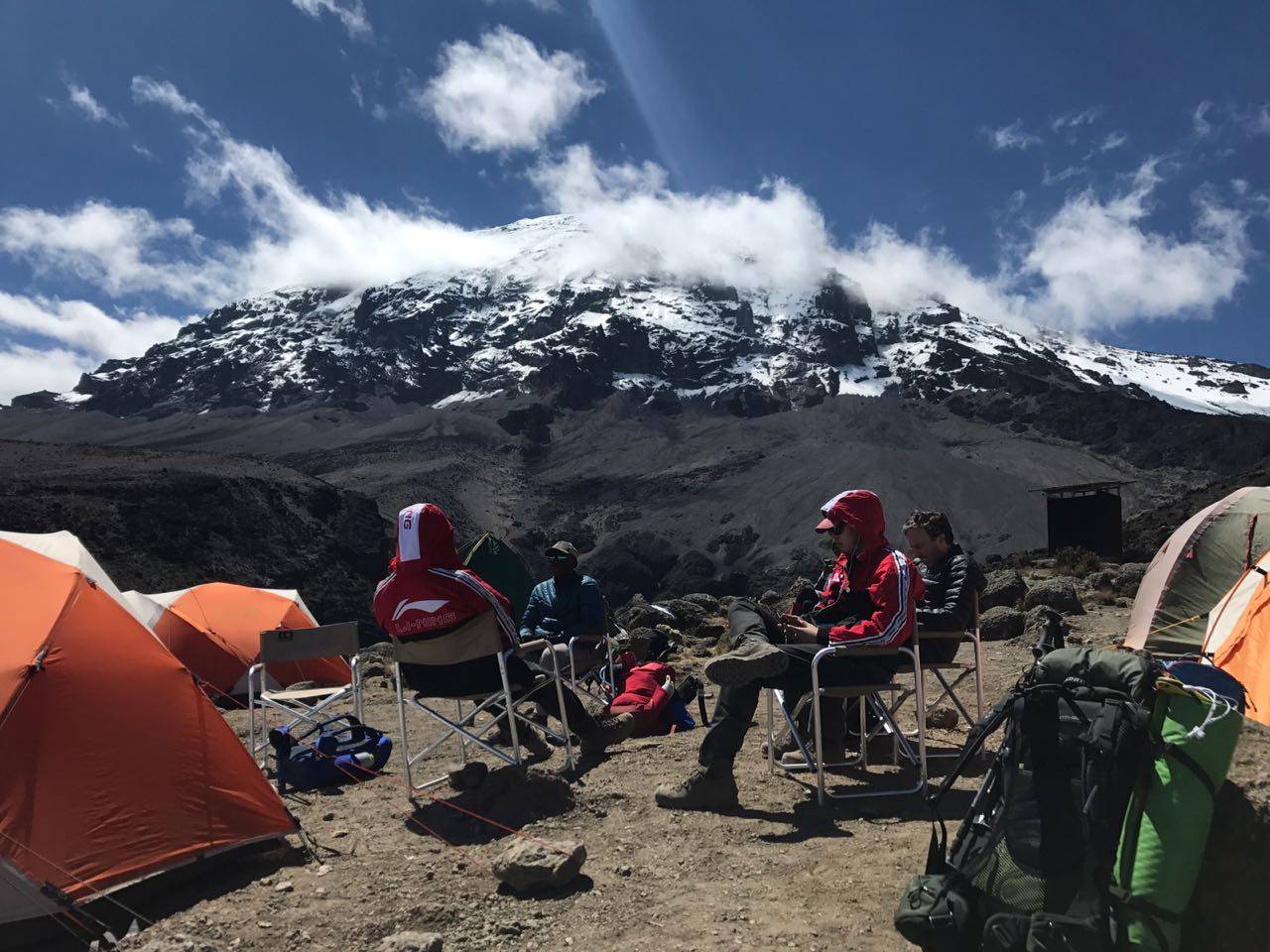
Before delving into special diets, it’s helpful to understand the standard meal setup on Kilimanjaro. Trekkers are typically accompanied by a team of guides, a head chef, and assistant cooks. The chef is responsible for preparing all meals, from breakfast to dinner, plus snacks and hot beverages. Meals are prepared fresh at designated campsites each day.
The standard Kilimanjaro diet is carbohydrate-heavy, designed to provide sustained energy. Breakfasts often include porridge, eggs, toast, pancakes, or fruit. Lunches can be packed lunches carried by porters, featuring sandwiches, fruits, boiled eggs, and snacks, or hot meals prepared at a campsite if the itinerary allows for a midday stop. Dinners are usually the most substantial meals, often consisting of soup, a main course like rice or pasta with chicken, beef, or vegetables, and a dessert.
The logistics of running a kitchen on the mountain are impressive. All food supplies, cooking equipment, gas stoves, and fuel are carried by a dedicated team of porters. The chefs work in a portable mess tent, ensuring that meals are served in a clean and organized environment, even at high altitudes.
Common Special Dietary Requirements on Kilimanjaro
The range of special diets is broad, reflecting the diversity of trekkers. Here are some of the most common requirements that Kilimanjaro chefs are accustomed to handling:
Vegetarian Diets
This is one of the most frequent requests. Vegetarian diets exclude meat, poultry, and fish. Chefs can easily adapt menus to include a variety of protein sources such as beans, lentils, tofu, eggs, and dairy products. Expect hearty vegetable stews, lentil curries, pasta with vegetable sauces, and plenty of fresh produce.
Vegan Diets
Vegan diets exclude all animal products, including meat, poultry, fish, dairy, eggs, and honey. This requires careful planning to ensure adequate protein and nutrient intake. Chefs can prepare meals using plant-based proteins like beans, lentils, chickpeas, tofu, and tempeh. Coconut milk or other plant-based milks can be used in porridges and sauces. The absence of honey is easily managed by using other sweeteners or fruit.
Gluten-Free Diets
Individuals with celiac disease or gluten sensitivity need to avoid wheat, barley, and rye. Kilimanjaro chefs can prepare gluten-free meals by substituting traditional bread and pasta with gluten-free alternatives. Rice, potatoes, cornmeal (polenta), and quinoa are naturally gluten-free and form staples of many meals. Careful attention is paid to avoid cross-contamination in the cooking process.
Lactose Intolerance
Those who are lactose intolerant need to avoid milk and dairy products. Chefs can substitute dairy milk with plant-based alternatives like soy, almond, or oat milk. They can also avoid cheese and yogurt or offer lactose-free versions where available. Many traditional African dishes are naturally dairy-free.
Allergies (Nuts, Soy, Dairy, Eggs, etc.)
Food allergies are taken very seriously. Chefs must be informed of the specific allergen and the severity of the reaction. Strict protocols are followed to prevent cross-contamination. This often involves preparing the allergic individual’s meal first, using separate utensils and cooking surfaces where possible. Common allergens like peanuts and tree nuts are often avoided on standard menus anyway due to the remote nature of the expedition, but specific information is crucial.
Medical Conditions (Diabetes, etc.)
For conditions like diabetes, meal planning focuses on balanced macronutrient distribution and controlled carbohydrate intake. Chefs can prepare meals that are lower in sugar and focus on complex carbohydrates, lean proteins, and healthy fats. Hydration is also key, and chefs can ensure plenty of water and appropriate fluids are available.
Other Preferences
This can include low-carb diets, pescatarian diets, or simply preferences for certain foods or dislikes. Chefs are generally accommodating and can adjust meals based on these requests.
How Kilimanjaro Chefs Prepare for Special Diets
The preparation for handling special diets begins long before the trek starts. It’s a collaborative effort between the trekker, the tour operator, and the mountain crew.
1. Pre-Trip Consultation and Information Gathering
This is the most crucial step. When you book your Kilimanjaro climb with a reputable company like Top Guide Adventures, you will be asked to fill out a detailed booking form. This form typically includes a section specifically for dietary requirements, allergies, and any medical conditions that might affect your food choices. It’s vital to be as precise and thorough as possible. Don’t just say “allergy”; specify the allergen and, if known, the severity.
For 2026 and 2027 expeditions, this initial communication is even more important as planning horizons extend. Top Guide Adventures encourages clients to discuss their needs directly with their booking agent, who will then relay this information to the operations team and the head chefs. This ensures that the chefs are aware of all requirements and can plan accordingly.
2. Menu Planning and Ingredient Sourcing
Based on the information gathered, the head chef and the tour operator’s logistics team will plan the menu for the expedition. This involves:
- Identifying suitable substitutes: For gluten-free, dairy-free, or vegan diets, the chef will select appropriate alternatives like gluten-free pasta, rice, plant-based milks, and tofu.
- Ensuring nutritional balance: Special diets must still provide sufficient calories, protein, carbohydrates, and micronutrients for the demands of high-altitude trekking.
- Sourcing ingredients: Chefs will ensure they have adequate supplies of specific ingredients needed for special diets. This might mean purchasing specialty items in town before the climb begins. For instance, ensuring a sufficient stock of gluten-free bread or vegan protein powder for a specific group.
- Pre-packing and labeling: Some operators might pre-pack specific ingredients or even entire meals for individuals with severe allergies or very strict dietary protocols to minimize any risk of cross-contamination.
3. Chef Training and Briefing
Experienced Kilimanjaro chefs are not just cooks; they are trained professionals who understand the importance of food safety and hygiene, especially when dealing with allergies and dietary restrictions. Before each climbing season, and certainly for major expeditions booked for 2026 or 2027, chefs are briefed on the specific needs of the groups they will be serving. They are reminded of protocols for handling allergens and preparing specialized meals.
4. On-Mountain Execution
Once on the mountain, the chef’s job is to execute the plan meticulously:
- Preparation: They will prepare specialized meals separately or at a different time from standard meals to avoid contamination.
- Serving: Meals are often served directly by the chef or a trusted assistant to ensure the correct person receives their specific meal.
- Communication: Chefs maintain open communication with guides, who can then relay any concerns or updates to the trekker.
The Role of Communication: Your Responsibility
While tour operators and chefs are prepared, the responsibility for clear and accurate communication lies significantly with the trekker. Here’s how to ensure your needs are met:
- Be honest and specific: Provide detailed information about your dietary needs on your booking form. If you have a severe allergy, state it clearly. If you are vegetarian for ethical reasons versus a medical intolerance, this can influence meal preparation.
- Communicate with your booking agent: If you have complex needs or are unsure how to describe them, talk to your travel consultant. They can help you articulate your requirements to the operations team. For Top Guide Adventures, you can reach out via WhatsApp at +255616946642 or email topguideadventures@gmail.com.
- Reconfirm on arrival: When you meet your guide team in Tanzania before the climb, it’s a good practice to reconfirm your dietary needs with the lead guide. They will then communicate this to the chef.
- Daily check-ins: While not always necessary, if you have very strict requirements, a quick daily check-in with your guide or the chef about the next meal can provide peace of mind.
For instance, if you are gluten-free, you might want to confirm that the bread for lunch is indeed gluten-free, or that the pasta served for dinner is a gluten-free variety. This double-checking ensures that potential misunderstandings are caught early.
Examples of Special Diet Meals on Kilimanjaro
To illustrate how special diets are handled, here are some examples:
Vegetarian/Vegan Breakfast
Instead of eggs and bacon, you might have:
- Oatmeal made with water or plant-based milk, topped with nuts (if no nut allergy) and dried fruit.
- Tofu scramble with vegetables.
- Vegan pancakes with fruit compote.
- Fresh fruit salad.
Vegetarian/Vegan Lunch
Packed lunches might include:
- Vegetable wraps with hummus or falafel (ensure wraps are vegan/gluten-free if needed).
- Lentil salad with mixed vegetables.
- Rice paper rolls with tofu and vegetables.
- Hard-boiled eggs (for vegetarians, not vegans) and fruit.
Vegetarian/Vegan Dinner
Dinners are often hearty:
- Lentil soup followed by vegetable curry with rice.
- Pasta with a rich tomato and vegetable sauce (ensure pasta is gluten-free if required).
- Chickpea and spinach stew.
- Vegetable stir-fry with tofu and noodles.
Gluten-Free Considerations
Chefs will ensure:
- Gluten-free bread and pasta are used.
- Rice, potatoes, and cornmeal are staples.
- Soups are thickened with cornstarch or pureed vegetables rather than flour.
- Care is taken to avoid cross-contamination with regular bread or pasta.
Allergy Considerations (e.g., Nut Allergy)
If a nut allergy is present:
- Nuts will be completely excluded from the menu for the entire group, or at least from the individual’s meals and preparation areas.
- Ingredients like peanut butter or pesto (often containing nuts) will be avoided.
- Snacks will be carefully selected to be nut-free.
For severe allergies, it’s always wise to carry a small supply of your preferred safe snacks, just in case. However, a good operator will meticulously plan to avoid any issues.
Why Choose a Reputable Operator for Dietary Needs?
The ability of Kilimanjaro chefs to handle special diets is directly linked to the professionalism and experience of the tour operator. Reputable companies invest in:
- Experienced Chefs: They hire chefs who are not only skilled cooks but also understand mountain logistics and dietary management.
- Established Supply Chains: They have reliable partners for sourcing quality food and specialty ingredients in Tanzania.
- Clear Protocols: They have established procedures for communicating, preparing, and serving special meals to minimize risks.
- Guide Training: Guides are trained to understand the importance of dietary needs and to act as a liaison between trekkers and the kitchen staff.
- Client Feedback: They actively seek feedback to continually improve their services, including their ability to cater to diverse dietary requirements for upcoming seasons like 2026 and 2027.
Top Guide Adventures prides itself on its personalized service and attention to detail. We understand that your Kilimanjaro climb is a significant undertaking, and your comfort and safety are paramount. Our team works diligently to ensure that every client, regardless of their dietary needs, receives delicious, nutritious, and safe meals throughout their trek.
Choosing Your Route with Dietary Needs in Mind
While all routes on Kilimanjaro are managed by similar professional teams, the duration of the trek can sometimes influence the complexity of managing certain diets. Longer routes like the 8-day Lemosho or the 9-day Northern Circuit offer more opportunities for varied meals and potentially easier logistics for chefs to manage specific requirements over an extended period compared to a shorter, more intense trek. However, with proper planning, any route can accommodate special diets.
Dietary Needs and Acclimatization
It’s important to note that acclimatization is the primary factor for success on Kilimanjaro. While diet is crucial for energy, it cannot replace proper acclimatization. However, having meals that agree with you and provide adequate nutrition can support your body’s ability to acclimatize. Avoiding digestive upset caused by unsuitable food is also beneficial at high altitudes.
Hydration and Special Diets
Adequate hydration is non-negotiable on Kilimanjaro. Chefs provide plenty of water, hot drinks like tea and coffee, and sometimes juice. For trekkers with special diets, ensuring sufficient intake of fluids is still key. If you have specific hydration needs (e.g., avoiding sugary drinks due to diabetes), communicate this clearly.
Addressing Concerns for 2026-2027 Climbs
As you plan your Kilimanjaro adventure for 2026 or 2027, remember that dietary management is a standard part of a professional Kilimanjaro operation. The key is proactive communication.
- Book Early: Especially for popular seasons in 2026 and 2027, booking early allows operators more time to plan and source any specific ingredients needed for your dietary requirements.
- Be Thorough in Your Inquiry: When contacting tour operators, make your dietary needs one of the first points of discussion.
- Check Operator Reviews: Look for reviews that specifically mention how the operator handles food and dietary needs. This can give you confidence in their capabilities.
Top Guide Adventures has a long-standing reputation for excellent service, including our commitment to catering to diverse dietary needs. We understand that a well-fed trekker is a happy and successful trekker. Our chefs are trained to handle vegetarian, vegan, gluten-free, and allergy-specific meals with care and professionalism.
For any questions regarding your specific dietary needs for a Kilimanjaro climb in 2026, 2027, or any other year, please do not hesitate to contact us. You can reach us via WhatsApp at +255616946642, email us at topguideadventures@gmail.com, or our backup email info@topguideadventures.com. We are dedicated to ensuring your Kilimanjaro journey is as comfortable and enjoyable as possible, from the food you eat to the impressive views you experience.
Choosing the right partner for your Kilimanjaro expedition means choosing a company that values your health and well-being. Top Guide Adventures is that partner, ready to help you conquer Africa’s highest peak with confidence, knowing your dietary needs will be expertly managed.
Check Availability for Can Kilimanjaro Chefs Handle Special Diets? Top Guide Adventures Explains
Ready to compare dates, prices, and the best option for your group? Send the package name and travel month so the team can reply with a clear quote, availability, and what is included.
Kilimanjaro Marathon Travel Package: Your Complete Guide 2026-2027
Planning to run the Kilimanjaro Marathon? Top Guide Adventures offers comprehensive travel packages for the 2026-2027 races, covering everything from race entry and accommodation to pre...
View package details
Kilimanjaro Trail-Running Holiday 2026-2027
Kilimanjaro Trail-Running Holiday is explained with current 2026-2027 planning, price, itinerary and booking information.
View package details
Kilimanjaro Gravel-Bike Adventure: Ultimate Tanzania Cycling Guide 2026-2027
Discover the thrill of a Kilimanjaro Gravel-Bike Adventure, blending challenging cycling with the stunning landscapes of Tanzania. This guide covers everything you need for an unforgettable...
View package details
Kilimanjaro Coffee-Farm Cycling Tour: Your Ultimate Adventure In 2026-2027
A detailed 2026-2027 guide to Kilimanjaro Coffee-Farm Cycling Tour, with clear planning and booking information for travelers.
View package details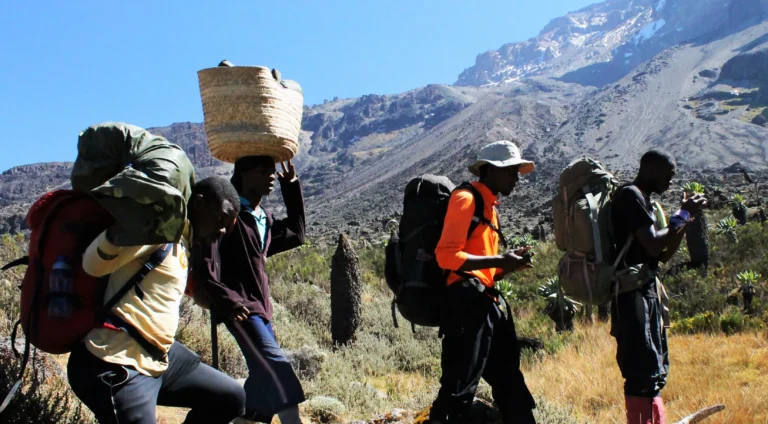
Five-Day Cycle Around Mount Kilimanjaro 2026-2027
Five-Day Cycle around Mount Kilimanjaro is explained with current 2026-2027 planning, price, itinerary and booking information.
View package details
Three-Day Kilimanjaro Cycling Adventure: Routes, Costs & Planning 2026-2027
Experience the thrill of a Three-Day Kilimanjaro Cycling Adventure, a unique way to explore the lower slopes of Africa's highest peak. This guide covers routes, essential gear, fitness...
View package details
One-Day Kilimanjaro Foothills Bike Tour: An Unforgettable Adventure 2026-2027
Discover the beauty and culture surrounding Mount Kilimanjaro on an exhilarating one-day bike tour through its foothills. This adventure offers a unique perspective on Tanzania's iconic...
View package details
Kilimanjaro Mountain-Biking Tour From Moshi: Your Ultimate Adventure Guide
Discover the thrill of a Kilimanjaro Mountain-Biking Tour departing from Moshi. This comprehensive guide covers routes, preparation, costs, and what to expect for your 2026-2027 adventure.
View package details
Kilimanjaro Support Package For Mixed-Ability Groups: Expert Guidance Climbs
Top Guide Adventures offers specialized Kilimanjaro support packages designed for mixed-ability groups, ensuring a safe and successful climb for everyone in 2026 and 2027. This...
View package details
Kilimanjaro Family Trip: Climbing And Non-Climbing Options For 2026-2027
Organizing a Kilimanjaro family trip requires careful planning to accommodate varying interests and abilities, ensuring everyone has a memorable experience. This guide covers options for...
View package detailsKilimanjaro Scenic Experience Without Summiting: Best Views & Treks 2026-2027
Experience the majestic beauty of Mount Kilimanjaro without the demanding summit climb. This guide details the best scenic viewpoints, lower-altitude treks, and unique natural wonders...
View package details
Kilimanjaro Foothills Tour For Non-Climbers: Experience The Majesty Without
Explore the impressive Kilimanjaro foothills on a specialized tour designed for those who prefer to experience the mountain's grandeur without undertaking a strenuous climb. Discover local...
View package detailsNo related package matches those filters. Clear one or more filters to see the other topic-matched options.



