
A seven-day non-climbing itinerary for the Kilimanjaro Region in 2026-2027 offers a rich exploration of local culture, wildlife, coffee plantations, and vibrant town life, providing a comprehensive Tanzanian experience without ascending Mount Kilimanjaro itself. This plan typically includes visits to Moshi town, local villages, wildlife viewing areas like Mkomazi National Park or West Kilimanjaro, cultural activities, and opportunities to learn about coffee farming and Chagga traditions.
Discovering the Kilimanjaro Region: A Seven-Day Non-Climbing Adventure
While Mount Kilimanjaro draws adventurers from across the globe, the region surrounding this majestic peak offers a wealth of experiences for those who prefer to explore at a different pace. The Kilimanjaro Region is a mix of vibrant cultures, stunning landscapes, and diverse wildlife, all set against the awe-inspiring backdrop of Africa’s highest mountain. For travelers visiting in 2026 or 2027, a seven-day itinerary focused on non-climbing activities provides an intimate look at Tanzanian life, far from the mountain trails but deeply connected to its spirit.
Top Guide Adventures specializes in creating these unique experiences. We understand that not everyone seeks to summit Kilimanjaro, but everyone can appreciate the beauty and culture of its surrounding lands. This seven-day non-climbing itinerary is designed to give you a full taste of the Kilimanjaro Region, focusing on its people, its natural wonders, and its rich heritage. From bustling markets in Moshi to serene coffee plantations and thrilling wildlife encounters, prepare for a journey that is both enriching and unforgettable.
Why Choose a Non-Climbing Kilimanjaro Region Itinerary?
The decision to focus on the Kilimanjaro Region without climbing the mountain is a deliberate choice for many travelers. It allows for a more relaxed pace, deeper cultural engagement, and the opportunity to experience diverse ecosystems without the physical demands of high-altitude trekking. Travelers might choose this option for various reasons:
- Accessibility: Offers incredible experiences for those with limited time or physical limitations.
- Cultural Immersion: Provides more opportunities to interact with local communities, understand their way of life, and visit authentic cultural sites.
- Wildlife Focus: Allows for dedicated time to explore nearby national parks and conservation areas, which might be missed on a strict climbing schedule.
- Relaxed Pace: Enjoy the scenery and activities without the pressure of daily ascents and challenging acclimatization.
- Diverse Experiences: Experience a broader spectrum of what Tanzania offers, from agricultural life to conservation efforts, within a single region.
For your 2026 or 2027 travels, this non-climbing itinerary promises a unique perspective on the Kilimanjaro Region, highlighting its charm beyond the summit.
Your Seven-Day Kilimanjaro Region Non-Climbing Itinerary: A Day-by-Day Guide
This itinerary is a suggestion, and Top Guide Adventures can tailor it precisely to your interests and preferred pace. We focus on providing authentic experiences and personal attention.
Day 1: Arrival in Moshi & Town Exploration
Your journey begins upon arrival at Kilimanjaro International Airport (JRO). You’ll be met by a Top Guide Adventures representative and transferred to your comfortable accommodation in Moshi, the vibrant hub of the Kilimanjaro Region. After settling in, take some time to relax. In the afternoon, we’ll start a guided tour of Moshi town. This includes visiting the bustling local market, where you can witness daily life, sample local fruits, and perhaps find unique souvenirs. We’ll also see key landmarks and learn about the town’s history and its significance as the gateway to Kilimanjaro. Enjoy your first taste of Tanzanian cuisine at a local restaurant.
Day 2: Coffee Plantations and Chagga Cultural Experience
Today is dedicated to understanding the region’s agricultural heart and the indigenous Chagga people. We’ll visit a local coffee plantation, learning about the entire process from bean to cup. You’ll have the chance to walk through the coffee fields, understand the cultivation techniques, and participate in a coffee tasting session. Following this, we explore Chagga culture. This often includes visiting a traditional Chagga home, learning about their history, social structures, and unique way of life, which has been shaped by the fertile volcanic soil of Kilimanjaro. You might also visit a local school or community project, offering a chance for meaningful interaction. A traditional Chagga lunch will be served, giving you an authentic culinary experience.
Day 3: Mto wa Mbu Cultural Tourism Village & Lake Manyara Views
We take a scenic drive towards the Great Rift Valley, heading to the Mto wa Mbu village. This unique settlement is a melting pot of over 30 Tanzanian tribes, offering an incredible opportunity for cultural exchange. You’ll explore the village on foot, visiting banana and rice plantations, interacting with local artisans, and learning about their daily lives. A guided walk through the village provides insights into traditional farming methods and local crafts. The area is also known for its vibrant artwork and friendly atmosphere. While not a full safari, the drive offers glimpses of the diverse landscapes leading towards Lake Manyara National Park, with opportunities for stunning panoramic views of the Rift Valley escarpment.
Day 4: Wildlife Exploration in Mkomazi National Park or West Kilimanjaro
Today, we venture into a protected area for wildlife viewing. Depending on your preference and the latest wildlife sightings, we can arrange a game drive in Mkomazi National Park or explore the conservancies in West Kilimanjaro. Mkomazi is a vital sanctuary for endangered species, particularly the black rhino and the African wild dog, and offers a rugged, authentic safari experience with fewer crowds. West Kilimanjaro provides stunning views of Kilimanjaro and offers opportunities to see elephants, giraffes, zebras, and various antelopes in a more open savanna environment, often combined with visits to Maasai communities. Your guide will ensure you have the best chance to spot a variety of wildlife while learning about conservation efforts in the region. This day offers a fantastic introduction to Tanzania’s incredible biodiversity.
Day 5: Materuni Waterfalls and Local Village Life
This day focuses on the natural beauty and local life near Moshi. We’ll travel to the foothills of Kilimanjaro to visit the spectacular Materuni Waterfalls. A short, scenic hike through lush rainforest leads you to the base of these impressive falls, where you can swim in the cool, clear waters. The hike also offers opportunities to see local flora and fauna. Afterward, we visit the Materuni village, home to the Chagga people. Here, you can participate in a traditional coffee-making demonstration, from roasting the beans to grinding them by hand and enjoying a freshly brewed cup. You’ll also learn about local banana beer production and enjoy a traditional Chagga lunch prepared by the community. This is an intimate cultural experience that connects you directly with the local way of life.
Day 6: Shira Plateau Excursion or Marangu Village Exploration
For a taste of Kilimanjaro’s lower slopes without the climb, we can arrange an excursion to the Shira Plateau. This involves a drive to a higher altitude point on the mountain’s flank, offering impressive views and a chance to experience the unique alpine vegetation. The landscape here is starkly beautiful and a world away from the tropical lowlands. Alternatively, for a more village-centric experience, we can explore Marangu village, famous for its beautiful scenery, waterfalls (like the Kilasi Falls), and its history as a starting point for some Kilimanjaro climbs. Marangu also offers insights into the local culture and allows for leisurely walks through charming villages and farmlands. The choice depends on whether you seek a touch of the mountain’s grandeur or deeper village immersion.
Day 7: Relaxation, Souvenir Shopping & Departure
Your final day in the Kilimanjaro Region allows for some flexibility. You can enjoy a leisurely breakfast, revisit a favorite spot in Moshi, or do some last-minute souvenir shopping. Moshi offers a variety of crafts, art, and local products. We can also arrange a visit to a local art gallery or a specific craft workshop if you wish. Depending on your flight schedule, you will be transferred back to Kilimanjaro International Airport (JRO) for your departure, filled with memories of your non-climbing adventure in this extraordinary region.
Tailoring Your 2026-2027 Kilimanjaro Region Experience
The beauty of a non-climbing itinerary is its adaptability. Top Guide Adventures prides itself on creating personalized journeys. Whether you’re planning for 2026 or 2027, we can adjust this seven-day framework to perfectly match your interests. Consider these possibilities for customization:
Focusing on Wildlife
If wildlife is your primary interest, we can extend your time in Mkomazi National Park or West Kilimanjaro, potentially adding a day trip to Tarangire National Park, known for its large elephant herds and iconic baobab trees, though this would require adjusting the itinerary’s geographic focus slightly. Alternatively, we can arrange guided nature walks in areas known for birdlife and smaller mammals.
Deepening Cultural Engagement
For those passionate about culture, we can arrange longer stays in villages like Materuni or Marangu, including cooking classes, traditional music and dance performances, and visits to local schools or community projects. We can also incorporate visits to historical sites or museums in the region, offering a broader understanding of Tanzania’s past and present.
Adventure and Nature Activities
Beyond the waterfall hike, other activities can be included. Options might range from guided bicycle tours through rural landscapes to exploring local markets more extensively. For those seeking a bit more physical activity without climbing, day hikes in the lower mountain forests can be arranged, offering a different perspective on Kilimanjaro’s environment.
Relaxation and Comfort
If relaxation is key, we can build in more downtime, perhaps at a lodge with stunning views of Kilimanjaro, or incorporate visits to local spas offering traditional treatments. The pace can be significantly slowed, allowing you to soak in the atmosphere of the Kilimanjaro Region at your leisure.
Accommodation Options
Your comfort is paramount. We partner with a range of accommodations, from charming boutique hotels and eco-lodges in Moshi and its surroundings to comfortable guesthouses in villages. Whether you prefer luxury amenities or a more rustic, authentic stay, we can find the perfect fit for your 2026 or 2027 adventure.
Planning Your 2026-2027 Trip: Key Considerations
When planning your Kilimanjaro Region seven-day non-climbing itinerary for 2026 or 2027, several factors are crucial for a smooth and enjoyable experience:
- Best Time to Visit: While the Kilimanjaro Region is pleasant year-round, the dry seasons (June to October and December to February) are generally considered ideal for outdoor activities and wildlife viewing. However, the shoulder months can offer fewer crowds and lush scenery.
- Visa Requirements: Ensure you check the latest visa regulations for Tanzania well in advance of your travel dates.
- Vaccinations and Health: Consult your doctor regarding recommended vaccinations and malaria precautions for Tanzania.
- Travel Insurance: Comprehensive travel insurance is highly recommended for any trip to Tanzania.
- Packing Essentials: Pack light, breathable clothing, comfortable walking shoes, sun protection (hat, sunscreen, sunglasses), insect repellent, a reusable water bottle, and a basic first-aid kit. For cultural visits, modest clothing is appreciated.
- Currency: The Tanzanian Shilling (TZS) is the local currency. US Dollars are also widely accepted, especially for tourist services, but it’s good to have local currency for markets and smaller purchases.
- Connectivity: Wi-Fi is available in most hotels and lodges in Moshi, but can be limited in more remote areas. Consider purchasing a local SIM card for better connectivity.
The Unique Appeal of the Kilimanjaro Region’s Non-Climbing Offerings
The Kilimanjaro Region is far more than just the mountain. It’s a land of fertile volcanic soil, rich cultural heritage, and diverse ecosystems that offer a complete travel experience. By focusing on a non-climbing itinerary, you gain access to aspects of the region that are often overlooked by those solely focused on summiting.
Coffee Culture: Aromatic Journeys
The slopes of Kilimanjaro are perfect for growing high-quality Arabica coffee. The coffee tours, particularly in areas like Materuni, offer a hands-on experience. You’ll see firsthand the dedication and skill involved in cultivating, harvesting, and processing coffee beans. The aroma of freshly roasted beans and the taste of expertly brewed coffee are sensory experiences that define this region. Understanding the economic and cultural significance of coffee farming provides a deeper appreciation for the local communities and their livelihoods. For your 2026 or 2027 visit, experiencing this is a must.
Chagga Heritage: Resilience and Innovation
The Chagga people are the primary inhabitants of Kilimanjaro’s fertile slopes. Historically known for their resilience and innovative spirit, they have developed sophisticated agricultural systems, including intricate irrigation channels and terracing. Learning about their traditional housing (often underground during historical conflicts), their social structures, and their unique customs offers a profound cultural insight. Visiting a Chagga village allows for direct interaction, where stories and traditions are shared, creating a genuine connection.
Wildlife Sanctuaries Beyond the Usual Circuit
While the Serengeti and Ngorongoro are world-renowned, the Kilimanjaro Region boasts its own wildlife treasures. Mkomazi National Park, for instance, is a critical conservation area. It’s one of the few places where you can see reintroduced black rhinos and a thriving population of wild dogs. The park’s landscape is semi-arid, offering a different safari experience compared to the savanna parks. Similarly, conservancies in West Kilimanjaro provide opportunities for game drives with Kilimanjaro as a magnificent backdrop. These areas offer a more exclusive and less crowded wildlife viewing experience, perfect for those seeking tranquility and unique sightings.
The Great Rift Valley’s Influence
The proximity to the Great Rift Valley adds another dimension to the region’s appeal. Day trips or drives towards areas like Mto wa Mbu offer glimpses of the valley’s dramatic landscapes. The geological history and the unique ecosystems that have developed within the valley are fascinating. The cultural diversity found in towns like Mto wa Mbu, where people from numerous tribes live and work together, is a testament to the region’s historical significance as a crossroads.
Scenic Beauty and Natural Wonders
The Kilimanjaro Region is visually stunning. From the verdant slopes dotted with coffee and banana farms to the impressive views from higher altitudes, the scenery is constantly changing. The Materuni Waterfalls offer a refreshing escape into nature, providing a cool respite and a chance to appreciate the region’s water sources. Even simply driving through the countryside reveals panoramic vistas that are quintessentially East African.
Understanding Costs for Your 2026-2027 Kilimanjaro Region Non-Climbing Itinerary
The cost of a Kilimanjaro Region seven-day non-climbing itinerary can vary significantly based on accommodation choices, included activities, transportation, and the level of service desired. Top Guide Adventures offers personalized quotes to ensure you get the best value for your 2026 or 2027 trip.
General Cost Factors:
- Accommodation: Ranges from budget-friendly guesthouses to mid-range hotels and luxury lodges.
- Transportation: Private 4×4 vehicle with a dedicated driver-guide is typical for comfort and flexibility.
- Activities: Entrance fees for parks, guided tours (coffee, cultural villages, waterfalls), and specific experiences.
- Meals: Options can include bed & breakfast, half board, or full board.
- Group Size: Private tours are generally more expensive per person than shared group tours, though we can help find shared departures for 2026-2027.
Estimated Price Range (per person for 7 days):
- Budget-Mid Range: Approximately $1,200 – $1,800 USD. This typically includes comfortable, clean accommodation, private transport, guided tours, and most meals.
- Mid-Range-Comfort: Approximately $1,800 – $2,500 USD. This level offers upgraded accommodations, potentially more exclusive experiences, and enhanced services.
- Luxury: Approximately $2,500+ USD. This includes high-end lodges, premium services, and potentially more specialized activities.
Important Notes:
- Prices for 2026 and 2027 are subject to change based on inflation and supplier rates. We recommend requesting a detailed quote for your specific travel dates.
- International flights, visa fees, travel insurance, tips, and personal expenses are typically not included.
- Top Guide Adventures is committed to transparent pricing. We provide detailed itineraries and inclusions with every quote.
Contact us today for a personalized quote for your Kilimanjaro Region seven-day non-climbing itinerary!
Why Choose Top Guide Adventures for Your Kilimanjaro Region Exploration?
As one of Tanzania’s trusted tour companies, Top Guide Adventures offers unparalleled expertise in crafting memorable journeys. For your Kilimanjaro Region seven-day non-climbing itinerary in 2026 or 2027, we provide:
- Local Expertise: Our team is based in Tanzania, offering intimate knowledge of the Kilimanjaro Region and its hidden gems.
- Personalized Service: We offer dedicated support, ensuring your itinerary is perfectly tailored to your interests and needs.
- Authentic Experiences: We connect you with local culture, communities, and natural wonders in meaningful ways.
- Quality Assurance: We partner with reputable accommodations and reliable transportation providers.
- Safety and Support: Your well-being is our priority, with 24/7 support throughout your trip.
We are passionate about showcasing the best of Tanzania, whether you’re climbing Kilimanjaro or exploring its vibrant surroundings. Our commitment is to provide you with an exceptional travel experience that exceeds your expectations.
Sample Inclusions in a Top Guide Adventures Package:
- Airport transfers upon arrival and departure.
- Accommodation as specified in your itinerary (choice of lodges, hotels, or guesthouses).
- Private vehicle with an experienced English-speaking driver-guide for all excursions.
- Meals as indicated (e.g., daily breakfast, some lunches and dinners).
- All mentioned tours and activities (e.g., coffee tour, waterfall visit, park entrance fees for game drives).
- Bottled drinking water during excursions.
- All park fees and conservation levies for included wildlife areas.
Typical Exclusions:
- International flights.
- Tanzania visa fees.
- Travel and medical insurance.
- Gratuities for guides and drivers.
- Personal expenses (souvenirs, laundry, alcoholic beverages, etc.).
- Optional activities not listed in the itinerary.
We believe in transparency, and our detailed quotes will outline exactly what is included and excluded, ensuring no surprises for your 2026 or 2027 adventure.
Preparing for Your Kilimanjaro Region Non-Climbing Adventure in 2026-2027
A well-prepared traveler is a happy traveler. Here are some additional tips to ensure your Kilimanjaro Region seven-day non-climbing itinerary is as smooth as possible:
Cultural Etiquette
Tanzanians are known for their warmth and hospitality. Learning a few basic Swahili phrases like ‘Jambo’ (Hello) and ‘Asante sana’ (Thank you very much) will be greatly appreciated. When visiting villages or interacting with local communities, dress modestly out of respect. Always ask permission before taking photographs of people.
Health and Safety
Tap water is generally not safe to drink. Stick to bottled or purified water provided by your tour operator or accommodations. Mosquitoes can be present, especially in the evenings, so use insect repellent. While Moshi is generally safe, it’s always wise to be aware of your surroundings, especially in crowded markets. Your guide will be knowledgeable about local conditions and safety.
Packing Smart for the Kilimanjaro Region
In addition to the essentials mentioned earlier, consider:
- Light Rain Jacket: Even in the dry season, brief showers can occur, especially on the mountain’s slopes.
- Camera and Extra Batteries/Power Bank: You’ll want to capture the stunning scenery and cultural moments.
- Binoculars: Enhance your wildlife viewing experience.
- Small Backpack: For day trips, carrying water, snacks, camera, and a light jacket.
- Personal Medications: Bring any prescription medications you need, along with a copy of your prescription.
Understanding Local Cuisine
Tanzanian food is flavorful and varied. Staple dishes often include ‘ugali’ (a maize porridge), rice, beans, and various stews (‘mchuzi’). Expect fresh tropical fruits like mangoes, bananas, and pineapples. Coffee and tea are widely available and of excellent quality. Don’t hesitate to try local specialties during your cultural tours!
Beyond the Seven Days: Extending Your Kilimanjaro Region Stay
While seven days provide a fantastic introduction, you might consider extending your stay to explore more of Tanzania. Top Guide Adventures can seamlessly integrate your Kilimanjaro Region non-climbing itinerary with other popular destinations:
- Northern Circuit Safaris: Combine your trip with a safari to Tarangire, Lake Manyara, the Serengeti, and the Ngorongoro Crater. This is a classic Tanzanian adventure.
- Zanzibar Holidays: Fly to the exotic spice island of Zanzibar for pristine beaches, historical Stone Town, and vibrant marine life.
- Arusha National Park: A smaller, accessible park offering canoeing on Momella Lakes and hiking opportunities with views of Mount Meru.
We specialize in tailor-made journeys across Tanzania, ensuring that every aspect of your trip, from your Kilimanjaro Region seven-day non-climbing itinerary to any extensions, is perfectly arranged. Whether you are planning for 2026 or 2027, let us help you craft the ultimate Tanzanian adventure.
We invite you to connect with us to discuss your dream Tanzanian holiday. Our team is ready to answer all your questions and help you plan an unforgettable experience.
Contact Top Guide Adventures:
- WhatsApp: +255616946642
- Email: topguideadventures@gmail.com
- Backup Email: info@topguideadventures.com
Visit our website for more inspiration and to explore our range of Tanzanian tours and safaris: www.topguideadventures.com. Follow us on Instagram for stunning visuals: @top_guide_adventures.
Check Availability for Kilimanjaro Region Seven-Day Non-Climbing Itinerary: Explore Beyond The…
Ready to compare dates, prices, and the best option for your group? Send the package name and travel month so the team can reply with a clear quote, availability, and what is included.
Sustainable Kilimanjaro Climbing Packages For | Top Guide Adventures 2026-2027
Discover sustainable Kilimanjaro climbing packages designed for eco-conscious adventurers. Top Guide Adventures offers responsible treks in 2026-2027, focusing on environmental preservation...
View package details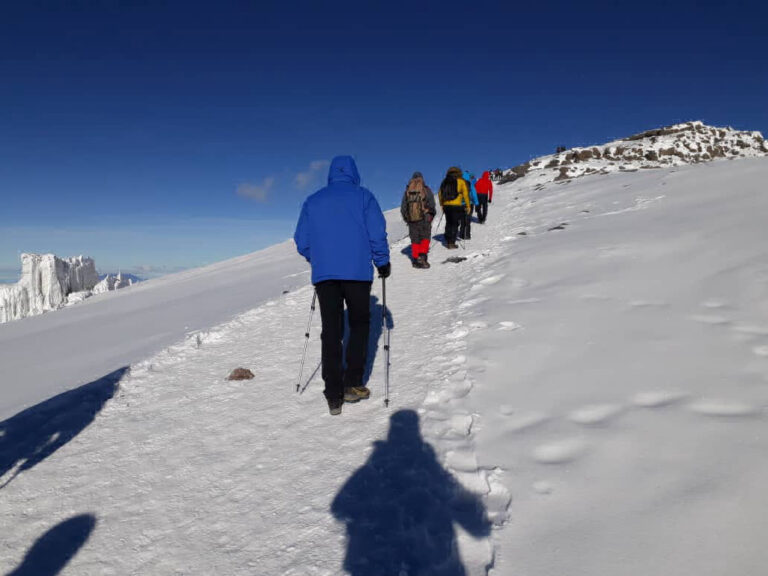
Kilimanjaro Climbing Price For Four People 2026-2027
Kilimanjaro Climbing Price for Four People is explained with current 2026-2027 planning, price, itinerary and booking information.
View package details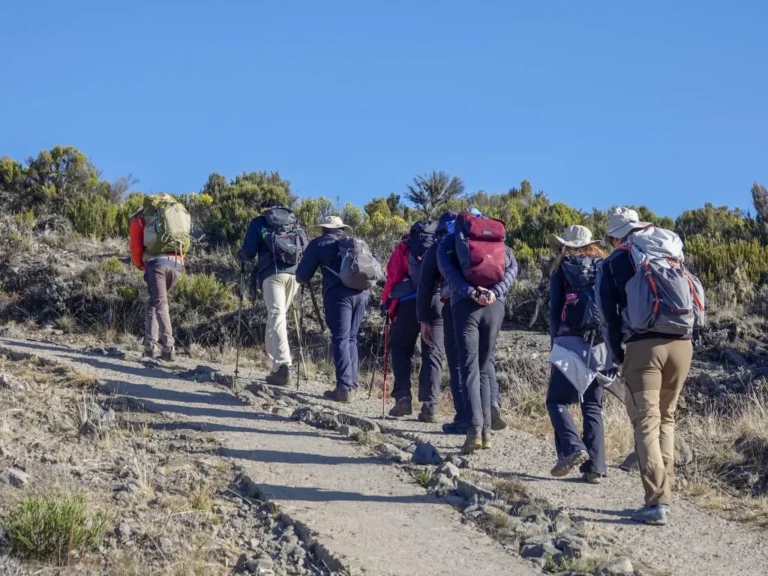
Kilimanjaro Climbing Payment Plan: Flexible Options For Your Adventure
Planning your Kilimanjaro climb is an exciting journey. Top Guide Adventures understands that financial flexibility is key. Discover how our Kilimanjaro climbing payment plan options can...
View package details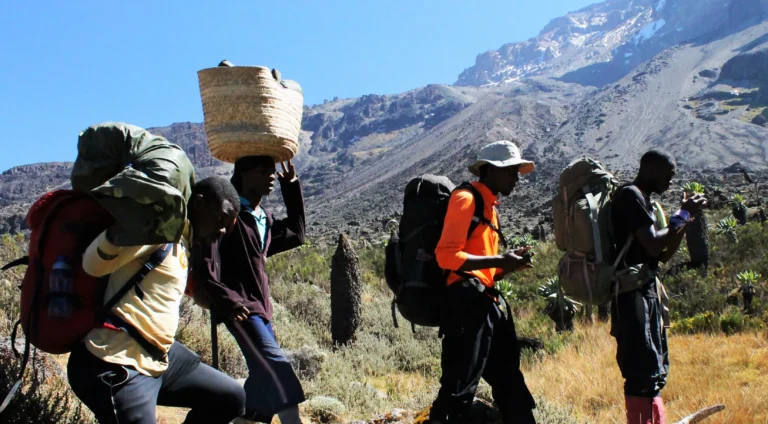
Kilimanjaro Safari Before Rejoining Your Climbing Group | Top Guide Adventures
Combining a safari with your Kilimanjaro climb is a classic Tanzanian adventure. Discover how to seamlessly integrate a wildlife safari experience before meeting your climbing group for the...
View package details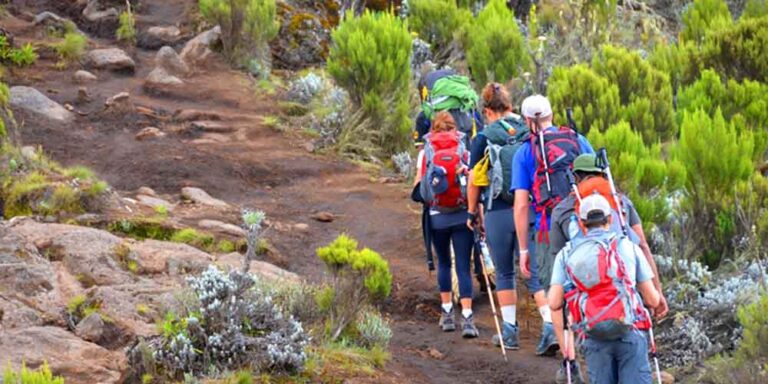
Kilimanjaro Airport And Hotel Support For Climbing Groups | Top Guide
Top Guide Adventures provides comprehensive support for Kilimanjaro climbing groups, from arrival at Kilimanjaro International Airport (JRO) to comfortable hotel stays before and after your...
View package details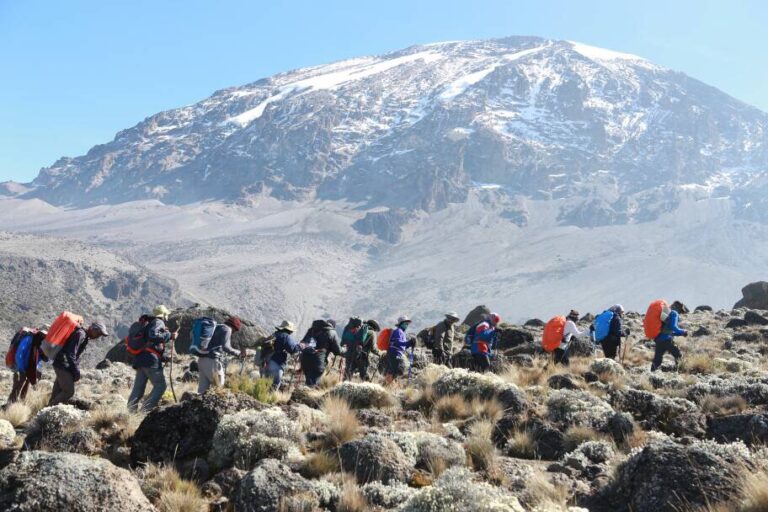
Kilimanjaro High-Altitude Running Camp: Training, Itinerary & Expert Guide
Prepare for peak performance on Kilimanjaro with a specialized high-altitude running camp. This comprehensive guide covers training protocols, ideal routes, essential gear, and expert...
View package details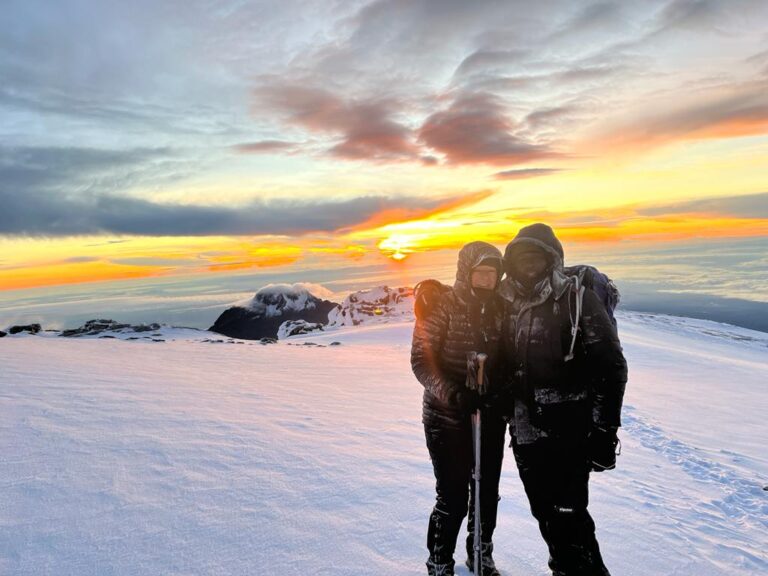
Kilimanjaro Family Trip: Climbing And Non-Climbing Options For 2026-2027
Organizing a Kilimanjaro family trip requires careful planning to accommodate varying interests and abilities, ensuring everyone has a memorable experience. This guide covers options for...
View package details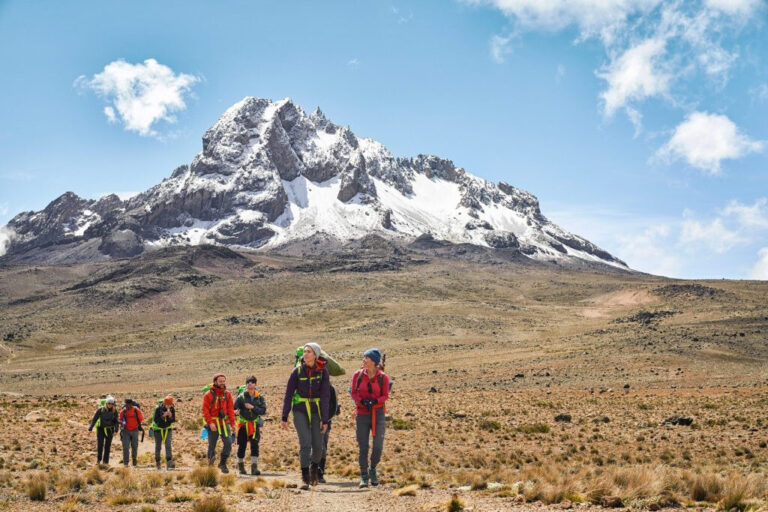
Adaptive Kilimanjaro Climbing Expeditions 2026-2027
Adaptive Kilimanjaro Climbing Expeditions is explained with current 2026-2027 planning, price, itinerary and booking information.
View package details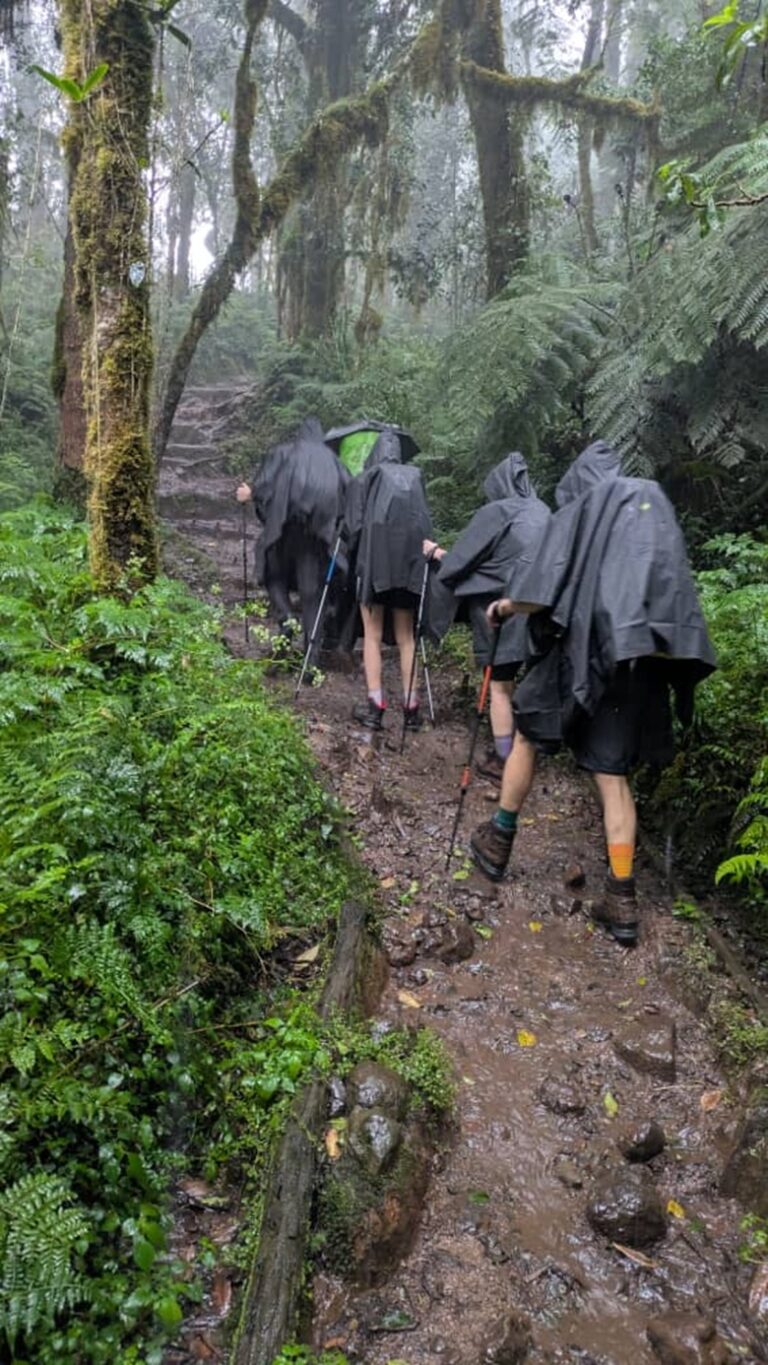
Multilingual Kilimanjaro Group Climbing Tour 2026-2027
Multilingual Kilimanjaro Group Climbing Tour is explained with current 2026-2027 planning, price, itinerary and booking information.
View package details
How To Stay Clean During A Seven-Day Kilimanjaro Trek | Top Guide Adventures
Maintaining hygiene on Mount Kilimanjaro for seven days is achievable with the right preparation and practices. This guide details essential strategies for staying clean, from managing...
View package details
Can A 14-Year-Old Climb Kilimanjaro? Essential Guide For Young Trekkers
Climbing Mount Kilimanjaro is an incredible adventure, and many young people aspire to reach its summit. This guide explores whether a 14-year-old can successfully and safely summit...
View package details
Can A 12-Year-Old Climb Kilimanjaro? A Comprehensive Guide For 2026-2027
Climbing Kilimanjaro with a 12-year-old is possible but requires careful consideration of fitness, preparation, and route choice. This guide details everything parents and young adventurers...
View package detailsNo related package matches those filters. Clear one or more filters to see the other topic-matched options.



