
Kilimanjaro child and teenager pricing for 2026-2027 treks is generally calculated based on a per-person rate, similar to adult pricing, but with specific considerations for younger climbers. While there isn’t a universal standard discount for children, operators like Top Guide Adventures may offer tailored packages or adjust services to accommodate younger trekkers, ensuring safety and enjoyment. Factors influencing the final cost include the chosen route, trek duration, group size, accommodation preferences, and the specific inclusions provided by the tour operator. Booking in advance for 2026 or 2027 is advisable to secure preferred dates and potentially better rates.

Understanding Kilimanjaro Child and Teenager Pricing for 2026-2027 Treks
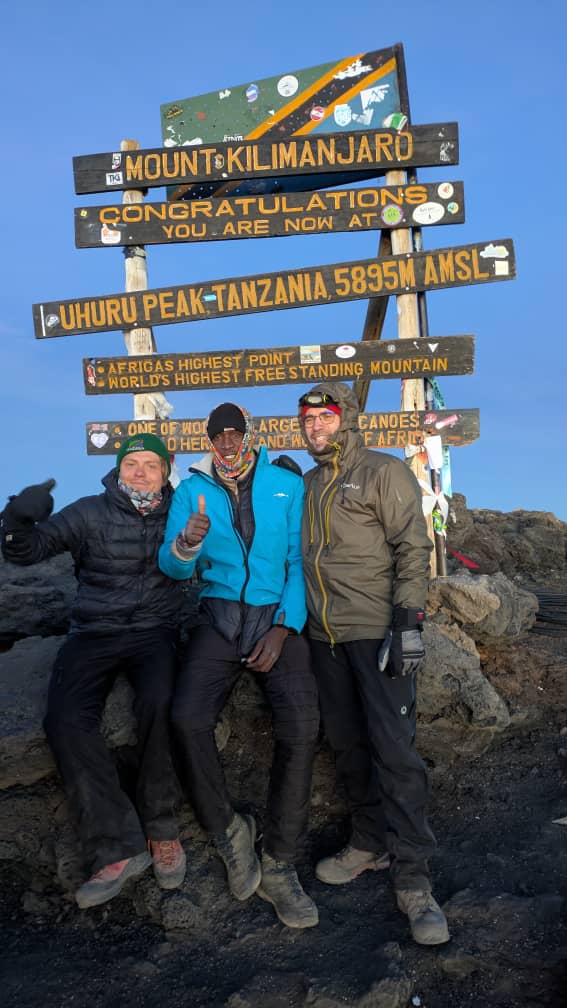
Climbing Mount Kilimanjaro is an extraordinary adventure, and for many families, it represents a unique opportunity to share an unforgettable experience with their children and teenagers. As you plan for a trek in 2026 or 2027, understanding the specific pricing considerations for younger adventurers is crucial. While Kilimanjaro is accessible to children as young as 10, the cost structure often mirrors adult rates, with variations depending on the tour operator and the services provided.
At Top Guide Adventures, we recognize that families have distinct needs. Our approach to Kilimanjaro child and teenager pricing is built on ensuring safety, comfort, and a memorable journey for every member of your group. We don’t typically apply a flat discount for children; instead, the pricing reflects the comprehensive services required to support a successful climb for all ages. This includes experienced guides, adequate nutrition, appropriate safety equipment, and logistical support tailored to the demands of high-altitude trekking, which are essential whether climbing with adults or younger individuals.
The overarching principle guiding Kilimanjaro pricing, whether for individuals, groups, or families with children, is the quality and scope of the service. A higher price point generally correlates with more experienced guides, better quality gear, more comfortable accommodations at the base, superior food provisions, and a stronger emphasis on safety protocols. For families planning their 2026 or 2027 expedition, this means looking beyond the headline price to understand what is included and how the operator prioritizes the well-being of younger climbers.
Key Factors Influencing Kilimanjaro Trek Costs for Families
When budgeting for a Kilimanjaro climb for children and teenagers in 2026 or 2027, several core factors will determine the overall cost. These elements are fundamental to the trekking experience and are consistent across most reputable tour operators, though the specifics of their inclusion and quality can vary significantly.
- Route Choice: Different routes on Kilimanjaro have varying durations and difficulty levels, impacting the number of days on the mountain and the associated costs. Longer, more gradual ascent routes like the Lemosho or Machame are often recommended for younger trekkers to aid acclimatization, but they also involve more operational days and thus higher pricing.
- Trek Duration: A longer trek, typically 7-9 days, allows for better acclimatization and increases the chances of summit success, especially for younger climbers. Each additional day on the mountain incurs operational costs, including park fees, guide and porter salaries, and provisions.
- Group Size and Type: Whether you opt for a private family climb or join a scheduled group departure can influence the per-person price. Private climbs offer flexibility and personalized attention but usually come at a higher cost. Group climbs can be more budget-friendly but may require adherence to a fixed schedule.
- Inclusions and Exclusions: The most significant differentiator in pricing is what the tour package includes. Common inclusions are park fees, rescue fees, guide and porter wages, meals on the mountain, camping equipment, and transfers. Exclusions might include tips for the crew, personal gear, sleeping bags, and pre/post-climb accommodation. Families should carefully review these details.
- Operator Reputation and Service Level: Established operators with a strong safety record, experienced guides, and well-paid crews often charge more. This premium reflects a commitment to quality, safety, and ethical treatment of staff, which is particularly important when children are involved.
- Accommodation Before and After the Climb: The cost of hotels in Moshi or Arusha before and after the trek is often separate from the climbing package. Prices for these accommodations can vary based on comfort and amenities.
- Time of Year: While Kilimanjaro can be climbed year-round, the peak seasons (January-March and June-October) may see slightly higher demand and potentially affect availability for private family climbs in 2026 or 2027. Prices generally remain stable across seasons, but booking early is always recommended.
Kilimanjaro Child and Teenager Pricing: What to Expect in 2026-2027
When inquiring about Kilimanjaro child and teenager pricing, it’s essential to understand that operators typically quote prices on a per-person basis. This rate is designed to cover the extensive logistical and human resources required for a safe and successful ascent. For instance, a standard 7-day Machame route climb with a reputable operator in 2026 or 2027 might range from $2,000 to $3,500 per person. This price covers park fees, rescue fees, all meals on the mountain, experienced guides, porters, and camping equipment.
While a direct discount for children is not standard practice, families might find that booking a private climb for their group allows for a more controlled budget. Alternatively, some operators might offer slight adjustments or value-added services for families, such as ensuring a guide ratio that is more favorable for younger trekkers. At Top Guide Adventures, we focus on providing a complete, safe, and well-supported experience. Our pricing reflects the quality of our guides, the provision of excellent food, reliable equipment, and our commitment to ethical treatment of our crew, which are paramount when children are part of the climbing party.
It’s important to distinguish between the cost of the climb itself and other expenses. These often include:
- International Flights: The cost of flights to Kilimanjaro International Airport (JRO).
- Visa Fees: If applicable for your nationality.
- Travel Insurance: Mandatory for all climbers, covering high-altitude trekking and emergency evacuation.
- Tipping: A significant component of the trek cost, as guides and porters rely on tips. Budget approximately $200-$300 per climber for crew tips.
- Personal Gear: Such as specialized clothing, boots, and sleeping bags.
- Pre and Post-Trek Accommodation: Hotel stays in Moshi or Arusha.
- Lunches and Dinners in Town: Meals outside of the mountain trek.
- Personal Expenses: Souvenirs, drinks, etc.
For families planning a 2026 or 2027 Kilimanjaro adventure, it’s wise to budget an additional $500 – $1000 per person for these supplementary costs, on top of the quoted climb price.
Special Considerations for Children and Teenagers on Kilimanjaro
Climbing Kilimanjaro presents unique challenges for younger trekkers. While physically capable, children and teenagers may have different physiological responses to altitude and varying levels of endurance and motivation compared to adults. Reputable operators prioritize their safety and well-being above all else.
- Age Restrictions: The minimum age for climbing Kilimanjaro is officially 10 years old. Operators may have their own policies regarding the minimum age, especially for certain routes or if a child appears less mature or physically prepared.
- Acclimatization is Key: Longer routes (7-9 days) are highly recommended for children and teenagers. These routes allow for a slower ascent, which is critical for proper acclimatization and reduces the risk of altitude sickness.
- Guide-to-Child Ratio: Some operators might offer a lower guide-to-climber ratio for families with children, ensuring more personalized attention and monitoring.
- Mental Preparedness: Discussing the challenges, potential discomforts, and the importance of listening to their bodies and guides is vital for younger climbers.
- Physical Fitness: While not requiring elite athleticism, a good level of general fitness and stamina is necessary. Encourage regular physical activity, including hiking, in the months leading up to the trek.
Choosing the Right Kilimanjaro Route for Young Climbers in 2026-2027
Selecting the appropriate route is paramount when climbing Kilimanjaro with children and teenagers. The goal is to maximize acclimatization, ensure safety, and enhance the likelihood of reaching the summit comfortably. For family treks planned for 2026 or 2027, longer routes are almost always the preferred choice.
Recommended Routes for Families
1. Machame Route (7 Days): Often called the “Whiskey Route,” the Machame route is popular due to its scenic beauty and relatively good acclimatization profile. A 7-day itinerary is the minimum recommended for families to allow for a gradual ascent. While it’s a challenging trek, it offers a high success rate when completed over more days.
2. Lemosho Route (8 Days): The Lemosho route is widely considered one of the most beautiful and offers excellent acclimatization. An 8-day trek on this route provides an additional day for acclimatization, significantly boosting success rates and comfort for younger climbers. It starts in a more remote area, offering a pristine wilderness experience.
3. Marangu Route (5 or 6 Days): Known as the “Coca-Cola Route,” Marangu is the only route with dormitory-style hut accommodation, which some families might find more comfortable than camping. However, it has a steeper ascent profile and a shorter duration (typically 5 or 6 days), making acclimatization less optimal. It is generally less recommended for children and teenagers unless they are particularly fit and have prior high-altitude experience, and even then, the 6-day option is preferable.
4. Rongai Route (6 or 7 Days): The Rongai route approaches Kilimanjaro from the north, near the Kenyan border. It’s generally drier than routes on the southern side and offers a different perspective. A 7-day Rongai trek provides good acclimatization and is a viable option for families, especially during the wetter seasons.
Routes to Approach with Caution for Younger Climbers
- Northern Circuit (9 Days): While the longest and offering the best acclimatization, it can be more expensive due to its length and remote starting point. It’s an excellent choice for families prioritizing success and comfort, but the cost might be a factor.
- Umbwe Route (6 Days): This is the shortest and steepest route, demanding a high level of fitness and rapid acclimatization. It is generally not recommended for children and teenagers due to its challenging nature and increased risk of altitude sickness.
When planning your 2026 or 2027 family climb, discuss these route options thoroughly with your tour operator. Top Guide Adventures can provide expert advice tailored to your children’s ages, fitness levels, and your family’s overall expectations.
Kilimanjaro Pricing Comparison for Family Treks (Estimated 2026-2027)
This table provides estimated price ranges per person for a standard 7-day climb. Remember that private family climbs may have different pricing structures.
| Route | Typical Duration (Days) | Estimated Price Range (USD Per Person) | Notes for Families |
|---|---|---|---|
| Marangu | 5-6 | $1,800 – $2,800 | Hut accommodation. Shorter duration may challenge acclimatization for younger trekkers. 6-day option is better. |
| Machame | 6-7 | $2,000 – $3,500 | Camping. Popular, scenic, good acclimatization on 7-day option. Highly recommended for families. |
| Lemosho | 7-8 | $2,200 – $3,800 | Camping. Excellent acclimatization on 8-day option. Scenic and less crowded initially. Ideal for families. |
| Rongai | 6-7 | $2,100 – $3,400 | Camping. Approaches from the north. Good alternative, especially for drier conditions. 7-day option better for acclimatization. |
| Northern Circuit | 9 | $2,500 – $4,500 | Camping. Longest route with best acclimatization. Highest success rate, most comfortable for all ages but more costly. |
Note: These are approximate figures for 2026-2027. Actual costs depend on the operator, inclusions, and specific services. Prices often exclude international flights, visa fees, insurance, tips, and personal gear.
What’s Typically Included in Kilimanjaro Child and Teenager Trek Packages?
Understanding what’s covered in the Kilimanjaro child and teenager pricing is vital for accurate budgeting and avoiding surprises. Reputable tour operators provide comprehensive packages to ensure a safe and enjoyable climb. For family treks booked for 2026 or 2027, expect the following to be included:
- Park Fees: Daily conservation fees, camping/hut fees, and crew access fees mandated by Kilimanjaro National Park. These are a significant portion of the total cost.
- Rescue Fees: Fees for emergency evacuation services, which are essential for high-altitude trekking.
- Guides and Porters: Salaries, food, and equipment for a professional and experienced climbing crew. For younger climbers, operators often ensure guides are particularly adept at managing and motivating children.
- Food and Water: Three nutritious meals per day on the mountain, plus boiled water. Meal quality and variety are important considerations for younger appetites.
- Camping Equipment: High-quality tents (sleeping tents, mess tents, toilet tents), sleeping mats, and cooking equipment.
- Accommodation: Usually camping tents on most routes. The Marangu route offers dormitory-style huts.
- Transfers: Transportation from your hotel in Moshi/Arusha to the mountain gate and back after the climb.
-
Check Availability for Kilimanjaro Child And Teenager Pricing 2026-2027
Ready to compare dates, prices, and the best option for your group? Send the package name and travel month so the team can reply with a clear quote, availability, and what is included.
12 closely related packages
Kilimanjaro Parent-And-Child Summit Challenge Guide
Embarking on a Kilimanjaro Parent-and-Child Summit Challenge is an extraordinary way for families to bond and achieve a monumental goal together. This guide provides essential information...
View package details
Kilimanjaro Packing List For Teenagers: Expert Guide Climbs 2026-2027
A comprehensive Kilimanjaro packing list tailored for teenage climbers, covering essential gear, clothing layers, footwear, and personal items for a successful 2026-2027 ascent. Expert tips...
View package details
How To Prepare A Teenager For Kilimanjaro: A Comprehensive Guide 2026-2027
Climbing Kilimanjaro is an incredible adventure for teenagers. This guide provides essential advice for parents and teens on physical training, mental preparation, gear selection, and what...
View package details
Kilimanjaro Climbing Package For Parents And Teenagers 2026-2027
Kilimanjaro Climbing Package for Parents and Teenagers is explained with current 2026-2027 planning, price, itinerary and booking information.
View package details
Best Kilimanjaro Route For Teenagers 2026-2027
Best Kilimanjaro Route for Teenagers is explained with current 2026-2027 planning, price, itinerary and booking information.
View package details
Kilimanjaro Group Pricing By Number Of Climbers In | Top Guide Adventures
Understand how the number of climbers affects Kilimanjaro group pricing for your 2026-2027 adventure. Top Guide Adventures breaks down the cost dynamics, from solo trekkers to large...
View package details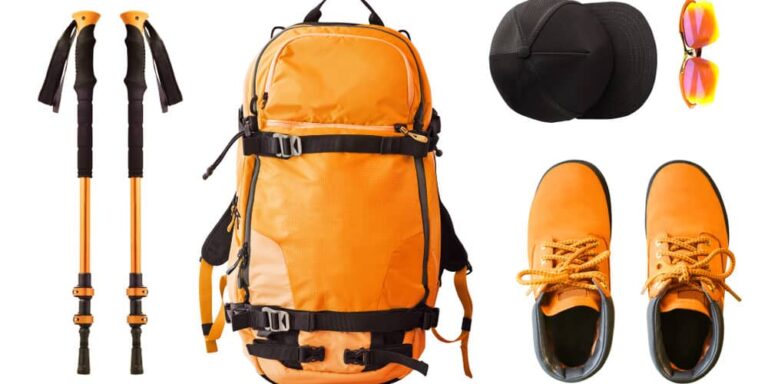
Best Kilimanjaro Route For Climbers Over 60: Expert Guide 2026-2027
Choosing the right Kilimanjaro route is crucial for climbers over 60. This guide details the best options, focusing on acclimatization, duration, and success rates to help you plan your...
View package details
Can You Climb Kilimanjaro At 75? Your Expert Guide For 2026-2027
Discover if climbing Kilimanjaro at 75 is achievable and what you need to know for a successful 2026-2027 summit. This comprehensive guide covers fitness, health, routes, and essential...
View package details
Can You Climb Kilimanjaro At 70? 2026-2027
Can You Climb Kilimanjaro at 70? is explained with current 2026-2027 planning, price, itinerary and booking information.
View package details
Can You Climb Kilimanjaro At 65? Your Expert Guide For 2026-2027
Climbing Kilimanjaro at 65 is achievable with proper preparation. This comprehensive guide covers everything you need to know, from health considerations and route selection to training and...
View package detailsCan You Climb Kilimanjaro At 60? 2026-2027
Can You Climb Kilimanjaro at 60? is explained with current 2026-2027 planning, price, itinerary and booking information.
View package details
Can You Climb Kilimanjaro At 50? Expert Guide For 2026-2027
Discover if climbing Kilimanjaro at 50 is possible and how to prepare effectively. This comprehensive guide for 2026-2027 trekkers covers fitness, route selection, acclimatization, and...
View package detailsNo related package matches those filters. Clear one or more filters to see the other topic-matched options.



