
If you cannot summit Kilimanjaro, the primary concern is your safety and well-being. You will be guided down the mountain by your support crew, typically accompanied by a guide and possibly a porter, to a lower altitude where symptoms of altitude sickness can subside. Depending on the circumstances, you might be able to rejoin your group later or continue with your descent. While summit success is the goal, the mountain operators and guides prioritize preventing serious health issues, and there are established protocols for managing situations where a climber needs to turn back. It is important to understand that reaching the summit is not guaranteed, and preparation, acclimatization, and listening to your body are key to a safe and enjoyable experience, even if the ultimate goal isn’t achieved.
Understanding the Realities of Kilimanjaro Summit Attempts
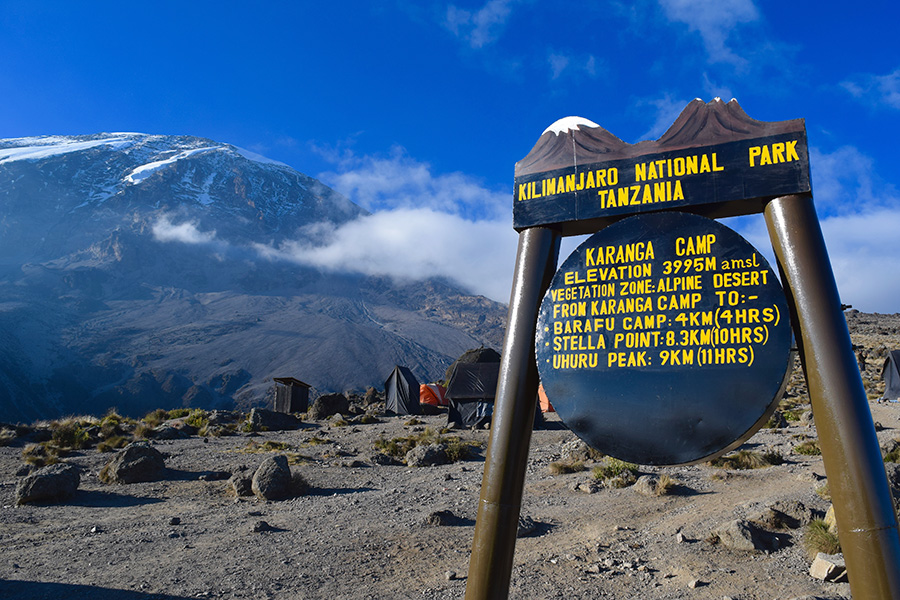
Mount Kilimanjaro, Africa’s highest peak, stands majestically at 5,895 meters (19,341 feet). For many, reaching Uhuru Peak is a lifelong ambition, a testament to endurance and a profound connection with nature. However, the journey to the roof of Africa is not merely a physical challenge; it’s a significant test of the body’s ability to adapt to extreme altitude. The success rate for summiting Kilimanjaro varies, often cited between 60% and 85% depending on the route, operator, and individual preparation. This means that a substantial number of trekkers, for various reasons, do not reach the summit. Recognizing this reality is the first step in planning a responsible and informed climb, especially when considering what happens if you cannot summit Kilimanjaro.
At Top Guide Adventures, we believe in transparency and comprehensive preparation for every client. Our aim is not just to get you to Tanzania, but to ensure you have the most rewarding and safe Kilimanjaro experience possible. This includes being fully prepared for all eventualities, including the possibility of not reaching the summit. We equip our clients with the knowledge they need to make informed decisions on the mountain and understand the support systems in place. This article will guide you through the procedures, considerations, and preventative measures related to not summiting Kilimanjaro, offering peace of mind for your 2026 or 2027 adventure.
Why Climbers May Not Reach the Summit of Kilimanjaro
The reasons why trekkers are unable to reach the summit of Kilimanjaro are multifaceted, encompassing physiological, environmental, and sometimes personal factors. Understanding these common causes can help in better preparation and risk mitigation.
Altitude Sickness (Acute Mountain Sickness – AMS)
This is by far the most common reason for summit failure. As you ascend, the atmospheric pressure decreases, meaning there’s less oxygen available for your body to absorb. Symptoms of AMS can range from mild headaches, nausea, and dizziness to severe forms like High Altitude Pulmonary Edema (HAPE) and High Altitude Cerebral Edema (HACE). These latter conditions are life-threatening and require immediate descent. Your guides are trained to recognize the signs and symptoms of AMS, and their primary directive is always climber safety.
Physical Fatigue and Exhaustion
The sheer duration and strenuous nature of the climb, particularly the summit night, can lead to extreme fatigue. Trekkers might underestimate the physical demands, lack adequate training, or experience an off day. The summit night is especially challenging, often starting in the early hours of the morning (around midnight) and involving a steep, cold, and often windy ascent in darkness. Pushing beyond one’s physical limits can be dangerous.
Pre-existing Medical Conditions
Certain underlying health issues, even if seemingly minor, can be exacerbated by the altitude and physical stress of climbing Kilimanjaro. It is crucial to consult with your doctor before planning your trek and disclose any existing medical conditions. Conditions like severe asthma, heart problems, or respiratory issues can significantly increase risk.
Weather Conditions
Kilimanjaro’s weather is notoriously unpredictable and can change rapidly. Extreme cold, high winds, heavy snow, or dense fog, especially near the summit, can make conditions unsafe for climbing. In such instances, summit attempts may be halted by park authorities or the guiding team to ensure the safety of all climbers.
Poor Acclimatization
The body needs time to adapt to increasing altitudes. Climbs that are too fast, or routes with very rapid ascents, do not allow for proper acclimatization, significantly increasing the risk of altitude sickness. Choosing a longer route and following the principle of ‘pole pole’ (slowly, slowly) is vital.
Individual Pace and Determination
While group climbs foster camaraderie, individual paces can vary. Sometimes, a climber might simply not be able to maintain the necessary pace, especially on the demanding summit night. The decision to turn back is often a difficult personal one, but it must be made in conjunction with the guide’s assessment.
Minor Injuries
Blisters, sprains, or other minor injuries, while not life-threatening, can become debilitating at altitude and make further ascent impossible or unsafe. Prompt attention to foot care and careful navigation can help prevent these.
The Descent Protocol: What Happens When You Turn Back
When a climber is unable to continue to the summit, the immediate priority shifts to a safe and orderly descent. Your experienced guides are trained to manage these situations with professionalism and care.
Immediate Safety Assessment
The guide will first assess the climber’s condition. If altitude sickness is suspected, they will determine its severity. Mild symptoms might be managed with rest and hydration at the current altitude, but moderate to severe symptoms necessitate an immediate descent.
Guided Descent
You will not be left alone. Your guide will accompany you on the descent, often to a lower camp or a point where the symptoms are expected to improve. In cases of severe altitude sickness, the descent can be quite rapid. If you are part of a group, your guide will coordinate with the lead guide to ensure the rest of the group can continue safely towards the summit if conditions permit and the climber’s situation allows.
Support Crew Assistance
Porters are crucial for carrying equipment, but they also play a vital role in assisting climbers who need to descend. They can help carry your backpack or even assist you physically if needed. For climbers experiencing significant difficulties, a dedicated guide or porter might escort you all the way down to the park gate.
Rejoining the Group (If Possible)
Depending on the route, the severity of the issue, and the time remaining, it might be possible for a climber to descend to a lower camp, rest, recover, and then rejoin the group on their descent from the summit. However, this is not always feasible, especially if the group is far ahead or the conditions are harsh. For most, the descent is completed separately from the summit push.
Communication and Logistics
Your expedition leader and the ground team will be kept informed. If you are descending to the park gate, arrangements will be made for your transport back to your hotel in Moshi or Arusha. The team at Top Guide Adventures is committed to ensuring your welfare throughout the entire process.
Altitude Sickness: The Primary Hurdle and How to Manage It
Altitude sickness is the most frequent reason climbers cannot summit Kilimanjaro. Understanding its causes, symptoms, and prevention is paramount for any trekker. For your 2026 or 2027 climb, heed this advice.
Understanding the Physiology
At high altitudes, the partial pressure of oxygen is lower. This means fewer oxygen molecules are available with each breath. Your body needs time to adapt, a process called acclimatization, where it produces more red blood cells to carry oxygen more efficiently. Ascending too quickly overwhelms this process.
Recognizing the Symptoms
Symptoms often appear within 6 to 24 hours after reaching a new, higher altitude. They can affect anyone, regardless of fitness level. Common symptoms include:
- Headache (often the first sign)
- Nausea and vomiting
- Dizziness and lightheadedness
- Fatigue and weakness
- Loss of appetite
- Difficulty sleeping
- Increased heart rate
More severe forms include:
- High Altitude Pulmonary Edema (HAPE): Fluid accumulation in the lungs, causing shortness of breath even at rest, coughing (sometimes with frothy or pink sputum), and chest tightness.
- High Altitude Cerebral Edema (HACE): Fluid accumulation in the brain, leading to severe headache, confusion, loss of coordination (ataxia), drowsiness, and potentially coma or death.
The Golden Rule: Descend!
If symptoms of AMS are mild, your guide might suggest resting at the current altitude, taking medication (like Diamox, if prescribed by your doctor), and ensuring adequate hydration. However, if symptoms worsen or are moderate to severe, the only effective treatment is to descend. Even a descent of a few hundred meters can make a significant difference. Your guides are trained to make this critical decision; do not hesitate to communicate your symptoms clearly to them.
Prevention Strategies
- Ascend Slowly: Choose a longer route (e.g., Lemosho, Machame, Marangu with an acclimatization day). The principle of ‘climb high, sleep low’ is crucial.
- Hydrate: Drink plenty of fluids (3-4 liters per day) – water, herbal tea, or soup. Avoid alcohol and caffeine.
- Eat Well: Maintain a good intake of carbohydrates, which are easier to digest at altitude.
- Avoid Strenuous Activity on Arrival: Take it easy on your first day at altitude.
- Diamox (Acetazolamide): Consult your doctor about taking Diamox. It can help speed up acclimatization but is not a substitute for slow ascent and should be used under medical advice.
- Listen to Your Body: Do not ignore symptoms. Communicate any discomfort to your guide immediately.
The Role of Guides and Support Crew in Summit Decisions
Your guides are your lifeline on Kilimanjaro. They are not just there to show you the way; they are trained medical professionals with extensive experience in high-altitude environments. Their primary responsibility is your safety.
Expertise and Training
Guides undergo rigorous training, including wilderness first aid and high-altitude medicine. They are skilled in recognizing the subtle signs of altitude sickness and other potential issues. They monitor each climber closely throughout the trek, paying attention to breathing, gait, and general well-being.
Decision-Making Authority
While you are on the mountain, the guide’s decision regarding your ability to continue is final. This can be difficult to accept, especially when the summit is within reach, but it is made with your long-term health and safety as the absolute priority. They have the authority to stop a climb or order a descent if they believe continuing poses an unacceptable risk.
Communication is Key
Never downplay your symptoms. If you feel unwell, tell your guide immediately. They need accurate information to make the best decisions. They are there to support you, not to judge. Open communication ensures that potential problems are addressed early, before they become serious.
The Porter’s Role in Support
Porters are the backbone of Kilimanjaro expeditions. While their main job is carrying gear, they are also trained to assist climbers. If a climber needs to descend, porters can help carry their load, provide support, or even assist physically. They are an integral part of the safety net.
What About Insurance and Refunds When You Cannot Summit Kilimanjaro?
This is a critical question for many planning their trek. Understanding the policies around refunds and insurance is essential for managing expectations and financial implications.
Operator Policies on Summit Failure
Most reputable tour operators, including Top Guide Adventures, do not offer refunds if you are unable to summit due to altitude sickness or other personal reasons. The cost of a Kilimanjaro climb covers the entire expedition from start to finish, including permits, park fees, staff wages (guides, cooks, porters), food, equipment, and the logistics involved. These costs are incurred regardless of whether the summit is reached. Our pricing for 2026 and 2027 climbs reflects the comprehensive service and safety measures we provide, and we are transparent about our terms and conditions regarding summit success.
Travel Insurance is Non-Negotiable
This is where comprehensive travel insurance becomes indispensable. For a Kilimanjaro climb, you absolutely need insurance that covers:
- Emergency Medical Evacuation: This is the most critical component. If you become seriously ill or injured, you need coverage for helicopter or ground evacuation from the mountain.
- Medical Expenses: Coverage for treatment of altitude sickness or other medical issues that may arise during the trek.
- Trip Cancellation/Interruption: While not directly related to summit failure, this covers situations where you might have to cut your trip short due to unforeseen circumstances before or during the climb.
We strongly advise all our clients to secure robust travel insurance well in advance of their 2026 or 2027 expedition. Ensure you declare your intention to climb Kilimanjaro to your insurance provider, as it is considered a high-risk activity.
What is Typically Included in Our Climb Packages?
Our Kilimanjaro climb packages are designed for safety and success. They typically include:
- Park fees and rescue fees
- Experienced, licensed guides and support crew
- Porters for carrying main luggage
- Nutritious meals during the trek
- Camping equipment (tents, sleeping mats)
- Boiled water
- Accommodation before and after the climb
- Transfers to and from Kilimanjaro International Airport (JRO) and the mountain gate
What is generally NOT included, and where insurance is vital, are personal expenses, tips for the crew, travel insurance, and costs associated with evacuation or medical treatment if you cannot summit.
Preparing to Maximize Your Chances of Summit Success
While we’ve discussed what happens if you cannot summit Kilimanjaro, the best strategy is always preparation to maximize your chances of reaching the top. This involves physical conditioning, mental readiness, and making informed choices about your expedition.
Physical Training
Kilimanjaro is not a technical climb, but it requires significant cardiovascular fitness and endurance. Start training at least 2-3 months before your climb:
- Cardiovascular Exercises: Aim for 3-4 sessions per week of activities like running, cycling, swimming, or brisk walking.
- Hiking with a Pack: Simulate trek conditions by hiking on varied terrain (hills are ideal) for several hours, wearing your hiking boots and carrying a backpack with weight.
- Strength Training: Focus on leg strength (squats, lunges) and core strength.
- Stamina Building: Include at least one long endurance session per week.
Mental Preparation
The mental aspect of climbing Kilimanjaro is as important as the physical. Summit night, in particular, is a mental battle. Visualize success, prepare for discomfort, and cultivate a positive mindset. Understand that ‘pole pole’ is not just a pace; it’s a philosophy that helps manage the mental challenge.
Choosing the Right Route
The route you choose significantly impacts your acclimatization and success rates. Longer routes generally offer better acclimatization profiles:
- Marangu Route (5 days): Lowest success rate due to rapid ascent. The 6-day option is better.
- Machame Route (6-7 days): Very popular, good acclimatization, scenic. High success rate.
- Lemosho Route (7-8 days): Excellent acclimatization, beautiful scenery, high success rate. Often considered the best for success.
- Northern Circuit (9 days): Highest success rate due to the longest duration and best acclimatization profile.
For your 2026 or 2027 climb, consider the 7-day Machame or 8-day Lemosho for a good balance of experience and success probability.
Selecting a Reputable Tour Operator
Choosing the right operator is crucial for safety, support, and overall experience. Look for companies that:
- Prioritize safety with well-trained guides and adequate oxygen supplies.
- Have a proven track record and positive reviews.
- Use ethical treatment of porters.
- Offer comprehensive pre-climb information and support.
Top Guide Adventures is committed to these principles. We ensure our guides are certified and experienced, and we adhere to strict safety protocols. We also support our clients with detailed packing lists and pre-departure advice for their 2026-2027 expeditions.
The Psychological Impact of Not Reaching the Summit
It’s natural to feel disappointed if you cannot summit Kilimanjaro, especially after investing significant time, effort, and money. However, it’s important to reframe the experience and acknowledge the achievement of what you *did* accomplish.
Acknowledging the Achievement
You still climbed Kilimanjaro! You traversed challenging terrain, endured varying weather conditions, and pushed your physical and mental limits. Reaching even the base camp or a high camp is a significant accomplishment that many people never attempt. Celebrate the journey and the personal growth experienced along the way.
Reframing the Experience
Instead of focusing solely on the summit, reflect on the entire experience: the stunning landscapes, the camaraderie with your fellow climbers and crew, the satisfaction of overcoming daily challenges, and the unique culture encountered. The memories created are often richer and more varied than just a single summit moment.
Learning from the Experience
If altitude sickness was the cause, this experience provides valuable lessons for future high-altitude endeavors. You now have a better understanding of how your body reacts and what measures are most effective for acclimatization. Perhaps a future climb with a longer duration or a different route would be more suitable.
Planning a Future Attempt
For some, the inability to summit is a temporary setback. With proper rest, further training, and a different approach (perhaps a longer route or more focus on acclimatization), a future attempt in 2027 or beyond could be successful. Discussing your experience with your guides and our team at Top Guide Adventures can help in planning a more successful return.
Alternative Experiences on Kilimanjaro When Summiting Isn’t Possible
Even if the summit is out of reach, there are still incredibly rewarding experiences to be had on the slopes of Kilimanjaro. Your guides will ensure your descent is as comfortable and safe as possible, and the journey down offers a different perspective.
Appreciating the Flora and Fauna
The lower slopes of Kilimanjaro are rich with diverse ecosystems, from lush rainforests teeming with monkeys and diverse birdlife to the moorland and alpine desert zones. Descending allows you to appreciate these environments more closely, which might have been rushed during the ascent.
The Camaraderie of the Trek
The shared experience of a challenging trek creates strong bonds. Even if you descend early, you remain part of the expedition’s story. The support and encouragement from your guides and fellow climbers can be a source of comfort and strength.
A Different Perspective on the Mountain
The descent offers views and experiences that are often missed when focused solely on the ascent. You see the trail in daylight, notice details you overlooked, and can reflect on the immense scale of the mountain from a different vantage point.
Post-Trek Relaxation
After descending, you can still enjoy other aspects of Tanzania, such as a safari or a visit to Zanzibar, as part of your overall travel experience. Top Guide Adventures can help tailor your itinerary to include these elements, ensuring a fulfilling trip regardless of summit success.
Preparing for 2026-2027: Key Takeaways for a Safe Climb
As you plan your Kilimanjaro adventure for 2026 or 2027, keep these crucial points in mind to maximize your chances of success and ensure a safe experience, whether you summit or not.
Key Preparations for Kilimanjaro Treks:
- Choose a longer route: Opt for 7, 8, or 9-day itineraries for better acclimatization.
- Train diligently: Focus on cardiovascular fitness and endurance.
- Consult your doctor: Discuss altitude sickness and any pre-existing conditions.
- Secure comprehensive travel insurance: Ensure it covers high-altitude trekking and emergency evacuation.
- Pack appropriately: Layering is key for varying temperatures and conditions.
- Hydrate and eat well: Essential for acclimatization and energy.
- Listen to your body: Communicate any symptoms to your guide immediately.
- Embrace ‘pole pole’: Ascend slowly and steadily.
- Choose a reputable operator: Prioritize safety and ethical practices.
At Top Guide Adventures, we are dedicated to providing you with the highest level of service and safety. We understand the dream of summiting Kilimanjaro, but we also understand that the journey itself is an incredible achievement. Our team is here to support you every step of the way, ensuring that your Kilimanjaro experience, whether it includes reaching Uhuru Peak or not, is memorable, safe, and rewarding. We are already planning for the 2026 and 2027 climbing seasons and are ready to help you prepare for your adventure.
Frequently Asked Questions About Summit Failure on Kilimanjaro
We understand you may have further questions about the implications of not reaching the summit. Here are some common queries addressed:
What is the standard procedure if a climber experiences severe altitude sickness?
The immediate and only effective treatment for severe altitude sickness (HAPE or HACE) is descent. Your guide will assess the situation and initiate a rapid descent to a lower altitude where oxygen levels are higher. This is a critical safety protocol, and the guide’s decision is final.
Can I get a refund if I don’t make it to the summit?
Generally, tour operators do not offer refunds for not reaching the summit. The costs associated with a Kilimanjaro climb, including permits, staff wages, and logistics, are incurred regardless of summit success. It is essential to have comprehensive travel insurance that covers medical emergencies and evacuations.
Will I be left behind if I can’t keep up on summit night?
No, you will never be left behind. Your guide will stay with you, assess your condition, and make the decision about the safest course of action, which usually involves descending. If you are part of a group, the lead guide will ensure the group’s progress is managed safely while your guide assists you with your descent.
How can I best prepare physically for Kilimanjaro?
Focus on cardiovascular fitness through activities like running, cycling, or swimming. Engage in regular hiking, preferably with hills, wearing your hiking boots and carrying a weighted pack. Strength training for your legs and core is also beneficial. Start training at least 2-3 months in advance.
What is the recommended route for the best chance of summiting?
Longer routes offer better acclimatization and thus higher success rates. The 8-day Lemosho or the 9-day Northern Circuit are generally considered to have the highest success rates. The 7-day Machame is also a very popular choice with good acclimatization and success rates.
Does climbing Kilimanjaro require technical skills?
No, Kilimanjaro is considered a non-technical climb. It is a trek, meaning it does not require ropes, harnesses, or specialized climbing equipment. The challenge is primarily due to altitude, distance, and duration, particularly on summit night.
What should I do if I feel unwell at altitude?
Communicate any symptoms, no matter how minor, to your guide immediately. Be honest about how you feel. They are trained to assess symptoms and advise on the best course of action, which could range from rest and hydration to medication or descent.
Is Diamox recommended for Kilimanjaro climbs?
Diamox (Acetazolamide) can help speed up acclimatization for some individuals. However, it is a prescription medication and should only be taken after consulting with your doctor. It is not a substitute for proper acclimatization techniques like slow ascent and hydration, and it does not prevent severe altitude sickness.
What happens to my gear if I have to descend?
If you need to descend, your porters will assist in carrying your main equipment. Your guide will ensure your essential personal items are managed, and arrangements will be made for your gear to be brought down to the park gate or your hotel.
Can I attempt Kilimanjaro again if I fail to summit?
Absolutely. Many climbers who don’t summit on their first attempt use the experience to learn about their body’s response to altitude. With proper rest, further training, and potentially choosing a longer route or more conservative acclimatization plan for a future climb in 2027 or beyond, a second attempt can be successful.
Your Kilimanjaro Adventure with Top Guide Adventures
Planning a Kilimanjaro climb is a significant undertaking, and we at Top Guide Adventures are here to make the process as smooth and informative as possible. We pride ourselves on providing personalized attention, care, and dedicated support for every client, ensuring you are well-prepared for every aspect of your journey, including the realities of high-altitude trekking.
Understanding what happens if you cannot summit Kilimanjaro is part of that preparation. It’s about managing expectations, prioritizing safety, and being informed. Our experienced guides are committed to your well-being above all else. We meticulously plan our itineraries, especially for the 2026 and 2027 climbing seasons, to offer the best possible acclimatization profiles and support systems.
Whether you are planning your first Kilimanjaro climb or seeking to conquer it again, our team is ready to assist. We believe in fostering a partnership with our clients, providing them with the knowledge and resources needed for a successful and safe adventure. Don’t hesitate to reach out with any questions or to start planning your dream climb.
For inquiries about our 2026-2027 Kilimanjaro climbing packages, tailored itineraries, or any other Tanzanian travel experiences, please contact us:
WhatsApp: +255616946642
Email: topguideadventures@gmail.com
Backup Email: info@topguideadventures.com
Visit our website for more information on our services and to see upcoming group departures: www.topguideadventures.com. You can also follow us on Instagram for inspiring travel content: @top_guide_adventures.
Check Availability for What Happens If You Cannot Summit Kilimanjaro? Planning For Success…
Ready to compare dates, prices, and the best option for your group? Send the package name and travel month so the team can reply with a clear quote, availability, and what is included.

What Is The Kilimanjaro Summit Sign Like? Your Complete Guide 2026-2027
The Kilimanjaro summit sign is a recognizable metal signpost at Uhuru Peak, marking the highest point on the continent. Reaching it signifies the culmination of a challenging trek, offering...
View package details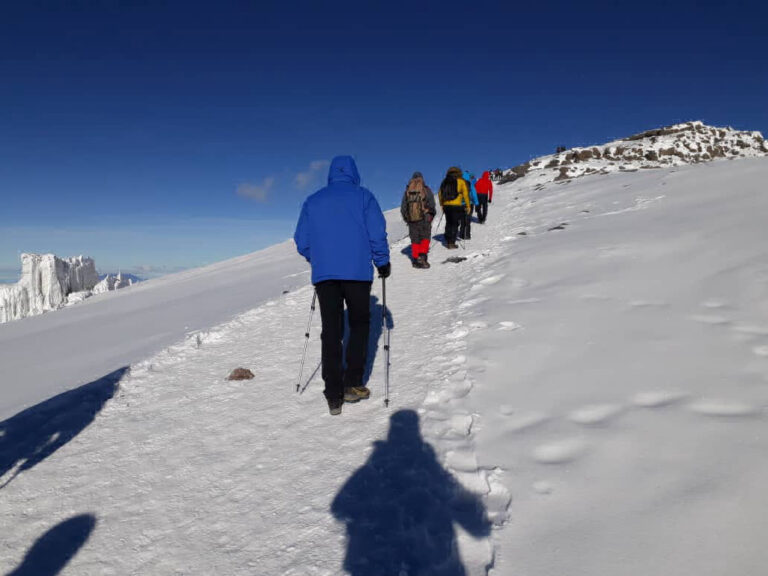
What Happens At Mweka Gate After Your Kilimanjaro Climb? 2026-2027
Your Kilimanjaro adventure culminates at Mweka Gate. Learn about the descent, certificate ceremony, post-climb celebrations, and what to expect logistically upon reaching the base.
View package details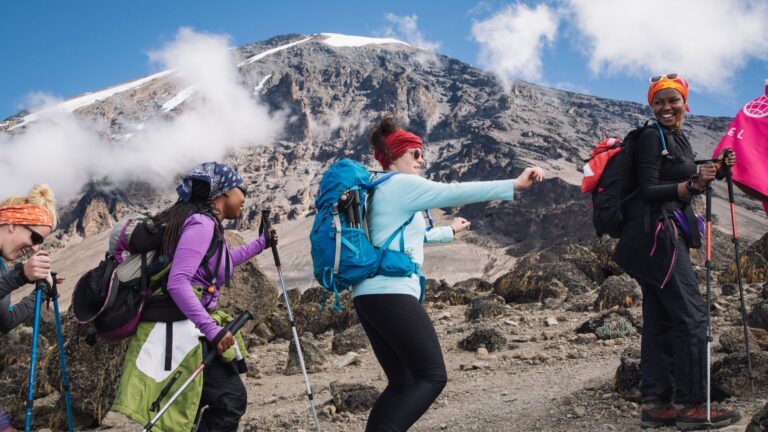
What Happens During A Kilimanjaro Medical Evacuation? 2026-2027
What Happens during a Kilimanjaro Medical Evacuation? is explained with current 2026-2027 planning, price, itinerary and booking information.
View package details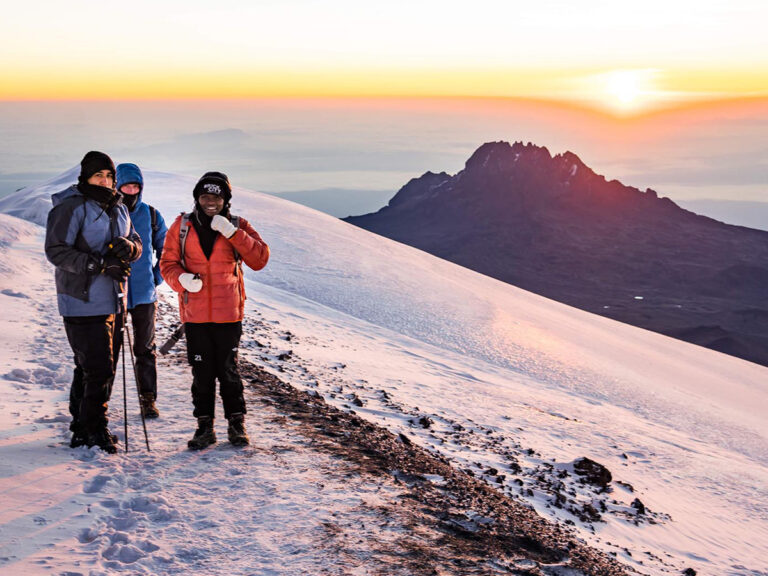
What Happens If Your Flight To Kilimanjaro Is Delayed? 2026-2027
What Happens If Your Flight to Kilimanjaro Is Delayed? is explained with current 2026-2027 planning, price, itinerary and booking information.
View package details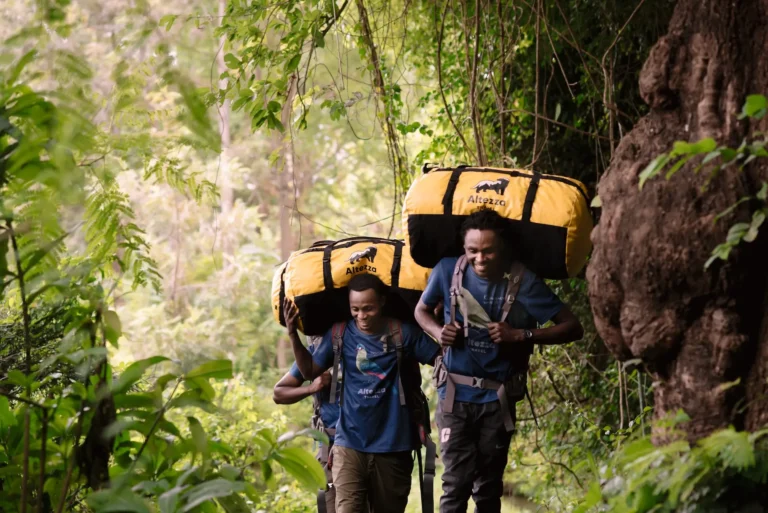
What Happens If You Turn Back On Kilimanjaro? Your Options And Consequences
If you decide to turn back on Kilimanjaro, your climb ends, and you'll be escorted down the mountain. This guide details the process, health implications, financial impact, and alternative...
View package details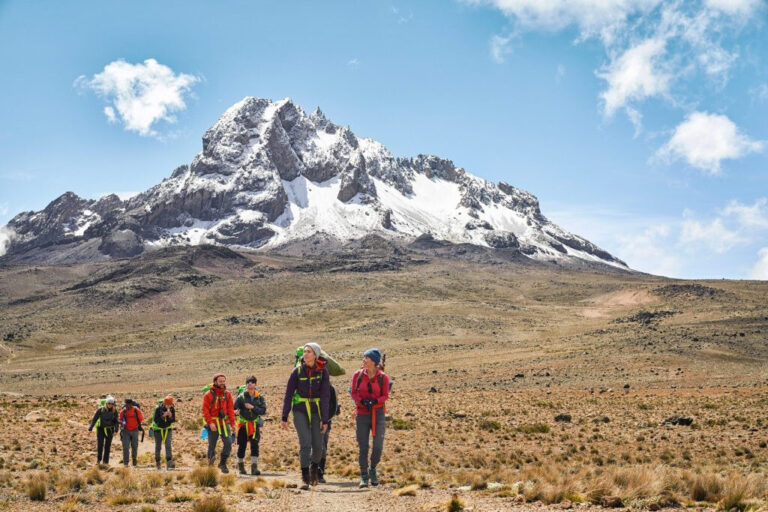
What Happens If Your Kilimanjaro Group Does Not Form? | Top Guide Adventures
If your planned Kilimanjaro group doesn't materialize, Top Guide Adventures offers flexible options including joining an existing group, a private climb, or exploring alternative dates for...
View package details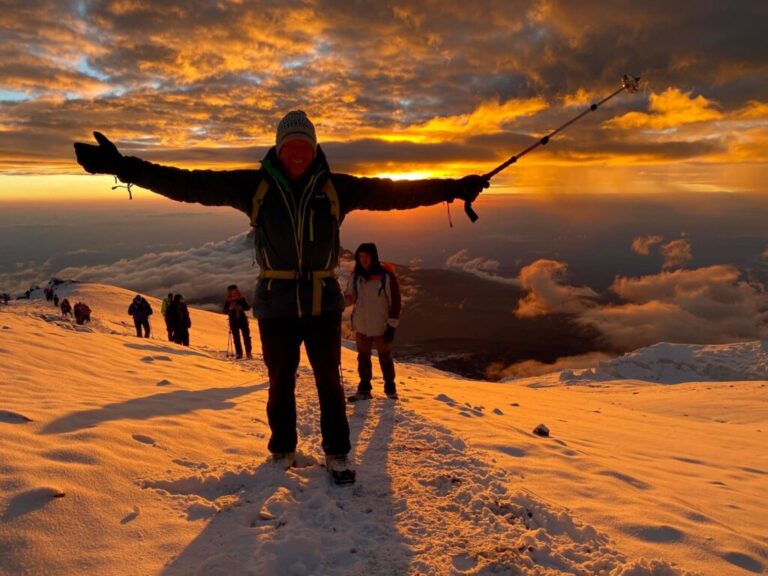
Kilimanjaro Parent-And-Child Summit Challenge Guide
Embarking on a Kilimanjaro Parent-and-Child Summit Challenge is an extraordinary way for families to bond and achieve a monumental goal together. This guide provides essential information...
View package detailsKilimanjaro Graduation And Family Safari Package: Summit Success & Wildlife
Combine the ultimate achievement of summiting Mount Kilimanjaro with an unforgettable family safari in Tanzania. Top Guide Adventures curates these packages, blending adventure, cultural...
View package details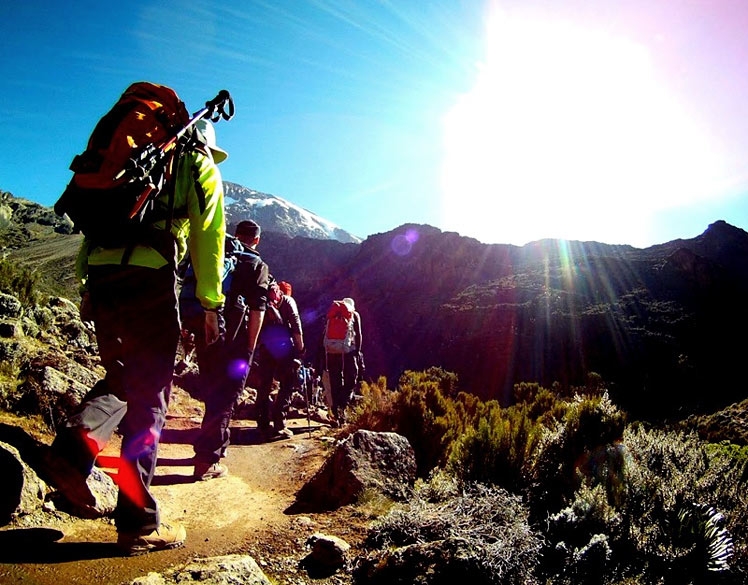
Kilimanjaro Family Safari After The Summit Guide
Extend your incredible Kilimanjaro achievement with a family safari in Tanzania. Top Guide Adventures crafts unforgettable post-summit experiences for 2026-2027, blending the thrill of...
View package details
Kilimanjaro Training Plan For Teen Climbers: Summit Success In 2026-2027
Prepare your teen for the ultimate adventure with a detailed Kilimanjaro training plan. This guide covers physical conditioning, mental readiness, essential gear, and acclimatization...
View package details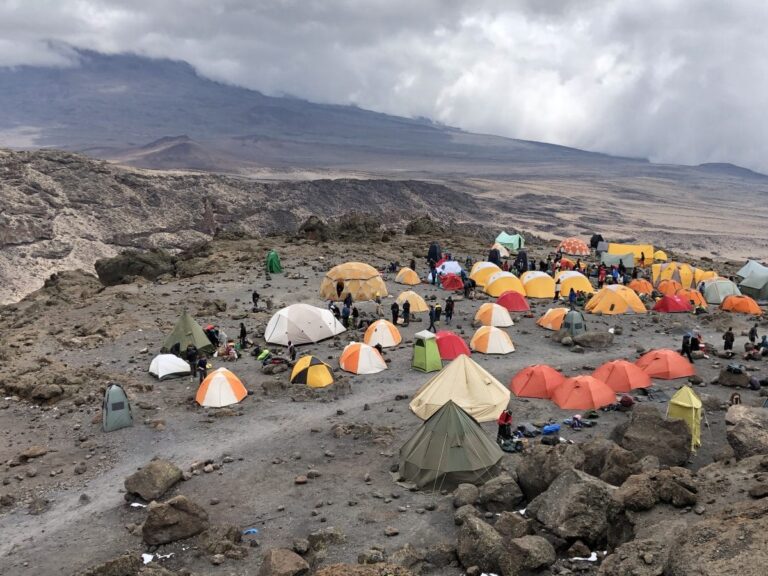
Can You See Elephants On Kilimanjaro? What Wildlife To Expect 2026-2027
While the iconic image of Mount Kilimanjaro is one of snow-capped peaks and challenging ascents, many prospective climbers also wonder about the wildlife they might encounter. Specifically...
View package details
How Crowded Is Uhuru Peak At Sunrise? What To Expect On Kilimanjaro 2026-2027
Climbing Kilimanjaro to witness the sunrise from Uhuru Peak is a dream for many. But how crowded is it, especially during peak season? This guide details what to expect, offering practical...
View package detailsNo related package matches those filters. Clear one or more filters to see the other topic-matched options.



