
No, you will not encounter lions on the higher slopes of Mount Kilimanjaro where trekking routes ascend. Lions are terrestrial predators that prefer grassland, savanna, and open woodlands. While they can be found in the wider Kilimanjaro ecosystem, particularly in lower-lying areas and national parks surrounding the mountain, the extreme altitude, harsh climate, and specific vegetation zones of Kilimanjaro itself make it an unsuitable habitat for lions. Your Kilimanjaro climb in 2026 or 2027 will focus on alpine flora and fauna, not large African predators.
Understanding Wildlife on Mount Kilimanjaro
The question of are there lions on Mount Kilimanjaro is a common one, often stemming from the allure of Africa’s iconic wildlife and Kilimanjaro’s status as a majestic natural landmark. Many visitors dream of spotting the “Big Five” – lion, leopard, elephant, rhino, and buffalo – in Tanzania, and naturally wonder if this majestic peak is home to such magnificent creatures. However, the reality of Kilimanjaro’s ecosystem is quite different from the savannas where these animals typically thrive. The mountain’s unique environment, characterized by dramatic changes in altitude and climate, supports a distinct set of flora and fauna.
Top Guide Adventures specializes in guiding climbers safely and successfully to Kilimanjaro’s summit. While our expeditions are not designed for big game viewing on the mountain itself, we understand the importance of knowing what wildlife you might encounter. Our expert guides are trained to identify the smaller mammals, diverse birdlife, and unique plant species that populate the mountain’s different ecological zones. We also advise our clients on the incredible wildlife opportunities available in the surrounding regions before or after their climb, should they wish to combine their trek with a safari.
Why Lions Avoid Kilimanjaro’s Upper Reaches
Mount Kilimanjaro is a dormant volcano that rises to an impressive 5,895 meters (19,341 feet) above sea level. Its vast elevation creates distinct ecological zones, each with its own characteristic environment and inhabitants. Lions, as large mammals requiring specific conditions for survival, are absent from the majority of these zones.
- Habitat Preference: Lions are primarily found in open grasslands, savannas, and woodlands. They need vast territories with sufficient prey, water sources, and suitable denning sites. These conditions are not met on Kilimanjaro’s upper slopes.
- Altitude Limitations: The higher altitudes of Kilimanjaro, particularly the alpine desert and arctic summit zones, are characterized by thin air, freezing temperatures, and sparse vegetation. These conditions are inhospitable for large predators like lions, which are adapted to warmer climates and more abundant food sources.
- Lack of Prey: The typical prey animals for lions – such as wildebeest, zebras, and various antelope species – are not found in significant numbers on Kilimanjaro’s higher elevations. The vegetation simply cannot support large herds.
- Competition and Predation: While lions are apex predators, they can also be vulnerable. The harsh conditions and lack of suitable cover on Kilimanjaro would also make them susceptible to other challenges.
Therefore, any discussion about lions on Mount Kilimanjaro must clarify that their presence is limited to the base and surrounding areas, not the trekking routes or summit. For travelers planning a climb for 2026 or 2027, understanding this distinction is key to setting realistic expectations for wildlife viewing during their trek.
Wildlife You CAN Encounter on Kilimanjaro
While lions are not on the menu for Kilimanjaro trekkers, the mountain is far from devoid of wildlife. In fact, the diverse ecological zones host a fascinating array of smaller mammals, primates, and a spectacular variety of birds. As you ascend, you’ll transition through different habitats, each offering unique sightings.
The Lower Slopes: Rainforest Zone
The montane rainforest zone, found from about 1,800 to 2,600 meters (5,900 to 8,500 feet), is the most biodiverse area on the mountain. This lush environment is teeming with life.
- Primates: The most commonly sighted primates here are the Colobus monkeys and Blue monkeys. Their playful antics and distinctive calls are often heard before they are seen. Keep an eye out for their black and white (Colobus) or grey and black (Blue monkey) fur against the green canopy.
- Antelopes: Smaller antelope species, such as the Bushbuck and the elusive Duiker, may be spotted in the denser undergrowth. They are shy and tend to freeze or dart away when disturbed.
- Birds: This zone is a paradise for birdwatchers. Expect to see various sunbirds, turacos (like the White-cheeked Turaco), hornbills, and forest buzzards. The vibrant plumage of these birds is a highlight for many climbers.
- Insects and Smaller Mammals: You’ll also encounter numerous insects, butterflies, and smaller mammals like the Tree Hyrax.
The Middle Slopes: Moorland and Heath Zone
As you climb higher, the dense forest gives way to open moorland and heath, typically between 2,600 and 3,500 meters (8,500 to 11,500 feet). The vegetation becomes more shrub-like, with giant heathers and groundsels.
- Mammals: Sightings become less frequent in this zone, but you might still see the occasional Bushbuck or Eland (the largest antelope, though rare at these altitudes). The Giant Forest Hog is also a possibility, especially at the lower end of this zone, but they are nocturnal and very wary.
- Birds: Birdlife changes too. Look for species like the Alpine Chat, White-necked Raven, and various raptors soaring overhead.
- Rodents: Small rodents, like the Dassie (Rock Hyrax), are common and often seen basking on rocks during the day.
The Upper Slopes: Alpine Desert and Arctic Summit
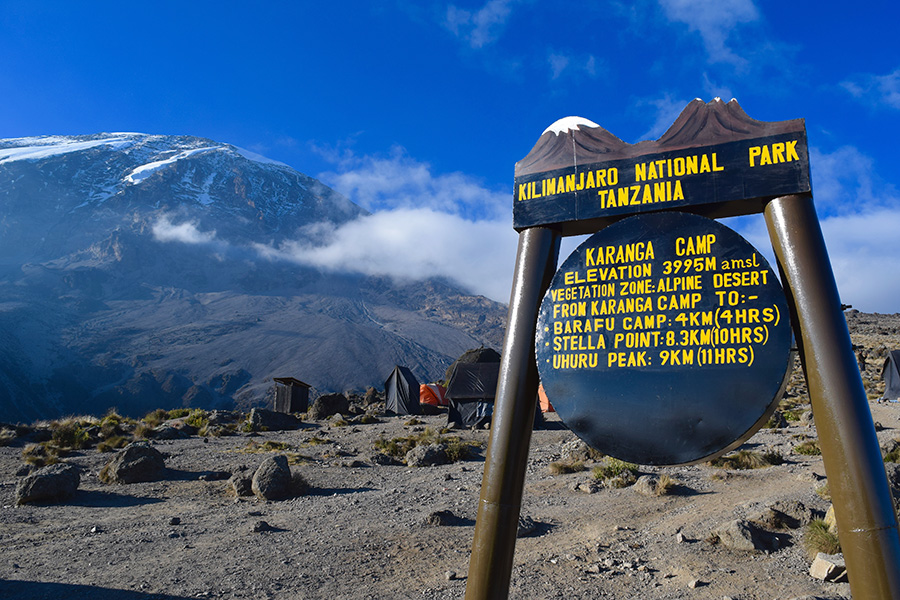
Above 3,500 meters (11,500 feet), the landscape transforms into an alpine desert, and finally, the arctic summit zone above 4,500 meters (14,750 feet). Vegetation is extremely sparse, consisting mainly of lichens, mosses, and a few hardy grasses and small flowering plants.
- Mammals: Wildlife is scarce here. The most notable inhabitant is the Samango Monkey (also known as the Blue Monkey), which can sometimes be seen foraging at the lower edges of this zone. Even this is rare.
- Birds: Bird sightings are minimal, with the Alpine Chat and White-necked Raven being the most resilient species.
- Insects: Some hardy insects can survive in sheltered spots.
It’s important for anyone planning a Kilimanjaro climb in 2026 or 2027 to understand that while wildlife sightings are a bonus, the primary focus is the incredible trekking experience and the achievement of reaching the summit. The true wildlife spectacle in Tanzania is best experienced on a safari.
Kilimanjaro Wildlife: Key Takeaways for Trekkers
- No Lions: Lions are not found on the trekking routes or summit of Kilimanjaro.
- Primates: Expect to see Colobus and Blue monkeys in the rainforest zone.
- Birds: A wide variety of bird species inhabit the lower slopes.
- Smaller Mammals: Look for dassies and hyraxes.
- Higher Altitudes: Wildlife becomes very scarce above 3,500 meters.
- Focus on Scenery: Kilimanjaro’s primary draw is its unique landscapes and the challenge of the climb, not big game viewing.
The Kilimanjaro Ecosystem and Surrounding Wildlife
While the mountain itself doesn’t host lions, the broader Kilimanjaro region is part of a vibrant Tanzanian ecosystem that is world-renowned for its wildlife. Understanding this context helps answer the question are there lions on Mount Kilimanjaro by looking at the surrounding areas.
Kilimanjaro National Park Buffer Zone
Kilimanjaro National Park extends to the mountain’s base. The areas immediately surrounding the park boundaries, particularly the agricultural lands and patches of natural vegetation at lower altitudes, can sometimes have wildlife that wanders from nearby reserves or conservancies. This is where sightings of animals that might interact with lion territories are possible, though not within the park itself or on the mountain trails.
Nearby National Parks and Reserves
The true wildlife viewing experiences, including opportunities to see lions and the rest of the Big Five, are found in Tanzania’s famous national parks, many of which are accessible from Kilimanjaro. Top Guide Adventures often helps clients plan combined Kilimanjaro and safari itineraries.
- Arusha National Park: Located relatively close to Mount Kilimanjaro, this park offers excellent game viewing opportunities, including elephants, buffalos, giraffes, and various antelopes. While lions are not a guaranteed sighting, the park is home to diverse wildlife. It’s also famous for its population of Colobus monkeys and the Momella Lakes.
- Tarangire National Park: Known for its large elephant herds and baobab trees, Tarangire is a prime safari destination. Lions are commonly sighted here, along with leopards, cheetahs, and a variety of plains game.
- Lake Manyara National Park: Famous for its tree-climbing lions (though not unique to this park), this park offers a rich diversity of wildlife in a compact area, including elephants, hippos, and a spectacular bird population.
- Serengeti National Park: The quintessential African safari destination, the Serengeti is renowned for the Great Migration and its abundant predator populations, including lions, cheetahs, and leopards. It’s a must-visit for anyone wanting to see lions in their natural habitat.
- Ngorongoro Conservation Area: This UNESCO World Heritage Site features the Ngorongoro Crater, a caldera teeming with wildlife. It offers exceptional chances to see lions, rhinos, elephants, buffalos, and hippos in a contained, spectacular environment.
For travelers booking a Kilimanjaro climb in 2026 or 2027 who wish to combine it with a safari, Top Guide Adventures provides comprehensive packages that include these incredible wildlife destinations. This allows you to experience the majesty of Kilimanjaro and the thrill of a classic African safari, including lion sightings, in one unforgettable trip.
Combining Kilimanjaro with a Safari in 2026-2027
Many of our clients choose to extend their Tanzanian adventure by adding a safari after their Kilimanjaro trek. This is an excellent way to maximize your experience of Tanzania’s natural wonders. A typical post-climb safari might include:
- Day 1-3: Arusha National Park or Lake Manyara for initial game drives.
- Day 4-6: Serengeti National Park, focusing on predator sightings and the vast plains.
- Day 7-8: Ngorongoro Crater for a final, incredible wildlife immersion.
This combination ensures you experience the unique challenge of Kilimanjaro and the unparalleled wildlife encounters Tanzania is famous for. Contact us to design your perfect 2026-2027 Kilimanjaro and safari package.
Planning Your Kilimanjaro Climb: What to Expect Wildlife-Wise
When you plan your expedition with Top Guide Adventures, we ensure you have all the information needed for a successful and enjoyable trek. Regarding wildlife, it’s crucial to manage expectations. The question are there lions on Mount Kilimanjaro is best answered by understanding the mountain’s distinct zones.
Our experienced guides are trained to spot and identify the wildlife that *is* present on the mountain. They will point out unique bird species, explain the behavior of monkeys, and help you appreciate the smaller wonders of Kilimanjaro’s ecosystems. While you won’t need to worry about lions on the trail, you will be surrounded by a rich, albeit different, natural world.
Safety and Wildlife Encounters
The safety of our climbers is paramount. Our guides are highly trained in mountain safety and first aid. While encounters with dangerous wildlife like lions are not a concern on Kilimanjaro’s trekking routes, guides are always vigilant. They ensure climbers maintain a safe distance from any wildlife they might encounter, especially on the lower slopes.
For the smaller animals, guides will educate you on appropriate viewing distances. It’s important never to feed wildlife, as this can disrupt their natural behavior and pose risks to both the animals and the climbers. This approach ensures a responsible and ethical interaction with the mountain’s inhabitants.
Best Times for Climbing and Wildlife Viewing (Separately)
If you’re planning your climb for 2026 or 2027, timing is crucial for both trekking conditions and potential wildlife viewing in the surrounding areas.
- Kilimanjaro Climbing Seasons: The best times to climb Kilimanjaro are generally during the dry seasons: January-March and June-October. These periods offer clearer skies and less rain, making the ascent safer and more enjoyable.
- Safari Wildlife Viewing: For prime lion sightings and the Great Migration in the Serengeti, the dry season (June-October) is excellent. However, the calving season (February-March) in the southern Serengeti offers incredible predator action.
Combining these interests means that the June-October window is ideal for both a Kilimanjaro climb and a safari focused on abundant wildlife. However, Top Guide Adventures can arrange bespoke itineraries for 2026 and 2027 that cater to specific interests, whether it’s maximizing climbing success or witnessing particular wildlife events.
The Role of Guides in Wildlife Interpretation
Our guides are the backbone of your Kilimanjaro experience. Beyond navigation and safety, they are passionate about sharing their knowledge of the mountain’s environment. When asked are there lions on Mount Kilimanjaro, they will provide an accurate answer and then enrich your understanding of the mountain’s ecology.
They will point out:
- Endemic Birds: Identifying species unique to the Kilimanjaro region.
- Medicinal Plants: Explaining the traditional uses of various flora.
- Animal Tracks: Showing you evidence of animals that may have passed by, even if not seen directly.
- Ecological Zones: Detailing how the environment changes with altitude and how this impacts life.
This expert interpretation transforms a trek into an educational journey, allowing you to appreciate Kilimanjaro’s natural world in its entirety, even in the absence of lions on the higher trails.
Common Misconceptions About Kilimanjaro Wildlife
The idea of lions on Mount Kilimanjaro is one of the most persistent misconceptions. This often arises from a general association of Tanzania with abundant wildlife and the presence of Kilimanjaro within a country known for its national parks. However, the mountain’s unique environment dictates its wildlife population.
Other common misconceptions include:
- Expectation of Large Mammals: Many first-time visitors expect to see elephants, giraffes, or buffalos on the mountain itself. These animals are confined to the lower savanna ecosystems surrounding Kilimanjaro.
- High Altitude Wildlife: Some believe that unique high-altitude predators might exist on Kilimanjaro. While there are specialized insects and birds, the extreme conditions prevent large mammals from establishing permanent populations.
- Leopards: Leopards are known to inhabit forests and can be found at higher altitudes than lions. There have been rare sightings of leopards on Kilimanjaro, particularly in the forest zone, but they are incredibly elusive and not something trekkers should expect to see. Unlike lions, leopards are solitary and adept climbers, capable of navigating the mountain’s more rugged terrain in the lower forest belt. However, these are isolated incidents, not a common occurrence on standard trekking routes.
Top Guide Adventures aims to provide clear, factual information to all our clients, ensuring you are well-prepared for your 2026-2027 Kilimanjaro adventure. We want you to appreciate the mountain for what it is: a unique natural wonder with its own distinct inhabitants.
Preparing for Your 2026-2027 Kilimanjaro Expedition with Top Guide Adventures
Choosing the right tour operator is crucial for a safe and memorable Kilimanjaro climb. At Top Guide Adventures, we pride ourselves on our commitment to client care, safety, and providing an authentic Tanzanian experience. When you inquire about wildlife, such as are there lions on Mount Kilimanjaro, we provide honest and detailed answers.
Why Choose Top Guide Adventures?
- Experienced Guides: Our guides are local, highly trained, certified, and possess extensive knowledge of Kilimanjaro’s routes, safety protocols, and environment.
- Safety First: We carry comprehensive first-aid kits, have oxygen cylinders on all climbs, and our guides are trained in high-altitude medicine. We monitor our clients closely for any signs of altitude sickness.
- Quality Equipment: We provide high-quality tents, sleeping mats, and ensure proper group gear is maintained.
- Ethical Practices: We are committed to fair treatment of our porters and staff, adhering to regulations set by Kilimanjaro National Park.
- Personalized Service: From initial inquiry to post-climb support, we offer dedicated attention. We can help you plan your 2026-2027 climb, including arranging pre- and post-climb accommodation and optional safaris.
Booking Your Climb
Ready to plan your Kilimanjaro adventure for 2026 or 2027? We offer various routes, including Machame, Lemosho, Marangu, and more, catering to different preferences and fitness levels. Our packages are designed to give you the best chance of success while ensuring your safety and comfort.
To discuss your options, get a personalized quote, or ask any further questions about wildlife or the climb itself, please reach out to us:
- WhatsApp: +255616946642
- Email: topguideadventures@gmail.com
- Backup Email: info@topguideadventures.com
We look forward to helping you achieve your dream of climbing Mount Kilimanjaro and experiencing the wonders of Tanzania.
Frequently Asked Questions About Kilimanjaro Wildlife
Are there any dangerous animals on Kilimanjaro?
While lions are not present on the trekking routes, other potentially dangerous animals exist in the lower forest zone, such as leopards and large buffalo. However, these animals are very shy and rarely encountered by trekkers. Our guides are trained to handle any unexpected situations safely. The primary concern at higher altitudes is altitude sickness, not wildlife encounters.
Can I see lions near Kilimanjaro?
Yes, you can see lions in the national parks and game reserves surrounding Mount Kilimanjaro, such as Arusha National Park, Tarangire National Park, Lake Manyara, the Serengeti, and the Ngorongoro Crater. These are prime safari destinations and are typically visited before or after a Kilimanjaro climb. Top Guide Adventures can arrange these safaris for you as part of a comprehensive 2026-2027 Tanzania itinerary.
What is the most common wildlife seen on Kilimanjaro?
The most commonly seen wildlife on Kilimanjaro are primates like Colobus monkeys and Blue monkeys in the rainforest zone, various bird species, and smaller mammals like the Dassie (Rock Hyrax). Sightings become very rare above the treeline.
Is it safe to climb Kilimanjaro with regard to wildlife?
Yes, it is considered very safe. The routes are well-trodden, and the wildlife that poses a significant threat, like lions, is absent from the mountain’s higher elevations. Our guides prioritize your safety and are trained to manage any potential wildlife encounters responsibly, though they are extremely uncommon on the trails.
Do I need to worry about snakes on Kilimanjaro?
While snakes can exist in the forest zone, they are rarely encountered by climbers. The trails are generally clear, and guides are trained to spot potential hazards. The cold temperatures at higher altitudes also limit snake activity. It’s not a significant concern for trekkers.
What animals might I see if I combine Kilimanjaro with a safari in 2026-2027?
If you combine your Kilimanjaro climb with a safari, you have an excellent chance of seeing lions, elephants, leopards, rhinos, buffalos, giraffes, zebras, wildebeest, hippos, cheetahs, and a vast array of bird species, depending on the parks you visit. The Serengeti and Ngorongoro Crater are particularly famous for predator sightings.
Conclusion: Kilimanjaro’s Unique Natural Appeal
In summary, to directly answer the question are there lions on Mount Kilimanjaro: no, not on the trekking routes or summit. Lions inhabit the savanna ecosystems at lower altitudes and in the surrounding national parks, but Kilimanjaro’s distinct ecological zones, particularly its higher elevations, are unsuitable for them. This absence, however, does not diminish the mountain’s natural wonder. Kilimanjaro offers a unique biodiversity of its own, from the vibrant rainforests teeming with monkeys and birds to the stark, beautiful alpine desert. For those planning a climb in 2026 or 2027, understanding this distinction allows for a more informed and appreciative experience of the mountain’s true ecological marvels. Top Guide Adventures is dedicated to providing you with an unforgettable and safe journey, whether you’re ascending the Roof of Africa or exploring the wildlife-rich plains of Tanzania on a subsequent safari. We invite you to contact us to begin planning your adventure.
Check Availability for Are There Lions On Mount Kilimanjaro? Expert Guide To Wildlife Encounters
Ready to compare dates, prices, and the best option for your group? Send the package name and travel month so the team can reply with a clear quote, availability, and what is included.
Are There Monkeys On Mount Kilimanjaro? Your Complete Guide 2026-2027
Yes, monkeys are present on Mount Kilimanjaro. This comprehensive guide details the species you might encounter, their habitats on the mountain, and tips for spotting them, crucial...
View package details
Kilimanjaro Packed Lunch Vs Hot Mountain 2026-2027
Kilimanjaro Packed Lunch vs Hot Mountain Lunch is explained with current 2026-2027 planning, price, itinerary and booking information.
View package details
Moshi Hotel Vs Mountain Lodge Before Kilimanjaro 2026-2027
Moshi Hotel vs Mountain Lodge before Kilimanjaro is explained with current 2026-2027 planning, price, itinerary and booking information.
View package details
Giant Groundsels Of Mount Kilimanjaro: A Trekkers Guide 2026-2027
Explore the fascinating Giant Groundsels that define Kilimanjaro's alpine zones. This guide provides essential information for trekkers planning their 2026-2027 ascent, detailing where and...
View package details
Rare Plants Found On Mount Kilimanjaro: A Botanical Expedition 2026-2027
Mount Kilimanjaro is not just a trekking destination; it's a unique ecosystem supporting rare and endemic plant species. Explore these fascinating botanical treasures, from the misty...
View package details
Are There Snakes On Kilimanjaro Trails? Your Guide To Wildlife Encounters
Worried about snakes on Kilimanjaro? While encounters are rare, this comprehensive guide covers the likelihood, types of snakes, and essential safety measures for trekkers in 2026 and 2027.
View package details
Who Pays For Kilimanjaro Mountain Rescue? 2026-2027
Who Pays for Kilimanjaro Mountain Rescue? is explained with current 2026-2027 planning, price, itinerary and booking information.
View package details
Kilimanjaro Gear-Rental Mistakes To Avoid For Your Climb 2026-2027
Planning a Kilimanjaro climb for 2026 or 2027? Renting gear can save money and hassle, but mistakes are common. This guide details the most frequent errors climbers make when renting...
View package details
Kilimanjaro Hotel Booking Mistakes: Avoid These Pitfalls For A Smooth Climb
Booking accommodation near Kilimanjaro is crucial for a successful climb. This guide details common Kilimanjaro hotel booking mistakes to help you avoid them, ensuring comfort and readiness...
View package detailsKilimanjaro Flight-Booking Mistakes: Avoid These Pitfalls For Your Climb
Planning your Kilimanjaro climb for 2026 or 2027? Don't let flight booking errors derail your adventure. This guide covers critical mistakes to avoid, from choosing the right airport and...
View package details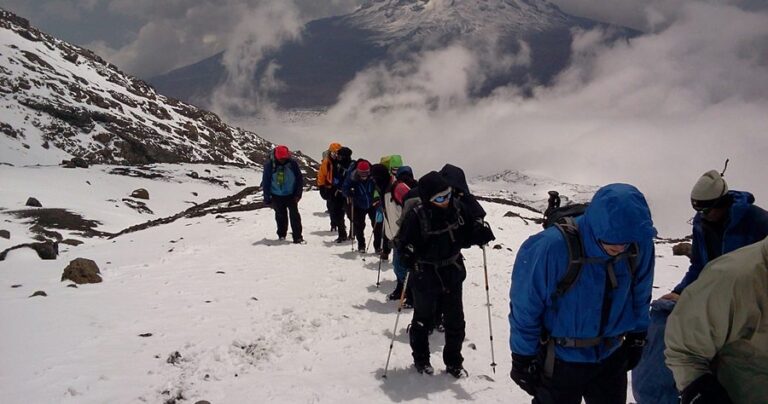
Kilimanjaro Tipping Mistakes And Etiquette: A Comprehensive Guide For Climbers
Navigating Kilimanjaro tipping can be confusing. This guide details common mistakes and proper etiquette for tipping your support crew, ensuring fair compensation and a positive experience...
View package details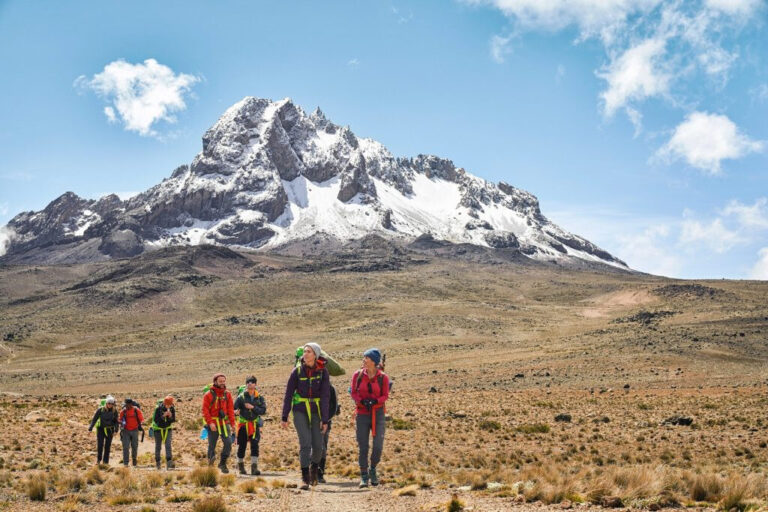
Kilimanjaro Insurance Mistakes To Avoid For A Safe Climb In 2026-2027
Climbing Mount Kilimanjaro is a dream for many, but overlooking proper insurance can turn an incredible adventure into a costly disaster. This guide details the most common Kilimanjaro...
View package detailsNo related package matches those filters. Clear one or more filters to see the other topic-matched options.



