
A Kilimanjaro Glacier Photography Expedition offers a unique opportunity to capture the stunning, yet rapidly diminishing, ice formations on Africa’s highest peak. It requires careful planning regarding the best routes (like the Northern Circuit or Lemosho for scenic views), optimal seasons (dry seasons from June to October and December to March for clearer skies), specialized photography gear, and acclimatization strategies to ensure you can reach vantage points and frame impressive shots of Kilimanjaro’s glaciers before they disappear, with 2026 and 2027 offering prime opportunities for this specialized adventure.
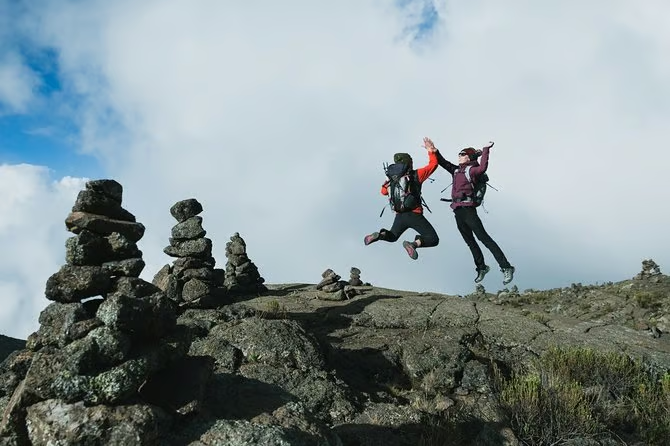
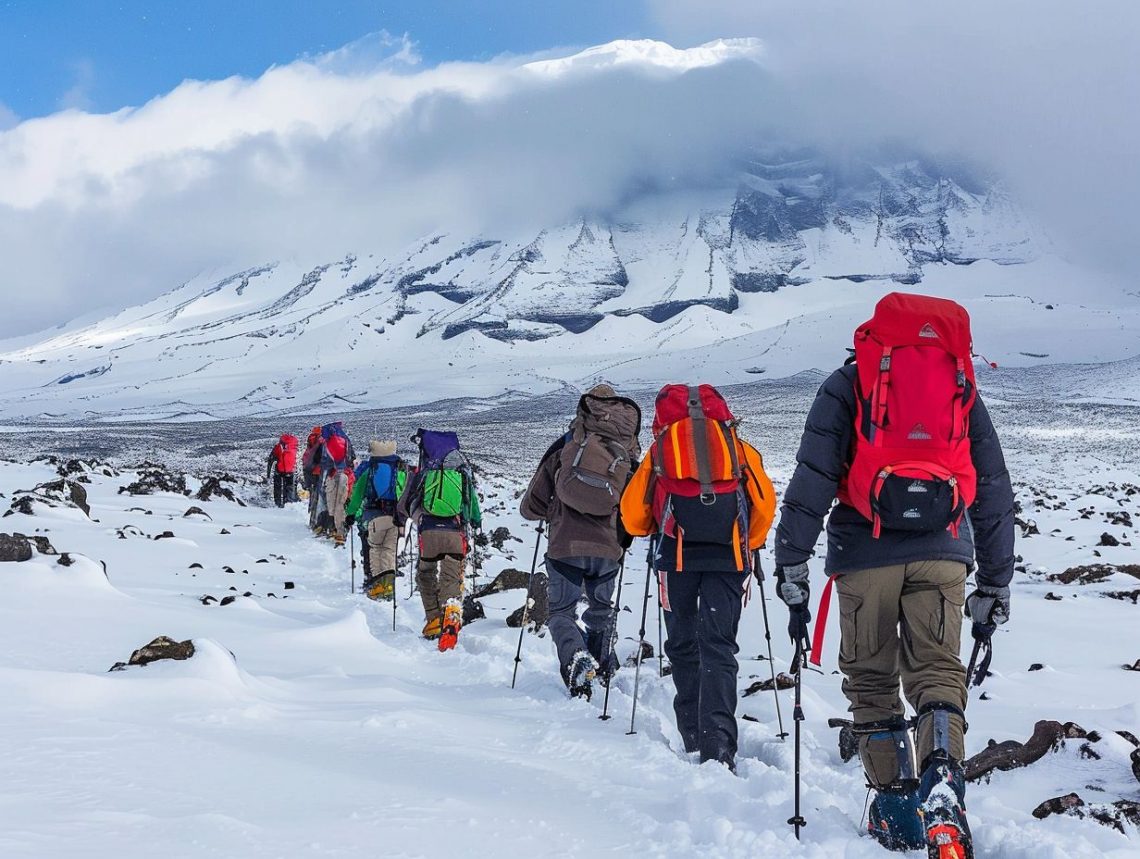
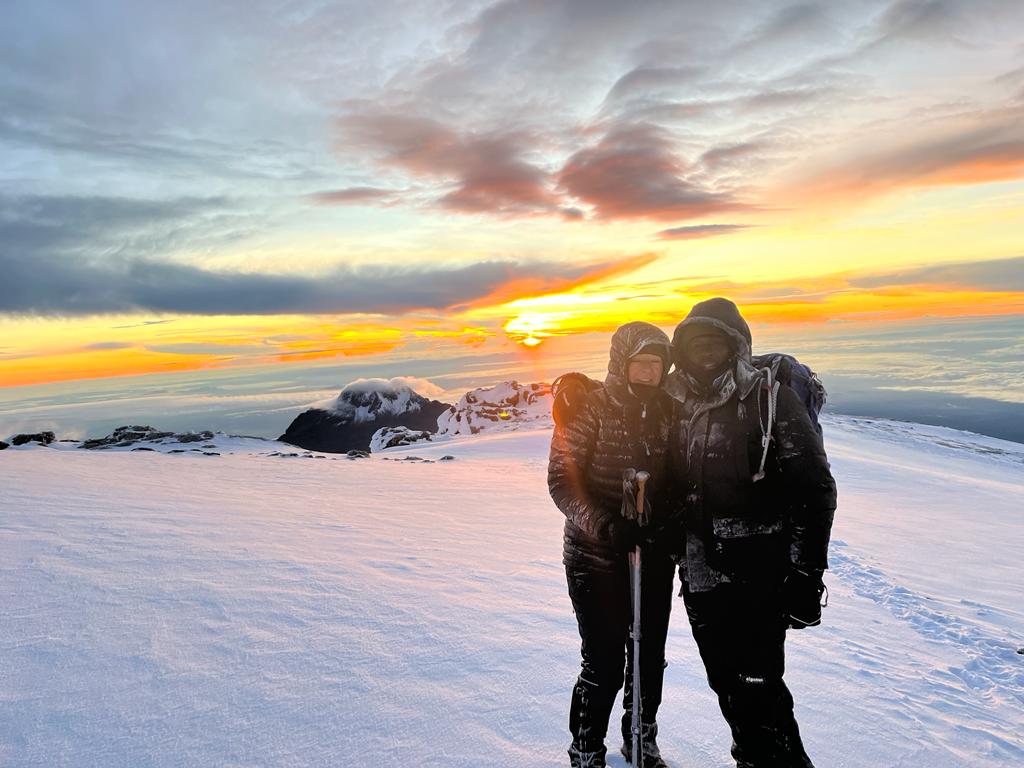
Documenting Kilimanjaro’s Vanishing Glaciers: A Photographer’s Quest
Kilimanjaro, the ‘Roof of Africa’, is not just a majestic dormant volcano; it’s a powerful symbol of change. Its iconic glaciers and ice fields, once vast and seemingly permanent, are a stark visual testament to climate change. For photographers, this presents an urgent and deeply rewarding mission: to document these magnificent icy landscapes before they are gone forever. A Kilimanjaro Glacier Photography Expedition is more than just a climb; it’s a journey into a unique environment, a race against time, and an artistic endeavor.
This expedition is designed for photographers who seek to capture the raw beauty, dramatic scale, and subtle textures of Kilimanjaro’s glacial zones. It combines the physical challenge of ascending Africa’s highest peak with the creative demands of landscape photography in extreme alpine conditions. Understanding the specific needs of a photography expedition is crucial. This means prioritizing routes that offer exceptional photographic opportunities, allowing ample time for shoots, and ensuring you have the right equipment and knowledge to tackle the conditions.
As we look towards 2026 and 2027, the urgency to capture these scenes intensifies. Scientific projections indicate a continued, accelerated melting of Kilimanjaro’s glaciers. Therefore, planning a photography expedition in these upcoming years is not just about capturing beautiful images, but also about contributing to a visual record of a significant environmental phenomenon.
Why a Dedicated Kilimanjaro Glacier Photography Expedition?
While many trekkers ascend Kilimanjaro, a dedicated photography expedition focuses on specific elements that enhance the photographic experience:
- Extended Time at Key Locations: Unlike standard treks, a photography focus allows for more time at sunrise, sunset, and during periods of dramatic light, especially near the summit and glacial areas.
- Strategic Itinerary Planning: Routes are chosen not only for acclimatization but also for their photographic potential, including views of the glaciers, crater rim, and unique alpine flora.
- Specialized Gear Considerations: From camera equipment to clothing, every item is selected to optimize performance in cold, high-altitude, and potentially wet conditions, while ensuring portability.
- Expert Guiding with a Photographer’s Eye: Guides are aware of photographic needs, helping to position trekkers for the best light and composition, and understanding the importance of patience.
- Focus on Glacial Zones: Specific attention is paid to reaching and photographing the remaining ice cliffs, Furtwängler Glacier, and the surrounding crater area, which are the primary targets for glacier photography.
This is an adventure for those who appreciate the art of photography and the profound beauty of the natural world, coupled with the ambition to conquer a legendary mountain.
Choosing Your Kilimanjaro Glacier Photography Route for 2026-2027
The route you select for your Kilimanjaro Glacier Photography Expedition is paramount. It dictates the scenery, the acclimatization profile, and crucially, the photographic opportunities. For capturing glaciers and dramatic landscapes, longer routes are generally preferred, offering better acclimatization and more diverse viewpoints.
Northern Circuit: The Photographer’s Dream Route
The Northern Circuit is often considered the pinnacle for photographers tackling Kilimanjaro. Its 9-day itinerary (or longer) offers the highest acclimatization rate, circling the mountain and providing unparalleled panoramic views, including extensive periods looking towards the northern glacial faces.
- Duration: Typically 9-10 days. This extended period is vital for photographers needing more time for shoots and for better acclimatization.
- Scenery: Offers a 360-degree view of the mountain, diverse vegetation zones, and continuous, stunning vistas of the glaciers and crater from the north.
- Photography Advantages: Sunrise and sunset views are spectacular. The longer duration allows for more flexible shooting schedules and the chance to capture changing light conditions on the ice. You get unique perspectives of the glaciers from multiple angles.
- Acclimatization: The ‘climb high, sleep low’ principle is effectively employed, significantly reducing the risk of altitude sickness and allowing you to feel better and focus on photography.
Lemosho Route: Scenic Beauty and Glacial Vistas
The Lemosho Route, typically an 8-day trek, is another excellent choice for a Kilimanjaro Glacier Photography Expedition. It’s known for its scenic beauty and gradual ascent through pristine wilderness.
- Duration: Usually 8 days. A 9-day option can be arranged for added photographic time.
- Scenery: Starts in the lush rainforest, then traverses the Shira Plateau, offering dramatic views and excellent acclimatization. It eventually joins the Northern Circuit’s path, providing access to northern views.
- Photography Advantages: Early stages offer unique forest and plateau shots. As you ascend, you gain impressive views of the western and northern glaciers. The Shira Plateau itself is a striking photographic subject.
- Acclimatization: Good, especially when extended to 8 or 9 days, allowing for a slower pace and better adjustment to altitude.
The Machame Route: Popularity Meets Photographic Potential
While more popular, the Machame Route (7-8 days) can still be a viable option for a Kilimanjaro Glacier Photography Expedition, especially if extended. It’s known as the ‘Whiskey Route’ for its challenging but rewarding ascent and good acclimatization profile.
- Duration: 7 days is standard, but 8 days is highly recommended for photography to allow for more stops and better acclimatization.
- Scenery: Diverse, moving through rainforest, moorland, and alpine desert. Offers classic views of Kibo’s summit cone.
- Photography Advantages: Offers good opportunities for dramatic light on the summit and western glaciers. An 8-day itinerary provides crucial extra time.
- Acclimatization: Good for a 7-day trek, excellent for an 8-day trek.
Routes to Potentially Avoid for Glacier Focus
Routes like Marangu (‘Coca-Cola Route’) and Rongai are generally less ideal for a specialized Kilimanjaro Glacier Photography Expedition. Marangu uses huts and has a faster ascent, impacting acclimatization and offering fewer varied photographic viewpoints. Rongai approaches from the north, which means you see the glaciers primarily on your descent, limiting the prime shooting opportunities during the ascent.
Recommendation for 2026-2027: For the ultimate Kilimanjaro Glacier Photography Expedition, the Northern Circuit (9-10 days) offers the most comprehensive photographic experience due to its extended duration, superior acclimatization, and unparalleled 360-degree views, including prolonged exposure to the glacial landscapes.
Photographer’s Note on Route Choice
When planning your Kilimanjaro Glacier Photography Expedition for 2026 or 2027, prioritize routes that offer the longest duration and best acclimatization. This directly translates to more time to capture the fragile glaciers under optimal light conditions and a healthier state to perform the demanding photography work at high altitudes.
Optimal Timing for Your Kilimanjaro Glacier Photography Expedition in 2026-2027
Timing is critical for any photography expedition, and Kilimanjaro is no exception. The mountain experiences distinct wet and dry seasons, each offering different atmospheric conditions and light quality. For glacier photography, clear skies and stable weather are often preferred, but dramatic cloud formations can also add to the visual narrative.
Dry Seasons: The Prime Time for Clarity
Kilimanjaro has two main dry seasons, which are generally the best times for trekking and photography due to lower rainfall and clearer skies.
- June to October: This is the longest dry season. The weather is typically stable, with clear days and cold nights. The skies are often brilliantly blue, providing excellent contrast for the white glaciers and dark volcanic rock. This period is ideal for capturing sharp, detailed images. Sunrise and sunset light can be particularly crisp and dramatic.
- December to March: This is the shorter, warmer dry season. It’s characterized by sunny days, though occasional afternoon clouds can build up. Temperatures are milder than the June-October period. This season can offer softer light and potentially more dynamic cloudscapes, which can be very appealing for photography. However, there’s a slightly higher chance of precipitation compared to the main dry season.
Shoulder Seasons and Wet Seasons: Opportunities and Challenges
While the dry seasons are preferred, the shoulder and wet seasons can also offer unique photographic opportunities, albeit with more challenges.
- April and May (Long Rains): This is Kilimanjaro’s primary rainy season. Expect frequent, heavy rainfall, mist, and clouds. Visibility can be severely limited, making glacier photography difficult. However, the dramatic, moody atmosphere created by rain and mist can be a unique subject if you’re prepared for it. The landscape becomes incredibly lush and green in the lower reaches.
- November (Short Rains): A transition period. Weather can be unpredictable, with a mix of sunny spells and short, intense showers. This can be a less crowded time, and the light after rain can be spectacular.
Specific Considerations for Glacier Photography
When focusing on glaciers, consider the following:
- Light Quality: Early morning and late afternoon light (golden hours) offer the best opportunities to highlight the textures and contours of the ice. The harsh midday sun can flatten the landscape.
- Weather Volatility: Even in dry seasons, weather at the summit can change rapidly. Be prepared for wind, snow, and fog, which can obscure the glaciers but also create dramatic photographic moments.
- Snow Cover: In the colder dry months (June-August), there might be more snow cover, which can enhance the pristine look of the landscape but also potentially obscure some of the glacial features if it’s very deep.
Planning for 2026-2027: For the best balance of clear weather and photographic potential, aim for June-October 2026 or 2027. If you prefer slightly warmer conditions and are willing to risk occasional clouds, December 2026 – March 2027 is also a strong contender for your Kilimanjaro Glacier Photography Expedition.
When to Book for 2026-2027
Peak seasons for Kilimanjaro climbs, and thus for photography expeditions, book up quickly. To secure your preferred dates and guides for a Kilimanjaro Glacier Photography Expedition in 2026 or 2027, especially for longer routes like the Northern Circuit, it’s advisable to book at least 6-12 months in advance.
Essential Photography Gear for Kilimanjaro’s Glaciers
Photographing the glaciers of Kilimanjaro requires a careful selection of gear that balances capability with the practicalities of high-altitude trekking. Weight, durability, and performance in extreme cold are key considerations.
Cameras and Lenses
- Primary Camera Body: A reliable DSLR or mirrorless camera with good low-light performance and weather sealing is recommended. Consider a backup body if possible, though weight is a major factor.
- Lenses: A versatile zoom lens is crucial. A 24-70mm f/2.8 or similar is excellent for landscapes and general shots. For wider, more dramatic glacier vistas, a 16-35mm or 20-35mm wide-angle lens is invaluable. A telephoto lens (e.g., 70-200mm) can be useful for isolating details or capturing distant features, but consider its weight and necessity.
- Tripod: A sturdy yet lightweight travel tripod is essential for sharp images in low light (sunrise/sunset) and for long exposures. Ensure it has good stability against wind.
Camera Accessories for Extreme Conditions
- Extra Batteries: Cold drains batteries rapidly. Bring at least 3-4 fully charged spare batteries. Keep them warm in an inside pocket.
- Memory Cards: Bring plenty of high-capacity memory cards. You won’t have opportunities to back up or transfer files easily.
- Remote Shutter Release: Minimizes camera shake, especially important when using a tripod.
- Lens Cleaning Kit: Microfiber cloths, lens wipes, and a blower are vital for keeping your optics free from dust, moisture, and frost.
- Camera Bag/Backpack: A comfortable, weather-resistant backpack that allows easy access to your camera is necessary. Consider a pack with good padding and support for long trekking days.
Protecting Your Gear from the Elements
- Camera Cover/Rain Sleeve: Essential for protecting your camera from snow, sleet, and rain.
- Silica Gel Packs: Place these inside your camera bag to absorb moisture and prevent condensation, especially when moving between different temperature zones.
- Hand Warmers: Can be used inside pockets to keep batteries and your camera body warm.
Other Essential Photography Considerations
- Headlamp: Crucial for navigating and setting up shots during pre-dawn or post-dusk shoots.
- Power Bank: For charging phones or other small electronics, though dedicated camera batteries are primary.
- Notebook and Pen: To jot down notes about your shots, locations, and light conditions – invaluable for post-expedition editing and storytelling.
Weight Management: Remember that every gram counts. Prioritize the most versatile and essential gear. Your guides will carry your main luggage, but your daypack with camera equipment will be with you constantly. For your Kilimanjaro Glacier Photography Expedition in 2026-2027, practice packing and hiking with your gear to assess comfort and weight.
Battery Performance Tip
To maximize battery life in the cold, store spare batteries in an insulated pocket close to your body. When a battery is depleted, swap it with a warm one and put the cold one in your pocket to ‘recharge’ slightly.
Physical Preparation for a Kilimanjaro Glacier Photography Expedition
Climbing Kilimanjaro is a significant physical undertaking, and adding the demands of carrying and using camera equipment at altitude requires thorough preparation. The goal is to build endurance, strength, and acclimatization capability.
Cardiovascular Fitness
- Focus: Aerobic endurance is key. You’ll be trekking for 5-8 hours a day, often on steep ascents, with your camera gear.
- Activities: Regular hiking (with a weighted pack), running, cycling, swimming, and stair climbing are excellent. Aim for at least 3-4 sessions per week in the months leading up to your expedition.
- Simulate Conditions: Whenever possible, hike on varied terrain, including hills and inclines, wearing the layers you intend to use on Kilimanjaro.
Strength Training
- Focus: Leg strength (quadriceps, hamstrings, calves) and core stability are vital for balance and preventing fatigue on ascents and descents. Upper body strength is also important for carrying your daypack and potentially using trekking poles effectively.
- Exercises: Squats, lunges, step-ups, calf raises, planks, and back extensions.
Acclimatization Strategies
While the route choice is the primary factor in acclimatization, your physical condition plays a role. Being fit means your body uses oxygen more efficiently, which can aid acclimatization. However, fitness does not prevent altitude sickness; it only helps your body cope better.
- Hydration: Drink plenty of water in the weeks leading up to your climb. Staying well-hydrated helps your body function optimally at altitude.
- Avoid Smoking and Excessive Alcohol: These can hinder acclimatization.
Mental Preparation
The psychological aspect of climbing Kilimanjaro, especially for a photography expedition where you might be pushing boundaries for shots, is significant.
- Patience: Photography requires patience. Be prepared to wait for the right light or conditions.
- Resilience: Altitude sickness, cold, and fatigue are real challenges. A positive mindset and determination are crucial.
- Flexibility: Weather and conditions can change rapidly. Be ready to adapt your plans and expectations.
Training Timeline: Start your dedicated training 3-4 months before your 2026 or 2027 expedition. Gradually increase the intensity and duration of your workouts. For a Kilimanjaro Glacier Photography Expedition, focus on longer hikes where you can carry your camera gear.
Pre-Expedition Hike
Try to complete at least one multi-day hike or a very long day hike (8+ hours) with significant elevation gain in the month before your departure. This will give you a realistic sense of your endurance and how your body handles sustained effort, crucial for a Kilimanjaro Glacier Photography Expedition.
Altitude Sickness and Photography on Kilimanjaro
Altitude sickness (Acute Mountain Sickness – AMS) is the most significant health risk on Kilimanjaro. Understanding its symptoms, prevention, and management is vital for any trekker, and especially for photographers who might be tempted to push their limits for a shot.
Understanding AMS
AMS occurs when your body doesn’t have enough time to adjust to the lower oxygen levels at higher altitudes. Symptoms can range from mild to severe:
- Mild AMS: Headache, nausea, dizziness, fatigue, loss of appetite, difficulty sleeping.
- Moderate AMS: Worsening of mild symptoms, shortness of breath even at rest, reduced coordination (ataxia).
- Severe AMS: Severe headache unresponsive to medication, significant ataxia, confusion, disorientation, pulmonary edema (fluid in lungs), cerebral edema (fluid in brain). This is life-threatening.
Prevention Strategies
The best prevention is slow ascent and good acclimatization, which is why longer routes are recommended for photography expeditions.
- Gradual Ascent: Longer routes like the Northern Circuit and Lemosho allow for this.
- ‘Climb High, Sleep Low’: Ascending to higher altitudes during the day and returning to lower camps to sleep.
- Hydration: Drink 3-5 liters of water per day.
- Medication: Diamox (Acetazolamide) is commonly prescribed. It helps your body acclimatize faster. Consult your doctor well in advance of your 2026-2027 expedition to discuss its suitability and dosage.
- Avoid Overexertion: Pace yourself.
Photography and AMS: The Dangers
Photographers often face unique challenges:
- Ignoring Symptoms: The desire to capture a perfect shot might lead individuals to ignore early signs of AMS, pushing on when they should descend.
- Physical Strain: Carrying camera gear, setting up shots, and moving in cold, windy conditions can exacerbate symptoms.
- Focus on Composition: While focusing intensely on framing a shot, one might forget to breathe properly or notice worsening symptoms.
Rule of Thumb: If you experience symptoms of moderate to severe AMS, do not ascend further. Descend immediately. Your life is more important than any photograph. For mild symptoms, rest, hydrate, and consider medication. Your guide will make the final decision on whether it is safe to continue.
Managing Symptoms
- Headache: Ibuprofen or Paracetamol.
- Nausea: Anti-nausea medication.
- General AMS: Rest, hydration, and Diamox.
Emergency Descent: In severe cases, immediate descent is the only treatment. Your expedition team must be prepared for this possibility.
Your Guide’s Role
Your lead guide is trained to recognize and manage AMS. Trust their judgment implicitly. They will monitor you and the group constantly. Never hide symptoms from your guide during your Kilimanjaro Glacier Photography Expedition.
The Summit Push and Glacier Photography at Dawn
The summit night of Kilimanjaro is arguably the most challenging part of the trek. It involves ascending thousands of feet in the dark, in freezing temperatures, to reach Uhuru Peak just in time for sunrise. For a photographer, this is both the ultimate goal and the ultimate test.
Preparing for Summit Night
- Rest: Try to sleep as much as possible in the hours before the ascent begins (usually around midnight).
- Hydration and Nutrition: Eat a good dinner and drink plenty of fluids. Pack high-energy snacks for the climb.
- Gear Check: Ensure your headlamp is bright, your batteries are warm, and your camera gear is easily accessible but well-protected from the cold.
The Ascent: Navigating in the Dark
You will be climbing a steep scree slope under the beam of your headlamp. The pace is slow and steady (‘pole pole’). This is not the time for extensive photography, but rather for conserving energy and focusing on the climb.
Reaching the Crater Rim
As you near the crater rim (Stella Point or Gilman’s Point), the first hints of dawn will appear. This is a magical time. The sky will begin to lighten, revealing the vastness of the crater and the dramatic shapes of the remaining glaciers.
Sunrise Over the Glaciers
Reaching Uhuru Peak (the true summit) just as the sun rises is an unforgettable experience. The first light hitting the glaciers is spectacular. The ice formations, sculpted by time and elements, will glow with soft, warm hues.
- Photography Opportunities: This is prime time. The low-angle sunlight illuminates the textures of the ice, creates long shadows, and paints the sky in a gradient of colours.
- Challenges: Extreme cold (can reach -15°C or colder with wind chill), wind, and exhaustion. Your fingers will be numb, making camera operation difficult.
- Focus: Prioritize capturing the key shots: the sunrise over the glaciers, the summit sign, and the vast glacial expanse. You may only have 15-30 minutes of prime light before the sun becomes too harsh.
Tip: Consider pre-setting your camera’s white balance to ‘daylight’ or ‘cloudy’ and using a slightly wider aperture (e.g., f/8) for good depth of field. Focus on capturing the mood and scale.
The Descent and Glacial Views
The descent is long and tiring but offers a different perspective. You’ll be able to see the glaciers more clearly in daylight. Many photographers find the descent provides better opportunities for detailed shots of the ice formations, crevasses, and the unique patterns within the glacial ice.
For your 2026-2027 Kilimanjaro Glacier Photography Expedition: Embrace the challenge of summit night. The reward of photographing Kilimanjaro’s glaciers at dawn is immense, a fleeting moment of sublime beauty.
Summit Night Camera Strategy
Have your camera set up and ready in your daypack for quick access. Consider using a camera strap that allows easy movement from your neck to your shoulder, or a chest harness if comfortable. Pre-focusing or using autofocus settings that work well in low light is crucial. Keep your spare batteries in an inside pocket, and be ready to swap them quickly.
Ethical Photography and Environmental Considerations
Kilimanjaro’s glaciers are a fragile environment, and as photographers, we have a responsibility to document them ethically and minimize our impact.
Respecting the Environment
- Leave No Trace: Pack out everything you pack in, including all waste. Do not leave any gear or wrappers behind.
- Stay on Trails: Avoid walking on or disturbing the glacial ice or surrounding delicate alpine vegetation. Stick to designated paths.
- Minimize Noise: High altitudes can be sensitive environments. Be mindful of noise levels.
Documenting Change Responsibly
- Accuracy: Ensure your photographs accurately represent the current state of the glaciers. Avoid overly dramatic editing that misrepresents the reality of their retreat.
- Context: Consider including elements in your shots that provide scale and context – the mountain landscape, other trekkers (from a distance), or the vastness of the sky.
- Purpose: Understand that your images contribute to a visual record. They can raise awareness about climate change and the impact on these iconic ice fields.
Interacting with Wildlife and Local Culture
While wildlife is scarce at higher altitudes, you’ll encounter it lower down. Always maintain a respectful distance and never feed animals.
Your expedition will involve interactions with porters, guides, and cooks. Treat them with respect and dignity. Photography of local staff should only be done with their explicit permission.
The Glaciers’ Future
It’s important for photographers to understand that Kilimanjaro’s glaciers are receding at an alarming rate. Some studies suggest they could disappear entirely within decades. This makes a Kilimanjaro Glacier Photography Expedition in 2026-2027 particularly poignant and urgent.
Your images can serve as powerful evidence of this environmental change. By documenting these scenes now, you contribute to a vital visual archive for future generations and for scientific study.
A Photographer’s Pledge
As you plan your Kilimanjaro Glacier Photography Expedition, consider making a personal pledge to photograph responsibly. Focus on capturing the beauty and the vulnerability of these natural wonders while ensuring your presence leaves the lightest possible footprint.
Post-Expedition: Sharing Your Kilimanjaro Glacier Photography
Your Kilimanjaro Glacier Photography Expedition doesn’t end when you descend. The powerful images you capture deserve to be shared, contributing to awareness and inspiring others.
Curating Your Best Shots
- Selection: Review all your photos critically. Choose images that best tell the story of your expedition, highlight the beauty of the glaciers, and convey the sense of urgency regarding their retreat.
- Editing: Use editing software to enhance your images, focusing on clarity, color balance, and contrast. Be mindful of ethical editing practices, ensuring your photos remain true to the scene.
- Storytelling: Think about the narrative you want to convey. Perhaps it’s the journey, the challenges, the stunning dawn light on the ice, or the stark reality of glacial melt.
Sharing Platforms
- Social Media: Platforms like Instagram, Facebook, and Flickr are excellent for sharing your work. Use relevant hashtags (#KilimanjaroGlaciers, #ClimateChange, #MountainPhotography, #KilimanjaroExpedition, #TopGuideAdventures, #2026Travel, #2027Adventures).
- Photography Websites/Blogs: Consider submitting your best work to photography websites or starting your own blog to share your experience in detail.
- Print Sales: If your images are particularly strong, you might consider offering prints for sale, potentially donating a portion of proceeds to environmental causes.
- Exhibitions/Presentations: Local galleries or community groups might be interested in hosting an exhibition or presentation of your Kilimanjaro glacier photography.
Contributing to Conservation Efforts
Your photographs can be powerful tools for advocacy. Consider:
- Sharing with NGOs: Organizations working on climate change awareness or mountain conservation might be interested in using your images (with proper credit).
- Educational Purposes: Schools or environmental education programs could benefit from your visual documentation.
The Legacy of Your Expedition: A Kilimanjaro Glacier Photography Expedition is a unique endeavor. The images you bring back will not only be personal mementos but also valuable contributions to understanding and documenting a changing world. Your work in 2026 and 2027 will be particularly significant as the glaciers continue their rapid retreat.
Ready to Capture Kilimanjaro’s Glaciers?
Top Guide Adventures specializes in creating bespoke trekking experiences on Kilimanjaro, including dedicated photography expeditions. We understand the unique needs of photographers, from route selection and acclimatization to logistical support and ensuring you have the best possible conditions to capture the magnificent, yet vanishing, glaciers. Let us help you plan your unforgettable Kilimanjaro Glacier Photography Expedition for 2026 or 2027.
Contact us today:
WhatsApp: +255616946642
Email: topguideadventures@gmail.com
Backup Email: info@topguideadventures.com
Visit our website for more information on our Kilimanjaro climbs and other Tanzanian adventures: www.topguideadventures.com
Frequently Asked Questions for Kilimanjaro Glacier Photography Expeditions
Here are some common questions potential photographers ask when planning their Kilimanjaro Glacier Photography Expedition.
What is the best time of year for Kilimanjaro glacier photography in 2026-2027?
The prime seasons for clear skies and stable weather, ideal for glacier photography, are the dry periods: June to October and December to March. June-October offers the most consistent clear days, while December-March can be warmer with occasional afternoon clouds, potentially adding dramatic light. Planning for 2026 or 2027 during these windows maximizes your chances for excellent photographic conditions.
How much does a Kilimanjaro Glacier Photography Expedition typically cost?
The cost varies significantly based on the route length, accommodation style (camping vs. huts), group size, and inclusions. A comprehensive Kilimanjaro Glacier Photography Expedition, especially on longer routes like the Northern Circuit (9-10 days), typically ranges from $2,500 to $4,500+ per person. This usually includes park fees, crew salaries, food, tents, and basic equipment. Photography-specific needs, like extended time or specialized support, might incur additional costs. Always ensure your quote details all inclusions and exclusions. Top Guide Adventures can provide a personalized quote for your 2026-2027 expedition.
What specific camera gear is most important for Kilimanjaro glacier photography?
Key gear includes a reliable DSLR or mirrorless camera with good low-light performance, versatile lenses (e.g., a 24-70mm and a wide-angle 16-35mm), a sturdy travel tripod, extra batteries (critical in the cold), plenty of memory cards, and robust weather protection (camera cover, waterproof bag). Don’t forget a good headlamp for summit night. Keep weight in mind for your daypack.
Is it possible to photograph the glaciers without reaching the summit?
While the most extensive views of the glaciers are from the summit and crater rim, you can capture elements of Kilimanjaro’s icy features from lower altitudes, especially on routes like the Northern Circuit and Lemosho, which circle the upper reaches of the mountain. However, for dedicated glacier photography, reaching the summit area is highly recommended to witness and photograph the remaining ice fields and Furtwängler Glacier.
How does altitude affect photography on Kilimanjaro?
Altitude sickness can significantly impair your ability to focus on photography. Symptoms like headaches, dizziness, and fatigue make it hard to operate camera equipment, compose shots, or even think clearly. Proper acclimatization through a longer route and slow ascent is crucial. Your guides will monitor you closely, and it’s vital to communicate any symptoms immediately. Prioritize your health over a photograph.
What is the current state of Kilimanjaro’s glaciers?
Kilimanjaro’s glaciers are receding rapidly due to climate change. While they were once vast, they have shrunk dramatically over the past century. Scientists predict that much of the remaining ice could disappear within the next few decades. This makes a Kilimanjaro Glacier Photography Expedition in 2026-2027 a timely opportunity to document these iconic formations before they vanish.
How long should my photography expedition be?
For a dedicated Kilimanjaro Glacier Photography Expedition, a minimum of 8 days is recommended, with 9-10 days being ideal, particularly on routes like the Northern Circuit. The extra days allow for better acclimatization, more time for photography at key locations (especially sunrise/sunset), and flexibility for weather changes. This extended duration is crucial for capturing the best possible images of the glaciers.
Check Availability for Kilimanjaro Glacier Photography Expedition: Capture Icy Wonders In 2026-2027
Ready to compare dates, prices, and the best option for your group? Send the package name and travel month so the team can reply with a clear quote, availability, and what is included.
Kilimanjaro Photography Mistakes At High Altitude 2026-2027
Kilimanjaro Photography Mistakes at High Altitude is explained with current 2026-2027 planning, price, itinerary and booking information.
View package details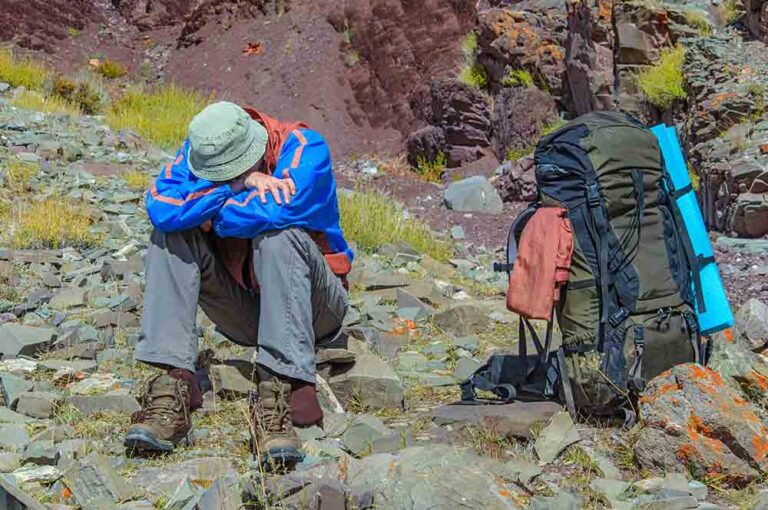
Eco-Friendly Kilimanjaro Group Expedition: Your Sustainable Climb In 2026-2027
Discover how to undertake an eco-friendly Kilimanjaro group expedition, focusing on sustainability, responsible tourism, and preparing for your climb in 2026-2027 with Top Guide Adventures.
View package details
Why Are Kilimanjaro’s Glaciers Shrinking? 2026-2027
Why Are Kilimanjaro’s Glaciers Shrinking? is explained with current 2026-2027 planning, price, itinerary and booking information.
View package details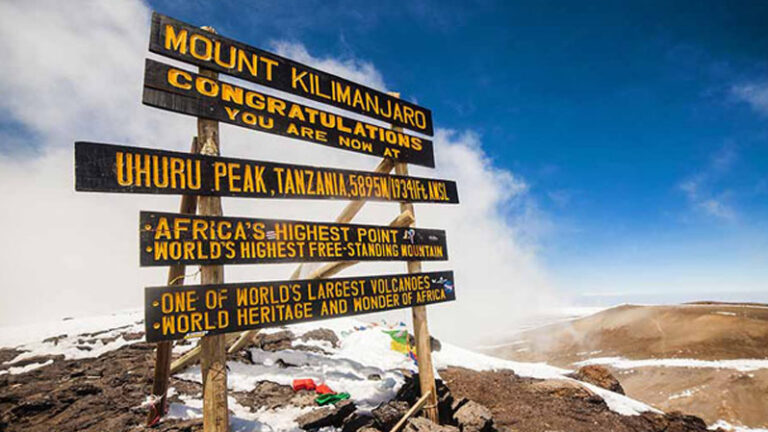
Rare Plants Found On Mount Kilimanjaro: A Botanical Expedition 2026-2027
Mount Kilimanjaro is not just a trekking destination; it's a unique ecosystem supporting rare and endemic plant species. Explore these fascinating botanical treasures, from the misty...
View package details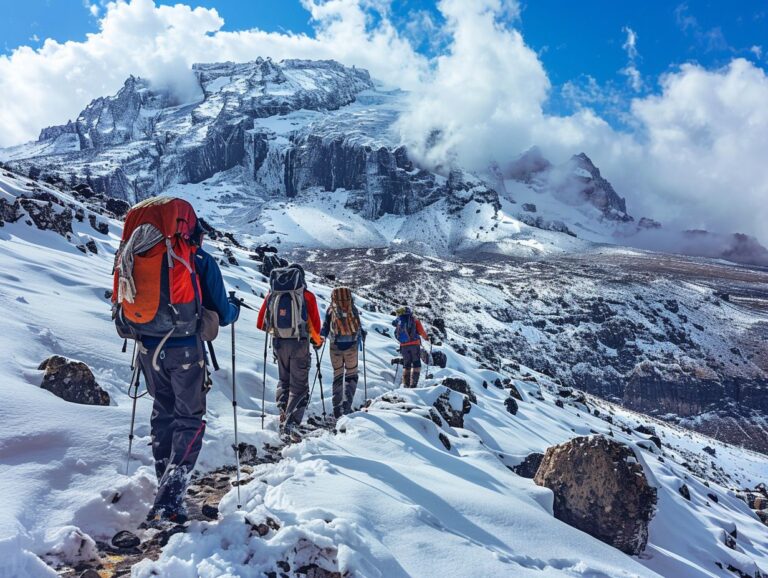
How To Identify An Unrealistically Cheap Kilimanjaro Package 2026-2027
How to Identify an Unrealistically Cheap Kilimanjaro Package is explained with current 2026-2027 planning, price, itinerary and booking information.
View package details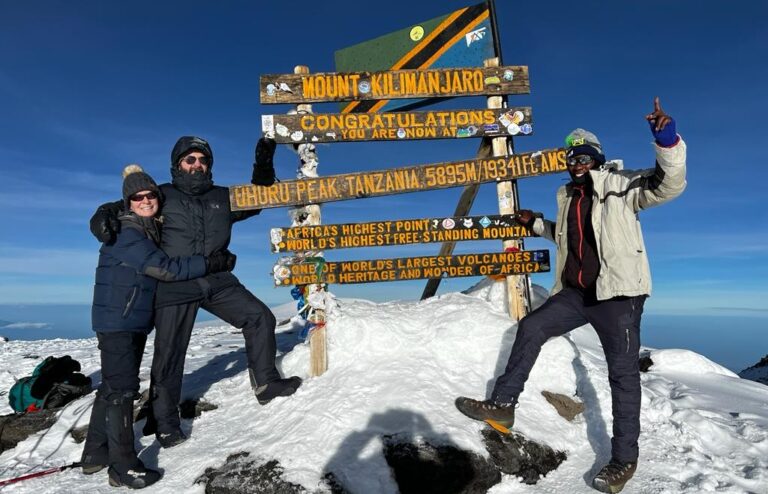
How To Compare Kilimanjaro Package Inclusions For Your Climb 2026-2027
Choosing the right Kilimanjaro climb package in 2026 or 2027 involves meticulously comparing what's included. This guide breaks down essential inclusions like park fees, guide/porter...
View package details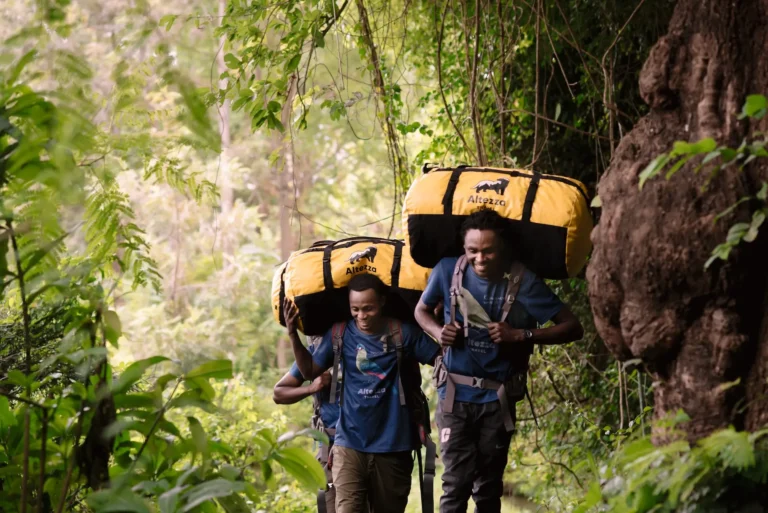
How To Read A Kilimanjaro Climbing Quote 2026-2027
How to Read a Kilimanjaro Climbing Quote is explained with current 2026-2027 planning, price, itinerary and booking information.
View package details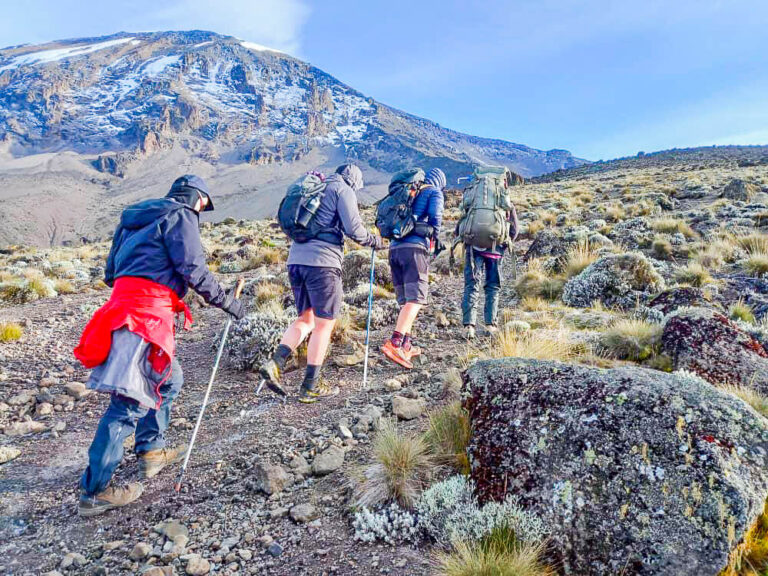
Kilimanjaro Booking Checklist For First-Time Climbers: Your Essential Guide
Planning your first Kilimanjaro climb in 2026 or 2027? This detailed checklist covers everything from choosing a route and operator to packing and acclimatization, ensuring a well-prepared...
View package details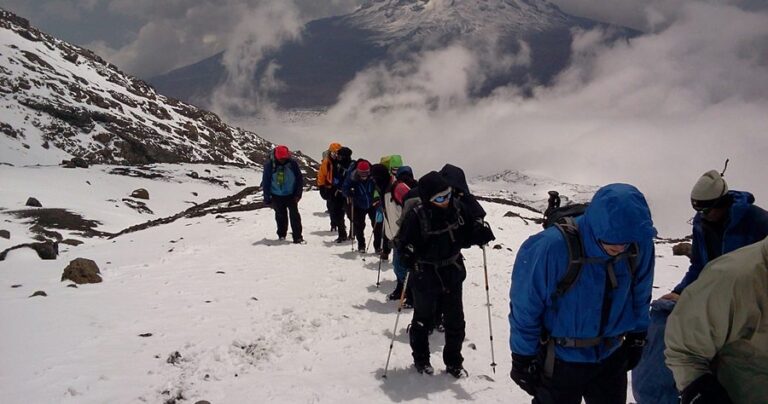
Questions Your Kilimanjaro Operator Should Answer For A Successful Climb
Choosing the right Kilimanjaro operator is crucial for a safe and memorable climb. This comprehensive guide details the essential questions you must ask your potential tour operator...
View package details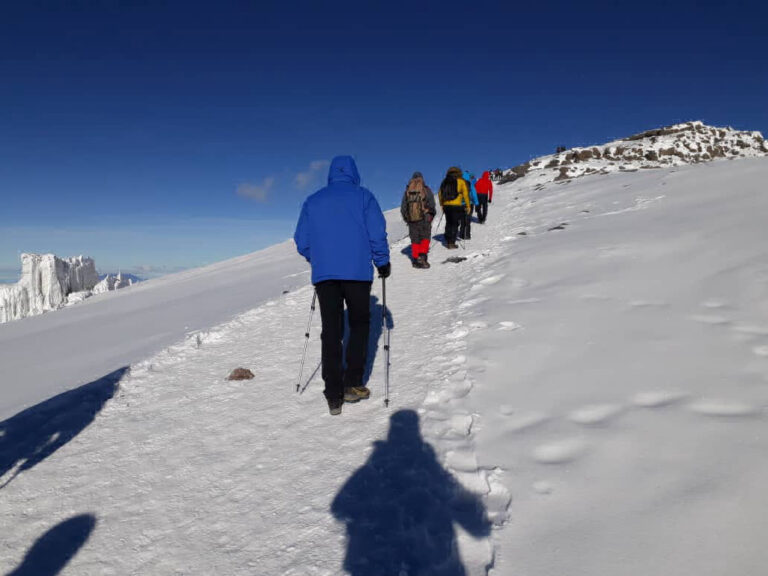
What Kilimanjaro Packages Often Leave Out 2026-2027
What Kilimanjaro Packages Often Leave Out is explained with current 2026-2027 planning, price, itinerary and booking information.
View package details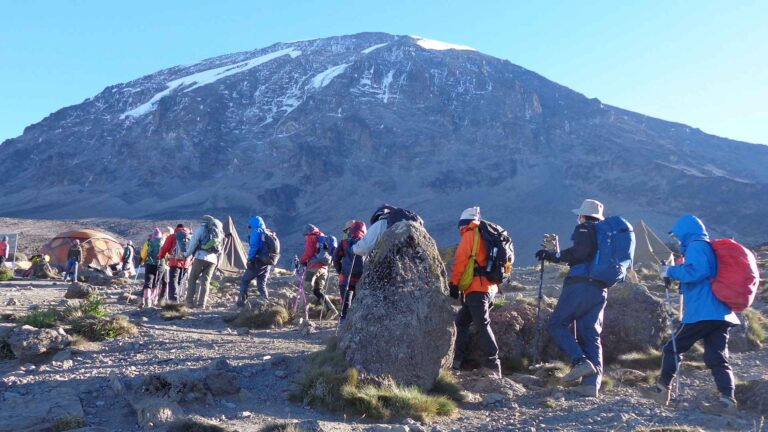
Is Kilimanjaro Really Worth The Cost? 2026-2027
Is Kilimanjaro Really Worth the Cost? is explained with current 2026-2027 planning, price, itinerary and booking information.
View package details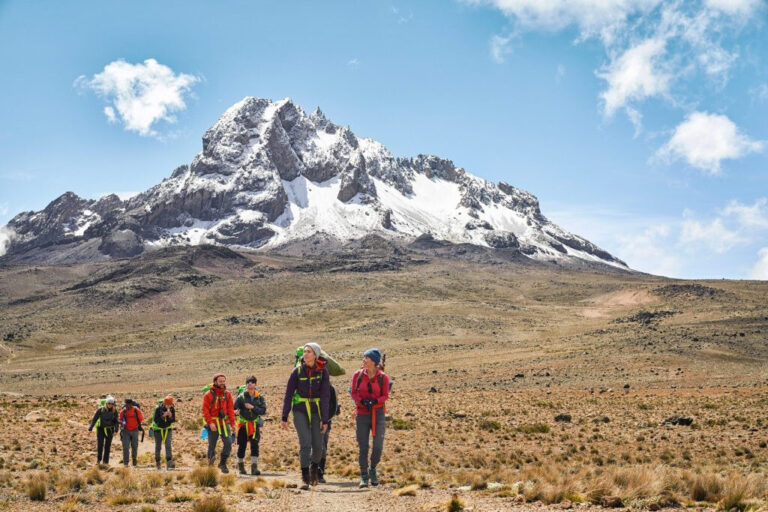
The Truth About Climbing Mount Kilimanjaro 2026-2027
The Truth about Climbing Mount Kilimanjaro is explained with current 2026-2027 planning, price, itinerary and booking information.
View package detailsNo related package matches those filters. Clear one or more filters to see the other topic-matched options.



