
Planning a Kilimanjaro climb for yourself or your family requires meticulous attention to safety, especially for parents. The most critical safety aspects involve proper acclimatization to prevent altitude sickness, ensuring children meet age and fitness requirements (typically 10-12 years old with parental consent), selecting a reputable tour operator like Top Guide Adventures, packing appropriate gear, and understanding emergency protocols. For 2026-2027 climbs, early booking and thorough pre-trip medical checks are paramount for a secure and successful ascent.
Understanding the Risks: Kilimanjaro Safety for Parents
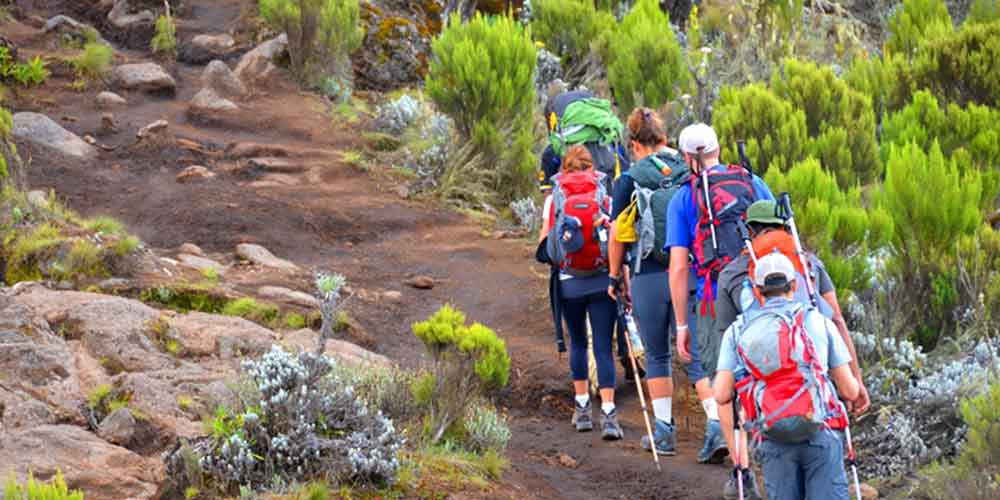
Mount Kilimanjaro, while not technically demanding in terms of rock climbing, presents significant challenges due to its extreme altitude. For parents, the decision to climb Kilimanjaro with children or to undertake the journey themselves while considering family back home adds another layer of responsibility. Safety must be the absolute priority. This guide is designed to equip parents with the knowledge needed to plan and execute a safe Kilimanjaro adventure, covering everything from initial preparation and route selection to managing health concerns and ensuring the well-being of every climber in 2026 and 2027.
The primary risks on Kilimanjaro are altitude-related illnesses, hypothermia, dehydration, and injuries. Understanding these risks and how to mitigate them is fundamental. For parents, this extends to ensuring their children are adequately prepared physically and mentally, and that the chosen tour operator prioritizes safety above all else. Top Guide Adventures is committed to providing a secure and supportive environment for all its climbers, including families.
Altitude Sickness: The Biggest Concern for Kilimanjaro Climbers
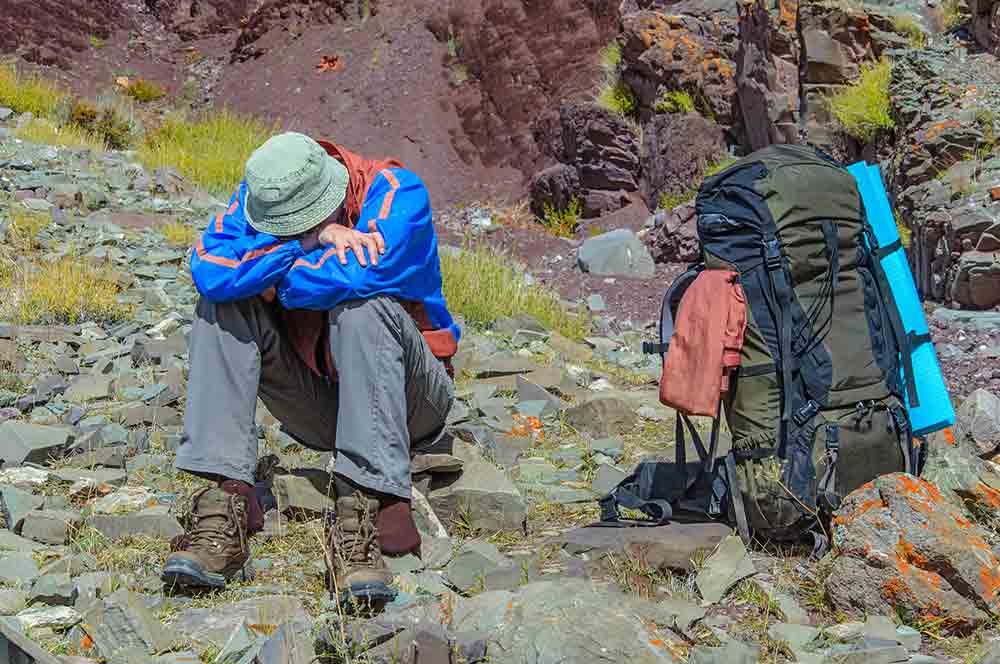
Altitude sickness, also known as Acute Mountain Sickness (AMS), is the most common and potentially dangerous ailment faced by Kilimanjaro climbers. It occurs when the body cannot adjust quickly enough to the lower oxygen levels at high altitudes. Symptoms can range from mild headaches and nausea to severe conditions like High Altitude Pulmonary Edema (HAPE) and High Altitude Cerebral Edema (HACE), which can be life-threatening.
Key to preventing altitude sickness is gradual ascent and proper acclimatization. This means choosing longer routes that allow the body more time to adapt. For parents, understanding the signs and symptoms in both adults and children is crucial. Children may have difficulty articulating their feelings, so parents need to be extra vigilant.
Recognizing Symptoms of Altitude Sickness
Symptoms typically appear 6-24 hours after arriving at a higher altitude and can include:
- Headache (the most common symptom)
- Nausea and vomiting
- Dizziness and lightheadedness
- Fatigue and weakness
- Loss of appetite
- Difficulty sleeping
- Increased heart rate
More severe symptoms, indicative of HAPE or HACE, include:
- Shortness of breath, even at rest
- Cough (sometimes with frothy sputum)
- Chest tightness
- Confusion and disorientation
- Loss of coordination (ataxia)
- Extreme fatigue
- Changes in consciousness
Managing Altitude Sickness
The golden rule for managing altitude sickness is: “Climb high, sleep low.” This principle encourages ascending to higher altitudes during the day but descending to a lower elevation for sleeping, allowing the body to recover. If symptoms appear, the safest course of action is to descend immediately. Do not ascend further if symptoms are present. For children, even mild symptoms warrant careful monitoring and a potential descent.
Tour operators like Top Guide Adventures employ experienced guides who are trained to recognize and manage altitude sickness. They monitor climbers daily and are empowered to make decisions regarding descent if a climber’s health is at risk. Medications like Diamox (acetazolamide) can be prescribed by a doctor to help with acclimatization, but they are not a substitute for proper ascent and should be discussed with your physician well in advance of your 2026-2027 climb.
Age and Fitness Requirements for Children
While Kilimanjaro can be climbed by many, it’s not a walk in the park. For parents considering bringing children, understanding the physical and psychological demands is vital. The general recommendation is that children should be at least 10 to 12 years old to attempt the climb. However, age is just one factor.
A child’s physical fitness, mental maturity, and ability to communicate discomfort are equally, if not more, important. Children who are active, enjoy hiking, and can follow instructions are better candidates. It’s essential to have a frank discussion with your child about the challenges involved, including the potential for sickness and the need to listen to their bodies and guides.
Before committing to a 2026 or 2027 climb with a child, a thorough medical examination by a pediatrician experienced in travel medicine is highly recommended. This will help identify any underlying health conditions that could pose a risk at altitude.
Choosing the Right Route for Family Safety and Success
The route you choose on Kilimanjaro significantly impacts your safety, acclimatization, and overall success rate. For parents and younger climbers, routes with higher acclimatization profiles are strongly recommended. These routes are longer, typically taking more days, but they allow the body to adjust more gradually to the increasing altitude.
Top Guide Adventures recommends the following routes for their excellent acclimatization profiles and higher success rates, making them ideal for families and parents:
Marangu Route (Coca-Cola Route)
The Marangu route is the oldest and most popular route. It’s known for its unique accommodation in huts rather than camping, which can be a comfort for some families. It’s also the shortest route, typically completed in 5 days, but this rapid ascent makes it one of the routes with the lowest success rates due to poor acclimatization.
Pros for families: Hut accommodation offers more comfort and protection from the elements. It’s often perceived as easier due to its gentle slope and well-maintained path.
Cons for families: The 5-day itinerary is too short for proper acclimatization, leading to a higher risk of altitude sickness and lower success rates. While some families opt for a 6-day Marangu climb to improve acclimatization, other routes are generally better suited.
Machame Route (Whiskey Route)
The Machame route is arguably the most popular route overall, known for its beautiful scenery and excellent acclimatization profile. It is typically climbed over 6 or 7 days. The 7-day Machame itinerary offers a significantly higher success rate and better acclimatization, making it a top choice for parents and families. It involves camping throughout the trek.
Pros for families: Excellent acclimatization due to its “climb high, sleep low” approach. High success rates, especially on the 7-day itinerary. Stunning views and diverse ecosystems.
Cons for families: It is a camping trek, which may be less comfortable for some than hut accommodation. It is also one of the steeper routes, involving some challenging sections.
Lemosho Route
The Lemosho route is considered by many to be the most scenic route, offering a true wilderness experience. It’s a longer route, typically 7 or 8 days, which provides superb acclimatization and very high success rates. It starts in the west and crosses the Shira Plateau before joining the Machame route.
Pros for families: Excellent acclimatization and very high success rates due to the longer duration. Remote and beautiful scenery. Less crowded in the initial days.
Cons for families: Longer duration means more time away and potentially higher cost. It is a camping trek.
Rongai Route
The Rongai route approaches Kilimanjaro from the north, near the Kenyan border. It is one of the drier routes, making it a good option during the rainy seasons. It’s typically a 6 or 7-day trek. While it offers good acclimatization, it is generally considered less scenic than Machame or Lemosho.
Pros for families: Good acclimatization, especially on the 7-day option. Less crowded. Can be a good option during rainy seasons.
Cons for families: Scenery is less varied compared to western routes. It’s a camping trek.
Top Guide Adventures strongly recommends at least a 7-day itinerary for any Kilimanjaro climb, especially for parents and families, to ensure adequate acclimatization and maximize safety and success. For 2026-2027 bookings, consider these longer routes for the best experience.
Why Longer Routes Enhance Family Safety
Longer routes (7-8 days) on Kilimanjaro are safer for several reasons:
- Gradual Acclimatization: The body has more time to adjust to decreasing oxygen levels, significantly reducing the risk of AMS.
- Reduced Physical Strain: Daily ascents are less strenuous, allowing for better recovery.
- Higher Success Rates: Climbers are more likely to reach Uhuru Peak when properly acclimatized.
- Mental Preparedness: More time on the mountain allows for better mental adjustment to the challenges.
- Flexibility: A slower pace allows guides to monitor climbers more closely and react to any developing issues.
For parents, this means peace of mind knowing their children (and themselves) are on a program designed for safety and well-being, maximizing the chances of a positive and memorable experience in 2026-2027.
Pre-Climb Preparation: Essential for Parents and Children
Thorough preparation is non-negotiable for a safe Kilimanjaro climb, particularly when children are involved. This includes physical training, mental preparation, acquiring the right gear, and important medical checks.
Physical Training for the Kilimanjaro Climb
Kilimanjaro is a high-altitude trek, not a technical climb, but it requires significant cardiovascular fitness and leg strength. The goal of training is to build endurance and prepare your body for long days of walking uphill with a heavy pack, at altitude.
For Adults:
- Cardiovascular Fitness: Aim for at least 3-4 cardio sessions per week. Activities like running, cycling, swimming, or using an elliptical machine are beneficial.
- Hiking: This is the most crucial part of your training. Simulate trek conditions by hiking regularly, ideally with a weighted backpack. Gradually increase the duration and elevation gain of your hikes. Aim for at least one long hike (4-6 hours) per week in the months leading up to your climb.
- Strength Training: Focus on leg strength (squats, lunges, calf raises) and core strength.
- Stair Climbing: Incorporate stair climbing into your routine to build stamina for ascents.
For Children:
- Make it Fun: Training should be enjoyable for children. Focus on activities they like, such as hiking, cycling, swimming, or playing sports.
- Regular Activity: Encourage regular physical activity. Daily walks, weekend hikes, and participation in school sports are excellent.
- Gradual Progression: Don’t push children too hard. Gradually increase the duration and intensity of their activities. The goal is to build stamina and a love for the outdoors, not to create elite athletes.
- Simulate Hiking: If possible, take them on longer hikes with some elevation gain. Let them carry a small, light backpack with their own water and snacks.
- Endurance over Speed: Focus on building their ability to sustain activity for longer periods.
It’s advisable to start a training program at least 2-3 months before your planned 2026 or 2027 climb.
Mental Preparation for Parents and Children
The mental aspect of climbing Kilimanjaro is often underestimated. It can be physically and emotionally challenging, especially for children. Open communication is key.
For Parents:
- Set Realistic Expectations: Understand that reaching the summit is not guaranteed. Focus on the journey, the experience, and the safety of everyone.
- Manage Your Own Anxiety: Your child will pick up on your stress. Project confidence and a positive attitude.
- Prepare for Discomfort: The climb involves cold, fatigue, and potential discomfort. Discuss this openly but positively.
For Children:
- Explain the Adventure: Talk about Kilimanjaro as an exciting adventure. Use age-appropriate language to describe the mountain, the wildlife, and the experience.
- Discuss Challenges: Be honest about the fact that it will be hard work. Explain that there will be days they feel tired and cold, but that the guides and parents will be there to support them.
- Emphasize Teamwork: Frame the climb as a team effort. They will be part of a team, and their contribution is important.
- Focus on the Goal: Remind them of the amazing achievement they will accomplish.
- Practice Listening: Teach them the importance of listening to their bodies and to the guides’ instructions.
Medical Checks and Vaccinations
A pre-climb medical check-up is essential for all climbers, but especially for children. Consult your doctor or a travel clinic at least 4-6 weeks before your departure for your 2026-2027 climb.
- General Health: Ensure there are no underlying conditions (heart, lung, or other chronic illnesses) that could be exacerbated by high altitude.
- Altitude Suitability: Discuss with your doctor your suitability for high-altitude trekking.
- Medications: Obtain any necessary prescriptions, including medication for altitude sickness (like Diamox), malaria prophylaxis (if recommended for the region), and a basic first-aid kit.
- Vaccinations: Check with your doctor or a travel clinic for recommended vaccinations for Tanzania. Common recommendations include Hepatitis A, Typhoid, Tetanus, and potentially others depending on your travel history. Yellow Fever vaccination might be required if you are arriving from or traveling to a country with a risk of Yellow Fever transmission.
- Dental Check: A toothache can be excruciating at altitude due to pressure changes. Ensure all dental work is up-to-date.
Essential Gear for Kilimanjaro Safety
Proper gear is critical for comfort and safety on Kilimanjaro. Layering is key to managing temperature changes. Top Guide Adventures provides a detailed packing list, but here are some essentials, with particular consideration for children:
- Layering System:
- Base Layers: Moisture-wicking thermal underwear (synthetic or merino wool). Avoid cotton.
- Mid Layers: Fleece jacket or down vest for insulation.
- Outer Layer: Waterproof and windproof jacket and trousers (Gore-Tex or similar).
- Insulated Jacket: A warm down or synthetic puffy jacket for evenings and summit night.
- Footwear:
- Hiking Boots: Waterproof, broken-in hiking boots with good ankle support. Ensure a comfortable fit for children, possibly with room for thicker socks.
- Camp Shoes/Sandals: For use at camp.
- Socks: Several pairs of warm wool or synthetic hiking socks.
- Headwear:
- Warm Hat: Wool or fleece hat that covers the ears.
- Sun Hat: Wide-brimmed hat for sun protection.
- Balaclava/Neck Gaiter: For extreme cold and wind protection.
- Gloves:
- Liner Gloves: Thin gloves for dexterity.
- Warm Mittens/Gloves: Waterproof and insulated.
- Sleeping Bag: A warm sleeping bag rated to at least -10°C (0°F). Ensure it’s appropriate for children’s needs.
- Backpack:
- Daypack: 25-35 liters for essentials carried during the day.
- Duffel Bag: 80-100 liters for porters to carry.
- Trekking Poles: Highly recommended to reduce strain on knees and improve balance.
- Headlamp: With extra batteries, essential for summit night.
- Water Bottles/Hydration Reservoir: At least 2-3 liters capacity. Insulated covers are useful to prevent freezing.
- Sunscreen & Lip Balm: High SPF.
- Sunglasses: UV protection.
- Personal First-Aid Kit: Include blister treatment, pain relievers, antiseptic wipes, and any personal medications.
- Toiletries: Biodegradable soap, toothbrush, toothpaste, wet wipes.
Special considerations for children’s gear: Ensure all clothing fits well and is not too bulky. Children can lose heat faster, so extra warmth might be needed. Always pack spares for essential items like socks and gloves.
Kilimanjaro Safety Checklist for Parents
- [ ] Consult pediatrician for child’s fitness for high altitude.
- [ ] Schedule pre-trip medical check-ups for all climbers.
- [ ] Obtain necessary vaccinations and malaria prophylaxis.
- [ ] Begin physical training 2-3 months in advance.
- [ ] Select a 7-day or longer route (e.g., Machame, Lemosho).
- [ ] Pack appropriate layered clothing, focusing on warmth and waterproofing.
- [ ] Ensure child’s gear fits well and is adequate for cold.
- [ ] Pack a comprehensive personal first-aid kit.
- [ ] Discuss potential challenges and safety rules with children.
- [ ] Choose a reputable operator with strong safety protocols (e.g., Top Guide Adventures).
- [ ] Confirm emergency evacuation procedures with the operator.
- [ ] Arrange travel insurance covering high-altitude trekking and emergency evacuation.
On the Mountain: Daily Safety Practices
Once on Kilimanjaro, consistent adherence to safety practices is vital. This involves daily routines, monitoring health, and making informed decisions with your guides.
Hydration and Nutrition
Staying hydrated and well-nourished is crucial for acclimatization and energy levels. Altitude can suppress appetite, making it challenging, especially for children.
- Hydration: Aim to drink 3-5 liters of fluid per day. Water, herbal teas, and electrolyte drinks are good choices. Avoid alcohol and excessive caffeine. Keep water bottles insulated to prevent freezing, especially on summit night.
- Nutrition: Eat balanced meals. Porters and cooks on Kilimanjaro treks usually provide nutritious meals. Encourage children to eat, even if their appetite is low. High-carbohydrate meals are recommended for energy. Snacks like nuts, dried fruit, energy bars, and chocolate are valuable for quick energy boosts.
Pacing and Acclimatization
“Pole pole” (slowly, slowly) is the mantra on Kilimanjaro. A slow, steady pace conserves energy and allows the body to acclimatize effectively.
- Slow Pace: Walk at a pace that allows you to hold a conversation without becoming breathless. This is particularly important for children who may not realize they are overexerting themselves.
- Listen to Your Body: Pay attention to any signs of altitude sickness or fatigue. Communicate these to your guide immediately.
- Daily Health Checks: Guides from Top Guide Adventures conduct daily health checks, monitoring oxygen saturation levels and asking about symptoms. Parents should also conduct their own checks, observing their children for any changes in behavior or physical complaints.
Hygiene and Preventing Illness
Maintaining good hygiene helps prevent common illnesses like traveler’s diarrhea, which can be debilitating on the mountain.
- Hand Washing: Wash hands frequently with soap and water, especially before eating and after using the toilet. Hand sanitizer is a useful alternative when soap and water are not readily available.
- Water Purification: Drink only treated or bottled water. Tour operators like Top Guide Adventures provide boiled or treated water.
- Food Safety: Eat food prepared by your trekking crew. Avoid raw or undercooked foods.
Summit Night: The Ultimate Challenge
Summit night is the most demanding part of the climb. It typically begins around midnight, involving a steep ascent in the dark and extreme cold to reach Uhuru Peak by sunrise.
- Preparation: Ensure all warm clothing, including multiple layers, hats, gloves, and balaclavas, are readily accessible. Pack headlamps with fresh batteries and spare batteries.
- Pacing: The pace is extremely slow and steady. Guides will manage the pace for the entire group.
- Hydration & Snacks: Continue to drink fluids and eat energy-rich snacks, even if appetite is low. Warm drinks in a thermos are invaluable.
- Monitoring: Guides will monitor climbers very closely for signs of AMS, exhaustion, or hypothermia.
- Decision to Turn Back: The decision to continue or turn back rests with the guides, prioritizing the safety of the climbers. Parents should be prepared for this possibility, especially if their child is struggling or showing signs of altitude sickness. Reaching the summit is a bonus; descending safely is the primary goal.
Tips for Keeping Children Comfortable on Summit Night
- Constant Encouragement: Offer positive reinforcement and encouragement throughout the climb.
- Warm Drinks: Keep a thermos of hot chocolate or herbal tea handy.
- Frequent Breaks: Ensure short, regular breaks for rest and hydration.
- Check Gear: Periodically check that gloves, hats, and other gear are secure and warm.
- Explain the Process: Let them know what to expect at each stage.
Emergency Preparedness and Evacuation
Despite meticulous planning, emergencies can happen. Knowing the protocols and having reliable support is crucial for Kilimanjaro safety, particularly for families.
Emergency Evacuation Procedures
Reputable tour operators like Top Guide Adventures have established emergency evacuation plans.
- Communication: Guides are equipped with radios or satellite phones for communication in emergencies.
- Oxygen Cylinders: Guides carry emergency oxygen cylinders for immediate use in cases of severe altitude sickness.
- Stretcher Evacuation: For severe cases requiring descent, a dedicated rescue team with a stretcher may be mobilized.
- Vehicle Access: Depending on the route and location, evacuation might involve reaching a point where a vehicle can transport the climber to a medical facility in Moshi or Arusha.
- Helicopter Evacuation: In extreme circumstances, helicopter evacuation might be an option, though this is costly and weather-dependent. This is why comprehensive travel insurance is mandatory.
The Role of the Tour Operator
Choosing a tour operator with a strong safety record is paramount. Top Guide Adventures prioritizes climber safety through:
- Experienced Guides: Our guides are certified in wilderness first aid and have extensive experience with Kilimanjaro’s conditions and altitude sickness management.
- Well-Equipped Teams: We provide essential safety equipment, including first-aid kits, emergency oxygen, and communication devices.
- Health Monitoring: Daily checks and a commitment to descending if health deteriorates.
- Logistical Support: Ensuring timely and efficient evacuation when necessary.
Travel Insurance: A Non-Negotiable Requirement
Comprehensive travel insurance is mandatory for all Kilimanjaro climbs booked through Top Guide Adventures. This insurance must specifically cover high-altitude trekking and emergency medical evacuation, including helicopter rescue if applicable.
Ensure your policy details:
- Coverage for altitudes up to 5,895 meters (19,341 feet).
- Coverage for emergency medical evacuation and repatriation.
- Sufficient coverage limits to cover potential costs (which can be substantial).
Always carry a copy of your insurance policy details with you and provide a copy to your tour operator.
Post-Climb Considerations and Debrief
The journey doesn’t end at the summit; the descent and post-climb period are also important for safety and recovery.
The Descent
The descent can be surprisingly challenging. Climbers are often tired, and the steep, loose scree slopes require careful footing. It’s crucial to:
- Maintain Focus: Don’t let your guard down. The risk of twists, falls, and sprains is high.
- Use Trekking Poles: They are invaluable for stability and reducing impact on your knees.
- Stay Hydrated: Continue drinking fluids to aid recovery.
Monitoring Health Post-Climb
Some symptoms of altitude sickness can linger or even appear after descending. Be aware of:
- Persistent headaches
- Fatigue
- Dizziness
- Cough
If you or your child experience any concerning symptoms after returning home, consult a doctor immediately and inform them of your recent high-altitude trek.
Debrief and Reflection
Take time to debrief the experience. For families, this is a wonderful opportunity to reflect on the shared achievement, the challenges overcome, and the memories created. Discussing the trip helps children process the experience and reinforces the sense of accomplishment.
Kilimanjaro Safety for Parents in 2026-2027: Key Takeaways
Climbing Kilimanjaro as a parent, or with children, is an incredible adventure that requires careful planning and a strong focus on safety. By understanding the risks, preparing thoroughly, choosing the right route and operator, and adhering to safety protocols on the mountain, you can significantly increase the chances of a successful and memorable experience for the entire family.
Key recommendations for parents planning a Kilimanjaro climb for 2026-2027:
- Prioritize Longer Routes: Opt for 7 or 8-day itineraries for superior acclimatization and success rates.
- Thorough Medical Consultations: Ensure all family members are medically cleared for high altitude.
- Comprehensive Gear Check: Ensure everyone, especially children, has appropriate, well-fitting gear.
- Choose Wisely: Select a reputable tour operator with a proven safety record and excellent guide training. Top Guide Adventures is dedicated to providing safe and exceptional Kilimanjaro experiences.
- Open Communication: Talk to your children about the climb, its challenges, and the importance of safety.
- Mandatory Insurance: Secure travel insurance that covers high-altitude trekking and emergency evacuation.
A Kilimanjaro climb is a journey of a lifetime. With the right preparation and a commitment to safety, parents can confidently lead their families on this extraordinary adventure. We at Top Guide Adventures are here to support you every step of the way, ensuring your Kilimanjaro safety and making your 2026-2027 dream climb a reality.
Ready to plan your family’s Kilimanjaro adventure? Contact us for personalized advice and to discuss itineraries tailored for safety and success. Reach us via WhatsApp +255616946642 or email us at topguideadventures@gmail.com. For alternative inquiries, use info@topguideadventures.com. Let’s make your Kilimanjaro safety a top priority for an unforgettable journey in 2026-2027!
Check Availability for Kilimanjaro Safety Guide For Parents: Essential Tips A Successful Climb
Ready to compare dates, prices, and the best option for your group? Send the package name and travel month so the team can reply with a clear quote, availability, and what is included.
Kilimanjaro Climbing Package For Parents And Teenagers 2026-2027
Kilimanjaro Climbing Package for Parents and Teenagers is explained with current 2026-2027 planning, price, itinerary and booking information.
View package details
How Are Kilimanjaro Emergencies Communicated? Essential Safety Protocols
Understanding how Kilimanjaro emergencies are communicated is vital for any trekker. This guide details the communication systems, rescue procedures, and essential safety measures Top Guide...
View package details
Kilimanjaro Climb With Materuni Recovery Day 2026-2027
Kilimanjaro Climb with Materuni Recovery Day is explained with current 2026-2027 planning, price, itinerary and booking information.
View package details
Kilimanjaro Climb With Lake Chala Relaxation Day: Your Ultimate Post-Trek
Experience the ultimate Kilimanjaro adventure followed by serene relaxation at Lake Chala. This guide details how to combine these incredible Tanzanian experiences, covering itineraries...
View package details
Kilimanjaro Climb & West Safari: The Ultimate Tanzania Adventure 2026-2027
Experience the pinnacle of Tanzania with a combined Kilimanjaro climb and West Kilimanjaro safari. This guide details itineraries, preparation, and what to expect for your 2026-2027...
View package details
Kilimanjaro Climb With Mkomazi Rhino Safari 2026-2027
Kilimanjaro Climb with Mkomazi Rhino Safari is explained with current 2026-2027 planning, price, itinerary and booking information.
View package details
Kilimanjaro Climb With Amboseli Safari Extension: Your Ultimate Tanzania
Experience the pinnacle of African adventure by combining a challenging Kilimanjaro climb with a impressive safari in Amboseli National Park. This guide details itineraries, costs, best...
View package details
21-Day Kilimanjaro And Complete Tanzania Holiday: Your Ultimate Adventure
This comprehensive 21-day itinerary offers the ultimate Tanzanian adventure, merging the challenge of climbing Mount Kilimanjaro with the wildlife wonders of its famed national parks and...
View package details18-Day Kilimanjaro And Northern Tanzania Grand Adventure: Trek, Safari &
An 18-day itinerary blending Kilimanjaro's summit with Northern Tanzania's wildlife and culture offers a comprehensive African experience. This adventure typically includes a multi-day trek...
View package details
17-Day Kilimanjaro, Serengeti, Ngorongoro & Zanzibar Tour: Your Ultimate
This 17-day tour combines the iconic Mount Kilimanjaro climb with unparalleled wildlife safaris in the Serengeti and Ngorongoro Crater, culminating in a relaxing beach escape in Zanzibar...
View package details15-Day Kilimanjaro, Great Migration & Zanzibar Beach Package | Top Guide
Combine the thrill of summiting Mount Kilimanjaro, witnessing the iconic Great Migration in the Serengeti, and unwinding on the pristine beaches of Zanzibar in one unforgettable 15-day...
View package details
13-Day Kilimanjaro Climb, Cultural Tour & Zanzibar Holiday: Your Ultimate
This 13-day itinerary offers an unparalleled Tanzanian experience, blending the thrill of conquering Mount Kilimanjaro with deep cultural exploration and the serene beauty of Zanzibar...
View package detailsNo related package matches those filters. Clear one or more filters to see the other topic-matched options.



