
Altitude significantly affects younger Kilimanjaro climbers, primarily by increasing their susceptibility to altitude sickness (Acute Mountain Sickness – AMS) due to less developed physiological responses to lower oxygen levels. While children and adolescents can successfully climb Kilimanjaro, they require meticulous planning, slower ascent rates, vigilant monitoring for symptoms, and a strong emphasis on acclimatization to mitigate risks. Success rates are high when trekkers, including younger ones, choose appropriate routes, train adequately, and are guided by experienced operators like Top Guide Adventures, especially when planning for 2026 or 2027 expeditions.


Understanding Altitude Sickness in Young Trekkers
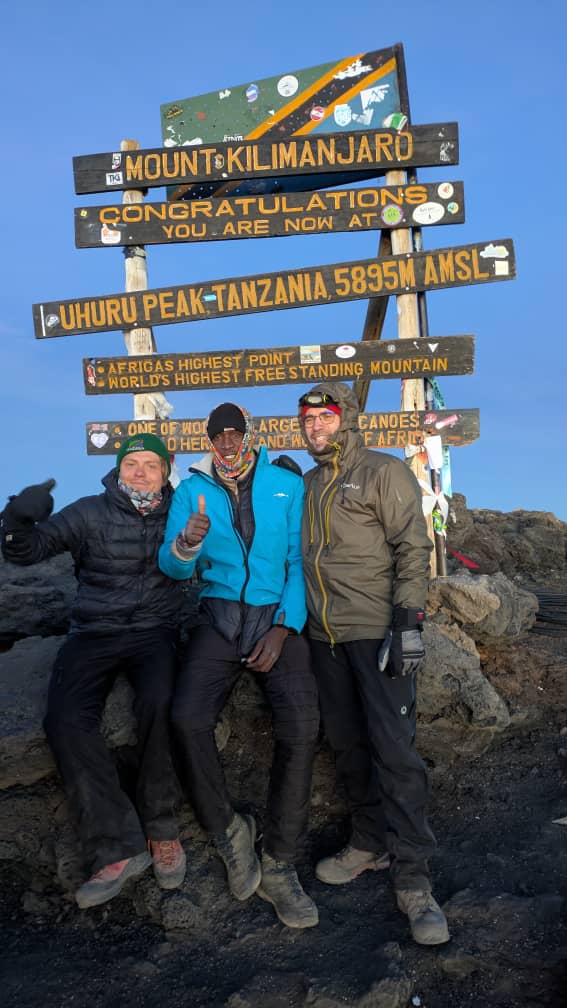
Kilimanjaro, standing at 5,895 meters (19,341 feet), presents a formidable challenge for any climber, regardless of age. However, the physiological responses to high altitude can differ notably between adults and younger individuals, including children and teenagers. For those planning a Kilimanjaro climb in 2026 or 2027, understanding these differences is paramount for safety and success. Younger climbers, while often possessing greater physical stamina, may have less mature physiological systems for coping with the reduced oxygen availability at higher elevations. This can make them more vulnerable to altitude sickness (AMS), a condition that arises when the body cannot adjust quickly enough to the lower atmospheric pressure and reduced oxygen saturation in the blood.
The primary concern is that younger climbers might not articulate their symptoms as clearly as adults, or their symptoms might be mistaken for general fatigue or discomfort associated with a strenuous trek. This can lead to delayed recognition and treatment, which is crucial for preventing more severe forms of altitude illness like High Altitude Cerebral Edema (HACE) and High Altitude Pulmonary Edema (HAPE). Therefore, a proactive and informed approach is essential when planning a Kilimanjaro expedition for younger adventurers.
Physiological Differences: Adults vs. Younger Climbers
The human body’s ability to adapt to altitude is a complex process involving increased breathing rate, heart rate, and the production of more red blood cells to carry oxygen. These adaptations are generally more robust and efficient in adults. Younger individuals, particularly children, may have:
- Less Developed Respiratory and Cardiovascular Systems: While young lungs can be efficient, the intricate regulatory mechanisms that control breathing and heart rate in response to hypoxia (low oxygen) might not be as finely tuned as in adults.
- Different Fluid Balance Mechanisms: Dehydration is a significant factor exacerbating altitude sickness. Younger individuals might have different fluid regulation capacities.
- Communication Challenges: Children and some adolescents may struggle to accurately describe subjective symptoms like headaches, nausea, or dizziness, making early detection harder for guides and parents. They might attribute these feelings to exertion or simply ‘feeling tired.’
- Higher Risk Tolerance (Perceived or Actual): Some younger individuals might push themselves harder, either due to enthusiasm or a desire not to ‘hold others back,’ potentially ignoring early warning signs.
Conversely, younger climbers often have excellent physical fitness, strong recovery abilities, and a high level of enthusiasm, which are all beneficial for a challenging trek. The key is to harness these advantages while being acutely aware of the physiological vulnerabilities. When you book with a reputable company like Top Guide Adventures, their experienced guides are trained to recognize subtle signs of AMS in all age groups, including the youngest members of your trekking party, ensuring appropriate management for your 2026-2027 climb.
Recognizing Symptoms of Altitude Sickness in Youth
The recognition of altitude sickness symptoms in younger climbers is critical. AMS symptoms in youth can mirror those in adults but require closer observation due to potential communication barriers. The most common symptoms include:
- Headache: Often the first and most persistent symptom. In younger children, it might manifest as irritability or general discomfort.
- Nausea and Vomiting: Young children might refuse food or complain of a ‘tummy ache.’
- Fatigue and Weakness: Beyond normal exertion fatigue, a more profound lack of energy or lethargy can be a sign.
- Dizziness and Lightheadedness: Difficulty with balance or coordination can be more apparent in children.
- Sleep Disturbances: Difficulty sleeping or waking frequently.
It’s essential to differentiate these from symptoms of other common ailments like colds, flu, or stomach bugs, which can also occur during travel. However, if symptoms appear or worsen with increasing altitude and improve with descent, AMS is the primary suspect.
Severity Levels and Red Flags
Altitude sickness exists on a spectrum. Mild AMS is common and manageable. However, it can progress to more severe and life-threatening conditions:
- High Altitude Cerebral Edema (HACE): Swelling of the brain. Symptoms include severe headache, confusion, loss of coordination (ataxia), drowsiness, and eventually coma. In children, this might present as unusual behavior, extreme irritability, or inability to walk properly. This is a medical emergency requiring immediate descent.
- High Altitude Pulmonary Edema (HAPE): Fluid accumulation in the lungs. Symptoms include severe shortness of breath (even at rest), persistent cough (which may produce frothy or pink sputum), chest tightness, and extreme fatigue. A child might refuse to lie down due to breathlessness. This is also a medical emergency requiring immediate descent.
Parents and guardians accompanying younger climbers on Kilimanjaro in 2026-2027 must be vigilant. Guides from Top Guide Adventures are trained to assess these symptoms, but parental observation is invaluable. Any sign of neurological impairment or severe respiratory distress should be treated with utmost seriousness.
Age Restrictions and Recommendations for Kilimanjaro
While Kilimanjaro does not have strict official age limits enforced by park authorities, tour operators typically set their own minimum age recommendations. These are based on safety considerations and the physiological demands of the climb.
General Recommendations:
- Below 10 Years: Climbing Kilimanjaro is generally not recommended for children under 10 years old. Their bodies are less resilient, and the risks associated with altitude sickness are significantly higher.
- 10-15 Years: This age group can potentially climb, but it requires careful consideration. They must be in excellent physical condition, have a mature understanding of the risks, and be accompanied by attentive guardians. Slower ascent routes and longer itineraries are highly advisable.
- 16 Years and Above: Teenagers in this age bracket are generally considered more capable of handling the physical and physiological stresses of the climb, provided they are fit and well-prepared.
Top Guide Adventures works closely with families to assess the suitability of younger individuals for a Kilimanjaro climb. We consider the child’s physical condition, maturity, and the family’s ability to manage potential altitude-related issues. For 2026-2027 expeditions, we strongly advise thorough consultation before booking.
Factors Influencing Suitability for Younger Climbers
Beyond chronological age, several factors determine if a younger individual is ready for Kilimanjaro:
- Physical Fitness: Has the child or teen been engaged in regular physical activity, including hiking or endurance sports? Can they comfortably walk for several hours a day with a light pack?
- Medical History: Any pre-existing conditions, especially heart, lung, or neurological issues, must be evaluated by a doctor. Asthma can be a concern, though many asthmatics climb successfully with proper management.
- Maturity and Mental Preparedness: Does the young person understand the challenges involved? Are they prepared for potentially uncomfortable conditions, cold, and fatigue? Can they follow instructions and communicate their feelings effectively?
- Previous High-Altitude Exposure: Has the individual experienced significant altitude before? This can offer some insight, though Kilimanjaro’s altitude is substantial.
A pre-climb medical consultation with a pediatrician or a travel medicine specialist is highly recommended for any young climber considering Kilimanjaro for 2026 or 2027. They can provide personalized advice based on the child’s specific health profile.
Preparing Younger Climbers for the Altitude Challenge
Thorough preparation is key to ensuring a safe and enjoyable Kilimanjaro climb for younger individuals. This preparation extends beyond physical training to include acclimatization strategies and education about altitude sickness.
Physical Training and Conditioning
Young climbers need to build stamina and strength. The training should focus on:
- Cardiovascular Fitness: Engage in activities like running, swimming, cycling, or brisk walking for at least 3-4 times a week.
- Endurance Hiking: Gradually increase the duration and difficulty of hikes. Include hikes with significant elevation gain, simulating mountain conditions. Encourage carrying a light backpack with water and snacks.
- Strength Training: Focus on leg strength (squats, lunges) and core stability, which are important for carrying a pack and navigating uneven terrain.
- Practice with Gear: Ensure they are comfortable walking in hiking boots and using their backpack. Break in boots well in advance to prevent blisters.
The goal is not to make them elite athletes but to ensure their bodies can handle prolonged physical exertion. Consistency is more important than intensity.
Acclimatization Strategies for Youth
Acclimatization is the process by which the body adjusts to lower oxygen levels at high altitudes. For younger climbers, prioritizing acclimatization is non-negotiable.
- Choose Longer Routes: Opt for routes that are longer in duration (e.g., 7-8 days instead of 5-6). Routes like the Lemosho or Machame are excellent choices as they allow for a slower, more gradual ascent. The Machame route, for instance, is popular for its scenic beauty and good acclimatization profile.
- ‘Pole Pole’ (Slowly, Slowly): This Swahili phrase is the mantra on Kilimanjaro. Encourage younger climbers to walk at a slow, steady pace, allowing their bodies to adapt.
- Hydration: Emphasize drinking plenty of fluids (water, herbal teas). Aim for at least 3-4 liters per day. Dehydration can mimic or worsen AMS symptoms.
- Proper Nutrition: Ensure they eat well, even if appetite is reduced. High-carbohydrate meals are beneficial at altitude.
- Adequate Sleep: While sleep can be disturbed at altitude, encourage rest and relaxation during the day.
- Avoid Overexertion: Discourage strenuous activity on arrival at altitude.
Top Guide Adventures meticulously plans itineraries to incorporate optimal acclimatization days, particularly for routes chosen by families with younger members. Our guides are experts in implementing the ‘pole pole’ principle.
Educating Young Climbers About Altitude
It’s vital that younger climbers understand what altitude sickness is, why it happens, and what symptoms to watch for. Age-appropriate explanations can demystify the process and empower them to communicate effectively.
- Explain that the air gets ‘thinner’ as they go higher, meaning less oxygen.
- Teach them the common symptoms (headache, nausea, dizziness) and encourage them to report any unusual feelings immediately to their guardian or guide.
- Reassure them that it’s okay to feel unwell and that the guides are there to help.
- Explain the importance of ‘pole pole’ and listening to their bodies.
- Discuss the ‘summit bid’ night: it’s cold, dark, and very challenging, and it’s crucial to go at a slow pace.
Open communication channels between the young climber, their guardians, and the guide are essential. This collaborative approach ensures that any concerns are addressed promptly, making the 2026-2027 climb a positive experience.
Best Kilimanjaro Routes for Younger Climbers
The choice of route significantly impacts the acclimatization profile and overall success rate for younger climbers on Kilimanjaro. Routes that offer a slower ascent and more ‘climb high, sleep low’ opportunities are generally preferred.
Recommended Routes:
- Lemosho Route: Often considered the best route for acclimatization due to its longer duration (7-8 days) and scenic western approach, which allows for a gradual ascent. It offers excellent ‘climb high, sleep low’ opportunities.
- Machame Route: Another popular and scenic route, typically 7 days. It has a good acclimatization profile with a ‘climb high, sleep low’ section. It is more challenging than Lemosho in terms of daily elevation gain in parts but is well-trodden and offers good support. Many families choose the 7-day Machame for their 2026-2027 expeditions.
- Northern Circuit: This is the longest route (9-10 days) and offers the best acclimatization. It circles the mountain, providing ample time for the body to adjust. While longer and potentially more expensive, it boasts the highest success rates.
Routes to Approach with Caution (or Avoid) for Youth:
- Marangu Route: While sometimes called the ‘Coca-Cola route’ due to its hut accommodation, its rapid ascent profile (5-6 days) is not ideal for acclimatization, especially for younger climbers. The directness means less time to adapt.
- Rongai Route: This route approaches from the north and is drier. While it can be done in 6-7 days, its acclimatization is not as good as Lemosho or Machame, and it lacks significant ‘climb high, sleep low’ opportunities.
- Umbwe Route: This is the shortest and steepest route, highly demanding and with a very poor acclimatization profile. It is generally not recommended for any climber, let alone younger ones.
Top Guide Adventures will always advise on the most suitable route based on the age and experience of the youngest member of your party, prioritizing safety and success for your 2026-2027 Kilimanjaro adventure.
Managing Altitude Sickness: Prevention and Treatment
Effective management of altitude sickness for young climbers involves a combination of preventative measures and prompt treatment if symptoms arise.
Preventative Measures
- Gradual Ascent: As discussed, this is the most crucial preventative strategy. Choose longer itineraries.
- Hydration: Encourage consistent fluid intake.
- Diet: Ensure adequate calorie intake, focusing on carbohydrates.
- Pacing: Maintain a slow, steady pace (‘pole pole’).
- Medication (Consult Doctor): For children over 12, a doctor might prescribe Diamox (acetazolamide) to aid acclimatization. This is a prescription medication and requires careful medical guidance regarding dosage and potential side effects for younger individuals. Always consult a pediatrician before administering any medication.
- Avoid Alcohol and Sedatives: These can depress respiration and hinder acclimatization.
Treatment Strategies
The golden rule for treating altitude sickness is “If you ascend, you get worse; if you descend, you get better.”
- Mild AMS: Rest at the current altitude. If symptoms are mild and not progressing, hydration and pain relievers (like ibuprofen for headaches) can help. Monitor closely. If symptoms worsen, descent is necessary.
- Moderate to Severe AMS (including HACE/HAPE): Immediate descent is the only definitive treatment. Even a descent of 300-1000 meters (1,000-3,000 feet) can make a significant difference. The guide will make the decision, often in consultation with the client and medical professionals if available.
- Oxygen Therapy: Supplemental oxygen can be administered by guides or medical personnel to alleviate symptoms during descent or while waiting for evacuation.
- Gamow Bag (Portable Hyperbaric Chamber): In severe cases, especially where immediate descent is difficult, a Gamow bag can be used to simulate lower altitudes. This is a critical piece of equipment for remote rescues. Top Guide Adventures ensures our teams are equipped and trained for such eventualities.
Parents and guardians must trust the expertise of the guides. Decisions regarding descent are made for the safety of the climber, and it is essential to follow their recommendations without hesitation, especially when the health of a younger climber is concerned. Planning your 2026-2027 climb with a company that prioritizes safety protocols is paramount.
Safety Protocols and Emergency Preparedness
For families planning a Kilimanjaro climb with younger members in 2026-2027, understanding the safety protocols and emergency preparedness of the tour operator is crucial.
Role of Experienced Guides
Top Guide Adventures employs highly trained and experienced guides who are certified in wilderness first aid and altitude sickness management. They are skilled in:
- Monitoring climbers for signs of AMS.
- Assessing the severity of symptoms.
- Making critical decisions regarding descent.
- Administering basic medical care and using emergency equipment.
- Communicating effectively with clients and support teams.
Our guides understand the unique considerations for younger climbers and are adept at creating a supportive environment where they feel comfortable reporting any discomfort.
Communication and Evacuation Plans
Effective communication and robust evacuation plans are vital:
- Communication Systems: Guides are equipped with satellite phones or two-way radios for communication with base operations and emergency services.
- Emergency Evacuation: In case of a medical emergency, swift evacuation is paramount. This typically involves:
- Immediate descent on foot, assisted by porters.
- Use of a stretcher if the climber cannot walk.
- Arrangement for a helicopter rescue for critical cases, coordinated with park authorities and specialized services.
- Medical Support: While Kilimanjaro is not a technical climb requiring constant medical personnel on every trek, Top Guide Adventures ensures our teams have access to medical advice and can facilitate evacuation to the nearest medical facilities in Moshi or Arusha when necessary.
We recommend all clients, especially those with younger members in their group, to have comprehensive travel insurance that covers high-altitude trekking and emergency medical evacuation. This is a critical component of planning for any 2026-2027 expedition.
Psychological Aspects for Young Climbers
Beyond the physical and physiological challenges, the psychological aspect of climbing Kilimanjaro is significant for younger individuals.
- Motivation and Enthusiasm: Young people often bring immense enthusiasm and a desire for adventure. Harnessing this positively is key.
- Dealing with Discomfort: The climb can be physically demanding, cold, and uncomfortable, especially during the summit night. Younger climbers need to be mentally prepared for these challenges.
- Teamwork and Support: Encouraging a supportive group dynamic where everyone, especially the younger members, feels looked after is important.
- Sense of Accomplishment: Successfully summiting Kilimanjaro provides an unparalleled sense of achievement for young people, boosting confidence and resilience.
Open communication about feelings, fears, and triumphs throughout the trek can help manage the psychological journey. Celebrating small milestones along the way can maintain morale.
Comparing Options for 2026-2027 Kilimanjaro Climbs with Youth
When planning a Kilimanjaro climb for a family with younger members for 2026 or 2027, several factors need careful comparison:
- Route Length: Longer routes (7-10 days) offer better acclimatization and are strongly recommended over shorter, faster ascents.
- Group Size and Pace: Opt for smaller group sizes or private climbs where the pace can be tailored to the slowest member.
- Operator’s Experience with Youth: Choose a tour operator with a proven track record of successfully guiding younger climbers and families. Top Guide Adventures has extensive experience in this area.
- Guide-to-Climber Ratio: A higher ratio ensures more individual attention for each climber.
- Safety and Emergency Protocols: Review the operator’s safety procedures, equipment, and evacuation plans.
Example Comparison (Conceptual):
| Factor | Lemosho (7-8 days) | Machame (7 days) | Marangu (5-6 days) |
|---|---|---|---|
| Acclimatization for Youth | Excellent | Good | Poor |
| Scenery | Excellent, diverse | Excellent, varied | Moderate |
| Accommodation | Camping | Camping | Huts |
| Recommended for Youth | Highly Recommended | Recommended | Not Recommended |
| Success Rate (General) | High | High | Moderate |
When considering your 2026 or 2027 expedition, remember that investing in a longer route with a reputable operator like Top Guide Adventures significantly increases the chances of a safe and successful climb for younger trekkers.
Making the Decision: Is Kilimanjaro Right for Your Young Climber?
The decision to take a younger person on Kilimanjaro should be made thoughtfully, weighing all the factors discussed. It is a significant undertaking that requires commitment from the entire family and the chosen tour operator.
Key Questions to Ask Yourselves:
- Is the child genuinely enthusiastic and motivated, or are they being pressured?
- Is the child physically fit and accustomed to hiking and challenging activities?
- Does the child have any underlying health conditions that could be exacerbated by altitude? (Consult a doctor!)
- Are you, as guardians, prepared to closely monitor the child for altitude sickness symptoms and to potentially descend if necessary?
- Have you chosen a tour operator with a strong safety record and specific experience with families and younger climbers?
If the answers to these questions are positive, and you have selected an appropriate route and operator, Kilimanjaro can be an incredibly rewarding experience for younger climbers, offering life lessons in perseverance, resilience, and the beauty of the natural world.
Key Takeaways for Younger Kilimanjaro Climbers (2026-2027)
- Age is a Factor, Maturity is Key: While 10 is a common minimum, assess maturity and fitness over strict age.
- Acclimatization is Paramount: Choose longer routes (7+ days) like Lemosho, Machame, or Northern Circuit.
- Vigilant Symptom Monitoring: Be aware of subtle AMS signs in children and communicate openly.
- Slow and Steady Wins: Embrace ‘Pole Pole’ and avoid overexertion.
- Medical Consultation: Always consult a pediatrician before booking.
- Reputable Operator is Essential: Partner with experts like Top Guide Adventures.
Planning a Kilimanjaro expedition for 2026 or 2027 with younger climbers requires careful attention to detail, prioritizing safety and acclimatization above all else. By understanding how altitude affects younger individuals and working with experienced professionals, families can create lasting memories on Africa’s highest peak. For personalized planning and expert guidance on how altitude affects younger Kilimanjaro climbers, contact Top Guide Adventures today. You can reach us via WhatsApp at +255616946642, email at topguideadventures@gmail.com, or our backup email info@topguideadventures.com. Let us help you craft an unforgettable and safe Kilimanjaro adventure for your family.
Check Availability for How Altitude Affects Younger Kilimanjaro Climbers In 2026-2027
Ready to compare dates, prices, and the best option for your group? Send the package name and travel month so the team can reply with a clear quote, availability, and what is included.
Kilimanjaro Booking Checklist For First-Time Climbers: Your Essential Guide
Planning your first Kilimanjaro climb in 2026 or 2027? This detailed checklist covers everything from choosing a route and operator to packing and acclimatization, ensuring a well-prepared...
View package details
Reasons Climbers Regret Choosing A Short Kilimanjaro Route | Top Guide
Many Kilimanjaro climbers opt for shorter routes to save time or money, only to later regret their decision. This article details the common pitfalls of short routes, focusing on...
View package details
Kilimanjaro Photography Mistakes At High Altitude 2026-2027
Kilimanjaro Photography Mistakes at High Altitude is explained with current 2026-2027 planning, price, itinerary and booking information.
View package details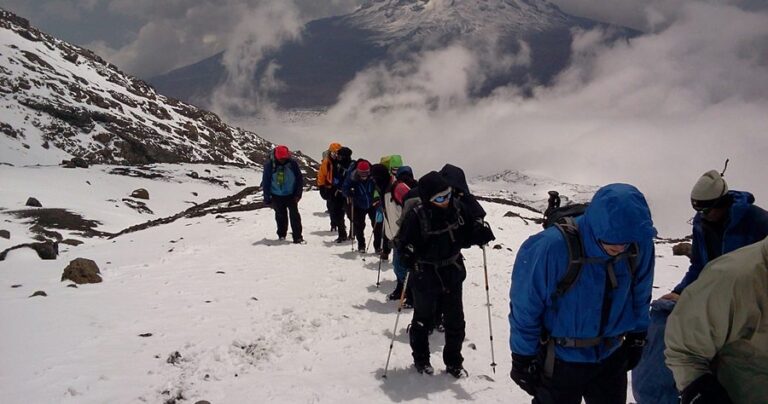
Kilimanjaro Tipping Mistakes And Etiquette: A Comprehensive Guide For Climbers
Navigating Kilimanjaro tipping can be confusing. This guide details common mistakes and proper etiquette for tipping your support crew, ensuring fair compensation and a positive experience...
View package details
Kilimanjaro Layering Mistakes That Leave Climbers Cold: Expert Guide 2026-2027
Discover the common Kilimanjaro layering mistakes that can lead to discomfort and hypothermia. This guide provides essential tips on choosing the right gear and layering system to ensure...
View package details
Barafu Camp Vs Kosovo On Kilimanjaro: A Definitive Comparison For Climbers
A detailed comparison of Barafu Camp and Kosovo Camp on Kilimanjaro, helping climbers decide which high-altitude staging post is best for their 2026-2027 ascent.
View package details
Kilimanjaro Medical Preparation For Older Climbers: Essential Guide 2026-2027
Climbing Kilimanjaro is achievable for older adventurers with thorough medical preparation. This guide covers essential health checks, fitness strategies, altitude acclimatization, and...
View package detailsBest Kilimanjaro Route For Climbers Over 60: Expert Guide 2026-2027
Choosing the right Kilimanjaro route is crucial for climbers over 60. This guide details the best options, focusing on acclimatization, duration, and success rates to help you plan your...
View package details
Kilimanjaro Training Plan For Teen Climbers: Summit Success In 2026-2027
Prepare your teen for the ultimate adventure with a detailed Kilimanjaro training plan. This guide covers physical conditioning, mental readiness, essential gear, and acclimatization...
View package details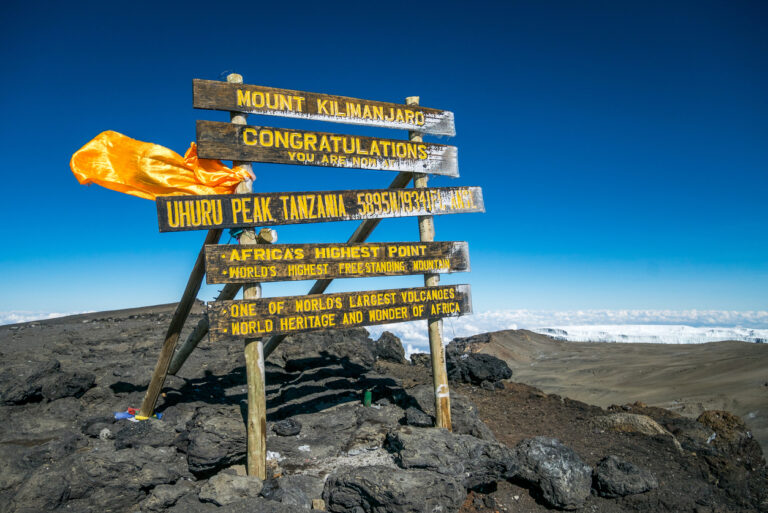
Kilimanjaro National Park Conservation Fees Explained For Climbers 2026-2027
Climbing Mount Kilimanjaro involves understanding various conservation fees essential for park maintenance and climber safety. This guide breaks down the current fee structure for...
View package detailsKilimanjaro Alpine Desert Ecosystem: A Comprehensive Guide For Climbers
Discover the fascinating Kilimanjaro Alpine Desert ecosystem, the harsh yet beautiful environment found above the montane forest and heath zones. This guide details its characteristics...
View package detailsWhy Do Kilimanjaro Climbers Descend Via Mweka? 2026-2027
Why Do Kilimanjaro Climbers Descend via Mweka? is explained with current 2026-2027 planning, price, itinerary and booking information.
View package detailsNo related package matches those filters. Clear one or more filters to see the other topic-matched options.



