
The primary difference between Kilimanjaro peak season and low season lies in weather patterns and crowd density. Peak seasons, generally January-March and June-October, offer the clearest skies and driest conditions, making them ideal for climbing but also attracting more trekkers and potentially higher prices. Low seasons, typically April-May and November-December, present more unpredictable weather, including rain and clouds, but with fewer people on the mountain and often more budget-friendly options for your 2026-2027 climb.

Understanding Kilimanjaro’s Climate: The Foundation of Season Choice
Mount Kilimanjaro, standing tall at 5,895 meters (19,341 feet), is a stratovolcano located in Tanzania, near the Kenyan border. Its immense altitude creates distinct microclimates, and understanding these is fundamental to deciding between Kilimanjaro peak season vs low season. The mountain experiences two primary dry seasons and two shorter, wetter seasons, dictated by the prevailing winds and the intertropical convergence zone. For trekkers planning their ascent in 2026 or 2027, grasping these climatic nuances will significantly impact their experience, from visibility and trail conditions to overall comfort and success rates.
The equatorial location of Kilimanjaro means that seasons are not characterized by temperature shifts as much as they are by precipitation. While the summit is perpetually cold, the lower slopes can be warm and humid. The key factor for climbers is the amount of rain and cloud cover, which directly affects visibility, trail safety, and the psychological aspect of the climb. The dry seasons offer the best chances for clear views of the surrounding landscape and the stars, while the wet seasons can bring persistent rain, fog, and even snow at higher elevations, making the trek more challenging and less visually rewarding.
The Two Dry Seasons: Optimal Conditions for Kilimanjaro Climbs
Kilimanjaro’s weather is most favorable during two distinct periods each year, forming the backbone of its peak climbing seasons. These dry spells are eagerly anticipated by trekkers worldwide, eager to conquer the Roof of Africa under the best possible conditions.
The Long Dry Season: June to October
This is arguably the most popular and reliable period for climbing Kilimanjaro. From June through October, the mountain typically experiences minimal rainfall. The skies are often clear, offering spectacular panoramic views from the summit and along the various routes. The air is crisp and cool, especially at higher altitudes, and while the summit remains frigid, the daytime temperatures on the lower slopes are generally pleasant, making acclimatization more comfortable.
During this extended dry season, trekkers can expect:
- Clear Skies and Excellent Visibility: This means stunning sunrises and sunsets, unobstructed views of Mount Meru and the plains below, and a higher likelihood of seeing the vast African landscape from the summit.
- Dry Trails: The paths are generally firm and less muddy, reducing the risk of slips and making trekking less arduous. This is particularly beneficial on steeper sections and scree slopes.
- Moderate Temperatures: While the summit is always cold (often below freezing, especially at night), daytime temperatures on the lower and middle sections are typically in the 15-25°C (59-77°F) range.
- Higher Trekkers Numbers: Due to the favorable conditions, this period sees the largest influx of climbers. This means more people on the trails and at the campsites, which can be a positive for those seeking camaraderie or a bustling atmosphere, but potentially a negative for those preferring solitude.
For those planning a climb in 2026 or 2027, booking well in advance is highly recommended if you aim for the June-October window, as popular routes and dates fill up quickly. Companies like Top Guide Adventures often advise booking 6-12 months ahead for peak season departures.
The Short Dry Season: January to March
Following the rainy season of November and December, Kilimanjaro enters another dry spell from January to March. This period is also considered a peak climbing season, though generally less crowded than the June-October window. The weather is typically stable, with clear days and good visibility. Temperatures are often warmer than the June-October period, especially at lower altitudes, which can be a welcome comfort for some climbers.
Key characteristics of the January-March period include:
- Stable Weather: While not as guaranteed as the long dry season, this period usually offers excellent trekking conditions with minimal rain.
- Warmer Daytime Temperatures: The lower slopes can be quite warm, sometimes hot, during the day. This requires careful hydration and sun protection.
- Good Visibility: Similar to the June-October period, expect clear views and good photographic opportunities.
- Moderate Crowds: Fewer trekkers than the June-October season, offering a slightly more relaxed atmosphere on the mountain.
- Post-Rainfall Lushness: The landscape, having recently experienced rain, can be incredibly green and vibrant, adding to the visual appeal.
The January-March window is an excellent alternative for those who find the June-October period too crowded or are looking for slightly warmer conditions. It’s a solid choice for a 2026 or 2027 Kilimanjaro adventure.
The Two Wet Seasons: Navigating Kilimanjaro’s Challenges
While not ideal for most trekkers, the wet seasons on Kilimanjaro offer unique advantages for those seeking fewer crowds and potentially lower costs. Understanding these periods is crucial for a comprehensive comparison of Kilimanjaro peak season vs low season.
The Long Rains: April and May
These two months typically represent Kilimanjaro’s most challenging weather period. The long rains are characterized by heavy, persistent rainfall, particularly on the lower and middle slopes. Cloud cover is often extensive, significantly reducing visibility. Higher altitudes can experience snow and sleet in addition to rain.
Climbing during April and May means:
- Heavy Rainfall: Trails can become muddy, slippery, and even washed out in places. This increases the difficulty and risk of the trek.
- Poor Visibility: Clouds and fog are common, obscuring the stunning views Kilimanjaro is famous for. Summit attempts can be particularly disorienting.
- Colder Conditions at Altitude: While lower slopes might be warm and wet, the combination of rain and altitude can make it feel very cold.
- Fewer Trekkers: This is the least popular time to climb, meaning you’ll likely have the trails and campsites much to yourself. This can be a major draw for those prioritizing solitude.
- Potential for Lower Prices: Some tour operators may offer reduced rates during this off-peak period to attract clients.
While generally not recommended for first-time climbers or those prioritizing comfort and views, the April-May period can be an option for experienced trekkers seeking a unique challenge and a truly solitary experience in 2026 or 2027.
The Short Rains: November and December
Following the long dry season, Kilimanjaro experiences a shorter period of rain in November and December. These rains are typically less intense and shorter-lived than the long rains, often manifesting as afternoon showers or thunderstorms. However, they can still make parts of the trek wet and muddy.
Considerations for November-December climbs:
- Intermittent Rain: Expect a mix of sunny periods and rain showers. The mornings are often clear, with clouds building up in the afternoon.
- Muddy Trails: Trails can be slippery and wet, especially after rain.
- Variable Visibility: While mornings might offer good views, afternoon cloud cover can obscure the landscape.
- Moderate Crowds: This period sees fewer climbers than the peak seasons but more than the long rainy months.
- Festive Atmosphere: Climbing around Christmas and New Year can add a unique celebratory element to the adventure.
The short rains offer a compromise between the crowds of the peak season and the challenging conditions of the long rains. It can be a viable option for a 2026 or 2027 climb if you are prepared for some wet weather.
Comparing Kilimanjaro Peak Season vs Low Season: Key Factors
The decision between Kilimanjaro peak season and low season hinges on balancing ideal weather conditions against crowd levels and cost. Here’s a direct comparison to help you plan your 2026-2027 expedition.
| Factor | Peak Season (Jan-Mar & Jun-Oct) | Low Season (Apr-May & Nov-Dec) |
|---|---|---|
| Weather | Driest, clearest skies, best visibility. Cooler at altitude, pleasant on lower slopes. | Rainy, cloudy, lower visibility. Trails can be muddy and slippery. More unpredictable. |
| Crowds | Highest number of trekkers on trails and at campsites. More social atmosphere. | Fewest trekkers (especially Apr-May). More solitude, potentially less social. |
| Success Rate | Generally higher due to optimal conditions and better acclimatization weather. | Potentially lower due to challenging weather impacting physical and mental state, and visibility. |
| Scenery & Views | Spectacular, unobstructed views, clear summit panoramas. | Often limited by clouds and fog. Landscape can be lush after rains. |
| Costs | Potentially higher prices for flights, accommodation, and sometimes tours due to demand. | Potentially lower prices for flights and tours, especially during the long rainy season (Apr-May). |
| Trail Conditions | Dry, firm paths. Easier trekking. | Muddy, slippery, potentially challenging. Requires more careful footing. |
Impact on Routes: Choosing Wisely in 2026-2027
While Kilimanjaro’s routes themselves don’t change seasonally, the conditions on them do. The choice between Kilimanjaro peak season vs low season can influence which route might be more suitable or enjoyable. Understanding how weather affects each route can be a critical factor in your planning.
Routes Generally Better in Peak Season
All routes are technically open year-round, but the drier conditions of the peak seasons make the more challenging routes significantly more manageable and enjoyable. Routes with steeper ascents, more exposed sections, or those known for scree slopes benefit greatly from dry, stable conditions.
- Mweka Route (Descent only): Known for its steepness, it’s best descended when dry to avoid slips.
- Arrow Glacier Route: A challenging route with a steep final ascent; dry conditions are paramount for safety and progress.
- High-altitude routes like Lemosho and Shira: While offering excellent acclimatization, their longer duration means you are more exposed to varying weather. Peak season minimizes this risk.
During the peak seasons (January-March and June-October), the Machame Route, Lemosho Route, and Shira Route are particularly popular due to their scenic beauty and generally good acclimatization profiles. The Marangu route, while offering unique hut accommodation, can become very busy and potentially less scenic in clear peak season conditions compared to the western routes.
Routes Potentially More Manageable in Low Season
While no route is truly ‘better’ in the low season, some might offer a slightly less compromised experience if you are determined to climb then. The Marangu Route, with its hut accommodation, offers shelter from rain, making it a more comfortable option than camping routes during the wettest periods. However, even huts can be damp, and the visibility will still be significantly reduced.
The key consideration for low season is not necessarily the route itself, but your preparedness for the weather. Regardless of the route, expecting rain, fog, and mud is essential. Having the right gear and a flexible mindset is more important than the specific route chosen during the low season (April-May, November-December).
Altitude Sickness and Acclimatization: Season’s Influence
Altitude sickness (Acute Mountain Sickness – AMS) is a primary concern for all Kilimanjaro climbers, regardless of the season. However, the conditions during Kilimanjaro peak season vs low season can indirectly influence acclimatization.
During Peak Seasons (Jan-Mar & Jun-Oct):
- More Consistent Pace: With drier, firmer trails, trekkers can often maintain a more consistent and steady pace, which is crucial for proper acclimatization. Rushing due to difficult terrain is less likely.
- Better Rest: Clearer nights and less extreme cold (compared to summit conditions) can lead to better sleep, aiding recovery and acclimatization.
- Psychological Comfort: Good visibility and seeing other successful trekkers can provide a psychological boost, reducing anxiety and improving focus on acclimatization principles.
During Low Seasons (Apr-May & Nov-Dec):
- Slower Pace: Muddy, slippery trails may force a slower pace, which can be beneficial for acclimatization. However, this can also be mentally taxing.
- Discomfort and Fatigue: Persistent rain, cold, and dampness can lead to increased fatigue and discomfort, making it harder to listen to your body and rest adequately. This can potentially mask early symptoms of AMS or lead to poor decision-making.
- Reduced Visibility Impact: Constantly being in clouds or fog can be demoralizing and make it difficult to appreciate the scale of the climb, potentially affecting mental preparedness for altitude.
Ultimately, successful acclimatization relies on the principle of “pole pole” (slowly, slowly), proper hydration, and listening to your body. While peak season might offer slightly more comfortable conditions for this, the core principles remain the same. For 2026-2027 climbs, prioritizing a longer route (like Lemosho or Machame) is generally recommended for better acclimatization, irrespective of the season.
Cost Considerations: Kilimanjaro Peak Season vs Low Season Pricing
The interplay between demand and supply significantly influences the cost of climbing Kilimanjaro. Understanding these dynamics is key when comparing Kilimanjaro peak season vs low season pricing for your 2026 or 2027 adventure.
Peak Season Pricing (Jan-Mar & Jun-Oct)
- Higher Demand = Higher Prices: Tour operators often charge more during peak seasons because they can. There is consistently high demand for these periods, allowing them to maximize their revenue.
- Availability: Popular dates and departure slots, especially for group climbs, can sell out months in advance. This scarcity can also contribute to higher prices.
- Inclusions: While prices are higher, peak season packages might offer slightly more flexibility or include services that are in high demand. However, the core inclusions (guides, porters, food, park fees, camping equipment) remain standard.
- Flights: International flights to Kilimanjaro International Airport (JRO) also tend to be more expensive during these periods due to increased global travel demand.
Low Season Pricing (Apr-May & Nov-Dec)
- Lower Demand = Potential for Discounts: During the less favorable weather months, especially the long rainy season (April-May), tour operators may offer discounted rates to attract clients. This is the primary financial advantage of climbing in the low season.
- Flexibility: There’s generally more flexibility with dates and available slots, allowing for last-minute bookings in some cases, though booking in advance is always advisable.
- Value for Money: For budget-conscious travelers planning for 2026 or 2027, the low season can offer significant savings, provided they are prepared for the weather challenges.
- Flights: Flight prices can also be lower during these off-peak travel times.
Important Note on Park Fees: Kilimanjaro National Park fees are generally fixed and do not vary significantly by season. These constitute a substantial portion of the overall cost. Discounts, when offered, are typically applied to the operator’s service fees, guide/porter wages, and sometimes camping/hut costs.
Typical Cost Factors for Kilimanjaro Climbs (2026-2027 Estimates)
- Budget Operators: Might range from $1,500 to $2,200 USD per person for a 7-day climb. Often fewer inclusions, larger groups.
- Mid-Range Operators (e.g., Top Guide Adventures): Typically range from $2,000 to $3,000 USD per person for a 7-day climb. Better quality gear, experienced guides, good food, smaller groups.
- Luxury Operators: Can range from $3,000 to $5,000+ USD per person for a 7-day climb. Premium services, private facilities, higher guide-to-client ratios.
Note: Prices are estimates and can fluctuate based on the route, duration, number of climbers, and specific inclusions. Low season climbs might fall at the lower end of these ranges.
Crowd Levels: Solitude vs. Social Experience
The number of people you encounter on the trails and at campsites is a significant differentiator between Kilimanjaro peak season vs low season. Your preference for solitude or a more social trekking environment should play a role in your decision.
Peak Season: The Buzz of the Mountain
During January-March and June-October, Kilimanjaro is a popular destination. This means:
- Busy Trails: You’ll likely see other groups of trekkers throughout the day, especially on popular routes like Machame and Lemosho.
- Lively Campsites: Campsites can become quite populated, with multiple tour groups setting up camp. This can foster a sense of community among climbers.
- Shared Experience: For some, the presence of other trekkers enhances the experience, providing opportunities to share stories, offer encouragement, and celebrate successes together.
- Potential for Congestion: On summit night, especially on the popular routes, there can be queues at certain points, particularly near Stella Point.
Low Season: A More Intimate Journey
The low seasons, particularly April-May, offer a stark contrast:
- Solitude: You might only encounter a handful of other trekkers, or even none on certain days or sections of the trail.
- Quiet Campsites: Campsites will be sparsely populated, offering a peaceful and serene atmosphere.
- Personalized Attention: With fewer clients, guides and support crew can dedicate more individual attention to each climber.
- Uninterrupted Scenery: While visibility might be compromised by clouds, the lack of other people allows for a more personal connection with the mountain’s environment.
For travelers in 2026 or 2027, consider what kind of atmosphere you prefer. If you thrive on shared energy and a vibrant trekking community, aim for the peak season. If you seek peace, quiet, and a more personal challenge, the low season might be ideal, provided you’re prepared for the weather.
Gear and Preparation: Adapting to Seasonal Conditions
While the core gear list for climbing Kilimanjaro remains consistent, the choice between Kilimanjaro peak season vs low season necessitates slight adjustments in preparation and specific gear choices.
Peak Season Gear Considerations
- Layering is Key: Even in dry seasons, temperatures fluctuate dramatically. Pack versatile layers: base layers (merino wool or synthetic), mid-layers (fleece or down jacket), and an outer waterproof/windproof shell.
- Sun Protection: High altitude means intense sun. High SPF sunscreen, a wide-brimmed hat, and UV-protective sunglasses are essential.
- Waterproofing: While trails are dry, sudden weather changes can occur. Ensure your waterproof jacket and trousers are reliable. Gaiters can help keep dust out.
- Footwear: Well-broken-in, waterproof hiking boots are crucial. Good quality socks (wool or synthetic) prevent blisters.
Low Season Gear Considerations
- Enhanced Waterproofing: Invest in the highest quality waterproof and windproof outer layers. Ensure zippers and seams are well-sealed.
- Extra Warm Layers: Cold rain can be significantly colder than dry cold. Pack an extra warm mid-layer (e.g., a thicker fleece or down jacket) and consider a warm hat and gloves that can withstand moisture.
- Robust Footwear: Waterproof boots are non-negotiable. Gaiters become even more important to prevent mud and water from entering your boots. Consider waterproof socks as an added layer of protection.
- Quick-Drying Clothing: Opt for synthetic materials that dry faster than cotton.
- Trekking Poles: Essential for stability on slippery, muddy descents.
- Waterproof Bags: Use dry bags or waterproof stuff sacks inside your duffel bag to keep essential items (like sleeping bags and spare clothes) completely dry.
Regardless of the season you choose for your 2026 or 2027 climb, Top Guide Adventures provides detailed packing lists tailored to Kilimanjaro. Ensure your gear is tested and comfortable before you arrive.
Choosing Your 2026-2027 Kilimanjaro Climb: Peak vs. Low Season Summary
Deciding between Kilimanjaro peak season vs low season is a personal choice, balancing your priorities for the climb. Here’s a final summary to guide your decision for a 2026 or 2027 expedition:
Climb in Peak Season (Jan-Mar & Jun-Oct) If:
- Your top priority is the best possible weather: Clear skies, dry trails, and high chances of summit success due to favorable conditions.
- You value excellent visibility: You want to experience the stunning panoramic views from the summit and along the routes.
- You don’t mind sharing the mountain: You are comfortable with encountering other trekkers and a more social atmosphere at campsites.
- You are booking well in advance: You understand the need to secure your preferred dates and routes months ahead.
- Budget is less of a constraint: You are prepared for potentially higher costs associated with peak demand.
Climb in Low Season (Apr-May & Nov-Dec) If:
- You seek solitude and fewer crowds: You prefer a more intimate and peaceful experience on the mountain.
- Budget is a significant factor: You are looking for potential cost savings on the overall expedition.
- You are an experienced trekker: You are confident in your ability to handle challenging weather conditions (rain, mud, fog) and possess robust gear.
- Flexibility is important: You might be booking closer to your travel dates or prefer more spontaneous travel plans (though advance booking is still recommended).
- You are prepared for reduced visibility: You understand that the iconic views might be obscured by clouds and fog.
For many, the ideal compromise lies in the shoulder months, like late March/early April or late October/early November, which can sometimes offer a blend of decent weather and slightly fewer crowds.
Booking Your Kilimanjaro Adventure with Top Guide Adventures
Whether you choose Kilimanjaro peak season vs low season for your 2026 or 2027 climb, partnering with a reputable and experienced tour operator is paramount. Top Guide Adventures is one of Tanzania’s trusted tour companies, dedicated to providing complete travel experiences with personal attention, care, and dedicated support for every client.
We organize a variety of Kilimanjaro climbs, offering different routes and durations to suit your preferences and fitness level. Our expert guides are highly trained in mountain safety and altitude sickness management, ensuring your well-being throughout the trek. We pride ourselves on:
- Experienced and Certified Guides: Our team knows Kilimanjaro intimately.
- Quality Equipment: We provide reliable camping gear and ensure our porters are well-equipped and treated ethically.
- Tailored Itineraries: We can help you choose the best route and duration for your goals.
- Comprehensive Support: From initial planning to your final descent, we offer dedicated assistance.
Ready to plan your unforgettable Kilimanjaro climb for 2026 or 2027? We invite you to explore our range of treks and discover the Top Guide Adventures difference. Feel free to reach out to us with any questions regarding the best season, route options, or specific inclusions for your trip. You can contact us via WhatsApp at +255616946642 or email us at topguideadventures@gmail.com. Our backup email is info@topguideadventures.com. Let us help you make your Kilimanjaro dream a reality!
“,
“faq_schema”: [
{
“question”: “What is the absolute best time to climb Kilimanjaro in 2026-2027 for clear weather?”,
“answer”: “The absolute best times to climb Kilimanjaro for the clearest weather and driest conditions in 2026-2027 are during the two dry seasons: January to March and June to October. The longer dry season from June to October is generally considered the most reliable for optimal weather.”
},
{
“question”: “Is Kilimanjaro cheaper to climb in the low season?”,
“answer”: “Yes, climbing Kilimanjaro in the low season (typically April-May and November-December) can be cheaper. Tour operators often offer lower prices during these periods due to reduced demand, and you may also find cheaper flights.”
},
{
“question”: “Are there fewer people on Kilimanjaro during the low season?”,
“answer”: “Yes, there are significantly fewer people on Kilimanjaro during the low season, especially from April to May. This means less crowded trails and campsites, offering a more solitary experience compared to the peak seasons.”
},
{
“question”: “What are the risks of climbing Kilimanjaro in the rainy season?”,
“answer”: “The main risks of climbing Kilimanjaro in the rainy season (April-May and November-December) include slippery and muddy trails, poor visibility due to clouds and fog, potential for cold and damp conditions, and increased difficulty in acclimatization due to discomfort. Summit success rates can also be lower.”
},
{
“question”: “Which route is best for a 2026-2027 Kilimanjaro climb considering the season?”,
“answer”: “While all routes are open year-round, the popular routes like Machame, Lemosho, and Shira are highly recommended during the peak seasons (Jan-Mar & Jun-Oct) due to their scenic beauty and better acclimatization profiles in good weather. During the low season, the Marangu route offers hut accommodation, providing some shelter, but preparedness for weather is key regardless of the route.”
},
{
“question”: “How does the season affect the success rate of reaching Kilimanjaro’s summit?”,
“answer”: “Climbing during the peak seasons (Jan-Mar & Jun-Oct) generally offers a higher chance of summit success due to the more favorable weather conditions, clearer skies, and drier trails, which aid in acclimatization and trekking efficiency. The low season presents more challenges that can potentially impact success rates.”
}
]
}
“`
Check Availability for Kilimanjaro Peak Season Vs Low 2026-2027
Ready to compare dates, prices, and the best option for your group? Send the package name and travel month so the team can reply with a clear quote, availability, and what is included.
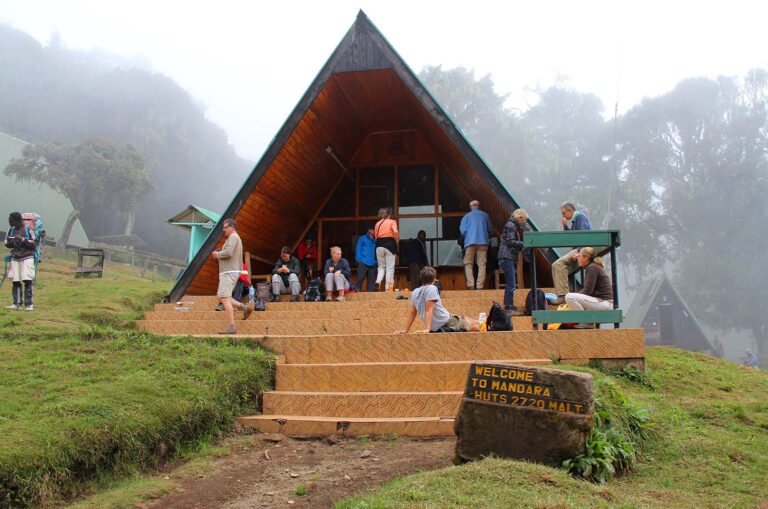
Stella Point Vs. Uhuru Peak: Understanding The Difference On Kilimanjaro
Climbing Mount Kilimanjaro involves reaching the crater rim, often at Stella Point, before a final push to Uhuru Peak, the true summit. This guide clarifies the distinctions, crucial for...
View package details
How Crowded Is Uhuru Peak At Sunrise? What To Expect On Kilimanjaro 2026-2027
Climbing Kilimanjaro to witness the sunrise from Uhuru Peak is a dream for many. But how crowded is it, especially during peak season? This guide details what to expect, offering practical...
View package details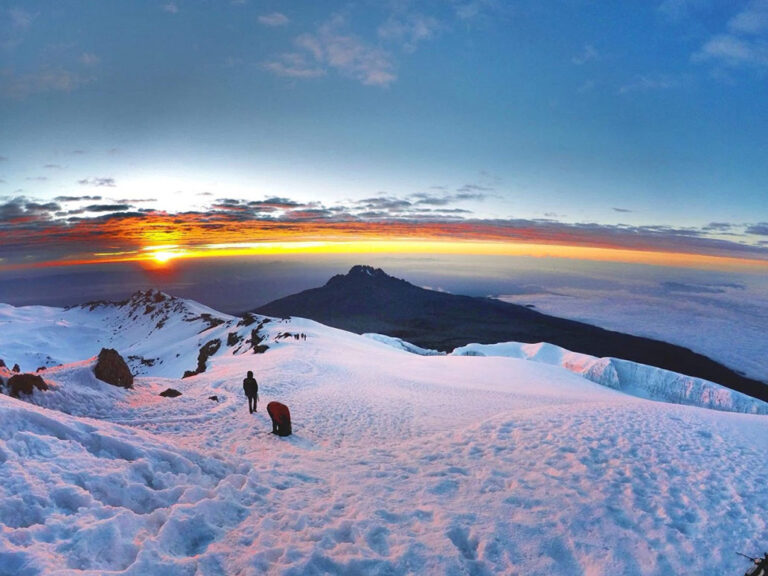
Kilimanjaro Climb With Materuni Recovery Day 2026-2027
Kilimanjaro Climb with Materuni Recovery Day is explained with current 2026-2027 planning, price, itinerary and booking information.
View package details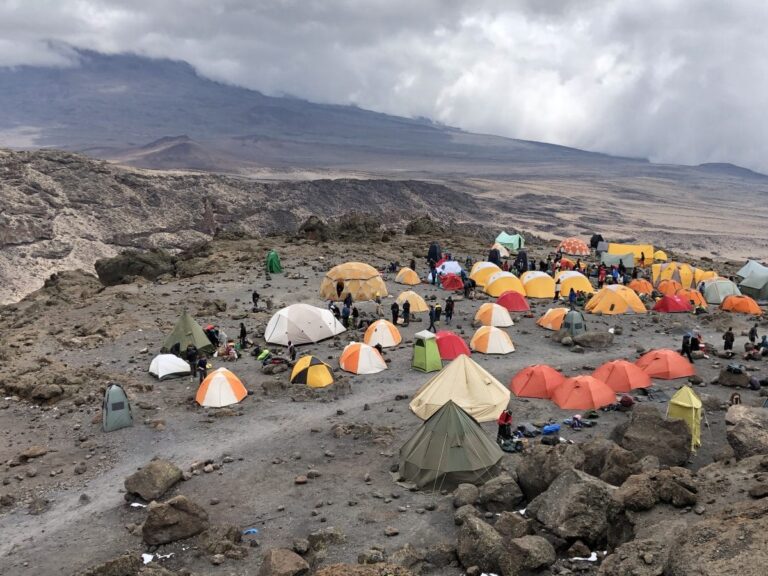
Kilimanjaro Climb With Lake Chala Relaxation Day: Your Ultimate Post-Trek
Experience the ultimate Kilimanjaro adventure followed by serene relaxation at Lake Chala. This guide details how to combine these incredible Tanzanian experiences, covering itineraries...
View package details
Kilimanjaro Climb & West Safari: The Ultimate Tanzania Adventure 2026-2027
Experience the pinnacle of Tanzania with a combined Kilimanjaro climb and West Kilimanjaro safari. This guide details itineraries, preparation, and what to expect for your 2026-2027...
View package details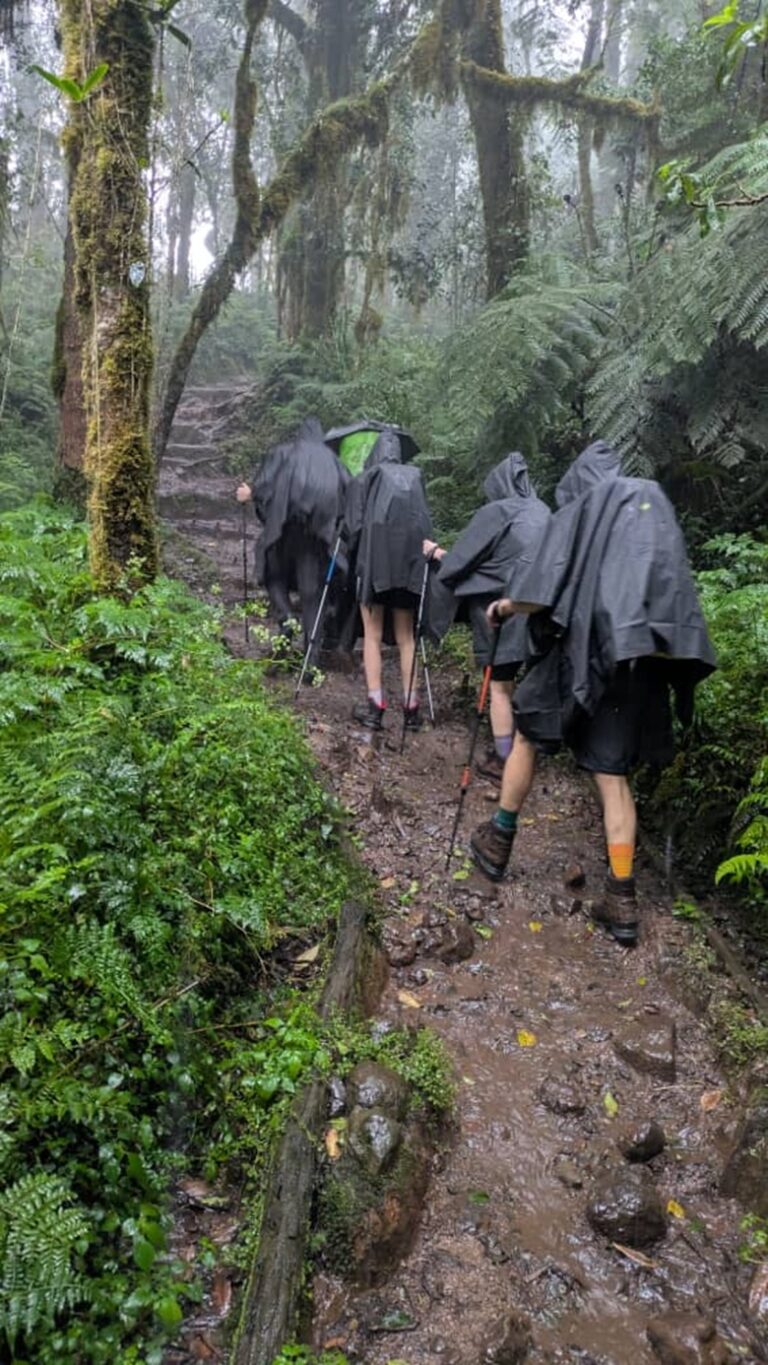
Kilimanjaro Climb With Mkomazi Rhino Safari 2026-2027
Kilimanjaro Climb with Mkomazi Rhino Safari is explained with current 2026-2027 planning, price, itinerary and booking information.
View package details
Kilimanjaro Climb With Amboseli Safari Extension: Your Ultimate Tanzania
Experience the pinnacle of African adventure by combining a challenging Kilimanjaro climb with a impressive safari in Amboseli National Park. This guide details itineraries, costs, best...
View package details
21-Day Kilimanjaro And Complete Tanzania Holiday: Your Ultimate Adventure
This comprehensive 21-day itinerary offers the ultimate Tanzanian adventure, merging the challenge of climbing Mount Kilimanjaro with the wildlife wonders of its famed national parks and...
View package details
18-Day Kilimanjaro And Northern Tanzania Grand Adventure: Trek, Safari &
An 18-day itinerary blending Kilimanjaro's summit with Northern Tanzania's wildlife and culture offers a comprehensive African experience. This adventure typically includes a multi-day trek...
View package details
17-Day Kilimanjaro, Serengeti, Ngorongoro & Zanzibar Tour: Your Ultimate
This 17-day tour combines the iconic Mount Kilimanjaro climb with unparalleled wildlife safaris in the Serengeti and Ngorongoro Crater, culminating in a relaxing beach escape in Zanzibar...
View package details
15-Day Kilimanjaro, Great Migration & Zanzibar Beach Package | Top Guide
Combine the thrill of summiting Mount Kilimanjaro, witnessing the iconic Great Migration in the Serengeti, and unwinding on the pristine beaches of Zanzibar in one unforgettable 15-day...
View package details
13-Day Kilimanjaro Climb, Cultural Tour & Zanzibar Holiday: Your Ultimate
This 13-day itinerary offers an unparalleled Tanzanian experience, blending the thrill of conquering Mount Kilimanjaro with deep cultural exploration and the serene beauty of Zanzibar...
View package detailsNo related package matches those filters. Clear one or more filters to see the other topic-matched options.



