
For most trekkers aiming for Kilimanjaro, an eight-day acclimatization schedule offers a significantly higher success rate and a more comfortable climbing experience compared to a seven-day itinerary, primarily due to better physiological adaptation to altitude. While seven-day routes are faster and potentially cheaper, they push the body harder, increasing the risk of altitude sickness and summit failure. An eight-day trek allows for more gradual ascent and crucial rest days, especially on popular routes like Machame or Lemosho, making it the preferred choice for a safe and enjoyable climb in 2026 and 2027.
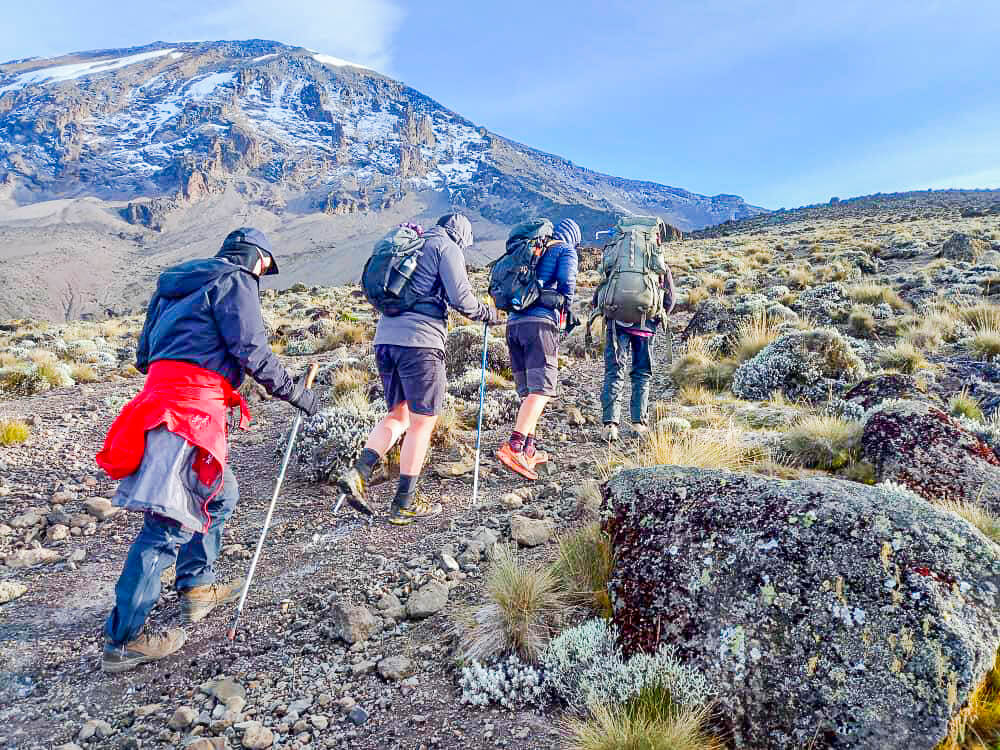
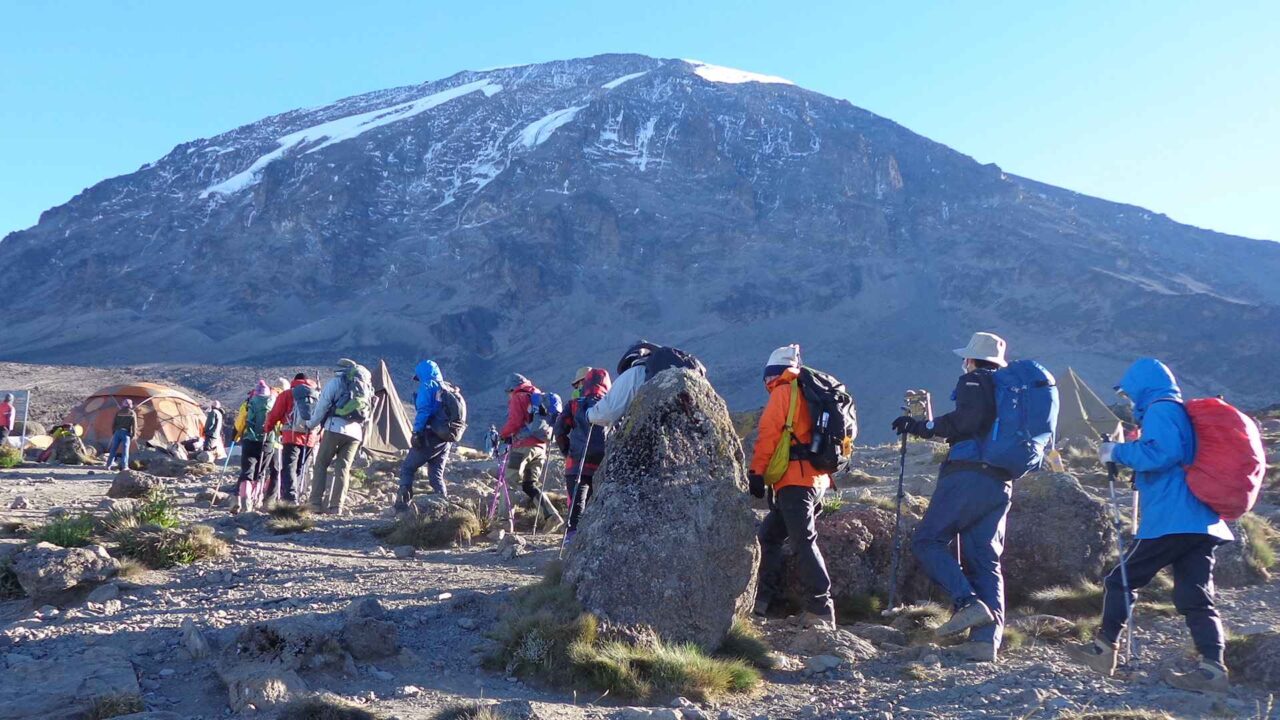
Understanding Kilimanjaro Acclimatization: The Core of Your Climb’s Success
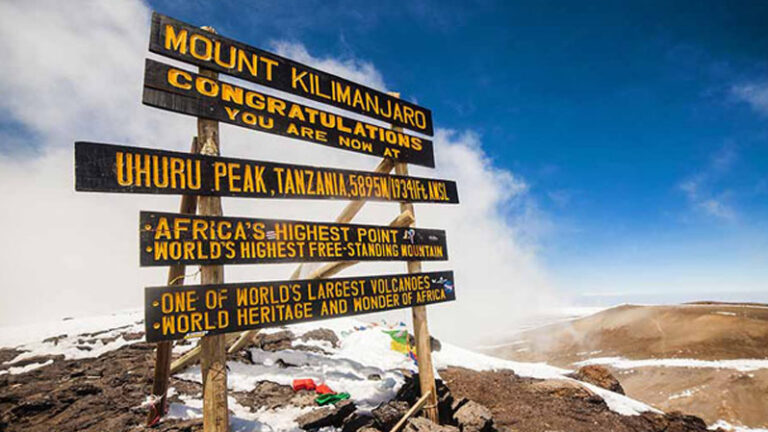
Mount Kilimanjaro, Africa’s highest peak at 5,895 meters (19,341 feet), is a dream destination for trekkers worldwide. However, its imposing altitude presents a significant challenge: altitude sickness. The key to successfully reaching the summit, and more importantly, enjoying the journey, lies in proper acclimatization. This is where the choice between a Kilimanjaro seven-day vs eight-day acclimatization plan becomes paramount. At Top Guide Adventures, we’ve guided thousands of trekkers and understand that while speed might seem appealing, a well-paced climb is crucial for safety and enjoyment. This deep dive will explore the critical differences between these two popular trekking durations, helping you make an informed decision for your 2026 or 2027 expedition.
The fundamental principle of acclimatization is to allow your body sufficient time to adapt to decreasing oxygen levels as you ascend. When you climb too quickly, your body struggles to produce enough red blood cells to carry oxygen effectively, leading to symptoms like headaches, nausea, dizziness, and fatigue – the hallmark signs of Acute Mountain Sickness (AMS). Severe AMS can escalate into life-threatening conditions like High Altitude Cerebral Edema (HACE) or High Altitude Pulmonary Edema (HAPE). Therefore, choosing a longer itinerary, such as an eight-day trek, directly contributes to a safer and more rewarding ascent.
Kilimanjaro Seven-Day vs Eight-Day: A Direct Comparison of Success Rates and Experience
When planning your Kilimanjaro climb, the duration of your trek is one of the most significant factors influencing your success and overall experience. The difference between a Kilimanjaro seven-day and eight-day acclimatization itinerary might seem small – just one extra day – but this single day can dramatically impact your body’s ability to adjust to the extreme altitude.
The 7-Day Kilimanjaro Trek: Speed vs. Safety
Seven-day itineraries are popular because they offer a quicker route to the summit, often appealing to those with limited vacation time or a desire to complete the trek faster. Common routes offered in seven days include Machame, Marangu, and Lemosho (though Lemosho is often better suited for longer durations).
- Pros:
- Faster completion: Ideal for those with tight schedules.
- Potentially lower cost: Fewer days on the mountain can mean reduced operational costs.
- Sense of accomplishment: Completing a challenging trek in a shorter time.
- Cons:
- Higher risk of altitude sickness: Less time for the body to acclimatize.
- Lower summit success rates: Studies and operator experience consistently show lower success rates compared to 8-day treks.
- More strenuous: The pace is faster, requiring greater physical exertion each day.
- Less time to enjoy the scenery: The focus can become solely on reaching the next camp.
On a typical 7-day Machame route, for instance, you might ascend rapidly, reaching higher altitudes with fewer opportunities for rest days or acclimatization hikes. This accelerated pace forces your body to adapt under pressure, which is not ideal for high-altitude environments. While some individuals with excellent fitness and prior high-altitude experience might succeed, for the average trekker, it’s a gamble.
The 8-Day Kilimanjaro Trek: The Gold Standard for Acclimatization
An eight-day trek, often utilizing routes like Machame, Lemosho, or the Northern Circuit, is widely considered the optimal duration for acclimatization and summit success. This extra day allows for a more gradual ascent profile, crucial rest periods, and often includes a dedicated acclimatization day at a higher altitude before the final summit push.
- Pros:
- Significantly higher summit success rates: Allows the body ample time to adjust to altitude.
- Reduced risk of altitude sickness: Gradual ascent minimizes AMS symptoms.
- More comfortable and enjoyable experience: Less physical strain, more time to appreciate the journey.
- Better for diverse fitness levels: Accommodates a wider range of trekkers.
- Cons:
- Longer time commitment: Requires more vacation days.
- Potentially higher cost: More days on the mountain mean increased operational expenses.
For example, an 8-day Lemosho route might include an extra day at Barranco Camp, allowing trekkers to “climb high, sleep low” – a vital acclimatization strategy. This means hiking to a higher elevation during the day and then descending to a lower camp to sleep, aiding the body’s adaptation process. This is a key differentiator that significantly boosts chances of reaching Uhuru Peak.
Route-Specific Comparisons: How Duration Affects Popular Kilimanjaro Trails
The choice between a Kilimanjaro seven-day vs eight-day acclimatization strategy is best understood when applied to specific routes. While many routes can be completed in either duration, their suitability and success rates vary significantly.
Machame Route: 7 vs. 8 Days
The Machame Route, often called the “Whiskey Route,” is one of Kilimanjaro’s most popular treks, known for its scenic beauty and relatively high success rate when done over longer periods.
- Machame 7-Day: This compressed itinerary reaches Lava Tower (4630m) on Day 3 and then proceeds directly to Barranco Camp (3950m). The rapid ascent to Lava Tower can be challenging for acclimatization. Summit night begins very early from Barafu Camp (4670m). While achievable, the pace is quick, and the risk of AMS is elevated.
- Machame 8-Day: The extended version typically adds an extra day at Karanga Camp or Barranco Camp, or includes a dedicated acclimatization day at Karanga. This allows for a more relaxed pace, better rest, and the opportunity to “climb high, sleep low” by hiking higher on acclimatization days and returning to a lower camp. This significantly improves comfort and summit success for 2026-2027 trekkers.
Lemosho Route: 7 vs. 8 vs. 9 Days
The Lemosho Route is celebrated for its stunning scenery, remote start, and excellent acclimatization profile, especially over longer durations.
- Lemosho 7-Day: While possible, a 7-day Lemosho is generally discouraged by experienced operators like Top Guide Adventures. It involves a rapid ascent through the rainforest and moorland, often skipping crucial acclimatization points or compressing days. Success rates are noticeably lower, and the experience can be rushed and uncomfortable.
- Lemosho 8-Day: This is the most common and recommended duration for the Lemosho Route. It provides a balanced ascent, allowing trekkers to gradually reach higher altitudes. The itinerary typically includes a day at Barranco Camp and a comfortable progression towards Barafu Camp before the summit push.
- Lemosho 9-Day: For even better acclimatization and a more relaxed pace, a 9-day Lemosho trek is an excellent choice. It often includes an extra day at a higher camp like Karanga or Lava Tower, further enhancing the body’s adaptation and increasing comfort and success rates.
Northern Circuit: 9 Days (and why it’s superior for acclimatization)
The Northern Circuit is the longest route on Kilimanjaro, typically taking 9 or more days. It circumnavigates the mountain, offering unparalleled views and the best acclimatization profile available.
- Northern Circuit 9-Day: This route is inherently designed for superior acclimatization. It ascends slowly, spends more time at higher altitudes, and includes multiple days where trekkers can hike higher and sleep lower. This results in the highest summit success rates on Kilimanjaro. While not a 7-day vs 8-day comparison, it highlights why longer is better for acclimatization. If your budget and time allow for 2026-2027, the Northern Circuit is the ultimate choice for a comfortable, safe, and successful climb.
The Science Behind Acclimatization: Why More Time Matters
Understanding the physiological response to altitude helps clarify why the Kilimanjaro seven-day vs eight-day acclimatization debate is so critical. When you ascend rapidly, the atmospheric pressure decreases, meaning there are fewer oxygen molecules available with each breath. Your body’s primary response is to increase the production of red blood cells, which carry oxygen. This process takes time.
Hypoxia, or low oxygen levels, triggers this response. However, if the ascent is too fast, the body cannot keep up. This leads to:
- Reduced Oxygen Transport: Not enough oxygen reaches your tissues and organs, especially the brain.
- Fluid Imbalance: Altitude can cause fluid to shift into the lungs (HAPE) or brain (HACE).
- Impaired Cognitive Function: Headaches, confusion, and poor decision-making can occur.
- Gastrointestinal Distress: Nausea and vomiting are common symptoms.
An eight-day trek, compared to a seven-day one, offers several advantages:
- Gradual Ascent Profile: The daily altitude gain is less aggressive.
- Rest Days: Many 8-day itineraries incorporate a dedicated rest or acclimatization day.
- “Climb High, Sleep Low”: This strategy, more feasible on longer treks, involves hiking to a higher altitude during the day for acclimatization benefits and then descending to sleep at a lower, more comfortable altitude. This is a cornerstone of effective altitude management.
- Slower Pace: Trekkers can move at a more sustainable pace, conserving energy and reducing the strain on their bodies.
The general guideline for safe acclimatization is to ascend no more than 300-500 meters (1000-1600 feet) per day once above 3,000 meters (9,800 feet), with a rest day or a day involving minimal ascent for every 1000 meters (3300 feet) gained. An eight-day trek allows for adherence to these principles far better than a seven-day trek, especially on routes that reach significant altitudes quickly.
Factors Influencing Your Choice: Beyond Just Acclimatization
While acclimatization is the primary driver for choosing between a Kilimanjaro seven-day vs eight-day trek, other factors should influence your decision for your 2026-2027 climb:
1. Fitness Level and Prior High-Altitude Experience
If you are exceptionally fit and have previous experience hiking at altitudes above 4,000 meters (13,000 feet), a seven-day trek might be more manageable. However, even experienced trekkers often opt for longer itineraries on Kilimanjaro due to the unique challenges of its summit day. For most individuals, regardless of general fitness, a slower ascent provided by an eight-day trek is highly recommended.
2. Budget Considerations
Generally, a longer trek incurs higher costs. This includes park fees (which are often calculated per day), crew wages, food, and equipment. A 7-day trek will likely be less expensive than an 8-day trek. However, consider that the potential cost of failure (not reaching the summit) or dealing with severe altitude sickness can far outweigh the initial savings. Top Guide Adventures strives to offer competitive pricing for both durations, ensuring quality support regardless of your chosen itinerary.
3. Time Availability
The most obvious factor is your available vacation time. If you only have seven days free, then a 7-day itinerary is your only option. However, if you can extend your trip by an extra day, we strongly urge you to consider the 8-day option for the benefits it provides.
4. Personal Preference for Pace and Experience
Do you prefer a fast-paced challenge, or a more relaxed journey where you can soak in the diverse ecosystems and stunning landscapes of Kilimanjaro? An eight-day trek allows for more opportunities to appreciate the journey, interact with your guides and porters, and truly experience the mountain, rather than just rushing to the top.
What to Expect on a 7-Day vs. 8-Day Itinerary (Sample Day-by-Day Differences)
To illustrate the practical differences, let’s look at how a common route like the Machame can vary between a 7-day and 8-day itinerary.
Sample 7-Day Machame Route Itinerary
- Day 1: Machame Gate to Machame Camp
- Day 2: Machame Camp to Shira 2 Camp
- Day 3: Shira 2 Camp to Lava Tower, then descend to Barranco Camp
- Day 4: Barranco Camp to Karanga Camp
- Day 5: Karanga Camp to Barafu Camp
- Day 6: Barafu Camp to Summit, descend to Mweka Camp
- Day 7: Mweka Camp to Mweka Gate, transfer to hotel
Note the rapid ascent to Lava Tower on Day 3, followed by a descent, and the direct push to summit from Barafu Camp.
Sample 8-Day Machame Route Itinerary
- Day 1: Machame Gate to Machame Camp
- Day 2: Machame Camp to Shira 2 Camp
- Day 3: Shira 2 Camp to Lava Tower, then descend to Karanga Camp (instead of Barranco)
- Day 4: Karanga Camp to Barranco Camp (Climb high, sleep low strategy applied)
- Day 5: Barranco Camp to Barafu Camp
- Day 6: Barafu Camp to Summit, descend to Kosovo Camp (or lower Barafu)
- Day 7: Kosovo Camp to Mweka Camp
- Day 8: Mweka Camp to Mweka Gate, transfer to hotel
In this 8-day example, Day 3 involves a significant ascent but a longer descent to Karanga, and Day 4 offers a more strategic climb to Barranco. Some 8-day itineraries might even add a full acclimatization day at Karanga or Barranco. The summit push on Day 6 is often from a slightly higher camp (Kosovo), but the preceding days have allowed for better adaptation. The final descent is also more gradual.
Maximizing Your Chances: Tips for Success on Any Kilimanjaro Itinerary
Regardless of whether you choose a Kilimanjaro seven-day vs eight-day acclimatization plan, several universal tips will help maximize your success and enjoyment:
- Hydrate, Hydrate, Hydrate: Drink plenty of water (3-4 liters per day). Dehydration exacerbates altitude sickness symptoms.
- Pace Yourself (“Pole Pole”): This Swahili phrase means “slowly, slowly.” Walk at a pace that allows you to hold a conversation without gasping for breath. Your guides will enforce this.
- Eat Well: Maintain your energy levels with regular, balanced meals. Don’t skip meals, even if your appetite is reduced.
- Listen to Your Body: Report any symptoms of altitude sickness to your guide immediately. Early detection and management are key.
- Ascend Slowly: As discussed, this is the most critical factor. Prioritize longer itineraries.
- Avoid Alcohol and Smoking: These substances hinder acclimatization.
- Consider Diamox (Acetazolamide): Consult your doctor about prescription medication like Diamox, which can aid acclimatization for some individuals. It’s not a cure-all but can be a helpful tool.
- Physical Fitness: While not a guarantee against altitude sickness, good cardiovascular fitness will make the physical demands of the trek more manageable.
Choosing the Right Route for Your 2026-2027 Kilimanjaro Adventure
When deciding between a 7-day and 8-day trek, consider the route’s profile. Some routes are inherently better suited for longer durations.
- Best for 7-Day: Marangu (though its acclimatization is poor), possibly Machame if you are very fit and accept the higher risk.
- Best for 8-Day: Machame, Lemosho. These routes offer a good balance of scenery and acclimatization when extended to 8 days.
- Best for 9+ Days: Lemosho, Northern Circuit. These are the premier routes for acclimatization and success rates.
For 2026 and 2027, booking in advance is highly recommended, especially for popular routes and longer itineraries. Top Guide Adventures offers flexible booking options and can help you select the best route and duration based on your personal goals and circumstances. We are committed to providing a safe and memorable experience on Kilimanjaro.
Common Misconceptions about Kilimanjaro Trek Durations
There are several myths surrounding Kilimanjaro trek lengths that can lead trekkers astray:
- Myth 1: “I’m very fit, so I can do a 7-day trek easily.” While fitness helps with the physical exertion, it does not prevent altitude sickness. Acclimatization is physiological, not purely muscular.
- Myth 2: “The 7-day route is just as good as the 8-day route, just faster.” This is incorrect. The difference in acclimatization profile is significant and directly impacts success rates.
- Myth 3: “All routes are the same in terms of acclimatization.” This is false. Routes like Lemosho and Northern Circuit are designed for better acclimatization due to their length and ascent profiles.
- Myth 4: “Summit success is guaranteed if I take Diamox.” Diamox is a helpful tool but not a substitute for proper acclimatization. It aids the body’s adaptation but doesn’t replace the need for a slow ascent.
At Top Guide Adventures, we prioritize your safety and success. We will always recommend the itinerary that best suits these goals, which often means advocating for the Kilimanjaro eight-day acclimatization option over a seven-day one for the vast majority of our clients.
Booking Your Kilimanjaro Climb with Top Guide Adventures in 2026-2027
Choosing the right duration is a critical step in planning your Kilimanjaro adventure. When you partner with Top Guide Adventures for your 2026 or 2027 climb, you benefit from:
- Expert Guidance: Our experienced guides are trained in altitude management and first aid.
- Quality Equipment and Logistics: We provide reliable gear, nutritious food, and well-organized support crews.
- Tailored Itineraries: We can help you choose between a 7-day and 8-day itinerary (or longer) based on your specific needs, always recommending the safest and most successful options.
- Personalized Support: From initial inquiry to your return from the mountain, we offer dedicated support.
We understand that the Kilimanjaro seven-day vs eight-day acclimatization decision is significant. We encourage you to discuss your fitness, experience, and goals with us. Our team is available to answer all your questions and help you craft the perfect Kilimanjaro experience.
Ready to plan your 2026-2027 Kilimanjaro climb? Contact us today to discuss the best itinerary for you. Let us help you make your dream of standing atop Africa a reality, safely and successfully.
Reach out to Top Guide Adventures:
- WhatsApp: +255616946642
- Email: topguideadventures@gmail.com
- Backup Email: info@topguideadventures.com
Follow us on Instagram for inspiration and updates: @top_guide_adventures
Read reviews from past clients: TripAdvisor Reviews
Explore our other Tanzania adventures: Top Guide Adventures Website
“,
“faq_schema”: [
{
“question”: “What is the main difference between a 7-day and 8-day Kilimanjaro climb regarding acclimatization?”,
“answer”: “The primary difference lies in the pace of ascent. An 8-day itinerary allows for a more gradual climb, giving your body significantly more time to adjust to the decreasing oxygen levels at higher altitudes. This ‘climb high, sleep low’ strategy and additional rest days inherent in longer treks greatly reduce the risk of altitude sickness and increase summit success rates compared to the faster, more demanding 7-day treks.”
},
{
“question”: “Which Kilimanjaro route is best suited for an 8-day trek in 2026-2027?”,
“answer”: “The Machame and Lemosho routes are excellent choices for an 8-day Kilimanjaro trek. The Lemosho route, in particular, offers a superior acclimatization profile due to its longer duration and scenic start. The 8-day Machame route also provides a good balance of challenge and acclimatization, significantly improving success rates over its 7-day counterpart.”
},
{
“question”: “Is a 7-day Kilimanjaro climb advisable for first-time trekkers?”,
“answer”: “For most first-time trekkers, a 7-day Kilimanjaro climb is generally not advisable due to the increased risk of altitude sickness and lower summit success rates. While possible for exceptionally fit individuals with prior high-altitude experience, an 8-day trek (or longer) is strongly recommended by experienced operators like Top Guide Adventures to ensure a safer and more enjoyable experience.”
},
{
“question”: “Do 8-day Kilimanjaro treks cost more than 7-day treks?”,
“answer”: “Yes, 8-day Kilimanjaro treks typically cost more than 7-day treks. This is primarily due to the additional day on the mountain, which incurs extra costs for park fees, guide and porter salaries, food, and other logistical expenses. However, the increased chance of summit success and a more comfortable experience often makes the 8-day trek a worthwhile investment for your 2026-2027 climb.”
},
{
“question”: “What are the summit success rates for 7-day vs. 8-day Kilimanjaro itineraries?”,
“answer”: “Summit success rates for 8-day itineraries are generally much higher, often cited between 70-85% or even higher on well-managed treks like Lemosho. Conversely, 7-day itineraries typically have lower success rates, sometimes falling below 50-60%, due to the inadequate acclimatization.”
},
{
“question”: “Can I book a Kilimanjaro climb for 2026 or 2027 with Top Guide Adventures?”,
“answer”: “Yes, Top Guide Adventures organizes Kilimanjaro climbs throughout the year, including for the 2026 and 2027 seasons. We recommend booking well in advance, especially for popular routes and longer itineraries like the 8-day treks, to secure your preferred dates and ensure the best possible experience. Contact us via WhatsApp at +255616946642 or email topguideadventures@gmail.com to start planning.”
}
]
}
“`
Check Availability for Kilimanjaro Seven-Day Vs Eight-Day Acclimatization 2026-2027
Ready to compare dates, prices, and the best option for your group? Send the package name and travel month so the team can reply with a clear quote, availability, and what is included.
11-Day Kilimanjaro Acclimatization, Summit And Safari Package 2026-2027
11-Day Kilimanjaro Acclimatization, Summit and Safari Package is explained with current 2026-2027 planning, price, itinerary and booking information.
View package details
Kilimanjaro Climb With Materuni Recovery Day 2026-2027
Kilimanjaro Climb with Materuni Recovery Day is explained with current 2026-2027 planning, price, itinerary and booking information.
View package details
Kilimanjaro Climb With Lake Chala Relaxation Day: Your Ultimate Post-Trek
Experience the ultimate Kilimanjaro adventure followed by serene relaxation at Lake Chala. This guide details how to combine these incredible Tanzanian experiences, covering itineraries...
View package details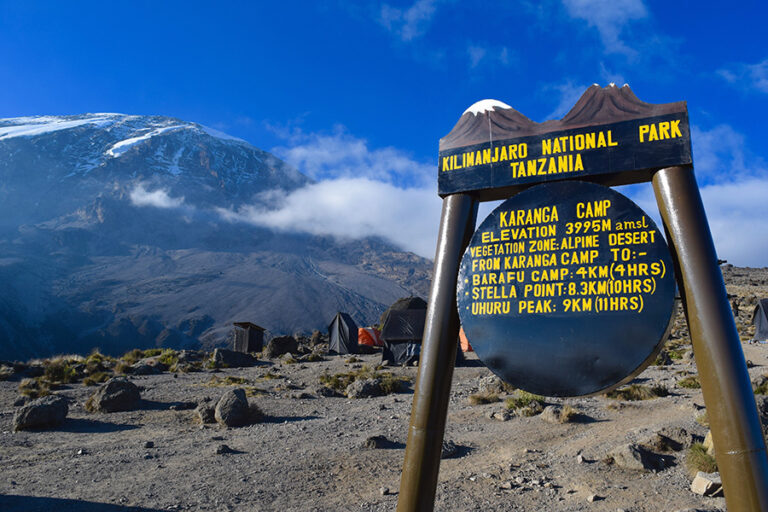
Kilimanjaro Climb & West Safari: The Ultimate Tanzania Adventure 2026-2027
Experience the pinnacle of Tanzania with a combined Kilimanjaro climb and West Kilimanjaro safari. This guide details itineraries, preparation, and what to expect for your 2026-2027...
View package details
Kilimanjaro Climb With Mkomazi Rhino Safari 2026-2027
Kilimanjaro Climb with Mkomazi Rhino Safari is explained with current 2026-2027 planning, price, itinerary and booking information.
View package details
Kilimanjaro Climb With Amboseli Safari Extension: Your Ultimate Tanzania
Experience the pinnacle of African adventure by combining a challenging Kilimanjaro climb with a impressive safari in Amboseli National Park. This guide details itineraries, costs, best...
View package details
21-Day Kilimanjaro And Complete Tanzania Holiday: Your Ultimate Adventure
This comprehensive 21-day itinerary offers the ultimate Tanzanian adventure, merging the challenge of climbing Mount Kilimanjaro with the wildlife wonders of its famed national parks and...
View package details
18-Day Kilimanjaro And Northern Tanzania Grand Adventure: Trek, Safari &
An 18-day itinerary blending Kilimanjaro's summit with Northern Tanzania's wildlife and culture offers a comprehensive African experience. This adventure typically includes a multi-day trek...
View package details
17-Day Kilimanjaro, Serengeti, Ngorongoro & Zanzibar Tour: Your Ultimate
This 17-day tour combines the iconic Mount Kilimanjaro climb with unparalleled wildlife safaris in the Serengeti and Ngorongoro Crater, culminating in a relaxing beach escape in Zanzibar...
View package details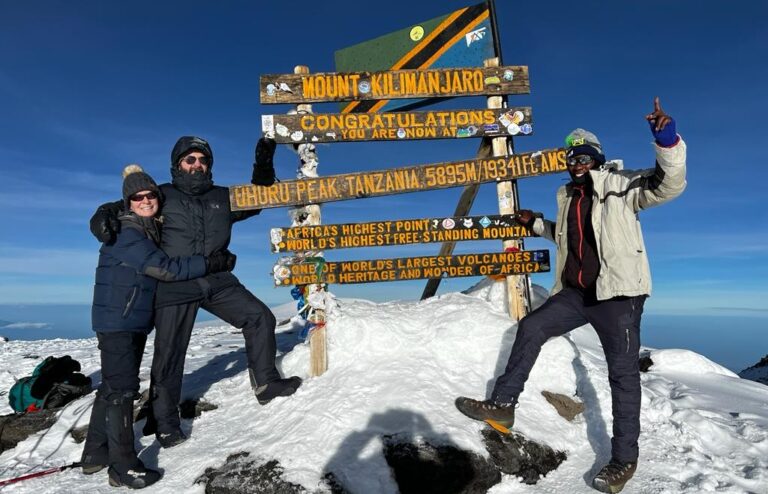
15-Day Kilimanjaro, Great Migration & Zanzibar Beach Package | Top Guide
Combine the thrill of summiting Mount Kilimanjaro, witnessing the iconic Great Migration in the Serengeti, and unwinding on the pristine beaches of Zanzibar in one unforgettable 15-day...
View package details
13-Day Kilimanjaro Climb, Cultural Tour & Zanzibar Holiday: Your Ultimate
This 13-day itinerary offers an unparalleled Tanzanian experience, blending the thrill of conquering Mount Kilimanjaro with deep cultural exploration and the serene beauty of Zanzibar...
View package details
Final 48-Hour Checklist Before Kilimanjaro 2026-2027
Final 48-Hour Checklist before Kilimanjaro is explained with current 2026-2027 planning, price, itinerary and booking information.
View package detailsNo related package matches those filters. Clear one or more filters to see the other topic-matched options.



