
The most significant Kilimanjaro booking mistakes that can cost you money involve underestimating total trip expenses due to hidden fees, choosing the wrong tour operator, selecting an inappropriate route for your fitness and acclimatization needs, and neglecting to verify what is truly included in the package price. These errors can lead to unexpected surcharges for park fees, equipment, food, emergency support, and even impact your safety and success rate, ultimately costing you more in both finances and the quality of your special climb, especially when planning for 2026 or 2027.
Understanding the True Cost of a Kilimanjaro Climb: Beyond the Sticker Price
The allure of standing on the Roof of Africa is undeniable. For many, climbing Mount Kilimanjaro is a bucket-list aspiration, a physical and mental challenge that offers unparalleled rewards. As you begin planning your expedition, especially with an eye on climbing in 2026 or 2027, the initial step involves researching tour operators and comparing prices. However, the quoted price for a Kilimanjaro climb is often just the starting point. Many travelers fall into the trap of focusing solely on the advertised package cost, only to discover a multitude of additional expenses that significantly inflate the total budget. Understanding these potential hidden costs is crucial to avoid costly Kilimanjaro booking mistakes.
A common pitfall is the assumption that everything is included in the quoted price. While reputable operators are transparent, less scrupulous ones might omit essential elements, leaving you to pay extra for them on the ground. These can range from mandatory park and conservation fees, which are substantial and non-negotiable, to essential camping equipment, emergency oxygen, and even meals and water at certain points. The difference between a seemingly cheap package and a genuinely good value can lie in the clarity and completeness of what’s covered.
When comparing operators for your 2026-2027 climb, always scrutinize the inclusion list. Key items to confirm are:
- Park and Camping/Hut Fees: These are the largest single components of the cost and are set by the Tanzanian government. Reputable operators will always include these.
- Crew Wages and Welfare: Ensure your guides, porters, and cooks are paid fairly. This is not only ethical but also impacts their motivation and performance.
- Equipment: High-quality tents, sleeping mats, mess tents, tables, chairs, and cooking equipment are essential. Some budget operators may rent these out separately.
- Food and Water: A detailed meal plan should be provided, covering all days on the mountain.
- Rescue and Emergency Support: This includes first-aid kits, emergency oxygen, and communication devices. Some operators charge extra for evacuation insurance.
- Transportation: Typically includes airport transfers and transport to and from the mountain gate.
- Accommodation: Usually refers to the night before and after the climb in Moshi or Arusha.
The Kilimanjaro booking mistakes related to cost often stem from a lack of due diligence. Researching the average costs for park fees (which can be upwards of $70-$100 per person per day), crew wages, and the price of quality equipment can give you a baseline to evaluate operator quotes for your 2026-2027 trek. Don’t be afraid to ask for a detailed breakdown of costs.
Choosing the Right Kilimanjaro Tour Operator: More Than Just Price
Selecting the tour operator is perhaps the most critical decision you’ll make when planning your Kilimanjaro climb. The temptation to opt for the cheapest deal is strong, but this is where some of the most damaging Kilimanjaro booking mistakes are made. A low price often comes at a hidden cost – either to your safety, your comfort, or the well-being of the mountain crew.
Here’s why operator choice matters immensely:
- Safety Standards: Experienced and reputable operators prioritize safety above all else. They employ well-trained guides with extensive first-aid knowledge, carry comprehensive medical kits, and have established emergency protocols. Budget operators may cut corners on guide training, equipment, or emergency supplies, putting you at unnecessary risk.
- Crew Welfare: In Tanzania, there are regulations regarding porter welfare, including weight limits for loads and minimum wages. Ethical operators adhere to these, ensuring their crew is treated with respect. Exploitative operators may overwork and underpay their porters, which can lead to low morale, poor service, and even health issues for the crew. This can directly impact your experience.
- Equipment Quality: The difference between a warm, dry night’s sleep and a miserable, cold one can be the quality of your tent and sleeping gear. Reputable companies invest in high-quality, waterproof, and insulated equipment suitable for Kilimanjaro’s harsh conditions.
- Food Quality and Quantity: Good nutrition is vital for energy and acclimatization. Top operators provide varied, nutritious, and plentiful meals prepared by experienced cooks. Budget operators might skimp on ingredients or variety, leaving you hungry or lacking the energy needed for the climb.
- Success Rates: While no operator can guarantee summit success (due to factors like altitude sickness), those with better safety protocols, experienced guides, and proper acclimatization strategies generally have higher success rates.
A significant Kilimanjaro booking mistake is equating a low price with good value. True value comes from a combination of safety, quality of service, crew welfare, and a higher probability of a successful and enjoyable summit experience. When researching for a 2026 or 2027 climb, look beyond the price tag. Read reviews on independent platforms like TripAdvisor, check operator websites for details on their safety and welfare policies, and inquire about their experience and guide certifications. A company like Top Guide Adventures, with a strong reputation for ethical practices and client care, can make all the difference. Their commitment to personal attention and dedicated support ensures a safer, more rewarding climb.
Due Diligence: Red Flags to Watch Out For
When evaluating potential tour operators for your Kilimanjaro climb in 2026-2027, be aware of these red flags:
- Unrealistically Low Prices: If a quote seems too good to be true compared to others, it likely is. This often indicates corners are being cut on safety, crew pay, or equipment.
- Lack of Transparency: Operators who are vague about inclusions, exclusions, safety procedures, or crew welfare policies should be approached with caution.
- Poor or Non-Existent Reviews: While some negative reviews are inevitable, a consistent pattern of complaints about safety, service, or hidden costs is a major warning sign.
- Pressure Tactics: Be wary of operators who pressure you to book immediately with limited information.
- Lack of Communication: Difficulty getting clear and timely responses to your questions before booking can foreshadow poor communication during the trek.
Making an informed choice about your tour operator is a critical step in avoiding costly Kilimanjaro booking mistakes. Invest time in research; it will pay dividends in your overall experience and safety on the mountain.
Route Selection: The Impact on Cost, Success, and Experience
Choosing the right route for your Kilimanjaro climb is not just about the scenery; it directly impacts your acclimatization, success rate, and, consequently, the overall cost and enjoyment of your trek. Selecting an inappropriate route can lead to a costly experience, either through a failed summit bid requiring additional expenses or a less enjoyable journey due to poor acclimatization.
Kilimanjaro offers several established routes, each with its unique characteristics:
- Marangu Route (Coca-Cola Route): The oldest and perhaps most famous. It’s known for its relatively gradual ascent and hut accommodation instead of camping. However, it has a lower success rate due to its steepness and rapid ascent, offering poor acclimatization. It’s often the cheapest route but can be crowded.
- Machame Route (Whiskey Route): Arguably the most popular route, known for its excellent acclimatization profile (“climb high, sleep low”) and high success rates. It’s a camping route and generally considered more scenic than Marangu. It’s a mid-range price point.
- Lemosho Route: A longer, more expensive route that offers stunning scenery and excellent acclimatization. It starts in the west and joins the Machame route. It’s a great choice for those seeking a more remote experience and higher success chances.
- Shira Route: Similar to Lemosho but starts at a higher altitude, potentially posing initial acclimatization challenges. It’s also a camping route with beautiful views.
- Rongai Route: The only route approaching from the north, making it a good option during the rainy seasons. It’s generally drier and less crowded than the southern routes, offering a more gradual ascent and good acclimatization.
- Northern Circuit: The longest route, offering the highest success rates due to its slow ascent and extensive acclimatization. It circumnavigates the mountain, providing panoramic views. It is also the most expensive due to its duration.
- Umbwe Route: The shortest, steepest, and most challenging route, suitable only for very experienced and fit hikers. It has a low success rate and poor acclimatization.
A common Kilimanjaro booking mistake is choosing a route based solely on duration and price, ignoring acclimatization needs. Shorter routes like Marangu or Umbwe might seem appealingly cheaper or quicker, but they significantly increase the risk of altitude sickness and summit failure. The cost of a failed summit bid is not just financial; it’s also the emotional disappointment. Extending your trek by a day or two on routes like Machame, Lemosho, or the Northern Circuit can dramatically improve your chances of reaching the summit and provide a more enjoyable, safer experience. This is particularly relevant for planning in 2026-2027, where you want to maximize your investment and experience.
Consider these factors when choosing a route:
- Your Fitness Level and Trekking Experience: Be honest with yourself. If you’re new to high-altitude trekking, opt for a longer route with better acclimatization.
- Time Available: Longer routes require more days.
- Budget: Longer routes with more days are generally more expensive due to increased park fees and crew costs.
- Scenery and Experience: Some routes are considered more scenic or offer a more remote experience.
The cost difference between a 5-day Marangu climb and an 8-day Lemosho climb can be significant. However, the investment in a longer, better-acclimatized route for your 2026-2027 adventure is often well worth it for the increased chance of success and a safer, more memorable journey. Top Guide Adventures can help you assess your suitability for different routes, ensuring you pick one that aligns with your capabilities and aspirations.
Understanding Inclusions and Exclusions: The Devil is in the Details
This is where many Kilimanjaro booking mistakes occur, leading to unexpected expenses and frustration. Tour operators often present packages with varying levels of inclusions. What one operator considers standard, another might list as an optional extra or exclude entirely.
Key items to scrutinize in the fine print include:
- Park and Camping/Hut Fees: As mentioned, these are substantial. Always confirm they are included. For 2026-2027 climbs, these fees are subject to change by the Tanzanian government, so ensure your operator has factored in potential increases.
- Tipping: While often not included in the initial quote, tipping the guides, porters, and cooks is customary and expected. Reputable operators will provide clear guidelines on tipping amounts and may even facilitate the distribution process. Some might offer “pre-paid tipping” as an optional add-on, which can simplify things but should be transparently priced.
- Gear Rental: If you don’t own your own high-altitude gear (like a 4-season sleeping bag, insulated sleeping mat, or trekking poles), you’ll need to rent it. Confirm if this is included or an additional cost. Quality gear is essential for comfort and safety.
- Oxygen: Emergency oxygen bottles are a critical safety item. Ensure your operator provides them and understands their usage protocols. Some operators charge extra for this vital safety equipment.
- Medications and First Aid: While guides carry comprehensive kits, personal medications are your responsibility. Ensure your operator provides adequate first-aid supplies for the crew and the trek.
- Gratuities for Local Staff: Beyond the standard crew tips, consider if there are any other local fees or contributions expected.
- Travel Insurance: Essential for any Kilimanjaro climb. It must cover high-altitude trekking and emergency evacuation. This is almost always an exclusion, and you’ll need to arrange it yourself.
- Visas and Flights: These are typically excluded.
- Pre- and Post-Climb Accommodation: While some packages include a night or two in a hotel, others do not.
A significant Kilimanjaro booking mistake is assuming that because an item isn’t explicitly excluded, it’s included. Always ask for clarification. For example, some operators might include “meals on the mountain” but not specify if snacks, drinking water, or hot beverages are covered throughout the day. Clarifying these details can prevent you from having to purchase expensive snacks or bottled water on the mountain.
For planning your 2026-2027 climb, be particularly aware of potential price fluctuations in park fees or government levies. Trusted operators will absorb minor changes but should inform you of any significant expected increases. If an operator is vague about inclusions or resistant to providing a detailed breakdown, consider it a major red flag.
Example Scenario: A trek advertised at $2000 might seem competitive. However, if it excludes park fees ($1000+), gear rental ($150), and emergency oxygen ($100), the actual cost quickly escalates beyond a more comprehensive $2500-$2800 package. This highlights a critical Kilimanjaro booking mistake: focusing only on the base price.
Timing Your Kilimanjaro Climb: Seasons, Crowds, and Costs
The time of year you choose to climb Kilimanjaro can significantly influence your experience, the weather conditions, and even the cost. While Kilimanjaro is a year-round destination, certain periods are considered peak seasons, shoulder seasons, and off-seasons.
- Peak Seasons: These are generally January-March and June-October. The weather is typically dry and clear, offering the best visibility and trekking conditions. However, these are also the busiest and most expensive times to climb. Expect more crowds on the trails and at the gates.
- Shoulder Seasons: These include April-May and November-December. April and May often bring the “long rains,” making trekking challenging and potentially dangerous. November can also be wet. However, operators might offer slightly lower prices during these periods, and there are fewer climbers.
- Off-Season: Generally considered January-March (though January can still be good) and June-October. These are the most popular times, offering the best weather.
A significant Kilimanjaro booking mistake is not considering the seasonal variations. Climbing during the rainy season (April-May, November) can lead to muddy trails, reduced visibility, and increased risk of landslides or difficult conditions. While you might save a little money, the experience can be significantly compromised, and the summit success rate may decrease.
For 2026-2027 planning:
- Book Early for Peak Seasons: If you aim for the popular June-October or January-March windows, book well in advance, especially for 2026-2027, as availability can fill up quickly. Early booking might also secure better pricing with some operators.
- Consider Shoulder Seasons for Value: If your schedule allows and you’re willing to risk slightly less predictable weather, climbing in November or early December (before the Christmas rush) or March can offer a good balance of decent weather and fewer crowds, potentially with slightly better value.
- Avoid the Peak of the Rains: While it’s possible to climb during April and May, it’s generally not recommended due to the high likelihood of heavy rainfall, making the trek difficult and potentially unsafe.
The cost of a climb can sometimes fluctuate slightly based on the season. Operators might offer marginally lower prices for treks booked during the shoulder or off-peak seasons, provided the weather is still viable. However, the primary driver of cost is the duration of the trek and the operator’s service level, rather than seasonal discounts.
Don’t let the desire for the cheapest option lead you to book during the height of the rainy season without fully understanding the risks. This is a classic Kilimanjaro booking mistake that prioritizes cost over experience and safety.
Understanding Altitude Sickness and Safety Protocols
Altitude sickness (Acute Mountain Sickness – AMS) is the most common and potentially dangerous challenge on Kilimanjaro. Failure to understand its risks and the safety protocols in place is a critical Kilimanjaro booking mistake that can have severe consequences.
How Altitude Sickness Affects You:
- As you ascend, the atmospheric pressure decreases, meaning less oxygen is available for your body.
- Symptoms can range from mild (headache, nausea, dizziness) to severe (pulmonary edema, cerebral edema), which can be life-threatening.
- There is no cure for altitude sickness except descent.
What to Look for in an Operator’s Safety Protocols:
- Guide Training: Guides must be trained in high-altitude trekking, first aid, and recognizing the symptoms of AMS.
- Emergency Oxygen: Reputable operators will carry supplementary oxygen for emergency use.
- Pulse Oximeters: Guides should use pulse oximeters to monitor climbers’ oxygen saturation levels and heart rates.
- Emergency Evacuation Plans: The operator should have clear procedures for emergency evacuation, including communication methods and potentially the use of rescue services (like the Kilimanjaro Porters Assistance
Check Availability for Kilimanjaro Booking Mistakes That Can Cost You Money 2026-2027
Ready to compare dates, prices, and the best option for your group? Send the package name and travel month so the team can reply with a clear quote, availability, and what is included.
12 closely related packages
Kilimanjaro Hotel Booking Mistakes: Avoid These Pitfalls For A Smooth Climb
Booking accommodation near Kilimanjaro is crucial for a successful climb. This guide details common Kilimanjaro hotel booking mistakes to help you avoid them, ensuring comfort and readiness...
View package details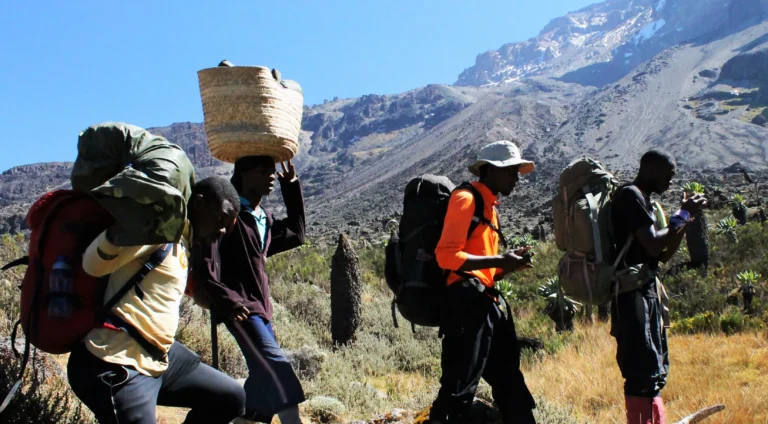
Kilimanjaro Flight-Booking Mistakes: Avoid These Pitfalls For Your Climb
Planning your Kilimanjaro climb for 2026 or 2027? Don't let flight booking errors derail your adventure. This guide covers critical mistakes to avoid, from choosing the right airport and...
View package details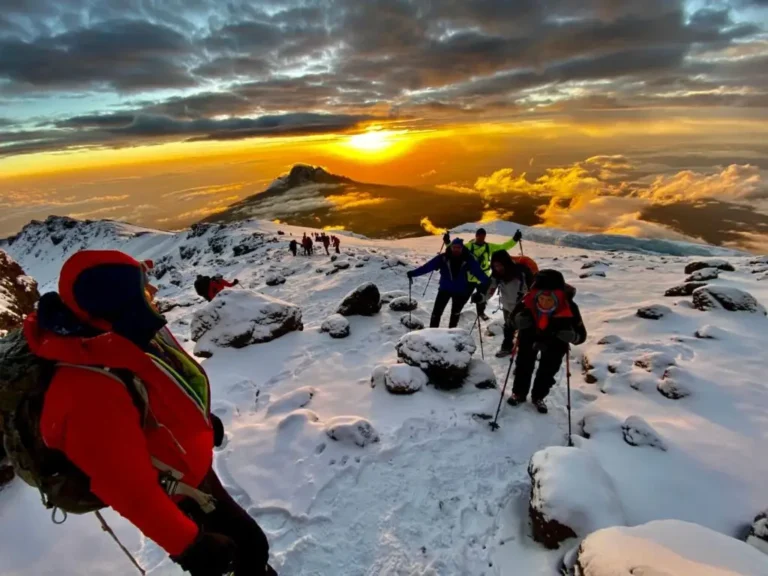
Kilimanjaro Layering Mistakes That Leave Climbers Cold: Expert Guide 2026-2027
Discover the common Kilimanjaro layering mistakes that can lead to discomfort and hypothermia. This guide provides essential tips on choosing the right gear and layering system to ensure...
View package details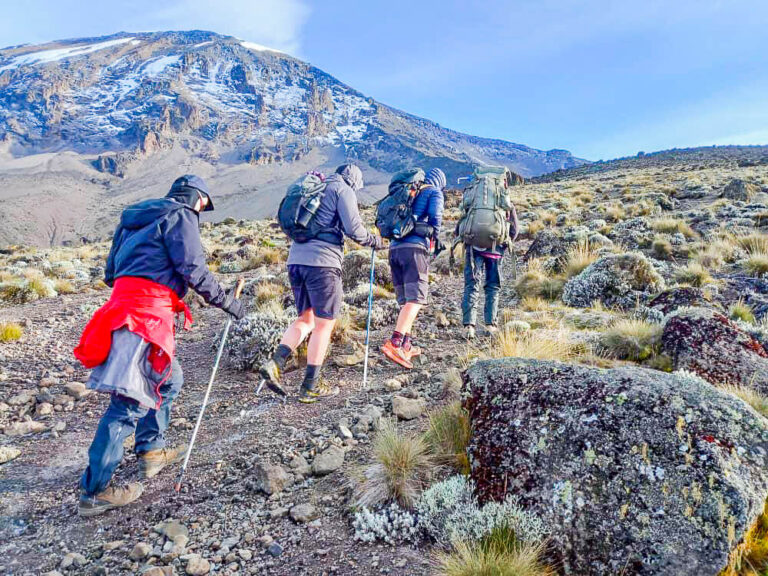
Kilimanjaro Booking Checklist For First-Time Climbers: Your Essential Guide
Planning your first Kilimanjaro climb in 2026 or 2027? This detailed checklist covers everything from choosing a route and operator to packing and acclimatization, ensuring a well-prepared...
View package details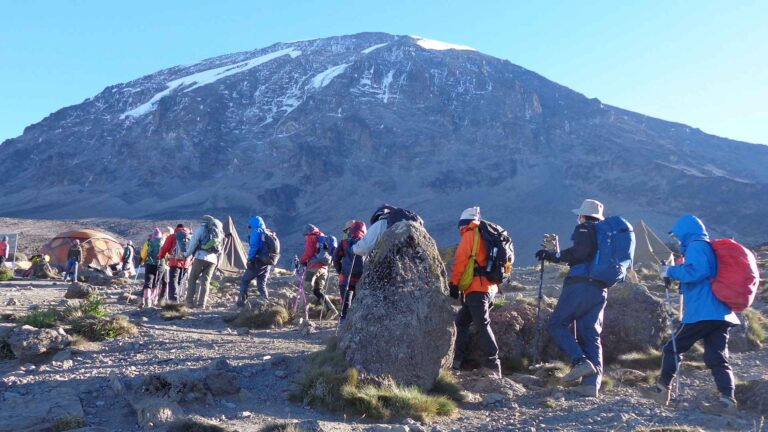
Is Kilimanjaro Really Worth The Cost? 2026-2027
Is Kilimanjaro Really Worth the Cost? is explained with current 2026-2027 planning, price, itinerary and booking information.
View package details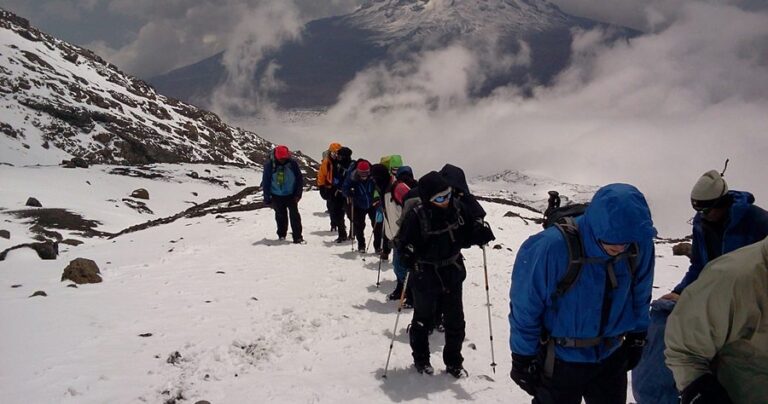
30 Things To Know Before Booking Kilimanjaro: Your Expert Guide For Climbs
Your ultimate checklist for booking a Kilimanjaro climb in 2026-2027. This guide covers everything from choosing the right route and understanding costs to essential gear and preparation...
View package details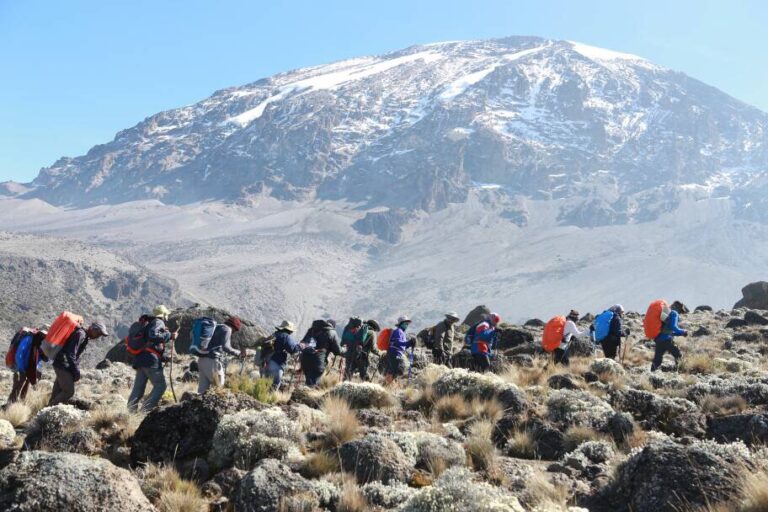
Kilimanjaro Low-Budget Booking Red Flags: Avoid Scams In 2026-2027
Climbing Kilimanjaro on a budget is possible, but requires vigilance. This guide highlights critical red flags to watch out for when booking a low-cost trek, ensuring your 2026-2027...
View package detailsKilimanjaro Group-Climb Mistakes: Avoid Common Pitfalls For A Successful
This guide details common Kilimanjaro group-climb mistakes, offering practical advice for trekkers aiming for a successful summit. Learn about preparation, acclimatization, gear, and...
View package detailsKilimanjaro Photography Mistakes At High Altitude 2026-2027
Kilimanjaro Photography Mistakes at High Altitude is explained with current 2026-2027 planning, price, itinerary and booking information.
View package details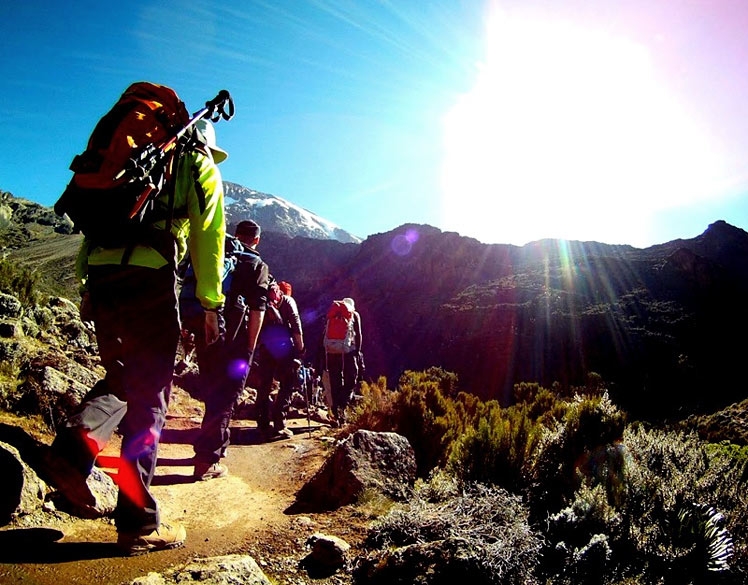
Kilimanjaro Food And Nutrition Mistakes: Avoid These To Summit Successfully
Proper nutrition is crucial for a successful Kilimanjaro climb. This guide details common food and nutrition mistakes climbers make, offering expert advice on what to eat, when to eat it...
View package details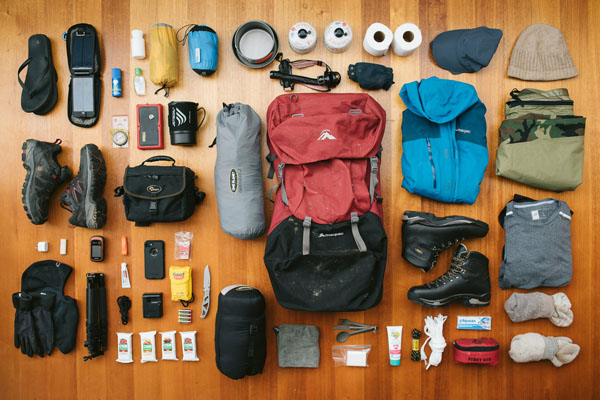
Kilimanjaro Gear-Rental Mistakes To Avoid For Your Climb 2026-2027
Planning a Kilimanjaro climb for 2026 or 2027? Renting gear can save money and hassle, but mistakes are common. This guide details the most frequent errors climbers make when renting...
View package detailsKilimanjaro Tipping Mistakes And Etiquette: A Comprehensive Guide For Climbers
Navigating Kilimanjaro tipping can be confusing. This guide details common mistakes and proper etiquette for tipping your support crew, ensuring fair compensation and a positive experience...
View package detailsNo related package matches those filters. Clear one or more filters to see the other topic-matched options.



