
Climbing Kilimanjaro is a significant investment, with costs typically ranging from $2,000 to $7,000+ per person depending on the route, duration, operator, and inclusions. For most climbers, the unparalleled sense of accomplishment, the unique cultural immersion, the diverse and stunning landscapes encountered from base to summit, and the profound personal challenge make Kilimanjaro absolutely worth the cost, offering a life-changing experience that far exceeds the financial outlay, especially when planned for 2026 or 2027 with a reputable operator.
Understanding the True Value of a Kilimanjaro Expedition
The question, “Is Kilimanjaro really worth the cost?” is one that every potential climber grapples with. It’s a valid concern, as a Kilimanjaro climb represents a substantial financial commitment, often involving thousands of dollars. Beyond the price tag, it demands significant time, physical preparation, and mental fortitude. Yet, for those who stand on Uhuru Peak, the common consensus is an overwhelming ‘yes.’ The value derived from this expedition transcends monetary figures, touching upon personal achievement, impressive natural beauty, and a unique cultural encounter. This article aims to dissect the costs involved, explore what constitutes good value, and help you determine if the dream of conquering Africa’s highest peak is a worthwhile pursuit for your 2026 or 2027 adventure.
Deconstructing Kilimanjaro Climb Costs: What You’re Actually Paying For
When you invest in a Kilimanjaro climb, you’re not just paying for a trek; you’re investing in a comprehensive experience managed by a professional team. The cost is influenced by numerous factors, and understanding these components is crucial to appreciating the value proposition. Reputable operators like Top Guide Adventures meticulously plan every detail to ensure safety, comfort, and success, and the price reflects this dedication.
Park Fees and Government Royalties
A significant portion of your trek cost goes directly to the Tanzanian government and Kilimanjaro National Park. These fees are non-negotiable and are essential for the preservation of the mountain ecosystem and the local communities.
- Park Entrance Fees: These are charged per person, per day, and vary depending on the route. For instance, routes like Marangu and Machame have daily entrance fees.
- Camping/Hut Fees: You’ll pay daily fees for each night spent on the mountain, whether in a tent or a park hut.
- Crater Fees: For routes that ascend to the crater rim (like Stella Point or Gilman’s Point), an additional, often substantial, crater fee is levied. This is particularly relevant for the final ascent to Uhuru Peak.
- Rescue Fees: A mandatory fee for rescue services ensures that if an emergency occurs, the necessary resources are mobilized.
These government fees are a fixed component of any climb, regardless of the operator. They are crucial for funding park conservation efforts, infrastructure maintenance (like trails and huts), and supporting the local economy through employment opportunities for rangers and guides.
Guide, Porter, and Cook Salaries and Support
The backbone of any successful Kilimanjaro climb is its dedicated crew. Fair wages and ethical treatment of these individuals are paramount, and this is reflected in the pricing of responsible tour operators.
- Lead Guides: Experienced professionals with extensive knowledge of the mountain, first aid, and altitude sickness management.
- Assistant Guides: Provide additional support, ensuring group cohesion and individual climber safety.
- Porters: Carry the bulk of the equipment, including tents, food, cooking gear, and personal luggage (up to a certain weight limit). They are the unsung heroes who make the climb feasible for most.
- Cooks: Prepare nutritious and varied meals throughout the trek, a vital service at high altitudes.
Reputable companies ensure their staff are well-paid, properly equipped, and treated with respect, adhering to ethical trekking guidelines. This commitment to fair labor practices is a key differentiator and a significant part of the cost. For example, Top Guide Adventures is committed to fair wages and provides comprehensive support for all its trekking staff.
Food and Catering
You’ll be provided with three hearty meals a day, plus snacks, prepared by your expedition cook. The quality and quantity of food are critical for maintaining energy levels and morale at altitude. Expect a variety of dishes, from porridge and eggs for breakfast to rice, pasta, chicken, and vegetables for lunch and dinner. High-energy snacks like biscuits, fruit, and chocolate are also standard.
Equipment and Logistics
This covers a range of essential items and services:
- Tents: High-quality, four-season tents are provided for sleeping and dining.
- Cooking Gear: Stoves, fuel, pots, pans, and utensils.
- Mattresses: Basic sleeping pads are usually included.
- Oxygen Cylinders: For emergency use, carried by guides.
- First Aid Kits: Comprehensive kits for immediate medical attention.
- Transport: Transfers from Kilimanjaro International Airport (JRO) to your hotel in Moshi or Arusha, and transportation to and from the mountain gate.
Accommodation and Meals (Pre/Post Climb)
Most Kilimanjaro packages include accommodation in comfortable hotels in Moshi or Arusha before and after your climb. This provides a chance to rest, acclimatize slightly, and enjoy local hospitality. Meals at these hotels are also typically included.
Operational Overheads and Expertise
This includes the expertise of the tour operator in planning, logistics management, safety protocols, emergency response coordination, and customer service. It also covers administrative costs, marketing, and maintaining a high standard of operation.
Factors Influencing Kilimanjaro Climb Costs
The range of prices for a Kilimanjaro climb can be quite broad. Understanding the variables will help you manage expectations and choose an option that aligns with your budget and desired experience for 2026-2027.
Route Choice
Different routes vary in length, difficulty, acclimatization profiles, and scenic beauty, which impacts their cost.
- Shorter Routes (e.g., Marangu, Rongai): Often less expensive due to fewer days on the mountain. However, they generally have lower success rates due to poorer acclimatization.
- Longer Routes (e.g., Machame, Lemosho, Shira, Northern Circuit): More expensive due to the increased number of days, requiring more food, park fees, and staff. These routes offer better acclimatization and significantly higher success rates. The Northern Circuit, being the longest, is typically the most expensive but offers the best acclimatization and views.
Duration of the Climb
The number of days spent on the mountain directly affects the cost. Longer treks allow for better acclimatization, increasing success rates, but incur higher daily park fees and operational costs. A 5-day climb will be cheaper than a 7-day or 8-day climb, but the latter are generally recommended for better chances of reaching the summit safely.
Operator Type: Local vs. International
- Local Operators (e.g., Top Guide Adventures): Often provide better value for money. They have lower overheads, direct relationships with porters and guides, and a deep understanding of local conditions. They are also more likely to ensure fair wages and ethical treatment of their staff.
- International Operators: May have higher price points due to marketing, administrative costs in their home countries, and potentially less direct control over on-the-ground operations. Some international companies partner with local operators, so the distinction isn’t always clear-cut.
Group Size: Private vs. Group Climbs
- Group Climbs: Joining a pre-scheduled group departure is usually the most economical option. Costs are shared among participants.
- Private Climbs: Offer more flexibility and personalized attention but come at a higher individual cost. The price might be fixed for a certain group size (e.g., 2-4 people), making it more expensive per person than a larger group.
Inclusions and Exclusions
What’s included in the package price can vary significantly. Always check the details:
- Standard Inclusions: Park fees, crew wages, meals on the mountain, tents, basic equipment, transfers, pre/post-climb hotel nights.
- Potential Exclusions: Flights, visa fees, travel insurance, tips for the crew, personal climbing gear, extra hotel nights, drinks, and personal expenses.
Higher-priced packages might include extras like more comfortable tents, better quality food, or emergency oxygen cylinders as standard. Top Guide Adventures aims to provide comprehensive packages that cover most essential elements for a successful climb.
Level of Service and Comfort
Some operators offer higher levels of comfort, such as private toilet tents, more spacious tents, or gourmet meal options. These premium services will naturally increase the cost.
Typical Cost Ranges for Kilimanjaro Climbs (2026-2027 Estimates)
While exact prices fluctuate, here are general estimates for a 7- or 8-day climb on popular routes like Machame or Lemosho, based on operator quality and inclusions, which are relevant for planning your 2026 or 2027 expedition.
Budget-Friendly Options: $2,000 – $3,000 per person
These packages typically come from smaller, local operators. They cover the essentials: park fees, basic equipment, meals, and crew. Quality of equipment, food variety, and staff welfare might be basic. Success rates can be lower if acclimatization or crew support is compromised for cost-saving.
Mid-Range Operators: $3,000 – $5,000 per person
This is where most reputable local and some international operators fall. They offer a good balance of quality, safety, and value. Expect better equipment, more varied and nutritious meals, well-trained guides, and adherence to ethical crew treatment. They usually offer longer routes with better acclimatization profiles, leading to higher success rates. Top Guide Adventures typically operates within this range, focusing on delivering exceptional value through quality service and experienced teams.
Premium/Luxury Options: $5,000 – $7,000+ per person
These packages often include higher-end services, such as private toilet tents, more spacious accommodations, gourmet dining, potentially higher guide-to-client ratios, and sometimes even in-depth pre-trip support. They might also be offered by well-established international brands with significant overheads.
Note: These are estimates. Prices for 2026 and 2027 may see slight increases due to inflation and changes in park fees. Always request a detailed quote from your chosen operator.
Is a Cheaper Climb Truly Worth It? The Risks of Cutting Costs
It’s tempting to opt for the cheapest Kilimanjaro climb you can find, especially when budgeting for a trip. However, significantly lower prices often come with hidden compromises that can impact your safety, comfort, and overall experience. Understanding these risks is crucial before making a decision for your 2026-2027 climb.
- Compromised Safety: The most significant risk. Cheaper operators may cut corners on essential safety equipment (like oxygen), emergency protocols, guide training, or the number of guides. This can be disastrous at high altitudes.
- Poor Acclimatization Strategy: To save on costs (fewer days), cheaper operators might push clients on shorter, faster routes with poor acclimatization profiles, drastically reducing success rates and increasing the risk of severe altitude sickness.
- Inadequate Crew Welfare: Porters and guides are often the ones who suffer when costs are slashed. This can mean lower wages, insufficient food and clothing, long working hours, and poor treatment. This not only is unethical but can also impact the crew’s ability to support you effectively and safely.
- Lower Quality Equipment: Cheap tents may not withstand mountain weather, and worn-out sleeping bags or mats can lead to discomfort and hypothermia.
- Substandard Food: Basic, unappetizing, or insufficient food can leave you lacking energy and morale.
- Hidden Costs: Some budget operators might surprise you with numerous ‘mandatory’ add-ons or charges not clearly stated upfront.
While not all budget operators are unethical or unsafe, the vast majority of highly reputable, safety-conscious companies fall into the mid-range to premium categories. For a trip as significant as Kilimanjaro, prioritizing safety and a positive experience over the absolute lowest price is generally the wiser choice.
The Unquantifiable Value: What Makes Kilimanjaro Worth the Investment?
Beyond the tangible costs and services, the true value of climbing Kilimanjaro lies in the intangible rewards. These are the experiences and personal transformations that make the expense a worthwhile investment for thousands of adventurers each year.
The Pinnacle of Personal Achievement
Reaching Uhuru Peak at 5,895 meters (19,341 feet) is an extraordinary feat. It requires pushing your physical and mental limits, overcoming challenges like altitude sickness, extreme temperatures, and sheer exhaustion. The sense of accomplishment upon summiting is profound and often described as life-altering. This personal triumph is a reward that lasts a lifetime and cannot be bought.
Spectacular and Diverse Scenery
Kilimanjaro is a mountain of contrasts. Your journey will take you through vastly different ecological zones:
- Rainforest: Lush, green, and teeming with wildlife (monkeys, birds).
- Moorland: Heather and giant groundsels become prominent.
- Alpine Desert: Arid, rocky, and lunar-like landscapes.
- Arctic Zone: Snow and ice dominate the summit area.
The views are constantly changing, from the vast plains of the Serengeti visible on clear days to the dramatic caldera and glaciers at the summit. It’s a visual feast that few other treks can match.
Cultural Immersion
Your expedition begins and ends in the vibrant culture of Tanzania. You’ll interact with your local guides, porters, and cooks, learning about their lives, traditions, and connection to the mountain. Many trekkers find these interactions to be some of the most memorable aspects of their journey. Local operators like Top Guide Adventures pride themselves on fostering these connections and ensuring ethical treatment of their staff.
A Journey of Self-Discovery
The physical and mental challenges of Kilimanjaro often lead to significant personal growth. You’ll discover reserves of strength and resilience you never knew you possessed. The solitude, the focus required, and the shared experience with your team can lead to profound introspection and a new perspective on life.
The ‘Bucket List’ Factor
For many, climbing Kilimanjaro is a long-held dream, a quintessential ‘bucket list’ item. Achieving such a goal provides immense satisfaction and bragging rights, creating stories and memories to share for years to come.
Maximizing Your Investment: Tips for a Worthwhile Kilimanjaro Climb in 2026-2027
To ensure your Kilimanjaro climb is worth every penny, careful planning and informed choices are key. Here’s how to maximize the value of your expedition:
Choose the Right Route and Duration
Don’t sacrifice acclimatization for cost. Opt for longer routes (7-9 days) like Machame, Lemosho, or Northern Circuit. These routes offer better acclimatization profiles, leading to higher success rates and a more enjoyable experience. While they cost more upfront, they significantly increase your chances of reaching the summit safely and feeling good about the achievement.
Select a Reputable and Ethical Operator
This is arguably the most crucial decision. Research operators thoroughly. Look for companies that:
- Are locally based or have strong local partnerships.
- Have transparent pricing and clear inclusions/exclusions.
- Demonstrate a commitment to ethical treatment and fair wages for their crew (e.g., members of KPAP – Kilimanjaro Porters Assistance Project).
- Have excellent safety records and well-trained guides.
- Provide positive reviews from past clients, especially regarding crew welfare and safety.
Top Guide Adventures is committed to ethical practices and provides comprehensive support for its team, ensuring a high-quality experience for climbers planning for 2026 or 2027.
Invest in Proper Training and Preparation
Physical fitness is essential. Start training months in advance, focusing on cardiovascular endurance and strength training, especially for your legs and core. While you can’t fully prepare for altitude, being physically fit makes the climb more manageable and enjoyable. This preparation ensures you get the most out of the experience, rather than struggling solely due to lack of fitness.
Pack Appropriately
Don’t skimp on essential gear. While operators provide tents and cooking equipment, you’ll need your own high-quality clothing layers, waterproofs, sturdy hiking boots, a warm sleeping bag, and other personal items. Renting gear is an option, but owning well-fitting essentials can make a big difference. Check your operator’s packing list carefully.
Understand the Additional Costs
Factor in costs beyond the tour package:
- Flights: International flights to Kilimanjaro International Airport (JRO).
- Visas: For Tanzania.
- Travel Insurance: Essential, covering high-altitude trekking and emergency evacuation.
- Tips: A significant but customary expense. Budget around $250-$350 per climber for the entire crew (guides, porters, cooks). This is a crucial part of their income.
- Personal Expenses: Souvenirs, extra snacks, drinks, and any pre/post-climb activities.
- Pre/Post-Climb Accommodation: If you extend your stay or require extra nights.
Travel During the Right Season
While climbs are possible year-round, the dry seasons (January-March and June-October) offer the best weather conditions, increasing your chances of a successful and enjoyable summit bid. These peak seasons might be slightly more expensive or book up faster for 2026-2027, so plan accordingly.
Kilimanjaro vs. Other High-Altitude Treks: A Cost-Value Comparison
Many adventurers consider Kilimanjaro alongside other iconic treks. Comparing costs and value can help solidify the decision.
- Everest Base Camp (Nepal): Typically costs between $2,500 – $5,000+. While the trek itself might be comparable in price, the logistical complexity (flights to Lukla, more remote teahouses, longer duration) and the sheer scale of the Himalayas offer a different kind of value. EBC is more of a remote trekking experience, while Kilimanjaro is a singular, iconic summit challenge.
- Mount Toubkal (Morocco): One of the most affordable high-altitude treks, often costing $500 – $1,500. It’s a great introduction to altitude but lacks the scale, diverse ecosystems, and logistical support structure of Kilimanjaro.
- Mount Kenya (Point Lenana): Can be cheaper than Kilimanjaro, ranging from $1,500 – $3,500. While beautiful, Point Lenana is a trekking peak, not a mountaineering peak like Kilimanjaro’s main summit.
Kilimanjaro often strikes a balance: it’s a true “bucket list” summit, accessible without prior technical climbing experience, and offers a unique African experience. Its cost reflects the park fees, the extensive support crew required, and the infrastructure needed to manage expeditions on such a scale.
Planning Your 2026-2027 Kilimanjaro Climb: Booking and Timelines
Securing your Kilimanjaro adventure for 2026 or 2027 requires timely planning. The earlier you book, the better your chances of getting your preferred dates and operators.
- Booking Window: For peak seasons in 2026 and 2027, it’s advisable to book at least 6-12 months in advance. This is especially true if you are looking for specific group departure dates or private climbs.
- Operator Selection: Start researching operators well in advance. Compare itineraries, inclusions, reviews, and pricing. Don’t hesitate to contact multiple companies for detailed quotes.
- Flight Bookings: International flights can be booked once your climb dates are confirmed. Prices tend to be lower when booked several months ahead.
- Visa and Vaccinations: Check requirements for Tanzania well in advance. Consult your doctor regarding recommended vaccinations and malaria precautions.
- Training: Begin your physical training at least 3-6 months before your planned climb date.
Choosing a reliable operator like Top Guide Adventures early can help streamline the booking process. You can reach them via WhatsApp +255616946642 or Email topguideadventures@gmail.com for personalized quotes and planning assistance for your 2026 or 2027 expedition.
Final Thoughts: Is Kilimanjaro Worth the Cost for You?
The decision of whether Kilimanjaro is worth the cost is deeply personal. It hinges on your priorities, your budget, and what you seek from a travel experience. If you are looking for:
- An unparalleled sense of personal achievement.
- An adventure that challenges you physically and mentally.
- Exposure to stunning, diverse natural landscapes.
- A unique cultural experience in Tanzania.
- A ‘bucket list’ item that offers lifelong memories.
Then, Kilimanjaro, despite its significant cost, is almost certainly worth the investment. The key is to approach the decision wisely:
- Prioritize Safety and Ethics: Choose operators who invest in well-being and fair practices.
- Opt for Longer Routes: Maximize your acclimatization and success chances.
- Understand All Expenses: Budget for tips, insurance, and personal costs.
- Prepare Thoroughly: Physical and mental readiness enhance the experience.
The memories you create, the personal growth you experience, and the view from Uhuru Peak are invaluable. For those planning their ultimate adventure in 2026 or 2027, Kilimanjaro offers an experience that truly transcends its price tag. Connect with experts like Top Guide Adventures at WhatsApp +255616946642 or info@topguideadventures.com to start planning a climb that is not just worth the cost, but an investment in yourself.
“,
“faq_schema”: [
{
“question”: “What is the average cost of climbing Kilimanjaro?”,
“answer”: “The average cost for a Kilimanjaro climb typically ranges from $2,000 to $7,000+ per person. This variation depends heavily on the chosen route, the number of days on the mountain, the tour operator’s reputation and inclusions, and whether you opt for a group or private climb. For 2026-2027 expeditions, expect prices to be within this range, potentially with slight increases due to inflation.”
},
{
“question”: “What factors influence the cost of a Kilimanjaro climb?”,
“answer”: “Key factors influencing the cost include: Park fees (mandatory government charges), route choice (longer routes with better acclimatization cost more), duration (more days mean higher costs), operator type (local vs. international, their overheads), group size (private climbs are more expensive per person), and the level of inclusions (meals, equipment quality, accommodation, crew support). Ethical operators ensuring fair wages for guides and porters also contribute to the price.”
},
{
“question”: “Are cheaper Kilimanjaro climbs worth the risk?”,
“answer”: “Climbing Kilimanjaro for the absolute lowest price often involves risks to safety, comfort, and the ethical treatment of the crew. Cheaper operators may cut corners on essential safety equipment, guide training, food quality, or adequate rest for porters. While not all budget operators are problematic, it’s crucial to research thoroughly and prioritize reputable companies that offer good value through quality service and safety, rather than just the lowest price, especially for your 2026-2027 climb.”
},
{
“question”: “What are the main non-negotiable costs for climbing Kilimanjaro?”,
“answer”: “The non-negotiable costs are primarily the Kilimanjaro National Park fees. These include daily park entrance fees, camping/hut fees, crater fees (for summit ascent), and rescue fees. These fees are set by the Tanzanian government and are paid directly to the park, regardless of the tour operator you choose.”
},
{
“question”: “What additional costs should I budget for besides the tour package?”,
“answer”: “Beyond the tour package, you should budget for: international flights to Kilimanjaro (JRO), Tanzanian visa fees, comprehensive travel and medical insurance (including high-altitude trekking and emergency evacuation), tips for the crew (a significant portion of their income, budget around $250-$350 per climber), personal climbing gear (if not renting), and any personal expenses like souvenirs or extra drinks.”
},
{
“question”: “Why are longer Kilimanjaro routes more expensive but recommended?”,
“answer”: “Longer routes like Machame (7 days), Lemosho (7-8 days), or the Northern Circuit (9 days) are more expensive because they require more days on the mountain, incurring higher park fees, more food, and longer employment for the crew. However, they are highly recommended because they offer superior acclimatization profiles, significantly increasing your chances of reaching the summit safely and comfortably, thus providing better overall value for your investment.”
},
{
“question”: “How much should I tip the Kilimanjaro crew in 2026-2027?”,
“answer”: “Tipping is customary and a vital part of the crew’s income. For a standard 7-8 day climb, a general guideline for 2026-2027 is approximately $250-$350 per climber. This is typically divided among the lead guide, assistant guides, cook, and porters. Your tour operator will usually provide a recommended tipping structure.”
}
]
}
“`
Check Availability for Is Kilimanjaro Really Worth The Cost? 2026-2027
Ready to compare dates, prices, and the best option for your group? Send the package name and travel month so the team can reply with a clear quote, availability, and what is included.
Kilimanjaro Booking Mistakes That Can Cost You Money 2026-2027
Kilimanjaro Booking Mistakes That Can Cost You Money is explained with current 2026-2027 planning, price, itinerary and booking information.
View package details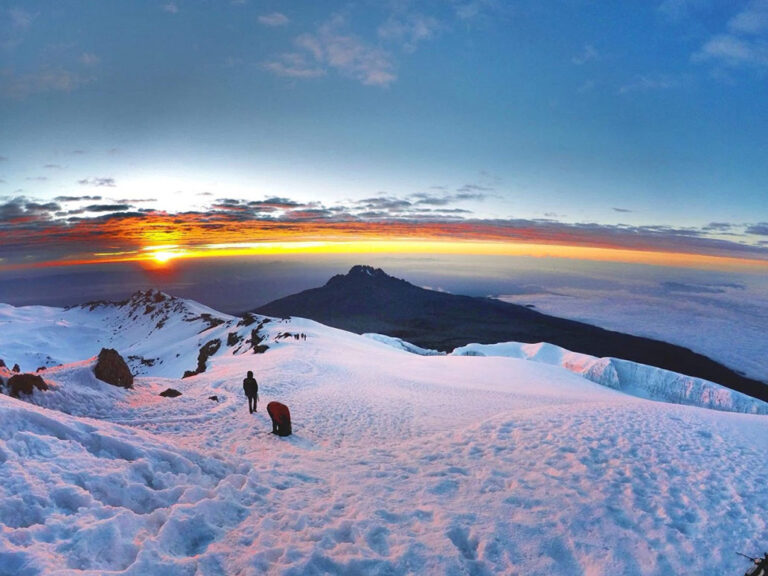
Kilimanjaro Climb With Materuni Recovery Day 2026-2027
Kilimanjaro Climb with Materuni Recovery Day is explained with current 2026-2027 planning, price, itinerary and booking information.
View package details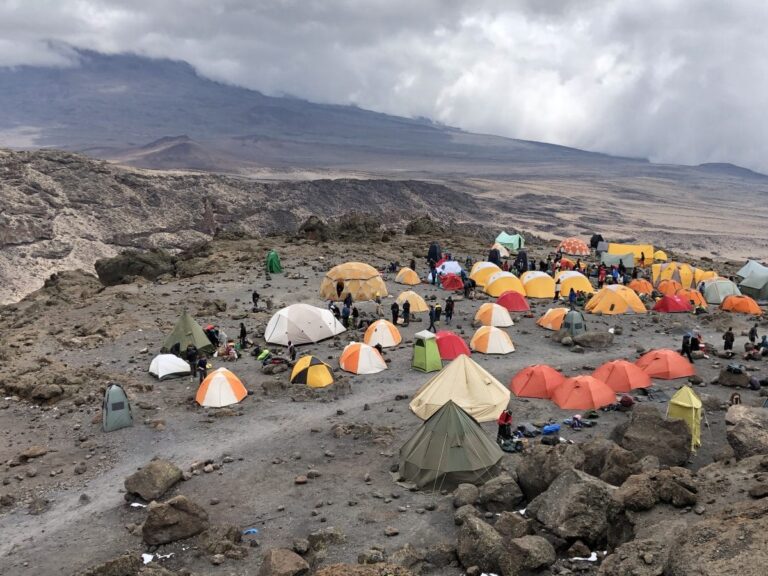
Kilimanjaro Climb With Lake Chala Relaxation Day: Your Ultimate Post-Trek
Experience the ultimate Kilimanjaro adventure followed by serene relaxation at Lake Chala. This guide details how to combine these incredible Tanzanian experiences, covering itineraries...
View package details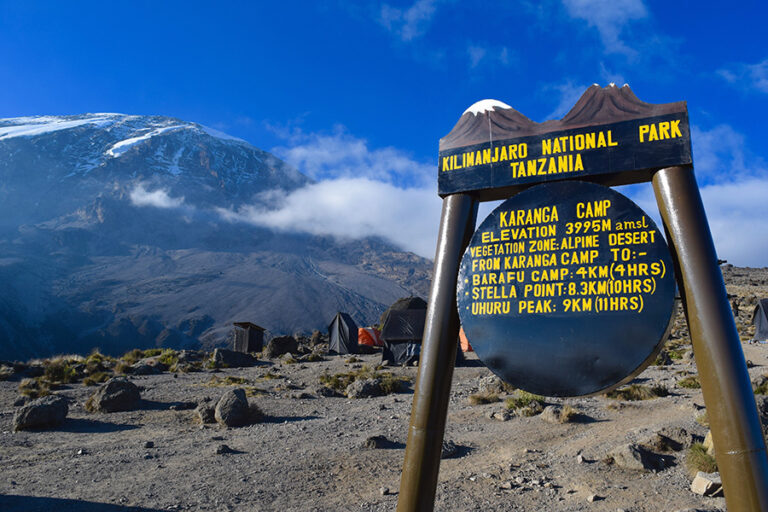
Kilimanjaro Climb & West Safari: The Ultimate Tanzania Adventure 2026-2027
Experience the pinnacle of Tanzania with a combined Kilimanjaro climb and West Kilimanjaro safari. This guide details itineraries, preparation, and what to expect for your 2026-2027...
View package details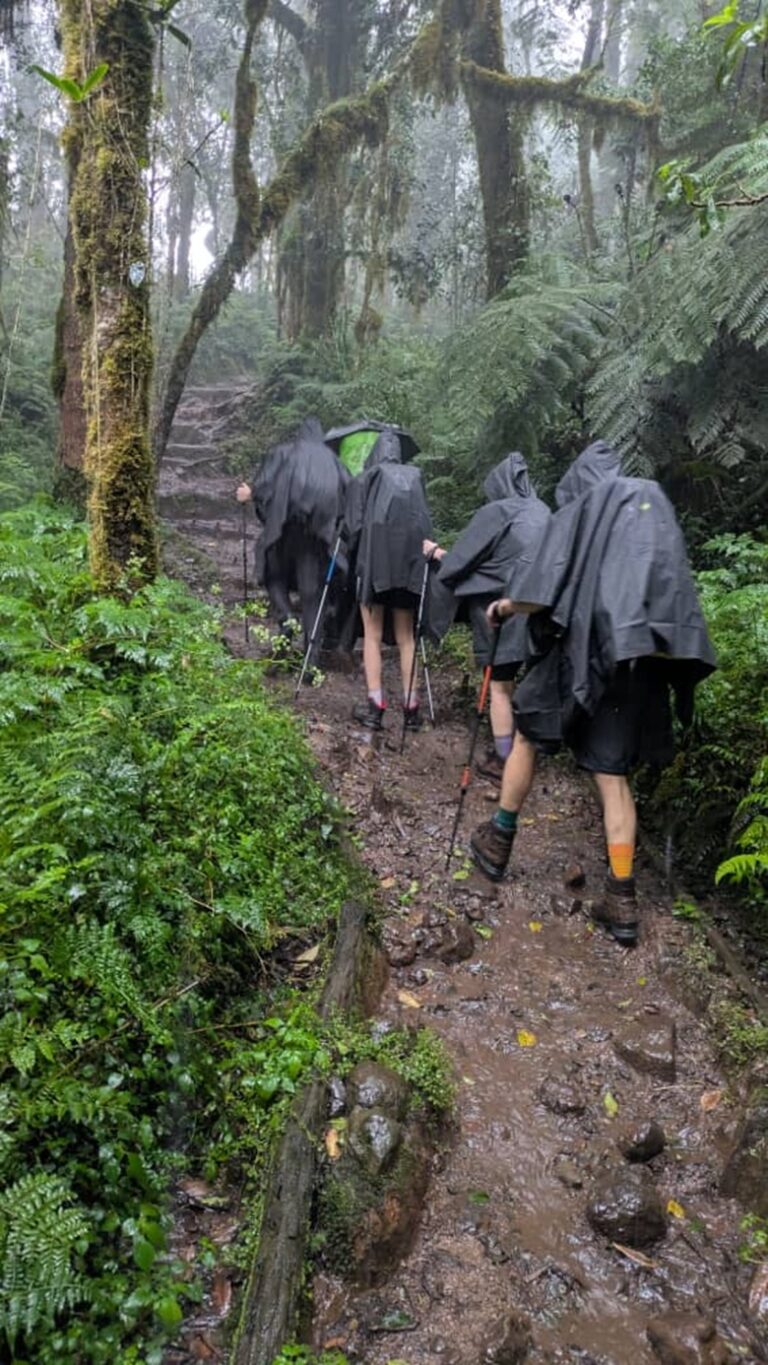
Kilimanjaro Climb With Mkomazi Rhino Safari 2026-2027
Kilimanjaro Climb with Mkomazi Rhino Safari is explained with current 2026-2027 planning, price, itinerary and booking information.
View package details
Kilimanjaro Climb With Amboseli Safari Extension: Your Ultimate Tanzania
Experience the pinnacle of African adventure by combining a challenging Kilimanjaro climb with a impressive safari in Amboseli National Park. This guide details itineraries, costs, best...
View package details
21-Day Kilimanjaro And Complete Tanzania Holiday: Your Ultimate Adventure
This comprehensive 21-day itinerary offers the ultimate Tanzanian adventure, merging the challenge of climbing Mount Kilimanjaro with the wildlife wonders of its famed national parks and...
View package details
18-Day Kilimanjaro And Northern Tanzania Grand Adventure: Trek, Safari &
An 18-day itinerary blending Kilimanjaro's summit with Northern Tanzania's wildlife and culture offers a comprehensive African experience. This adventure typically includes a multi-day trek...
View package details
17-Day Kilimanjaro, Serengeti, Ngorongoro & Zanzibar Tour: Your Ultimate
This 17-day tour combines the iconic Mount Kilimanjaro climb with unparalleled wildlife safaris in the Serengeti and Ngorongoro Crater, culminating in a relaxing beach escape in Zanzibar...
View package details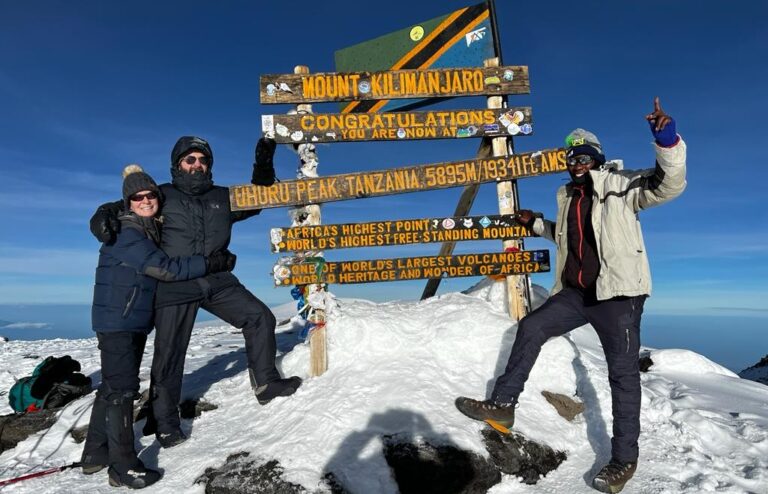
15-Day Kilimanjaro, Great Migration & Zanzibar Beach Package | Top Guide
Combine the thrill of summiting Mount Kilimanjaro, witnessing the iconic Great Migration in the Serengeti, and unwinding on the pristine beaches of Zanzibar in one unforgettable 15-day...
View package details
13-Day Kilimanjaro Climb, Cultural Tour & Zanzibar Holiday: Your Ultimate
This 13-day itinerary offers an unparalleled Tanzanian experience, blending the thrill of conquering Mount Kilimanjaro with deep cultural exploration and the serene beauty of Zanzibar...
View package details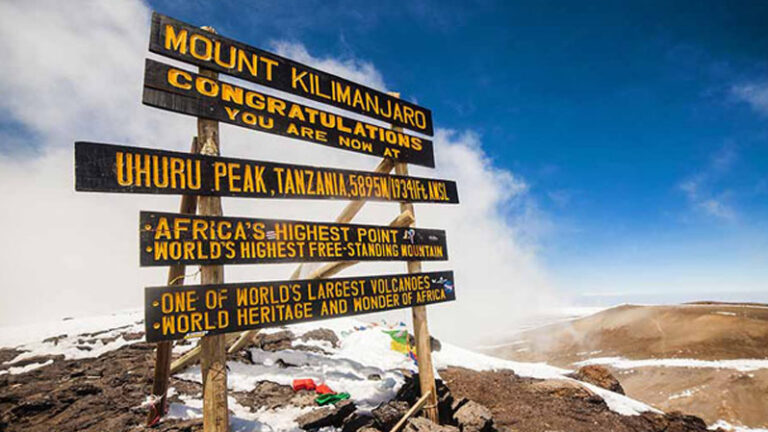
11-Day Kilimanjaro Acclimatization, Summit And Safari Package 2026-2027
11-Day Kilimanjaro Acclimatization, Summit and Safari Package is explained with current 2026-2027 planning, price, itinerary and booking information.
View package detailsNo related package matches those filters. Clear one or more filters to see the other topic-matched options.



