
The cheapest months to climb Kilimanjaro generally fall within the shoulder seasons and the less popular rainy periods, specifically April, May, and November. While these months might offer lower prices due to reduced demand and fewer trekkers, they also present more challenging weather conditions, including rain and lower visibility. For travelers prioritizing cost savings for their 2026-2027 climb without compromising too much on experience, these periods are worth considering, provided they are prepared for the potential weather impacts.
Understanding Kilimanjaro’s “Cheapest Month” Nuance
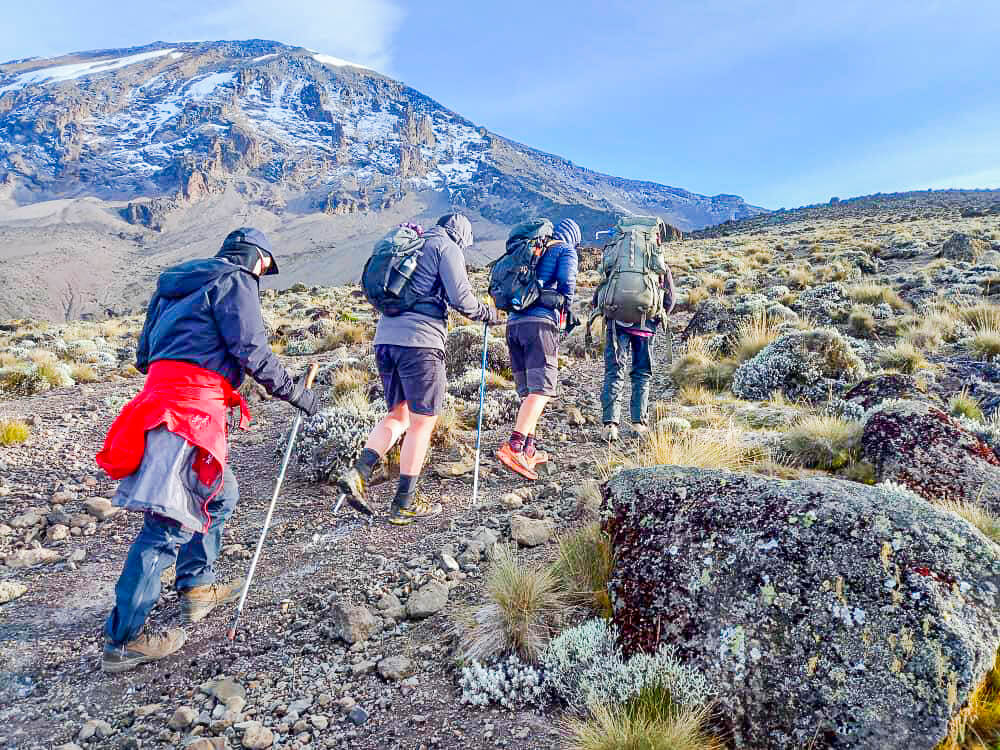
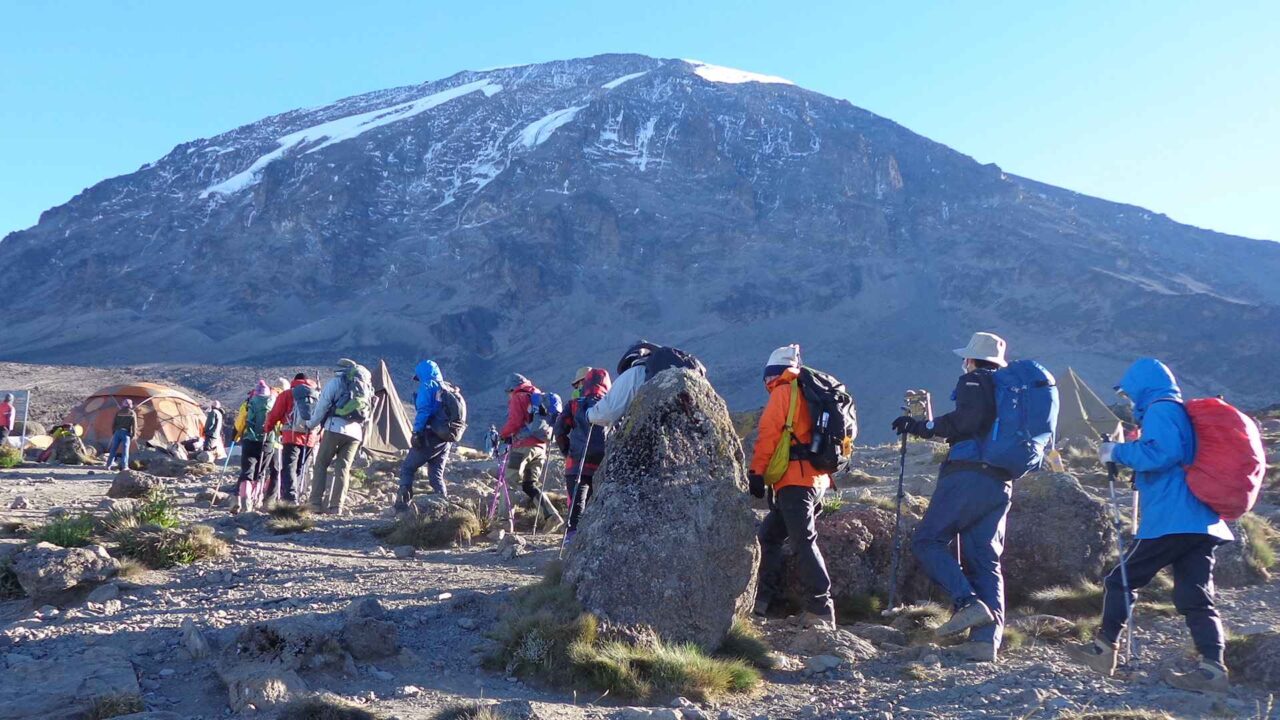
When you ask about the cheapest month to climb Kilimanjaro, you’re likely looking for the best value for your investment. This isn’t just about finding a date with the lowest advertised price; it’s about understanding the interplay of several factors that influence cost, crowd levels, and overall trekking success. At Top Guide Adventures, we help trekkers navigate these complexities to ensure their Kilimanjaro journey is both affordable and memorable, especially as you plan for 2026 and 2027.
The core principle is simple economics: demand drives price. Kilimanjaro attracts climbers year-round, but certain periods are significantly more popular due to ideal weather conditions. These peak seasons, while offering the best chance for clear skies and comfortable trekking, naturally come with higher prices as tour operators face greater demand. Conversely, the months with less predictable weather or lower demand typically see reduced prices.
However, simply picking the cheapest month without understanding the implications can lead to disappointment. A climb during heavy rain might mean limited views, muddy trails, and a less enjoyable experience, potentially negating the savings. Therefore, the “cheapest month” is a balance between cost, weather, and your personal tolerance for risk and potential discomfort. For 2026-2027 expeditions, a thorough understanding of these trade-offs is crucial for making an informed decision.
Kilimanjaro’s Climate: The Driving Force Behind Pricing
Mount Kilimanjaro’s weather is not uniform; it varies significantly with altitude and the time of year. The mountain experiences two primary dry seasons and two rainy seasons. Understanding these patterns is key to identifying when prices might be lower and why.
- Dry Season 1 (June to October): This is a prime trekking season. The weather is generally stable, with clear skies, low humidity, and minimal rain. Nights are cold, especially at higher altitudes, but daytime visibility is excellent. This period sees the highest demand and, consequently, the highest prices for climbs.
- Dry Season 2 (January to February): Another excellent window for climbing. Similar to the June-October period, expect clear skies and pleasant temperatures, though it can be hotter at the base. This is also a popular time, leading to higher costs.
- Short Rains (November to December): This transitional period brings scattered showers, particularly in the afternoons. While not as severe as the long rains, it can make trails muddy and reduce visibility. However, the landscapes are often vibrant, and fewer crowds mean potentially lower prices.
- Long Rains (March to May): This is Kilimanjaro’s wettest period. Expect frequent and often heavy rainfall, especially at lower and mid-altitudes. Clouds can obscure views, and trails can become very muddy and challenging. This period typically sees the lowest demand and, therefore, the lowest prices, making it the prime candidate for the cheapest month to climb Kilimanjaro.
When considering the cheapest month to climb Kilimanjaro for your 2026-2027 adventure, the rainy seasons (especially March-May) and the shoulder months (November-December) are your primary targets for potential savings. However, the trade-off is always the weather.
Identifying the Cheapest Months for Kilimanjaro Climbs (2026-2027)
Based on the climate patterns and demand, we can pinpoint the months that typically offer the lowest prices. These are the times when tour operators may offer slightly reduced rates or when package deals become more common.
The Long Rains: March, April, May
These months consistently offer the lowest prices for Kilimanjaro climbs. April and May, in particular, often experience the heaviest rainfall and are considered the least desirable for trekking from a weather perspective. However, if your budget is the absolute top priority for a 2026 or 2027 climb, and you are prepared for wet conditions, these months can provide significant savings.
- Pros: Lowest prices, fewest crowds, lush green scenery after the rains.
- Cons: High chance of rain, muddy trails, poor visibility, colder temperatures due to rain and cloud cover, potential for route closures or delays in extreme conditions.
For a budget-conscious trekker in 2026-2027, choosing April or May means accepting the weather gamble in exchange for the lowest possible trek cost. It requires careful preparation regarding waterproof gear and a positive attitude.
The Short Rains: November, December
These months represent a transition. November can be quite wet, while December starts to clear up, often leading into the second dry season. Prices in November are usually lower than in December. December can sometimes be a good compromise, offering slightly better weather than November but still with fewer crowds and potentially lower prices than the peak dry seasons.
- Pros: Fewer crowds than peak season, potentially lower prices (especially in November), vibrant landscapes, possibility of clearer days later in December.
- Cons: Unpredictable weather, possibility of rain and mud (especially November), visibility can be variable.
If you’re planning for late 2026 or late 2027, November offers a strong chance of being among the cheapest months, while early December can be a good, albeit slightly pricier, alternative.
Shoulder Season Considerations: June and October
While June and October fall within or adjacent to the main dry season, they can sometimes offer slightly better value than the absolute peak months of July, August, and September. June marks the beginning of the dry season, and October the end. The weather is generally good, but perhaps not as consistently perfect as mid-season.
- Pros: Good weather, fewer crowds than July-September, good visibility.
- Cons: Prices might be slightly higher than during the rainy or short rain periods, but generally lower than peak months.
These months are excellent for those seeking a balance between good weather and avoiding the highest costs and largest crowds of the absolute peak season for their 2026-2027 climb.
Key Takeaway for 2026-2027 Budget Trekkers:
For the absolute cheapest month to climb Kilimanjaro, target April, May, and November. Be prepared for rain and potentially lower visibility. If you prefer slightly better weather odds with still-reduced costs, consider early December or the shoulder months of June and October.
How Tour Operators Influence Pricing: Finding Value with Top Guide Adventures
The base price of a Kilimanjaro climb isn’t set in stone by park fees alone. Tour operators, like Top Guide Adventures, structure their pricing based on operational costs, staffing, equipment, and, importantly, anticipated demand. This is where you can find variations and opportunities for savings.
Operator Choice Matters
Different companies have different overheads, service levels, and profit margins. Smaller, locally-owned companies like Top Guide Adventures often offer more competitive pricing than large international operators, while still maintaining high standards of safety and service. Our commitment is to provide exceptional value, ensuring your 2026-2027 climb is well-supported without unnecessary markups.
Group vs. Private Climbs
Joining a group climb is almost always cheaper than booking a private climb. Group departures allow operators to spread fixed costs (like guide salaries, park fees for staff, and shared equipment) across more participants. If your primary goal is the cheapest month to climb Kilimanjaro, look for scheduled group departures during the off-peak or shoulder seasons.
Top Guide Adventures offers scheduled group departures on popular routes like Machame and Lemosho. These are ideal for solo travelers or small groups looking to save money and meet fellow adventurers. You can find our group departure dates here: Machame Route Kilimanjaro Group Departures Dates.
Inclusions and Exclusions
The overall cost of a climb is heavily influenced by what is included in the package. A cheaper advertised price might be for a package with fewer inclusions, meaning you’ll have to pay extra for things like:
- Equipment rental: Sleeping bags, trekking poles, warm jackets.
- Airport transfers.
- Pre- and post-climb accommodation.
- Tips for guides and porters: While often not included in the base price, understanding the expected tipping amounts is crucial for budgeting.
- Meals and drinks outside the climb itself.
At Top Guide Adventures, we aim for transparent pricing. Our packages typically include:
- Professional, experienced guides and support crew.
- All park and rescue fees.
- Quality tents, sleeping mats, and cooking equipment.
- Nutritious meals prepared by our cooks during the climb.
- Boiled water for drinking.
- Oxygen cylinders for emergencies.
- Temporary, portable toilets.
- A commitment to fair wages and ethical treatment of our staff.
When comparing prices for the cheapest month to climb Kilimanjaro, always compare the inclusions carefully to understand the true cost.
Promotions and Early Bird Offers
While less common during the absolute cheapest months, some operators might offer special promotions or early booking discounts, especially if they need to fill spots on less popular dates for 2026-2027. It’s worth inquiring directly with operators like Top Guide Adventures about any potential deals.
Comparing Routes: Impact on Cost and Timing
While the month is a primary cost driver, the route you choose also plays a role in the overall expense and the experience. Some routes are longer, requiring more days on the mountain, which increases guide and porter fees, food, and park day fees.
- Shorter Routes (e.g., Marangu, Rongai): These are often less expensive due to fewer days. However, they generally have lower success rates because they ascend too quickly, not allowing for adequate acclimatization. Marangu is the only route with hut accommodation, which can sometimes be perceived as more comfortable but might not be cheaper overall than camping routes.
- Longer Routes (e.g., Lemosho, Machame, Northern Circuit): These routes take more days (7-9 days), offering better acclimatization and significantly higher success rates. While the daily cost might seem higher, the overall value and safety are often superior. For instance, the Machame route is popular for its scenic beauty and good acclimatization profile. The Northern Circuit is the longest and offers the highest success rates but is also the most expensive due to the extended duration.
If you’re looking for the cheapest month to climb Kilimanjaro, you might lean towards shorter, less expensive routes during off-peak times. However, Top Guide Adventures strongly recommends prioritizing acclimatization and success rates. Routes like Machame or Lemosho over 7 or 8 days, even in the cheaper months, offer a much better chance of reaching the summit safely.
Route Choice and Weather Considerations for Cheaper Months
Some routes might be slightly more or less affected by rain. For example, Rongai, approaching from the north, is often considered to have slightly drier weather than routes approaching from the south during the rainy seasons. However, the difference is marginal, and significant rainfall can impact any route.
For 2026-2027 planning, if you choose a cheaper month like April or May, opting for a slightly longer route (like a 7-day Machame or Lemosho) can improve your acclimatization, which is even more critical when dealing with potentially adverse weather.
The True Cost of a Kilimanjaro Climb: Beyond the Advertised Price
Understanding the full financial picture for your Kilimanjaro climb is essential, especially when targeting the cheapest month to climb Kilimanjaro. Several costs are often overlooked or considered ‘additional’ by tour operators.
Park Fees and Staff Costs
A significant portion of any Kilimanjaro climb cost is mandated by the park authorities. These include:
- Kilimanjaro National Park (KINAPA) entry fees.
- Camping or hut fees.
- Crater camp fees (if applicable).
- Rescue fees.
These fees are fixed regardless of the month or the operator. They are usually included in reputable operators’ quotes. At Top Guide Adventures, all official park fees are included in our pricing for your 2026-2027 climb.
Guide and Porter Wages
Ethical treatment of porters and guides is a crucial consideration. Reputable companies pay fair wages, which contributes to the overall cost. While this might make their prices slightly higher than companies that underpay their staff, it ensures a better experience for the crew and supports the local economy responsibly. Top Guide Adventures is committed to fair treatment and wages for all our team members.
Tips for Guides and Porters
This is a significant additional cost that trekkers must budget for. While not part of the tour operator’s price, tipping is customary and expected. The recommended amounts can vary, but a general guideline for a 7-day climb might be:
- Lead Guide: $20-25 per day
- Assistant Guide: $15-20 per day
- Cook: $15-20 per day
- Porters: $10-15 per day per porter
For a 7-day climb with a team of, say, 1 lead guide, 2 assistant guides, 1 cook, and 10 porters, tips can easily amount to $800 – $1200+ per trekker. This is a substantial cost that needs to be factored in, regardless of the month you choose to climb.
Personal Gear
While some operators offer gear rental, you’ll need to purchase or rent personal items:
- Good quality waterproof and windproof outer layers (jacket and trousers).
- Warm layers (fleece, down jacket).
- Thermal base layers.
- Sturdy hiking boots (broken in!).
- Warm hat and gloves.
- Sunscreen, sunglasses, and a wide-brimmed hat.
- Headlamp with extra batteries.
- Water bottles or a hydration system.
- A good quality sleeping bag rated for -10°C to -20°C.
If you don’t own this gear, renting can add $100-$300 to your total cost. Purchasing high-quality gear can cost significantly more.
Travel Insurance
Comprehensive travel insurance is non-negotiable. It should cover emergency medical evacuation (including helicopter rescue from Kilimanjaro), trip cancellation, and medical expenses. Factor in an additional $100-$300+ for adequate insurance for your 2026-2027 climb.
Flights to Tanzania
Airfare to Kilimanjaro International Airport (JRO) is a major expense. Prices fluctuate wildly depending on your departure location, time of booking, and the season. Booking flights well in advance is recommended, especially for peak seasons, but even for the cheapest month to climb Kilimanjaro, securing flights early helps manage costs.
Pre- and Post-Climb Accommodation and Meals
Most operators include accommodation and meals for the nights immediately before and after your climb. However, if you plan to extend your stay in Tanzania (e.g., for a safari or Zanzibar holiday), you’ll need to budget for additional nights in hotels and meals.
Budgeting for Additional Costs:
Beyond the tour package price for the cheapest month to climb Kilimanjaro, budget approximately $1000 – $2000+ for tips, flights, insurance, gear rental, and any extra accommodation/meals. This ensures you won’t face unexpected financial stress during your trip.
When is Kilimanjaro NOT the Cheapest to Climb?
Understanding when prices are highest helps contextualize the savings during cheaper months. The peak seasons are driven by the most favorable weather conditions, leading to high demand.
- July to October: This is the primary dry season and the most popular time to climb. Expect the highest prices, the largest crowds, and the best chance of clear, stable weather.
- January and February: This is the secondary dry season, also very popular. While perhaps slightly less crowded than the summer months, prices remain high due to excellent climbing conditions.
Climbing during these months means paying a premium for the weather guarantee. If your budget is tight for your 2026-2027 expedition, these are the months to avoid if seeking the cheapest month to climb Kilimanjaro.
Making the Most of a Cheaper Month Climb (2026-2027)
If you decide to embrace the lower costs of the rainy or shoulder seasons, careful preparation is key to a successful and enjoyable trek.
Gear Up for Rain
This cannot be stressed enough. Invest in high-quality waterproof and breathable outer layers. Ensure your backpack has a reliable rain cover. Gaiters are also highly recommended to prevent mud and water from entering your boots.
Embrace the Elements
A positive attitude is your best asset. Understand that rain and clouds are part of the experience during these months. Focus on the incredible scenery that the rain can bring (lush vegetation, dramatic skies) and the camaraderie of a smaller group. Remember that even in the rainy season, there can be periods of sunshine and clear weather.
Choose Your Route Wisely
As mentioned, longer routes with better acclimatization profiles are always recommended, but perhaps even more so during challenging weather. A 7- or 8-day trek provides more time for your body to adjust to the altitude, which is crucial for success, especially when conditions are tougher.
Stay Flexible
Weather can be unpredictable. While tour operators and guides are experienced, sometimes conditions might necessitate a change in plans or a slower pace. Flexibility and understanding from your end will make the journey smoother.
Book with a Reputable Operator
Even when seeking the cheapest month to climb Kilimanjaro, do not compromise on the quality and safety standards of your tour operator. A reputable company like Top Guide Adventures will have experienced guides trained in dealing with adverse weather, emergency protocols, and ensuring the well-being of their clients and crew. They will also have robust equipment suitable for all conditions.
Why Choose Top Guide Adventures for Your Budget Climb?
We understand that budget is a significant factor for many trekkers planning their Kilimanjaro adventure for 2026-2027. While we don’t cut corners on safety or crew welfare, we strive to offer competitive pricing, especially during the less popular months. Our commitment is to provide:
- Experienced & Certified Guides: Trained to handle diverse weather conditions.
- Quality Equipment: Maintained and suitable for challenging environments.
- Ethical Operations: Fair wages and treatment for our entire team.
- Transparent Pricing: Clear inclusions so you know the full cost.
- Personalized Support: Dedicated assistance from inquiry to summit and beyond.
Contact us to discuss your specific needs and find the best value for your climb, even during the cheapest month to climb Kilimanjaro.
WhatsApp: +255616946642
Email: topguideadventures@gmail.com
Backup Email: info@topguideadventures.com
Kilimanjaro 2026-2027: Planning Your Cheapest Climb
Planning is paramount when aiming for the cheapest month to climb Kilimanjaro. Early preparation allows you to secure the best deals on flights and potentially find operators with early bird specials, even during the off-peak season.
Booking Window
For the cheapest months (April, May, November), you might have more flexibility with booking timelines. However, it’s still advisable to book at least 3-6 months in advance, especially if you are coordinating with travel companions or planning flights. For peak seasons, 9-12 months is often recommended. For 2026-2027, starting your research and booking process now is ideal.
Flight Deals
Monitor flight prices to JRO (Kilimanjaro International Airport) regularly. Using flight comparison websites and setting up alerts can help you snag a good deal. Traveling mid-week is often cheaper than weekends. Even for the cheapest climbing months, good flight deals can significantly reduce your overall trip cost.
Package Deals and Customization
While seeking the cheapest month, consider if combining your Kilimanjaro climb with a safari or a Zanzibar trip could offer package discounts. Top Guide Adventures specializes in creating comprehensive Tanzania itineraries. For instance, combining a climb during the shoulder season with a safari in the Serengeti or a relaxing break in Zanzibar can be cost-effective and provide a fuller experience of Tanzania.
Explore our safari options here: Tanzania Safaris Group Departures & Best Shared Tours.
Understanding the Risks vs. Rewards
The allure of the cheapest month to climb Kilimanjaro is strong, but it’s crucial to weigh the potential risks against the reward of cost savings.
- Reward: Significant cost reduction on the tour package, fewer crowds on the mountain, a potentially more unique and intimate experience.
- Risk: Increased chance of rain, mud, fog, and lower visibility, which can impact enjoyment and potentially success rates. Colder temperatures due to wet conditions. Trails can be more challenging.
For 2026-2027, if you are a seasoned trekker, well-prepared for adverse conditions, and have a flexible budget for gear and insurance, the cheaper months can be an excellent option. If you are a first-time trekker or prioritize comfort and guaranteed views, it might be worth considering the shoulder seasons or even peak seasons, potentially extending your planning window to save for it.
Frequently Asked Questions About Climbing Kilimanjaro on a Budget
To further clarify your options for the cheapest month to climb Kilimanjaro, here are some common questions:
Is it safe to climb Kilimanjaro during the rainy season?
Climbing during the rainy season (March-May) or short rains (November) is generally safe with a reputable operator. Safety is paramount, and guides are trained to manage conditions. However, the risks associated with altitude sickness can be slightly heightened by fatigue from difficult terrain and cold, wet conditions. Proper acclimatization, a good guide team, and appropriate gear are even more critical during these times.
Will I see any views if I climb in April or May?
It’s a gamble. You might get lucky with clear mornings or evenings, offering stunning, dramatic cloudscapes. However, prolonged periods of cloud cover and rain are common, meaning summit views and vistas along the trail can be obscured. Many trekkers who climb in these months focus more on the challenge and the experience of being on the mountain rather than solely on the views.
Are the cheapest months less crowded?
Yes, significantly. The rainy seasons and November are generally the least crowded months on Kilimanjaro. This can be a major advantage for trekkers who prefer a quieter experience and more personal space on the trails and at campsites. Fewer people also means a more relaxed atmosphere.
How much cheaper are the off-peak months compared to peak season?
While park fees remain constant, tour operators might offer discounts of 10-20% or more on their package prices during the off-peak months (especially March-May) to stimulate demand. This can translate to hundreds of dollars in savings per person, making it a substantial difference for budget-conscious travelers planning for 2026-2027.
Can I combine a budget climb with a budget safari?
Absolutely. Many budget-conscious travelers plan their entire Tanzania trip around off-peak seasons. You can often find better deals on safaris during the green season (which often overlaps with Kilimanjaro’s rainy season) as well. Top Guide Adventures can help you craft a complete, affordable itinerary.
Final Thoughts on Your 2026-2027 Kilimanjaro Climb Budget
Choosing the cheapest month to climb Kilimanjaro is a strategic decision that requires careful consideration of your priorities. If budget is your primary concern for your 2026 or 2027 adventure, then the months of April, May, and November present the best opportunities for cost savings. However, this comes with the inherent risk of challenging weather conditions.
At Top Guide Adventures, we believe in empowering you with the knowledge to make the best choice for your climb. We offer competitive pricing year-round, with natural discounts available during the off-peak seasons. Our focus remains steadfast on safety, ethical treatment of our staff, and providing an unforgettable mountain experience, regardless of the month you choose.
We encourage you to reach out to us directly to discuss your plans. Whether you’re aiming for the absolute cheapest month or seeking the best value during a more favorable weather window, our team is ready to help you plan a successful and memorable Kilimanjaro expedition. Let us help you conquer Africa’s rooftop!
Contact Top Guide Adventures today:
WhatsApp: +255616946642
Email: topguideadventures@gmail.com
Backup Email: info@topguideadventures.com
Visit our website for more information on our services: www.topguideadventures.com
“,
“faq_schema”: [
{
“question”: “What are the cheapest months to climb Kilimanjaro?”,
“answer”: “The cheapest months to climb Kilimanjaro are generally during the rainy seasons and shoulder periods: April, May, November, and sometimes early December. These months typically have lower prices due to reduced demand and less favorable weather conditions.”
},
{
“question”: “Is it safe to climb Kilimanjaro during the rainy season?”,
“answer”: “Climbing during the rainy season (March-May) is generally safe with a reputable operator like Top Guide Adventures. Safety is prioritized, and guides are trained for adverse weather. However, challenging conditions require extra preparedness and a focus on acclimatization.”
},
{
“question”: “Will I see views if I climb in the cheapest months?”,
“answer”: “Views can be variable during the cheapest months. While you might experience stunning cloudscapes or occasional clear skies, prolonged rain and cloud cover can obscure panoramic views. Success is often measured by the experience and the challenge, not just summit vistas.”
},
{
“question”: “How much cheaper are the off-peak months compared to peak season?”,
“answer”: “Tour operators often offer discounts of 10-20% or more during the off-peak months (like April, May, November) to attract climbers. This can result in significant savings on the overall package price for your 2026-2027 expedition.”
},
{
“question”: “What additional costs should I budget for when climbing in the cheapest month?”,
“answer”: “Beyond the tour package, budget for tips for guides and porters (around $800-$1200+), flights, travel insurance, personal gear rental/purchase, and any pre/post-climb accommodation. These additional costs are crucial for a realistic budget.”
},
{
“question”: “Which Kilimanjaro route is best if I’m climbing in a cheaper, potentially rainy month?”,
“answer”: “While any route can be affected by rain, longer routes like Machame or Lemosho (7-8 days) are recommended for better acclimatization, which is even more critical in challenging weather. These routes offer a higher chance of success.”
}
]
}
“`
Check Availability for Cheapest Month To Climb Kilimanjaro 2026-2027
Ready to compare dates, prices, and the best option for your group? Send the package name and travel month so the team can reply with a clear quote, availability, and what is included.
Kilimanjaro Climb With A Personal Support Assistant: Your Ultimate Guide
Climbing Mount Kilimanjaro with a personal support assistant offers unparalleled safety, comfort, and focus on your summit goals. This guide details what a personal assistant entails, its...
View package details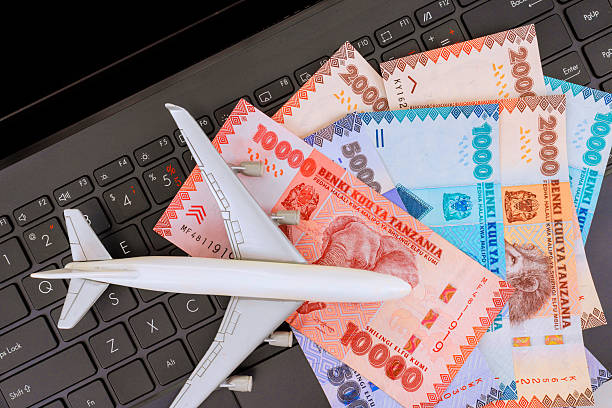
Kilimanjaro Hydration Mistakes Climbers Make And How To Avoid Them 2026-2027
Proper hydration is critical for a successful Kilimanjaro climb. This guide details common hydration mistakes climbers make, from under-drinking to choosing the wrong fluids, and provides...
View package details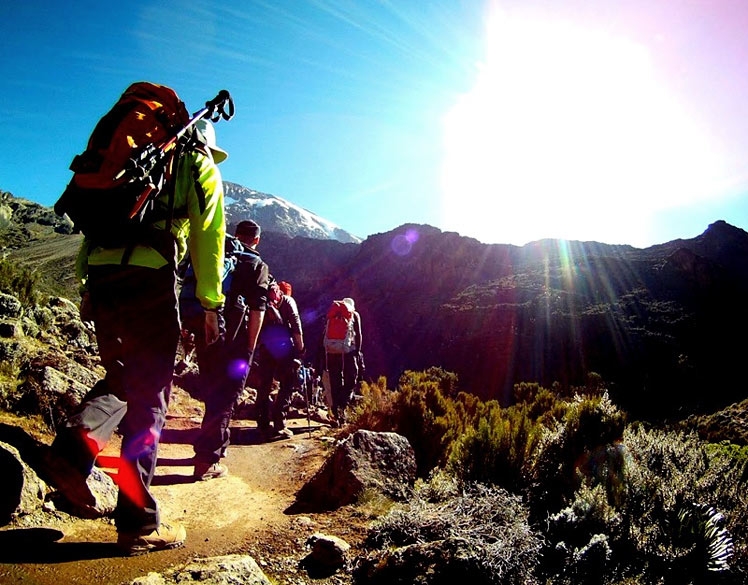
Kilimanjaro Summit-Night Mistakes To Avoid: Your Essential Guide For Climbs
Summit night on Kilimanjaro is the most challenging part of the climb. Avoiding common mistakes in acclimatization, gear, hydration, and pacing is crucial for success. This guide details...
View package details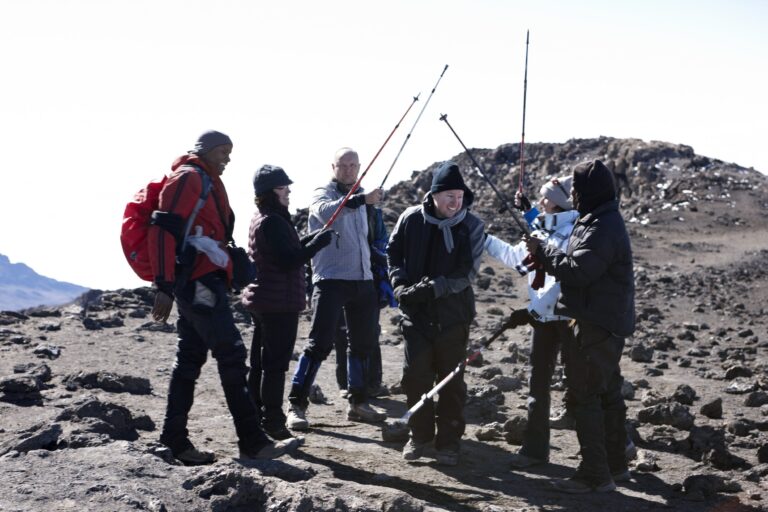
Kilimanjaro Airport Vs Arusha For Climbers: The Definitive Guide 2026-2027
A comprehensive comparison of Kilimanjaro International Airport (JRO) and Arusha Airport (ARK) for trekkers planning a Mount Kilimanjaro climb, detailing pros, cons, and booking advice for...
View package details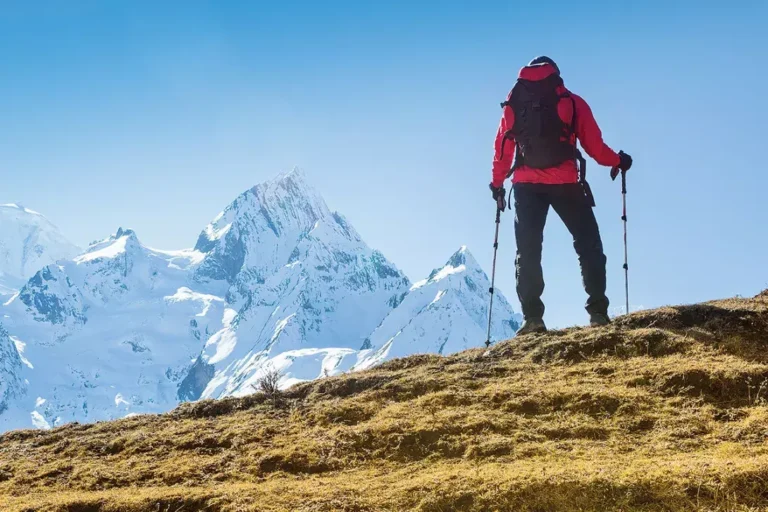
Kilimanjaro Climb For Retired Couples: Planning Your Adventure 2026-2027
Planning a Kilimanjaro climb as a retired couple is an achievable and rewarding goal. This guide offers in-depth advice on route selection, physical preparation, essential gear, and the...
View package details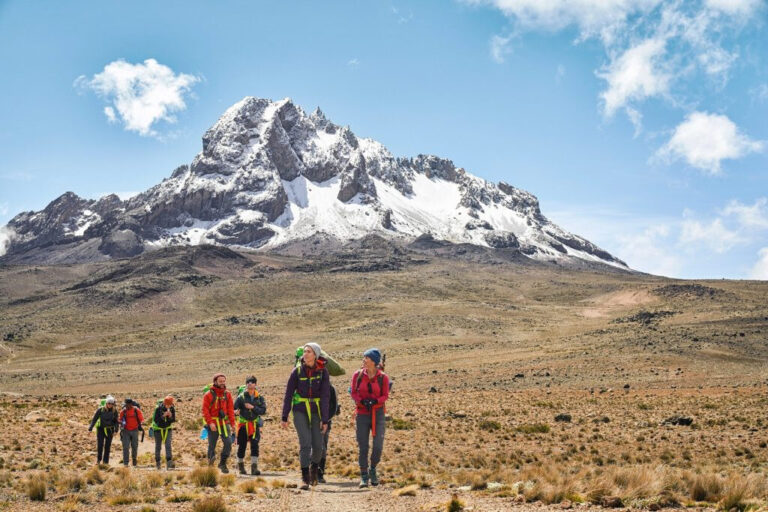
Can A 16-Year-Old Climb Kilimanjaro? Your Essential Guide 2026-2027
Discover if a 16-year-old can summit Kilimanjaro. This comprehensive guide covers age requirements, health, fitness, essential gear, and planning for younger trekkers aiming for Africa's...
View package details
Content For Parents And Young Climbers: Conquering Kilimanjaro Safely
Planning a Kilimanjaro climb with children or as a young climber requires special attention. This guide provides comprehensive content for parents and young adventurers, covering...
View package details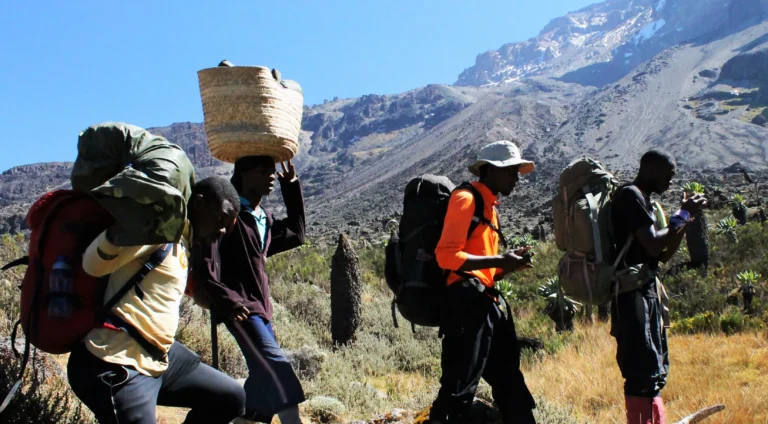
Kilimanjaro Tree-Planting Climbing Package Guide
Combine your dream Kilimanjaro climb with a meaningful conservation effort. Our Kilimanjaro Tree-Planting Climbing Package allows you to ascend Africa's highest peak while actively...
View package details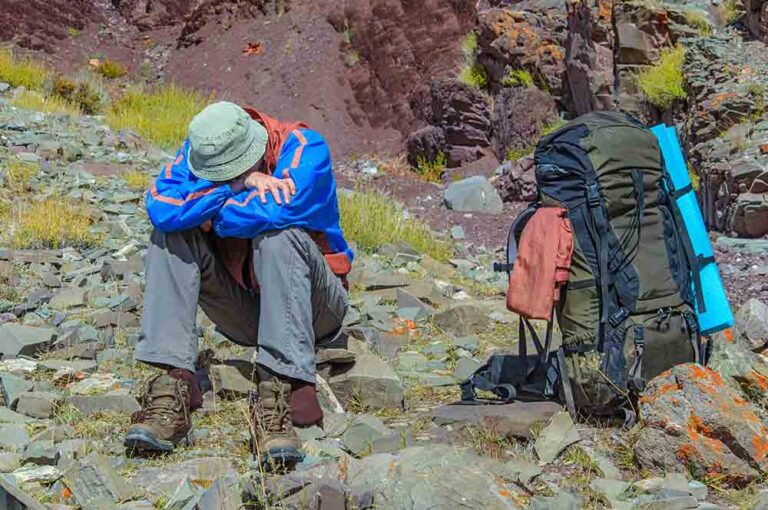
What Happens If It Rains Throughout Your Kilimanjaro Climb? 2026-2027
What Happens If It Rains throughout Your Kilimanjaro Climb? is explained with current 2026-2027 planning, price, itinerary and booking information.
View package details
Kilimanjaro Early-Bird Climbing Discounts For Adventures 2026-2027
Plan your 2026-2027 Kilimanjaro climb and take advantage of early-bird discounts. Top Guide Adventures offers savings for those who book in advance, ensuring a memorable and affordable...
View package details
Kilimanjaro Private Climb Price For One Person: Your Guide 2026-2027
Planning a solo ascent of Mount Kilimanjaro? This guide details the Kilimanjaro private climb price for one person, covering cost factors, inclusions, and essential planning for 2026-2027.
View package details
Kilimanjaro Wellness Retreat For Non-Climbers: Rejuvenate Near Africas
Experience the serene beauty and restorative power of Tanzania without the arduous climb. Our Kilimanjaro wellness retreats for non-climbers offer a unique blend of relaxation, cultural...
View package detailsNo related package matches those filters. Clear one or more filters to see the other topic-matched options.



