
The highest rugby match on Mount Kilimanjaro is a unique and extreme adventure event, typically organized as a charity or record-attempting event rather than a regular sporting fixture, requiring significant mountaineering skill, physical fitness, and logistical planning to execute at the summit or near-summit altitudes of Africa’s highest peak.

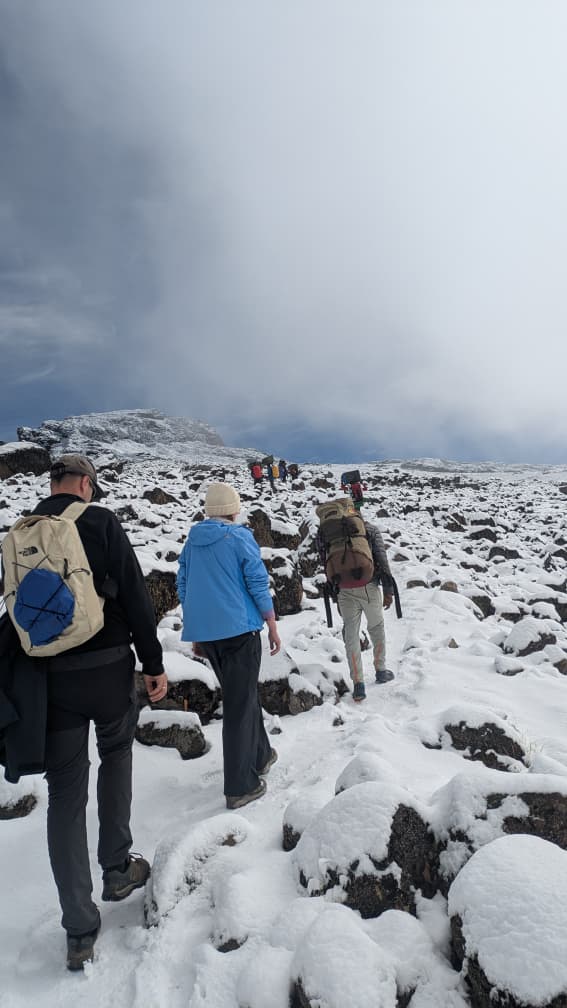
Conquering Africa’s Roof: The Highest Rugby Match on Mount Kilimanjaro
Mount Kilimanjaro, the ‘Roof of Africa,’ stands as a beacon for adventurers worldwide. Its majestic silhouette, often crowned with snow, beckons climbers to test their limits. While the journey to Uhuru Peak is a profound personal achievement for most, a select few have pushed the boundaries of adventure even further by attempting to play a rugby match at its summit. This isn’t your typical rugby encounter; it’s a monumental undertaking that blends the raw challenge of high-altitude mountaineering with the camaraderie and spirit of the sport.
The concept of a highest rugby match on Mount Kilimanjaro is more than just a game; it’s a testament to human endurance, strategic planning, and a shared passion for pushing the envelope. Imagine the scene: a small, specially adapted rugby ball, players clad in extreme cold-weather gear, the thin air biting at their lungs, and a panorama of clouds stretching to the horizon beneath them. This is the ultimate fusion of sport and extreme environment.
For those who dream of participating in such an event, or simply aspire to reach Kilimanjaro’s summit, Top Guide Adventures is your trusted partner. We specialize in creating unforgettable journeys up Kilimanjaro, offering personalized support and expert guidance for every step of your expedition. Whether your goal is to stand at Uhuru Peak or to be part of an extraordinary event like a high-altitude rugby match, we are here to help you plan and execute your adventure for 2026 and 2027.
The Genesis of a High-Altitude Rugby Challenge
The idea of playing sports at extreme altitudes is not new. Mountaineers have long sought ways to mark their ascents with unique achievements. The highest rugby match on Mount Kilimanjaro likely emerged from this spirit of innovation and the desire to create memorable, often charitable, events. Such an endeavor requires meticulous organization, far beyond a standard Kilimanjaro climb.
Typically, these events are not casual kickabouts. They are often organized by specific groups or expeditions with a clear purpose, such as:
- World Records: Aiming to set new records for the highest-altitude rugby game played.
- Charity Fundraisers: Using the unique event to raise significant funds and awareness for charitable causes.
- Team Building/Expedition Goals: A unique challenge for a group of adventurous rugby enthusiasts and climbers.
The logistics involved are staggering. Unlike a standard trek where the focus is solely on reaching the summit safely, a high-altitude rugby match adds layers of complexity:
- Equipment: Specially designed, perhaps slightly deflated, rugby balls that perform better in cold and thin air. Players require full mountaineering gear, plus potentially additional padding or adaptations for the game.
- Team Selection: Participants must be experienced mountaineers capable of reaching the summit and also possess a reasonable level of rugby skill and fitness.
- Safety Protocols: Extreme altitude presents significant risks. Medical teams and acclimatization schedules are paramount. Playing a game introduces additional physical exertion and potential for injury, demanding even more stringent safety measures.
- Location: Identifying a suitable, relatively flat, and safe spot near the summit (like Stella Point or even the crater rim) for the match. The actual summit, Uhuru Peak, is often too small and exposed for such an activity.
For those inspired by the sheer audacity of this concept, Top Guide Adventures can help you plan your Kilimanjaro ascent. While we don’t organize the rugby match itself, we provide the foundation for your adventure, ensuring you reach the heights safely and prepared for any personal challenge you set yourself at the top.
Understanding the Mount Kilimanjaro Expedition Context
Before contemplating a highest rugby match on Mount Kilimanjaro, it’s crucial to understand the mountain itself and the standard trekking experience. Kilimanjaro is not a technical climb, but its altitude presents a significant challenge.
Key Facts about Mount Kilimanjaro:
- Height: 5,895 meters (19,341 feet) above sea level.
- Location: Tanzania, East Africa.
- Type: Dormant volcano.
- Routes: Several routes exist, each with varying difficulty, scenery, and acclimatization profiles. Popular routes include Marangu, Machame, Lemosho, Shira, Rongai, and Northern Circuit.
- Climate: Varies drastically from tropical at the base to arctic at the summit.
The success of any Kilimanjaro climb, let alone an extreme sporting event, hinges on proper acclimatization. This is the process by which your body adapts to the lower oxygen levels at higher altitudes. Rushing the ascent significantly increases the risk of Acute Mountain Sickness (AMS), which can range from mild headaches and nausea to life-threatening conditions like HAPE (High Altitude Pulmonary Edema) and HACE (High Altitude Cerebral Edema).
Acclimatization Principles:
- Go Slow: Ascend gradually, allowing your body time to adjust.
- Climb High, Sleep Low: On some routes, trekkers ascend to a higher point during the day and descend to a lower camp to sleep.
- Hydration: Drink plenty of fluids (water, tea, soup) to help with acclimatization and prevent dehydration.
- Avoid Alcohol and Smoking: These hinder acclimatization.
- Listen to Your Body: Report any symptoms of AMS to your guide immediately.
For a highest rugby match on Mount Kilimanjaro, these principles are amplified. Participants would need to be exceptionally fit and well-acclimatized *before* attempting any strenuous activity like a game at altitude. The event organizers would need to incorporate additional rest days and monitoring into the schedule.
Top Guide Adventures prioritizes safety and acclimatization on all our climbs. We recommend routes that offer the best acclimatization profiles, such as the Machame or Lemosho routes, which typically take 6-7 days. This extended duration is crucial for success and allows the body to adapt more effectively to the extreme environment.
Planning Your Kilimanjaro Ascent for a Unique Challenge in 2026-2027
If the idea of a highest rugby match on Mount Kilimanjaro inspires you, or if you simply want to achieve the incredible feat of reaching Uhuru Peak, meticulous planning is essential. For expeditions planned for 2026 and 2027, starting your preparations now is highly recommended.
Key Planning Considerations:
- Choosing the Right Route: The route you select significantly impacts your acclimatization, scenery, and overall experience. For those considering extreme challenges at the summit, a longer route with better acclimatization is non-negotiable. The Northern Circuit (9 days) and Lemosho (7-8 days) are excellent choices for optimal acclimatization.
- Physical Fitness: Kilimanjaro is a demanding trek. You need excellent cardiovascular fitness and strength. Training should include hiking with a weighted pack, endurance running, and strength training, ideally starting 3-6 months before your climb. For a high-altitude rugby match, your fitness must be exceptional, allowing you to perform both strenuous climbing and exertive play.
- Mental Preparation: High altitude can be mentally taxing. You’ll face cold, discomfort, fatigue, and potential altitude sickness symptoms. Building mental resilience is as important as physical training. The added pressure and unique demands of a rugby match at altitude will test your mental fortitude even further.
- Gear and Equipment: Proper gear is critical for warmth, comfort, and safety. This includes layered clothing, waterproof outerwear, sturdy hiking boots, a warm sleeping bag, and a good headlamp. For a rugby game, additional specific gear might be required, which would need careful consideration and sourcing.
- Choosing a Tour Operator: Selecting a reputable and experienced tour operator is paramount. Top Guide Adventures is committed to providing high-quality expeditions with experienced guides, porters, and cooks, ensuring your safety and comfort. We focus on responsible tourism and ethical treatment of our crew.
- Booking Window: For peak climbing seasons (January-March and June-October), it’s advisable to book your expedition at least 6-12 months in advance, especially for 2026 and 2027, to secure your preferred dates and routes.
Route Options for Optimal Acclimatization
When the goal is to push boundaries at the summit, like playing a highest rugby match on Mount Kilimanjaro, the choice of route becomes even more critical. Routes offering longer durations and better “climb high, sleep low” opportunities are ideal.
| Route | Typical Duration (Days) | Acclimatization Profile | Suitability for Extreme Challenges |
|---|---|---|---|
| Marangu | 5-6 | Moderate; less ideal for acclimatization. | Less recommended for high-altitude sporting events due to shorter duration. |
| Machame | 6-7 | Good; follows ‘climb high, sleep low’ principles. | A solid choice, but longer routes offer superior acclimatization. |
| Lemosho | 7-8 | Excellent; offers a gradual ascent and good acclimatization opportunities. | Highly recommended for participants aiming for summit challenges. |
| Northern Circuit | 8-9 | Excellent; longest route, allowing for the best acclimatization. | Ideal for those needing maximum time to adapt before undertaking strenuous summit activities. |
For an event as demanding as a highest rugby match on Mount Kilimanjaro, the Northern Circuit or a 7-day Lemosho climb would be the minimum recommended duration. These routes ensure that participants are as physiologically prepared as possible for the extreme conditions at Uhuru Peak.
The Practicalities of a High-Altitude Rugby Game
Organizing a rugby match on Kilimanjaro’s summit is a logistical feat. It requires more than just booking a climb; it involves detailed planning for the game itself.
Equipment Considerations for the Summit
A standard rugby ball might not perform optimally in the extreme cold and thin air. Organizers would likely need:
- Specialized Ball: A ball designed for cold weather, potentially with a slightly different grip or material. It might also be slightly under-inflated to prevent it from becoming too hard or unpredictable.
- Player Gear: Full mountaineering attire is essential: thermal base layers, fleece mid-layers, insulated down jackets, waterproof and windproof outer shells, warm hats, gloves (liner and outer), and insulated boots. Some players might opt for additional padding or specialized gear for protection during the game.
- Safety Equipment: Beyond standard mountaineering safety gear, the game would necessitate extra medical supplies, oxygen cylinders, and potentially a dedicated medical team on standby.
The Game Itself: Rules and Adaptations
Playing rugby at nearly 6,000 meters presents unique challenges that would necessitate adaptations:
- Reduced Intensity: Tackling and intense physical contact would likely be minimized or eliminated to reduce the risk of injury and excessive exertion.
- Shorter Game Duration: The game would be significantly shorter than a standard match to manage fatigue and oxygen deprivation.
- Modified Rules: Rules might be adapted to suit the conditions – perhaps fewer players, smaller field of play, or modified scoring.
- Emphasis on Spirit: The focus would undoubtedly be on the spirit of participation, camaraderie, and achieving a unique milestone, rather than competitive play.
Safety First: Managing Risks
The primary concern for any expedition to Kilimanjaro is safety. For a highest rugby match on Mount Kilimanjaro, the risks are amplified:
- Altitude Sickness: The most significant risk. Players must be thoroughly acclimatized and monitored constantly. Any sign of AMS should result in immediate withdrawal from the game and descent.
- Hypothermia and Frostbite: Extreme cold requires constant vigilance regarding gear and body temperature.
- Physical Exertion: Playing a sport at this altitude puts immense strain on the cardiovascular system. Players must be medically cleared and monitored.
- Injury: Falls on uneven or icy terrain, or during play, could lead to injuries that are far more dangerous at altitude.
Top Guide Adventures is deeply committed to the safety of all our climbers. Our guides are trained in wilderness first aid and altitude sickness management. For any specialized event like a high-altitude rugby match, close collaboration with the event organizers and their medical team would be essential, and Top Guide Adventures would ensure our part of the expedition fully supports these safety protocols.
Who Organizes Such Events?
The highest rugby match on Mount Kilimanjaro is typically not something an individual climber decides to do on a whim. These are usually pre-planned, organized events, often with:
- Specialized Adventure Companies: Companies that focus on extreme challenges, record attempts, or large-scale charity expeditions.
- Rugby Unions or Foundations: National or international rugby bodies might organize such events for promotional or charitable purposes.
- Charitable Organizations: Groups seeking unique fundraising opportunities.
While Top Guide Adventures specializes in providing exceptional Kilimanjaro climbing experiences, we can facilitate the logistics for your ascent, supporting your participation in such a pre-arranged event. If you are part of a group planning a record attempt or charity match, contact us to discuss how we can provide a safe and reliable climb to the summit base for your team.
For individuals inspired by this concept who wish to climb Kilimanjaro in 2026 or 2027, we offer a range of standard and private climbs tailored to your needs. You can explore our group departure dates for 2026 and 2027 to find a schedule that suits you:
Kilimanjaro Group Departures 2026-2027
The Journey to the Summit: A Standard Kilimanjaro Climb
Even without a rugby match, climbing Kilimanjaro is an epic adventure. Understanding the standard journey provides context for the extreme nature of a summit game.
Daily Life on the Mountain
A typical Kilimanjaro climb involves:
- Early Starts: Days usually begin early, with breakfast served around 7-8 AM.
- Hiking: Hiking takes place for several hours each day, typically in the morning and early afternoon, with breaks for meals.
- Scenery: Each route offers unique vistas, from lush rainforests to alpine deserts and arctic summit zones.
- Camping: Most routes involve camping in designated campsites. Porters carry the tents, food, and equipment, while cooks prepare nutritious meals.
- Evening Routine: Evenings are spent relaxing, rehydrating, eating dinner, and preparing for the next day. Guides brief the group on the following day’s itinerary and weather.
Summit Night: The Ultimate Challenge
Summit night is the most demanding part of the climb. It typically begins around midnight from the final camp (e.g., Kibo Hut on most routes). Climbers ascend slowly through the night in single file, illuminated by headlamps.
- Steep Ascent: The final ascent is steep and challenging, often on scree or icy terrain.
- Extreme Cold: Temperatures can drop to -15°C (5°F) or lower, with wind chill making it feel even colder.
- Thin Air: Oxygen levels are about half of what they are at sea level, making every step an effort.
- Uhuru Peak: Reaching the summit at sunrise is an emotional and unforgettable moment.
- Descent: After a brief celebration and photos, the descent begins, which is long and can be tiring. Descending rapidly also poses risks if not managed carefully.
For participants in a highest rugby match on Mount Kilimanjaro, summit night would be the final stage of acclimatization before the game, or the game itself might be scheduled for summit day, requiring extraordinary levels of fitness and resilience.
Top Guide Adventures: Your Partner for Kilimanjaro Success
At Top Guide Adventures, we understand that climbing Kilimanjaro is more than just a trek; it’s a life-changing experience. Whether your goal is to reach Uhuru Peak or to be part of an extraordinary event like a summit rugby match, our commitment is to provide you with the best possible support.
Our Commitment to Your Expedition
- Experienced Guides: Our guides are certified, highly experienced, and trained in first aid and altitude management.
- Quality Equipment: We provide high-quality tents, sleeping bags, and cooking gear.
- Nutritious Meals: Our cooks prepare delicious and balanced meals to fuel your climb.
- Ethical Treatment: We are committed to the fair treatment and ethical employment of our porters and crew.
- Safety Focus: Your safety is our top priority. We adhere to strict safety protocols and ensure proper acclimatization.
Planning for 2026-2027 Expeditions
As you plan your Kilimanjaro adventure for 2026 and 2027, consider the unique challenges and rewards of pushing your limits. If you are interested in participating in or organizing a highest rugby match on Mount Kilimanjaro, we can provide the reliable ascent support your team needs. Contact us to discuss your specific requirements and how we can tailor an expedition for your group.
For standard climbs, explore our range of routes and departure dates:
Testimonials and Community
Our clients’ experiences are the heart of Top Guide Adventures. We pride ourselves on providing exceptional service that leads to fulfilling and safe expeditions. While specific testimonials for a highest rugby match on Mount Kilimanjaro are rare due to the event’s unique nature, our clients consistently praise our dedication to their journey.
Read what some of our clients have said about their climbs:
We also invite you to connect with us and our community on social media:
Frequently Asked Questions about Kilimanjaro Challenges
Here are some common questions regarding challenging expeditions on Kilimanjaro:
Q1: Is it possible to play a full rugby match at the summit of Kilimanjaro?
A1: A full, competitive rugby match as played at sea level is highly unlikely and inadvisable due to extreme altitude, cold, and physical demands. However, adapted versions or short games for record attempts or charity events have been organized, focusing on participation and spirit rather than intense play. Safety is the paramount concern, and any such activity requires extensive planning and medical support.
Q2: What are the biggest risks associated with attempting a sport at high altitude?
A2: The primary risks include Acute Mountain Sickness (AMS), HAPE, and HACE, all exacerbated by physical exertion. Other significant risks are hypothermia, frostbite, dehydration, and injuries from falls or exertion in difficult conditions. The thin air severely limits the body’s ability to recover from strenuous activity.
Q3: How can I train for a demanding Kilimanjaro climb and potential summit activity?
A3: Focus on cardiovascular endurance (hiking, running, cycling), strength training (legs, core), and carrying a weighted pack on long hikes. Practice hiking in varied weather conditions. For a summit sporting event, you would need an exceptionally high level of fitness and prior experience with high-altitude trekking. Consulting with a sports physician is recommended.
Q4: What is the best time of year for a challenging Kilimanjaro climb in 2026 or 2027?
A4: The main climbing seasons are January-March and June-October, offering clearer skies and milder temperatures. For challenging expeditions, especially those involving extra activities at the summit, choosing a longer route during these peak seasons maximizes your chances of favorable weather and better acclimatization. Booking well in advance for 2026 and 2027 is essential.
Q5: Can Top Guide Adventures organize a climbing expedition for a group attempting a record or charity event on Kilimanjaro?
A5: Yes, Top Guide Adventures can provide comprehensive climbing support for organized groups aiming for record attempts or charity events, including those considering a highest rugby match on Mount Kilimanjaro. We focus on safe, reliable ascents, ensuring your team reaches the necessary altitudes prepared. We work closely with event organizers to integrate our services with their specific plans.
Preparing for Your Kilimanjaro Adventure with Top Guide Adventures
Whether your ambition is to stand atop Kilimanjaro or to be part of an extraordinary event like a highest rugby match on Mount Kilimanjaro, Top Guide Adventures is dedicated to making your journey safe, successful, and memorable. We handle the complexities of the climb, allowing you to focus on your personal challenge and achievement.
For those planning expeditions in 2026 and 2027, we encourage you to start your planning process early. Contact our team to discuss your goals, choose the best route, and prepare for an adventure that will test your limits and reward you with unparalleled views and experiences.
Ready to take on the ultimate challenge? Reach out to us:
WhatsApp: +255616946642
Email: topguideadventures@gmail.com
Backup Email: info@topguideadventures.com
Visit our website for more information on our services and to explore potential itineraries:
We look forward to helping you achieve your Kilimanjaro dreams in 2026 and 2027!
“,
“faq_schema”: [
{
“question”: “Is it possible to play a full rugby match at the summit of Kilimanjaro?”,
“answer”: “A full, competitive rugby match as played at sea level is highly unlikely and inadvisable due to extreme altitude, cold, and physical demands. However, adapted versions or short games for record attempts or charity events have been organized, focusing on participation and spirit rather than intense play. Safety is the paramount concern, and any such activity requires extensive planning and medical support.”
},
{
“question”: “What are the biggest risks associated with attempting a sport at high altitude?”,
“answer”: “The primary risks include Acute Mountain Sickness (AMS), HAPE, and HACE, all exacerbated by physical exertion. Other significant risks are hypothermia, frostbite, dehydration, and injuries from falls or exertion in difficult conditions. The thin air severely limits the body’s ability to recover from strenuous activity.”
},
{
“question”: “How can I train for a demanding Kilimanjaro climb and potential summit activity?”,
“answer”: “Focus on cardiovascular endurance (hiking, running, cycling), strength training (legs, core), and carrying a weighted pack on long hikes. Practice hiking in varied weather conditions. For a summit sporting event, you would need an exceptionally high level of fitness and prior experience with high-altitude trekking. Consulting with a sports physician is recommended.”
},
{
“question”: “What is the best time of year for a challenging Kilimanjaro climb in 2026 or 2027?”,
“answer”: “The main climbing seasons are January-March and June-October, offering clearer skies and milder temperatures. For challenging expeditions, especially those involving extra activities at the summit, choosing a longer route during these peak seasons maximizes your chances of favorable weather and better acclimatization. Booking well in advance for 2026 and 2027 is essential.”
},
{
“question”: “Can Top Guide Adventures organize a climbing expedition for a group attempting a record or charity event on Kilimanjaro?”,
“answer”: “Yes, Top Guide Adventures can provide comprehensive climbing support for organized groups aiming for record attempts or charity events, including those considering a highest rugby match on Mount Kilimanjaro. We focus on safe, reliable ascents, ensuring your team reaches the necessary altitudes prepared. We work closely with event organizers to integrate our services with their specific plans.”
}
]
}
“`
Check Availability for Highest Rugby Match On Mount Kilimanjaro 2026-2027
Ready to compare dates, prices, and the best option for your group? Send the package name and travel month so the team can reply with a clear quote, availability, and what is included.
What Animals Live On Mount Kilimanjaro? 2026-2027
What Animals Live on Mount Kilimanjaro? is explained with current 2026-2027 planning, price, itinerary and booking information.
View package details
Run The Kilimanjaro Marathon And Climb Mountain 2026-2027
Run the Kilimanjaro Marathon and Climb the Mountain is explained with current 2026-2027 planning, price, itinerary and booking information.
View package details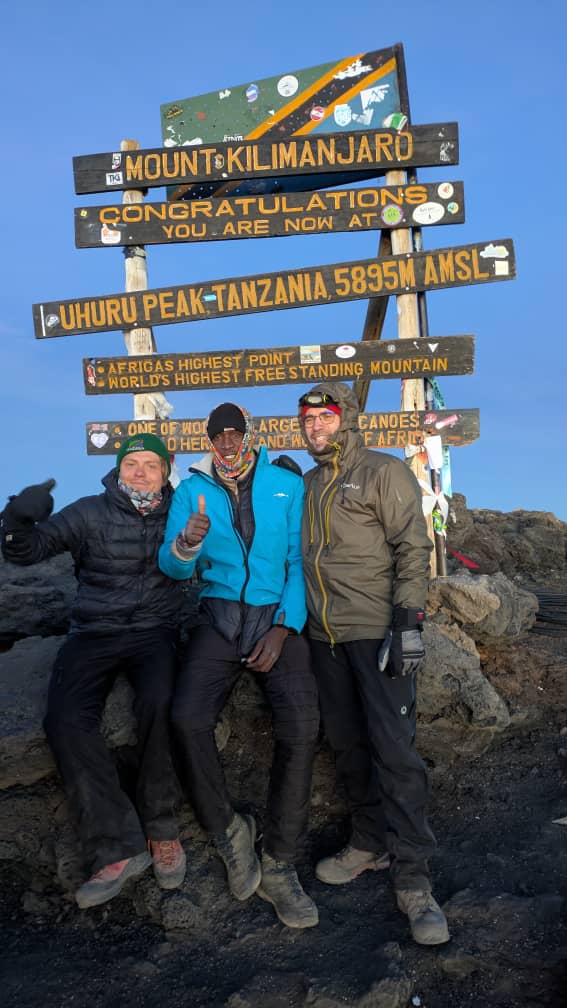
Cycling Around Mount Kilimanjaro Guide
start an extraordinary journey cycling around Mount Kilimanjaro. This guide covers everything from potential routes and the demanding terrain to essential preparation and the best times to...
View package details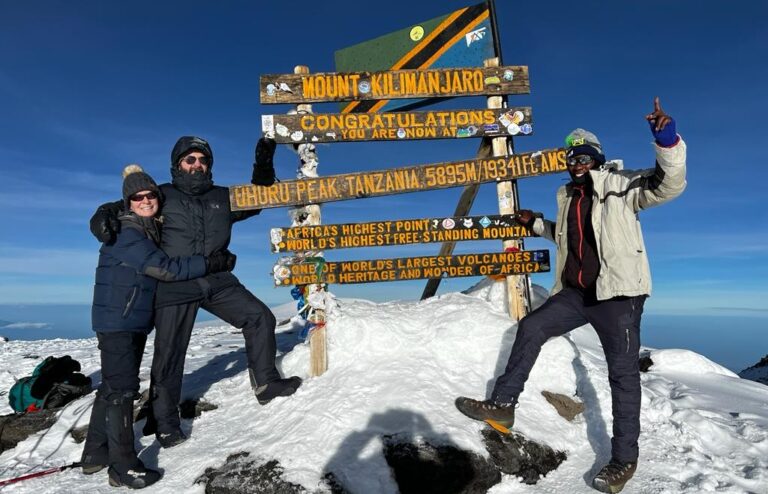
Kilimanjaro Climb With Mount Meru Pre-Acclimatization Guide
Combine a Mount Meru trek with a Kilimanjaro climb for superior acclimatization and a richer Tanzanian adventure. This guide details routes, benefits, planning tips for 2026-2027, and...
View package detailsWhat A Kilimanjaro Mountain Crew Should Provide For Your Climb 2026-2027
Planning a Kilimanjaro climb? Understand precisely what your mountain crew needs to provide, from essential gear and experienced guides to food, safety, and logistical support. This...
View package details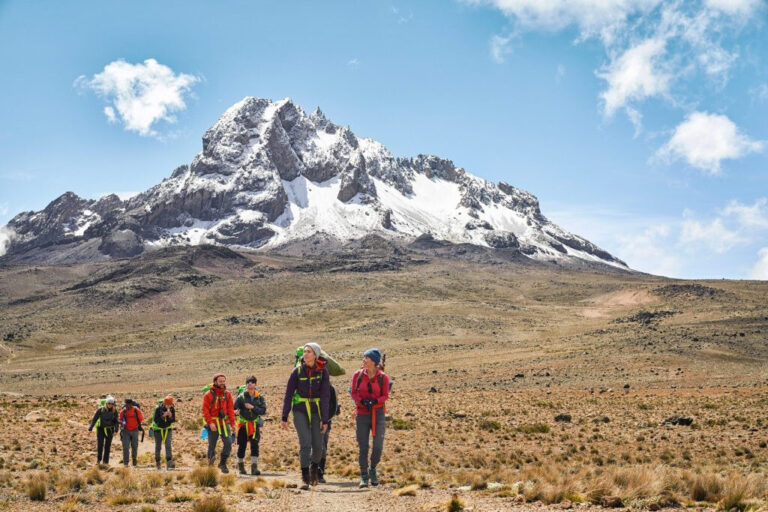
The Truth About Climbing Mount Kilimanjaro 2026-2027
The Truth about Climbing Mount Kilimanjaro is explained with current 2026-2027 planning, price, itinerary and booking information.
View package details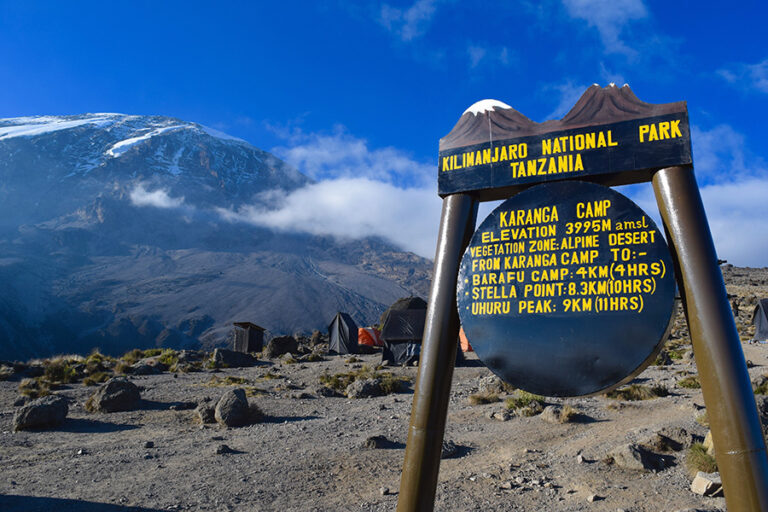
Kilimanjaro Packed Lunch Vs Hot Mountain 2026-2027
Kilimanjaro Packed Lunch vs Hot Mountain Lunch is explained with current 2026-2027 planning, price, itinerary and booking information.
View package details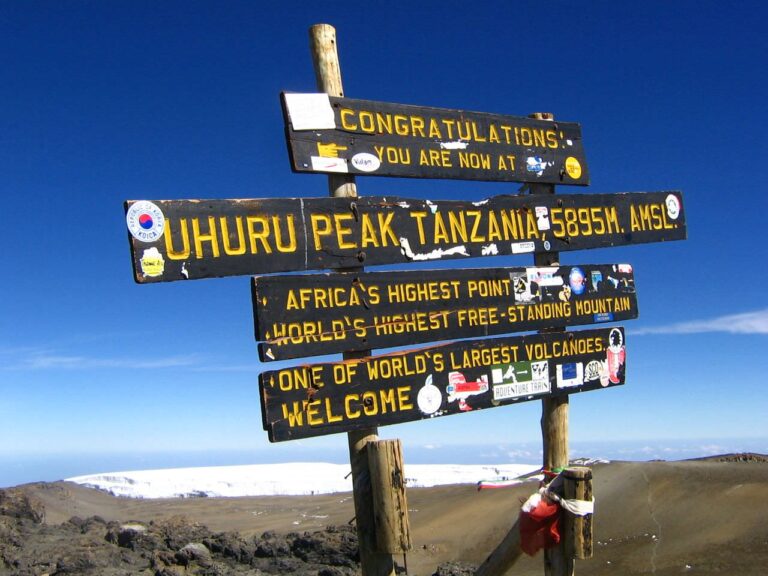
What Does Kilimanjaro Rainforest Look Like? A Trekkers Visual Guide 2026-2027
The Kilimanjaro rainforest is a vibrant, humid zone of dense vegetation, towering trees, and diverse plant life found on the mountain's lower slopes. It's the first major ecosystem trekkers...
View package details
Kilimanjaro Climb With A Personal Support Assistant: Your Ultimate Guide
Climbing Mount Kilimanjaro with a personal support assistant offers unparalleled safety, comfort, and focus on your summit goals. This guide details what a personal assistant entails, its...
View package details
How To Know Whether You Are Ready For Kilimanjaro: A Comprehensive Guide
Climbing Mount Kilimanjaro is a significant undertaking. This guide helps you evaluate your physical, mental, and logistical readiness to ensure a safe and successful trek in 2026 or 2027...
View package detailsKilimanjaro Hydration Mistakes Climbers Make And How To Avoid Them 2026-2027
Proper hydration is critical for a successful Kilimanjaro climb. This guide details common hydration mistakes climbers make, from under-drinking to choosing the wrong fluids, and provides...
View package details
Kilimanjaro Altitude-Sickness Mistakes 2026-2027
Kilimanjaro Altitude-Sickness Mistakes is explained with current 2026-2027 planning, price, itinerary and booking information.
View package detailsNo related package matches those filters. Clear one or more filters to see the other topic-matched options.



