
The best months to photograph Kilimanjaro are typically during the dry seasons: January to March and June to October. These periods offer the clearest skies, minimal rainfall, and the best visibility for capturing the iconic landscapes and summit views of Mount Kilimanjaro, especially for planned climbs and photography expeditions in 2026 and 2027.
Choosing Your Photographic Expedition: The Best Month to Photograph Kilimanjaro
Mount Kilimanjaro, a majestic stratovolcano in Tanzania, stands as a beacon for adventurers and photographers alike. Its snow-capped summit, diverse ecosystems, and the sheer scale of its presence make it a dream subject. For those aiming to capture its grandeur through a lens, timing is everything. Understanding the seasonal nuances of Kilimanjaro is crucial for a successful photographic journey, ensuring you avoid the monsoon rains and maximize your chances of clear, impressive shots. This guide will walk you through the optimal times, helping you plan your expedition for 2026 and 2027.
When considering the best month to photograph Kilimanjaro, we look at several factors: weather patterns, cloud cover, visibility, and the overall photographic opportunities each season presents. While Kilimanjaro can be climbed year-round, certain months are far superior for photography due to more stable and predictable weather conditions.
Understanding Kilimanjaro’s Climate for Photographers
Kilimanjaro’s climate is not uniform; it varies significantly with altitude and season. The mountain has distinct microclimates, ranging from the warm, cultivated lowlands to the arctic conditions near the summit. Understanding these zones is key:
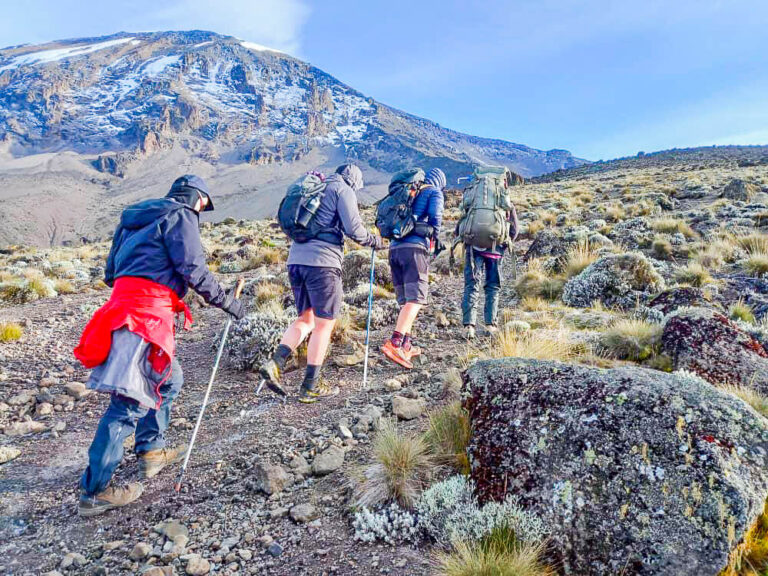
- Rainforest Zone (1,800m – 2,800m): This lower belt is characterized by high humidity and significant rainfall, especially during the wet seasons. Mist and clouds are common, which can add a dramatic, moody feel to photos but can also obscure views.
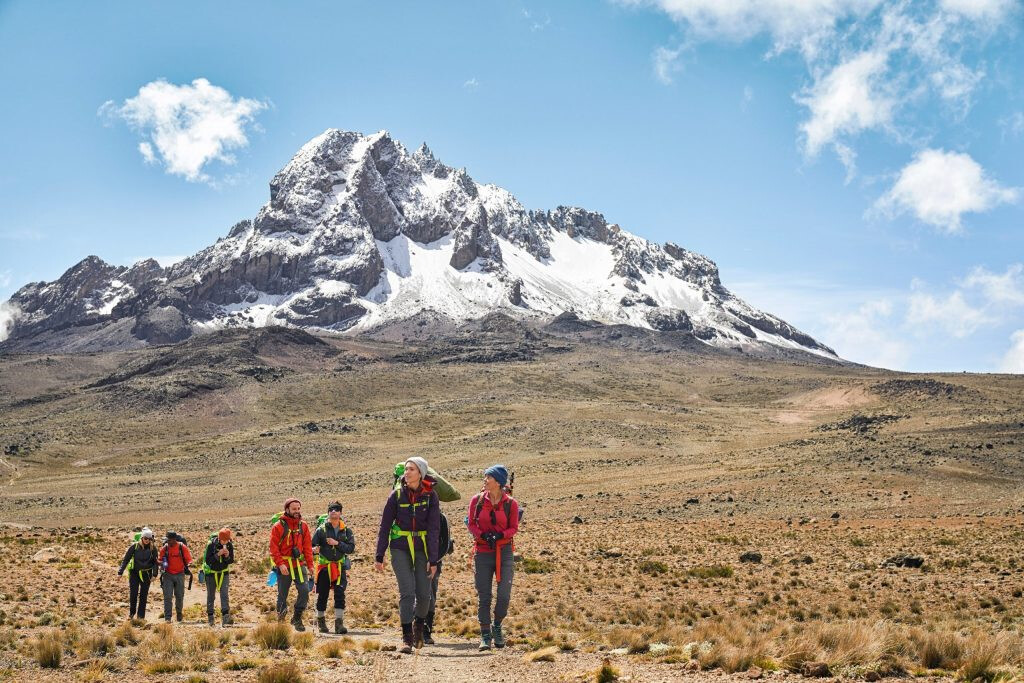
- Moorland Zone (2,800m – 4,000m): As you ascend, the vegetation thins, and the weather becomes cooler and drier. This zone offers more open vistas.
- Alpine Desert Zone (4,000m – 5,000m): This is a harsh, arid environment with sparse vegetation. Days can be sunny and warm, but nights are freezing. Visibility is generally good here.
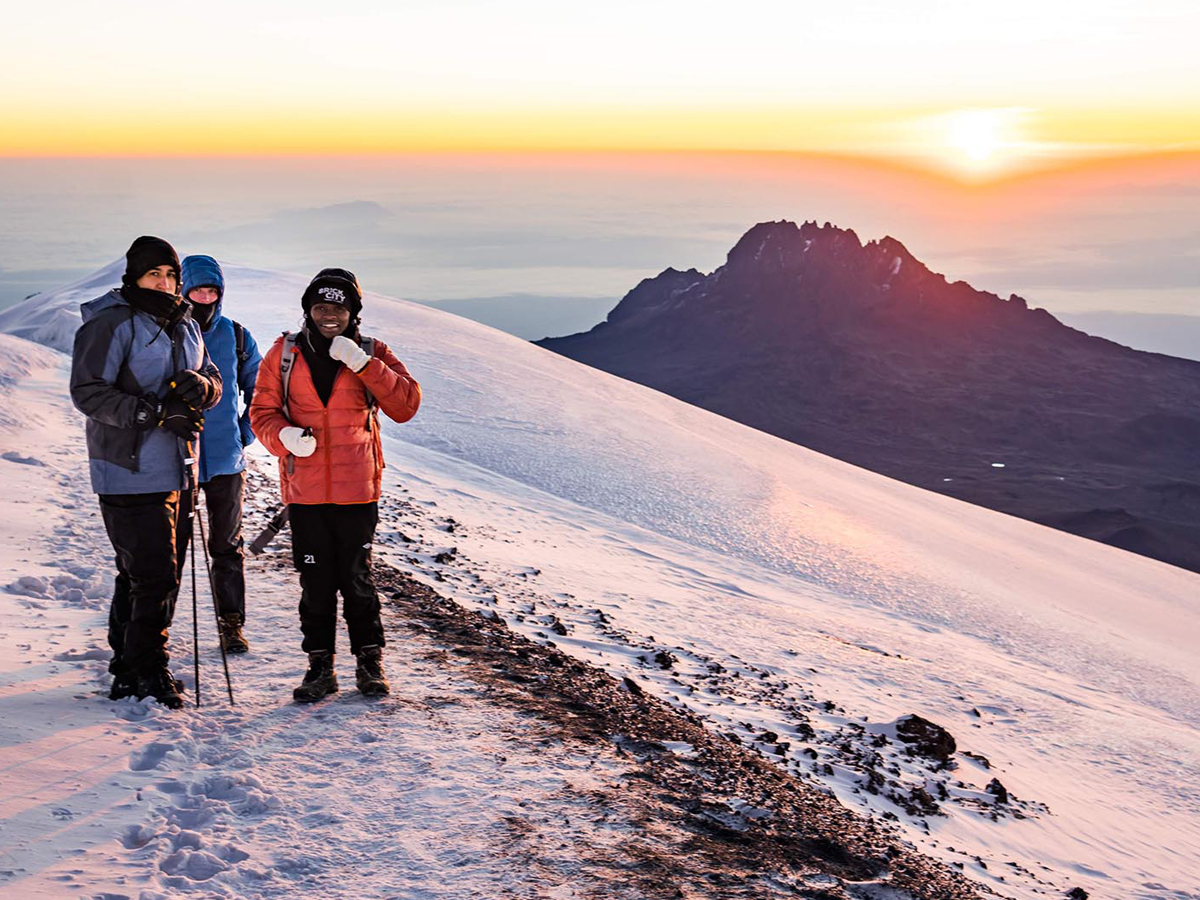
- Arctic Zone (Above 5,000m): The summit region, including Uhuru Peak, Stella Point, and Gilman’s Point, is characterized by extreme cold, strong winds, and the iconic glaciers and snowfields.
The primary concern for photographers is precipitation and cloud cover. Heavy rains can make trekking difficult and obscure the mountain’s features. Clouds can hide the summit entirely or create dramatic, but sometimes limiting, photographic conditions.
The Two Dry Seasons: Prime Time for Kilimanjaro Photography
Kilimanjaro experiences two distinct dry seasons, each offering unique advantages for photographers. These are the periods when the likelihood of clear skies and unobstructed views is highest.
January to March: The Early Dry Season
This period marks the first major dry season of the year. Following the short rains in November and December, the landscape is often lush and vibrant. It’s an excellent time for photographers seeking rich colors and clear views.
- Weather: Generally sunny days with cooler temperatures compared to the later dry season. Rainfall is minimal, though occasional showers can occur, especially in the lower rainforest zone. The air is often crisp and clear.
- Visibility: Excellent. You can expect clear views of the summit and surrounding plains. The glaciers at the summit are typically in good condition.
- Crowds: Moderate. It’s a popular trekking period but generally less crowded than the peak season later in the year. This means more opportunities for unobstructed shots without numerous other trekkers in the frame.
- Photographic Opportunities: The clear skies provide fantastic opportunities for dramatic sunrise and sunset shots over the African continent. The lush vegetation in the rainforest zone offers beautiful foregrounds. The summit glaciers are often pristine.
- Challenges: While dry, temperatures can be quite cold, especially at higher altitudes and during the nights. The sun can be intense during the day.
For photographers looking for vibrant greens after the short rains and consistently clear skies, January and February are often considered among the best months to photograph Kilimanjaro. March starts to see a slight increase in cloud cover as the long rains approach, but it remains a very viable month.
June to October: The Peak Dry Season
This is widely regarded as the absolute peak season for climbing Kilimanjaro, and for good reason. It offers the most stable and driest weather conditions of the year.
- Weather: These months are characterized by very little rainfall, sunny days, and cooler temperatures. The air is typically very dry and clear.
- Visibility: Outstanding. This is when you have the highest probability of experiencing consistently clear views of the summit, Kibo crater, and the expansive vistas from higher camps. The glaciers are usually well-formed and visible.
- Crowds: High. As this is the most popular time to climb, expect more trekkers on the popular routes. This requires patience and strategic timing for photos. Booking well in advance for 2026 and 2027 expeditions is essential.
- Photographic Opportunities: The long, clear days are perfect for capturing the dramatic landscapes, from the volcanic craters to the glacial ice. Sunrise and sunset shots are spectacular. The clear air allows for incredible panoramic views.
- Challenges: The cooler temperatures can be extreme, especially at night and on summit day. The high season also means more competition for photo spots and potentially more people in your shots.
June, July, August, and September are often cited as the best months to photograph Kilimanjaro due to their consistent dryness and clarity. October remains excellent, though you might see a slight increase in cloud cover towards the end of the month as the short rains begin.
Peak Season Photography Strategy (June-October)
While the peak season offers the best weather, it also brings the most trekkers. To maximize your photographic opportunities and minimize crowds in your shots during June, July, August, September, and October 2026-2027, consider:
- Early starts: Be up before dawn to capture the first light and serene landscapes before others are on the move.
- Slower pace: If your itinerary allows, choose a longer trek duration (e.g., 8-day routes) to acclimatize better and have more time for photography during the day.
- Off-peak hours: Use the moments around sunrise and sunset when many trekkers are resting or in their tents for more solitary shots.
- Focus on details: Look for unique flora, fauna, geological formations, and the textures of the mountain itself.
The Shoulder Seasons: Balancing Weather and Crowds
Beyond the prime dry seasons, the shoulder months can offer a compelling compromise for photographers seeking fewer crowds and decent weather.
April and May: The Long Rains
These months are characterized by the heaviest rainfall on Kilimanjaro. While not ideal for summit attempts or general trekking, they can offer unique photographic opportunities for the intrepid.
- Weather: High humidity, frequent and heavy downpours, especially in the afternoons. Mist and fog are prevalent, which can create a very moody and atmospheric environment.
- Visibility: Often poor, with significant cloud cover obscuring the upper reaches of the mountain.
- Crowds: Very low. You’ll likely have the trails almost to yourself.
- Photographic Opportunities: The rainforest is incredibly lush and vibrant. The mist can create dramatic, ethereal landscapes, especially in the lower zones. If you’re aiming for abstract or moody nature photography, this period might appeal. However, summit success rates are lower, and clear views of the peak are rare.
- Challenges: Trekking can be difficult and muddy. Visibility is a major issue for capturing the grand scale of Kilimanjaro. Summit attempts are strongly discouraged.
For most photographers, April and May are not the best months to photograph Kilimanjaro if the goal is to capture the iconic summit and expansive views. However, if you are interested in the vibrant, mist-shrouded rainforest ecosystem, they can be unique.
November and December: The Short Rains
This period sees the arrival of shorter, less intense rains. It’s a transition month, offering a mix of conditions.
- Weather: Intermittent showers, often in the afternoon. Mornings can be clear and sunny, but cloud build-up is common. Temperatures are generally mild.
- Visibility: Variable. Mornings often offer good visibility, but clouds can roll in quickly. The landscape starts to green up after the rains.
- Crowds: Moderate. It’s less crowded than the peak dry season but busier than the long rains.
- Photographic Opportunities: You can get good shots, especially in the mornings. The post-rain greenery can be beautiful. There’s a chance of dramatic cloud formations.
- Challenges: The unpredictability of the rain means you might miss key photographic moments. Muddy trails can be a factor.
November and December can be viable for photographers who are flexible and patient, potentially offering a good balance between fewer crowds and decent photographic conditions, especially if focusing on the lower mountain landscapes. However, they are generally not considered the best months to photograph Kilimanjaro for guaranteed summit views.
Kilimanjaro Photography Trip Planning: 2026-2027 Considerations
When planning your photographic adventure to Kilimanjaro for 2026 or 2027, consider the following:
- Route Choice: Some routes (e.g., Lemosho, Machame) offer more scenic diversity and better acclimatization, providing more photographic opportunities.
- Duration: Longer treks (7-9 days) allow for better acclimatization, more flexibility for photography, and less rushing.
- Guides and Support: A reputable operator will have experienced guides who understand photographic needs, including timing for optimal light and finding unique vantage points.
- Gear: Pack appropriate camera gear, lenses, tripods, and protective covers for varying weather conditions.
- Permits and Fees: Factor in park entry fees, camping fees, and crew wages. Prices can fluctuate annually, so confirm for 2026-2027.
Top Guide Adventures specializes in creating tailored Kilimanjaro climbing experiences, including those focused on photography. We can help you select the best route, duration, and timing for your 2026-2027 photographic goals.
Route Considerations for Photographers
The route you choose significantly impacts the photographic experience. Some routes offer more dramatic scenery, better acclimatization profiles (leading to more energy for photography), and different vantage points.
- Machame Route: Popular for its scenic beauty and good acclimatization profile. It offers stunning views as it winds through diverse vegetation zones and offers excellent opportunities for sunset and sunrise shots from its camps. This is a strong contender for the best month to photograph Kilimanjaro when combined with the right timing.
- Lemosho Route: Known for its beauty and remoteness, Lemosho is often considered one of the most scenic routes. It provides excellent acclimatization and impressive panoramas, especially in the early days traversing the Shira Plateau. Its longer duration (7-8 days) allows ample time for capturing the mountain’s grandeur.
- Northern Circuit: The longest route, offering the most comprehensive acclimatization and arguably the best chance of summit success. It circles the mountain, providing unique perspectives and fewer crowds, making it ideal for dedicated photographers wanting a more in-depth experience.
- Marangu Route: The “Coca-Cola” route, known for its hut accommodations. While faster and more accessible, it offers less scenic diversity and poorer acclimatization compared to other routes. Photography opportunities are more limited due to the direct ascent.
- Rongai Route: Approaches from the north, offering a different perspective and often drier conditions, especially during the rainy seasons. It’s a good option if you’re climbing during the shoulder months and want a higher chance of clear skies.
For photographers, routes like Lemosho and the Northern Circuit are often preferred due to their scenic diversity and slower ascent profiles, allowing more time to appreciate and capture the changing landscapes. When these routes are combined with the dry seasons (January-March and June-October), you significantly increase your chances of capturing the best month to photograph Kilimanjaro.
Specific Photographic Opportunities by Month
Let’s break down what you can expect photographically month by month, keeping in mind the general patterns.
January: Crisp Air and Summit Glories
Often considered one of the best months to photograph Kilimanjaro. The post-Christmas crowds have dispersed, leaving trails less congested. The air is typically very clear after the short rains, offering sharp views of the summit and surrounding plains. Glaciers are usually in excellent condition.
February: Peak Dry Season Bliss
A prime month. Weather is consistently dry and sunny. Visibility is excellent, making it perfect for capturing the dramatic contours of the mountain and the expansive African sky. Temperatures are cooler, which aids in clear air.
March: Transition to Greener Landscapes
Still within the dry season, March offers great photographic conditions. The landscape, particularly in the lower rainforest zones, can be exceptionally green and vibrant. While it’s still a top month, there’s a slight increase in cloud potential as the long rains approach.
April & May: The Rainforest’s Moody Embrace
These are the wettest months. Mist, fog, and heavy rain are common. While summit views are unlikely, the rainforest becomes incredibly lush, and the persistent mist can create atmospheric, moody, and unique photographic scenes if you focus on the lower mountain’s ecosystem.
June: The Start of the Dry Season Grandeur
Marks the beginning of the longer, drier season. The weather is stable, with low humidity and clear skies. It’s a fantastic month for photography, offering excellent visibility and fewer crowds than the peak summer months.
July & August: High Season Clarity
These are arguably the best months to photograph Kilimanjaro for guaranteed clear skies and stunning visibility. The air is crisp, temperatures are cool, and the landscapes are starkly beautiful. Be prepared for more trekkers on the popular routes.
September: Late Dry Season Perfection
Continues the excellent conditions of the dry season. Visibility remains high, and the cooler temperatures persist. It’s a great time to capture the mountain’s grandeur before the short rains begin.
October: A Hint of Change
Still a very good month for photography, offering clear views and dry conditions. However, towards the end of October, the short rains might begin to influence the weather, with a slight increase in cloud cover possible.
November & December: The Short Rains’ Promise
These months can be unpredictable. Mornings often provide good photographic opportunities with clear skies, but afternoons are prone to showers. The landscape starts to re-green. It’s a shoulder season that can reward patient photographers.
Key Factors for the Best Kilimanjaro Photography Months (2026-2027)
- Clear Skies: Essential for summit views and panoramic shots.
- Low Cloud Cover: Minimizes obstructions of the mountain’s iconic features.
- Minimal Rainfall: Ensures comfortable trekking and protects equipment.
- Good Visibility: Allows for sharp, detailed photographs of the landscape.
- Pleasant Temperatures: While cold at the summit, milder temperatures at lower and mid-altitudes enhance the trekking experience.
- Lush Vegetation (optional): For foreground interest, post-rain periods can be beneficial.
- Fewer Crowds (optional): For a more serene photographic experience.
Beyond the Weather: Other Photographic Considerations
While weather is paramount, other elements contribute to a photographer’s success on Kilimanjaro.
Light and Time of Day
The “golden hours” – shortly after sunrise and before sunset – offer the most dramatic and flattering light. Summiting for sunrise is a classic Kilimanjaro experience, and photographers will find the soft, warm light spectacular. Midday sun can be harsh and create strong contrasts, but it also provides excellent clarity for geological details.
Atmospheric Conditions
Sometimes, even during the dry season, haze can affect distant views. However, Kilimanjaro’s altitude and the clarity of the dry season air usually minimize this. Mist and fog, while challenging for summit shots, can create uniquely atmospheric scenes in the lower rainforest zones.
Summit Glaciers
The iconic glaciers of Kilimanjaro are a major draw for photographers. While they have been receding due to climate change, they remain a significant feature. The dry seasons offer the best chance to see them clearly, especially the iconic ice cliffs near Uhuru Peak.
Wildlife and Flora
While not a primary focus for most Kilimanjaro photographers, the mountain’s diverse ecosystems host unique flora and fauna. The rainforest zone, in particular, can offer opportunities to photograph monkeys, various bird species, and unique plants like giant groundsels and lobelias. These are best captured during the wetter periods when vegetation is at its most vibrant, but require careful timing to avoid heavy rain.
Planning Your 2026-2027 Kilimanjaro Photography Trip
Making the most of your photographic journey requires careful planning. Here’s how to ensure you select the best month to photograph Kilimanjaro and are well-prepared.
Booking Your Expedition
For popular months like July, August, and September, and even January and February, booking your 2026 or 2027 expedition at least 6-12 months in advance is highly recommended. This secures your spot on the mountain and with your chosen tour operator.
Top Guide Adventures offers expert guidance on selecting the ideal time for your photographic expedition. Our team can advise on the best routes and departure dates for 2026 and 2027 to match your photographic goals. You can reach us via WhatsApp at +255616946642 or email us at topguideadventures@gmail.com or info@topguideadventures.com.
Gear Recommendations for Photographers
Packing the right gear is crucial for capturing stunning images and protecting your equipment:
- Camera Body: A reliable DSLR or mirrorless camera. Consider a backup body if possible.
- Lenses: A versatile zoom lens (e.g., 24-70mm or 24-105mm) for general landscapes and a wide-angle lens (e.g., 16-35mm) for expansive views. A telephoto lens (e.g., 70-200mm) can be useful for compressing scenes or capturing distant details.
- Tripod: Essential for low-light conditions (sunrise/sunset) and for sharp landscape shots. Choose a lightweight but sturdy travel tripod.
- Filters: Polarizing filters can enhance skies and reduce glare. Neutral density filters can be useful for long exposures in bright conditions.
- Batteries: Carry multiple spare batteries. Cold temperatures drain them quickly. Keep them warm in an inside pocket.
- Memory Cards: Ample storage for high-resolution images.
- Rain Protection: Waterproof camera covers or bags are non-negotiable, even in dry seasons, as conditions can change rapidly.
- Cleaning Kit: Lens cloths, blower, and cleaning solution.
- Power Bank: For charging devices, especially during multi-day treks.
Altitude and Photography
Altitude sickness can significantly impact your ability to take photos. Proper acclimatization is key. Choosing a longer route and ascending slowly allows you to feel better and have more energy and mental clarity for photography. Summit day is particularly challenging; prioritize safety and your own well-being over capturing every shot. Often, the views from camps and along the trail are just as spectacular, if not more so, than the fleeting moments at the summit.
Expert Tip for 2026-2027 Kilimanjaro Photographers
Don’t just focus on the summit. The journey itself offers incredible photographic diversity. Capture the changing vegetation, the unique geological formations, the camaraderie of your trekking group, and the impressive panoramas from the various camps. The moments of quiet reflection during sunrise or sunset from a high camp can be as memorable and photogenic as any summit view. For the best month to photograph Kilimanjaro, aim for the dry seasons while considering the specific light and atmospheric conditions each month offers.
Conclusion: Your Perfect Kilimanjaro Photography Window
In summary, if your primary goal is to capture stunning, clear images of Mount Kilimanjaro, particularly its summit and expansive landscapes, the best months to photograph Kilimanjaro are within the two dry seasons: January to March and June to October. Within these periods, July, August, and September often provide the most consistently clear and dry conditions, making them top choices for photographers planning expeditions for 2026 and 2027.
However, the ‘best’ month can also depend on your specific photographic interests. If you seek dramatic, misty rainforests, the shoulder months might offer unique opportunities, albeit with significantly lower chances of summit visibility. For most, the goal is clear views, and the dry seasons deliver this reliably.
When planning your 2026-2027 photographic adventure, remember that factors beyond just the month – like route choice, trek duration, and the expertise of your tour operator – play a critical role. Top Guide Adventures is dedicated to helping you craft the perfect Kilimanjaro experience, ensuring you have the best possible conditions and support to capture unforgettable images of this magnificent mountain.
Ready to plan your 2026 or 2027 Kilimanjaro photography trip? Contact us today for personalized advice and booking assistance. Reach out via WhatsApp +255616946642, email topguideadventures@gmail.com or info@topguideadventures.com. Let’s capture Kilimanjaro’s magic together!
“,
“faq_schema”: [
{
“question”: “When is the absolute best time of year to photograph Kilimanjaro?”,
“answer”: “The absolute best time to photograph Kilimanjaro is during the dry seasons, specifically from January to March and June to October. These periods offer the clearest skies and lowest rainfall, maximizing visibility for capturing the mountain’s summit and landscapes.”
},
{
“question”: “Are there specific months within the dry season that are better for photography?”,
“answer”: “Yes, July, August, and September are often considered peak months within the dry season for photography due to their exceptionally clear and stable weather. January and February are also excellent choices. These months offer the highest probability of unobstructed views and excellent photographic conditions for your 2026-2027 trip.”
},
{
“question”: “What are the photographic conditions like during Kilimanjaro’s rainy seasons?”,
“answer”: “Kilimanjaro’s rainy seasons (April-May and November-December) present challenges for photography. Heavy rains, mist, and cloud cover are common, significantly reducing visibility of the summit and upper mountain. While the rainforest can be lush and atmospheric, clear, expansive views are rare. These months are generally not considered the best for capturing iconic Kilimanjaro imagery.”
},
{
“question”: “How do crowds affect photography on Kilimanjaro, and when are they lowest?”,
“answer”: “Crowds are highest during the peak dry season (June-September). While this offers the best weather, it can mean more trekkers in your photos. For fewer crowds, consider the shoulder months (late March, October, November, December) or the early dry season (January-February). However, balance crowd levels with weather predictability when choosing the best month to photograph Kilimanjaro.”
},
{
“question”: “Which Kilimanjaro routes offer the best photographic opportunities?”,
“answer”: “Routes like Lemosho, Machame, and the Northern Circuit are highly recommended for photographers due to their scenic diversity, varied landscapes, and better acclimatization profiles, which allow more time and energy for photography. These routes provide more vantage points and photographic subjects throughout the trek.”
},
{
“question”: “What essential photography gear should I bring for a Kilimanjaro climb in 2026-2027?”,
“answer”: “For a Kilimanjaro photography trip in 2026-2027, bring a reliable camera, versatile lenses (wide-angle and zoom), a sturdy tripod, spare batteries (kept warm), ample memory cards, and robust rain protection for your gear. A polarizing filter can also enhance landscape shots. Prioritize lightweight, durable equipment.”
},
{
“question”: “Can I plan a Kilimanjaro photography trip for 2026 or 2027?”,
“answer”: “Yes, planning a Kilimanjaro photography trip for 2026 or 2027 is highly recommended, especially if you aim for the popular dry seasons. Booking 6-12 months in advance is advised to secure your preferred dates and routes. Top Guide Adventures can assist with planning your 2026-2027 expedition.”
}
]
}
“`
Check Availability for Best Month To Photograph Kilimanjaro 2026-2027
Ready to compare dates, prices, and the best option for your group? Send the package name and travel month so the team can reply with a clear quote, availability, and what is included.
Cheapest Month To Climb Kilimanjaro 2026-2027
Cheapest Month to Climb Kilimanjaro is explained with current 2026-2027 planning, price, itinerary and booking information.
View package details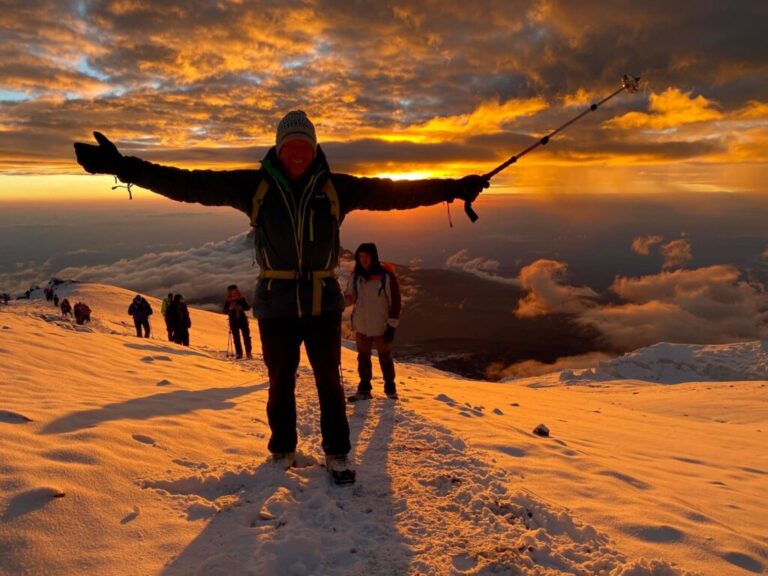
Kilimanjaro Climb With Professional Photography Support In | Top Guide
Elevate your Kilimanjaro ascent by including professional photography services. Top Guide Adventures ensures your most challenging and rewarding moments on Africa's highest peak are...
View package details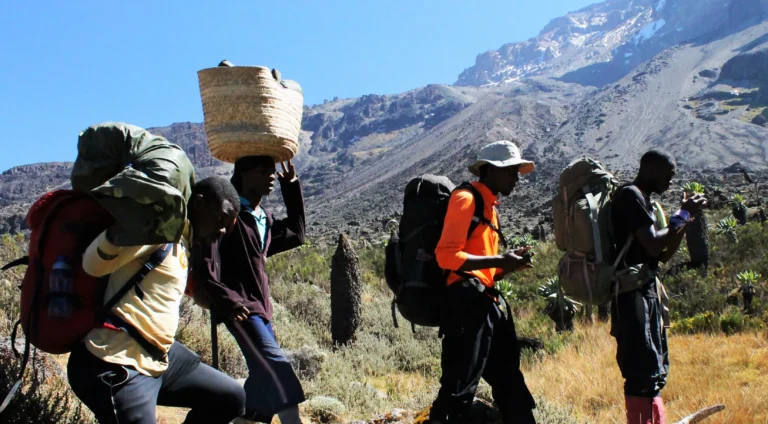
Kilimanjaro Photography Mistakes At High Altitude 2026-2027
Kilimanjaro Photography Mistakes at High Altitude is explained with current 2026-2027 planning, price, itinerary and booking information.
View package details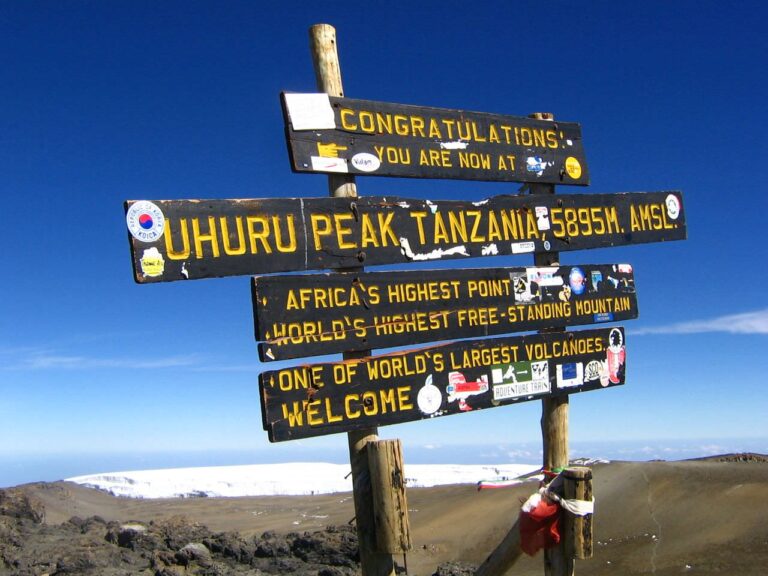
What Does Kilimanjaro Rainforest Look Like? A Trekkers Visual Guide 2026-2027
The Kilimanjaro rainforest is a vibrant, humid zone of dense vegetation, towering trees, and diverse plant life found on the mountain's lower slopes. It's the first major ecosystem trekkers...
View package details
Kilimanjaro Climb With A Personal Support Assistant: Your Ultimate Guide
Climbing Mount Kilimanjaro with a personal support assistant offers unparalleled safety, comfort, and focus on your summit goals. This guide details what a personal assistant entails, its...
View package detailsHow To Know Whether You Are Ready For Kilimanjaro: A Comprehensive Guide
Climbing Mount Kilimanjaro is a significant undertaking. This guide helps you evaluate your physical, mental, and logistical readiness to ensure a safe and successful trek in 2026 or 2027...
View package details
Kilimanjaro Hydration Mistakes Climbers Make And How To Avoid Them 2026-2027
Proper hydration is critical for a successful Kilimanjaro climb. This guide details common hydration mistakes climbers make, from under-drinking to choosing the wrong fluids, and provides...
View package details
Kilimanjaro Altitude-Sickness Mistakes 2026-2027
Kilimanjaro Altitude-Sickness Mistakes is explained with current 2026-2027 planning, price, itinerary and booking information.
View package details
Kilimanjaro Summit-Night Mistakes To Avoid: Your Essential Guide For Climbs
Summit night on Kilimanjaro is the most challenging part of the climb. Avoiding common mistakes in acclimatization, gear, hydration, and pacing is crucial for success. This guide details...
View package details
Kilimanjaro Training Mistakes That Reduce Summit Success 2026-2027
Kilimanjaro Training Mistakes that Reduce Summit Success is explained with current 2026-2027 planning, price, itinerary and booking information.
View package details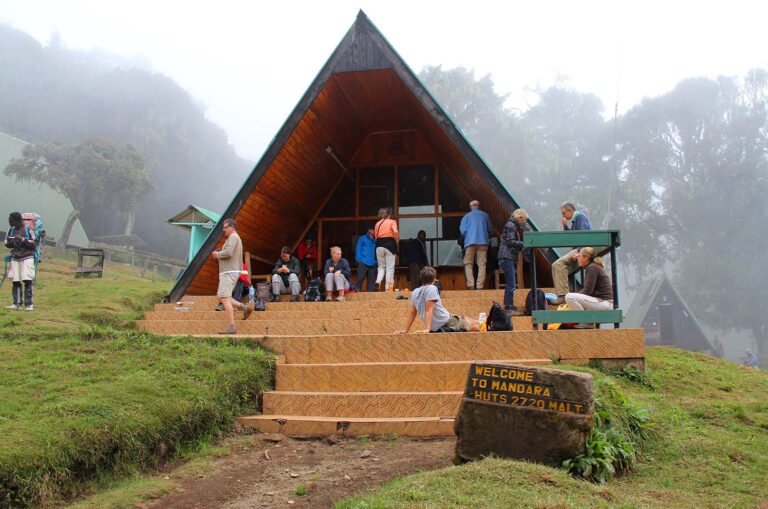
Kilimanjaro Personal Porter Vs Standard Support 2026-2027
Kilimanjaro Personal Porter vs Standard Porter Support is explained with current 2026-2027 planning, price, itinerary and booking information.
View package details
Kilimanjaro Airport Vs Arusha For Climbers: The Definitive Guide 2026-2027
A comprehensive comparison of Kilimanjaro International Airport (JRO) and Arusha Airport (ARK) for trekkers planning a Mount Kilimanjaro climb, detailing pros, cons, and booking advice for...
View package detailsNo related package matches those filters. Clear one or more filters to see the other topic-matched options.



