
A Kilimanjaro hiking and cycling combination tour offers an unparalleled way to experience Tanzania’s diverse landscapes, blending the challenge of summiting Africa’s highest peak with the freedom of exploring its foothills and surrounding areas on two wheels. These unique expeditions typically involve cycling through scenic rural areas and national parks before embarking on a multi-day trek up Mount Kilimanjaro, often spanning 7 to 12 days for the combined adventure, with costs varying widely based on itinerary, inclusions, and group size for 2026-2027 departures.
Understanding the Kilimanjaro Hiking and Cycling Combination Tour
The allure of Mount Kilimanjaro is undeniable. Its status as the ‘Roof of Africa’ draws thousands of adventurers annually. However, for those seeking a more profound connection with the region, a Kilimanjaro hiking and cycling combination tour presents an extraordinary opportunity to go beyond the typical climb. This integrated approach allows you to engage with the local culture, witness varied ecosystems, and build physical conditioning through cycling before the demanding ascent.
This type of tour is designed for the adventurous spirit, the traveler who wants to see and do more. It’s about maximizing your time in Tanzania, experiencing its natural beauty from different perspectives – the dusty tracks and vibrant villages from a bicycle, and the awe-inspiring panoramas from Kilimanjaro’s summit. For 2026 and 2027, planning such a trip requires careful consideration of routes, seasons, and operational details.
Why Choose a Combined Kilimanjaro Adventure?
Opting for a Kilimanjaro hiking and cycling tour means embracing a multi-faceted challenge:
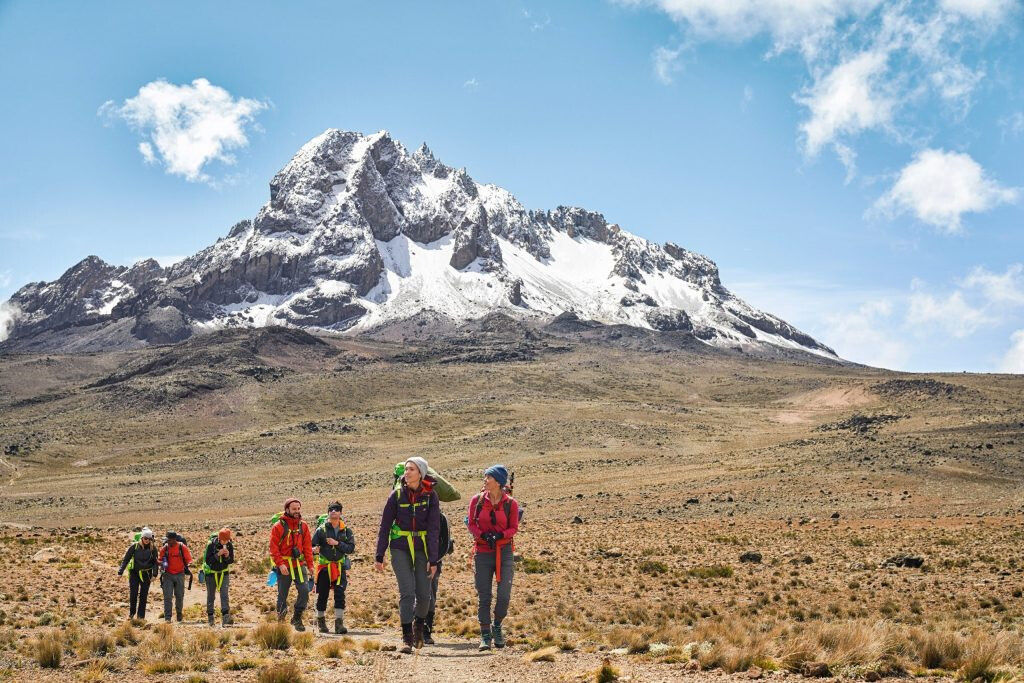
- Enhanced Scenery: Cycle through coffee plantations, Maasai villages, and savannas, then trek through diverse ecological zones from rainforest to arctic summit conditions.
- Cultural Immersion: Interact with local communities during your cycling segments, gaining insights into daily life that are often missed on standard treks.
- Physical Preparation: The cycling component serves as excellent acclimatization and endurance training, potentially making the Kilimanjaro ascent more manageable.
- Unique Experience: Stand out from the typical Kilimanjaro climber by undertaking a more comprehensive and adventurous journey.
- Value for Money: Often, combining activities can offer better overall value compared to booking them separately, especially when opting for packages that include transport, accommodation, and guides for both phases.
Crafting Your Kilimanjaro Hiking and Cycling Itinerary: Routes and Durations
The success of a Kilimanjaro hiking and cycling combination tour hinges on a well-structured itinerary. The integration of cycling and trekking requires careful planning to ensure adequate time for both activities, proper acclimatization for the climb, and logistical feasibility.
Pre-Trek Cycling Adventures
The cycling portion typically precedes the Kilimanjaro climb, allowing participants to adapt to the Tanzanian environment and build fitness. Common cycling areas include:
- Marangu and Moshi Surroundings: Explore the foothills of Kilimanjaro, passing through lush coffee farms and local villages. Routes can range from easy half-day rides to more challenging multi-day circuits.
- Arusha National Park Buffer Zones: Cycle on the outskirts of the park, offering glimpses of wildlife and varied landscapes.
- West Kilimanjaro: For a more remote experience, cycling in areas west of the mountain can provide stunning views and a sense of wildness.
Cycling durations can vary from 2 to 5 days, depending on the desired intensity and the specific region chosen. Shorter trips might focus on local villages and coffee tours, while longer expeditions could cover more ground, potentially including sections near or within protected areas (subject to park regulations and specific tour operator permits).
Kilimanjaro Trekking Routes for Combination Tours
When selecting a Kilimanjaro trekking route to complement your cycling adventure, factors like acclimatization profile, scenery, and overall duration are crucial. Routes that offer a good balance of ascent and descent, and allow for gradual acclimatization, are preferred. For combination tours, longer routes are often recommended to maximize the acclimatization benefit from the preceding cycling.
Popular Kilimanjaro routes suitable for combination tours include:
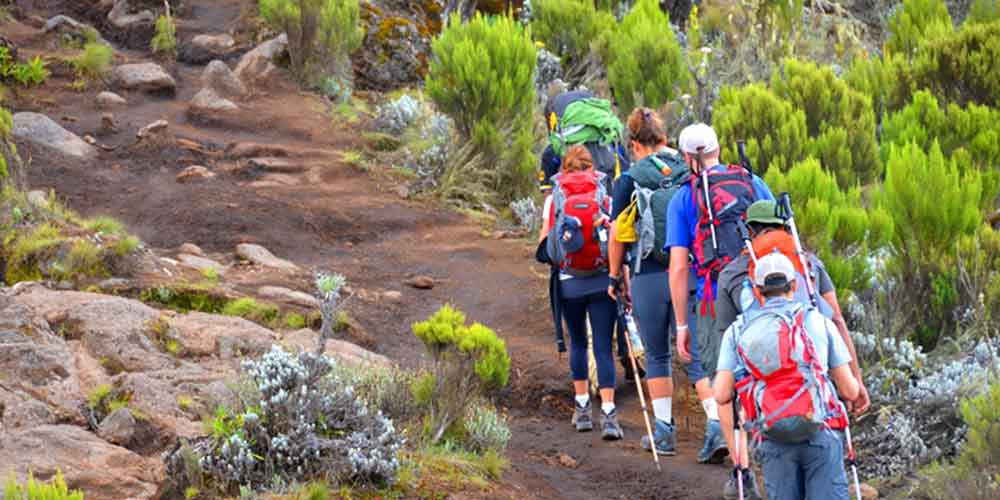
- Machame Route (7 days): Known for its excellent acclimatization profile (‘climb high, sleep low’), Machame offers diverse scenery and a good chance of success. It’s a popular choice for those who have prepared through cycling.
- Lemosho Route (8 days): Offers spectacular scenery and a slower ascent, significantly improving acclimatization. This route is ideal for those who want a more in-depth experience and have the time.
- Northern Circuit (9-10 days): The longest route, providing the best acclimatization and the highest success rates. It circles the mountain, offering unique perspectives and a less crowded experience. This is an excellent option for those undertaking a combined hiking and cycling tour, as it allows ample time for the body to adjust.
- Marangu Route (5-6 days): While shorter, its ‘Coca-Cola’ route offers hut accommodation, which some may prefer after days on a bike. However, its rapid ascent profile is less ideal for acclimatization compared to longer routes.
The ideal total duration for a Kilimanjaro hiking and cycling combination tour often ranges from 10 to 15 days, incorporating 3-5 days of cycling and 7-10 days for the Kilimanjaro trek itself, depending on the chosen route. Planning for 2026-2027 departures allows ample time to secure spots, especially for peak seasons.
Logistics and Operational Considerations for 2026-2027
Organizing a Kilimanjaro hiking and cycling combination tour requires meticulous logistical planning. Top Guide Adventures specializes in creating these complex, yet rewarding, journeys, ensuring a smooth experience from start to finish.
Cycling Logistics
- Bicycle Provision: Tour operators typically provide well-maintained mountain bikes or hybrid touring bikes suitable for the terrain. Clients can also opt to bring their own if preferred, though this requires additional shipping and customs considerations.
- Support Vehicle: A crucial element is a support vehicle that carries luggage, water, snacks, and provides transport for riders who need a break or encounter mechanical issues. This vehicle is essential for safety and comfort.
- Route Planning: Routes are carefully selected to balance scenic beauty, manageable terrain, and cultural interest, while avoiding overly challenging or dangerous roads.
- Accommodation: Cycling segments may involve stays in lodges, guesthouses, or comfortable tented camps, depending on the chosen route and level of comfort.
Kilimanjaro Trekking Logistics
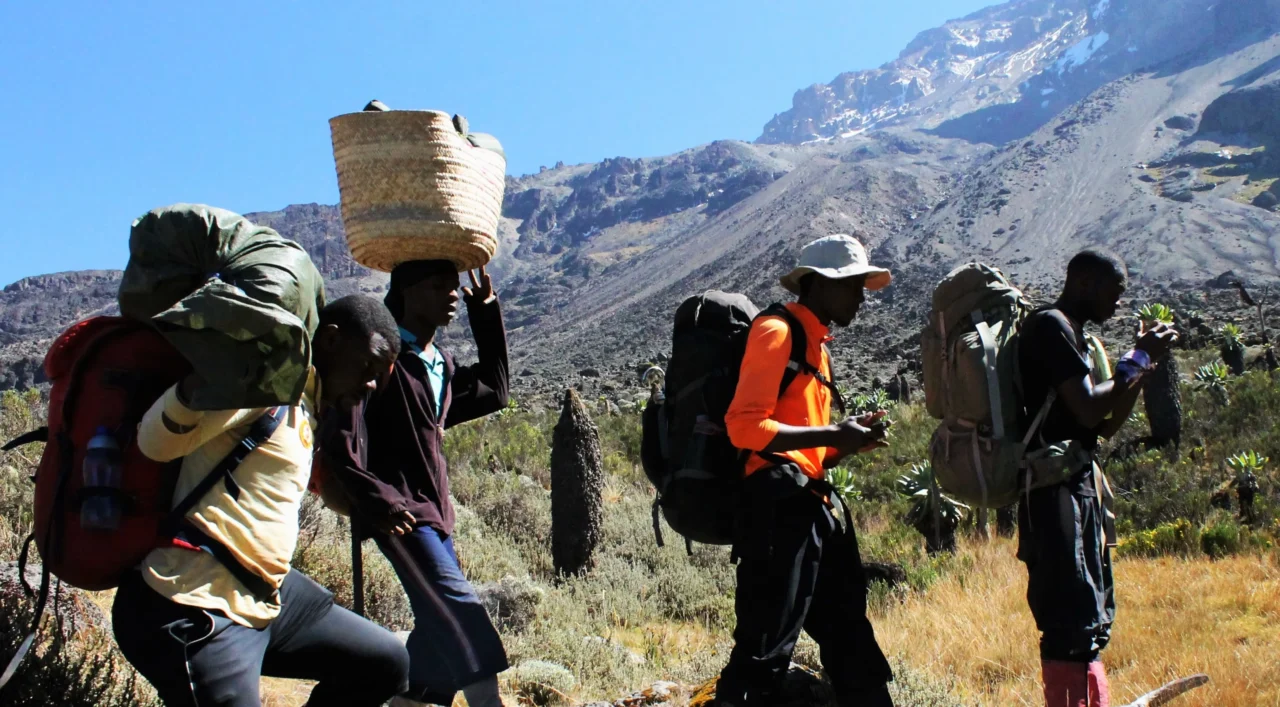
- Crew: A professional and experienced crew is paramount. This includes licensed guides, assistant guides, a cook, and porters to carry equipment and supplies. For 2026-2027 climbs, ensuring your operator prioritizes ethical treatment and fair wages for the crew is vital.
- Equipment: High-quality camping equipment (tents, sleeping bags, mats), cooking gear, and safety equipment (first-aid kits, oxygen) are provided.
- Food: Nutritious and varied meals are prepared by the cook throughout the trek, catering to different dietary needs.
- Park Fees and Permits: All necessary national park entry fees, camping fees, and rescue fees are handled by the tour operator.
Transportation
- Airport Transfers: Reliable transfers from Kilimanjaro International Airport (JRO) or other entry points to your hotel are standard.
- Inter-Activity Transport: Vehicles are used to transport clients and bikes between cycling locations and the starting points of the Kilimanjaro trek, as well as for any necessary transfers during the cycling phase.
Safety and Acclimatization
Safety is non-negotiable. Tour operators for Kilimanjaro hiking and cycling combination tours must have robust safety protocols:
- Medical Support: Comprehensive first-aid kits and trained guides are essential. For Kilimanjaro climbs, supplemental oxygen and a Gamow bag may be carried by the lead guide.
- Emergency Evacuation: Arrangements for emergency evacuation services (often involving a helicopter or specialized vehicle) should be in place.
- Acclimatization Strategy: The itinerary, especially the trekking phase, must follow recommended acclimatization principles. The preceding cycling helps build a base level of fitness, but the slow ascent on Kilimanjaro remains key.
- Communication: Reliable communication systems (satellite phones or radios) are used for emergencies on the mountain.
Preparing for Your Kilimanjaro Hiking and Cycling Adventure
Success on a Kilimanjaro hiking and cycling combination tour relies heavily on thorough preparation. This dual-activity adventure demands a higher level of fitness and specific gear considerations.
Physical Fitness and Training
Your training regimen should prepare you for both the endurance demands of cycling and the strenuous nature of high-altitude trekking.
- Cardiovascular Endurance: Engage in regular aerobic activities like running, swimming, or cycling for at least 3-4 times a week. Aim for sessions of 60-90 minutes.
- Strength Training: Focus on leg strength (squats, lunges) and core stability. This will help with both cycling power and carrying a daypack on the mountain.
- Hiking Practice: Undertake long hikes (4-6 hours) with a loaded backpack, ideally on varied terrain, to simulate Kilimanjaro conditions.
- Cycling Practice: Ride your bike regularly, including longer rides (2-3 hours) with some elevation gain. Practice riding on different surfaces if possible, to get a feel for varied terrain.
- Altitude Simulation (Optional): If you live at sea level and have no prior high-altitude experience, consider training at altitude if accessible, or use altitude simulation equipment if available.
Start your training at least 3-6 months before your planned departure for 2026 or 2027. Consistency is key.
Essential Gear Checklist
While tour operators provide significant equipment for the Kilimanjaro trek, specific personal gear is essential for both cycling and climbing.
Cycling Gear:
- Cycling Helmet: A non-negotiable safety item.
- Cycling Shorts/Bibs: Padded shorts for comfort on long rides.
- Cycling Jerseys: Breathable, moisture-wicking tops.
- Cycling Gloves: For grip and protection.
- Cycling Shoes and Pedals: If you prefer your own setup.
- Eyewear: Sunglasses to protect from sun and dust.
- Water Bottles/Hydration Pack: Essential for staying hydrated.
- Basic Repair Kit: Though support vehicles carry spares, a small personal kit with a pump, spare tube, and multi-tool can be useful.
Kilimanjaro Trekking Gear:
- Layered Clothing: Crucial for varying temperatures. Base layers (thermal), mid-layers (fleece), and outer layers (waterproof/windproof jacket and trousers).
- Hiking Boots: Waterproof, broken-in hiking boots with good ankle support.
- Camp Shoes/Sandals: For comfort around camp.
- Socks: Several pairs of warm, moisture-wicking hiking socks.
- Gloves and Mittens: Warm, waterproof gloves for summit night.
- Hat: Warm beanie for cold, and a sun hat for lower altitudes.
- Sun Protection: High SPF sunscreen, lip balm, and sunglasses.
- Headlamp: With extra batteries.
- Trekking Poles: Highly recommended for reducing strain on knees and improving balance.
- Backpack: A comfortable daypack (30-40 liters) for essentials during the trek.
- Sleeping Bag: A 4-season sleeping bag suitable for sub-zero temperatures.
Health and Vaccinations
Consult your doctor or a travel clinic 6-8 weeks before your trip for:
- Recommended Vaccinations: Yellow Fever (may be required for entry/re-entry), Hepatitis A, Typhoid, Tetanus.
- Malaria Prevention: Discuss prophylactic medication options.
- Altitude Sickness Medication: Diamox (acetazolamide) is often prescribed for acclimatization.
- Personal First-Aid Kit: Include any personal medications, pain relievers, blister treatment, and antiseptic wipes.
Cost Considerations for Kilimanjaro Hiking and Cycling Tours in 2026-2027
Pricing for a Kilimanjaro hiking and cycling combination tour can vary significantly. The total cost depends on several factors, including the duration of the cycling portion, the chosen Kilimanjaro route, the standard of accommodation, the size of the group (private vs. shared), and the level of inclusions.
Key Cost Components:
- Tour Operator Fees: This is the largest component and covers guides, porters, cooks, park fees, rescue fees, camping equipment, food, and transport.
- Kilimanjaro National Park Fees: These are substantial and mandatory, covering entry, camping/hut, and crater fees (if applicable).
- Cycling Portion Costs: Includes bike rental, support vehicle, fuel, cycling guide, and accommodation/meals during the cycling days.
- Accommodation: Pre- and post-trek accommodation in hotels.
- Flights: International airfare to Tanzania.
- Visas: Tanzanian visa fees.
- Travel Insurance: Comprehensive insurance covering high-altitude trekking and emergency evacuation is mandatory.
- Personal Expenses: Tips for guides and porters, souvenirs, drinks, and personal gear purchases.
Indicative Pricing for 2026-2027 Departures:
For a comprehensive Kilimanjaro hiking and cycling combination tour (e.g., 3-4 days cycling + 7-8 days trekking), you might expect prices to range from approximately $2,500 to $5,000+ USD per person. This range reflects:
- Budget/Standard Tours: Often around $2,500 – $3,500 USD. These might use slightly less experienced crews, have more basic food options, or use shorter Kilimanjaro routes.
- Mid-Range/Comfort Tours: Typically in the $3,500 – $4,500 USD range. These offer better quality equipment, more experienced guides, higher quality food, and potentially longer Kilimanjaro routes for better acclimatization.
- Premium/Luxury Tours: Can exceed $4,500 – $5,000+ USD. These often feature private departures, exceptional service, gourmet meals, and the highest guide-to-client ratios.
Important Considerations for 2026-2027 Pricing:
- Early Bird Discounts: Booking well in advance for 2026-2027 departures might secure better rates or added inclusions.
- Group Size: Private tours are significantly more expensive than joining a pre-scheduled group departure.
- Inclusions: Carefully check what is included. Top Guide Adventures typically offers comprehensive packages including park fees, crew salaries, and meals, providing excellent value and transparency.
- Tipping: Budget approximately $200-$300 USD per climber for tips, which is a significant portion of the crew’s income.
It is highly recommended to request detailed quotes from reputable operators like Top Guide Adventures for your specific 2026-2027 travel dates and preferences.
Typical Inclusions with Top Guide Adventures:
- Airport transfers
- Pre- and post-climb accommodation
- All meals during the cycling and trekking portions
- Quality mountain bikes and helmets
- Cycling support vehicle and driver/guide
- Kilimanjaro climbing permits, camping/hut fees, and rescue fees
- Professional, licensed Kilimanjaro guides and support crew
- Porters to carry main luggage
- High-quality tents, sleeping mats, and dining tent
- Boiled water, tea, coffee, and snacks on the trek
- Portable toilet (on longer treks)
- Briefing and debriefing sessions
Choosing the Right Tour Operator
Selecting a reliable and experienced tour operator is paramount for a safe and enjoyable Kilimanjaro hiking and cycling combination tour. Top Guide Adventures is a trusted name in Tanzania, known for its commitment to client safety, ethical treatment of staff, and delivering exceptional adventure experiences.
What to Look for in a Tour Operator:
- Experience: Proven track record in organizing both Kilimanjaro climbs and multi-day cycling tours in Tanzania.
- Safety Standards: Robust safety protocols, emergency procedures, and well-trained guides.
- Ethical Practices: Fair wages and good working conditions for guides, porters, and support staff. Look for operators who are members of organizations promoting ethical trekking.
- Quality of Equipment: Well-maintained bikes and high-quality camping gear.
- Customer Reviews: Check independent reviews on platforms like TripAdvisor to gauge client satisfaction.
- Clear Inclusions/Exclusions: A transparent pricing policy that details what is and isn’t covered.
Top Guide Adventures prides itself on offering personalized service, attention to detail, and a deep understanding of the Tanzanian landscape and its challenges. Their team is dedicated to ensuring every aspect of your Kilimanjaro hiking and cycling adventure is managed professionally, from initial planning for 2026-2027 departures to your final moments in Tanzania.
Best Times to Go: Kilimanjaro Hiking and Cycling in 2026-2027
Kilimanjaro experiences distinct seasons, and understanding these will help you choose the optimal time for your combined hiking and cycling tour. The best times generally coincide with dry seasons.
- January – March: Generally dry and warm, with good visibility. This is a popular period for climbing. Cycling can be pleasant, though occasional rains can occur.
- June – October: This is the longest dry season, offering cooler temperatures and excellent visibility. It’s a prime time for both trekking and cycling, with minimal rainfall. This period is highly sought after for 2026 and 2027 trips.
- April – May: The “long rains” season. Expect frequent, heavy downpours, making trekking and cycling more challenging and potentially leading to trail closures or difficult conditions.
- November – December: The “short rains” season. While not as intense as the long rains, expect intermittent showers. Temperatures are warmer.
For a Kilimanjaro hiking and cycling combination tour, the dry seasons (June-October and January-March) are highly recommended. These periods offer the best weather conditions for both activities, maximizing your chances of clear views on the mountain and comfortable cycling days. Booking for peak months like July, August, September, and January requires advance planning, especially for 2026-2027, to secure preferred dates and operators.
Common Questions and Answers
Can I do a Kilimanjaro hiking and cycling tour if I’m not an expert cyclist or climber?
Yes, but preparation is key. These tours are designed for reasonably fit individuals. The cycling portions can often be tailored in terms of difficulty and distance. For Kilimanjaro, choosing a longer route with good acclimatization is crucial if you’re not an experienced high-altitude trekker. We recommend starting a dedicated training program at least 3-6 months in advance for 2026-2027 trips.
What is the minimum duration for a Kilimanjaro hiking and cycling combination tour?
Typically, a minimum of 10 days is required, combining 3 days of cycling with a 7-day Kilimanjaro trek. However, for better acclimatization and a more enjoyable experience, 12-15 days is often recommended, allowing for 4-5 days of cycling and an 8-day Kilimanjaro climb.
What kind of support can I expect during the cycling part?
You can expect a support vehicle to carry your luggage, water, and snacks, and to provide assistance if needed. A dedicated cycling guide will lead the way, and mechanics are usually available for bike issues. This ensures safety and comfort throughout your cycling adventure.
Is altitude sickness a concern during the cycling portion?
Generally, the cycling portions are conducted at lower altitudes (around 1,000-2,000 meters / 3,300-6,600 feet) where altitude sickness is not a significant concern. The primary altitude challenge is on Mount Kilimanjaro itself, which reaches 5,895 meters (19,341 feet). Proper acclimatization strategies during the trek are therefore essential.
What happens if I get sick or injured during the tour?
Reputable operators like Top Guide Adventures have comprehensive safety protocols, including trained guides, first-aid kits, and emergency evacuation plans. Travel insurance that covers high-altitude trekking and medical evacuation is mandatory and crucial for such eventualities.
Can I bring my own bicycle?
Yes, you can bring your own bicycle. However, you’ll need to consider airline shipping costs, customs duties in Tanzania, and ensuring your bike is suitable for the terrain. Most clients find it more convenient to rent a quality mountain bike from the tour operator.
How much should I budget for tips?
Tips are a significant part of the crew’s income. For a Kilimanjaro climb, a common guideline is around $200-$300 USD per climber, distributed among guides, porters, and cooks. Your tour operator will provide specific tipping guidelines.
What is the best Kilimanjaro route for a combined tour?
Longer routes like the Lemosho (8 days) or Northern Circuit (9-10 days) are best for acclimatization and offer the highest success rates, making them ideal companions to a cycling adventure. The Machame route (7 days) is also a strong contender.
Booking Your Kilimanjaro Hiking and Cycling Combination Tour for 2026-2027
Planning a Kilimanjaro hiking and cycling combination tour is an exciting prospect. For smooth execution and peace of mind, partnering with an experienced and reputable tour operator is essential. Top Guide Adventures is dedicated to crafting unforgettable Tanzanian adventures, offering personalized itineraries and unwavering support.
Whether you are looking at 2026 or 2027 for your expedition, starting the planning process early is highly recommended. This allows ample time for training, gear acquisition, and securing your preferred departure dates, especially for the popular dry seasons.
To discuss your dream Kilimanjaro hiking and cycling combination tour, receive a customized itinerary, or inquire about available group departures for 2026-2027, please do not hesitate to reach out to us.
Contact Top Guide Adventures today:
- WhatsApp: +255616946642
- Email: topguideadventures@gmail.com
- Backup Email: info@topguideadventures.com
Let us help you create an extraordinary adventure that combines the thrill of cycling with the ultimate achievement of conquering Kilimanjaro.
You can also explore our range of Tanzania Safari Group Departures and Machame Route Kilimanjaro Group Departures for more inspiration.
Follow us on Instagram for adventure updates: Top Guide Adventures Instagram.
Read client testimonials on TripAdvisor: Top Guide Adventures TripAdvisor Reviews.
Visit our main website for more information on all our services: Top Guide Adventures Tanzania.
“,
“faq_schema”: [
{
“question”: “What is a Kilimanjaro hiking and cycling combination tour?”,
“answer”: “A Kilimanjaro hiking and cycling combination tour integrates two distinct adventure activities: cycling through the scenic landscapes around Mount Kilimanjaro, followed by a multi-day trek to the summit of Africa’s highest peak. It offers a more comprehensive and in-depth experience of Tanzania’s natural beauty and culture.”
},
{
“question”: “How long does a typical Kilimanjaro hiking and cycling tour last?”,
“answer”: “A typical combined tour usually lasts between 10 to 15 days. This includes approximately 3-5 days dedicated to cycling in the Kilimanjaro region and 7-10 days for the Kilimanjaro trek itself, depending on the chosen climbing route.”
},
{
“question”: “What is the best time of year for a Kilimanjaro hiking and cycling tour in 2026-2027?”,
“answer”: “The best times are during the dry seasons: June to October and January to March. These periods offer the most favorable weather conditions for both cycling and trekking, with clear skies and minimal rainfall, increasing your chances of success and enjoyment.”
},
{
“question”: “What level of fitness is required for a Kilimanjaro hiking and cycling tour?”,
“answer”: “A good level of cardiovascular fitness is essential for both activities. You should be comfortable with long days of cycling and have the endurance for multi-day high-altitude trekking. Consistent training for at least 3-6 months prior to your trip is highly recommended.”
},
{
“question”: “What are the estimated costs for a Kilimanjaro hiking and cycling combination tour in 2026-2027?”,
“answer”: “Costs typically range from $2,500 to $5,000+ USD per person, depending on the tour operator, itinerary length, Kilimanjaro route, accommodation standard, and inclusions. Reputable operators like Top Guide Adventures offer comprehensive packages covering most essential elements.”
},
{
“question”: “Which Kilimanjaro route is best suited for a combined cycling and trekking tour?”,
“answer”: “Longer routes that offer better acclimatization profiles are ideal. The Lemosho (8 days), Northern Circuit (9-10 days), and Machame (7 days) routes are excellent choices, as they provide a slower ascent and higher success rates, complementing the physical demands of the preceding cycling.”
},
{
“question”: “What essential gear do I need for a Kilimanjaro hiking and cycling tour?”,
“answer”: “You’ll need specific gear for both activities: for cycling, a helmet, padded shorts, jerseys, and gloves; for trekking, layered clothing (base, mid, outer waterproof layers), sturdy hiking boots, warm hat and gloves, trekking poles, and a good quality sleeping bag. Tour operators provide camping equipment for the trek.”
},
{
“question”: “Is travel insurance mandatory for this type of tour?”,
“answer”: “Yes, comprehensive travel insurance is mandatory. It must cover high-altitude trekking (up to 6,000 meters) and include emergency medical evacuation, which is critical for safety on Kilimanjaro.”
}
]
}
“`
Check Availability for Kilimanjaro Hiking And Cycling Combination Tour 2026-2027
Ready to compare dates, prices, and the best option for your group? Send the package name and travel month so the team can reply with a clear quote, availability, and what is included.
What Happens If Your Hiking Boots Break On Kilimanjaro? 2026-2027
What Happens If Your Hiking Boots Break on Kilimanjaro? is explained with current 2026-2027 planning, price, itinerary and booking information.
View package details
Kilimanjaro Road-Cycling Training Camp: Your Ultimate Preparation Guide
This comprehensive guide details everything you need to know about a Kilimanjaro road-cycling training camp, from essential preparation and training regimens to gear and best practices for...
View package details
Cycling Around Mount Kilimanjaro Guide
start an extraordinary journey cycling around Mount Kilimanjaro. This guide covers everything from potential routes and the demanding terrain to essential preparation and the best times to...
View package details
Kilimanjaro Climb With A Personal Support Assistant: Your Ultimate Guide
Climbing Mount Kilimanjaro with a personal support assistant offers unparalleled safety, comfort, and focus on your summit goals. This guide details what a personal assistant entails, its...
View package details
How To Know Whether You Are Ready For Kilimanjaro: A Comprehensive Guide
Climbing Mount Kilimanjaro is a significant undertaking. This guide helps you evaluate your physical, mental, and logistical readiness to ensure a safe and successful trek in 2026 or 2027...
View package detailsKilimanjaro Hydration Mistakes Climbers Make And How To Avoid Them 2026-2027
Proper hydration is critical for a successful Kilimanjaro climb. This guide details common hydration mistakes climbers make, from under-drinking to choosing the wrong fluids, and provides...
View package details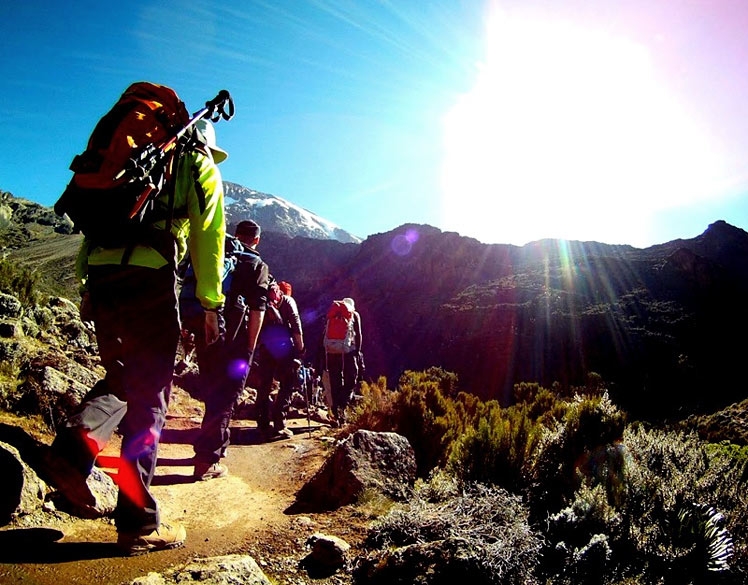
Kilimanjaro Summit-Night Mistakes To Avoid: Your Essential Guide For Climbs
Summit night on Kilimanjaro is the most challenging part of the climb. Avoiding common mistakes in acclimatization, gear, hydration, and pacing is crucial for success. This guide details...
View package details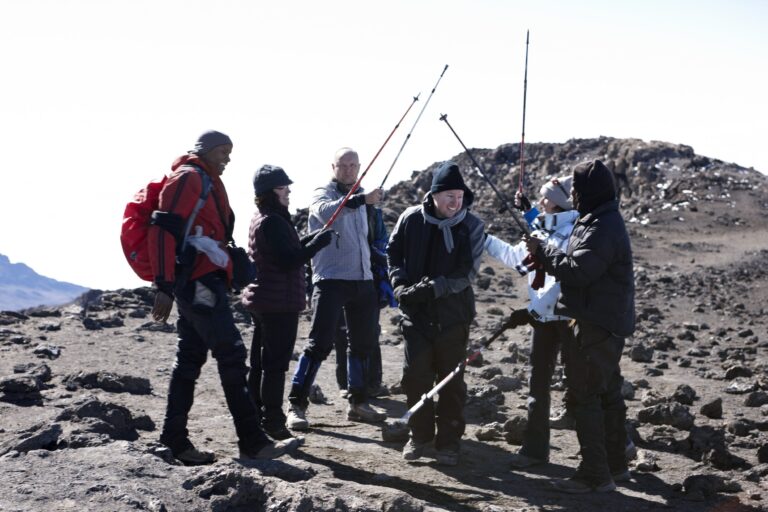
Kilimanjaro Airport Vs Arusha For Climbers: The Definitive Guide 2026-2027
A comprehensive comparison of Kilimanjaro International Airport (JRO) and Arusha Airport (ARK) for trekkers planning a Mount Kilimanjaro climb, detailing pros, cons, and booking advice for...
View package details
Kilimanjaro Climb For Retired Couples: Planning Your Adventure 2026-2027
Planning a Kilimanjaro climb as a retired couple is an achievable and rewarding goal. This guide offers in-depth advice on route selection, physical preparation, essential gear, and the...
View package details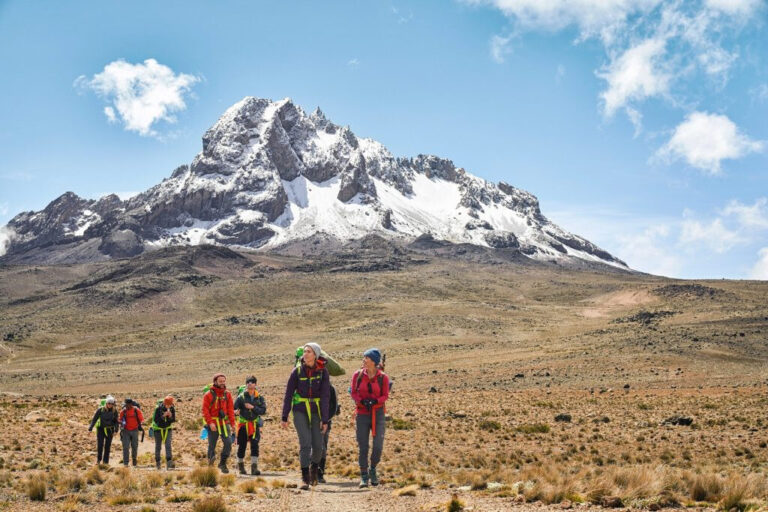
Can A 16-Year-Old Climb Kilimanjaro? Your Essential Guide 2026-2027
Discover if a 16-year-old can summit Kilimanjaro. This comprehensive guide covers age requirements, health, fitness, essential gear, and planning for younger trekkers aiming for Africa's...
View package details
Content For Parents And Young Climbers: Conquering Kilimanjaro Safely
Planning a Kilimanjaro climb with children or as a young climber requires special attention. This guide provides comprehensive content for parents and young adventurers, covering...
View package detailsHow Tourism Supports Kilimanjaro Communities: A Deep Dive With Top Guide
Explore the vital link between Kilimanjaro tourism and the well-being of local communities. Learn how your trek contributes to sustainable development, economic growth, and cultural...
View package detailsNo related package matches those filters. Clear one or more filters to see the other topic-matched options.



