
A personal porter on Kilimanjaro is dedicated solely to carrying your personal items, enhancing your comfort and convenience throughout the trek, while standard porter support means porters share the load of group and personal gear, offering a more communal and budget-conscious option. The choice significantly affects your carrying load, pace, and overall experience on the mountain, with personal porters generally costing extra but providing a higher level of individual support for your 2026-2027 climb.
Understanding Kilimanjaro Porterage: The Foundation of Your Climb
Climbing Mount Kilimanjaro is an extraordinary feat, and the logistical support on the mountain is as crucial as the training you undertake. Among the many decisions you’ll make when planning your 2026-2027 expedition, understanding the different porterage options is paramount. At the heart of this decision lies the distinction between Kilimanjaro personal porter support and standard porter support. While both systems ensure your gear reaches the summit camps, they offer vastly different trekking experiences and come with distinct implications for your comfort, pace, and budget.
Top Guide Adventures, as a leading operator in Tanzania, recognizes the importance of this choice for every climber. We believe that an informed decision leads to a more enjoyable and successful ascent. This in-depth guide aims to demystify the roles of porters, clarify the differences between personal and standard support, and help you determine which system best aligns with your trekking style and expectations for your 2026-2027 Kilimanjaro adventure.
The Essential Role of Porters on Kilimanjaro
Before diving into the specifics of personal versus standard support, it’s vital to appreciate the indispensable role porters play in the Kilimanjaro climbing ecosystem. These individuals are the backbone of every expedition, carrying the vast majority of equipment, food, and supplies necessary to sustain a multi-day trek on Africa’s highest peak. Without them, climbing Kilimanjaro as we know it today would be logistically impossible for most trekkers.
Porters carry:
- Tents: Both sleeping tents for climbers and communal tents for dining and toilets.
- Food and Water: All provisions, from meals to drinking water, need to be transported from the base to the camps.
- Cooking Equipment: Stoves, fuel, pots, pans, and utensils.
- Sleeping Gear: While climbers typically carry their own sleeping bags and mats, porters often carry the bulkier items.
- Group Equipment: First-aid kits, oxygen tanks (if carried), communication devices, and repair kits.
- Personal Gear: Each climber’s duffel bag, containing clothing, toiletries, and personal items not needed during the day’s trek.
The weight carried by each porter is strictly regulated by Kilimanjaro National Park (KINAPA) authorities to ensure their safety and well-being. Currently, the maximum weight limit is 15 kilograms per porter for personal gear, in addition to a share of the group equipment. This regulation is a crucial aspect of responsible trekking, aiming to prevent overwork and ensure fair treatment.
The efficiency and dedication of the porter team directly impact the climber’s experience. A well-supported trek means you can focus on the journey, the stunning scenery, and acclimatization, rather than worrying about the logistical complexities. Understanding this fundamental role sets the stage for appreciating the nuances of different support structures.
Kilimanjaro Standard Porter Support: The Traditional Approach
Standard porter support is the most common and traditional method of organizing porterage on Kilimanjaro. In this system, porters are assigned to carry a share of the total expedition load, which includes both group equipment and the personal duffel bags of the climbers. There isn’t a one-to-one ratio of porter to climber for personal gear; instead, several climbers’ duffel bags might be distributed among a pool of porters.
How it works:
- Each climber is allocated a duffel bag (typically 10-15 kg) which contains their clothing, toiletries, and personal items.
- This duffel bag is handed over to the porters at the start of each trekking day.
- The porters then distribute the climbers’ duffel bags, along with the tents, food, cooking gear, and other essential supplies, among themselves.
- The total load per porter is carefully managed to stay within the park’s regulations (maximum 15 kg for personal gear plus a portion of group gear).
- Your duffel bag will arrive at the next campsite, but you won’t know which specific porter carried it.
Pros of Standard Porter Support:
- Cost-Effective: This is generally the more affordable option. The cost is spread across the group, and you’re not paying for the exclusive service of a dedicated porter for your personal items. For budget-conscious trekkers planning for 2026-2027, this is often the default choice.
- Supports More Porters: A larger porter team means more people are employed and supported by the climb, which aligns with ethical trekking principles and contributes to the local economy.
- Standard Practice: It’s the established norm for most Kilimanjaro operators, meaning logistics are well-understood and streamlined.
Cons of Standard Porter Support:
- Less Personal Attention: You don’t have a specific porter assigned to your personal items. If you need something from your duffel bag during the day (though this is generally discouraged), it might take longer to locate and retrieve, as it could be with any of the porters carrying personal bags.
- Potential for Delays: While rare, if a porter carrying your specific duffel bag encounters a minor issue or needs a short break, it might slightly delay the arrival of your bag at camp compared to having a dedicated individual responsible.
- Less Control Over Bag Handling: You don’t have a direct point person for your duffel bag’s journey.
Standard porter support is an excellent choice for trekkers who are comfortable with a traditional expedition setup, are traveling on a tighter budget for their 2026-2027 climb, and prioritize supporting a larger number of local workers. It’s a reliable and proven system that has facilitated thousands of successful Kilimanjaro ascents.
Kilimanjaro Personal Porter Support: Enhanced Individual Service
Personal porter support elevates the Kilimanjaro trekking experience by assigning one porter exclusively to carry your personal duffel bag. This system provides a more tailored and convenient service, offering a higher degree of comfort and direct interaction with a member of your support crew. It’s often chosen by trekkers seeking a more relaxed ascent, those who might need more frequent access to their personal items, or simply individuals who prefer the assurance of dedicated assistance.
How it works:
- For every climber opting for personal porter support, one dedicated porter is assigned solely to carry that climber’s personal duffel bag (maximum 15 kg).
- This porter is your direct contact for your personal gear. If you need something from your duffel during the day, you can arrange to meet your porter at a designated point or wait for them at the camp.
- The rest of the expedition’s equipment (tents, food, cooking gear) is carried by other porters as per the standard system.
- This system typically means a slightly larger overall crew size for the expedition.
Pros of Personal Porter Support:
- Dedicated Assistance: You have a specific individual responsible for your personal belongings. This provides peace of mind and a point of contact for your gear.
- Convenience and Access: If you realize you need a specific item from your duffel bag during the day (e.g., an extra layer, sunscreen, camera), you can often arrange to have your porter meet you or retrieve it more easily at camp.
- Comfort and Pace: Knowing your personal items are handled by a dedicated person can reduce mental load. Some trekkers feel this allows them to focus better on their own pace and the environment.
- Stronger Personal Connection: You can build a more personal relationship with your dedicated porter, learning about their life and experiences.
- Potential for Faster Camp Setup: Your tent and sleeping area might be set up more quickly as your porter’s primary task is getting your duffel bag to the campsite.
Cons of Personal Porter Support:
- Higher Cost: This is the primary drawback. You are paying for the exclusive service of one porter, which increases the overall expedition cost. This is a significant factor for many planning their 2026-2027 budgets.
- Smaller Overall Porter Team (Potentially): While your personal porter is dedicated, the overall number of porters carrying group gear might be slightly less than in a purely standard system, though operators like Top Guide Adventures ensure all group gear is still adequately covered.
- Less Direct Support for Group Gear: The focus is on your personal bag. While group gear is always managed, the communal effort might feel slightly less pronounced compared to a standard setup where everyone’s bags are pooled.
Personal porter support is an excellent option for trekkers who prioritize individual comfort, convenience, and a more personalized service on Kilimanjaro. It’s ideal for those who don’t want to worry about their duffel bag’s journey and are willing to invest a bit more for this added layer of service for their 2026-2027 climb.
Kilimanjaro Personal Porter vs Standard Porter: Key Differences Summarized
To make an informed decision, it’s helpful to directly compare the two systems across several key aspects. The choice between a Kilimanjaro personal porter and standard porter support hinges on your priorities regarding cost, convenience, and the nature of your trekking experience.
| Feature | Kilimanjaro Personal Porter Support | Kilimanjaro Standard Porter Support |
|---|---|---|
| Porter Assignment | One porter dedicated solely to your personal duffel bag (max 15kg). | Porters share the load of all climbers’ duffel bags (max 15kg each) along with group equipment. |
| Cost | Higher (additional fee per climber). | Lower (standard package price). |
| Personal Gear Access | Easier and more direct access to your duffel bag during the trek. | Access to your duffel bag is less direct; it’s part of a shared load. |
| Convenience | High. Your dedicated porter ensures your bag arrives at camp. | Good. Your bag will arrive, but without a single point of contact for it. |
| Pace and Comfort | Can contribute to a more relaxed pace and reduced mental load. | Requires trusting the overall porter team for efficient gear management. |
| Support for Local Crew | Supports one dedicated porter directly for your bag, plus others for group gear. | Supports a larger number of porters by distributing loads more broadly. |
| Ideal For | Trekkers prioritizing comfort, convenience, and dedicated service; willing to pay more. | Budget-conscious trekkers, those prioritizing supporting a larger crew, and those comfortable with traditional expedition logistics. |
| Planning for 2026-2027 | Factor in the additional cost for your 2026-2027 budget. | This is the standard option, often included in base prices for 2026-2027 climbs. |
Who Should Choose a Personal Porter?
The decision to opt for a Kilimanjaro personal porter is a personal one, driven by individual preferences and priorities for the climb. Here are the types of trekkers who typically benefit most from this enhanced service:
- The Comfort-Seeker: If your primary goal is to maximize comfort and minimize any potential logistical worries, a personal porter is an excellent investment. Knowing your personal items are handled by a dedicated individual frees up mental energy to focus on the ascent and the incredible surroundings.
- The Frequent Access User: While it’s generally advised not to access your duffel bag during the trekking day (to keep the pace moving), some individuals might anticipate needing items more regularly. This could include photographers needing quick access to camera gear or those who prefer to change layers frequently. A personal porter makes this process smoother.
- The “Treat Yourself” Trekkers: For many, climbing Kilimanjaro is a special or a significant milestone event. Opting for a personal porter can be seen as a way to enhance this special experience, adding a touch of luxury and personalized care to the expedition. This is particularly relevant for those planning significant celebratory climbs in 2026 or 2027.
- Those Concerned About Pace: While porters are strong and fast, if you have concerns about your own pace or worry about your duffel bag potentially lagging slightly behind, a personal porter dedicated to your bag can offer reassurance. They are incentivized to ensure your bag reaches the camp efficiently.
- Individuals with Specific Needs: For trekkers who might have specific medical items or require frequent access to personal comfort items, a personal porter provides a reliable point of contact.
When booking your 2026-2027 climb with Top Guide Adventures, clearly communicate your preference for personal porter support. We will ensure the appropriate arrangements are made, including the additional cost involved.
Who Benefits Most from Standard Porter Support?
Standard porter support is the robust, reliable, and traditional way to ascend Kilimanjaro. It’s the optimal choice for a significant number of trekkers, especially those who:
- Are Budget-Conscious: The most compelling reason for choosing standard porter support is the cost saving. For trekkers meticulously planning their 2026-2027 expedition budget, this option makes the climb more accessible without compromising safety or essential services.
- Prioritize Supporting a Larger Crew: Opting for standard support means more porters are employed to manage the overall load. This aligns with ethical trekking practices that aim to distribute economic benefits widely within the local community. If maximizing the number of people supported by your climb is important, standard is the way to go.
- Are Experienced Trekkers: Seasoned hikers are often accustomed to expedition-style logistics. They understand that accessing personal items during the day is usually not feasible or necessary and trust the efficiency of a well-managed porter team.
- Focus Solely on the Ascent: For trekkers whose sole focus is reaching the summit and enjoying the trekking experience, the nuances of who carries which specific bag become less important. They rely on the operator’s expertise to manage the logistics effectively.
- Are Part of a Group: In a group setting, the standard system naturally fosters a sense of shared effort and reliance on the entire crew.
Top Guide Adventures ensures that even with standard porter support, the safety, efficiency, and well-being of our climbing teams are paramount. Our experienced guides and logistics managers meticulously oversee the distribution of loads to guarantee timely arrival of all necessary gear at each campsite.
Cost Implications: Personal Porter vs. Standard Porter
The financial aspect is often a deciding factor when comparing Kilimanjaro personal porter vs standard porter support. Understanding these cost differences is crucial for effective trip planning, especially when looking ahead to 2026-2027 climbs.
Standard Porter Support:
- This is the base level of porterage included in most tour packages.
- The cost is essentially bundled into the overall price of the climb.
- While it’s not explicitly itemized as a separate charge, the operator factors in the wages, food, and equipment for the entire porter team.
- For a typical 7-day climb, opting for standard support means you are paying for the collective effort of the porters who carry group gear and distribute personal bags.
Personal Porter Support:
- This service incurs an additional fee per climber.
- The exact cost varies by operator, but typically ranges from $150 to $250 USD per climber for the entire duration of the trek (e.g., a 7-day climb).
- This fee directly compensates the assigned personal porter for their exclusive service. It covers their wages, food, park fees, and other associated costs.
- When budgeting for a 2026-2027 climb, remember to add this supplementary cost if you opt for personal porter service. For example, if a standard 7-day climb package is $2,000 USD, and you choose a personal porter at $200 USD, your total climb cost increases to $2,200 USD.
Example Cost Comparison (Illustrative for a 7-Day Climb):
Let’s assume a base climb package price from an operator like Top Guide Adventures:
| Service Type | Included Porterage | Estimated Additional Cost per Climber | Total Estimated Climb Cost per Climber (Illustrative) |
|---|---|---|---|
| Standard Climb Package | Standard Porter Support | $0 (Included in Package) | $2,000 USD |
| Premium Climb Package | Personal Porter Support | $150 – $250 USD | $2,150 – $2,250 USD |
Note: These are illustrative costs. Actual prices may vary based on the operator, route, duration, and specific inclusions. Always request a detailed quote for your 2026-2027 climb.
When contacting Top Guide Adventures for your 2026-2027 expedition planning, be sure to inquire about the specific costs associated with personal porter support. We are committed to transparent pricing and will provide a clear breakdown.
Ethical Considerations and Porter Welfare
The discussion around Kilimanjaro personal porter vs standard porter support also touches upon ethical considerations and porter welfare. Responsible tourism operators place a high priority on ensuring their porters are treated fairly, paid adequately, and provided with appropriate gear and conditions. Understanding these aspects is vital for making a choice that aligns with ethical trekking principles.
Key aspects of Porter Welfare:
- Wages: Porters must receive fair wages that meet or exceed industry standards and local regulations. This includes wages for the days they are climbing, as well as potential waiting days.
- Weight Limits: Adherence to the 15kg personal gear limit is crucial. Reputable companies enforce this strictly.
- Gear: Porters should be provided with adequate clothing, waterproof gear, sturdy boots, sleeping bags, and tents. Top Guide Adventures is committed to providing our crew with the best possible gear.
- Food and Water: Porters must receive sufficient, nutritious food and clean drinking water throughout the trek, equivalent to what the climbers receive.
- Tipping: Tipping is a significant part of a porter’s income. While not mandatory, it’s customary and highly appreciated. There are guidelines for tipping, often provided by the tour operator, which help ensure equitable distribution among the crew (guides, cooks, and porters).
- Health and Safety: Porters should have access to medical care if needed and should not be pressured to climb if they are unwell.
How Personal Porter vs. Standard Support Affects Welfare:
- Personal Porter: This system directly assigns income to one porter for carrying your bag. It can provide a more predictable income stream for that individual. However, it’s important to ensure that the overall crew size still allows for ample employment opportunities for other porters carrying group gear. Reputable operators manage this balance carefully.
- Standard Porter: This system distributes the work and income more broadly across a larger team. It ensures that the bulk of the expedition’s logistical needs are met by a collective effort. Ethical operators ensure fair distribution of loads and tips within the entire porter team.
Choosing a Responsible Operator:
Regardless of whether you choose personal or standard porter support, the most critical factor for ethical trekking is selecting a tour operator that demonstrates a strong commitment to porter welfare. Top Guide Adventures is proud to be a member of organizations like the Kilimanjaro Porters Assistance Project (KPAP) or adheres to similar strict ethical guidelines. We ensure our porters are well-equipped, well-fed, fairly paid, and respected members of our team. When planning your 2026-2027 climb, always ask potential operators about their porter welfare policies and their adherence to ethical trekking standards.
Making Your Decision: Personal Porter vs. Standard Porter for Your Climb
The choice between Kilimanjaro personal porter vs standard porter support ultimately comes down to aligning the service with your personal priorities for your climb. Consider these questions to guide your decision:
- What is my budget for the 2026-2027 climb? If budget is a primary concern, standard porter support is the more economical choice. If you have allocated extra funds for comfort and convenience, personal porter support is a viable option.
- How important is direct access to my personal gear during the day? If you anticipate needing items from your duffel bag frequently, or simply want the peace of mind of having a dedicated contact for your bag, a personal porter offers this. If you are content to only access your bag at the end of the day’s trek, standard support is sufficient.
- What level of personalized service do I desire? A personal porter provides a more individualized experience, fostering a closer connection with a crew member. Standard support is more about the collective efficiency of the entire team.
- How do I want to contribute to the local economy? While both systems support local employment, standard support potentially employs a larger number of porters, distributing work more widely. Personal porter support offers a direct, dedicated income to one individual for your specific needs.
- What is my trekking experience level? Experienced trekkers may be more comfortable with the traditional logistics of standard support, while those new to multi-day treks might appreciate the added convenience of a personal porter.
Key Takeaway for 2026-2027 Climbers:
For most trekkers, standard porter support offers excellent value and a highly successful climb. It is the backbone of thousands of Kilimanjaro ascents each year. However, if your budget allows and you highly value enhanced personal convenience and a dedicated point of contact for your gear, then investing in a personal porter can significantly elevate your comfort and peace of mind on the mountain.
Practicalities: What to Pack Regardless of Porter Choice
Regardless of whether you choose a personal porter or standard porter support, the essentials you need to pack remain the same. Your duffel bag (typically 10-15 kg) will contain everything you need for the trek, except for items you carry in your daypack. Remember, porters are not guides; they carry your gear to the next camp. Your daypack is what you’ll have with you during the hiking hours.
Items typically in your duffel bag (for the porter):
- Hiking trousers and shirts
- Warm layers (fleece, down jacket)
- Waterproof outer layers (jacket and trousers)
- Spare socks and underwear
- Camp shoes or sandals
- Warm hat and gloves
- Sleepwear
- Toiletries (toothbrush, toothpaste, wet wipes, sunscreen, lip balm)
- Personal first-aid items
- Headlamp and spare batteries
- Camera and spare batteries/power bank
- Book or other personal entertainment
- Small towel
Items typically in your daypack (with you):
- Water bottles or hydration reservoir
- Snacks
- Sunscreen and lip balm
- Sunglasses
- Warm hat and gloves
- Rain gear (jacket and trousers)
- Warm mid-layer (fleece or light down jacket)
- Personal first-aid kit (blister treatment, pain relievers)
- Camera
- Headlamp (in case of late arrival at camp)
- Hand sanitizer
- Passport and necessary documents (kept secure)
- Money for tips and souvenirs
Ensure your duffel bag is waterproof or use dry bags inside to protect your belongings. When using a personal porter, you can communicate with them about what specific items you might need access to at camp. With standard support, you simply retrieve your bag from the pile upon arrival.
Planning Your 2026-2027 Kilimanjaro Climb with Top Guide Adventures
Choosing between Kilimanjaro personal porter vs standard porter support is an important detail, but it’s just one piece of the puzzle for planning your successful 2026-2027 Kilimanjaro expedition. Top Guide Adventures is dedicated to providing comprehensive support, ensuring every aspect of your climb is meticulously organized.
We offer a range of routes, including the popular Machame, Lemosho, and Marangu routes, catering to different preferences for scenery, difficulty, and acclimatization profiles. Our packages are designed with climber safety, comfort, and success as top priorities.
When you plan your 2026-2027 climb with us, you can expect:
- Experienced Guides: Certified and knowledgeable guides with extensive experience on Kilimanjaro.
- Quality Equipment: High-quality tents, sleeping mats, and cooking gear.
- Nutritious Meals: Delicious and energy-rich meals prepared by our skilled cooks.
- Comprehensive Safety Measures: Including oxygen supplies, first-aid kits, and emergency protocols.
- Ethical Porter Practices: A strong commitment to the fair treatment and welfare of our entire crew.
- Personalized Support: From initial inquiry to your return from the mountain, our team provides dedicated assistance.
We encourage you to reach out to us with any questions regarding porterage options, route selection, or any other aspect of your Kilimanjaro adventure. Whether you prefer the dedicated service of a personal porter or the reliable efficiency of standard porter support, we will tailor your climb to meet your needs.
Ready to plan your 2026-2027 Kilimanjaro climb?
Contact Top Guide Adventures today:
- WhatsApp: +255616946642
- Email: topguideadventures@gmail.com
- Backup Email: info@topguideadventures.com
- Website: www.topguideadventures.com
- Instagram: @top_guide_adventures
Let us help you make your Kilimanjaro dream a reality in 2026 or 2027. We are committed to providing an unforgettable and successful climbing experience.
“,
“faq_schema”: [
{
“question”: “What is the weight limit for a porter on Kilimanjaro?”,
“answer”: “Kilimanjaro National Park (KINAPA) regulations set a maximum weight limit of 15 kilograms per porter for carrying personal climber gear. They also carry a share of the group equipment, with overall load management overseen by the trekking company.”
},
{
“question”: “How much does a personal porter cost on Kilimanjaro?”,
“answer”: “The additional cost for a personal porter on Kilimanjaro typically ranges from $150 to $250 USD per climber for the entire duration of the trek. This fee is separate from the standard climb package price and covers the dedicated service of one porter for your personal duffel bag.”
},
{
“question”: “Can I choose a personal porter for my 2026-2027 Kilimanjaro climb?”,
“answer”: “Yes, absolutely. Reputable operators like Top Guide Adventures offer personal porter support as an optional upgrade for your 2026-2027 Kilimanjaro climb. You can request this service when booking, and the additional cost will be factored into your total expedition price.”
},
{
“question”: “What is the difference between a personal porter and a standard porter?”,
“answer”: “A personal porter is assigned exclusively to carry your individual duffel bag (max 15kg), offering dedicated service. Standard porter support involves porters sharing the load of all climbers’ duffel bags and group equipment among a larger team, which is generally more cost-effective.”
},
{
“question”: “Which porter option is better for budget travelers in 2026-2027?”,
“answer”: “For budget-conscious travelers planning a 2026-2027 climb, standard porter support is the more economical choice. Personal porter support incurs an additional fee, making it a premium option for those prioritizing convenience and dedicated service over cost savings.”
},
{
“question”: “Do I need to tip my porter on Kilimanjaro?”,
“answer”: “Yes, tipping is customary and a significant part of a porter’s income on Kilimanjaro. While not mandatory, it is highly appreciated. Tour operators usually provide recommended tipping guidelines to ensure fair distribution among guides, cooks, and porters.”
},
{
“question”: “What should I pack in my duffel bag for the porter?”,
“answer”: “Your duffel bag, carried by the porter, should contain all your clothing, spare layers, toiletries, sleeping gear (if not carried separately), camp shoes, and any personal items you won’t need during the day’s hike. Your daypack will hold essentials like water, snacks, rain gear, and your camera.”
}
]
}
“`
Check Availability for Kilimanjaro Personal Porter Vs Standard Support 2026-2027
Ready to compare dates, prices, and the best option for your group? Send the package name and travel month so the team can reply with a clear quote, availability, and what is included.
Kilimanjaro Climb With A Personal Support Assistant: Your Ultimate Guide
Climbing Mount Kilimanjaro with a personal support assistant offers unparalleled safety, comfort, and focus on your summit goals. This guide details what a personal assistant entails, its...
View package details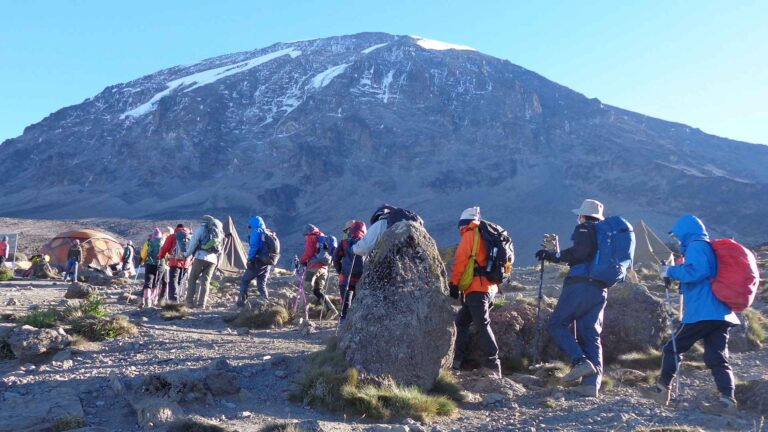
Kilimanjaro Climb With Additional Porter Support: Enhanced Comfort And Safety
Discover the benefits of a Kilimanjaro climb with additional porter support, offering greater comfort, safety, and a more enjoyable trek. This guide details how extra porters can transform...
View package details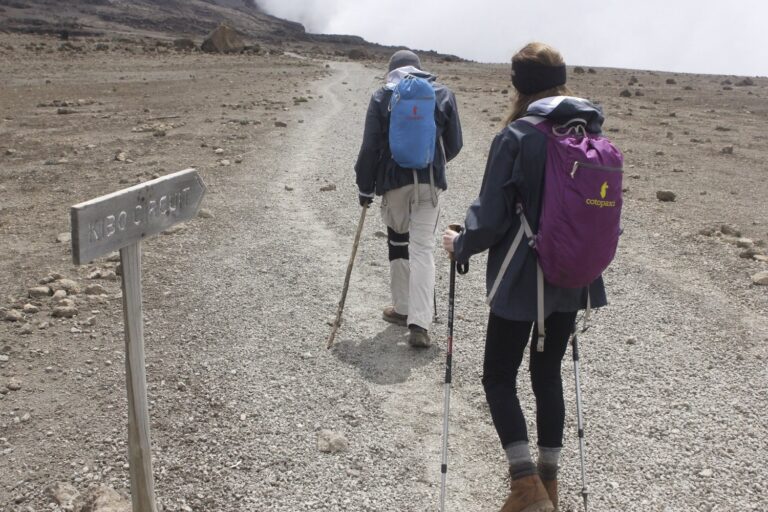
Kilimanjaro Standard Camp Vs Luxury Your Ultimate Comparison For Climbs
Choosing between standard and luxury camping on Kilimanjaro significantly impacts your trek experience. This guide breaks down the key differences in accommodation, meals, equipment, and...
View package details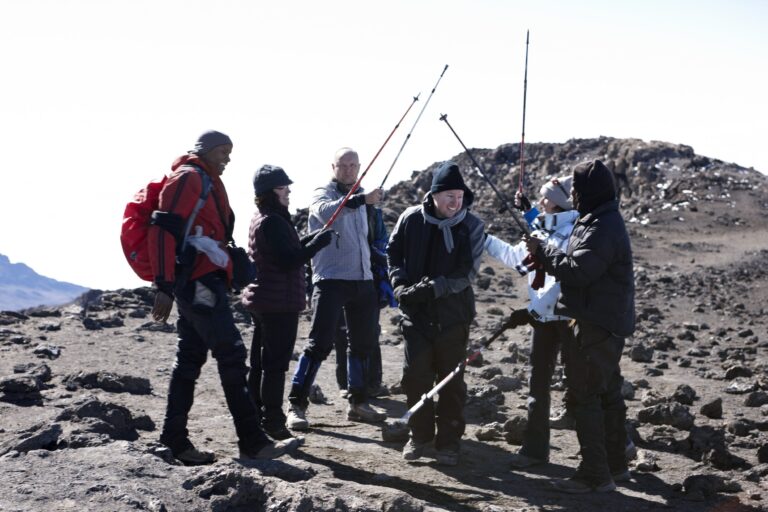
How Tourism Supports Kilimanjaro Communities: A Deep Dive With Top Guide
Explore the vital link between Kilimanjaro tourism and the well-being of local communities. Learn how your trek contributes to sustainable development, economic growth, and cultural...
View package details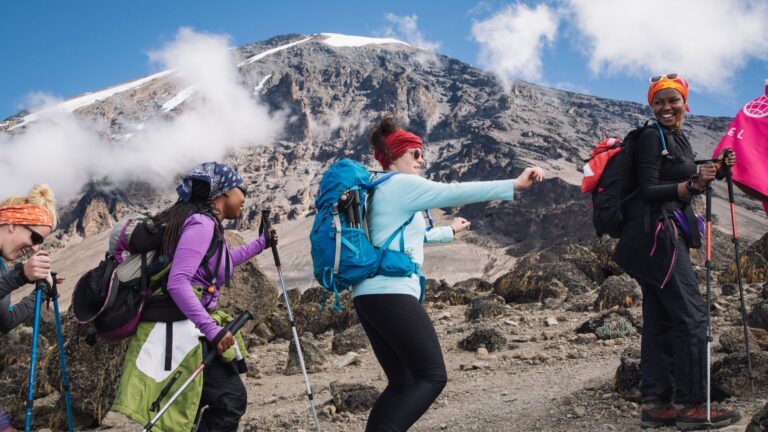
Kilimanjaro Climbing Support For Visually Impaired Travellers Guide
Climbing Kilimanjaro presents a unique challenge and reward, especially for visually impaired travellers. This guide details the specialized support, safety measures, and essential...
View package detailsKilimanjaro Climb With Early Airport Check-In Support | Top Guide Adventures
Top Guide Adventures provides comprehensive Kilimanjaro climb packages, including crucial early airport check-in support. This ensures a smooth transition from arrival to trek preparation...
View package details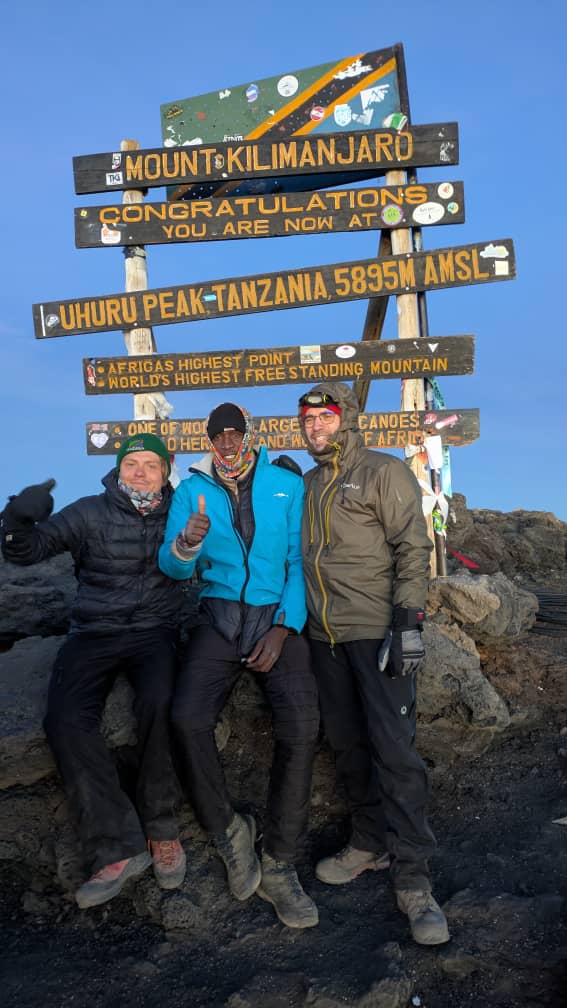
Kilimanjaro Climb With Personalized Training Plan: Your Guide 2026-2027
start your Kilimanjaro adventure with confidence. This guide details how a personalized training plan from Top Guide Adventures ensures you're fully prepared for your 2026 or 2027 climb...
View package details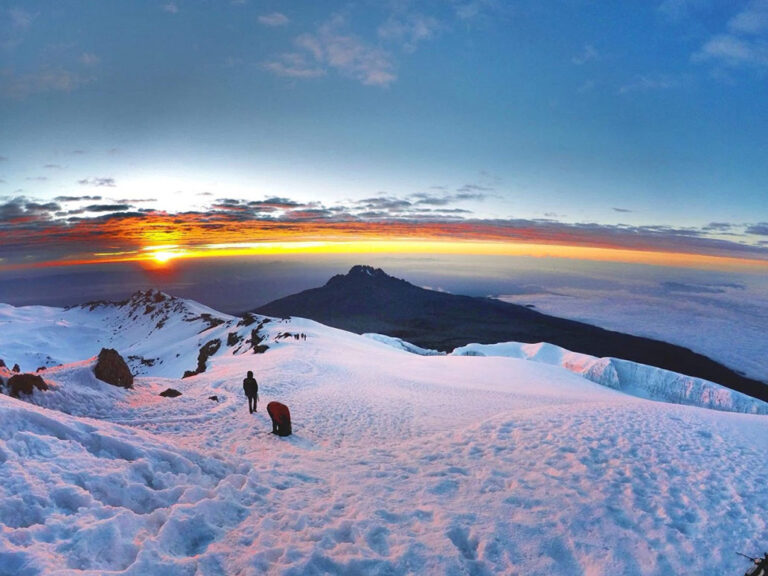
Kilimanjaro Climb With Documentary Film Crew Support | Top Guide Adventures
Discover how to arrange a Kilimanjaro climb with dedicated documentary film crew support. Top Guide Adventures specializes in providing comprehensive logistical and guiding services for...
View package details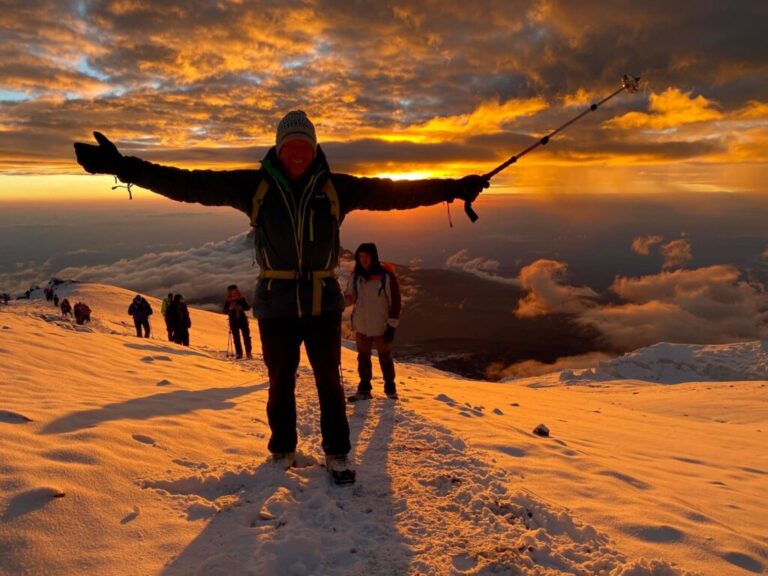
Kilimanjaro Climb With Professional Photography Support In | Top Guide
Elevate your Kilimanjaro ascent by including professional photography services. Top Guide Adventures ensures your most challenging and rewarding moments on Africa's highest peak are...
View package details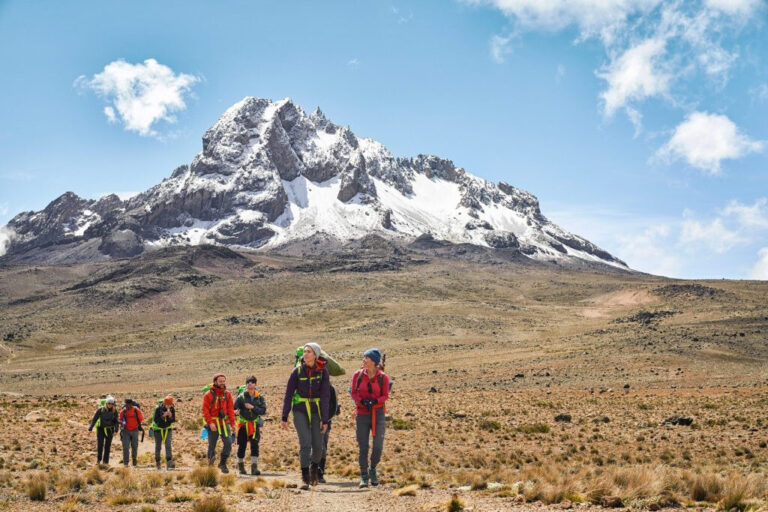
Kilimanjaro Comfort Upgrade Package: Enhance Your Climb In 2026-2027
Experience Kilimanjaro like never before with the Comfort Upgrade Package from Top Guide Adventures. This package enhances your climb with superior equipment, gourmet meals, and extra...
View package details
Should You Wear Gaiters On Kilimanjaro? A Complete Guide For Climbers
Discover whether gaiters are essential for your Kilimanjaro climb. This comprehensive guide covers their benefits, types, and how they enhance comfort and safety on the mountain, especially...
View package details
Kilimanjaro Hotel Booking Mistakes: Avoid These Pitfalls For A Smooth Climb
Booking accommodation near Kilimanjaro is crucial for a successful climb. This guide details common Kilimanjaro hotel booking mistakes to help you avoid them, ensuring comfort and readiness...
View package detailsNo related package matches those filters. Clear one or more filters to see the other topic-matched options.



