
The best Kilimanjaro routes for February weather are generally those offering higher success rates due to better acclimatization profiles and slightly more sheltered conditions, making Lemosho, Machame, and Marangu excellent choices for climbers in 2026-2027. February falls within Kilimanjaro’s short dry season, characterized by warm temperatures and clear skies, though occasional brief showers are possible. These routes provide a good balance of scenic beauty, climbing challenges, and acclimatization opportunities crucial for a successful summit bid during this favorable period.
Understanding Kilimanjaro’s February Climate for Your Climb
February on Kilimanjaro is often considered one of the prime months for trekking. It sits within the shorter of the two dry seasons, which typically run from January to March. This period offers a welcome respite from the heavier rains that characterize the rest of the year. Expect generally warm temperatures, especially at lower altitudes, and significantly clearer skies, leading to spectacular panoramic views from the higher reaches of the mountain. While it’s a dry season, it’s important to remember that Kilimanjaro is a tropical mountain, and microclimates can bring brief, localized showers, particularly on the lower slopes or in the afternoons. These are usually short-lived and don’t typically disrupt a climb significantly. For your 2026 or 2027 expedition, understanding these climatic nuances is the first step in selecting the best Kilimanjaro routes for February weather.
The mountain’s weather patterns are complex, influenced by its immense size and proximity to the equator. The northern and northeastern slopes tend to be drier and can be colder due to less direct sunlight. Conversely, the southern and southeastern sides receive more moisture. For February, the prevailing winds usually bring drier air, contributing to the overall favorable conditions. However, even during this dry season, weather can change rapidly at higher altitudes. Snow on the summit is common year-round, and temperatures can plummet to well below freezing, especially at night and on summit day.
When planning your climb for 2026-2027, selecting a route that maximizes your chances of success is paramount. This involves considering not only the weather but also the route’s length, difficulty, and acclimatization profile. The best Kilimanjaro routes for February weather are those that allow your body ample time to adjust to the increasing altitude, thereby minimizing the risk of altitude sickness and increasing your probability of reaching Uhuru Peak.
The Advantages of Climbing Kilimanjaro in February
Choosing February for your Kilimanjaro adventure comes with several distinct advantages, making it a popular choice for many trekkers aiming for 2026 or 2027. The primary benefit is the weather. Unlike the monsoon seasons, February offers a high probability of clear skies, especially during the day. This means:
- Excellent Visibility: Enjoy impressive views of the surrounding plains, Mount Meru, and the dramatic volcanic landscapes of Kilimanjaro itself. Summit day, often the most anticipated part of the climb, is more likely to offer clear views of the crater and the surrounding glaciers.
- Warmer Temperatures: While the summit will still be cold, the lower and middle sections of the mountain are considerably warmer in February than during the colder, drier season (June-October). This makes the initial days of the trek more comfortable.
- Reduced Rain: While not completely rain-free, the frequency and intensity of rainfall are significantly lower than in the main rainy seasons (April-May and November). This means fewer muddy trails and a more pleasant trekking experience.
- Less Crowded Trails (compared to peak seasons): While February is popular, it generally sees fewer trekkers than the peak dry season of July to October. This can lead to a more serene and personal climbing experience.
These factors combined make February an ideal month for many, and when paired with the right route, it sets the stage for a memorable and successful expedition. For trekkers planning for 2026 and 2027, booking early is advisable, as February remains a sought-after month.
Top Kilimanjaro Routes for February Weather: A Detailed Look
When considering the best Kilimanjaro routes for February weather, we look at routes that offer a good balance of acclimatization, scenery, and success rates, particularly during this favorable month. While many routes can be climbed in February, some are statistically better suited due to their longer ascents and varied terrain, which aids acclimatization.
1. The Lemosho Route: A Premier Choice for February
The Lemosho Route is consistently ranked among the top choices for Kilimanjaro climbs, and February is no exception. Its reputation stems from its high success rates, stunning scenery, and excellent acclimatization profile, making it one of the best Kilimanjaro routes for February weather.
- Duration: Typically 7 to 8 days. The longer duration is key to its success.
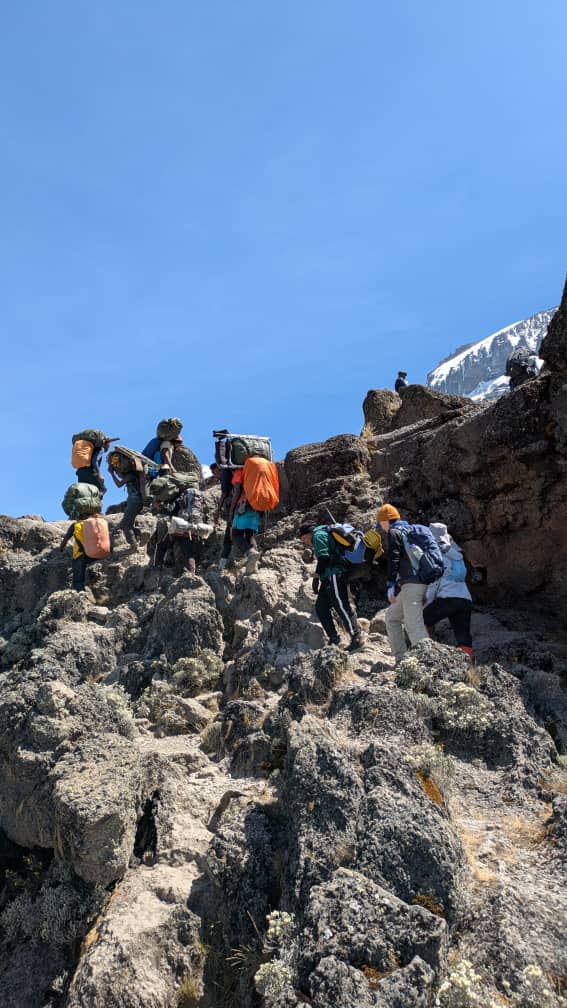
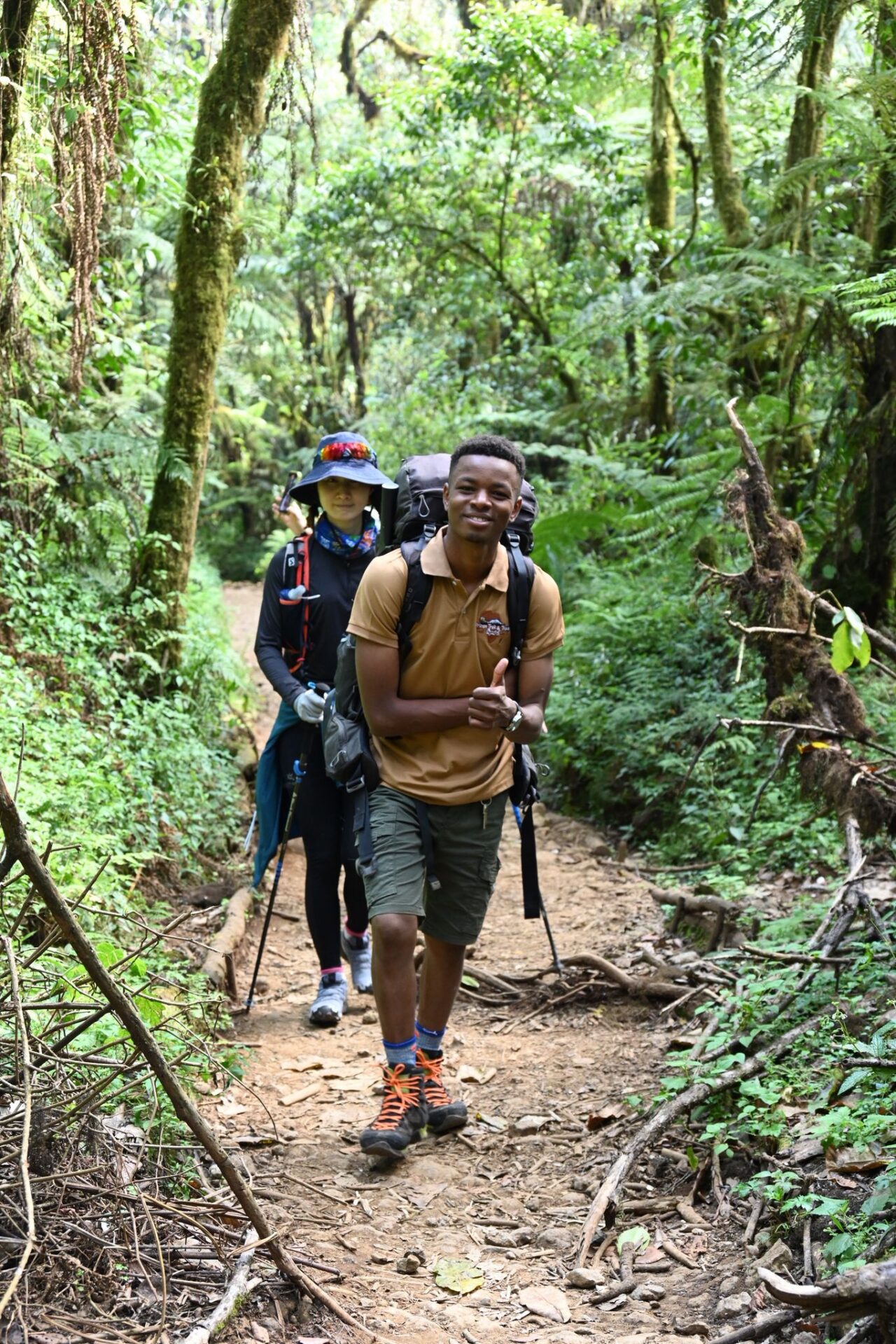
- Scenery: Lemosho is renowned for its dramatic and diverse landscapes. You’ll traverse the lush rainforest, the moorland zone, alpine desert, and arctic summit zone, offering a rich visual experience. The western approach provides unique views of the crater.
- Acclimatization: With 7 or 8 days, Lemosho allows for a slow, steady ascent. The route’s ‘climb high, sleep low’ principle is effectively implemented, significantly increasing acclimatization and reducing the risk of altitude sickness. This is crucial for February, where clear conditions can tempt faster ascents.
- Crowds: Lemosho is less crowded than routes like Marangu or Machame, especially in its early days. You’ll experience more solitude, particularly on the 8-day itinerary.
- February Suitability: The western side, where Lemosho begins, can sometimes be slightly more sheltered from prevailing winds, although this is less of a factor in the dry February. The route’s design for acclimatization is its main strength during any month, including February. The clear skies of February enhance the already spectacular views Lemosho offers.
The 8-day Lemosho itinerary is particularly recommended for February climbs, as it provides an extra day for acclimatization, further boosting success rates. This route starts on the western side of Kilimanjaro, offering a gradual introduction to the mountain’s environments before traversing to the south for the final ascent. For trekkers planning their 2026 or 2027 climb, Lemosho offers a high probability of a rewarding summit experience in February.
Lemosho Route – Key Features for February
- Recommended Duration: 8 days (7 days is possible but less ideal for acclimatization).
- Starting Point: Lemosho Gate (West side).
- Ending Point: Mweka Gate (South/Southeast side).
- Scenery Highlights: Shira Plateau, Lava Tower, Arrow Glacier, superb crater views.
- Acclimatization Profile: Excellent, particularly on the 8-day version.
- Crowd Levels: Moderate, less crowded than Marangu/Machame.
- February Advantage: Excellent acclimatization combined with generally good weather makes it a top choice.
2. The Machame Route: Popularity and Success
Often called the ‘Whiskey Route’ (in contrast to the ‘Coca-Cola Route’ of Marangu), Machame is another highly popular and successful route. It’s a trekking-only route, meaning no camping is allowed, and trekkers stay in huts or lodges before and after the climb. For February, its popularity is well-deserved due to its strong acclimatization profile.
- Duration: Typically 6 to 7 days. The 7-day option is strongly recommended for better acclimatization.
- Scenery: Machame offers a fantastic journey through all of Kilimanjaro’s ecological zones, from dense rainforest to the arctic summit. It’s known for its scenic beauty, particularly the approach to the Shira Plateau.
- Acclimatization: The 7-day Machame route incorporates good ‘climb high, sleep low’ opportunities, which are vital for adapting to the altitude. While the 6-day version is faster, the 7-day itinerary significantly improves success rates, especially for February climbers who might face slightly unpredictable conditions despite the dry season.
- Crowds: Machame is one of the busiest routes, especially during peak seasons. However, in February, while still popular, it might feel less congested than during July-October. You will encounter other trekkers.
- February Suitability: The route’s well-established path and strong acclimatization structure make it a reliable option for February. The clear weather in February allows trekkers to fully appreciate the dramatic landscapes the Machame route showcases.
For those planning a 2026 or 2027 climb, the 7-day Machame route is a solid choice. It offers a challenging yet rewarding experience with a good balance of accessibility and acclimatization benefits, making it a top contender for the best Kilimanjaro routes for February weather.
Machame Route – Key Features for February
- Recommended Duration: 7 days (6 days is possible but not ideal).
- Starting Point: Machame Gate (Southwest).
- Ending Point: Mweka Gate (South/Southeast).
- Scenery Highlights: Shira Plateau, Barranco Wall (a scenic scramble), Great Barranco Valley.
- Acclimatization Profile: Good on the 7-day version, with effective ‘climb high, sleep low’ opportunities.
- Crowd Levels: High, especially during peak season, but manageable in February.
- February Advantage: Reliable acclimatization and stunning views enhanced by clear February skies.
3. The Marangu Route: The ‘Coca-Cola’ Route
The Marangu Route is the oldest and arguably the most famous route on Kilimanjaro. It’s often referred to as the ‘Coca-Cola Route’ because it’s the only route where trekkers can stay in huts rather than camping. While it’s a popular choice, it’s generally considered to have lower success rates compared to Lemosho or Machame, mainly due to its faster ascent profile and less effective acclimatization.
- Duration: Typically 5 to 6 days. The 5-day option is very fast and has a low success rate. The 6-day option is better but still less ideal for acclimatization than longer routes.
- Scenery: Marangu offers beautiful scenery, passing through rainforest and moorland. However, it ascends and descends the same path, offering less varied views compared to western routes.
- Acclimatization: This is the main drawback of Marangu, especially the 5-day option. It does not effectively implement the ‘climb high, sleep low’ strategy. The 6-day option adds a day which can be used for a loop to Mawenzi Ridge for better acclimatization, but it’s still not as robust as Lemosho or Machame.
- Crowds: Marangu is often the busiest route due to its accessibility and hut accommodation. February can still see significant numbers of trekkers on this path.
- February Suitability: While the weather in February is good, the route’s inherent acclimatization challenges mean it’s less ideal for those prioritizing a high success rate. However, for trekkers who are already well-acclimatized or who prefer hut accommodation and are willing to take the 6-day option, it can still be a viable choice. The clear skies of February will enhance the views available on this route.
For those considering Marangu for their 2026-2027 February climb, it’s crucial to opt for the 6-day itinerary and to have a solid understanding of altitude sickness. It offers a unique experience with its hut accommodations but requires careful consideration regarding its acclimatization profile.
Marangu Route – Key Features for February
- Recommended Duration: 6 days (5 days is not recommended due to low success rates).
- Starting Point: Marangu Gate (Southeast).
- Ending Point: Marangu Gate (Southeast).
- Scenery Highlights: Rainforest, Mandara Huts, Horombo Huts, Kibo Huts.
- Acclimatization Profile: Poor on the 5-day, moderate on the 6-day. Lacks effective ‘climb high, sleep low’.
- Crowd Levels: High.
- February Advantage: Hut accommodation offers comfort; weather is good. However, lower success rates are a significant consideration.
4. Other Routes and February Considerations
While Lemosho, Machame, and Marangu are the most common choices, other routes exist. For February, routes like Shira, Rongai, and Northern Circuit can also be considered, each with its own pros and cons.
- Shira Route: Similar to Lemosho but starts at a higher altitude and reaches the Shira Plateau earlier. It can be more challenging due to the higher starting altitude and potentially faster ascent, making it less ideal for acclimatization in any month, including February, unless extended.
- Rongai Route: This route approaches Kilimanjaro from the north, a drier side. It’s known for being less scenic in its early stages but can be a good option in wetter seasons. In February, while it offers good weather, it doesn’t offer the same dramatic scenery as Lemosho or Machame. Its acclimatization profile is generally considered moderate.
- Northern Circuit: This is the longest route, typically 9 days or more. Its extended duration offers excellent acclimatization and high success rates. For February, it provides a more relaxed pace and a high chance of summiting, along with stunning views from the northern side. It’s an excellent, albeit longer, option for those prioritizing success and a less crowded experience.
For the best Kilimanjaro routes for February weather, prioritizing routes with longer durations (7-8 days for Lemosho/Machame, 9+ for Northern Circuit) is key. These longer itineraries provide the necessary time for your body to adapt to the extreme altitude, significantly increasing your chances of reaching Uhuru Peak in the generally favorable February conditions of 2026-2027.
Factors Influencing Route Choice for February Climbs
Selecting the best Kilimanjaro route for February weather involves more than just looking at the month. Several crucial factors should guide your decision, especially as you plan for 2026 or 2027.
Acclimatization: The Golden Rule
This cannot be stressed enough. Altitude sickness is the primary reason climbers fail to reach the summit. The best Kilimanjaro routes for February weather are those that facilitate proper acclimatization. This means:
- Longer is Better: Opt for 7-day or 8-day itineraries (or longer for the Northern Circuit). These routes allow for a slower, more gradual ascent, giving your body more time to adjust to the decreasing oxygen levels.
- ‘Climb High, Sleep Low’: Routes like Lemosho and Machame excel at this. They involve ascending to higher altitudes during the day and then descending to a lower camp to sleep, helping your body adapt more effectively.
- Avoiding Rushing: Be wary of 5-day or even 6-day itineraries on routes like Marangu or Machame if your primary goal is summit success. February’s good weather can be deceptive, tempting a faster pace that compromises safety and success.
Success Rates and Route Design
While February generally offers good weather, success rates are still heavily influenced by the route’s design. Routes with better acclimatization profiles consistently show higher success rates. For instance, the 8-day Lemosho route is often cited as having success rates upwards of 85-90%, whereas the 5-day Marangu route can be as low as 30-50%. When choosing the best Kilimanjaro routes for February weather, look for operators who emphasize longer itineraries and acclimatization strategies.
Scenery and Trekking Experience
February’s clear skies mean you’ll get to enjoy the stunning beauty of Kilimanjaro. Routes like Lemosho and Machame offer diverse and dramatic landscapes, from rainforests teeming with wildlife to desolate alpine deserts and the icy summit. If scenic beauty is a high priority for your 2026-2027 climb, these routes are excellent choices. Marangu, while offering classic mountain views, is less varied as it uses the same path for ascent and descent.
Crowd Levels
February is part of the shoulder season for Kilimanjaro. It’s less crowded than the peak dry season (July-October) but more popular than the main rainy season (April-May). Routes like Machame and Marangu tend to be busier. If you prefer a more solitary experience, Lemosho or the Northern Circuit might be better options, even in February. You’ll still encounter other trekkers, but the sense of isolation will be greater.
Accommodation Preference
Your preference for camping versus huts will also play a role. The Marangu route is unique in offering hut accommodation throughout the climb. All other routes involve camping. If you are set on huts, Marangu is your only option, but remember its acclimatization drawbacks. For February, the clear weather makes camping comfortable, with temperatures at lower camps being mild.
Budget Considerations
Generally, longer routes like Lemosho and the Northern Circuit tend to be more expensive due to the increased number of days and staff required. Marangu can sometimes appear cheaper upfront, especially for the shorter 5-day option, but its lower success rate means you might pay more in the long run if you need to attempt a second climb. For 2026-2027, consider that prices can fluctuate, and booking with a reputable operator who prioritizes safety and success will offer better value.
Preparing for Kilimanjaro in February: Essential Tips
Even with favorable February weather, climbing Kilimanjaro is a serious undertaking that requires thorough preparation. Your planning for 2026-2027 should include physical training, mental readiness, and appropriate gear.
Physical Training
Kilimanjaro is a non-technical climb, but it demands excellent cardiovascular fitness and stamina. Focus on:
- Hiking: Regular hikes, ideally with a weighted backpack, on varied terrain.
- Cardiovascular Exercises: Running, cycling, swimming, or using an elliptical machine several times a week.
- Strength Training: Focus on legs and core for stability and endurance.
- Practice: If possible, do multi-day hikes with significant elevation gain to simulate the climbing experience.
Start your training at least 3-6 months before your climb. This is crucial regardless of the route chosen for February.
Gear and Packing for February Conditions
February is generally warm at the base, but temperatures drop dramatically with altitude. You need layers for all conditions, from tropical heat to arctic cold.
- Layering System: Base layers (thermal), mid-layers (fleece/down jacket), and outer layers (waterproof and windproof shell).
- Footwear: Broken-in waterproof hiking boots are essential.
- Headwear: Warm hat, sun hat, balaclava for summit night.
- Handwear: Warm gloves, liner gloves.
- Sun Protection: High SPF sunscreen, sunglasses, lip balm. February sun is intense at altitude.
- Hydration: Water bottles or a hydration reservoir. Consider an insulated one to prevent freezing.
- Headlamp: Essential for summit night.
- Trekking Poles: Highly recommended for stability and reducing strain on knees.
Check with your tour operator for a detailed packing list. Reputable companies like Top Guide Adventures provide comprehensive lists tailored to the mountain’s conditions, even for February climbs in 2026-2027.
Altitude Sickness Prevention
The best prevention is choosing a suitable route (like Lemosho or Machame for 7-8 days) and ascending slowly. Other measures include:
- Hydration: Drink plenty of water (3-4 liters per day).
- Avoid Alcohol and Smoking: These can exacerbate altitude sickness.
- Pacing: Walk ‘pole pole’ (slowly, slowly).
- Medication: Consult your doctor about Diamox (acetazolamide). It can aid acclimatization but is not a substitute for slow ascent.
Your guide will monitor you closely for symptoms. It’s vital to communicate any discomfort immediately.
Mental Preparation
Climbing Kilimanjaro is as much a mental challenge as a physical one. The long days, cold temperatures, and altitude can be demanding. Prepare yourself for:
- Patience: The ascent is slow and steady.
- Resilience: You will face challenges, especially on summit night.
- Positive Attitude: A good mindset significantly contributes to success.
- Flexibility: Be prepared for weather changes or personal challenges.
Understanding that February weather is generally good can boost morale, but be prepared for any eventuality. The clear skies of February can make the summit night feel magical, but the cold remains extreme.
Choosing a Tour Operator for Your February Kilimanjaro Climb
Selecting the right tour operator is as critical as choosing the best Kilimanjaro route for February weather. Your operator dictates the quality of guides, equipment, safety protocols, and overall experience. For your 2026 or 2027 climb, consider these points:
- Safety Record: Look for operators with a strong safety record, including emergency procedures and oxygen availability.
- Guide Experience: Ensure guides are certified, experienced, and knowledgeable about altitude sickness and mountain rescue.
- Itinerary Design: Prioritize operators who offer longer itineraries (7-8 days for Lemosho/Machame) for better acclimatization, especially for February.
- Group Size: Smaller groups often allow for more personalized attention.
- Equipment Quality: Good quality tents, sleeping bags, and cooking gear are essential for comfort and safety.
- Reputation: Check reviews on platforms like TripAdvisor. Companies like Top Guide Adventures have a strong reputation for excellent service and high success rates.
Top Guide Adventures is a highly trusted local operator in Tanzania, known for its personal attention and dedication to client care. They organize complete travel experiences, including Kilimanjaro climbs. For your 2026-2027 February climb, they can help you select the best route, tailor an itinerary, and ensure you have a safe and memorable adventure. You can reach them via WhatsApp +255616946642 or email at topguideadventures@gmail.com or info@topguideadventures.com.
Comparing the Best Kilimanjaro Routes for February
To help you make an informed decision for your 2026-2027 February climb, here’s a comparative overview of the top routes:
| Feature | Lemosho (8 Days) | Machame (7 Days) | Marangu (6 Days) | Northern Circuit (9 Days) |
|---|---|---|---|---|
| February Suitability | Excellent | Very Good | Moderate (due to acclimatization) | Excellent |
| Acclimatization Profile | Excellent | Good | Fair | Excellent |
| Success Rate | High (approx. 85-90%) | Good (approx. 75-85%) | Moderate (approx. 50-65%) | Very High (approx. 90%+) |
| Scenery | Outstanding, diverse | Excellent, varied | Good, less varied | Exceptional, panoramic |
| Crowds in February | Moderate | High | Very High | Low |
| Accommodation | Camping | Camping | Huts | Camping |
| Cost (Estimate) | Mid to High | Mid | Mid (can seem lower but factor in success rate) | High |
When planning for 2026-2027, this table should help clarify which of the best Kilimanjaro routes for February weather aligns best with your priorities. For most trekkers aiming for a successful and enjoyable climb in February, the 8-day Lemosho or the 9-day Northern Circuit offer the best combination of acclimatization, scenery, and success rates. The 7-day Machame is a strong, popular alternative.
Common Questions About Climbing Kilimanjaro in February
Here are answers to frequently asked questions that might arise when planning your 2026-2027 Kilimanjaro climb during February.
Is February a good month to climb Kilimanjaro?
Yes, February is considered one of the best months to climb Kilimanjaro. It falls within the shorter dry season, offering warm temperatures at lower altitudes, clear skies, and good visibility. While not completely rain-free, significant rainfall is less common than in other months.
What is the weather like on Kilimanjaro in February?
February typically features warm days and cool nights at lower elevations, with temperatures dropping significantly as you ascend. Summit night will be very cold, likely below freezing. Skies are generally clear, offering excellent views, though occasional brief showers are possible. Snow on the summit is present year-round.
Which is the best route for February?
For February, routes offering longer acclimatization periods are recommended. The 8-day Lemosho route and the 9-day Northern Circuit are excellent choices due to their high success rates. The 7-day Machame route is also a very good option. These routes provide better opportunities for your body to adapt to the altitude, crucial for any climb, even in good weather.
What are the success rates for Kilimanjaro in February?
Success rates vary by route and duration. Longer routes like Lemosho (8 days) and Northern Circuit (9 days) typically have success rates exceeding 85-90%. Shorter routes, especially the 5-day Marangu, have significantly lower success rates (around 30-50%). For February, choosing a longer, well-designed route is key to maximizing your chances.
Is February crowded on Kilimanjaro?
February is a popular month due to the favorable weather, but it is generally less crowded than the peak dry season (July-October). Routes like Machame and Marangu will see more trekkers, while Lemosho and Northern Circuit offer a more serene experience.
What gear do I need for Kilimanjaro in February?
You’ll need a comprehensive layering system suitable for a wide range of temperatures. This includes thermal base layers, insulating mid-layers (fleece, down jacket), and a waterproof/windproof outer shell. Essential items also include warm headwear, gloves, waterproof hiking boots, sunglasses, sunscreen, and a good headlamp. Your tour operator will provide a detailed list.
Can I climb Kilimanjaro solo in February?
Kilimanjaro National Park regulations require all climbers to be accompanied by a registered guide. Solo trekking is not permitted. You can, however, book a private climb for a more personalized experience, or join a group tour. For 2026-2027, booking a private climb with a reputable company like Top Guide Adventures ensures dedicated support.
What is the cost of climbing Kilimanjaro in February?
The cost varies significantly based on the route, duration, operator, and inclusions. Generally, expect prices to range from $1,800 to $4,000+ per person for standard packages. Longer routes and operators with higher safety standards and better inclusions (like private toilets, better food) will be at the higher end. Always compare what’s included.
Finalizing Your 2026-2027 Kilimanjaro Expedition in February
February presents a fantastic opportunity for a Kilimanjaro climb, offering a sweet spot of generally good weather, warm temperatures at lower altitudes, and clear skies for stunning views. When selecting the best Kilimanjaro routes for February weather, your primary focus should be on acclimatization and success rates. The 8-day Lemosho route stands out for its excellent balance of scenery, acclimatization, and high success rates. The 9-day Northern Circuit offers an even more relaxed pace and superior acclimatization, ideal for those with more time and a desire for solitude. The 7-day Machame route remains a popular and solid choice for its well-trodden path and good acclimatization profile.
Regardless of the route you choose for your 2026 or 2027 adventure, remember that preparation is key. Physical fitness, proper gear, and a thorough understanding of altitude sickness will significantly contribute to your success and enjoyment. Choosing a reputable tour operator like Top Guide Adventures is paramount. They offer experienced guides, quality equipment, and a commitment to your safety and well-being, ensuring your Kilimanjaro journey is everything you dreamed of.
Don’t hesitate to reach out for personalized advice and to start planning your unforgettable climb. You can connect with Top Guide Adventures via WhatsApp at +255616946642, email them at topguideadventures@gmail.com, or their backup email info@topguideadventures.com. They are ready to help you craft the perfect Kilimanjaro experience for February 2026 or 2027.
Check Availability for Best Kilimanjaro Routes For February Weather: Your Guide 2026-2027
Ready to compare dates, prices, and the best option for your group? Send the package name and travel month so the team can reply with a clear quote, availability, and what is included.
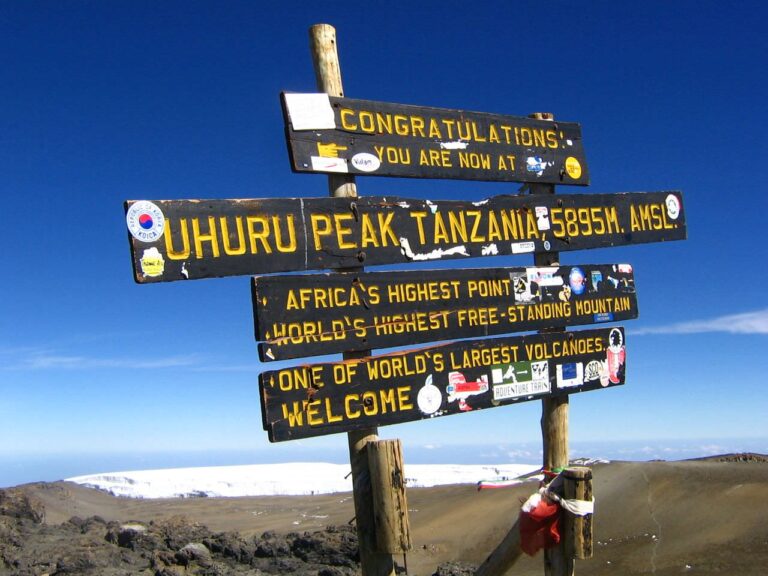
What Does Kilimanjaro Rainforest Look Like? A Trekkers Visual Guide 2026-2027
The Kilimanjaro rainforest is a vibrant, humid zone of dense vegetation, towering trees, and diverse plant life found on the mountain's lower slopes. It's the first major ecosystem trekkers...
View package details
Kilimanjaro Climb With A Personal Support Assistant: Your Ultimate Guide
Climbing Mount Kilimanjaro with a personal support assistant offers unparalleled safety, comfort, and focus on your summit goals. This guide details what a personal assistant entails, its...
View package details
How To Know Whether You Are Ready For Kilimanjaro: A Comprehensive Guide
Climbing Mount Kilimanjaro is a significant undertaking. This guide helps you evaluate your physical, mental, and logistical readiness to ensure a safe and successful trek in 2026 or 2027...
View package details
Kilimanjaro Hydration Mistakes Climbers Make And How To Avoid Them 2026-2027
Proper hydration is critical for a successful Kilimanjaro climb. This guide details common hydration mistakes climbers make, from under-drinking to choosing the wrong fluids, and provides...
View package details
Kilimanjaro Altitude-Sickness Mistakes 2026-2027
Kilimanjaro Altitude-Sickness Mistakes is explained with current 2026-2027 planning, price, itinerary and booking information.
View package details
Kilimanjaro Summit-Night Mistakes To Avoid: Your Essential Guide For Climbs
Summit night on Kilimanjaro is the most challenging part of the climb. Avoiding common mistakes in acclimatization, gear, hydration, and pacing is crucial for success. This guide details...
View package details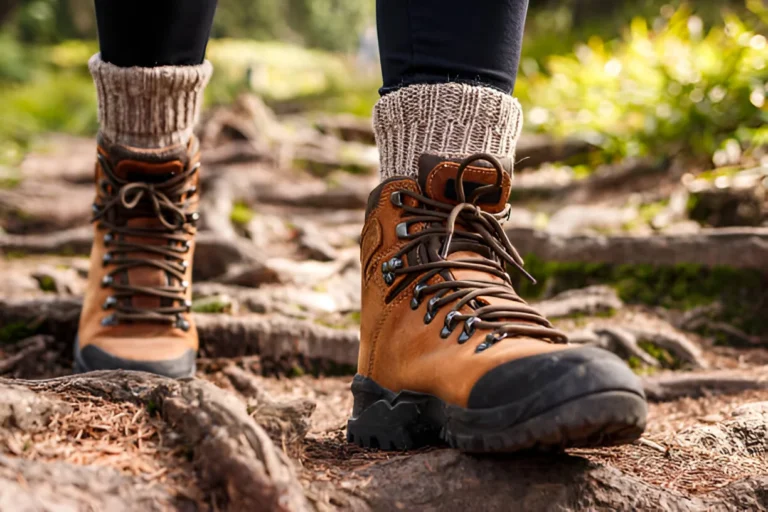
Kilimanjaro Training Mistakes That Reduce Summit Success 2026-2027
Kilimanjaro Training Mistakes that Reduce Summit Success is explained with current 2026-2027 planning, price, itinerary and booking information.
View package details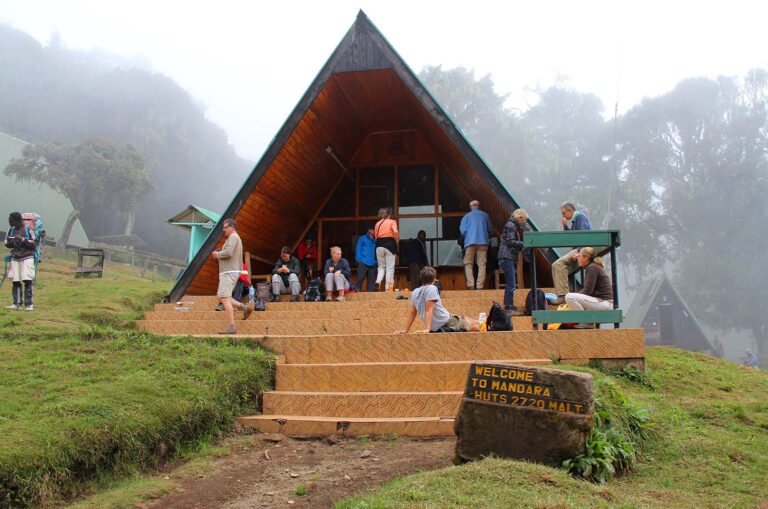
Kilimanjaro Personal Porter Vs Standard Support 2026-2027
Kilimanjaro Personal Porter vs Standard Porter Support is explained with current 2026-2027 planning, price, itinerary and booking information.
View package details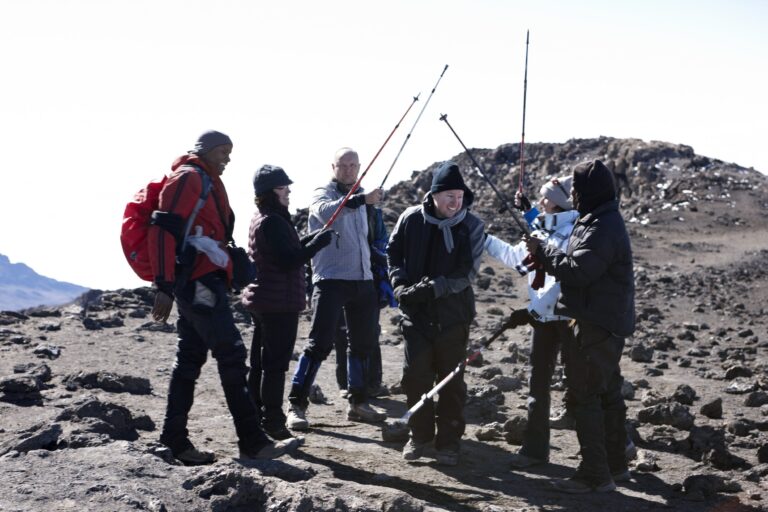
Kilimanjaro Airport Vs Arusha For Climbers: The Definitive Guide 2026-2027
A comprehensive comparison of Kilimanjaro International Airport (JRO) and Arusha Airport (ARK) for trekkers planning a Mount Kilimanjaro climb, detailing pros, cons, and booking advice for...
View package details
Kilimanjaro Climb For Retired Couples: Planning Your Adventure 2026-2027
Planning a Kilimanjaro climb as a retired couple is an achievable and rewarding goal. This guide offers in-depth advice on route selection, physical preparation, essential gear, and the...
View package details
Kilimanjaro Training Plan For Climbers Over 60 2026-2027
Kilimanjaro Training Plan for Climbers over 60 is explained with current 2026-2027 planning, price, itinerary and booking information.
View package details
Can A 16-Year-Old Climb Kilimanjaro? Your Essential Guide 2026-2027
Discover if a 16-year-old can summit Kilimanjaro. This comprehensive guide covers age requirements, health, fitness, essential gear, and planning for younger trekkers aiming for Africa's...
View package detailsNo related package matches those filters. Clear one or more filters to see the other topic-matched options.



