
Hari Budha Magar made history by becoming the first double-amputee to successfully climb Mount Kilimanjaro, reaching the summit on January 14, 2023. His ascent, achieved using prosthetic legs and crutches, stands as a testament to human resilience and determination, inspiring countless individuals facing physical challenges.
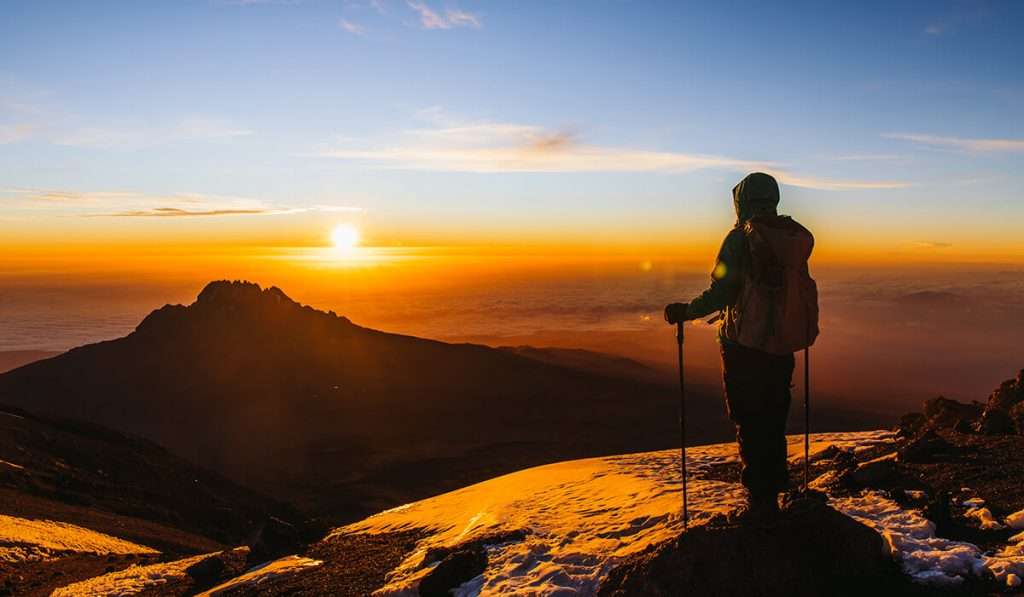
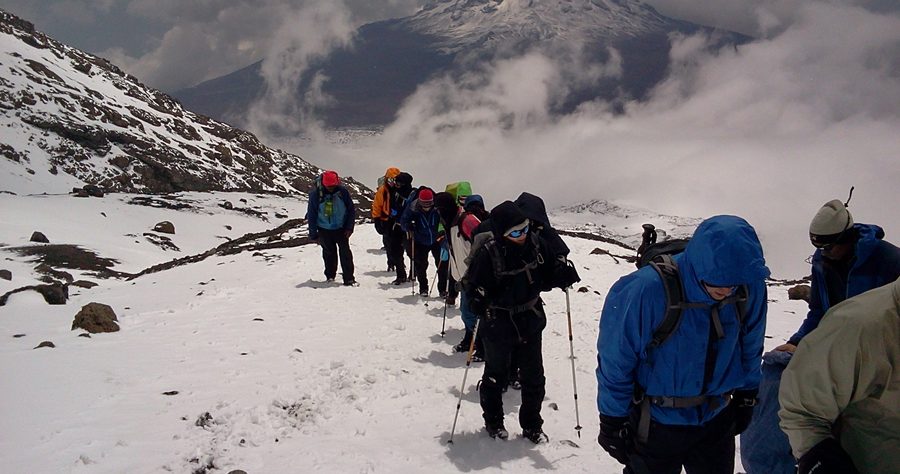
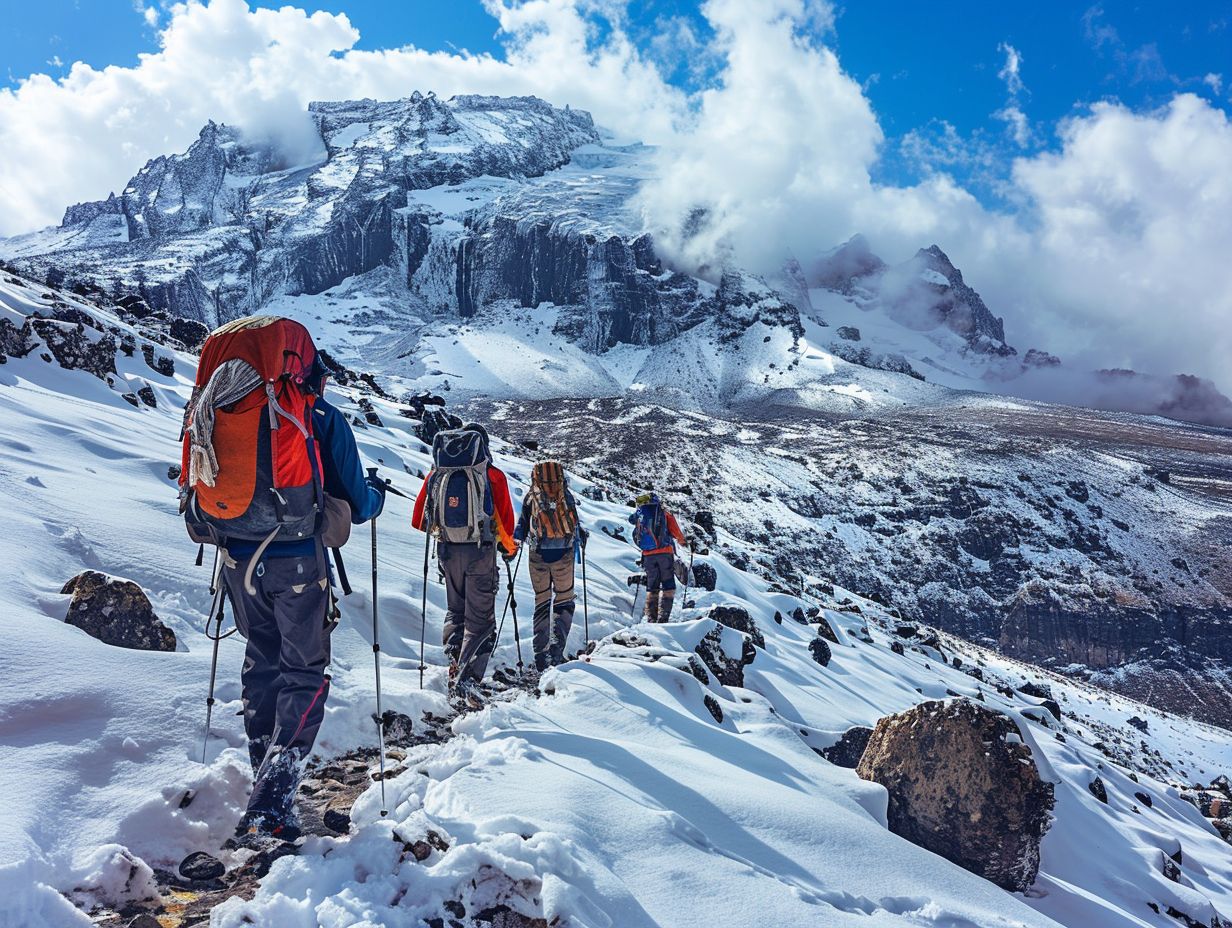
The Historic Ascent: Hari Budha Magar on Kilimanjaro
The story of Hari Budha Magar’s Kilimanjaro climb is more than just a record-breaking achievement; it’s a powerful narrative of overcoming adversity. After losing both legs below the knee in Afghanistan in 2010, Hari faced a future he never imagined. However, his spirit remained unbroken. Driven by an unyielding desire to prove that limitations are often self-imposed, he set his sights on Africa’s highest peak, Mount Kilimanjaro. His successful summit is a beacon of hope, demonstrating that with the right preparation, support, and mental fortitude, seemingly insurmountable challenges can be conquered. This remarkable feat has brought global attention to adaptive mountaineering and the potential of individuals with disabilities.
For many, Kilimanjaro represents a significant personal challenge, a bucket-list item that tests physical and mental endurance. For Hari Budha Magar, it was an opportunity to redefine what is possible. His journey to the roof of Africa was meticulously planned, involving extensive training, specialized equipment, and a dedicated support team. The expedition itself was arduous, demanding not only physical strength but also immense psychological resilience to navigate the extreme altitudes, unpredictable weather, and the sheer physical toll of ascending the mountain on prosthetics and crutches. His success on January 14, 2023, has cemented his place in mountaineering history and inspired a new wave of discussions about accessibility and achievement in extreme sports.
Top Guide Adventures, a leading tour operator in Tanzania, understands the unique demands of climbing Kilimanjaro. While Hari’s climb was extraordinary, the company is committed to supporting all climbers, regardless of their background or physical condition, in achieving their mountain goals. We believe in providing comprehensive support, expert guidance, and personalized attention to ensure every climber has the best possible chance of success and a safe, memorable experience on Kilimanjaro. Whether you are an experienced trekker or embarking on your first major climb, our team is equipped to help you prepare and execute your journey to the summit.
Understanding the Achievement: Hari Budha Magar’s Kilimanjaro Expedition Details
Hari Budha Magar’s climb to the summit of Mount Kilimanjaro was not merely a physical feat but a complex logistical and psychological undertaking. The mountain, standing at 5,895 meters (19,341 feet), presents significant challenges even for able-bodied climbers due to its altitude, steep terrain, and rapid weather changes. For Hari, who lost both legs below the knee, these challenges were amplified. He utilized specialized prosthetic legs and crutches, requiring immense upper body strength and a unique climbing technique. The expedition focused on a carefully selected route, prioritizing acclimatization and a steady pace to manage the effects of altitude sickness.
The specific route chosen for Hari’s expedition was critical. While details may vary, expeditions aiming for maximum success and safety for climbers with specific needs often favor routes like the Lemosho Route or the Machame Route. These routes are known for their longer duration, which allows for better acclimatization, a crucial factor for any climber, but especially vital for someone navigating the mountain with prosthetics. A longer itinerary typically means more days spent on the mountain, allowing the body to gradually adjust to the decreasing oxygen levels as altitude increases. This slower ascent profile significantly reduces the risk of severe altitude sickness, such as High Altitude Pulmonary Edema (HAPE) or High Altitude Cerebral Edema (HACE), which can be life-threatening.
Hari’s ascent required a support system that went beyond standard trekking crews. Specialized guides, medical personnel, and porters were essential to ensure his safety and well-being at every stage. The logistics involved in managing his prosthetic equipment, ensuring it was maintained and functional in harsh conditions, and providing constant physical assistance were substantial. The mental strength required to push through pain, fatigue, and the extreme environment, day after day, is truly awe-inspiring. His achievement underscores the importance of adaptive equipment and specialized mountaineering expertise.
The success of this climb, celebrated globally, has spurred conversations about accessibility on Kilimanjaro and other major peaks. It highlights the need for tour operators to be equipped to handle diverse client needs and to promote inclusive adventure travel. As we look towards 2026 and 2027, Hari’s story serves as a powerful reminder of the human spirit’s capacity and encourages more individuals with disabilities to consider their own mountain adventures.
The Kilimanjaro Climbing Experience for Double-Amputees: Challenges and Solutions
Climbing Mount Kilimanjaro is a demanding endeavor for anyone. For a double-amputee like Hari Budha Magar, the challenges are significantly amplified, requiring specialized approaches and robust support systems. Understanding these unique hurdles is key to appreciating the magnitude of his achievement and to planning similar expeditions for others with disabilities. The primary challenges revolve around mobility, endurance, altitude adaptation, and equipment management.
Mobility and Terrain Navigation
The terrain on Kilimanjaro varies dramatically, from lush rainforests at the base to rocky scree and icy glaciers near the summit. For a double-amputee, navigating this varied landscape presents substantial difficulties. Traditional walking is impossible. Hari Budha Magar utilized advanced prosthetic legs designed for rugged terrain, combined with trekking poles or crutches for stability and propulsion. This requires exceptional upper body strength, core stability, and a highly developed sense of balance. Each step demands conscious effort and precise control.
The steepness of the slopes, especially on summit night, is a major obstacle. Moving upwards on loose scree or ice can lead to slips and falls, making stability paramount. The use of specialized prosthetic feet with good grip and the strategic placement of crutches or poles become critical for forward momentum and safety. The descent, often more challenging than the ascent due to fatigue and the jarring impact on joints and prosthetics, requires even greater caution and control.
Endurance and Physical Strain
Climbing Kilimanjaro is an endurance test that can last anywhere from 5 to 9 days, depending on the route. For a double-amputee, the physical strain is significantly higher. The constant effort to propel oneself using prosthetics and upper body strength burns more calories and requires greater cardiovascular output. The arms, shoulders, and core muscles are engaged to an extraordinary degree, leading to potential fatigue and strain. Muscle soreness and joint pain can be intensified, especially in the residual limbs and shoulders.
Managing energy levels is crucial. This involves careful planning of food intake, hydration, and rest periods. Climbers need to consume enough calories to fuel the intense physical exertion, and staying adequately hydrated is vital for preventing fatigue and altitude sickness. The mental aspect of endurance is also profound; maintaining motivation and focus over multiple days of extreme effort is a significant psychological challenge.
Altitude Adaptation
Altitude sickness is a risk for all Kilimanjaro climbers. As altitude increases, atmospheric pressure drops, meaning less oxygen is available to the body. This can lead to symptoms ranging from headaches and nausea to life-threatening conditions like HAPE and HACE. For a double-amputee, the physiological impact of altitude might be compounded by the increased physical exertion. The body’s ability to adapt to lower oxygen levels could be stressed by the extraordinary demands placed upon it.
Therefore, a slow and steady ascent with ample acclimatization days is not just recommended but absolutely essential. Choosing longer routes like the Lemosho or Machame, which offer better acclimatization profiles, is vital. The support team must be vigilant in monitoring Hari’s condition for any signs of altitude sickness, ready to implement appropriate medical interventions or, if necessary, initiate an emergency descent.
Equipment and Technical Support
The equipment used by a double-amputee climber is highly specialized. Hari Budha Magar likely used custom-fitted prosthetic legs, possibly with adjustable sockets to accommodate changes in residual limb volume due to swelling or temperature fluctuations. The feet of the prosthetics would need to be robust, offering excellent traction on varied surfaces. Crutches or specialized trekking poles are indispensable for stability and propulsion.
Beyond the prosthetics, standard high-altitude gear is still necessary: warm clothing, waterproof outer layers, sturdy boots (for the support team), and essential safety equipment. The maintenance of prosthetic equipment in harsh mountain conditions – dust, cold, moisture – is a critical consideration. A dedicated technician or a highly trained member of the support team might be needed to perform minor repairs or adjustments. This level of specialized support is what differentiates an expedition like Hari’s from a standard trek.
Psychological Fortitude
Perhaps the most significant challenge is the psychological one. Facing a mountain like Kilimanjaro after such a life-altering event requires immense courage, resilience, and a powerful mindset. Hari Budha Magar’s determination to push his limits and redefine possibilities is a testament to his extraordinary spirit. Maintaining a positive outlook, managing frustration, and staying focused on the goal amidst physical discomfort and extreme conditions are crucial for success. The support of his team, including motivational encouragement, plays a vital role in sustaining this mental fortitude throughout the expedition.
Hari Budha Magar’s Journey: From Soldier to Record Holder
Hari Budha Magar’s life story is one of profound transformation and unwavering courage. A former Gurkha soldier, his distinguished military career was tragically altered in 2010 during a deployment in Afghanistan. While on patrol, he stepped on an Improvised Explosive Device (IED), resulting in the amputation of both his legs below the knee. This event marked a turning point, forcing him to confront a new reality and adapt to life with a significant physical disability.
The initial period following his injury was undoubtedly challenging, filled with physical rehabilitation, emotional adjustment, and the daunting task of learning to navigate the world anew. However, Hari’s inherent resilience and the discipline instilled during his military service became powerful tools. Instead of succumbing to despair, he channeled his energy into recovery and, eventually, into setting ambitious new goals. His decision to pursue mountaineering, culminating in the climb of Mount Kilimanjaro, demonstrates a remarkable refusal to be defined by his injuries.
His ambition to climb Kilimanjaro was not just a personal challenge; it was a statement. It was about proving that losing limbs does not mean losing the ability to pursue dreams and achieve greatness. He aimed to become the first double-amputee above the knee to reach the summit, a goal that required not only immense physical preparation but also a deep well of mental strength. The journey involved extensive training, including strengthening his core and upper body, practicing with his prosthetics on varied terrains, and meticulously planning the expedition logistics.
The expedition itself, culminating in his historic summit on January 14, 2023, was a testament to years of dedication. He relied on specialized prosthetics and crutches, pushing his body to its absolute limits while navigating the treacherous paths of Kilimanjaro. His ascent was closely followed by supporters worldwide, who were inspired by his tenacity and positive spirit. Hari Budha Magar’s story is a powerful example of how adversity can be transformed into a platform for extraordinary achievement, inspiring others to pursue their own seemingly impossible goals.
For travelers considering their own Kilimanjaro adventures in 2026 or 2027, Hari’s journey offers invaluable lessons in perseverance, preparation, and the importance of a strong support system. It highlights that with the right mindset and professional guidance, significant personal challenges can be overcome.
Planning Your Kilimanjaro Climb with Top Guide Adventures (Inspired by Hari’s Feat)
Hari Budha Magar’s record-breaking climb on Mount Kilimanjaro serves as a powerful inspiration for adventurers worldwide. At Top Guide Adventures, we are inspired by such extraordinary achievements and are committed to helping all aspiring climbers, including those with specific physical needs, plan and execute their Kilimanjaro expeditions safely and successfully. While Hari’s climb was unique, the principles of thorough preparation, expert guidance, and unwavering support remain universal.
If Hari’s story has motivated you to consider climbing Kilimanjaro, whether in 2026, 2027, or beyond, here’s how Top Guide Adventures can assist you in planning your journey. We understand that every climber is different, and we pride ourselves on offering personalized service to meet individual requirements.
Choosing the Right Route
Selecting the appropriate route is crucial for acclimatization and overall success. For climbers who may require a slower pace or more time to adapt to altitude, longer routes are highly recommended. The Lemosho Route and the Machame Route are excellent choices, both offering a 7-day or 8-day itinerary that provides superior acclimatization profiles compared to shorter routes. These routes allow for a gradual ascent, increasing the chances of reaching the summit comfortably and safely. We can discuss the pros and cons of each route in detail, considering your fitness level, desired experience, and any specific physical considerations.
Tailored Training and Preparation
Physical preparation is paramount for any Kilimanjaro climb. For climbers with specific physical needs, a more tailored training program might be necessary. We can provide guidance on recommended exercises, focusing on cardiovascular fitness, strength training (particularly for the legs, core, and upper body), and endurance. Practicing with any specialized equipment you plan to use, such as prosthetics or walking aids, is also highly advisable. Our team can connect you with resources or suggest training methodologies that align with your circumstances.
Specialized Support and Equipment
While we cater to all climbers, we recognize that some expeditions may require additional considerations. For climbers with mobility challenges, the availability of specialized equipment and highly trained support staff is essential. We work with experienced guides and porters who are adept at providing assistance and ensuring safety on the mountain. We can discuss the potential need for additional support personnel or specific gear to ensure your comfort and security throughout the trek. Please communicate any specific requirements well in advance so we can make the necessary arrangements.
Health and Safety First
Your health and safety are our top priorities. We strongly advise all climbers to consult with their doctor before embarking on a Kilimanjaro expedition, especially if you have pre-existing medical conditions or specific physical needs. We will provide comprehensive pre-departure information, including advice on packing, hydration, nutrition, and recognizing the symptoms of altitude sickness. Our guides are trained in first aid and are equipped to handle medical emergencies on the mountain.
Booking Your Expedition
Planning ahead is key, especially for expeditions requiring special arrangements. For climbs in 2026 and 2027, we recommend starting the planning process at least 6-12 months in advance. This allows ample time for training, equipment selection, and securing your preferred dates and route. Contacting us early ensures that we can dedicate the necessary attention to your specific needs and create a personalized itinerary that maximizes your chances of a successful and unforgettable Kilimanjaro experience.
To discuss your Kilimanjaro climb, get a personalized quote, or learn more about how Top Guide Adventures can support your adventure, please reach out to us:
WhatsApp: +255616946642
Email: topguideadventures@gmail.com
Backup Email: info@topguideadventures.com
We are committed to making your dream of conquering Kilimanjaro a reality, providing the personal attention, care, and dedicated support that defines Top Guide Adventures.
The Impact of Hari Budha Magar’s Record on Adaptive Mountaineering
Hari Budha Magar’s achievement of summiting Mount Kilimanjaro as a double-amputee is a landmark event that resonates far beyond the mountaineering community. His success has significantly boosted the profile of adaptive mountaineering, challenging perceptions about the capabilities of individuals with disabilities and inspiring a global conversation about accessibility in extreme sports and adventure travel. This record is not just personal; it’s a catalyst for broader change.
Inspiring Future Generations
Hari’s journey is a powerful narrative of resilience and determination. For individuals who have experienced limb loss or other physical challenges, his climb serves as tangible proof that limitations can be overcome. It encourages them to set ambitious personal goals, whether it’s climbing a mountain, running a marathon, or pursuing any other physically demanding activity. The visibility of his achievement on a global stage provides role models and instills hope, motivating many to explore their own potential and engage more fully in active lifestyles.
Promoting Accessibility in Adventure Travel
The expedition highlights the need for the adventure travel industry to become more inclusive. While Hari’s climb required specialized planning, it also points towards the potential for developing more accessible trekking and mountaineering experiences. Tour operators and mountain authorities are increasingly recognizing the importance of catering to a diverse range of clients. This includes adapting infrastructure where possible, training guides in adaptive techniques, and ensuring that equipment and safety protocols are suitable for climbers with various needs. Hari’s success puts a spotlight on these areas, encouraging further innovation and investment in adaptive adventure tourism.
Shifting Perceptions of Disability
Beyond the realm of sports, Hari’s achievement contributes to a broader societal shift in how disability is perceived. It moves the focus from what individuals *cannot* do to what they *can* achieve. By conquering one of the world’s most iconic peaks, Hari demonstrates that disability does not equate to inability. Instead, it often fosters unique strengths, such as enhanced mental fortitude, problem-solving skills, and an extraordinary capacity for perseverance. His public profile helps to dismantle stereotypes and promote a more empowering and equitable view of people with disabilities.
Advocacy for Adaptive Sports
Hari Budha Magar’s climb has become a significant advocacy moment for adaptive sports. It draws attention to the physical, mental, and social benefits of participating in challenging activities for people with disabilities. Such achievements can influence policy, encourage funding for adaptive sports programs, and increase opportunities for training and competition. As we look towards 2026 and 2027, the momentum generated by his record could lead to more organized adaptive expeditions and greater support for athletes with disabilities in high-altitude environments.
Top Guide Adventures is committed to supporting climbers of all abilities. We believe that the spirit of adventure should be accessible to everyone. While we may not always be able to provide the exact same level of specialized support as Hari’s unique expedition, we strive to accommodate diverse needs and work collaboratively with climbers to ensure a safe and rewarding experience on Kilimanjaro. We encourage anyone inspired by Hari’s story to reach out and discuss their own aspirations.
Kilimanjaro Routes: A Comparative Look for 2026-2027 Climbers
Choosing the right route is one of the most critical decisions for any Kilimanjaro trekker. With several options available, each offering a distinct experience in terms of scenery, difficulty, acclimatization profile, and success rate, understanding these differences is key to a successful climb. For those planning their expedition in 2026 or 2027, a thorough comparison of the popular routes will help in making an informed choice.
Top Guide Adventures offers guided expeditions on all major Kilimanjaro routes. Our expertise lies in matching the right route to the individual climber’s fitness, experience, and expectations. Hari Budha Magar’s climb, while extraordinary, emphasizes the importance of a route that prioritizes acclimatization and safety. This principle applies to all climbers, especially those who may face additional challenges.
Marangu Route (Coca-Cola Route)
- Duration: 5-6 days
- Scenery: Less varied than other routes, passes through rainforest and moorland.
- Acclimatization: Poor. The direct ascent and short duration offer minimal acclimatization time, resulting in lower success rates compared to longer routes.
- Accommodation: Huts available, offering a unique camping-free experience.
- Difficulty: Moderate, but the rapid ascent makes it challenging.
- Crowds: Generally the most crowded route.
- Suitability: Best for those seeking a hut-to-hut experience and who are less concerned with acclimatization or scenery. Not ideal for first-time trekkers aiming for high success rates.
Machame Route (Whiskey Route)
- Duration: 6-7 days
- Scenery: Considered one of the most scenic routes, traversing diverse ecological zones.
- Acclimatization: Good. The “climb high, sleep low” principle is effectively utilized, particularly on the 7-day option, significantly improving acclimatization and success rates.
- Accommodation: Camping.
- Difficulty: Moderate to challenging, with steep ascents and descents, especially on summit night.
- Crowds: Can be busy, especially on the 6-day itinerary.
- Suitability: Highly recommended for most trekkers due to its excellent balance of scenery, acclimatization, and success rate. It’s a popular choice for those with good fitness.
Lemosho Route
- Duration: 7-8 days
- Scenery: Exceptionally beautiful, starting in the western rainforest and offering panoramic views.
- Acclimatization: Excellent. The longer duration allows for superior acclimatization, leading to very high success rates.
- Accommodation: Camping.
- Difficulty: Moderate, with steady ascents.
- Crowds: Less crowded in the initial days, joining the main trails later.
- Suitability: Widely considered the best overall route for acclimatization, scenery, and success rates. Ideal for those who want a more remote experience and have the time. This route’s structure makes it a strong contender for climbers who may need more time to adapt to altitude.
Shira Route
- Duration: 7-8 days
- Scenery: Similar to Lemosho, starting at a higher altitude on the Shira Plateau.
- Acclimatization: Moderate. Starts at a high altitude (3,600m), which can be challenging for initial acclimatization, though the longer duration helps.
- Accommodation: Camping.
- Difficulty: Moderate to challenging due to the high starting altitude.
- Crowds: Joins the Lemosho route after the first couple of days.
- Suitability: For experienced trekkers who are comfortable with high starting altitudes and want a shorter route that still offers good acclimatization.
Rongai Route
- Duration: 6-7 days
- Scenery: Starts from the drier northern side, offering different views, often less lush.
- Acclimatization: Fair. It ascends more gradually than Marangu but lacks the “climb high, sleep low” advantage of Machame or Lemosho.
- Accommodation: Camping.
- Difficulty: Moderate.
- Crowds: Generally less crowded than the southern routes.
- Suitability: A good option during the rainy season (April-May) due to its northern approach. Also suitable for those seeking a less crowded experience.
Northern Circuit Route
- Duration: 9-10 days
- Scenery: The most scenic route, circling the entire mountain and offering impressive views from all sides.
- Acclimatization: Excellent. The longest route provides the best acclimatization, leading to the highest success rates.
- Accommodation: Camping.
- Difficulty: Moderate, made easier by the extended duration and superior acclimatization.
- Crowds: Very few trekkers, especially in the initial days.
- Suitability: The ultimate Kilimanjaro experience for those who want the best chance of summiting, enjoy stunning scenery, and have ample time. This route offers the most relaxed pace and best adaptation opportunities.
Umbwe Route
- Duration: 5-7 days
- Scenery: Direct and steep, offering dramatic forest scenery.
- Acclimatization: Poor. Very steep and direct ascent leads to rapid altitude gain and poor acclimatization, resulting in low success rates.
- Accommodation: Camping.
- Difficulty: Very challenging due to the steepness and rapid altitude gain.
- Crowds: Least crowded route.
- Suitability: Only recommended for very experienced, fit mountaineers who are well-acclimatized and seeking the shortest, most direct, and most challenging ascent.
When planning your climb for 2026 or 2027, consider these factors carefully. Top Guide Adventures provides detailed itineraries for each route and can offer personalized recommendations. We believe that the Lemosho and Machame routes (especially the 7-day Machame or 8-day Lemosho) offer the best balance for most climbers, including those who may require extra attention to acclimatization, much like the considerations for an expedition like Hari Budha Magar’s.
Preparing for Your Kilimanjaro Adventure: A Comprehensive Guide
A successful Kilimanjaro climb hinges on meticulous preparation. This involves not only physical conditioning but also careful planning regarding gear, health, and logistics. For trekkers aiming for expeditions in 2026 or 2027, starting this preparation early is essential. Top Guide Adventures is dedicated to guiding you through every step of the process, ensuring you are well-equipped and confident for your ascent.
Physical Training
Kilimanjaro is not a technical climb but a strenuous trek. The primary physical challenge is the altitude, but the long days of hiking, often on steep and uneven terrain, require significant cardiovascular fitness and muscular endurance. Your training should focus on:
- Cardiovascular Fitness: Engage in regular aerobic activities like hiking, running, cycling, or swimming for at least 3-4 times a week. Aim for sessions of 45-60 minutes.
- Hiking Practice: The most crucial training is hiking. Try to do at least one long hike (4-6 hours) each week, ideally on hilly terrain. Carry a weighted backpack (5-10 kg) to simulate trekking conditions.
- Strength Training: Focus on leg strength (squats, lunges) and core strength (planks, crunches). Upper body strength is also beneficial for using trekking poles effectively.
- Stamina Building: Consider back-to-back long hikes on weekends to prepare your body for consecutive days of trekking.
Gear and Equipment
Proper gear is vital for comfort, safety, and success on Kilimanjaro. Layering is key to managing temperature fluctuations. Top Guide Adventures provides a comprehensive packing list, but essential items include:
- Clothing: Moisture-wicking base layers (merino wool or synthetic), insulating mid-layers (fleece or down jacket), and a waterproof/windproof outer shell (jacket and pants).
- Footwear: Well-broken-in, waterproof hiking boots with good ankle support. Several pairs of warm hiking socks (wool or synthetic).
- Headwear: Warm hat covering the ears, a sun hat with a brim, and a balaclava or neck gaiter for cold protection.
- Handwear: Liner gloves and warm, waterproof outer gloves or mittens.
- Sleeping Bag: A 4-season sleeping bag rated for temperatures down to -15°C (0°F) or lower.
- Trekking Poles: Highly recommended for stability and reducing strain on knees, especially during descents.
- Headlamp: Essential for summit night and general use. Ensure you have spare batteries.
- Sun Protection: High SPF sunscreen, lip balm with SPF, and sunglasses.
- Hydration: Water bottles or a hydration reservoir (ensure it won’t freeze). Water purification tablets or filter.
Health and Medical Preparations
Consult your doctor well in advance of your trip. Discuss:
- Altitude Sickness: Understand the risks and symptoms. Your doctor may prescribe altitude sickness medication like Diamox (acetazolamide) – start taking it before ascent as advised.
- Vaccinations: Ensure routine vaccinations are up-to-date. Yellow fever vaccination may be required depending on your travel route into Tanzania. Consult the CDC or your local health authority for current recommendations.
- Travel Insurance: Comprehensive travel insurance covering high-altitude trekking and emergency medical evacuation is mandatory.
- Personal First-Aid Kit: Include personal medications, pain relievers, blister treatment, antiseptic wipes, and any personal medical items.
Logistics and Documentation
- Visa: Check visa requirements for Tanzania based on your nationality.
- Passport: Ensure your passport is valid for at least six months beyond your intended stay and has sufficient blank pages.
- Flights: Book flights to Kilimanjaro International Airport (JRO).
- Accommodation: Pre- and post-climb accommodation in Moshi or Arusha should be arranged.
- Park Fees and Permits: These are typically included in your tour package with Top Guide Adventures.
Mental Preparation
The mental aspect of climbing Kilimanjaro cannot be underestimated. Be prepared for challenging conditions, fatigue, and potential discomfort. Maintaining a positive attitude, focusing on the goal, and drawing strength from your support team and fellow climbers are crucial. Hari Budha Magar’s story is a powerful reminder of the importance of mental resilience.
By addressing these preparation aspects thoroughly, you significantly increase your chances of a safe, enjoyable, and successful Kilimanjaro climb. Top Guide Adventures is here to support you every step of the way, from initial planning for 2026 or 2027 expeditions to your triumphant return from the summit.
Frequently Asked Questions About Climbing Kilimanjaro
Here are answers to common questions prospective Kilimanjaro climbers often have, especially those inspired by remarkable achievements like Hari Budha Magar’s:
What is the best time of year to climb Kilimanjaro?
The best times to climb Kilimanjaro are during the dry seasons: January to March and June to October. These periods offer clearer skies, less rainfall, and more stable weather conditions, which are ideal for acclimatization and summit attempts. While climbing is possible year-round, these months generally provide the most favorable conditions for success and enjoyment. Planning for 2026 or 2027 during these windows is highly recommended.
How difficult is climbing Kilimanjaro?
Kilimanjaro is a strenuous trek, not a technical climb. The primary difficulty comes from the altitude, which can cause altitude sickness. The long trekking days, steep ascents, and the final summit push require good cardiovascular fitness and endurance. The difficulty also depends heavily on the route chosen; longer routes with better acclimatization profiles are generally considered less demanding overall than shorter, steeper routes.
What is the success rate for climbing Kilimanjaro?
Success rates vary significantly by route, duration, and operator. Generally, longer routes (7-8 days or more) with good acclimatization profiles (like Lemosho or Machame) have higher success rates, often exceeding 85-90%. Shorter, more direct routes (like Marangu or Umbwe) have considerably lower success rates, sometimes below 50%, primarily due to inadequate acclimatization. Top Guide Adventures focuses on routes and durations that maximize your chances of reaching the summit safely.
What are the symptoms of altitude sickness?
Common symptoms include headache, nausea, dizziness, fatigue, loss of appetite, and difficulty sleeping. More severe symptoms can include shortness of breath, chest pain, confusion, and loss of coordination, indicating HAPE or HACE, which are medical emergencies. Proper acclimatization, slow ascent (“pole pole”), hydration, and potentially medication like Diamox are key to prevention and management.
Do I need special permits or visas?
Yes, you will need a visa for Tanzania, depending on your nationality. You will also need park entry fees and climbing permits for Mount Kilimanjaro National Park. These are typically included in the package price when you book with a reputable operator like Top Guide Adventures. We handle all necessary permits and fees as part of our service.
Can I climb Kilimanjaro with a pre-existing medical condition?
It is essential to consult with your doctor before planning a Kilimanjaro climb if you have any pre-existing medical conditions. Conditions like heart disease, lung disease, or diabetes require careful assessment. For individuals with disabilities, like Hari Budha Magar, thorough medical consultation, specialized training, and a suitable route are crucial. We encourage open communication about any health concerns so we can provide the best possible support.
What is the minimum age for climbing Kilimanjaro?
The official minimum age for climbing Kilimanjaro is 10 years old for the Marangu route and 12 years old for other routes, provided they are accompanied by an adult. However, age is less important than physical fitness and acclimatization ability. Very young children are generally not recommended due to the challenges of altitude and the demanding nature of the trek.
For any further questions or to start planning your Kilimanjaro adventure for 2026 or 2027, please do not hesitate to contact Top Guide Adventures. We are passionate about helping you achieve your mountain dreams.
start Your Kilimanjaro Journey with Top Guide Adventures
Hari Budha Magar’s ascent of Mount Kilimanjaro is a powerful testament to human spirit, resilience, and the pursuit of dreams against all odds. His achievement has not only set a new benchmark in mountaineering but has also become a global symbol of what is possible when determination meets opportunity. For anyone inspired by his journey and considering their own Kilimanjaro adventure, Top Guide Adventures is your trusted partner in Tanzania.
We understand the complexities and the profound personal significance of climbing Kilimanjaro. Whether you are planning for 2026, 2027, or any future year, our team is dedicated to providing a safe, supportive, and unforgettable experience. We offer expertly guided expeditions on all major routes, with a strong emphasis on acclimatization, safety, and personalized care for every climber. Our commitment is to ensure that your journey to the roof of Africa is as rewarding and successful as possible.
We invite you to connect with us to discuss your aspirations. Let us help you tailor an expedition that suits your fitness level, preferences, and specific needs. Your dream of standing on the summit of Kilimanjaro is within reach, and we are here to guide you every step of the way.
Ready to plan your Kilimanjaro climb? Reach out to Top Guide Adventures today:
WhatsApp: +255616946642
Email: topguideadventures@gmail.com
Backup Email: info@topguideadventures.com
Let’s make your Kilimanjaro dream a reality.
“,
“faq_schema”: [
{
“question”: “What is the best time of year to climb Kilimanjaro?”,
“answer”: “The best times to climb Kilimanjaro are during the dry seasons: January to March and June to October. These periods offer clearer skies, less rainfall, and more stable weather conditions, which are ideal for acclimatization and summit attempts. Planning for 2026 or 2027 during these windows is highly recommended.”
},
{
“question”: “How difficult is climbing Kilimanjaro?”,
“answer”: “Kilimanjaro is a strenuous trek, not a technical climb. The primary difficulty comes from the altitude, which can cause altitude sickness. The long trekking days, steep ascents, and the final summit push require good cardiovascular fitness and endurance. The difficulty also depends heavily on the route chosen; longer routes with better acclimatization profiles are generally considered less demanding overall than shorter, steeper routes.”
},
{
“question”: “What is the success rate for climbing Kilimanjaro?”,
“answer”: “Success rates vary significantly by route, duration, and operator. Generally, longer routes (7-8 days or more) with good acclimatization profiles (like Lemosho or Machame) have higher success rates, often exceeding 85-90%. Shorter, more direct routes (like Marangu or Umbwe) have considerably lower success rates, sometimes below 50%, primarily due to inadequate acclimatization. Top Guide Adventures focuses on routes and durations that maximize your chances of reaching the summit safely.”
},
{
“question”: “What are the symptoms of altitude sickness?”,
“answer”: “Common symptoms include headache, nausea, dizziness, fatigue, loss of appetite, and difficulty sleeping. More severe symptoms can include shortness of breath, chest pain, confusion, and loss of coordination, indicating HAPE or HACE, which are medical emergencies. Proper acclimatization, slow ascent (“pole pole”), hydration, and potentially medication like Diamox are key to prevention and management.”
},
{
“question”: “Do I need special permits or visas?”,
“answer”: “Yes, you will need a visa for Tanzania, depending on your nationality. You will also need park entry fees and climbing permits for Mount Kilimanjaro National Park. These are typically included in the package price when you book with a reputable operator like Top Guide Adventures. We handle all necessary permits and fees as part of our service.”
},
{
“question”: “Can I climb Kilimanjaro with a pre-existing medical condition?”,
“answer”: “It is essential to consult with your doctor before planning a Kilimanjaro climb if you have any pre-existing medical conditions. Conditions like heart disease, lung disease, or diabetes require careful assessment. For individuals with disabilities, like Hari Budha Magar, thorough medical consultation, specialized training, and a suitable route are crucial. We encourage open communication about any health concerns so we can provide the best possible support.”
},
{
“question”: “What is the minimum age for climbing Kilimanjaro?”,
“answer”: “The official minimum age for climbing Kilimanjaro is 10 years old for the Marangu route and 12 years old for other routes, provided they are accompanied by an adult. However, age is less important than physical fitness and acclimatization ability. Very young children are generally not recommended due to the challenges of altitude and the demanding nature of the trek.”
}
]
}
“`
Check Availability for Double-Amputee Kilimanjaro Record – Hari Budha Magar 2026-2027
Ready to compare dates, prices, and the best option for your group? Send the package name and travel month so the team can reply with a clear quote, availability, and what is included.
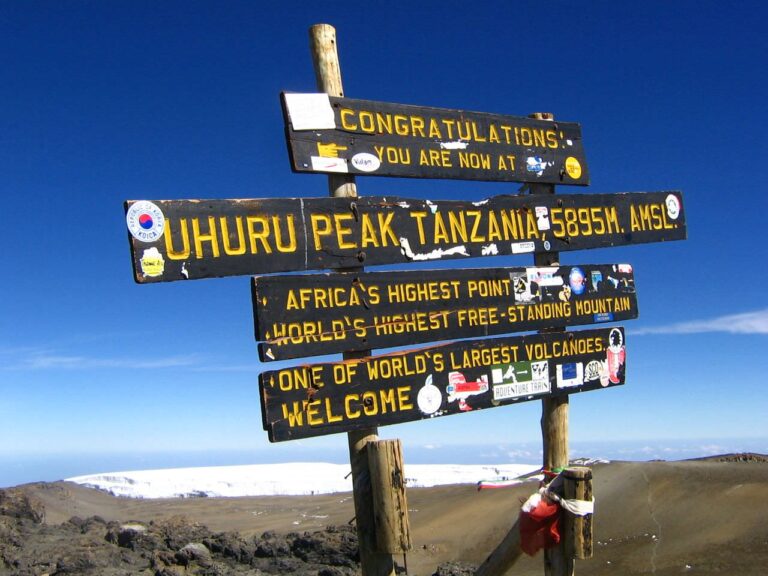
What Does Kilimanjaro Rainforest Look Like? A Trekkers Visual Guide 2026-2027
The Kilimanjaro rainforest is a vibrant, humid zone of dense vegetation, towering trees, and diverse plant life found on the mountain's lower slopes. It's the first major ecosystem trekkers...
View package details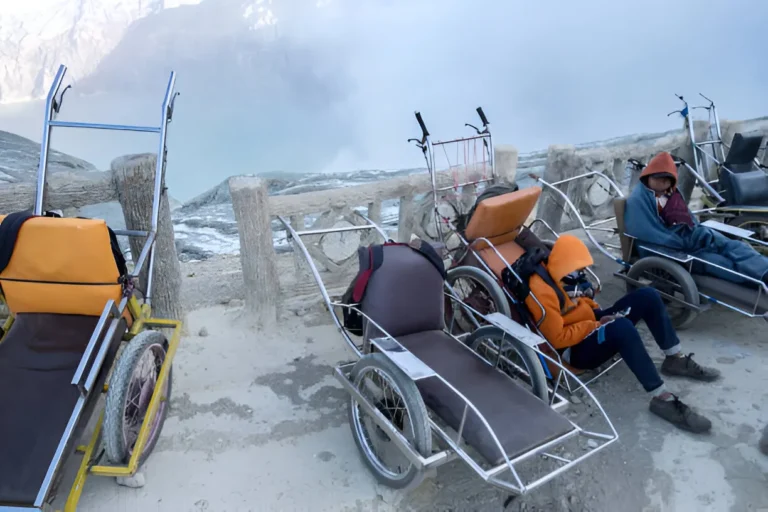
Kilimanjaro Climb With A Personal Support Assistant: Your Ultimate Guide
Climbing Mount Kilimanjaro with a personal support assistant offers unparalleled safety, comfort, and focus on your summit goals. This guide details what a personal assistant entails, its...
View package details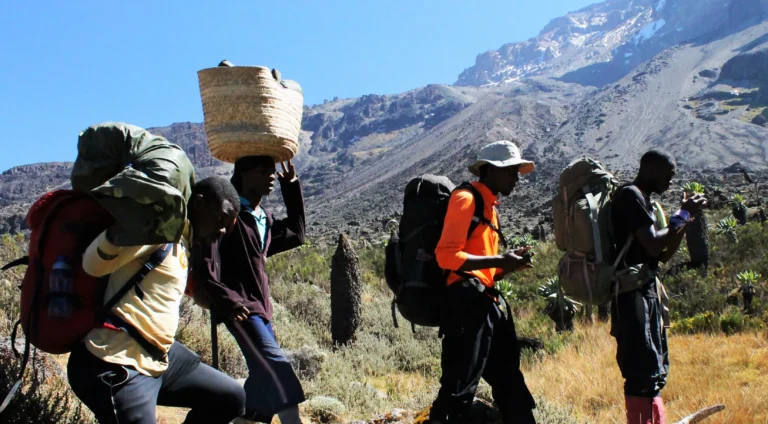
How To Know Whether You Are Ready For Kilimanjaro: A Comprehensive Guide
Climbing Mount Kilimanjaro is a significant undertaking. This guide helps you evaluate your physical, mental, and logistical readiness to ensure a safe and successful trek in 2026 or 2027...
View package details
Kilimanjaro Hydration Mistakes Climbers Make And How To Avoid Them 2026-2027
Proper hydration is critical for a successful Kilimanjaro climb. This guide details common hydration mistakes climbers make, from under-drinking to choosing the wrong fluids, and provides...
View package details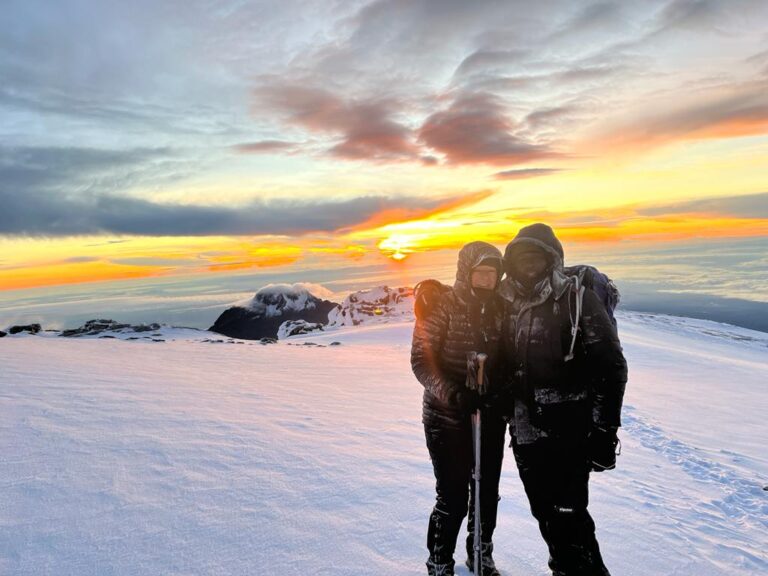
Kilimanjaro Altitude-Sickness Mistakes 2026-2027
Kilimanjaro Altitude-Sickness Mistakes is explained with current 2026-2027 planning, price, itinerary and booking information.
View package details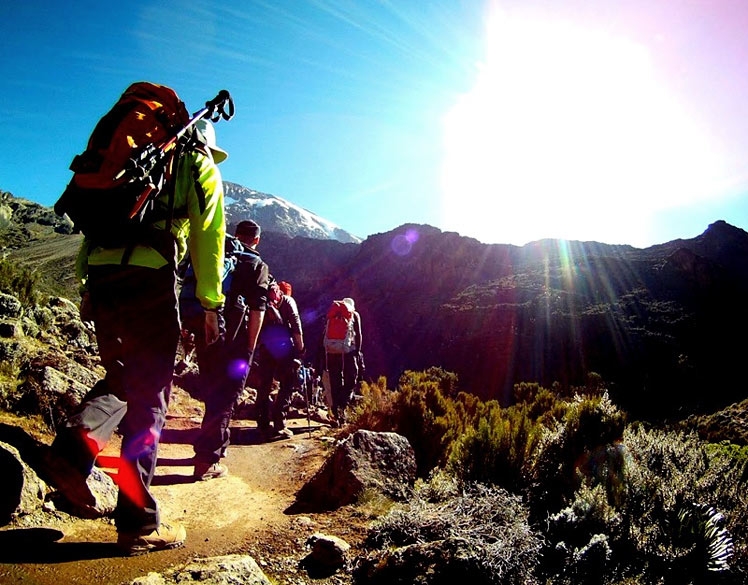
Kilimanjaro Summit-Night Mistakes To Avoid: Your Essential Guide For Climbs
Summit night on Kilimanjaro is the most challenging part of the climb. Avoiding common mistakes in acclimatization, gear, hydration, and pacing is crucial for success. This guide details...
View package details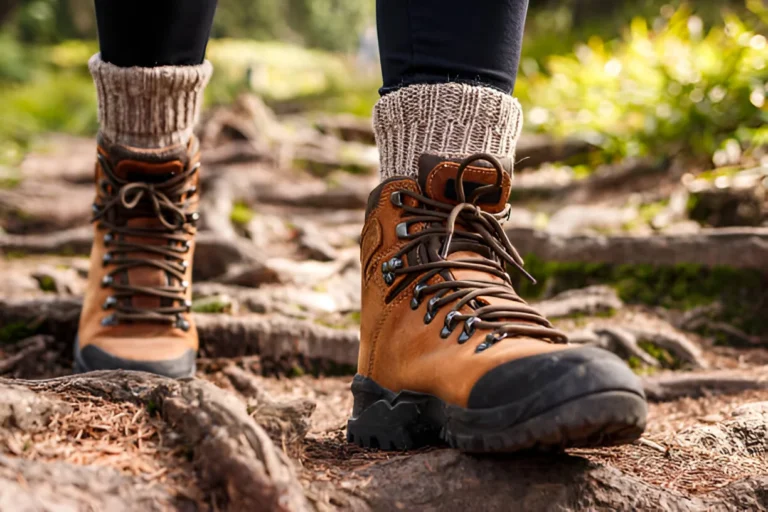
Kilimanjaro Training Mistakes That Reduce Summit Success 2026-2027
Kilimanjaro Training Mistakes that Reduce Summit Success is explained with current 2026-2027 planning, price, itinerary and booking information.
View package details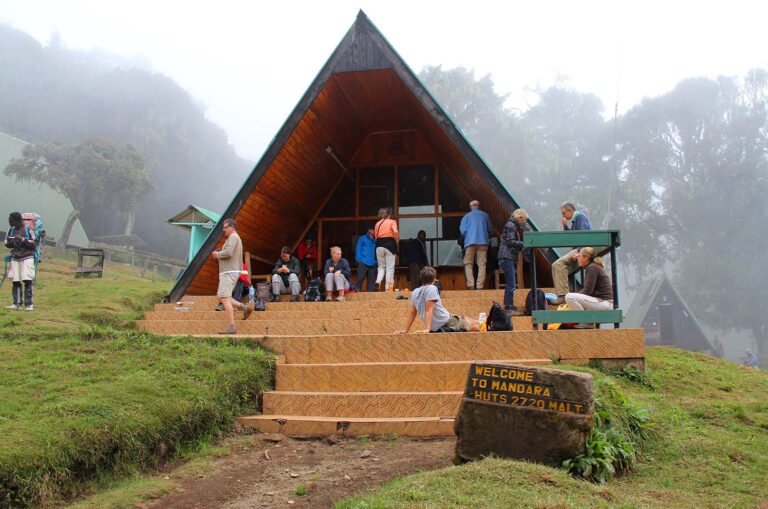
Kilimanjaro Personal Porter Vs Standard Support 2026-2027
Kilimanjaro Personal Porter vs Standard Porter Support is explained with current 2026-2027 planning, price, itinerary and booking information.
View package details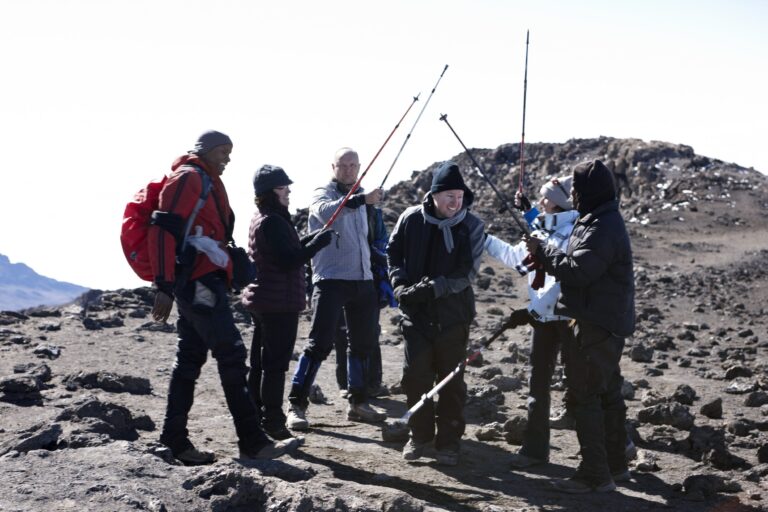
Kilimanjaro Airport Vs Arusha For Climbers: The Definitive Guide 2026-2027
A comprehensive comparison of Kilimanjaro International Airport (JRO) and Arusha Airport (ARK) for trekkers planning a Mount Kilimanjaro climb, detailing pros, cons, and booking advice for...
View package details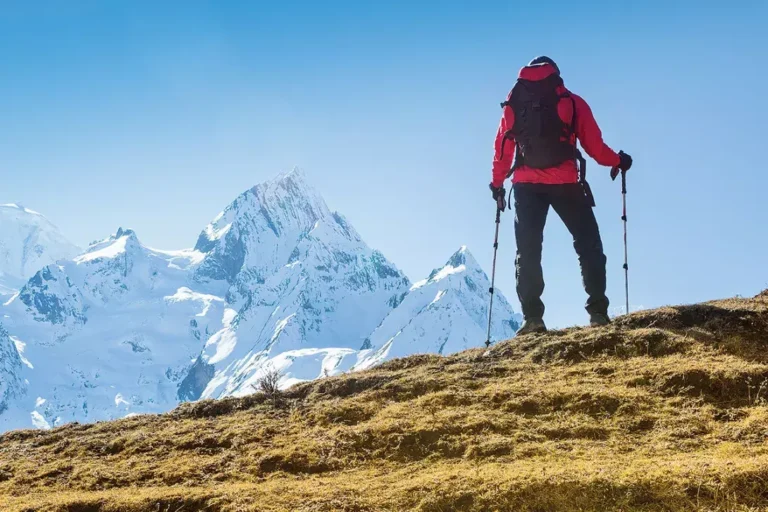
Kilimanjaro Climb For Retired Couples: Planning Your Adventure 2026-2027
Planning a Kilimanjaro climb as a retired couple is an achievable and rewarding goal. This guide offers in-depth advice on route selection, physical preparation, essential gear, and the...
View package details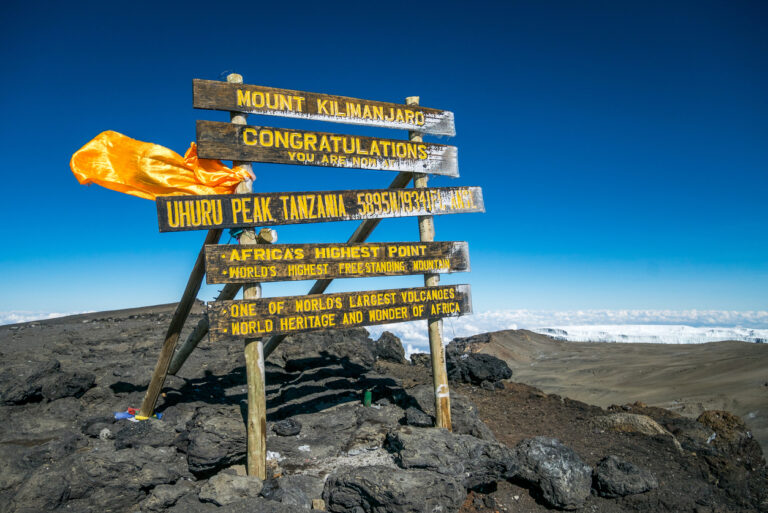
Kilimanjaro Training Plan For Climbers Over 60 2026-2027
Kilimanjaro Training Plan for Climbers over 60 is explained with current 2026-2027 planning, price, itinerary and booking information.
View package details
Can A 16-Year-Old Climb Kilimanjaro? Your Essential Guide 2026-2027
Discover if a 16-year-old can summit Kilimanjaro. This comprehensive guide covers age requirements, health, fitness, essential gear, and planning for younger trekkers aiming for Africa's...
View package detailsNo related package matches those filters. Clear one or more filters to see the other topic-matched options.



