
An Easter Weekend Kilimanjaro Summit Trek in 2026 or 2027 is achievable by selecting a shorter route like Marangu or Rongai and carefully planning your travel dates to align with the long weekend, typically requiring 5-7 days for the climb itself plus travel to and from Tanzania. While challenging due to the condensed timeframe, it offers a unique opportunity to celebrate the holiday atop Africa’s highest peak with proper preparation and a reputable tour operator like Top Guide Adventures.
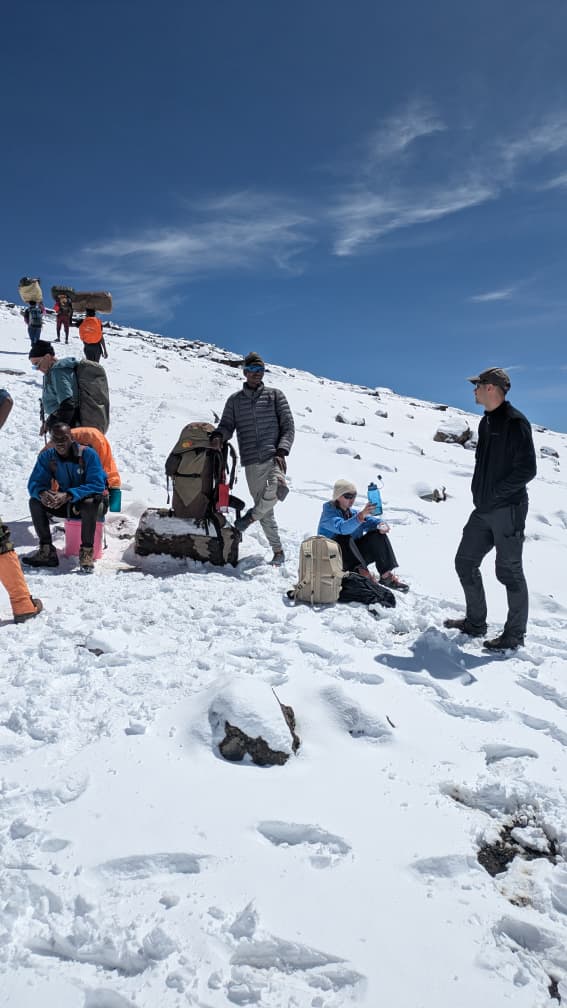
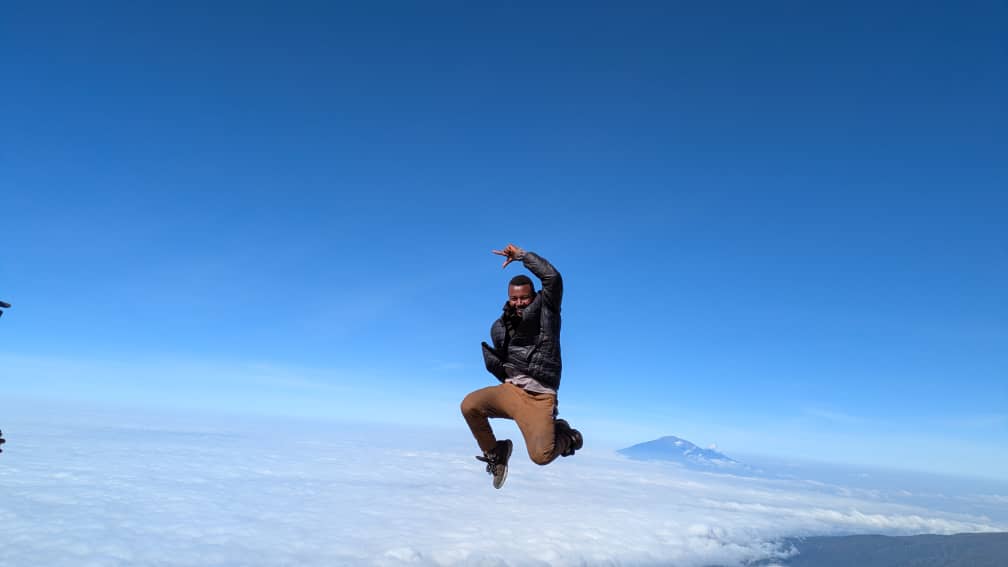

Easter Weekend Kilimanjaro Summit Trek: A Feasible Yet Demanding Adventure
The allure of standing on the roof of Africa, Uhuru Peak, is a powerful one, and for many, the desire to achieve this during a significant holiday period like Easter adds an extra layer of meaning. A Easter Weekend Kilimanjaro Summit Trek presents a unique logistical challenge and a physically demanding undertaking, but it is certainly within reach for well-prepared adventurers aiming for 2026 or 2027. This guide is designed to provide comprehensive insights, helping you understand the feasibility, the best approaches, and what to expect when planning such an ambitious climb during a limited timeframe.
While a typical Kilimanjaro climb ranges from 5 to 9 days to allow for proper acclimatization, a weekend trek requires a strategic approach. This usually means leveraging the public holiday to maximize your climbing days, often requiring a slightly longer trip than just the weekend itself to include travel to and from Tanzania and the climb’s duration. The key is selecting the right route, ensuring peak physical condition, and partnering with an experienced tour operator that understands the nuances of shorter, time-sensitive climbs.
Top Guide Adventures specializes in creating personalized Kilimanjaro experiences, and while we always advocate for routes that maximize acclimatization for safety and success, we can guide you through the options for a more condensed Easter climb. This article will explore the best routes, the critical considerations for acclimatization within a shorter window, essential packing lists, and how to book your Easter Weekend Kilimanjaro Summit Trek for 2026-2027.
Why Choose Easter for Your Kilimanjaro Climb?
The decision to undertake a Kilimanjaro climb over Easter weekend is often driven by several factors:
- Holiday Time Off: For many, Easter provides a substantial break from work or studies, offering a convenient window to undertake a significant adventure without using excessive annual leave.
- Meaningful Celebration: Reaching the summit during a period of reflection and renewal can add profound personal significance to the achievement.
- Unique Experience: Climbing Kilimanjaro during a major global holiday offers a distinctive travel narrative, setting your adventure apart.
- Favorable Weather (Generally): While weather on Kilimanjaro can be unpredictable year-round, the period around March and April often falls within the ‘long rains’ season. However, the shoulder months can sometimes offer clear skies before or after the heaviest rains, and the mountain’s microclimates mean conditions can vary significantly across different zones. It’s crucial to check the most up-to-date weather patterns closer to your 2026-2027 climb date.
It is important to note that while the holiday aspect is appealing, the primary focus must remain on safety and successful acclimatization. Rushing the ascent significantly increases the risk of altitude sickness. Therefore, even for a weekend-focused climb, a minimum of 5 days on the mountain is generally recommended, plus travel time.
The Challenge: Acclimatization on a Condensed Schedule
The most significant hurdle for an Easter Weekend Kilimanjaro Summit Trek is ensuring adequate acclimatization. Altitude sickness (Acute Mountain Sickness – AMS) is a serious risk, and it affects climbers regardless of their fitness level. The general rule for safe acclimatization is to ascend slowly, allowing your body time to adjust to the decreasing oxygen levels. This typically translates to longer trekking days and higher camps being reached gradually.
A standard 5-day trek, for example, the Marangu route, is already considered fast. For an Easter climb, you might be looking at a 5-day trek, which is the absolute minimum recommended by most reputable operators, including Top Guide Adventures. This means:
- Less Time for Body Adjustment: Your body will have less time to adapt to the altitude, increasing the risk of mild to severe AMS.
- Increased Pace: The trekking pace will likely be faster, which can be more tiring and less conducive to acclimatization.
- Higher Risk on Summit Night: The most critical phase, summit night, involves ascending through the night to reach Uhuru Peak by sunrise. This is done in cold temperatures and at extreme altitude, where even mild AMS can become dangerous.
Top Guide Adventures strongly advises against any trek shorter than 5 days. While a 5-day trek is possible, it is inherently riskier than longer itineraries. For the best chance of success and safety, we always recommend routes of 6 days or more, such as the Machame, Lemosho, or Rongai routes, which offer better acclimatization profiles.
For an Easter Weekend Kilimanjaro Summit Trek, you’ll need to plan your travel to arrive at least a day or two before the trek begins and depart a day after it concludes. This means a trip duration of approximately 7-8 days from landing in Tanzania to departing, with 5 days dedicated to the mountain climb itself. This is the bare minimum to consider.
Best Routes for a Shorter Easter Climb
Given the time constraints, not all Kilimanjaro routes are suitable for a condensed Easter Weekend Kilimanjaro Summit Trek. The most viable options are those that are shorter and have a more direct ascent, though they often come with lower success rates due to poorer acclimatization profiles.
1. Marangu Route (Coca-Cola Route)
The Marangu route is the oldest and arguably the most popular route. It is also the only route that offers overnight accommodation in huts rather than tents, giving it a unique appeal. It’s also the shortest and most direct route, making it the most common choice for those attempting a faster ascent.
- Duration: Typically 5 days (minimum recommended). A 6-day option is also available and highly recommended for better acclimatization.
- Ascent/Descent: Ascends and descends the same path.
- Scenery: Offers diverse scenery, passing through rainforest, moorland, alpine desert, and arctic zones.
- Acclimatization: The 5-day itinerary has a poor acclimatization profile, leading to lower summit success rates. The 6-day itinerary is significantly better.
- Suitability for Easter: The 5-day option is the only one that *could* theoretically fit a very tight Easter schedule, but it comes with significant risks. The 6-day version is a much safer bet if your Easter break allows for it.
2. Rongai Route
The Rongai route approaches Kilimanjaro from the north, near the Kenyan border. It is generally considered a more scenic and less crowded route than Marangu. It also offers a more gradual ascent in its early stages.
- Duration: Typically 6 or 7 days. A 5-day option exists but is not recommended by Top Guide Adventures for acclimatization reasons.
- Ascent/Descent: Ascends via Rongai and descends via Marangu.
- Scenery: Offers a different perspective, traversing drier terrain on the northern side before joining the Marangu route.
- Acclimatization: The 6-day itinerary provides moderate acclimatization, better than the 5-day Marangu.
- Suitability for Easter: A 6-day Rongai climb is a more responsible choice than a 5-day Marangu if time permits. It offers a better balance of time and acclimatization.
Why Other Routes Are Less Suitable for a Short Easter Trek:
- Machame Route: Usually 6-7 days. Excellent acclimatization profile but requires more time.
- Lemosho Route: Usually 7-8 days. Considered one of the most scenic and best for acclimatization, but too long for a short Easter trip.
- Shira Route: Similar to Lemosho, typically 7-8 days.
- Northern Circuit: The longest and best for acclimatization (9-10 days), making it completely unsuitable for a short Easter climb.
For an Easter Weekend Kilimanjaro Summit Trek in 2026 or 2027, the 5-day Marangu or a 6-day Rongai are the most likely candidates, with the 6-day Rongai offering a better acclimatization profile. However, Top Guide Adventures strongly recommends the 6-day Marangu route or a 7-day Rongai route if your holiday break allows for it, as safety and success are paramount.
Important Consideration: Easter 2026 & 2027 Dates
Easter dates change annually. For 2026, Good Friday is April 3rd, and Easter Sunday is April 5th. For 2027, Good Friday is March 26th, and Easter Sunday is March 28th. You will need to plan your travel dates to encompass the Friday to Monday (or Tuesday if you have an extra day) to maximize your climbing window. For example, if Easter Sunday is March 28th, 2027, you might start your trek on Wednesday, March 24th, aiming to summit on Sunday, March 28th, and descend on Monday, March 29th. This requires careful coordination with your tour operator.
Planning Your Easter Kilimanjaro Trip: Key Steps
Successfully executing an Easter Weekend Kilimanjaro Summit Trek requires meticulous planning, especially when dealing with a compressed timeframe. Here’s a breakdown of essential steps:
1. Choose Your Operator Wisely
Selecting a reputable and experienced tour operator is non-negotiable, particularly for a time-sensitive climb. Top Guide Adventures has years of experience guiding clients on Kilimanjaro, with a strong focus on safety, quality equipment, experienced guides, and proper nutrition.
- Safety Record: Look for operators with excellent safety records and clear protocols for dealing with altitude sickness.
- Guide Experience: Ensure guides are certified, experienced, and trained in first aid.
- Support Staff: A well-supported team of porters and cooks is vital for a comfortable and efficient trek.
- Inclusions: Understand what is included in the package (e.g., park fees, meals, accommodation before/after the climb, transfers, emergency oxygen).
- Communication: Clear communication channels are essential for coordinating logistics, especially for a specific holiday window.
Contacting Top Guide Adventures early is crucial for 2026-2027 Easter treks. We can help you tailor an itinerary that balances your time constraints with the critical need for acclimatization. Reach out via WhatsApp +255616946642 or Email topguideadventures@gmail.com.
2. Book Well in Advance
Easter is a popular travel period globally, and Kilimanjaro is no exception. Kilimanjaro National Park has daily entry limits, and accommodation on the mountain (especially huts on the Marangu route) is limited. For an Easter Weekend Kilimanjaro Summit Trek in 2026 or 2027:
- Park Permits: These need to be secured in advance.
- Hut/Campsite Bookings: Essential, especially for the Marangu route.
- Flights: International flights to Kilimanjaro International Airport (JRO) can be more expensive and limited during peak holiday periods.
Top Guide Adventures recommends booking at least 6-12 months in advance to secure your preferred dates, route, and ensure availability, especially for the 2026-2027 Easter period.
3. Physical Training Regimen
Fitness is paramount for any Kilimanjaro climb, but it becomes even more critical for a shorter trek. You need to be in excellent cardiovascular condition and have strong leg muscles.
- Cardiovascular Endurance: Focus on activities like running, cycling, swimming, or hiking for extended periods (3-5 hours) multiple times a week.
- Strength Training: Include exercises for legs (squats, lunges) and core strength.
- Hiking with a Pack: Simulate mountain conditions by hiking on steep terrain with a weighted backpack (5-10 kg).
- Altitude Simulation (if possible): While not always feasible, using altitude training masks or visiting high-altitude areas can help.
- Consistency: Begin your training at least 3-6 months before your Easter Weekend Kilimanjaro Summit Trek.
4. Mental Preparation
Climbing Kilimanjaro is as much a mental challenge as a physical one. Summit night, in particular, is arduous. Being mentally prepared for discomfort, cold, fatigue, and potential setbacks is crucial.
- Positive Mindset: Focus on your goal and your progress.
- Visualization: Imagine yourself successfully reaching the summit.
- Resilience: Understand that there will be tough moments, and learn to push through them.
5. Travel Insurance
Ensure your travel insurance covers high-altitude trekking and emergency evacuation. This is a critical safety net, especially for a climb that pushes the boundaries of time and acclimatization. Verify that the policy covers altitudes up to 5,895 meters (19,341 feet).
What to Expect During Your Easter Climb
While the fundamental experience of climbing Kilimanjaro remains the same regardless of the time of year, an Easter Weekend Kilimanjaro Summit Trek might have some specific characteristics:
Weather Considerations
March and April are typically part of Kilimanjaro’s ‘long rains’ season. This means you can expect:
- Rain and Clouds: Particularly in the lower rainforest zone.
- Snow on the Summit: The summit is always cold, and snow is common, especially during wetter periods.
- Potential for Clearer Skies: The shoulder months can sometimes offer periods of clearer weather, and conditions can change rapidly. Higher altitudes might be above the rain clouds.
- Cold Temperatures: Evenings and summit night will be very cold, potentially dropping below -15°C (5°F) with wind chill.
Proper gear is essential to combat these conditions. Top Guide Adventures provides a detailed packing list, but key items include waterproof outer layers, warm insulation (fleece, down jacket), thermal base layers, a warm hat, gloves, and sturdy, broken-in hiking boots.
Crowds
Easter is a popular holiday, so you might encounter more fellow trekkers on the mountain, especially on the more popular routes like Marangu. However, Kilimanjaro is a large mountain, and the trails are generally wide enough to avoid feeling overly congested. Booking through a reputable operator like Top Guide Adventures ensures you are part of a well-managed group, minimizing any potential impact of crowds.
Summit Night
Summit night is the most challenging part of the climb. It begins around midnight from your final camp (e.g., Kibo Hut for Marangu/Rongai). You’ll ascend steeply in the dark, cold, and thin air. The goal is to reach Uhuru Peak by sunrise (around 6:00-7:00 AM).
For an Easter Weekend Kilimanjaro Summit Trek, the pressure of time might add to the mental challenge. Your guides will be crucial in monitoring your condition, pacing you appropriately, and providing encouragement. Remember the advice: ‘Pole pole’ (slowly, slowly). Even on a condensed schedule, a steady, slow pace is key to conserving energy and aiding acclimatization.
Post-Trek Celebrations
After successfully descending, you’ll likely want to celebrate your incredible achievement. Many climbers choose to relax in Moshi or Arusha, perhaps enjoying a well-deserved hot shower and a good meal. Some may extend their trip with a safari in the Serengeti or a beach holiday in Zanzibar, experiences that Top Guide Adventures also expertly organizes.
Essential Gear for Your Easter Climb
Packing correctly is vital for comfort, safety, and success on Kilimanjaro, especially during potentially challenging Easter weather. Top Guide Adventures provides comprehensive gear lists, but here are the absolute essentials:
- Footwear:
- Sturdy, waterproof hiking boots (broken-in!)
- Camp shoes or comfortable trainers for evenings
- Thick hiking socks (wool or synthetic, multiple pairs)
- Clothing:
- Waterproof and windproof outer jacket (Gore-Tex or similar)
- Waterproof and windproof overtrousers
- Insulating mid-layer (fleece jacket or similar)
- Warm down or synthetic insulated jacket (for summit night and evenings)
- Thermal base layers (tops and bottoms, merino wool or synthetic)
- Hiking trousers (quick-drying, not jeans)
- T-shirts (moisture-wicking)
- Warm hat (wool or fleece)
- Sun hat or cap with a brim
- Gloves: liner gloves, waterproof outer gloves/mittens
- Sleeping Gear:
- Sleeping bag (rated to -15°C or -20°C / 0°F to -4°F)
- Sleeping bag liner (optional, adds warmth)
- Trekking Gear:
- Durable backpack (40-60 liters)
- Daypack (20-30 liters) for essentials during the day
- Trekking poles (highly recommended for ascents and descents)
- Headlamp with extra batteries
- Water bottles or hydration reservoir (at least 2-3 liters capacity)
- Water purification tablets or filter (backup)
- Sunglasses (UV protection)
- Sunscreen (high SPF)
- Lip balm with SPF
- Personal first-aid kit (including blister treatment, pain relievers, personal medications)
- Toiletries (biodegradable soap, toothbrush, toothpaste, wet wipes)
- Quick-drying towel
- Camera and spare batteries/power bank
- Snacks (energy bars, nuts, dried fruit – though meals are provided)
- Documents & Money:
- Passport
- Visa (if required)
- Flight tickets
- Travel insurance details
- Emergency contact information
- Cash (USD for tips, local currency for souvenirs)
Top Guide Adventures can provide a more detailed and specific list tailored to the route and season for your Easter Weekend Kilimanjaro Summit Trek. Renting some gear, such as sleeping bags and warm jackets, is often an option through operators like us, which can be convenient if you don’t want to invest in expensive items.
Understanding Costs for an Easter Kilimanjaro Trek 2026-2027
The cost of climbing Kilimanjaro varies significantly based on the route, duration, operator, and inclusions. For an Easter Weekend Kilimanjaro Summit Trek, you might find:
- Slightly Higher Prices: Due to the holiday period, some operators might have slightly adjusted pricing for Easter departures, reflecting increased operational costs or demand.
- Package Inclusions: Ensure you compare packages carefully. Key inclusions typically are: park fees (which are substantial), rescue fees, guide and porter salaries, food, tents/huts, crater fees (if applicable), and transfers. Exclusions often include flights, visa, travel insurance, personal gear, tips, and drinks.
- Route Impact: Shorter routes like the 5-day Marangu are often advertised as cheaper, but their lower success rate means a higher risk of not achieving your goal. Investing in a longer route (6-7 days) with a reputable operator like Top Guide Adventures is often more cost-effective in the long run due to higher success rates and better safety.
Top Guide Adventures offers various packages for Kilimanjaro climbs. For specific pricing and inclusions for an Easter 2026 or 2027 trek, we encourage you to contact us directly. We pride ourselves on transparent pricing and exceptional value, focusing on quality and safety rather than being the cheapest option. Expect costs to range from approximately $1500 to $3500+ per person for a standard climb, depending on the route and inclusions. Shorter, riskier treks might appear cheaper, but investing in a quality experience is paramount.
Key cost factors for your Easter 2026-2027 trek:
- Park Fees: A significant portion of the total cost, mandated by Kilimanjaro National Park Authority.
- Operator’s Margin: Covers logistics, support staff, equipment, and profit.
- Route & Duration: Longer routes cost more due to more days of service.
- Group Size: Private climbs are more expensive than group climbs.
- Quality of Service: Higher quality food, better equipment, and more experienced guides command higher prices.
When comparing quotes for your Easter Weekend Kilimanjaro Summit Trek, always ask what is included and understand the operator’s philosophy on safety and success. Top Guide Adventures is committed to providing an ethical and high-quality climbing experience.
Booking Your Easter 2026-2027 Kilimanjaro Climb with Top Guide Adventures
Ready to plan your unforgettable Easter Weekend Kilimanjaro Summit Trek? Top Guide Adventures is here to make it happen. We understand the specific considerations for climbing during this popular holiday period and are dedicated to ensuring your safety, comfort, and success.
Our team of experts will guide you through every step:
- Consultation: We’ll discuss your fitness, expectations, and time constraints to recommend the most suitable route and itinerary.
- Itinerary Planning: We’ll craft a personalized itinerary for your 2026 or 2027 Easter trek, prioritizing acclimatization and safety.
- Booking & Logistics: We handle all park permits, accommodation bookings, and ground transportation.
- Pre-Trek Support: We provide detailed packing lists, training advice, and answer all your questions.
- On-Mountain Experience: You’ll be supported by our experienced guides, porters, and cooks, ensuring a safe and enjoyable climb.
Don’t miss the chance to conquer Kilimanjaro this Easter. Due to the popularity of this holiday period, we strongly advise booking as early as possible for 2026 and 2027.
Contact us today to start planning:
- WhatsApp: +255616946642
- Email: topguideadventures@gmail.com
- Backup Email: info@topguideadventures.com
- Website: www.topguideadventures.com
- Social Media: Follow us on Instagram for inspiration and updates.
Choosing Top Guide Adventures for your Easter Weekend Kilimanjaro Summit Trek means choosing a partner dedicated to your adventure’s success and safety. We look forward to helping you achieve your dream of standing atop Uhuru Peak.
Check Availability for Easter Weekend Kilimanjaro Summit Trek : Your Ultimate Guide 2026-2027
Ready to compare dates, prices, and the best option for your group? Send the package name and travel month so the team can reply with a clear quote, availability, and what is included.
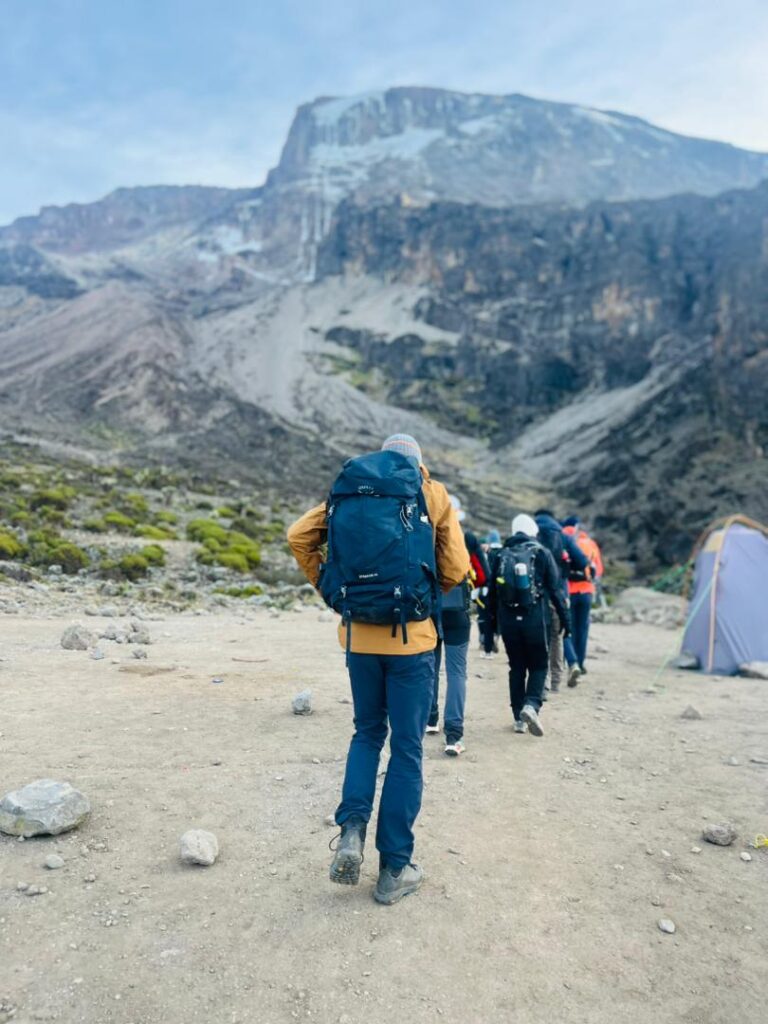
March Kilimanjaro Full-Moon Summit Trek: Your Ultimate Guide 2026-2027
start an unforgettable March Kilimanjaro full-moon summit trek. This comprehensive guide by Top Guide Adventures covers everything from route selection and weather expectations to essential...
View package details
Late June Kilimanjaro Summit Expeditions: Your Ultimate Guide For 2026-2027
Discover the best conditions and crucial planning tips for a Late June Kilimanjaro summit expedition in 2026 and 2027. This comprehensive guide covers weather, routes, packing, and how to...
View package details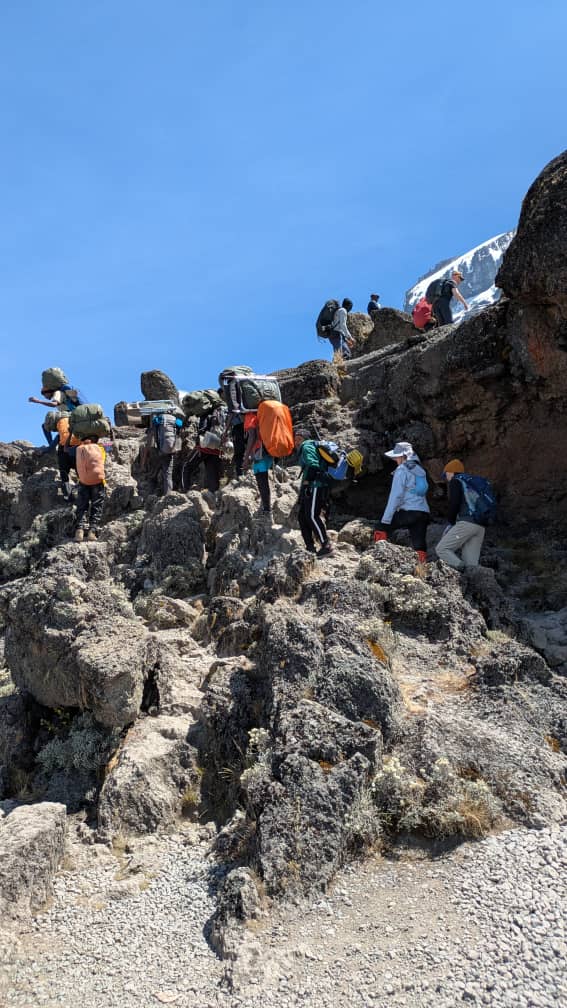
Early June Kilimanjaro Climbing Packages: Your Guide To Summiting In 2026-2027
Planning an early June Kilimanjaro climb in 2026 or 2027? This comprehensive guide from Top Guide Adventures covers everything you need to know, from ideal routes and weather patterns to...
View package details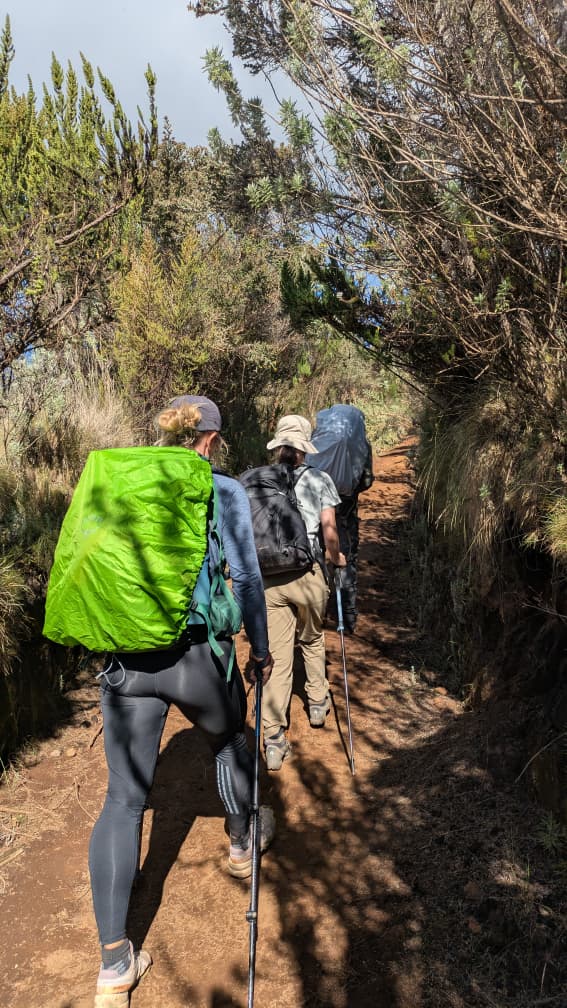
May Kilimanjaro Budget Camping Trek: Your Ultimate Guide 2026-2027
Discover everything you need for a successful May Kilimanjaro budget camping trek. This comprehensive guide covers routes, costs, essential gear, and expert tips for your 2026-2027...
View package details
May Kilimanjaro Summit Temperature Guide: What To Expect In 2026-2027
Climbing Kilimanjaro in May offers a unique experience, with temperatures on the summit ranging from -7°C to -20°C (19°F to -4°F) and challenging conditions. This guide details what to...
View package detailsMay Kilimanjaro Full-Moon Summit Climb: Your Ultimate Guide 2026-2027
This comprehensive guide details planning a May Kilimanjaro full-moon summit climb, covering routes, weather, gear, and expert advice for a memorable 2026-2027 adventure.
View package details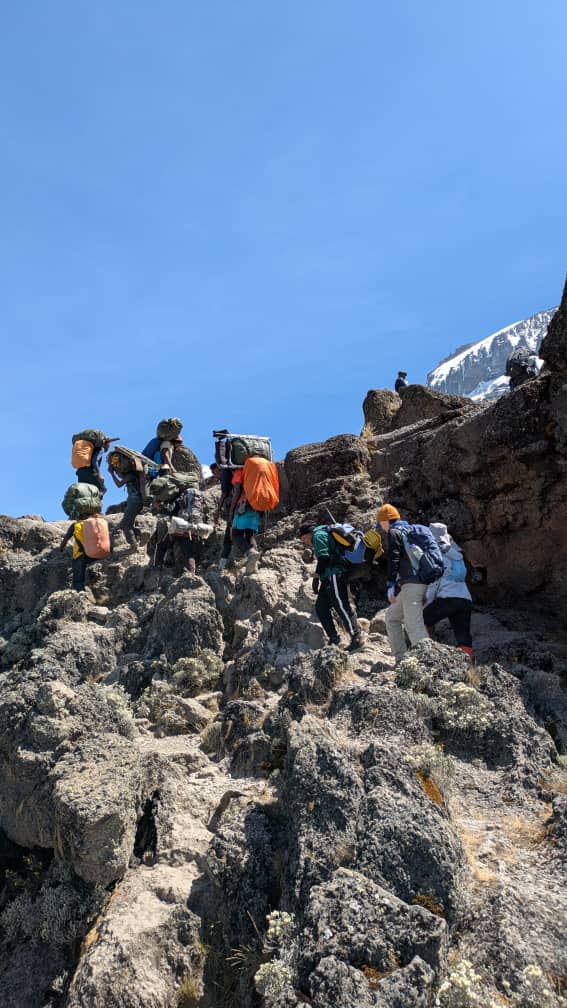
March Kilimanjaro Summit Temperature: What To Expect For Your Climb 2026-2027
Climbing Kilimanjaro in March presents a unique weather window. This guide details the expected summit temperatures, precipitation, and essential preparations for your 2026-2027 trek...
View package details
Kilimanjaro Valentine’s Day Summit Package: In With Top Guide Adventures
Celebrate Valentine's Day with an extraordinary adventure. This guide explores the unique Kilimanjaro Valentine’s Day Summit Package for 2026-2027, detailing routes, inclusions, and how to...
View package details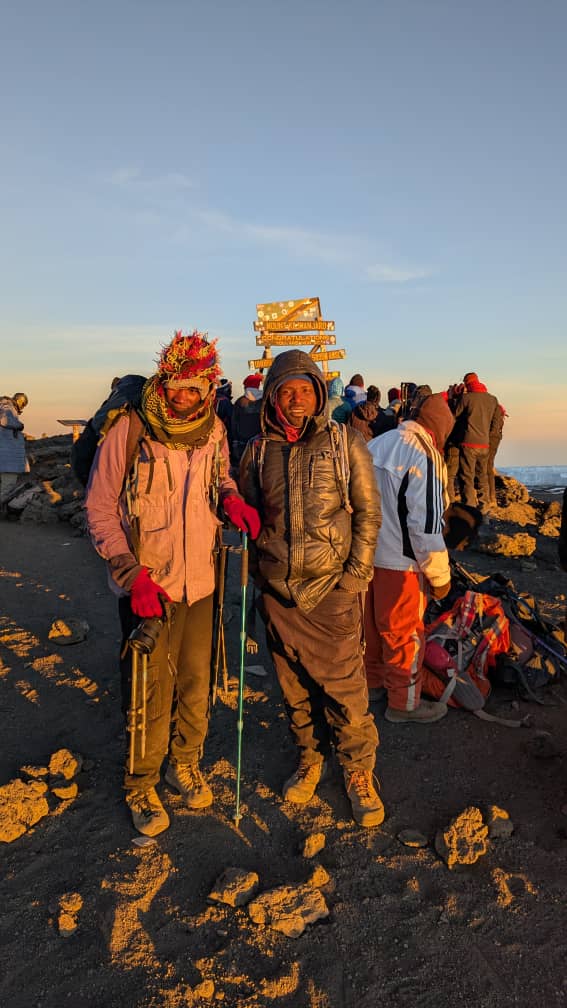
February Kilimanjaro Private Summit Expedition: Your Ultimate Guide 2026-2027
start a private Kilimanjaro summit expedition in February with Top Guide Adventures. This guide covers routes, preparation, costs, and what to expect for your 2026-2027 climb, ensuring a...
View package details
February Kilimanjaro Group Departures : Your Guide To Summit Success 2026-2027
Plan your Kilimanjaro adventure with Top Guide Adventures' February 2027 group departures. Discover optimal routes, essential packing lists, acclimatization strategies, and what to expect...
View package details
Kilimanjaro New Year Summit Climb : Your Ultimate Guide 2026-2027
Ring in the New Year from the Roof of Africa! This guide details everything you need to know for a Kilimanjaro New Year summit climb in 2026-2027, from choosing the best route to essential...
View package details
January Kilimanjaro Summit Temperature Guide: What To Expect In 2026-2027
Planning a Kilimanjaro climb in January? This guide details the expected summit temperatures, weather conditions, and essential gear for a successful trek in 2026-2027.
View package detailsNo related package matches those filters. Clear one or more filters to see the other topic-matched options.



