
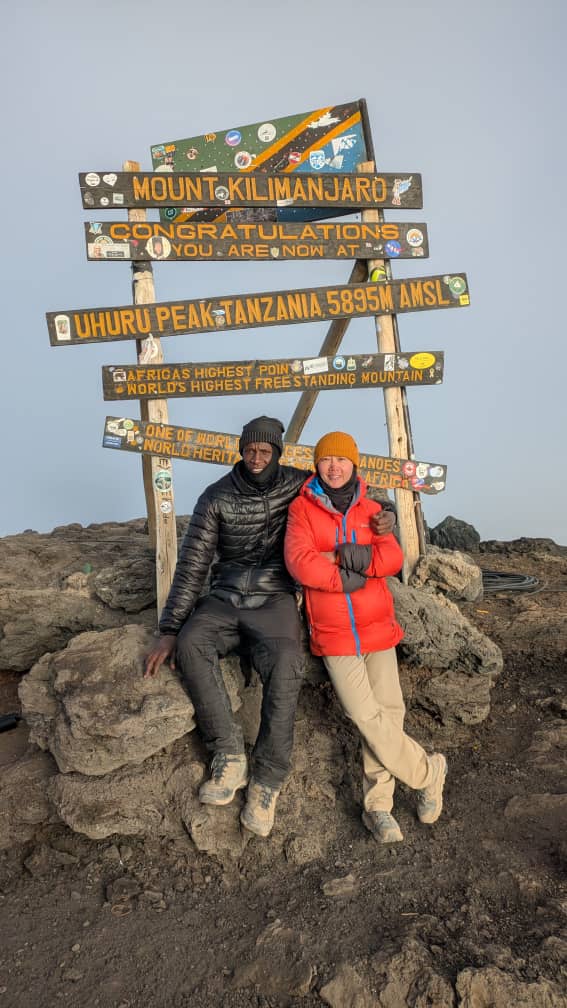
Yes, February is an excellent month for climbing Kilimanjaro. It falls within the dry season, offering some of the clearest skies and most stable weather of the year, with moderate temperatures making the trek more comfortable. This makes February a highly recommended time for those planning their 2026 or 2027 Kilimanjaro expedition.

February on Kilimanjaro: A Prime Climbing Window
When considering the best time to ascend Africa’s highest peak, Mount Kilimanjaro, the month of February consistently ranks among the top choices for many trekkers. This period is characterized by its dry conditions, offering a welcome respite from the rainy seasons that can complicate the journey. For adventurers planning their climb in 2026 or 2027, understanding the nuances of February weather and its impact on the climbing experience is crucial for making an informed decision.
Climbing Kilimanjaro is a significant undertaking, and the conditions on the mountain can greatly influence your success and overall enjoyment. February sits comfortably within Kilimanjaro’s two main dry seasons: the shorter dry season from January to early March, and the longer dry season from June to October. However, February often presents a unique sweet spot, combining excellent visibility with less crowded trails compared to the peak months of the longer dry season.
Kilimanjaro Weather in February: What to Expect
The weather on Kilimanjaro is not uniform; it varies dramatically with altitude and time of year. February generally offers some of the most favorable conditions across all the mountain’s ecological zones. Here’s a breakdown:
- Temperature: While the base of the mountain can be warm and humid, temperatures decrease significantly as you gain altitude. In February, expect daytime temperatures to range from around 20-25°C (68-77°F) at lower elevations, dropping to between -5°C and -10°C (23-14°F) at the summit (Uhuru Peak) during the day. Nighttime temperatures, especially near the summit, can plummet to -15°C (5°F) or even lower. The moderate overall temperatures in February make acclimatization slightly easier than during the colder months.
- Rainfall: February is firmly within the dry season. While brief, localized showers can occur at any time, significant rainfall is unlikely. This means fewer muddy trails, reduced risk of landslides, and more consistent trekking conditions. The lower slopes might experience occasional light rain showers, but these are typically short-lived and do not hinder the ascent significantly.
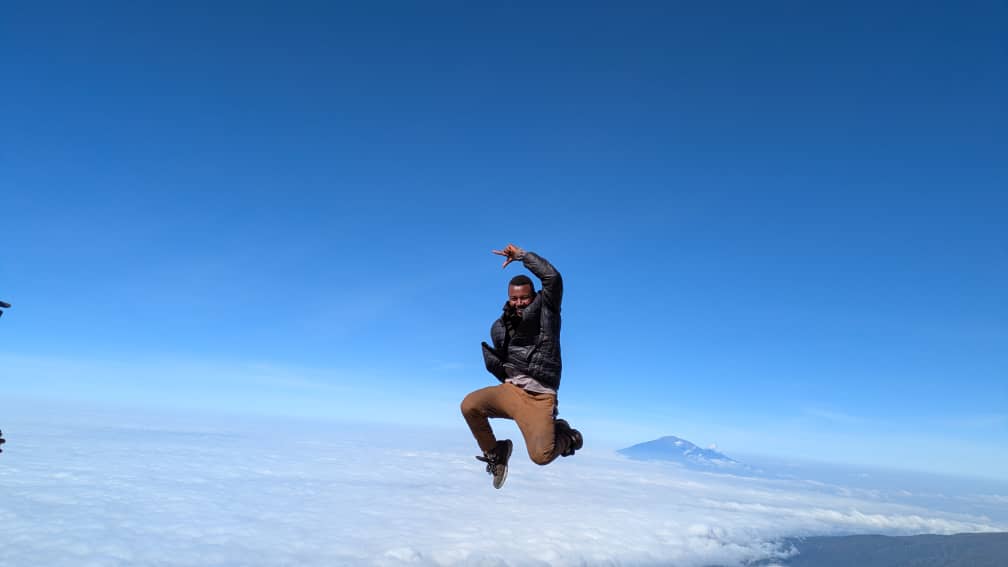
- Visibility: With minimal cloud cover and low humidity, visibility is typically excellent in February. This provides impressive panoramic views of the surrounding plains, Mount Meru, and the curvature of the Earth from the summit. Clear skies are a major advantage for both the trekking experience and for capturing stunning photographs.
- Snow on the Summit: While Kilimanjaro is known for its glaciers, February generally sees them in good condition. However, it’s important to remember that the glaciers are receding rapidly due to climate change, and their appearance can vary. Snowfall at the summit is possible but usually light and does not significantly impede the climb on the established routes.
Advantages of Climbing Kilimanjaro in February
Choosing February for your Kilimanjaro climb offers several distinct benefits, making it a compelling option for trekkers targeting 2026 or 2027 expeditions.
1. Excellent Weather Conditions
As detailed above, the primary draw of February is the weather. The dry season offers reliability. Trekkers can anticipate long stretches of clear skies, sunshine during the day, and minimal precipitation. This consistency is vital for maintaining morale, ensuring the safety of the group, and allowing for steady progress up the mountain. The reduced chance of being caught in heavy rain or fog means more opportunities to enjoy the spectacular scenery and focus on the physical challenge.
2. Moderate Temperatures
While still cold at the summit, February’s temperatures are generally more manageable than, for example, the colder months of July and August or the shoulder months when temperatures can be more unpredictable. The daytime warmth on the lower and middle slopes, combined with cold but not extreme summit conditions, can contribute to a more comfortable acclimatization process for many climbers. This is particularly beneficial for those who might be sensitive to extreme cold.
3. Clear Views and Photography Opportunities
The dry air and clear skies in February translate into exceptional visibility. This is a significant advantage for appreciating the vastness of the Tanzanian landscape stretching out below Kilimanjaro. From the summit, on a clear February morning, you can often see Mount Meru in the distance and the plains of Amboseli National Park in Kenya. For photographers, these conditions are ideal, providing crisp, well-lit shots of the mountain, its flora, and the surrounding vistas. The lack of haze means sharper images and more dramatic landscapes.
4. Fewer Crowds Compared to Peak Season
While February is a popular month, it typically experiences fewer trekkers than the absolute peak season months of the long dry spell, such as July, August, and September. This can lead to a more serene and personal climbing experience. You’re more likely to find space at campsites, have more interaction with your guides and porters without feeling rushed, and generally enjoy a less congested trail. This relative quietude can significantly enhance the sense of adventure and connection with the mountain environment.
5. Good for Wildlife Viewing on Lower Slopes
The lower slopes of Kilimanjaro are home to diverse wildlife, including various monkey species, antelopes, and numerous bird species. The dry conditions in February make wildlife spotting easier as animals may be more visible near water sources or foraging in more open areas. While not a safari, these encounters add another layer of richness to the initial stages of the trek.
Potential Challenges and Considerations for February Climbs
While February is a fantastic month to climb Kilimanjaro, like any time of year, there are minor considerations to keep in mind for your 2026 or 2027 trek.
1. Summit Night Cold
Although generally moderate, the summit night and early morning remain extremely cold. Temperatures can drop well below freezing, especially at the highest altitudes. Proper preparation with high-quality cold-weather gear is essential, regardless of the month. You will still need thermal layers, a warm sleeping bag, gloves, a hat, and a good quality down jacket.
2. Occasional Light Showers
While February is dry, brief, localized showers can still occur, particularly on the lower, rainforested slopes. These are usually not heavy downpours but might necessitate a light waterproof layer for a short period. They are typically not significant enough to disrupt the trek for extended durations.
3. Variable Conditions on the Mountain
Kilimanjaro is a massive mountain, and weather can change rapidly. While February generally offers stability, it is always possible to encounter unexpected weather patterns. Flexibility and preparedness are key for any Kilimanjaro climb, regardless of the season.
Comparing February to Other Months
To truly appreciate why February is a good choice, it helps to compare it with other times of the year:
- January-March (Short Dry Season): February is the heart of this season. January is also excellent, but March can see the beginnings of the long rains. February offers a good balance of dry weather with potentially fewer crowds than January.
- April-May (Long Rains): These are generally the wettest months, with heavy rainfall, mist, and often muddy trails. Visibility is poor, and conditions can be challenging. Avoid these months if possible.
- June-October (Long Dry Season): This is the most popular and consistently dry period. June and October are excellent months, offering dry weather and slightly fewer crowds than the peak of July-September. However, July, August, and September can be very busy, leading to more crowded campsites and trails. Temperatures can also feel colder due to wind chill in these months. February often provides similar dry conditions but with a more relaxed atmosphere.
- November-December (Short Rains): This period sees intermittent rains, similar to March. While not as wet as the long rains, they can still bring challenges.
In summary, February stands out as a month that provides many of the benefits of the peak dry season (June-September) but often with fewer people and potentially more comfortable daytime temperatures on the lower slopes. It’s a strong contender for trekkers seeking good weather without the peak-season crowds for their 2026 or 2027 climb.
Choosing a Route for Your February Kilimanjaro Climb
The route you choose can also impact your experience, even in February. All major routes are open and generally safe during this month. However, some routes offer better acclimatization profiles, which are always beneficial, regardless of the season.
- Marangu Route (Coca-Cola Route): Known for its gradual ascent and hut accommodation. It’s one of the shorter routes, but its direct path means faster ascent and potentially poorer acclimatization.
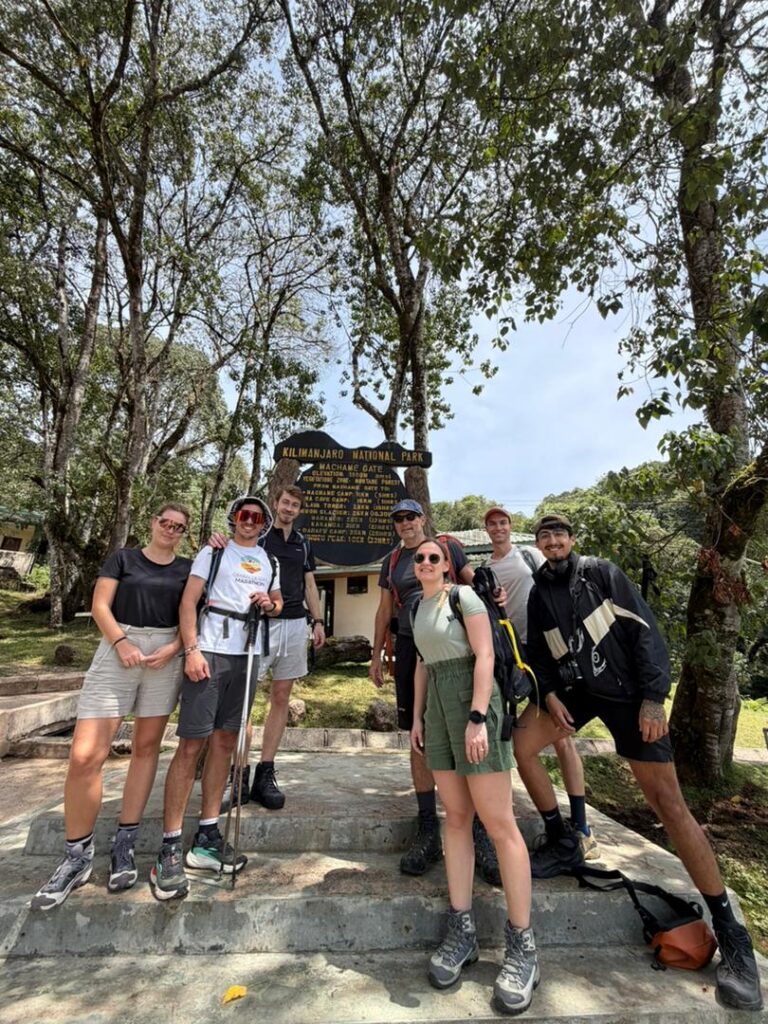
- Machame Route (Whiskey Route): Very popular due to its scenic beauty and good acclimatization profile (“climb high, sleep low”). It’s a challenging trek but highly recommended for success rates. February is a great time to experience its stunning landscapes. You can check for Machame Route group departures for 2026-2027.
- Lemosho Route: Similar to Machame in its scenic appeal and excellent acclimatization, Lemosho is slightly longer and more remote, offering a more wilderness experience. It’s a top choice for many, including in February.
- Shira Route: Starts at a higher altitude than Lemosho and joins it. It offers spectacular scenery but can be challenging due to the initial high starting point.
- Rongai Route: Approaches Kilimanjaro from the north, near the Kenyan border. It’s known for being drier, making it a good option for the rainy seasons, but it’s also perfectly suitable and enjoyable in February. It often offers good wildlife viewing opportunities on the approach.
- Northern Circuit: The longest route, offering the highest success rates due to its slow, gentle ascent and “climb high, sleep low” strategy. It circles the mountain, providing varied views. Ideal for those who want the best acclimatization and a more leisurely pace in February.
- Umbwe Route: The shortest and steepest route, making it the most challenging. It offers rapid ascent and poor acclimatization, making it suitable only for very experienced and fit hikers. It’s not generally recommended for most climbers, regardless of the month.
For February, routes like Machame, Lemosho, and the Northern Circuit are highly recommended due to their superior acclimatization profiles, which increase your chances of reaching the summit safely and successfully, even in favorable weather conditions. A longer itinerary (7-8 days) on any route will also significantly improve acclimatization and summit success rates.
Preparing for Your February Kilimanjaro Climb: Gear and Fitness
Regardless of the month, thorough preparation is key to a successful Kilimanjaro climb. For February, focus on layers and robust cold-weather gear.
Essential Gear for February
- Layering System: Base layers (thermal underwear), mid-layers (fleece or down jacket), and an outer layer (waterproof and windproof jacket and trousers).
- Summit Gear: A heavy-duty down jacket, warm hat, insulated gloves or mittens, and a balaclava or neck gaiter are crucial for summit night.
- Footwear: Broken-in, waterproof hiking boots. Several pairs of warm socks (wool or synthetic). Gaiters are also highly recommended to keep snow and mud out of your boots.
- Sleeping Bag: A 4-season sleeping bag rated to at least -15°C (5°F) is advisable for February.
- Headlamp: Essential for summit night and early mornings. Carry spare batteries.
- Sun Protection: High SPF sunscreen, sunglasses, and a wide-brimmed hat. The sun can be intense at high altitudes, even in cooler months.
- Hydration: Water bottles or a hydration reservoir. Insulated sleeves for bottles are recommended to prevent water from freezing.
- Trekking Poles: Highly recommended for stability, especially on descents, and to reduce strain on your knees.
You can find comprehensive packing lists from reputable operators to ensure you don’t miss anything. Top Guide Adventures provides detailed advice on gear to make sure you are fully equipped for your 2026-2027 climb.
Fitness and Training
Physical preparation is paramount. Focus on cardiovascular endurance (hiking, running, cycling) and strength training, particularly for your legs and core. Practice hiking with a weighted backpack, ideally on varied terrain. The better your fitness, the more you will enjoy the trek and the better your body will cope with the altitude and exertion.
Booking Your February Kilimanjaro Climb in 2026-2027
When booking your Kilimanjaro adventure for 2026 or 2027, choosing a reputable tour operator is essential. They will handle logistics, provide experienced guides and porters, and ensure your safety and comfort. Top Guide Adventures is a trusted company with extensive experience organizing Kilimanjaro climbs and other Tanzanian adventures.
Booking Considerations for February:
- Availability: While February is not as crowded as the peak months, it is still popular. It’s advisable to book your climb several months in advance, especially if you are looking for specific dates or group departures in 2026 or 2027.
- Itinerary Length: Opt for longer itineraries (7 days or more) to enhance acclimatization and summit success rates.
- Operator Reputation: Choose a company that prioritizes safety, ethical treatment of porters, and has a strong track record of successful climbs. Look for companies that offer detailed pre-climb information and support.
- Inclusions: Understand what is included in your package. Typically, this includes park fees, accommodation before and after the climb, meals on the mountain, guides, porters, and transport.
Climbing Kilimanjaro with Top Guide Adventures
Top Guide Adventures is committed to providing unforgettable Kilimanjaro climbing experiences. We offer a range of itineraries, focusing on safety, excellent acclimatization, and supporting our local guides and porters. Whether you are planning for 2026 or 2027, we can help you choose the best route and duration for your February climb. Our personalized attention ensures every detail is managed, allowing you to focus on the adventure ahead. We are proud of our client testimonials and our dedication to responsible tourism.
Contact us to discuss your dream Kilimanjaro climb:
- WhatsApp: +255616946642
- Email: topguideadventures@gmail.com
- Backup Email: info@topguideadventures.com
Explore our offerings and see why climbers choose us for their Tanzanian adventures. You can also find more information on our website or follow our journey on Instagram.
Final Verdict: Is February a Good Month for Kilimanjaro?
Absolutely. February stands out as one of the prime months for climbing Kilimanjaro. It offers a fantastic combination of dry weather, clear skies, moderate temperatures, and fewer crowds than the absolute peak season. This makes it an ideal time for trekkers looking for a successful and enjoyable ascent in 2026 or 2027. While no month is entirely free from the possibility of weather changes, February provides a highly reliable and rewarding window for conquering this magnificent mountain.
By preparing adequately with the right gear and fitness, and by choosing a reputable operator like Top Guide Adventures, your February Kilimanjaro climb is set to be an extraordinary adventure. We are here to assist you every step of the way, ensuring your journey to the Roof of Africa is as smooth and memorable as possible.
Consider February for your 2026 or 2027 Kilimanjaro expedition and experience the mountain in its glorious dry season conditions. Contact Top Guide Adventures today to start planning!
“,
“faq_schema”: [
{
“question”: “What is the weather like on Kilimanjaro in February?”,
“answer”: “February is part of Kilimanjaro’s dry season, offering clear skies and stable weather. Temperatures range from warm on the lower slopes to well below freezing at the summit. Rainfall is minimal, making it ideal for trekking.”
},
{
“question”: “Is February a crowded month to climb Kilimanjaro?”,
“answer”: “February is a popular month due to good weather, but it is generally less crowded than the peak months of July, August, and September. This offers a more serene climbing experience.”
},
{
“question”: “What are the advantages of climbing Kilimanjaro in February?”,
“answer”: “The main advantages include excellent dry weather, clear visibility for stunning views, moderate temperatures making acclimatization easier for some, and fewer crowds compared to the busiest periods.”
},
{
“question”: “Do I need special gear for climbing Kilimanjaro in February?”,
“answer”: “Yes, while February is dry, the summit night is extremely cold. You’ll need high-quality cold-weather gear, including thermal layers, a heavy-duty down jacket, warm gloves and hat, and a 4-season sleeping bag.”
},
{
“question”: “What is the best route for climbing Kilimanjaro in February?”,
“answer”: “Routes with better acclimatization profiles like Machame, Lemosho, or the Northern Circuit are highly recommended for February climbs to maximize success rates. Longer itineraries (7+ days) are also beneficial.”
},
{
“question”: “Is February a good time for a first-time Kilimanjaro climber?”,
“answer”: “Yes, February’s favorable weather conditions and clear views make it a good choice for first-time climbers, provided they choose a suitable route with good acclimatization and are well-prepared physically and with the right gear.”
},
{
“question”: “How much does it cost to climb Kilimanjaro in February 2026/2027?”,
“answer”: “Prices vary greatly depending on the route, duration, and operator. For 2026-2027, expect costs typically ranging from $1,500 to $4,000+ per person for standard packages. It’s best to get a detailed quote from operators like Top Guide Adventures.”
}
]
}
“`
Check Availability for Is February Good For Climbing Kilimanjaro? 2026-2027
Ready to compare dates, prices, and the best option for your group? Send the package name and travel month so the team can reply with a clear quote, availability, and what is included.
September Kilimanjaro Private Climbing Package: Your Ultimate Guide 2026-2027
Discover everything you need to know for a September Kilimanjaro private climbing package in 2026-2027. This comprehensive guide covers route selection, essential gear, acclimatization...
View package details
Kilimanjaro Climbing In September : Your Complete Planning Guide 2026-2027
This comprehensive guide covers everything you need to know for climbing Mount Kilimanjaro in September 2027, including the best routes, crucial preparation, weather expectations, essential...
View package details
Kilimanjaro Climbing In August : Your Complete Guide To Success 2026-2027
Planning a Kilimanjaro climb for August 2027? This in-depth guide covers everything you need to know, from the best routes and essential gear to acclimatization strategies and what to...
View package details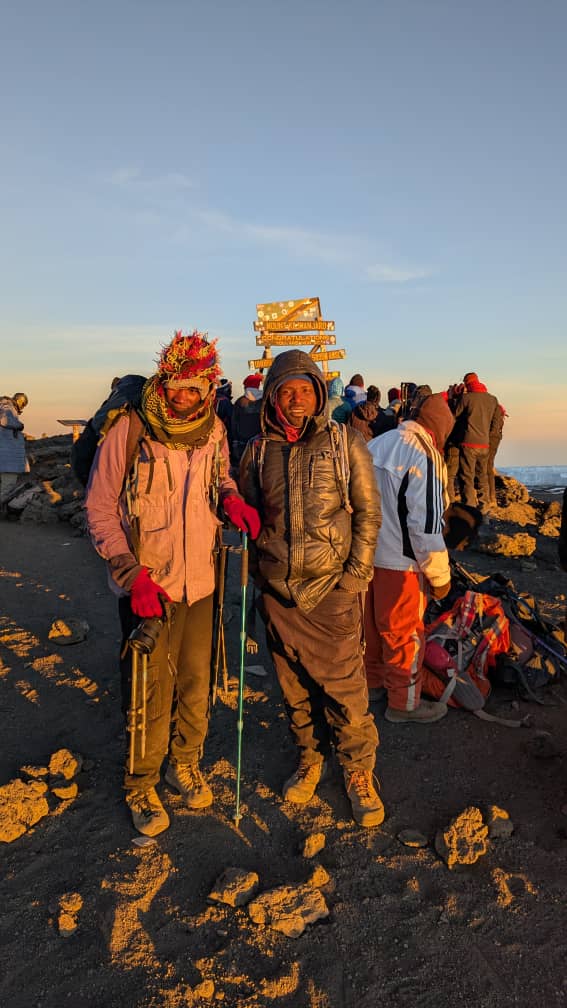
Is July A Good Month To Climb Kilimanjaro? Your Guide 2026-2027
Discover why July is an excellent time for your Kilimanjaro climb, with detailed insights into weather, crowds, and what to expect for your 2026-2027 adventure.
View package details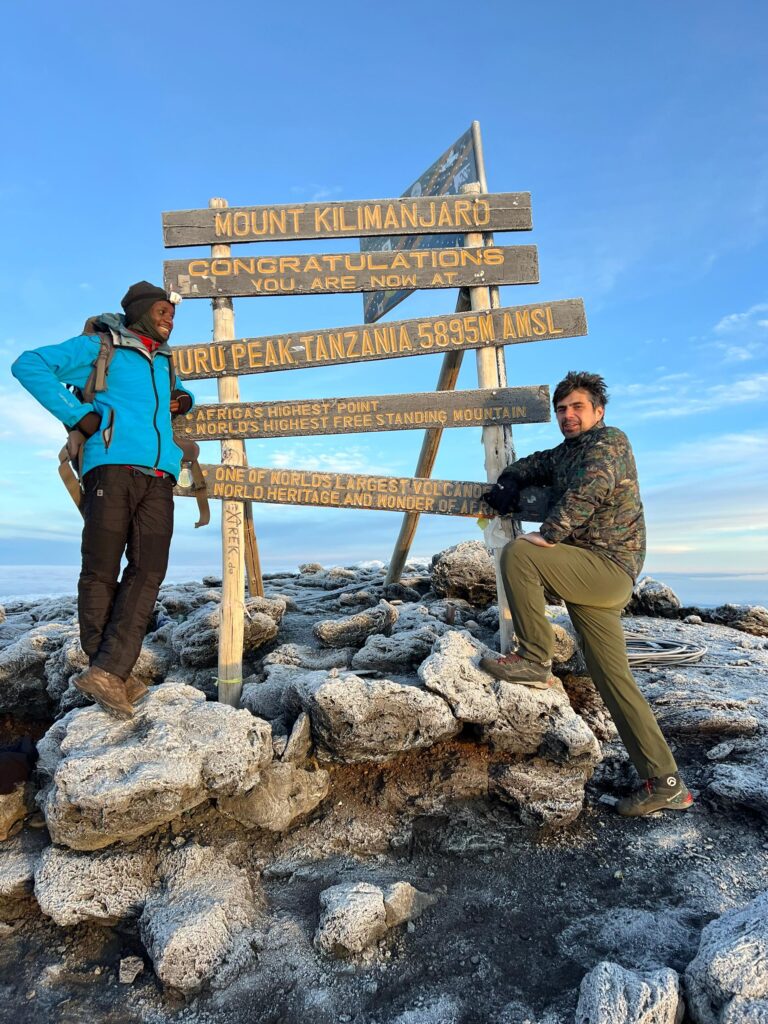
July Kilimanjaro Climbing Prices And Peak-Season Availability 2026-2027
Planning a Kilimanjaro climb in July? This guide breaks down typical pricing for 2026-2027, discusses peak season availability, and offers insights from Top Guide Adventures to help you...
View package details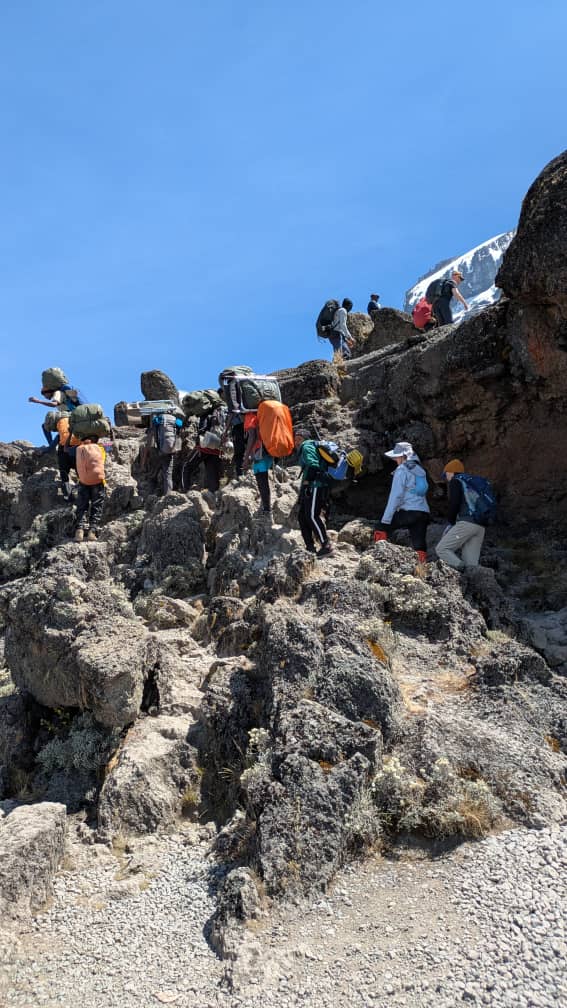
Kilimanjaro Climbing In July : Routes, Prices, And Weather | Top Guide
Planning a Kilimanjaro climb in July 2027? This comprehensive guide details the most suitable routes, provides realistic price expectations, and explains the weather patterns you can expect...
View package detailsIs June A Good Month To Climb Kilimanjaro? 2026-2027
Is June a Good Month to Climb Kilimanjaro? is explained with current 2026-2027 planning, price, itinerary and booking information.
View package details
June Kilimanjaro Climbing Prices And Availability | Top Guide Adventures
Planning a Kilimanjaro climb in June? This guide details the expected prices, availability, weather considerations, and best routes for your 2026-2027 adventure. Top Guide Adventures offers...
View package detailsEarly June Kilimanjaro Climbing Packages: Your Guide To Summiting In 2026-2027
Planning an early June Kilimanjaro climb in 2026 or 2027? This comprehensive guide from Top Guide Adventures covers everything you need to know, from ideal routes and weather patterns to...
View package details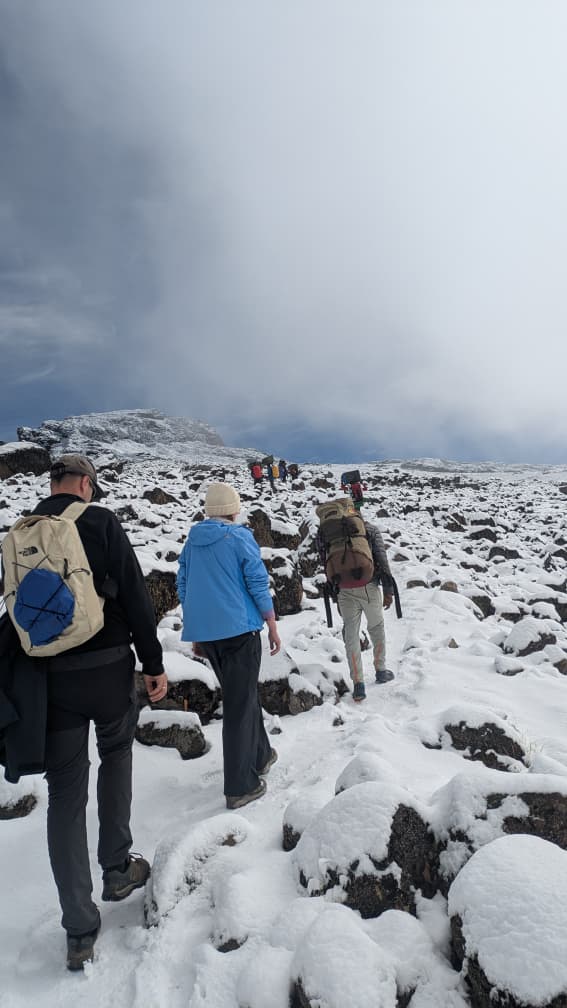
June Kilimanjaro Group Departures : Your Ultimate Guide To Climbing Africas
Discover the best June Kilimanjaro group departures for 2027, meticulously planned by Top Guide Adventures. This comprehensive guide covers everything you need to know for a successful...
View package detailsKilimanjaro Climbing In June : Complete Travel Guide 2026-2027
Kilimanjaro Climbing in June 2027: Complete Travel Guide is explained with current 2026-2027 planning, price, itinerary and booking information.
View package details
Is May Suitable For Climbing Kilimanjaro? Your Expert Guide 2026-2027
Climbing Kilimanjaro in May offers a compelling mix of good weather and fewer crowds, making it a highly suitable month for your adventure. While it falls just outside the peak dry season...
View package detailsNo related package matches those filters. Clear one or more filters to see the other topic-matched options.



