
Kilimanjaro weather in February is generally excellent for climbing, characterized by dry conditions, moderate temperatures across the lower and middle slopes, and good visibility. February falls within Kilimanjaro’s short dry season, making it one of the best months to attempt the summit, with average daytime temperatures ranging from 20-27°C (68-81°F) on the lower slopes and dropping significantly to -7 to -15°C (19-5°F) near the summit, especially at night. Snowfall is minimal, and clear skies offer stunning views, though summit nights can still be very cold and demanding. Planning a trek for February 2026 or 2027 offers a high probability of favorable climbing conditions.


Understanding Kilimanjaro’s Climate Zones in February
Mount Kilimanjaro is not a monolithic weather system; its immense altitude creates distinct ecological zones, each with its own microclimate. Understanding these zones is crucial for anyone planning a climb, especially when considering Kilimanjaro weather in February. February, being part of the shorter dry season, generally offers favorable conditions across most of these zones, but variations still exist and can impact your experience.
The Cultivation Zone (800 – 1,800 meters)
At the base of the mountain, the cultivation zone is typically warm and humid in February. This is where most of the local population lives and farms. Expect daytime temperatures to hover around 20-27°C (68-81°F). Rainfall is infrequent during this month, contributing to the dry season’s reputation. The air is thick with moisture, and vegetation is lush and green due to previous rainy periods. This zone is where your trek will begin, and it offers the most comfortable temperatures of your entire climb.
The Rainforest Zone (1,800 – 2,700 meters)
As you ascend into the rainforest, the temperatures begin to cool, and humidity can still be noticeable. In February, this zone usually experiences mild daytime temperatures, typically between 15-22°C (59-72°F). While February is dry, this zone can still receive occasional light showers, particularly in the afternoons, as the higher altitude can sometimes draw moisture. However, these are usually brief and don’t significantly hinder trekking. The dense canopy provides shade, making the ascent feel less intense than if exposed to direct sun.
The Heath Zone (2,700 – 3,500 meters)
Moving beyond the rainforest, the landscape opens up into the heath zone. Here, the vegetation becomes more sparse, consisting of moorlands, grasses, and heather. February offers pleasant daytime temperatures in this zone, generally ranging from 10-18°C (50-64°F). Nights will start to get noticeably cooler, potentially dropping to around 5°C (41°F). The air becomes drier, and the skies are often clear, offering expansive views of the surrounding plains. This is where you’ll start to feel the altitude more acutely.
The Alpine Desert Zone (3,500 – 4,500 meters)
This is a stark, almost lunar landscape. The thin air, strong UV radiation, and dramatic temperature fluctuations are characteristic of this zone. In February, daytime temperatures might range from 5-12°C (41-54°F), but this can plummet rapidly as soon as the sun sets. Nights here are cold, often falling below freezing, with temperatures around 0 to -5°C (32-23°F). The dryness is pronounced, and wind can be a significant factor. Visibility is usually excellent, providing incredible panoramas.
The Arctic Zone (4,500 meters to the Summit)
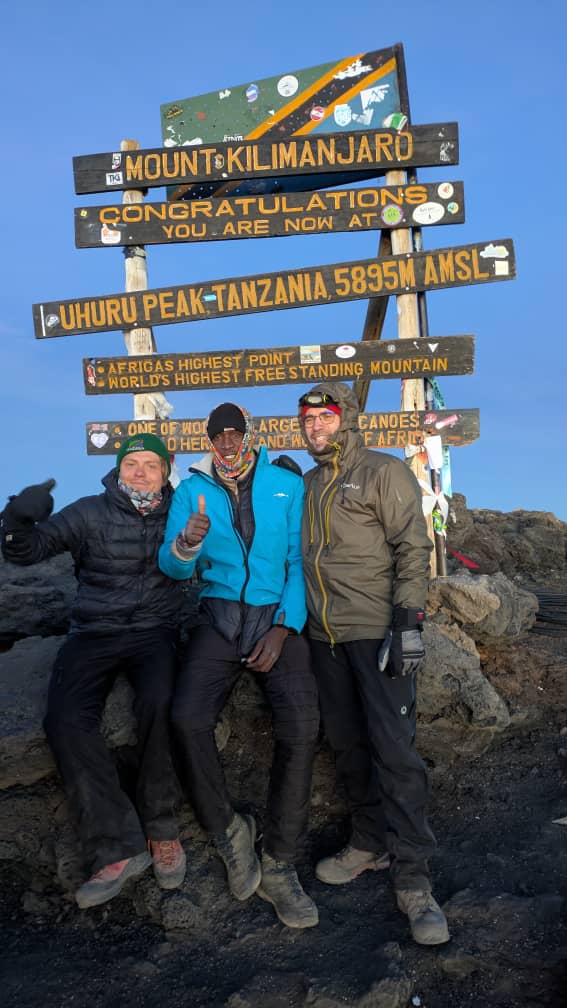
The summit region, including Uhuru Peak (5,895 meters), is a true arctic environment. February, while dry, presents extreme cold. Daytime temperatures at this altitude rarely rise above freezing, typically hovering around -7 to 0°C (19-32°F). However, the real challenge is the summit night. Temperatures can drop dramatically to -15°C (5°F) or even lower (-20°C / -4°F), especially with wind chill. Despite the cold, the dry air and minimal precipitation in February mean that snow and ice conditions, while present, are generally manageable for experienced guides and well-prepared climbers. Clear skies are common, offering unforgettable views of the crater and surrounding peaks, but the cold is a constant, serious consideration.
Precipitation and Rainfall Patterns in February
One of the most compelling reasons to choose February for your Kilimanjaro ascent is its status as a dry month. Following the short rainy season (November to early December) and preceding the long rainy season (March to May), February offers a sweet spot for trekkers. While no month is entirely devoid of precipitation on Kilimanjaro, February typically sees very little rainfall, especially on the upper slopes.
The lower rainforest zone might still experience occasional light showers, a remnant of the preceding season or a minor weather system. These are usually short-lived and don’t typically disrupt trekking schedules significantly. As you ascend, the dryness becomes more pronounced. The upper reaches, including the alpine desert and Arctic zones, receive minimal precipitation. Snowfall is rare in February, except for the permanent glaciers and ice fields near the summit, which are always present.
For trekkers aiming for Kilimanjaro in February 2026 or February 2027, this low precipitation means trails are generally in good condition, reducing the risk of slippery conditions or difficult river crossings. It also enhances the chances of clear views, which are crucial for enjoying the dramatic scenery and for safety during the summit attempt.
Temperature Ranges and What to Pack
The temperature variations on Kilimanjaro are significant, dictated by altitude and time of day. Understanding these ranges is key to packing appropriately for your February climb. The Kilimanjaro weather in February demands a layered clothing approach.
- Lower Slopes (Cultivation & Rainforest): Daytime highs of 20-27°C (68-81°F). Pack light, breathable clothing like t-shirts, long-sleeved shirts for sun protection, and comfortable trekking trousers. A light fleece or jacket might be useful for cooler evenings.
- Middle Slopes (Heath & Alpine Desert): Daytime highs of 5-18°C (41-64°F). This is where layering becomes essential. Bring mid-weight fleeces, thermal base layers, and a windproof outer shell. As you gain altitude, the temperature drops, especially after sunset.
- Upper Slopes & Summit (Alpine Desert & Arctic): Daytime highs near 0°C (32°F), with summit night temperatures dropping to -7 to -15°C (19-5°F) and potentially lower with wind chill. You’ll need serious cold-weather gear: heavy-duty down jackets, insulated trousers, thermal base layers (merino wool or synthetic), warm socks, insulated gloves and mittens, a warm hat, and a balaclava or neck gaiter.
Even though February is a dry month, the extreme cold at the summit necessitates preparation for sub-zero conditions. It’s always better to have an extra warm layer than to be caught unprepared. Consider packing:
February Kilimanjaro Packing Essentials:
- Base Layers: Moisture-wicking tops and bottoms (synthetic or merino wool).
- Mid Layers: Fleece jackets or pullovers (2-3).
- Outer Layer: Waterproof and windproof jacket and trousers (Gore-Tex or similar).
- Insulation Layer: A warm down jacket or synthetic equivalent for summit night and cold evenings.
- Headwear: Warm beanie hat, sun hat, balaclava or neck gaiter.
- Handwear: Liner gloves and warm, waterproof outer gloves or mittens.
- Footwear: Well-worn-in waterproof hiking boots, comfortable camp shoes or sandals, and multiple pairs of warm hiking socks (wool or synthetic).
- Sleeping Bag: Rated to at least -10°C (15°F), preferably -20°C (-4°F) for summit night.
- Trekking Poles: Essential for stability and reducing strain on knees.
- Sun Protection: High SPF sunscreen, sunglasses, lip balm.
- Hydration: Water bottles or hydration reservoir (ensure it’s insulated to prevent freezing).
Visibility and Summit Views in February
One of the major advantages of climbing Kilimanjaro in February is the high probability of excellent visibility. The dry season typically brings clearer skies, meaning fewer clouds obscuring the magnificent views from the mountain. This is particularly important for:
- Panoramic Vistas: On clear days, you can see vast expanses of the Tanzanian plains stretching out below, and on exceptionally clear days, Mount Meru to the west.
- Crater Rim and Summit Views: Reaching Stella Point or Uhuru Peak in February often rewards climbers with impressive views into the Kibo crater, including the Ash Pit and the dramatic glaciers. The clarity of the air at high altitudes in February usually means these views are crisp and unobstructed.
- Sunrise and Sunset: The sunrises and sunsets witnessed from Kilimanjaro’s upper slopes in February can be spectacular, with vibrant colors painting the sky above the clouds.
While February generally offers good visibility, it’s important to remember that mountain weather is unpredictable. Even during the dry season, localized cloud formations can occur, especially on the lower slopes. However, the overall trend in February is towards clear skies, significantly increasing your chances of experiencing Kilimanjaro’s grandeur without visual obstructions.
Wind Conditions on Kilimanjaro in February
While February is characterized by dry weather and good visibility, it can also bring significant wind, particularly at higher altitudes. The wind is a crucial factor in the overall temperature and the perceived cold, especially on summit night.
- Lower Slopes: Wind is generally moderate and often blocked by the dense rainforest.
- Middle and Upper Slopes: As you climb above the tree line, you become more exposed. Wind speeds can increase considerably, especially in the alpine desert zone.
- Summit Night: This is when wind becomes a major consideration. Strong winds can drastically lower the effective temperature due to wind chill, making the already frigid conditions feel much colder. A windproof and waterproof outer layer is absolutely critical for protection against these elements.
When planning your trek for February 2026 or 2027, factor in the potential for wind. Ensure your gear, especially your outer jacket and trousers, is of high quality and provides excellent wind protection. Your guides will monitor wind conditions closely, particularly during the summit attempt, and will advise on the best course of action.
Comparing February to Other Months
To truly appreciate the Kilimanjaro weather in February, it helps to compare it with other times of the year. February falls within Kilimanjaro’s two dry seasons:
- January to March: This is the longer, generally considered the best dry season. February sits squarely in the middle of this period. It offers a good balance of dry conditions and relatively moderate temperatures before the very coldest months of July and August.
- June to October: This is the other dry season, often referred to as the “main” dry season. It typically features cooler temperatures and can be windier than the January-March period.
February vs. Other Dry Months (July-October):
While both periods are dry, February often offers warmer daytime temperatures on the lower and middle slopes compared to the cooler months of July and August. However, summit nights in February can still be extremely cold, comparable to other dry months. The primary difference might be the slightly higher chance of brief, localized showers in February compared to the drier, but potentially colder and windier, months of July-October. For 2026-2027, February provides a strong option for those who prefer slightly warmer climbing days.
February vs. Rainy Months (March-May & November-Early December):
The contrast here is stark. The rainy seasons bring significantly higher precipitation, making trails muddy, slippery, and potentially dangerous. Visibility is often poor due to clouds and fog. Temperatures can be milder at altitude, but the constant rain and fog make for a much more challenging and less enjoyable experience for most trekkers. Climbing Kilimanjaro in February avoids these considerable challenges.
Popular Routes in February
February’s favorable weather makes it a popular month for climbing Kilimanjaro, and most routes are viable and enjoyable. The choice of route often depends on desired acclimatization, scenery, and crowd levels rather than weather, as February is generally good across the board.
- Machame Route: Known for its scenic beauty and excellent acclimatization profile (“climb high, sleep low”), Machame is a very popular choice in February. Its “Whiskey” route offers consistent ascents and descents. It’s a challenging but rewarding route.
- Lemosho Route: This is another highly scenic route, offering a longer acclimatization period and passing through diverse landscapes. It’s a great option for those seeking a more remote feel and excellent summit success rates, and February’s conditions are ideal for it.
- Marangu Route: The “Coca-Cola” route is the only one with hut accommodation. While it offers less optimal acclimatization, its accessibility and comfort make it appealing. February’s dry weather ensures the huts and paths are less affected by rain.
- Rongai Route: This route approaches from the north, often considered drier than the southern routes. While February is generally dry everywhere, Rongai can sometimes offer an edge if there’s a very unusual microclimate. It’s less crowded than Machame or Lemosho.
- Northern Circuit & Lemosho: These longer routes offer the best acclimatization and highest success rates. February’s good weather is perfect for appreciating the extended journey and diverse scenery these routes provide.
For trekkers planning for February 2026 or February 2027, booking in advance is highly recommended, especially for popular routes like Machame and Lemosho, as February is a sought-after month. Tour operators often have group departures available, which can be a more budget-friendly option, such as those listed on Top Guide Adventures’ group departures page.
Crowd Levels in February
February falls within the peak climbing season due to the favorable weather. This means you can expect a moderate to high number of trekkers on the mountain, particularly on the more popular routes like Machame and Lemosho. While it’s not as crowded as the absolute peak months of January or July/August, it’s certainly busier than the rainy seasons.
- Popular Routes: Expect to see other groups on Machame, Lemosho, and Marangu. Campsites can be busy, and you’ll encounter other trekkers on the trails.
- Less Crowded Routes: Routes like Rongai or the Northern Circuit might offer a slightly less crowded experience, even in February.
If avoiding crowds is a high priority, you might consider the shoulder months of the dry season (late March or early June/late October). However, for most, the benefits of February’s excellent weather outweigh the presence of other trekkers. Booking with a reputable company like Top Guide Adventures can help manage the experience, as they often have their own departure dates and can advise on managing group sizes and trail encounters.
Summit Success Rates in February
February is generally considered one of the months with the highest summit success rates on Kilimanjaro. This is directly attributable to the favorable weather conditions:
- Dry Trails: Reduced risk of slipping or getting stuck in mud.
- Clear Skies: Better visibility for navigation and enjoying the final ascent.
- Moderate Temperatures (lower slopes): Allows for better energy conservation before the extreme cold of the summit.
While weather is a significant factor, success rates also depend heavily on other elements: the chosen route (longer routes with better acclimatization generally yield higher success rates), the quality of the guiding company, individual climber’s preparation (physical fitness and mental fortitude), and adherence to acclimatization principles (slow ascent, hydration, pole pole – slowly, slowly).
Choosing a longer route like the Northern Circuit or Lemosho (8-9 days) significantly increases your chances of reaching the summit compared to shorter routes (like 5-day Machame or Marangu), regardless of the month. For treks planned in February 2026 or February 2027, focusing on a well-chosen route and a reputable operator like Top Guide Adventures, who prioritize safety and acclimatization, will maximize your chances of success.
Potential Challenges in February
Despite being a prime climbing month, February is not without its potential challenges:
- Extreme Summit Cold: As mentioned, summit night temperatures can be brutally cold, often dropping well below freezing, exacerbated by wind chill. Proper gear is non-negotiable.
- Altitude Sickness: This is a risk on any Kilimanjaro climb, regardless of the month. February’s clear conditions might tempt some to ascend too quickly, which is a major risk factor for Acute Mountain Sickness (AMS). Always listen to your guide and ascend slowly.
- Crowds: While not the absolute busiest, February is popular. Campsites can be full, and you’ll be sharing the mountain with many others.
- Wind: Strong winds can make the trek physically demanding and increase the cold factor significantly.
- Sunburn: The equatorial sun is intense, especially at higher altitudes where the atmosphere is thinner. Even with cooler temperatures, sunburn is a real risk.
Preparing for Your February Kilimanjaro Climb
Successful preparation is key to enjoying your Kilimanjaro weather in February trek. Here’s how to get ready:
Physical Training
Focus on cardiovascular fitness (hiking, running, cycling) and strength training, particularly for your legs and core. Practice hiking with a weighted backpack on varied terrain, including inclines and declines. The better your physical condition, the more energy you’ll have to cope with the altitude and cold.
Mental Preparation
Kilimanjaro is as much a mental challenge as a physical one. Understand that there will be tough moments, especially on summit night. Cultivate a positive attitude, patience (“pole pole”), and determination. Knowing what to expect regarding the weather in February can significantly boost your confidence.
Gear Checklist
As detailed earlier, investing in or renting appropriate gear is crucial. Ensure your clothing is layered, waterproof, windproof, and warm enough for sub-zero summit conditions. Don’t forget essentials like trekking poles, a good sleeping bag, and sun protection.
Choosing a Tour Operator
Selecting a reputable tour operator is paramount. Look for companies with experienced guides, a strong safety record, and a commitment to ethical climbing practices. Top Guide Adventures, for example, emphasizes personal attention and dedicated support for every client, which is invaluable on a challenging trek like Kilimanjaro. They can provide detailed packing lists and pre-climb advice tailored to the conditions you might encounter in February 2026 or 2027.
Travel Insurance
Ensure your travel insurance covers high-altitude trekking and emergency evacuation. This is a non-negotiable aspect of planning any Kilimanjaro climb.
Why February is a Great Choice for Kilimanjaro Treks in 2026-2027
In summary, February stands out as an excellent month for climbing Mount Kilimanjaro, offering a compelling combination of favorable conditions that make it a top choice for trekkers planning for 2026-2027.
Key Advantages of Climbing Kilimanjaro in February:
- Dry Season: Significantly reduced rainfall means clearer trails and a more comfortable trekking experience.
- Good Visibility: High probability of clear skies offers stunning panoramic views and a better chance for a successful summit with great scenery.
- Moderate Temperatures (lower/mid slopes): While the summit is cold, the ascent through the lower zones is typically pleasant during the day.
- High Summit Success Rates: The combination of good weather and dry trails generally leads to higher success rates when coupled with proper preparation and a good route.
- Manageable Crowds: While popular, it’s generally less crowded than the absolute peak months of January and July/August.
While the cold at the summit is a serious consideration, it is a manageable challenge with the right gear and preparation. The dry conditions and clear skies in February provide the best possible environment for tackling Africa’s highest peak. Whether you’re looking at February 2026 or February 2027, this month offers a fantastic opportunity to achieve your Kilimanjaro dream.
Booking Your February Kilimanjaro Adventure with Top Guide Adventures
If you’re inspired by the prospect of climbing Kilimanjaro in the excellent conditions of February, the next step is to plan your expedition. Top Guide Adventures is one of Tanzania’s trusted tour companies, dedicated to providing complete travel experiences with personal attention, care, and dedicated support for every client. We organize Kilimanjaro climbs, safaris, Zanzibar holidays, and tailor-made journeys across Tanzania.
For those considering a climb in February 2026 or February 2027, we recommend contacting us early to discuss your preferences, choose the best route for your fitness level and desired experience, and secure your preferred dates. Our team can provide detailed itineraries, packing lists, and answer all your questions about the Kilimanjaro weather in February and what to expect on the mountain.
Reach out to us today to start planning your unforgettable Kilimanjaro adventure:
Contact Top Guide Adventures:
- WhatsApp: +255616946642
- Email: topguideadventures@gmail.com
- Backup Email: info@topguideadventures.com
- Website: www.topguideadventures.com
- Instagram: @top_guide_adventures
Let us help you prepare for an incredible journey to the Roof of Africa in February!
“,
“faq_schema”: [
{
“question”: “What is the average temperature on Kilimanjaro in February?”,
“answer”: “In February, temperatures on Kilimanjaro vary significantly by altitude. Lower slopes (800-1,800m) average 20-27°C (68-81°F). Mid-slopes (2,700-4,500m) experience daytime temperatures from 5-18°C (41-64°F), dropping below freezing at night. The summit zone (above 4,500m) sees daytime temperatures around -7 to 0°C (19-32°F), with summit nights potentially reaching -15°C (5°F) or lower due to wind chill.”
},
{
“question”: “Is February a good month to climb Kilimanjaro?”,
“answer”: “Yes, February is considered one of the best months to climb Kilimanjaro. It falls within the main dry season, offering a high probability of clear skies, good visibility, and minimal rainfall, especially on the upper slopes. This leads to generally good trekking conditions and higher summit success rates.”
},
{
“question”: “What is the rainfall like on Kilimanjaro in February?”,
“answer”: “February is a dry month on Kilimanjaro. While the lower rainforest zone might experience occasional brief showers, the middle and upper slopes are typically very dry. Snowfall is minimal, mainly limited to the permanent glaciers near the summit.”
},
{
“question”: “What kind of gear do I need for Kilimanjaro in February?”,
“answer”: “You’ll need comprehensive gear for extreme cold, especially for summit night. This includes multiple layers of thermal base layers, mid-layers (fleece), a heavy insulated down jacket, waterproof and windproof outer shell (jacket and trousers), warm gloves/mittens, a warm hat, balaclava, insulated hiking boots, and a sleeping bag rated to at least -10°C (15°F), preferably -20°C (-4°F).”
},
{
“question”: “Will it be crowded on Kilimanjaro in February?”,
“answer”: “February is part of Kilimanjaro’s peak climbing season due to the favorable weather, so you can expect moderate to high numbers of trekkers, particularly on popular routes like Machame and Lemosho. While not the absolute busiest, it is busier than the rainy seasons.”
},
{
“question”: “What are the summit success rates like in February?”,
“answer”: “Summit success rates in February are generally high, often among the best of the year. This is due to the dry conditions, clear skies, and good trekking trails. However, success also depends heavily on the chosen route length, climber’s fitness, acclimatization strategy, and the quality of the guiding company.”
},
{
“question”: “Are there any specific routes recommended for February?”,
“answer”: “Most routes are suitable for February. Popular choices like Machame and Lemosho offer great scenery and acclimatization. The Rongai route, approaching from the north, is sometimes considered slightly drier, though February is generally dry everywhere. Longer routes like the Northern Circuit (9 days) offer the best acclimatization and highest success rates.”
}
]
}
“`
Check Availability for What Is Kilimanjaro Weather Like In February? 2026-2027
Ready to compare dates, prices, and the best option for your group? Send the package name and travel month so the team can reply with a clear quote, availability, and what is included.
What Does Kilimanjaro Rainforest Look Like? A Trekkers Visual Guide 2026-2027
The Kilimanjaro rainforest is a vibrant, humid zone of dense vegetation, towering trees, and diverse plant life found on the mountain's lower slopes. It's the first major ecosystem trekkers...
View package details
What Does The View From Uhuru Peak Look Like? Your Ultimate Kilimanjaro
The view from Uhuru Peak, Kilimanjaro's highest point, is a surreal panorama of stark volcanic rock, glacial ice, and an endless sea of clouds stretching below. At dawn, it offers a...
View package details
What Is School Hut Like On Kilimanjaro? 2026-2027
What Is School Hut Like on Kilimanjaro? is explained with current 2026-2027 planning, price, itinerary and booking information.
View package details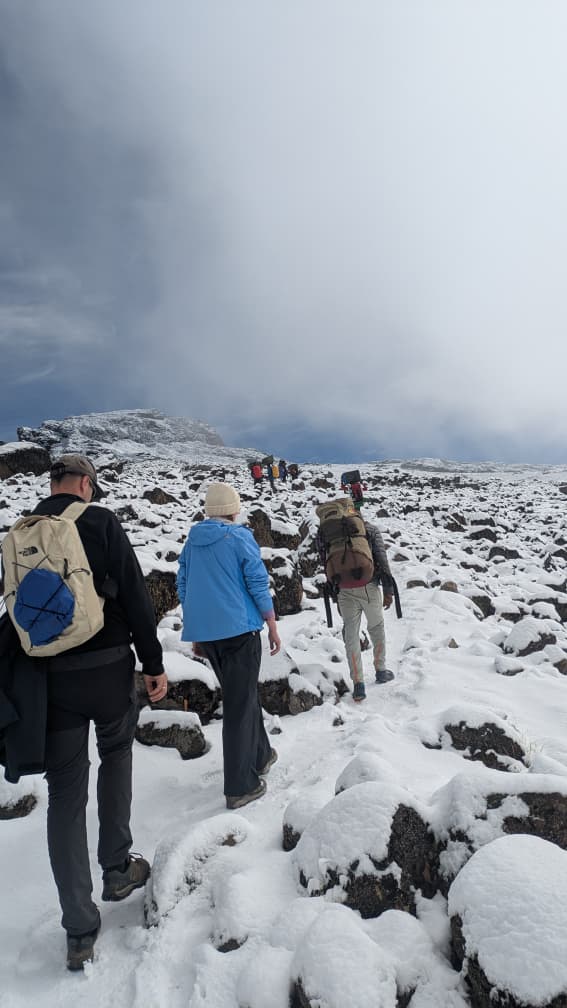
What Is Barafu Camp Like Before Summit Night On Kilimanjaro? 2026-2027
Barafu Camp is the high-altitude staging post on Kilimanjaro, situated just below the summit cone. It's a critical point where climbers rest and prepare for the final ascent to Uhuru Peak...
View package details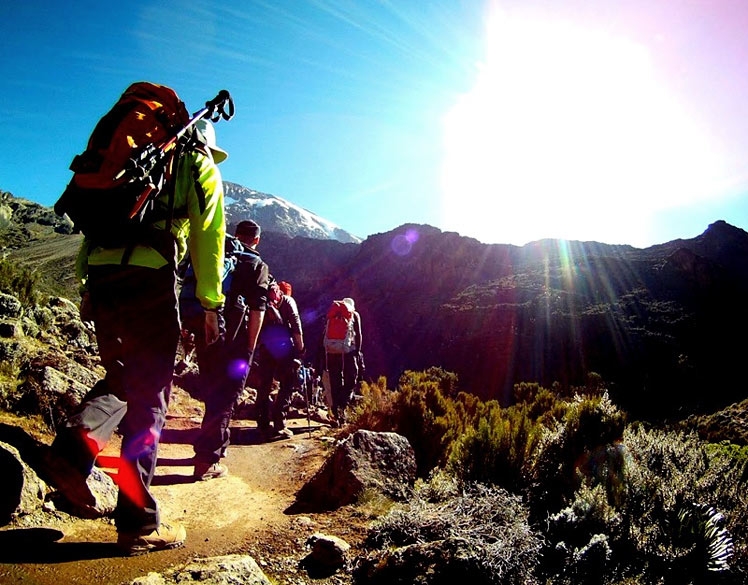
What Is It Like To Cross The Shira Plateau On Kilimanjaro? 2026-2027
Crossing the Shira Plateau on Kilimanjaro presents a unique high-altitude experience characterized by open, exposed terrain, dramatic vistas, and significant acclimatization challenges...
View package details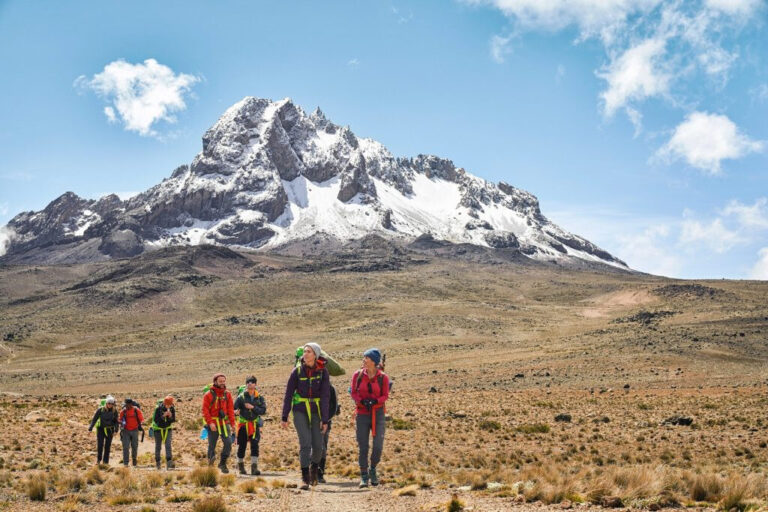
What Animals Live On Mount Kilimanjaro? 2026-2027
What Animals Live on Mount Kilimanjaro? is explained with current 2026-2027 planning, price, itinerary and booking information.
View package details
What Is Karanga Valley Like? Your Complete Guide For 2026-2027
Karanga Valley is a vital high-altitude stop on Kilimanjaro's Machame Route. It's known for its dramatic landscape, challenging ascents, and role in acclimatization for climbers heading to...
View package details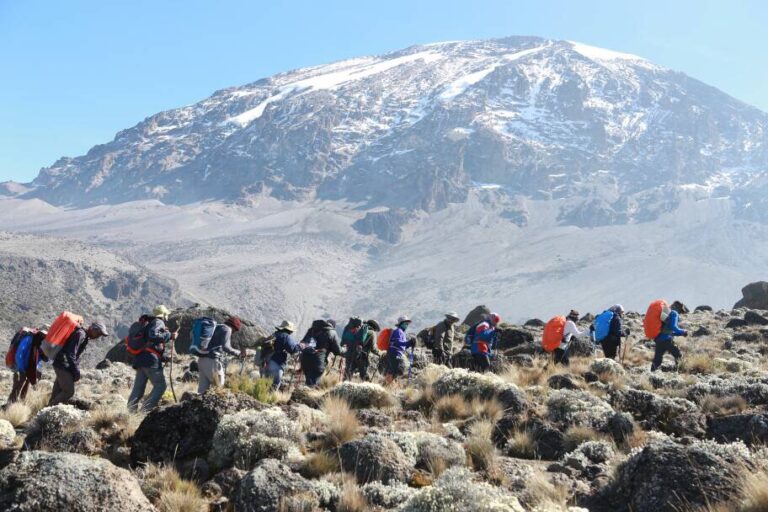
What Is The Lava Tower Acclimatization Hike Like? Guide
The Lava Tower hike on Kilimanjaro is a crucial acclimatization day that takes climbers to higher altitudes before descending, testing their bodies against the thinning air and preparing...
View package details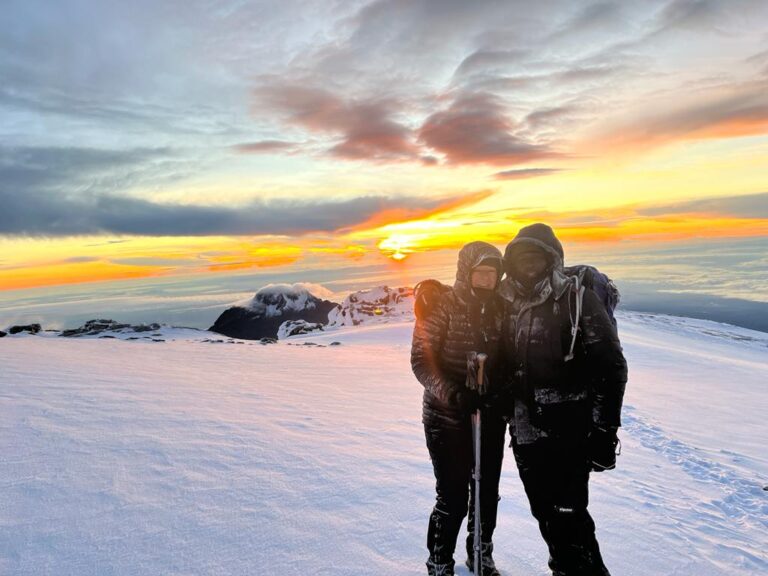
What Happens If The Kilimanjaro Trail Is Closed? 2026-2027
What Happens If the Kilimanjaro Trail Is Closed? is explained with current 2026-2027 planning, price, itinerary and booking information.
View package details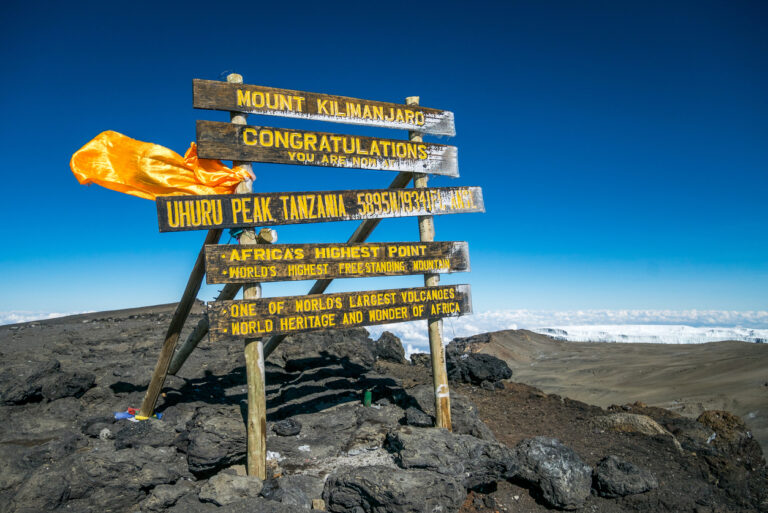
What Happens If You Miss Your Kilimanjaro Departure? Guide
If you miss your scheduled Kilimanjaro departure, your trek may be cancelled, and you could forfeit your deposit and payments. Rebooking is often possible but incurs additional costs and...
View package details
What Happens If Your Hiking Boots Break On Kilimanjaro? 2026-2027
What Happens If Your Hiking Boots Break on Kilimanjaro? is explained with current 2026-2027 planning, price, itinerary and booking information.
View package details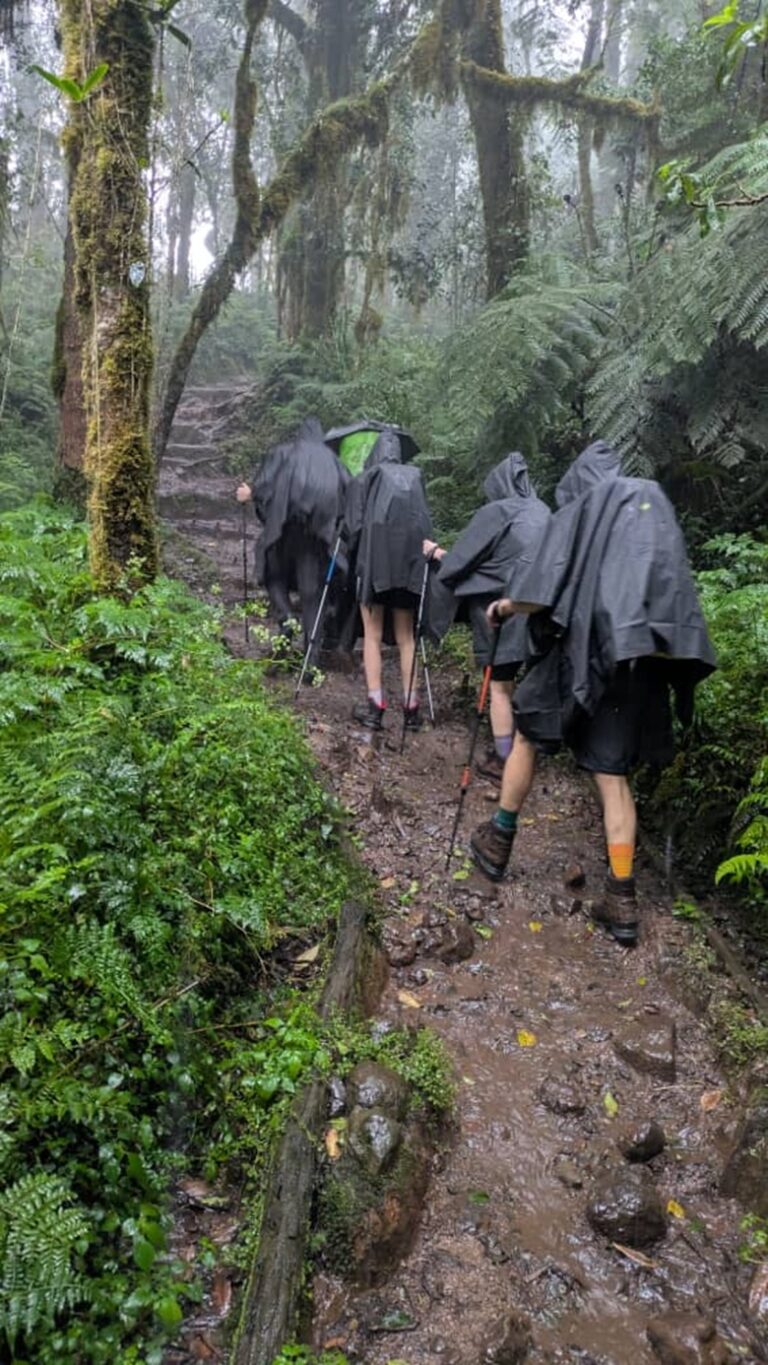
What Happens If You Get Food Poisoning Before Kilimanjaro? 2026-2027
Falling ill with food poisoning just before your Kilimanjaro climb is a serious concern. This guide details what happens, how to prevent it, and crucial steps if you become sick, ensuring...
View package detailsNo related package matches those filters. Clear one or more filters to see the other topic-matched options.



