
The Marangu Route Premium Kilimanjaro Trek offers a unique and comfortable ascent of Africa’s highest peak, characterized by its gradual slope, scenic beauty, and overnight stays in dormitory-style mountain huts rather than tents, making it a popular choice for trekkers seeking a less physically demanding experience, especially when opting for premium services that enhance comfort and support for your 2026-2027 adventure.

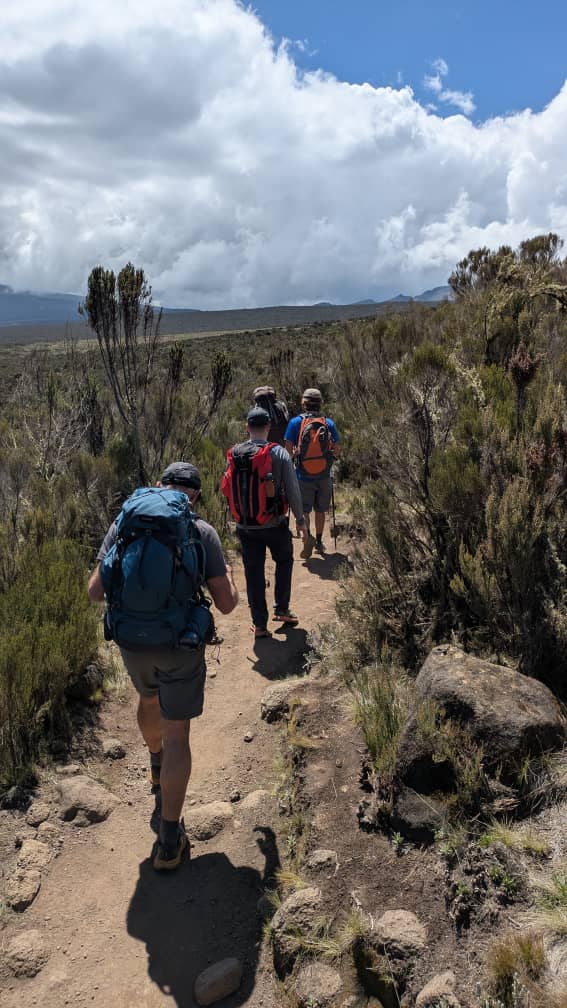
Understanding the Premium Marangu Route Experience
Kilimanjaro, the Roof of Africa, calls to adventurers worldwide. Among the various paths leading to its summit, the Marangu Route stands out for its distinctive features. When we talk about a Marangu Route Premium Kilimanjaro Trek, we’re referring to an elevated experience on this classic path. This isn’t just about reaching Uhuru Peak; it’s about the journey, the comfort, and the expert guidance provided by operators like Top Guide Adventures. A premium trek ensures that every aspect of your climb, from pre-departure support to post-climb celebrations, is handled with meticulous attention to detail, making your 2026-2027 expedition as smooth and enjoyable as possible.
The Marangu Route, often nicknamed the ‘Coca-Cola’ route due to its popularity and accessibility, is the oldest and most established path on Kilimanjaro. Its appeal lies in its direct ascent and the provision of huts, offering a stark contrast to the camping experience on other routes. A premium version of this trek amplifies these benefits by focusing on higher quality accommodations within the huts (where possible, though they are generally basic), superior food, more experienced guides, better equipment, and a higher staff-to-client ratio for enhanced safety and personalized attention. For trekkers planning their climb in 2026 or 2027, understanding what elevates a standard Marangu trek to a premium one is crucial for making an informed decision.
Why Choose the Marangu Route for Your Kilimanjaro Ascent?
The Marangu Route presents a compelling case for many aspiring Kilimanjaro summiteers. Its primary draw is its accessibility and the unique hut accommodation system. Unlike other routes that require camping, Marangu utilizes a network of huts along the trail. These huts offer basic dormitory-style sleeping quarters, providing a significant level of comfort and protection from the elements, especially when contrasted with sleeping in a tent at high altitudes.
The route’s path is also a significant factor. It follows a more direct, less circuitous path up the mountain. This can be perceived as less scenic by some, as it doesn’t traverse as many diverse landscapes compared to routes like Machame or Lemosho. However, its straightforward ascent can also mean less distance covered daily in the initial stages, potentially making it feel less strenuous for some trekkers. Furthermore, the Marangu Route is the only path that offers a descent via the same route, which can simplify logistics for some travelers.
For those considering a Marangu Route Premium Kilimanjaro Trek, the decision often hinges on balancing comfort, familiarity, and a desire for a well-trodden path. The premium aspect ensures that even on this accessible route, you receive top-tier service, making the overall experience more enjoyable and secure.
Marangu Route vs. Other Kilimanjaro Routes: A Premium Perspective
While the Marangu Route offers unique advantages, comparing it to other popular Kilimanjaro trails is essential, especially when considering a premium package. Each route has its own character, success rate, and level of difficulty. A premium operator will help you navigate these differences.
- Machame Route: Often considered the most popular route due to its scenic beauty and good acclimatization profile. It’s a camping route, meaning nights are spent in tents. A premium Machame trek would offer high-quality camping gear, gourmet meals, and highly experienced guides. Success rates are generally higher than Marangu, often attributed to better acclimatization.
- Lemosho Route: Renowned for its stunning scenery and excellent acclimatization, Lemosho is a longer, more remote route. It’s a camping route. A premium Lemosho trek would emphasize the exclusivity and pristine environment, with top-tier camping facilities and guides who can share deep insights into the flora and fauna.
- Shira Route: Similar to Lemosho but starts at a higher altitude, potentially impacting acclimatization for some. It’s also a camping route. Premium services here would focus on managing the higher starting altitude effectively with expert support.
- Rongai Route: Approaches Kilimanjaro from the north, making it a good option during the rainy season. It’s a camping route. A premium Rongai trek would highlight its unique approach and potentially drier conditions, with excellent camping setups.
- Northern Circuit: The longest route, offering the best acclimatization profile and highest success rates. It circles the mountain, providing diverse views. A premium Northern Circuit trek would be the epitome of luxury and support on Kilimanjaro, with unparalleled comfort and attention.
When opting for a Marangu Route Premium Kilimanjaro Trek, you are choosing a path known for its huts and direct ascent. The premium service layer ensures that your experience is enhanced through superior food, more guides per climber, better equipment, and logistical support that makes the trek more comfortable and safer, even if it doesn’t boast the same panoramic views or acclimatization profile as some of the longer, more scenic camping routes. For trekkers prioritizing the unique hut experience and a more straightforward climb, a premium Marangu trek, especially for planning in 2026-2027, can be an excellent choice.
The Marangu Route Itinerary: Options and Considerations for 2026-2027
The Marangu Route is typically offered in two main durations: 5 days and 6 days. The 5-day itinerary is the shortest and most direct path to the summit, but it comes with a significantly lower success rate due to poor acclimatization. The 6-day itinerary includes an extra day at Horombo Huts, allowing for acclimatization and a chance to explore the surrounding moorland, which greatly improves the chances of reaching the summit.
Marangu Route: 6-Day Itinerary – The Recommended Choice
This is the most popular and recommended itinerary for the Marangu Route, offering a better chance of summit success through improved acclimatization.
- Day 1: Marangu Gate (1,860m / 6,100ft) to Mandara Huts (2,700m / 8,860ft)
Distance: 8 km / 5 miles | Hiking Time: 3-4 hours | Habitat: Rainforest. The trek begins at the Marangu park gate. You’ll register and then begin a steady climb through the beautiful rainforest, often accompanied by the sounds of various bird species. The path can be muddy, especially after rain. - Day 2: Mandara Huts (2,700m / 8,860ft) to Horombo Huts (3,700m / 12,140ft)
Distance: 12 km / 7.5 miles | Hiking Time: 5-7 hours | Habitat: Moorland. Today’s trek takes you out of the rainforest and into the heather and moorland zone. The landscape opens up, offering glimpses of Kilimanjaro’s peak on clear days. The climb is more gradual but longer. - Day 3: Horombo Huts (3,700m / 12,140ft) – Acclimatization Day
Option 1: Rest day at Horombo Huts.
Option 2: Day hike to Zebra Rocks (3,900m / 12,800ft) or further towards Mawenzi Tarn Hut (4,000m). This helps your body adjust to the altitude. A premium trek would ensure this day is well-managed with appropriate guidance and nutrition. - Day 4: Horombo Huts (3,700m / 12,140ft) to Kibo Huts (4,700m / 15,400ft)
Distance: 10 km / 6 miles | Hiking Time: 6-8 hours | Habitat: Alpine Desert. This is a long and challenging day as you ascend into the alpine desert zone. The vegetation becomes sparse, and the terrain is rocky. You’ll pass the ‘Last Tree’ landmark and enter a stark, high-altitude environment. - Day 5: Kibo Huts (4,700m / 15,400ft) to Uhuru Peak (5,895m / 19,341ft) and down to Horombo Huts (3,700m / 12,140ft)
Distance: 5 km ascent, 15 km descent | Hiking Time: 7-8 hours to summit, 4-5 hours descent | Habitat: Arctic. This is summit night. You’ll start climbing around midnight, aiming to reach Gilman’s Point (5,685m / 18,650ft) by sunrise. From Gilman’s Point, it’s another hour to Uhuru Peak, the highest point in Africa. The descent is steep and can be tough on the knees, but you’ll return to Horombo Huts for a well-deserved rest. - Day 6: Horombo Huts (3,700m / 12,140ft) to Marangu Gate (1,860m / 6,100ft)
Distance: 18 km / 11 miles | Hiking Time: 5-7 hours | Habitat: Moorland to Rainforest. The final day involves a long descent back through the moorland and rainforest zones to Marangu Gate, where you’ll be met by your driver and transferred back to your hotel. A celebratory certificate awaits.
Marangu Route: 5-Day Itinerary – High Risk, Low Reward
While available, the 5-day option is strongly discouraged for summit success. It skips the crucial acclimatization day, leading to a much higher likelihood of altitude sickness and failure to reach the summit. For any planned 2026-2027 trek, prioritizing safety and success means opting for at least 6 days.
A Marangu Route Premium Kilimanjaro Trek would ensure that even on the standard 6-day itinerary, the experience is elevated. This means higher quality food, more experienced guides ensuring you are checked for altitude sickness symptoms regularly, potentially better sleeping bags or mats provided, and a more comfortable vehicle transfer. For those booking for 2026 or 2027, discussing the specific inclusions of the premium package with your operator is key.
What Makes a Marangu Trek ‘Premium’?
The term ‘premium’ in the context of a Kilimanjaro trek signifies an upgrade in service, comfort, and support compared to standard offerings. For a Marangu Route Premium Kilimanjaro Trek, this translates into several key areas:
- Higher Guide-to-Client Ratio: Instead of the standard 1:6 guide-to-client ratio, a premium trek might offer 1:4 or even 1:2. This means more personalized attention, more frequent health checks, and quicker response to any issues.
- Experienced & Certified Guides: Premium treks often employ guides with extensive experience, higher levels of wilderness first aid certification, and a deeper knowledge of Kilimanjaro’s environment and altitude physiology.
- Superior Food & Hydration: While Marangu huts provide meals, a premium trek will offer a more varied, nutritious, and gourmet menu, prepared by dedicated camp chefs. This includes fresh ingredients, more options, and better presentation.
- Quality Equipment: While huts are provided, a premium operator might offer higher quality sleeping bags, mats, and potentially even private tents for guides and porters to ensure their comfort and efficiency.
- Enhanced Safety Measures: This can include carrying more comprehensive first-aid kits, ensuring guides are trained in advanced mountain medicine, and having access to supplementary oxygen for emergency use.
- Comfortable Lodging & Transfers: While the Marangu huts are basic, a premium service might arrange for more comfortable pre- and post-trek accommodation in hotels, and ensure private, comfortable transfers to and from the mountain gate.
- Smaller Group Sizes: Premium treks often cater to smaller groups, allowing for a more intimate and flexible experience.
- Dedicated Support Staff: Ensuring sufficient porters and cooks, who are well-equipped, well-fed, and treated ethically, is a hallmark of a premium operator.
When planning your Marangu Route Premium Kilimanjaro Trek for 2026-2027, inquire specifically about these elements. Operators like Top Guide Adventures pride themselves on delivering an exceptional level of service that distinguishes a premium trek from a standard one.
Preparing for Your Premium Marangu Trek
Successful preparation is key to enjoying any Kilimanjaro trek, and a premium experience is no different. While the Marangu Route is considered less strenuous than some others, reaching the summit still requires significant physical and mental preparation. For your Marangu Route Premium Kilimanjaro Trek in 2026-2027, consider the following:
Physical Training
The most crucial element is cardiovascular fitness. Focus on activities that build endurance:
- Hiking: Aim for regular hikes, ideally with significant elevation gain and carrying a backpack similar to what you’ll use on the mountain. Practice on varied terrain.
- Running/Jogging: Improves cardiovascular health and stamina.
- Cycling: Excellent for building leg strength and endurance.
- Swimming: A low-impact way to build overall fitness.
- Strength Training: Focus on leg strength (squats, lunges) and core strength.
Start your training at least 2-3 months before your trek. The goal is not to become a marathon runner, but to build the stamina needed for long days of walking at altitude.
Altitude Acclimatization
While physical fitness is important, acclimatization is paramount. The Marangu Route’s 6-day itinerary includes an acclimatization day, which is vital. Listen to your body and communicate any symptoms of altitude sickness to your guides promptly. A premium trek ensures your guides are highly trained to manage this.
Gear and Equipment
Even with premium services, you will need to provide personal gear. Investing in good quality, waterproof, and breathable clothing is essential. Key items include:
- Layering System: Base layers (thermal), mid-layers (fleece), and outer layers (waterproof and windproof jacket and trousers).
- Footwear: Well-worn-in, waterproof hiking boots with good ankle support.
- Headwear: Warm hat, sun hat, and balaclava for summit night.
- Gloves: Warm, waterproof gloves and liner gloves.
- Sleeping Bag: A 4-season sleeping bag rated to at least -15°C (0°F). Premium operators may provide one, but check this.
- Trekking Poles: Highly recommended for stability and reducing strain on knees.
- Headlamp: Essential for summit night and navigating huts.
- Sun Protection: High SPF sunscreen, sunglasses, and lip balm.
- Hydration: Water bottles or a hydration reservoir. Ensure you have a way to keep water from freezing on summit night.
Top Guide Adventures can provide a detailed gear list tailored to your Marangu Route Premium Kilimanjaro Trek. Proper gear ensures comfort and safety throughout your 2026-2027 journey.
Mental Preparation
Climbing Kilimanjaro is as much a mental challenge as a physical one. Be prepared for long days, cold temperatures, and the effects of altitude. Positive self-talk, focusing on small goals, and trusting your guides are crucial. A premium trek often includes pre-trip consultations that can help address mental preparedness.
What to Expect on a Premium Marangu Trek: Daily Life on the Mountain
Life on Kilimanjaro, even on the Marangu Route, is an adventure in itself. A premium trek aims to make this experience as comfortable and enjoyable as possible.
Accommodation: The Marangu Huts
The Marangu huts are basic but functional. They typically consist of rooms with bunk beds for trekkers and separate quarters for guides and porters. Each hut station has communal dining areas and basic toilet facilities. A premium service might ensure your bunk is in a preferred location within the hut, or provide extra padding for your sleeping mat. While the huts are communal, a premium trek emphasizes cleanliness and organization.
Food and Drink
Meals are provided at each hut. Breakfast usually consists of porridge, eggs, toast, and fruit. Lunches can be packed lunches for the trail or served at the huts. Dinners are typically hearty, featuring soup, a main course (like rice with chicken or stew), and dessert. A premium trek will offer a more diverse menu, catering to dietary needs (vegetarian, vegan, allergies) with higher quality ingredients. You’ll need to bring your own snacks, though premium services might include a wider selection of snacks or treats.
Hydration is critical. You’ll be provided with boiled water each day. It’s recommended to drink 3-4 liters of water daily. You can also purchase soft drinks and bottled water at the huts, though these are more expensive. Premium services often include electrolyte powders or better options for staying hydrated.
Daily Routine
A typical day on the Marangu Route involves waking up early, having breakfast, packing your daypack, and starting the trek. Your main luggage is carried by porters to the next hut. You’ll stop for lunch along the way, and reach the next hut in the afternoon. After arriving, you’ll have time to rest, have a hot drink and snacks, and then dinner. Evenings are usually spent socializing in the mess tent or hut common area, or simply resting and preparing for the next day. On summit night, the schedule is dramatically different, starting in the pre-dawn hours.
Guides and Support Staff
Your team is your lifeline on the mountain. A premium trek ensures you have a highly experienced lead guide, assistant guides, and a sufficient number of porters. These individuals are skilled in navigation, first aid, and understanding the effects of altitude. They are responsible for your safety, well-being, and morale. Premium services ensure these staff members are well-paid, well-equipped, and treated with respect, which often translates into a more motivated and efficient team.
Summit Night: The Ultimate Challenge on the Marangu Route
Summit night is the most demanding part of any Kilimanjaro climb. On the Marangu Route, this typically occurs on Day 5 of the 6-day itinerary.
The Ascent
You’ll wake up around 11 PM or midnight at Kibo Huts. After a light meal and final gear check, you’ll begin the ascent towards Uhuru Peak. The climb is slow and steady, often in single file, under the light of headlamps. The terrain is steep scree, which can be challenging. Your guides will set a pace that is sustainable and allows for acclimatization. Regular breaks are taken for water and to check your condition.
Reaching the Crater Rim
The first major milestone is Gilman’s Point (5,685m / 18,650ft) on the crater rim. Reaching this point by sunrise is a common goal and offers spectacular views. From Gilman’s Point, the path continues along the rim to Stella Point (5,730m / 18,799ft) and finally to Uhuru Peak (5,895m / 19,341ft), the highest point in Africa.
Uhuru Peak and Descent
Reaching Uhuru Peak is an incredible achievement. You’ll have some time to take photos and soak in the views, but it’s crucial to start descending relatively quickly due to the altitude and cold. The descent is often faster but can be hard on the knees. You’ll descend back to Kibo Huts for a brief rest and meal before continuing down to Horombo Huts.
A Marangu Route Premium Kilimanjaro Trek ensures you are well-prepared for this night. This might include:
- Pre-summit briefing: Detailed explanation of the plan and what to expect.
- High-energy food and drinks: Provided to keep you fueled.
- Supplementary oxygen: Available for emergency use if deemed necessary by guides.
- Extra guides: To ensure a higher support ratio during the critical summit push.
For your 2026-2027 climb, trusting your guides and your preparation is key to conquering summit night.
Cost of a Premium Marangu Route Kilimanjaro Trek (2026-2027)
The cost of a Marangu Route Premium Kilimanjaro Trek can vary significantly based on the operator, the inclusions, and the level of service. Generally, premium treks are more expensive than standard treks due to the higher quality of service, better-paid staff, and enhanced safety measures.
For 2026-2027, you can expect the price for a premium Marangu Route trek to range from $2,500 to $4,500+ per person for a 6-day climb. This is a broad estimate, and actual costs depend on factors such as:
- Inclusions: What is covered? (e.g., pre- and post-trek accommodation, park fees, rescue fees, gratuities, equipment rental).
- Group Size: Private treks are more expensive than group treks.
- Operator’s Reputation and Service Level: Established premium operators with proven track records and high safety standards will command higher prices.
- Time of Year: Peak seasons (e.g., January-March, June-October) might have slightly higher costs.
Key cost components usually include:
- Park entrance fees (significant cost)
- Camping/hut fees
- Rescue fees
- Guide and porter salaries (ensure these are fair wages for a premium trek)
- Food and cooking equipment
- Tents (if applicable, though Marangu uses huts)
- Transport to/from the mountain
- Pre- and post-trek accommodation
What a premium price typically covers that a budget trek might not:
- Higher quality food and more variety.
- More guides per climber for better safety.
- Higher salaries and better treatment for porters and guides.
- Potentially better quality sleeping bags or mats provided.
- More comprehensive first-aid kits and possibly oxygen.
- Comfortable pre/post-trek hotel stays.
When comparing prices for your Marangu Route Premium Kilimanjaro Trek, always ask for a detailed breakdown of what is included and excluded. Operators like Top Guide Adventures aim to provide transparent pricing and exceptional value for a premium experience. For a personalized quote for 2026-2027, contact them directly.
Booking Your Marangu Route Premium Trek with Top Guide Adventures
Choosing the right operator is paramount for a successful and enjoyable Kilimanjaro trek, especially when opting for a premium experience. Top Guide Adventures is a reputable Tanzanian tour operator committed to providing high-quality, safe, and ethical Kilimanjaro expeditions. They understand the nuances of each route and specialize in creating memorable adventures.
When you book a Marangu Route Premium Kilimanjaro Trek with Top Guide Adventures for 2026 or 2027, you can expect:
- Expert Local Guides: Highly trained, experienced, and certified guides who prioritize your safety and success.
- Quality Equipment and Logistics: Well-maintained gear and efficient logistical planning.
- Ethical Trekking Practices: Fair treatment and wages for all staff, adhering to Kilimanjaro Porter Assistance Project (KPAP) guidelines where applicable.
- Personalized Service: Dedicated support from inquiry to post-trek.
- Comprehensive Itineraries: Well-paced routes designed for optimal acclimatization and success.
- Delicious and Nutritious Food: Freshly prepared meals to keep you energized.
To get started with planning your ultimate Kilimanjaro adventure, reach out to the experts at Top Guide Adventures. You can connect with them via:
- WhatsApp: +255616946642
- Email: topguideadventures@gmail.com
- Backup Email: info@topguideadventures.com
They are ready to help you craft the perfect Marangu Route Premium Kilimanjaro Trek for your 2026-2027 travel plans, ensuring an unforgettable journey to the summit of Africa.
Frequently Asked Questions about the Marangu Route Premium Trek
Is the Marangu Route the easiest way up Kilimanjaro?
The Marangu Route is often considered one of the more accessible routes due to its gradual slope and hut accommodations, which offer more comfort than camping. However, ‘easy’ is relative on Kilimanjaro. Reaching the summit still requires significant physical fitness and proper acclimatization. The 5-day itinerary is particularly challenging due to poor acclimatization, making the 6-day option much more advisable for success and safety. A premium trek enhances comfort and support, making the experience more pleasant, but it doesn’t eliminate the challenges of high altitude.
What is the success rate for the Marangu Route?
Success rates for the Marangu Route vary significantly based on the duration. The 5-day itinerary has a notoriously low success rate, often cited between 30-50%, largely due to inadequate acclimatization. The 6-day itinerary, which includes an extra acclimatization day, significantly improves the chances, with success rates often reported between 70-85%. Premium services, with more experienced guides and better monitoring, can further contribute to a higher success rate.
What are the Marangu Route huts like?
The Marangu huts are basic dormitory-style accommodations. Each room typically contains two bunk beds, a table, and a bench. There are communal dining areas and shared toilet facilities. While they offer shelter and a place to sleep, they are not luxurious. A premium trek ensures these facilities are kept as clean and organized as possible and may offer some extra comforts like extra bedding or mats.
Do I need to tip my guides and porters on a premium trek?
Yes, tipping is customary and greatly appreciated. Guides and porters work extremely hard to ensure your safety and comfort. Premium operators like Top Guide Adventures often provide guidelines on tipping, ensuring that your tips are distributed fairly among the crew. It is recommended to tip both guides and porters, and a premium trek might suggest slightly higher amounts to reflect the higher level of service and ethical employment practices.
What is the best time of year for a Marangu Route Premium Kilimanjaro Trek in 2026-2027?
The best times to climb Kilimanjaro, including the Marangu Route, are during the dry seasons: January to March and June to October. These periods offer the clearest skies, warmest temperatures, and lowest chance of rain. While the Marangu Route can be climbed year-round, these dry windows are ideal for maximizing your chances of good weather and visibility. Planning your 2026-2027 trek during these times is recommended.
What are the main differences between a standard and premium Marangu Route trek?
A premium trek typically offers a higher guide-to-client ratio for more personalized attention, more experienced and certified guides, superior food quality and variety, enhanced safety equipment (like oxygen), potentially better pre/post-trek accommodation, and a stronger commitment to ethical treatment and fair wages for all staff. Essentially, a premium trek invests more in comfort, safety, and the overall quality of the experience.
Check Availability for Marangu Route Premium Kilimanjaro Trek: Your Ultimate Guide 2026-2027
Ready to compare dates, prices, and the best option for your group? Send the package name and travel month so the team can reply with a clear quote, availability, and what is included.
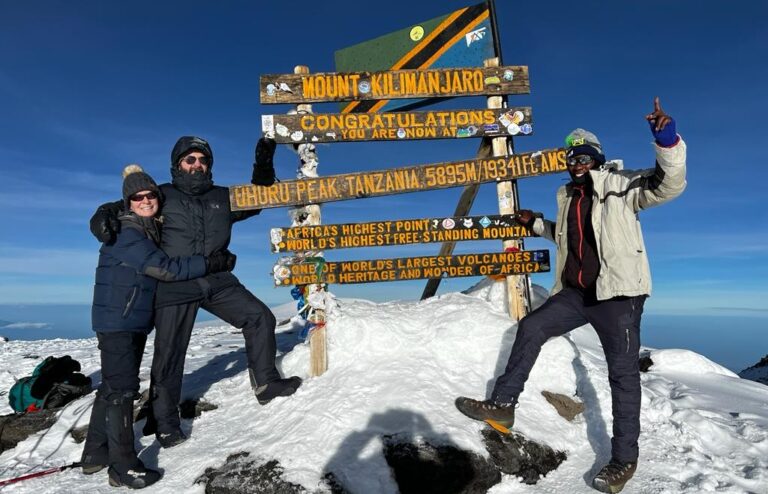
Kilimanjaro Scenic Experience Without Summiting: Best Views & Treks 2026-2027
Experience the majestic beauty of Mount Kilimanjaro without the demanding summit climb. This guide details the best scenic viewpoints, lower-altitude treks, and unique natural wonders...
View package details
How To Stay Clean During A Seven-Day Kilimanjaro Trek | Top Guide Adventures
Maintaining hygiene on Mount Kilimanjaro for seven days is achievable with the right preparation and practices. This guide details essential strategies for staying clean, from managing...
View package details
How To Brush Your Teeth On Kilimanjaro: Essential Hygiene Tips For Trekkers
Maintaining oral hygiene on Mount Kilimanjaro is crucial for comfort and health. Learn the best practices for brushing your teeth at altitude, from water conservation to gear selection...
View package details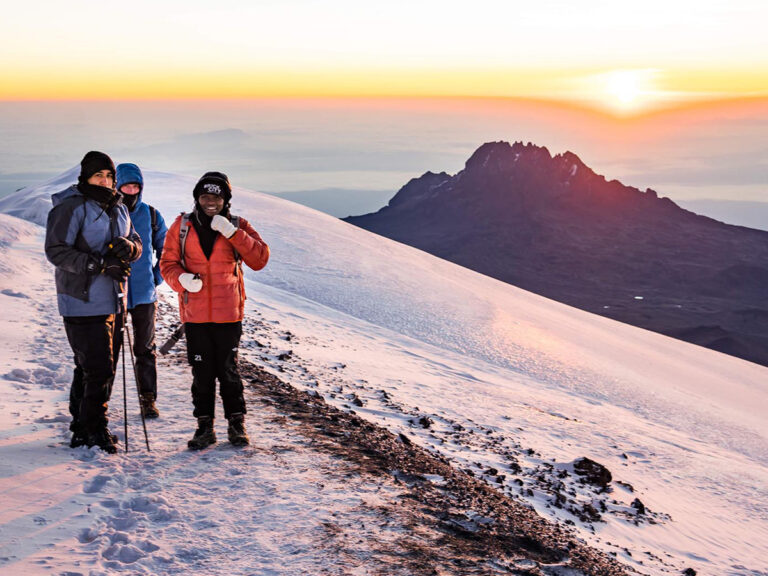
Foods To Avoid Before A Kilimanjaro Climb: Expert Guide For Trekkers 2026-2027
Planning your Kilimanjaro climb for 2026 or 2027? Proper nutrition is key. This guide details essential foods and drinks to avoid before and during your trek to prevent digestive issues and...
View package details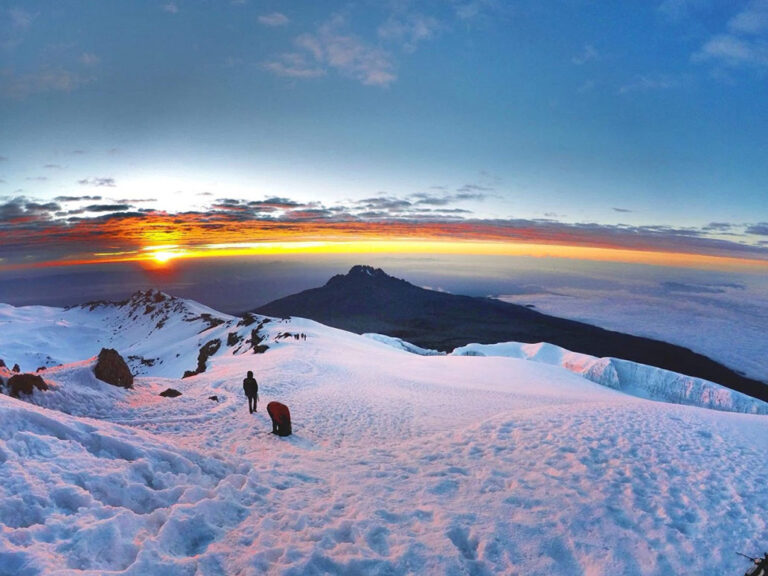
Kilimanjaro Hydration Salts And Electrolyte Guide For Trekkers 2026-2027
Proper hydration is critical for a successful Kilimanjaro climb. This comprehensive guide focuses on the vital role of hydration salts and electrolytes, explaining how they aid...
View package details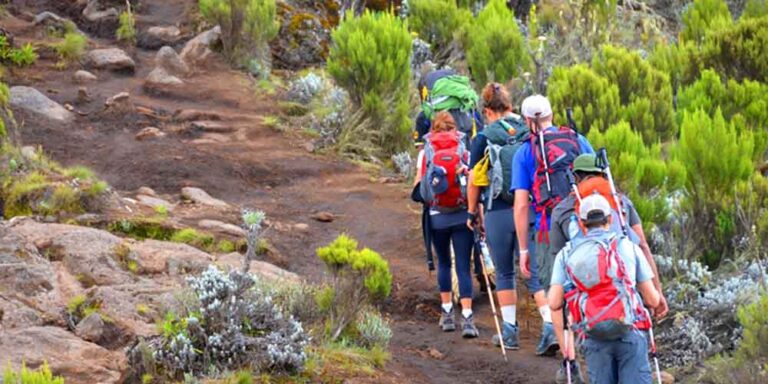
How To Prevent Wet Boots On Kilimanjaro: A Comprehensive Guide For Trekkers
Wet boots on Kilimanjaro can ruin your trek. This guide covers everything from choosing waterproof footwear to managing moisture during your climb, ensuring comfort and safety.
View package details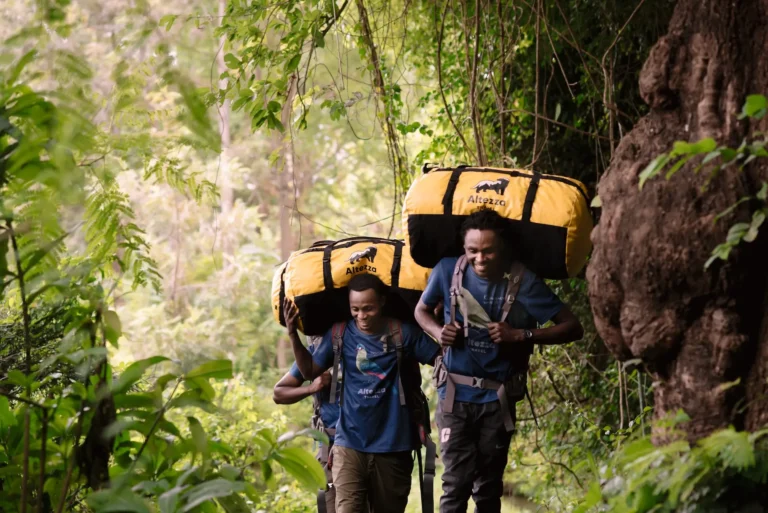
What Happens If You Turn Back On Kilimanjaro? Your Options And Consequences
If you decide to turn back on Kilimanjaro, your climb ends, and you'll be escorted down the mountain. This guide details the process, health implications, financial impact, and alternative...
View package details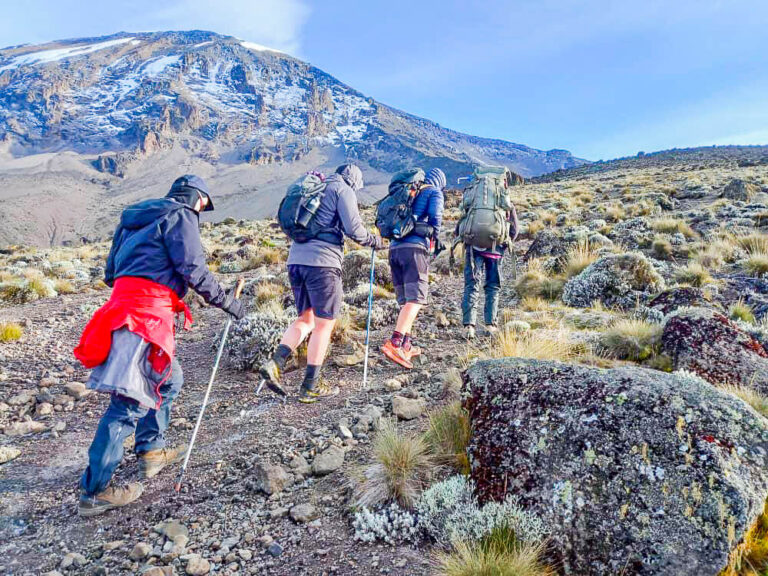
Kilimanjaro Repeat-Guest And Referral Discounts Guide
Planning another Kilimanjaro climb or know someone who is? Top Guide Adventures offers exclusive repeat-guest and referral discounts for 2026-2027, rewarding your loyalty and helping...
View package detailsKilimanjaro Charity Group Payment Plan Options For Climbs 2026-2027
Discover how to fund your Kilimanjaro charity climb with flexible payment plans for 2026-2027 departures. Top Guide Adventures offers tailored financial solutions to make your expedition...
View package detailsKilimanjaro Climb Refund And Credit Policy For Climbs | Top Guide Adventures
Navigating the Kilimanjaro climb refund and credit policy is crucial for trekkers planning their 2026-2027 adventure. Top Guide Adventures provides clear guidelines on cancellations...
View package detailsKilimanjaro Cancellation Because Of Illness Guide
A comprehensive guide to Kilimanjaro cancellations caused by illness, covering prevention strategies, insurance options, and what to do if sickness strikes during your 2026-2027 climb...
View package details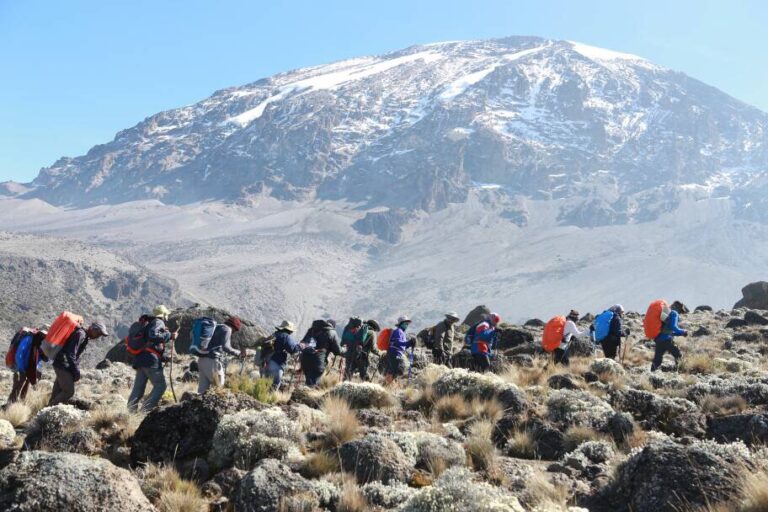
Kilimanjaro Group Pricing By Number Of Climbers In | Top Guide Adventures
Understand how the number of climbers affects Kilimanjaro group pricing for your 2026-2027 adventure. Top Guide Adventures breaks down the cost dynamics, from solo trekkers to large...
View package detailsNo related package matches those filters. Clear one or more filters to see the other topic-matched options.



