
The Northern Circuit Kilimanjaro climb, often considered the most scenic and successful route due to its excellent acclimatization profile, can be elevated with gourmet meal options, offering trekkers a more comfortable and enjoyable experience on the mountain. This route, typically lasting 9 days, circles the mountain’s northern slopes, providing varied landscapes and a slower ascent pace that significantly boosts your chances of reaching Uhuru Peak, especially when planned for 2026-2027.

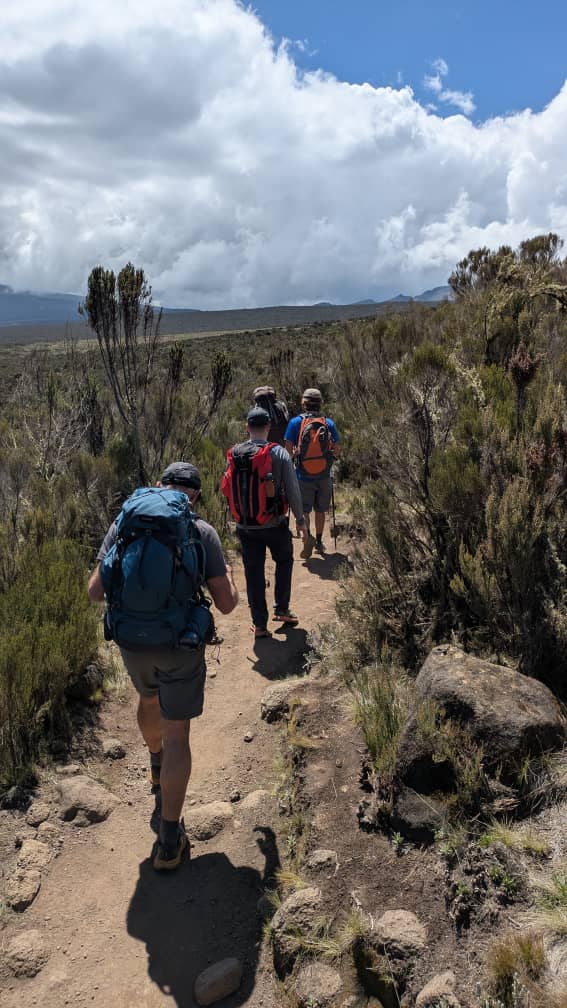
Why Choose the Northern Circuit for Your Kilimanjaro Adventure in 2026-2027?
The majestic Mount Kilimanjaro, Africa’s highest peak, draws adventurers from around the globe. While many dream of standing atop its summit, the choice of route is paramount to success and enjoyment. For those seeking the highest probability of reaching Uhuru Peak while experiencing the mountain’s diverse beauty, the Northern Circuit route stands out. When combined with the added comfort of gourmet meals, this trek transforms from a mere challenge into a truly memorable expedition. Planning for 2026-2027 means you have ample time to prepare for this exceptional journey.
The Allure of the Northern Circuit: A Panoramic Experience
The Northern Circuit is the longest route on Kilimanjaro, typically spanning 9 days. This extended duration is its greatest asset. Unlike shorter routes that rush climbers through different ecological zones, the Northern Circuit allows for a gradual ascent, giving your body more time to adapt to the increasing altitude. This principle of ‘pole pole’ (slowly, slowly) is crucial for effective acclimatization and dramatically reduces the risk of altitude sickness.
What truly sets the Northern Circuit apart is its unique path. It circumnavigates the entire mountain, offering a 360-degree view of Kilimanjaro’s diverse landscapes. You’ll traverse through lush rainforests, moorlands, alpine deserts, and finally, the arctic summit zone. The route’s western and northern faces are less frequented than the southern approaches, offering a more serene and less crowded trekking experience, especially valuable during peak seasons in 2026 and 2027.
Gourmet Meals: Elevating Your Kilimanjaro Trek
While the physical challenge of Kilimanjaro is undeniable, the quality of food provided can significantly impact your energy levels, morale, and overall enjoyment. Traditional trekking fare can be repetitive and basic. However, opting for a ‘gourmet meals’ package means you’ll enjoy delicious, varied, and nutritious dishes prepared by skilled cooks. Imagine savoring freshly baked bread, hearty stews, flavorful curries, and even desserts at the end of a long trekking day. This elevated culinary experience not only provides essential fuel but also offers a welcome touch of comfort and luxury, making the challenging ascent more palatable and rewarding.
For many trekkers, especially those undertaking a longer route like the Northern Circuit, the prospect of consistently good food can be a significant morale booster. It provides a sense of normalcy and indulgence amidst the rugged wilderness, turning a demanding expedition into a more pleasant and sustainable adventure. This is particularly relevant for trekkers planning their climb in 2026-2027, who may be seeking a more refined mountain experience.
Understanding the Northern Circuit Route: A Day-by-Day Itinerary
The Northern Circuit route is renowned for its gentle gradient and extended trekking days, which are key to its high success rate. Here’s a typical 9-day itinerary, highlighting the stages and the unique experiences each day offers.
Day 1: Machame Gate to Machame Camp (or similar starting point for Northern Circuit)
Your journey begins at the Machame Gate (1,800m / 5,905 ft), where you’ll complete registration formalities. The trek starts through the dense montane forest, a vibrant ecosystem teeming with diverse flora and fauna. The path is relatively steep but well-maintained. You’ll reach your first camp, often Machame Camp (3,000m / 9,842 ft), after about 5-7 hours of hiking. This initial forest trek is a beautiful introduction to Kilimanjaro’s lower slopes.
* Focus: Forest exploration, gentle ascent.
* Scenery: Lush rainforest, potential wildlife sightings.
* Acclimatization: Gradual increase in altitude.
Day 2: Machame Camp to Shira 2 Camp
Today, you’ll leave the forest behind and enter the moorland zone. The landscape opens up, offering expansive views. The trail continues to ascend, with some rocky sections. You’ll reach Shira 2 Camp (3,850m / 12,631 ft), situated on the Shira Plateau, after approximately 4-6 hours of trekking. The plateau itself is a stunning, windswept expanse with unique alpine vegetation.
* Focus: Transition to moorland, plateau trekking.
* Scenery: Open moorland, panoramic views, unique plants.
* Acclimatization: Continued ascent into higher altitudes.
Day 3: Shira 2 Camp to Lava Tower to Barranco Camp
This is a crucial day for acclimatization. You’ll trek east towards the Lava Tower (4,600m / 15,091 ft), a prominent volcanic plug. After a break and lunch near Lava Tower, you’ll descend to Barranco Camp (3,950m / 12,959 ft). This ‘climb high, sleep low’ strategy is vital for acclimatization. The descent to Barranco Camp helps your body adjust to the altitude gained during the day.
* Focus: High-altitude trekking, ‘climb high, sleep low’ acclimatization.
* Scenery: Alpine desert, dramatic rock formations, views of the Western Breach.
* Acclimatization: Significant altitude gain and subsequent loss.
Day 4: Barranco Camp to Karanga Camp
Today involves navigating the famous Barranco Wall, a challenging but rewarding scramble. While it looks daunting, it’s a well-trodden path that requires careful footing. After conquering the wall, the terrain becomes gentler as you trek across the Karanga Valley. You’ll reach Karanga Camp (4,035m / 13,238 ft) after about 4-5 hours. This camp offers spectacular views of Kilimanjaro’s southern ice fields.
* Focus: Barranco Wall scramble, scenic valley traverse.
* Scenery: Impressive rock formations, valley landscapes, glacial views.
* Acclimatization: Maintaining altitude with some ups and downs.
Day 5: Karanga Camp to Barafu Camp
You’ll continue trekking across increasingly barren landscapes towards Barafu Camp (4,650m / 15,255 ft), the base camp for the summit push. The terrain is rocky and exposed, with the vegetation thinning out significantly. Barafu Camp is situated on a rocky ridge, offering stark beauty and a sense of proximity to the summit. This day is shorter, allowing for rest and preparation for the summit attempt, which usually begins late at night.
* Focus: Approaching summit base, preparation for summit night.
* Scenery: Alpine desert, rocky terrain, dramatic ridgeline.
* Acclimatization: Reaching higher altitudes for the summit push.
Day 6: Summit Day! Barafu Camp to Uhuru Peak and down to Mweka Camp
This is the most demanding day. You’ll start your ascent around midnight, trekking in the dark towards Stella Point (5,756m / 18,885 ft) on the crater rim. From Stella Point, you’ll continue along the rim to Uhuru Peak (5,895m / 19,341 ft), the highest point in Africa. After celebrating your achievement, you’ll descend directly to Mweka Camp (3,100m / 10,170 ft), a significant descent that aids in acclimatization. This descent is long and can be tiring.
* Focus: Summit ascent, reaching Uhuru Peak, significant descent.
* Scenery: Glacial zone, crater rim views, sunrise over Africa.
* Acclimatization: Reaching summit and descending rapidly.
Day 7: Mweka Camp to Mweka Gate
Your final trekking day. You’ll descend through the remaining forest zone to Mweka Gate (1,640m / 5,380 ft). The path is often muddy, especially after rain. Upon reaching the gate, you’ll receive your summit certificates. The journey from Mweka Camp to the gate typically takes 3-5 hours.
* Focus: Final descent, rainforest trekking.
* Scenery: Dense forest, return to lower altitudes.
The Northern Circuit’s Extended Option: 9 Days
The 9-day itinerary described above is the standard and highly recommended version of the Northern Circuit. However, some operators offer an even longer 10-day variation, which adds an extra day for acclimatization or exploration, further enhancing the chances of success and comfort. This extended time allows for even more gradual ascents and deeper immersion in the mountain’s environment.
* **Key Advantage:** Maximizes acclimatization and enjoyment.
* **Duration:** 9 days is standard; 10 days is an option for increased comfort.
* **Success Rate:** Significantly higher than shorter routes.
Gourmet Meal Experience on the Northern Circuit
What exactly constitutes ‘gourmet meals’ on Kilimanjaro? It’s about elevating the standard trekking food to a more sophisticated culinary level. This means moving beyond basic pasta and rice dishes to a more diverse and appealing menu, prepared with fresh ingredients and professional cooking techniques.
What to Expect from Gourmet Meals
* Breakfast: Beyond porridge, expect options like omelets, pancakes, fresh fruits, yogurt, and freshly baked bread or chapati. Hot beverages like coffee and a variety of teas are standard.
* Lunch: Often a packed lunch on the trail, but with more variety. Think sandwiches with quality fillings, salads, chicken wraps, or even small hot meals prepared at a suitable stop. Fresh fruit and snacks are always included.
* Dinner: This is where gourmet meals truly shine. Instead of one standard dish, you might have choices. Expect well-prepared soups, main courses such as grilled chicken or fish with vegetable sides, flavorful curries, pasta dishes with rich sauces, and hearty stews. Side dishes like garlic bread or rice pilaf add to the experience.
* Desserts: A sweet treat after dinner is common, ranging from fresh fruit salad to cakes, cookies, or even local puddings.
* Snacks & Drinks: High-energy snacks like nuts, dried fruits, biscuits, and chocolate are provided. Hot drinks are available throughout the day, and purified water is plentiful.
* Dietary Needs: Reputable operators offering gourmet meals are adept at catering to specific dietary requirements, including vegetarian, vegan, gluten-free, and allergies. It’s crucial to communicate these needs well in advance.
The Benefits of Gourmet Dining on a Long Trek
1. Sustained Energy: Nutritious and varied meals provide the consistent energy required for long trekking days and the demanding summit push.
2. Improved Morale: Delicious food is a significant morale booster. It provides comfort and a sense of indulgence, making the challenging journey more enjoyable.
3. Better Hydration: A varied menu often includes soups and juicy fruits, contributing to better hydration, which is critical at altitude.
4. Reduced Food Fatigue: Standard trekking food can become monotonous. Gourmet options keep the dining experience fresh and appealing.
5. Enhanced Recovery: Well-balanced meals aid muscle recovery after strenuous days.
When planning your Northern Circuit climb for 2026-2027, inquire specifically about the meal plan. A ‘gourmet’ or ‘superior’ meal package will typically cost more than standard options but offers substantial benefits for your comfort and success.
Acclimatization Strategies on the Northern Circuit
Successful acclimatization is the cornerstone of any Kilimanjaro climb. The Northern Circuit’s design inherently promotes better acclimatization than shorter routes, but understanding the principles and actively participating in them is key.
Understanding Altitude Sickness (AMS)
Acute Mountain Sickness (AMS) is a condition caused by ascending too rapidly to high altitudes. Symptoms can range from mild (headache, nausea, dizziness) to severe (pulmonary or cerebral edema), which can be life-threatening. The Northern Circuit’s gradual ascent profile significantly mitigates this risk.
* Key Factors: Ascent speed, individual physiology, hydration, exertion levels.
* **Symptoms:** Headache, nausea, fatigue, dizziness, loss of appetite, difficulty sleeping.
* **Prevention:** Gradual ascent, adequate hydration, avoiding alcohol and strenuous activity on arrival, ‘pole pole’ trekking.
How the Northern Circuit Aids Acclimatization
* Longer Duration: 9 days (or 10) allows for more days spent at higher altitudes, giving the body more time to adapt.
* ‘Climb High, Sleep Low’: Day 3, with its trek to Lava Tower and descent to Barranco Camp, is a prime example of this critical acclimatization technique.
* Gentle Gradients: The route avoids excessively steep ascents for prolonged periods, reducing physical strain and allowing for better oxygen intake.
* Circumnavigation: The route’s path ensures a steady, progressive gain in altitude across varied terrain, rather than abrupt increases.
Tips for Maximizing Acclimatization
* **Trek ‘Pole Pole’: This is the most important advice. Walk slowly, conserve energy, and allow your body to adjust.
* **Stay Hydrated: Drink plenty of water (3-4 liters per day). Dehydration can mimic AMS symptoms.
* **Eat Well: Even if your appetite is reduced, try to eat regularly. High-carbohydrate meals are recommended.
* **Avoid Alcohol and Smoking: These hinder acclimatization.
* Inform Your Guide: Immediately report any symptoms of altitude sickness to your guide. Early detection and management are crucial.
* **Consider Diamox: Consult your doctor about Acetazolamide (Diamox) as a preventative medication. It can significantly aid acclimatization for some individuals.
By choosing the Northern Circuit and actively following acclimatization best practices, you significantly increase your chances of a safe and successful summit experience in 2026-2027.
Comparing the Northern Circuit with Other Kilimanjaro Routes
While the Northern Circuit is an excellent choice, understanding how it compares to other popular routes helps solidify its advantages, especially for those prioritizing acclimatization and scenery.
Northern Circuit vs. Machame Route
* **Machame Route:** Often called the ‘Whiskey Route,’ it’s popular for its scenic beauty and good acclimatization profile, typically taking 6-7 days. It shares the initial stages with the Northern Circuit but diverges earlier.
* **Key Differences:** The Northern Circuit is longer (9 days vs. 6-7), offering superior acclimatization and a more comprehensive mountain experience. Machame can be more crowded.
* **Gourmet Meals:** Both routes can be booked with gourmet meal packages.
Northern Circuit vs. Lemosho Route
* **Lemosho Route:** Known for its stunning scenery and good acclimatization, Lemosho is also a longer route, usually 7-8 days. It starts on the western side and joins the Machame route.
* **Key Differences:** The Northern Circuit is even longer and circles the entire mountain, offering a more complete panoramic view and potentially better acclimatization due to its extended duration. Lemosho offers a similar scenic start but doesn’t circumnavigate.
* **Gourmet Meals:** Available on both.
Northern Circuit vs. Marangu Route
* **Marangu Route:** The ‘Coca-Cola Route,’ it’s the oldest and only route with hut accommodation. It’s the shortest (5-6 days) and cheapest, but has the lowest success rate due to poor acclimatization.
* **Key Differences:** The Northern Circuit is vastly superior in terms of acclimatization, scenery, and comfort (camping vs. huts). Marangu’s rapid ascent makes it unsuitable for most climbers seeking success.
* **Gourmet Meals:** Not typically offered on Marangu; meals are simpler in the huts.
Northern Circuit vs. Rongai Route
* **Rongai Route:** Approaches from the north, near the Kenyan border. It’s a good option in the rainy season and offers decent acclimatization over 6-7 days.
* **Key Differences:** The Northern Circuit provides a more varied and complete circumnavigation of the mountain. Rongai is more direct.
* **Gourmet Meals:** Available on both.
Northern Circuit vs. Umbwe Route
* **Umbwe Route:** The shortest, steepest, and most challenging route. It has very poor acclimatization and is only recommended for experienced high-altitude mountaineers.
* **Key Differences:** The Northern Circuit is the polar opposite – designed for success and comfort through gradual ascent. Umbwe is a race against altitude.
* **Gourmet Meals:** Can be arranged, but the focus here is survival and speed, not culinary delights.
Northern Circuit vs. Shira Route
* **Shira Route:** Similar to Lemosho, it starts on the western side but at a higher altitude, meaning less initial forest trekking. It typically takes 7 days.
* **Key Differences:** The Northern Circuit’s extended duration and full circumnavigation offer superior acclimatization and a more diverse experience.
Conclusion on Route Comparison
For trekkers prioritizing acclimatization, scenic diversity, and a higher chance of summit success, the 9-day Northern Circuit, especially when combined with gourmet meals, is arguably the best overall route on Kilimanjaro for 2026-2027 planning. It balances challenge with comfort and offers the most comprehensive mountain experience.
Preparing for Your Northern Circuit Climb with Gourmet Meals
Successful preparation involves several key areas: physical fitness, mental readiness, gear, and choosing the right operator. For a Northern Circuit climb with gourmet meals in 2026-2027, thorough planning is essential.
Physical Fitness: Building Endurance
While the Northern Circuit’s gradual ascent aids acclimatization, a good level of physical fitness is still necessary. Focus on cardiovascular endurance and leg strength.
* **Cardio:** Engage in regular aerobic activities like running, cycling, swimming, or brisk walking for at least 3-4 times a week. Aim for sessions of 45-60 minutes.
* **Hiking:** The best preparation is hiking. Practice on trails with elevation gain, carrying a backpack similar to what you’ll use on Kilimanjaro (around 5-8 kg).
* **Strength Training:** Focus on leg exercises (squats, lunges, calf raises) and core strength.
* **Stamina:** Build up to longer hikes, including back-to-back day hikes on weekends to simulate multi-day trekking.
Mental Preparation: The Psychological Aspect
Kilimanjaro is as much a mental challenge as a physical one. The long days, cold temperatures, and altitude require mental fortitude.
* **Visualize Success:** Imagine yourself reaching the summit and enjoying the views.
* **Embrace Discomfort:** Understand that there will be challenging moments. Develop coping strategies.
* **Patience:** The ‘pole pole’ mantra applies to mental endurance too. Take it one step at a time.
* **Positive Attitude:** A positive outlook significantly impacts morale and resilience.
Essential Gear for the Northern Circuit
Proper gear is crucial for comfort and safety. Layering is key to managing temperature changes.
* Clothing:
* Base Layers: Moisture-wicking thermal tops and bottoms (merino wool or synthetic).
* Mid Layers: Fleece jackets or vests for insulation.
* Outer Layer: Waterproof and windproof jacket and trousers (Gore-Tex or similar).
* Trekking Trousers: Quick-drying, comfortable trousers.
* Shirts: Long-sleeved and short-sleeved moisture-wicking shirts.
* Footwear:
* Hiking Boots: Broken-in, waterproof, sturdy boots with good ankle support.
* Camp Shoes: Comfortable trainers or sandals for evenings.
* Socks: Several pairs of wool or synthetic hiking socks.
* Headwear:
* Warm Hat: Wool or fleece, covering the ears.
* Sun Hat: Wide-brimmed for sun protection.
* Balaclava/Buff: For face protection against wind and cold.
* Handwear:
* Liner Gloves: Thin gloves for dexterity.
* Warm Mittens/Gloves: Waterproof and insulated.
* Sleeping Gear:
* Sleeping Bag: Rated to at least -10°C to -20°C (0°F to -4°F).
* Sleeping Bag Liner: For added warmth and hygiene.
* Trekking Equipment:
* Backpack: 40-60 liter capacity for personal items.
* Daypack: 20-30 liter capacity for essentials during the day (water, snacks, camera).
* Trekking Poles: Highly recommended for stability and reducing knee strain.
* Headlamp: With extra batteries.
* Water Bottles/Hydration Reservoir: Capacity for 3-4 liters.
* Sunglasses: With UV protection.
* Sunscreen: High SPF.
* Lip Balm: With SPF.
* Personal First-Aid Kit: Including personal medications, blister treatment, pain relievers.
* Toiletries: Biodegradable soap, toothbrush, toothpaste, wet wipes.
* Camera: With extra batteries and memory cards.
* Snacks: Energy bars, nuts, dried fruit (though gourmet meals will be substantial).
Choosing Your Tour Operator: Top Guide Adventures
Selecting a reputable tour operator is critical for safety, logistics, and the overall quality of your experience, especially when opting for gourmet meals on the Northern Circuit.
* **Experience and Reputation:** Look for operators with a proven track record on Kilimanjaro, positive reviews (e.g., on TripAdvisor), and a strong safety record.
* **Guide Qualifications:** Ensure guides are certified and experienced in high-altitude trekking and wilderness first aid.
* **Porters and Crew Welfare:** A responsible operator treats their porters well, providing fair wages, adequate food, and proper gear. This impacts crew morale and service quality.
* **Inclusions:** Clearly understand what is included in the package (meals, park fees, accommodation before/after, transfers, oxygen cylinders, emergency evacuation). For gourmet meals, confirm the specifics of the menu and dining experience.
* **Safety Measures:** Check if they provide oxygen cylinders, pulse oximeters, and have a solid emergency response plan.
Top Guide Adventures is a highly recommended operator for Kilimanjaro climbs, including the Northern Circuit with gourmet meal options. They prioritize safety, employ experienced guides, and are known for their excellent crew welfare and customer service. Planning your 2026-2027 trek with them ensures a well-organized and supported expedition. You can reach them via WhatsApp +255616946642 or Email topguideadventures@gmail.com.
Cost Considerations for a Northern Circuit Climb with Gourmet Meals
The cost of climbing Kilimanjaro varies significantly based on the route, duration, operator, and level of service. A Northern Circuit climb with gourmet meals will be at the higher end of the price spectrum due to the longer duration and enhanced dining experience.
Factors Influencing Cost
* **Route Length:** The 9-day Northern Circuit is more expensive than shorter routes due to more days of park fees, crew wages, and logistics.
* **Operator Tier:** Budget operators differ significantly from mid-range and luxury providers. Gourmet meals are typically offered by mid-range to luxury operators.
* **Inclusions:** Packages vary widely. Ensure you compare like-for-like. Key inclusions are park fees, rescue fees, crew salaries, food, tents, oxygen, transfers, and pre/post-climb accommodation.
* **Group Size:** Private climbs are more expensive per person than group climbs.
* **Season:** Peak seasons (January-March, June-October) may have slightly higher prices than shoulder or low seasons.
* **Gourmet Meal Package:** This specific upgrade adds to the overall cost.
Typical Price Range (Estimate for 2026-2027)
For a reputable operator offering a 9-day Northern Circuit climb with gourmet meals, you can expect prices to range from approximately $2,800 to $4,500+ per person. This is a general estimate, and actual quotes will vary.
* Budget Operators: Generally do not offer gourmet meals and may cut corners on safety or crew welfare. Avoid these for Kilimanjaro.
* Mid-Range Operators (e.g., Top Guide Adventures): Often provide excellent value, balancing quality, safety, and service. Gourmet meal options are usually available and recommended. Expect prices in the $3,000 – $3,800 range.
* Luxury Operators: Offer the highest level of service, including premium gear, smaller group sizes, and potentially more elaborate gourmet dining. Prices can exceed $4,000 – $4,500+.
What’s Typically Included in a Mid-Range/Gourmet Package:
* All park and rescue fees.
* Experienced, licensed guides (English-speaking).
* Assistant guides.
* Cooks and porters.
* All meals on the mountain (gourmet standard).
* Boiled and purified drinking water.
* Tents (4-season mountain tents) and dining tent.
* Portable toilet.
* Oxygen cylinders (usually 1-2 per group).
* Emergency evacuation coverage (often to a local hospital).
* Transfers to and from Kilimanjaro International Airport (JRO) and Moshi/Arusha.
* Pre-climb briefing.
* Accommodation in a hotel in Moshi/Arusha before and after the climb (often included).
Hidden Costs to Consider:
* **Tips for the Crew:** This is a significant and expected expense, typically forming a large part of the crew’s income. Budget around $250-$350 per climber for tips for guides, assistant guides, cooks, and porters.
* **Personal Gear Rental:** If you don’t own all necessary gear (e.g., sleeping bag, warm jacket), rental costs can add up.
* **Travel Insurance:** Essential, covering high-altitude trekking and emergency evacuation.
* **Visas and Flights:** To Tanzania.
* **Personal Expenses:** Souvenirs, extra snacks, alcoholic beverages.
* Lunches on non-trekking days: Sometimes not included in hotel stays.
When comparing quotes for 2026-2027, always ask for a detailed breakdown of inclusions and exclusions. A slightly higher upfront cost for a reputable operator offering gourmet meals and comprehensive safety measures is a worthwhile investment for your health and enjoyment on Kilimanjaro.
The Role of Guides and Crew on Your Gourmet Kilimanjaro Trek
The success and enjoyment of your Northern Circuit climb, especially with gourmet meals, depend heavily on the expertise, dedication, and support of your mountain crew. They are the backbone of your expedition.
The Lead Guide: Your Expedition Commander
Your lead guide is the most critical member of the team. They are responsible for:
* **Safety:** Monitoring your health, assessing altitude sickness symptoms, making critical decisions regarding pace and descent if necessary.
* **Route Navigation:** Ensuring you stay on the correct path.
* **Pacing:** Managing the group’s speed to ensure optimal acclimatization (‘pole pole’).
* **Logistics:** Coordinating with the rest of the crew, managing meal times, and camp setup.
* **Morale:** Providing encouragement and support.
Experienced Kilimanjaro guides are highly trained in wilderness first aid, altitude sickness management, and possess extensive knowledge of the mountain environment.
Assistant Guides: Expanding the Support Network
For larger groups, assistant guides provide additional support. They work closely with the lead guide, helping to monitor individual trekkers, carry extra supplies, and assist those who may be struggling.
### Cooks: The Culinary Architects
If you’ve opted for gourmet meals, your cook is a star. Their role extends beyond basic sustenance:
* **Menu Planning:** Creating varied, nutritious, and appealing menus.
* **Food Preparation:** Skillfully preparing meals in challenging conditions, often with limited equipment.
* **Hygiene:** Maintaining high standards of food hygiene.
* **Resourcefulness:** Making the most of available ingredients.
A good cook can make a significant difference to your experience, turning meal times into anticipated highlights of the day.
### Porters: The Unsung Heroes
Porters carry the bulk of the equipment – tents, food, cooking gear, sleeping bags, and personal luggage (usually up to 15kg per porter). Their strength and endurance are essential.
* **Carrying Load:** Transporting all necessary camp infrastructure and supplies.
* **Camp Setup:** Often arriving ahead of the trekkers to set up tents and the dining area.
* **Support:** Providing assistance to trekkers when needed.
Responsible operators ensure porters are treated ethically, with fair wages, adequate food, clothing, and shelter. This is not only a matter of human decency but also directly impacts the efficiency and positivity of the entire team.
### Choosing a Company That Values Its Crew
When selecting your operator for the Northern Circuit climb in 2026-2027, inquire about their crew welfare policies. Companies like Top Guide Adventures are known for their commitment to their staff, which translates into a more professional, motivated, and supportive team on the mountain. Happy and well-treated crew members contribute significantly to a positive trekking experience.
## Frequently Asked Questions about the Northern Circuit with Gourmet Meals
### Can I really get gourmet meals on Kilimanjaro?
Yes, many reputable operators offer gourmet meal packages. This means higher quality ingredients, more varied menus, and professional preparation compared to standard trekking food. Expect delicious breakfasts, hearty lunches, and diverse, flavorful dinners, often with dessert.
### Is the Northern Circuit the best route for acclimatization?
The Northern Circuit is widely considered one of the best routes for acclimatization due to its length (typically 9 days), gradual ascent profile, and the ‘climb high, sleep low’ strategy it employs. This extended time on the mountain significantly reduces the risk of altitude sickness.
### How much extra do gourmet meals cost?
The cost for a gourmet meal upgrade can vary, but expect it to add approximately $100-$300+ per person to the overall trek cost, depending on the operator and the extent of the ‘gourmet’ offering.
### What is the success rate on the Northern Circuit?
Due to its excellent acclimatization profile and longer duration, the Northern Circuit boasts one of the highest summit success rates on Kilimanjaro, often exceeding 90% for well-prepared trekkers.
### When is the best time to climb the Northern Circuit in 2026-2027?
The best times are during the dry seasons: January to March and June to October. These months offer clearer skies and less rain, though they are also peak seasons, meaning more trekkers.
### What gear is essential for the Northern Circuit?
Essential gear includes waterproof and windproof outer layers, warm mid-layers (fleece), thermal base layers, sturdy broken-in hiking boots, a warm sleeping bag (rated to -10°C or lower), a warm hat, gloves, and trekking poles. Layering is key.
### How much should I tip the crew?
Tips are a significant part of crew income. Budget approximately $250-$350 per climber for the entire crew (guides, cooks, porters). Your operator will usually provide recommended tipping guidelines.
### Do I need travel insurance?
Absolutely. Comprehensive travel insurance that covers high-altitude trekking (up to 6,000m) and emergency medical evacuation is mandatory for all Kilimanjaro climbs.
### What if I get altitude sickness on the Northern Circuit?
Inform your guide immediately if you experience any symptoms. They are trained to assess the situation. The best treatment is descent. The Northern Circuit’s gradual nature minimizes risk, but vigilance is essential.
### Can I book a Northern Circuit climb with gourmet meals for 2026 or 2027?
Yes, booking for 2026 and 2027 is highly recommended, especially for the Northern Circuit, as it’s popular. Contacting operators like Top Guide Adventures well in advance is advisable to secure your preferred dates and ensure availability for their gourmet packages. Reach them via WhatsApp +255616946642 or Email topguideadventures@gmail.com.
Planning Your 2026-2027 Northern Circuit Kilimanjaro Climb with Gourmet Meals
Choosing the Northern Circuit for your Kilimanjaro expedition, especially when enhanced with gourmet meals, signifies a commitment to a comfortable, scenic, and highly successful climb. This route offers the best chance of reaching Uhuru Peak while allowing you to appreciate the mountain’s diverse beauty. The extended duration inherently promotes superior acclimatization, and the addition of gourmet dining elevates the entire experience, providing much-needed comfort and morale boosts throughout the challenging trek.
As you look towards 2026 and 2027 for your adventure, remember that thorough preparation is key. This includes physical conditioning, mental readiness, packing the right gear, and, crucially, selecting a reputable tour operator. Companies like Top Guide Adventures specialize in Kilimanjaro treks, offering well-structured itineraries, experienced guides, and the option for enhanced dining experiences. Their expertise ensures your safety and maximizes your chances of summit success.
Don’t hesitate to reach out to them to discuss your plans for a Northern Circuit Kilimanjaro climb with gourmet meals. They can provide detailed itineraries, answer specific questions about their gourmet offerings, and help tailor your trip to your needs. Contact them today via WhatsApp +255616946642 or Email topguideadventures@gmail.com, or visit their website at Top Guide Adventures to start planning your unforgettable Kilimanjaro journey for 2026-2027.
Check Availability for Northern Circuit Kilimanjaro Climb With Gourmet Meals: Your Ultimate Guide
Ready to compare dates, prices, and the best option for your group? Send the package name and travel month so the team can reply with a clear quote, availability, and what is included.
Kilimanjaro Climb With Portable Hyperbaric Support Guide
Discover the benefits and logistics of a Kilimanjaro climb incorporating portable hyperbaric support. This advanced safety measure enhances acclimatization and reduces altitude sickness...
View package details
Kilimanjaro Climb With A Dedicated Medical Porter 2026-2027
Kilimanjaro Climb with a Dedicated Medical Porter is explained with current 2026-2027 planning, price, itinerary and booking information.
View package details
Kilimanjaro Climb With A Wilderness First-Responder Guide Guide
Discover the critical advantage of climbing Mount Kilimanjaro with a Wilderness First-Responder Guide. This article details why this expertise is vital for your safety, covering medical...
View package details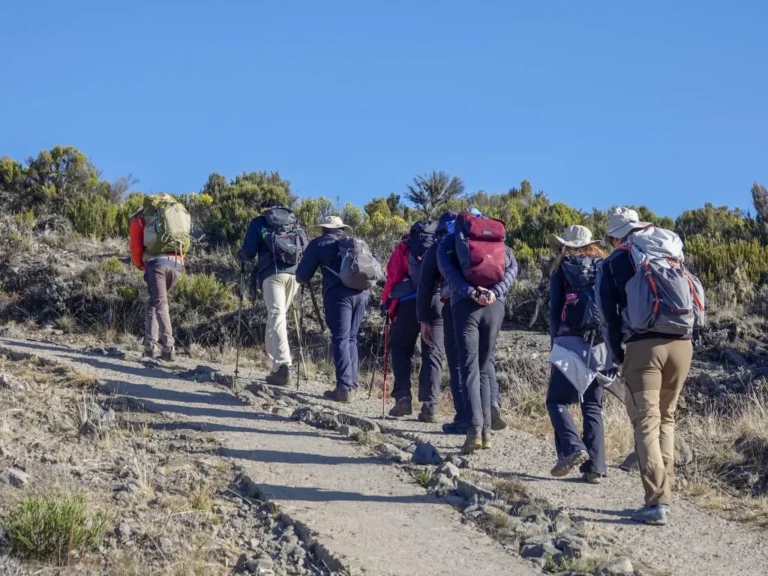
Kilimanjaro Climb With Daily Oxygen Monitoring: Your Ultimate Safety Guide
A comprehensive guide to climbing Mount Kilimanjaro with a focus on daily oxygen monitoring, crucial for altitude acclimatization and safety. Learn about routes, preparation, and what to...
View package details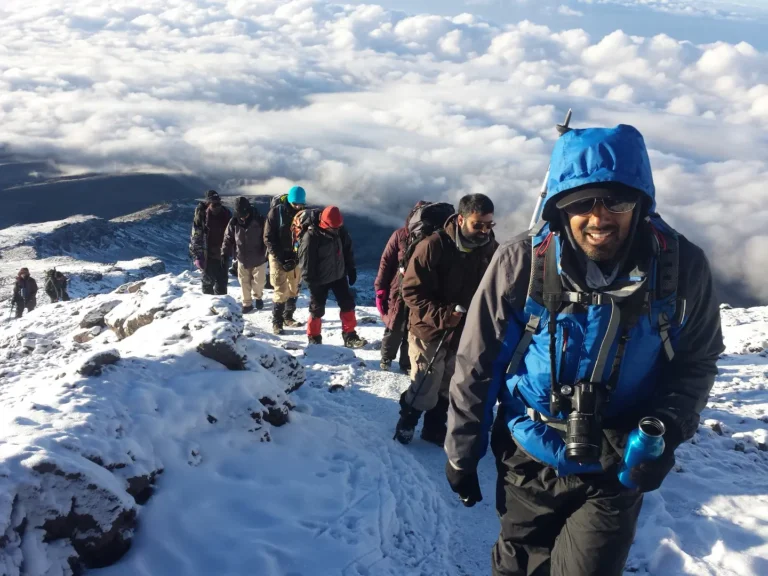
Kilimanjaro Route With The Gentlest Altitude Profile For Climbs 2026-2027
Choosing the right Kilimanjaro route is crucial for a successful and enjoyable climb, especially if you're concerned about altitude. The Marangu and Lemosho routes are often cited for their...
View package details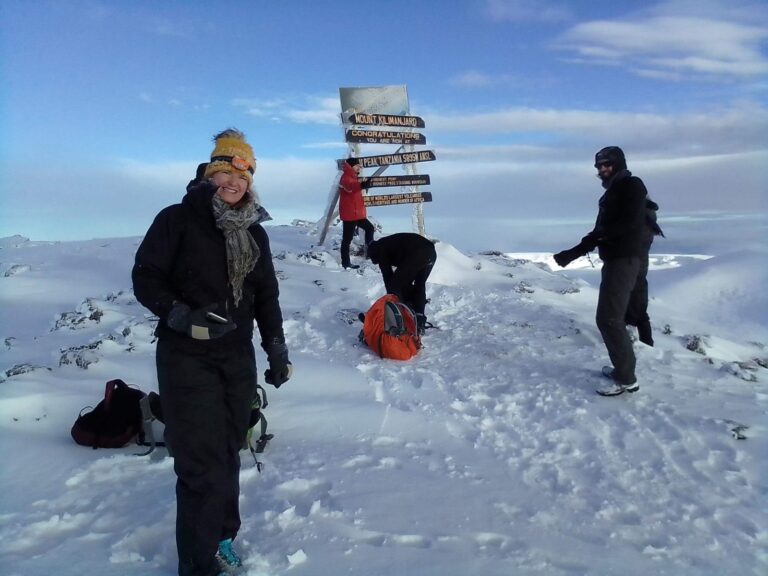
Kilimanjaro Climb With An Additional Acclimatization Day: Your Best Strategy
Planning a Kilimanjaro climb? Adding an extra acclimatization day significantly boosts your chances of reaching Uhuru Peak safely and comfortably. This guide details the benefits, best...
View package details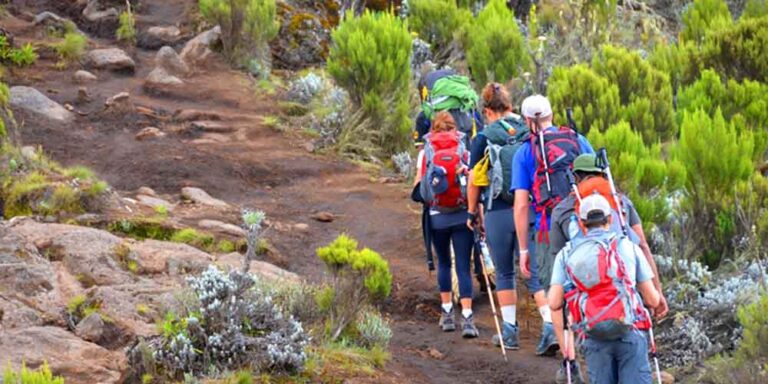
Kilimanjaro Pre-Climb Hiking Package From Moshi 2026-2027
Kilimanjaro Pre-Climb Hiking Package from Moshi is explained with current 2026-2027 planning, price, itinerary and booking information.
View package details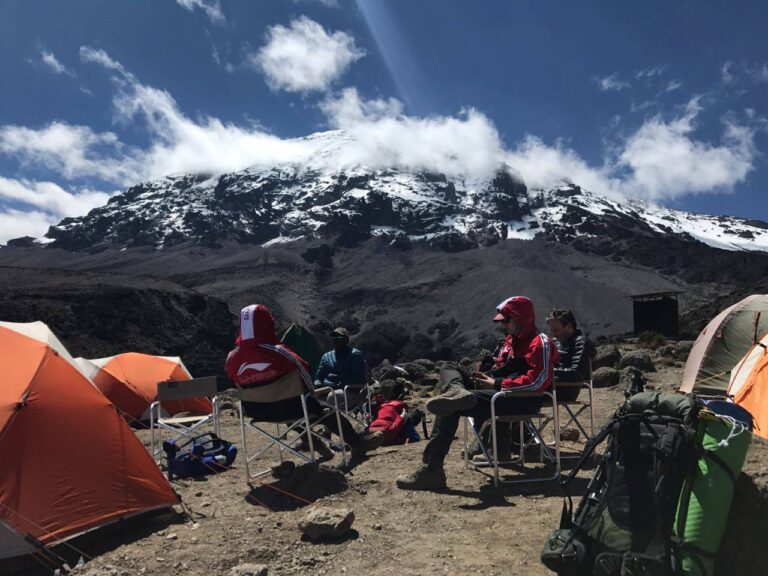
Mount Longido Acclimatization Hike Before Kilimanjaro Climb | Top Guide
Discover why a Mount Longido acclimatization hike is crucial for Kilimanjaro success. Learn about its benefits, routes, and how Top Guide Adventures can integrate it into your 2026-2027...
View package details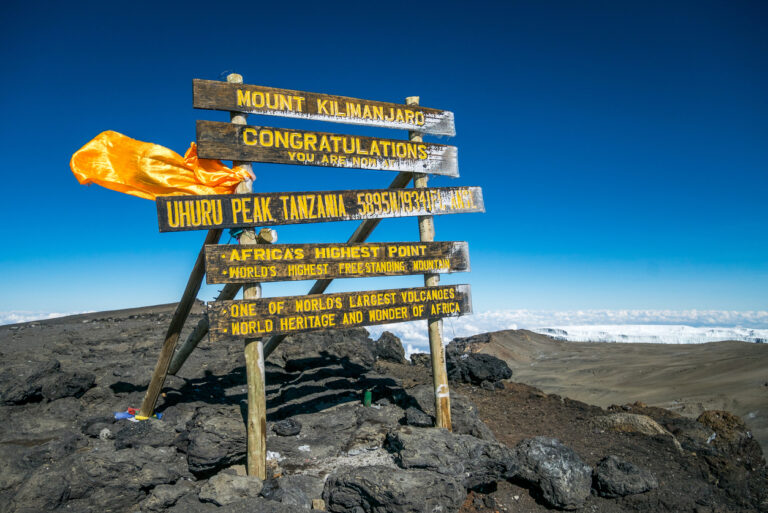
Three-Day Pre-Kilimanjaro Acclimatization Tour: Optimize Your Climb 2026-2027
Enhance your Kilimanjaro climb with a strategic three-day pre-climb acclimatization tour. This expert guide covers why it's crucial, what to expect, and how Top Guide Adventures can tailor...
View package detailsKilimanjaro Climb With Domestic Flight Connection: Your Ultimate Guide
Discover the most efficient way to reach Mount Kilimanjaro for your climb by utilizing domestic flight connections. This guide covers everything from choosing your route and understanding...
View package details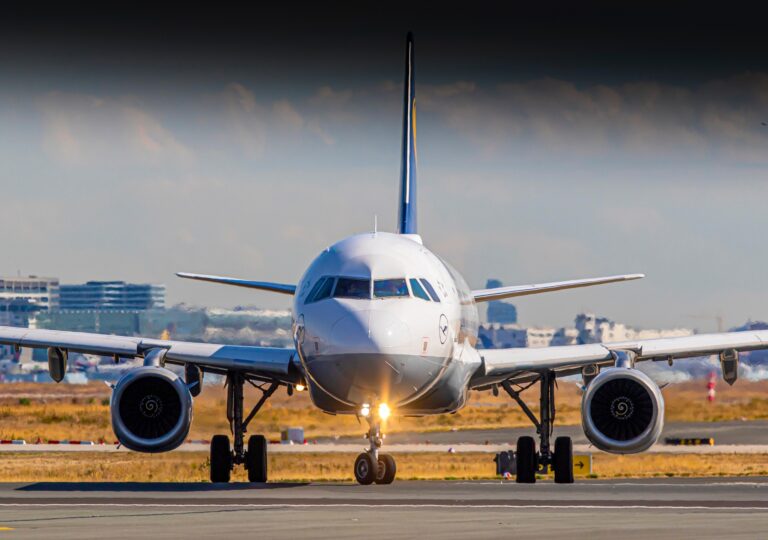
Kilimanjaro Post-Climb Airport Day Room Package 2026-2027
Kilimanjaro Post-Climb Airport Day Room Package is explained with current 2026-2027 planning, price, itinerary and booking information.
View package details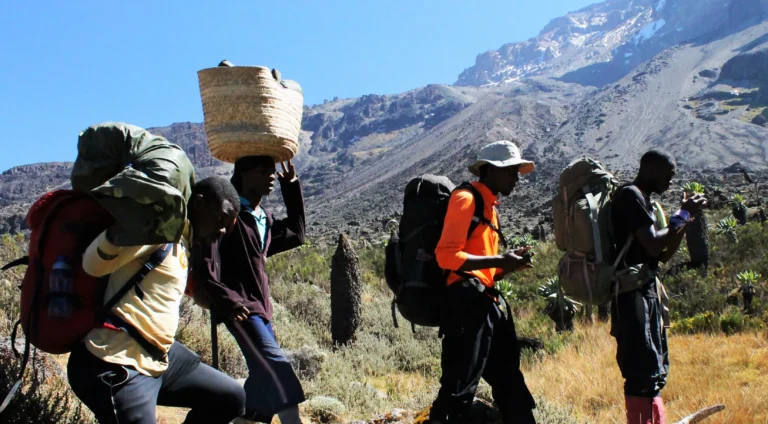
Kilimanjaro Hotel Late Check-Out After The Climb: Options And Tips 2026-2027
Planning your Kilimanjaro climb involves more than just the ascent. Understanding your post-climb needs, like a late hotel check-out in Moshi or Arusha, is crucial for a comfortable...
View package detailsNo related package matches those filters. Clear one or more filters to see the other topic-matched options.



