
A private Lemosho Route Kilimanjaro expedition offers a tailored trekking experience for your group, typically lasting 7 to 8 days, starting from the west side of the mountain near the Lemosho gate. This route is renowned for its high success rates due to its gradual ascent profile, scenic beauty, and ample acclimatization time, making it a top choice for climbers seeking a more exclusive and comfortable journey to Uhuru Peak, especially for planned trips in 2026 and 2027.
Choosing Your Private Lemosho Route Kilimanjaro Expedition for 2026-2027
Kilimanjaro, Africa’s highest peak, beckons adventurers from around the globe. Among the most sought-after routes, the Lemosho Route stands out for its stunning scenery, excellent acclimatization profile, and high summit success rates. Opting for a private Lemosho Route Kilimanjaro expedition means you control the pace, privacy, and comfort of your climb, ensuring a personalized adventure. Whether you’re planning for 2026 or 2027, understanding the nuances of a private Lemosho climb is key to a memorable and successful ascent.
At Top Guide Adventures, we specialize in crafting bespoke Kilimanjaro experiences. A private expedition on the Lemosho Route is more than just a trek; it’s a commitment to quality, safety, and personal achievement. This guide will walk you through everything you need to know, from the route’s unique characteristics to practical planning considerations for your 2026-2027 journey.
Why the Lemosho Route is a Premier Choice for Private Climbs
The Lemosho Route is consistently ranked among the best Kilimanjaro routes, and for good reason. Its popularity stems from a combination of factors that significantly enhance the climber’s experience, particularly when undertaken as a private expedition.
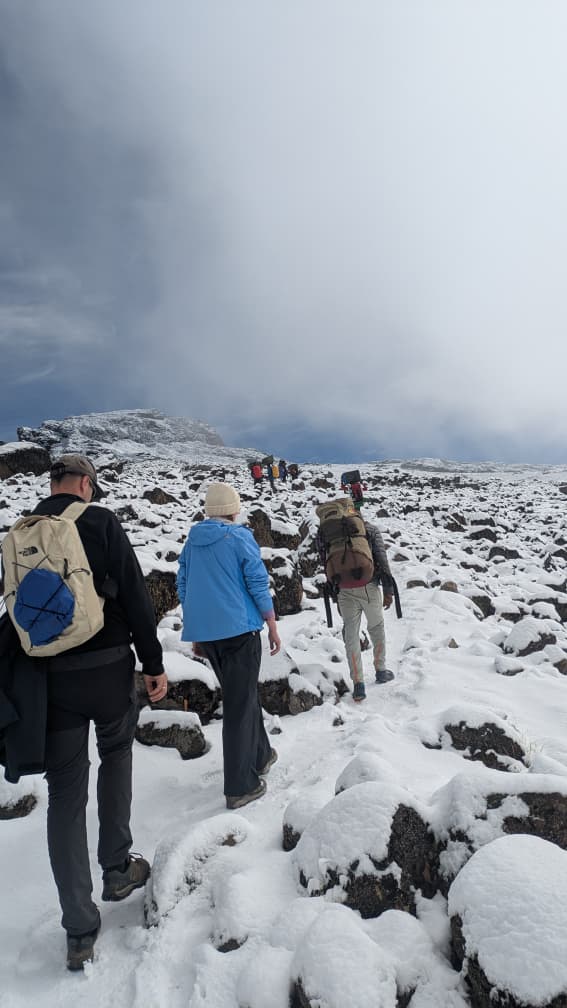
- Scenic Beauty: The route traverses diverse landscapes, starting in lush rainforests, moving through moorlands and alpine deserts, and finally reaching the Arctic summit zone. Its western start offers impressive views of the Maasai plains and Mount Meru.
- Acclimatization Profile: Lemosho is designed with acclimatization in mind. The longer itinerary (typically 7 or 8 days) allows for a slower ascent, following the “climb high, sleep low” principle, which is crucial for minimizing the risk of altitude sickness.
- High Success Rates: Due to its excellent acclimatization and longer duration, the Lemosho Route boasts some of the highest summit success rates on Kilimanjaro.
- Low Foot Traffic Initially: The early stages of the Lemosho Route are less crowded than some other popular routes, offering a more serene wilderness experience. You’ll encounter more trekkers as you merge with the Machame route later on.
- Flexibility for Private Groups: A private Lemosho expedition allows your group to set the pace, enjoy meals at your leisure, and have dedicated support staff focused solely on your needs and comfort.
The Private Lemosho Route Itinerary: A Day-by-Day Breakdown
While variations exist, an 8-day private Lemosho Route itinerary is widely considered optimal for acclimatization and enjoyment. Here’s a detailed look at what you can expect:
8-Day Private Lemosho Route Itinerary
Day 1: Lemosho Gate (2,100m/6,890ft) to Mti Mkubwa Camp (2,750m/9,020ft)
Your expedition begins with a scenic drive from Moshi or Arusha to the Lemosho Gate. After park formalities, you’ll commence your trek through dense rainforest. The trail is relatively gentle, leading you to Mti Mkubwa (Big Tree) Camp. Keep an eye out for colobus monkeys and diverse birdlife.
- Trekking Time: 3-4 hours
- Distance: Approx. 6 km (3.7 miles)
- Habitat: Rainforest
Day 2: Mti Mkubwa Camp to Shira 1 Camp (3,500m/11,480ft)
Today, you ascend out of the rainforest into a more open moorland environment. The climb becomes steeper as you gain significant altitude. You’ll reach Shira 1 Camp, situated on the Shira Plateau, offering spectacular views. The evening can be cool, so warm layers are essential.
- Trekking Time: 5-7 hours
- Distance: Approx. 10 km (6.2 miles)
- Habitat: Moorland
Day 3: Shira 1 Camp to Shira Cathedral (3,700m/12,140ft) and then to Barranco Camp (3,950m/12,960ft)
This day involves traversing the Shira Plateau, with options for acclimatization hikes towards Shira Cathedral. You’ll then descend slightly before ascending towards the Barranco Valley, eventually reaching Barranco Camp, located beneath the imposing Barranco Wall. This is a crucial day for acclimatization.
- Trekking Time: 6-8 hours
- Distance: Approx. 10 km (6.2 miles)
- Habitat: Moorland and Alpine Desert
Day 4: Barranco Camp to Karanga Camp (4,000m/13,120ft)
The highlight of today is conquering the Barranco Wall, a thrilling scramble that requires some technical skill but is manageable for most trekkers with assistance. After the wall, the terrain becomes less steep, leading you to Karanga Camp, located in a sheltered valley.
- Trekking Time: 4-5 hours
- Distance: Approx. 5 km (3.1 miles)
- Habitat: Alpine Desert
Day 5: Karanga Camp to Barafu Camp (4,650m/15,250ft)
You’ll trek across a stark alpine desert landscape, with increasingly dramatic views of Kilimanjaro’s summit cone. The trail leads you to Barafu Camp, the base camp for your summit attempt. You’ll rest and prepare for the challenging night ahead.
- Trekking Time: 4-5 hours
- Distance: Approx. 7 km (4.3 miles)
- Habitat: Alpine Desert
Day 6: Barafu Camp to Summit (Uhuru Peak, 5,895m/19,341ft) and descend to Mweka Camp (3,100m/10,170ft)
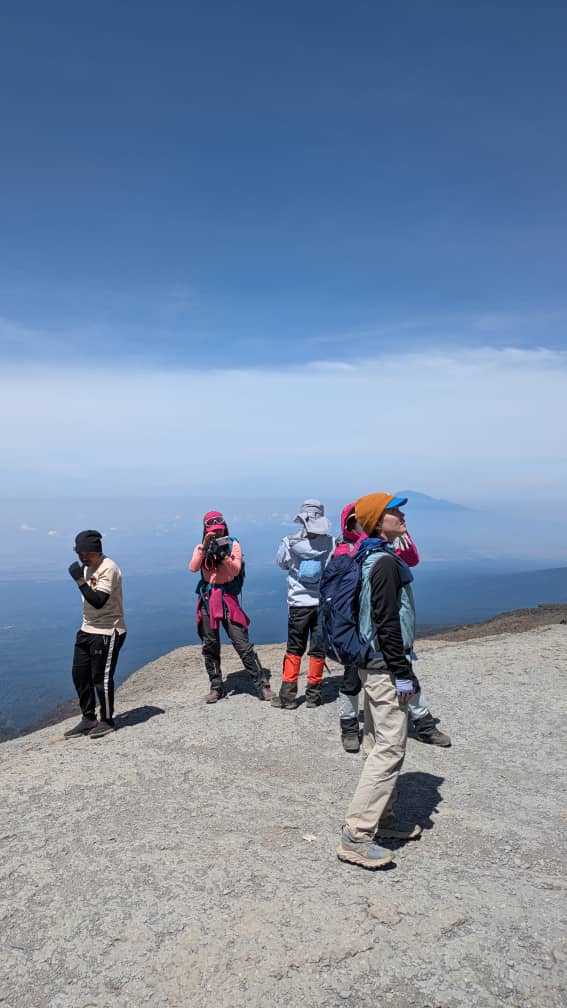
This is summit night! You’ll start your ascent around midnight, trekking through the night under the stars. The final approach involves a steep scree slope. Reaching Uhuru Peak at sunrise is an unforgettable moment. After celebrating, you’ll begin the long descent, first to Barafu Camp for a short rest, and then continuing down to Mweka Camp.
- Trekking Time: 10-14 hours (summit and descent)
- Distance: Approx. 14 km (8.7 miles) ascent, 7 km (4.3 miles) descent
- Habitat: Arctic Summit Zone, Moorland
Day 7: Mweka Camp to Mweka Gate (1,640m/5,380ft)
Your final day on the mountain. You’ll trek through the remaining forest to Mweka Gate, where you’ll be met by your driver and transferred back to your hotel in Moshi. It’s time to celebrate your incredible achievement!
- Trekking Time: 3-4 hours
- Distance: Approx. 10 km (6.2 miles)
- Habitat: Forest
Day 8: Optional – Departure or Further Exploration
Depending on your flight schedule, you can relax, explore Moshi, or continue your Tanzanian adventure with a safari or a trip to Zanzibar.
7-Day Lemosho Route Variation
A 7-day Lemosho Route is possible but generally not recommended for private expeditions aiming for the highest success rates. It compresses acclimatization, increasing the risk of altitude sickness. However, for experienced high-altitude trekkers who are very well-acclimatized, it can be an option. The 7-day itinerary typically combines Day 3 and Day 4 of the 8-day route, leading directly from Shira 1 Camp to Barranco Camp via a more direct, less acclimatization-focused path.
What Makes a Private Expedition Different?
Choosing a private Lemosho Route Kilimanjaro expedition with Top Guide Adventures offers distinct advantages over joining a group climb:
- Exclusive Support: Your expedition team – guides, cooks, and porters – is dedicated solely to your group. This means personalized attention, flexibility with meal times, and support tailored to your group’s needs.
- Flexible Pace: You set the pace. Whether your group has fast trekkers or those who prefer a slower, more contemplative journey, the schedule adapts to you.
- Privacy and Comfort: Enjoy the trails and campsites with your chosen companions. You won’t be waiting for slower members of another group or feeling rushed by faster ones.
- Customization: While the Lemosho Route is fixed, a private trip allows for minor adjustments, such as preferred meal options or specific requests for breaks.
- Ideal for Specific Groups: Perfect for families, friends, corporate teams, or couples who want a shared, memorable experience without the dynamics of a mixed group.
Cost of a Private Lemosho Route Kilimanjaro Expedition (2026-2027)
The cost of a private Lemosho Route Kilimanjaro expedition can vary significantly based on several factors. As of 2026-2027, you can expect the following:
Key Cost Factors:
- Duration: Longer itineraries (like the 8-day Lemosho) are generally more expensive than shorter ones.
- Operator’s Quality and Inclusions: Reputable operators who provide better quality gear, more experienced guides, higher guide-to-client ratios, better food, and comprehensive inclusions (like park fees, rescue fees, accommodation before/after the climb) will command higher prices.
- Group Size: While private, the cost is often calculated per person, and larger private groups can sometimes achieve a lower per-person rate due to shared fixed costs.
- Level of Service: Luxury options might include private toilets, higher-quality tents, and more elaborate meals.
- Season: Peak seasons (e.g., January-March, June-October) might see slightly higher pricing due to demand.
Estimated Price Range for Private Lemosho Route (2026-2027):
For a reputable operator like Top Guide Adventures, offering a comprehensive package for a private 8-day Lemosho Route expedition, you should budget approximately $2,200 to $3,500 USD per person. This typically includes:
- Park entrance fees, camping fees, and rescue fees
- All meals on the mountain
- Trained guides, cooks, and porters
- Quality camping equipment (tents, sleeping mats)
- Boiled drinking water
- Accommodation in Moshi before and after the climb (often 3-star hotels)
- Ground transport to and from the mountain gate
Exclusions typically are: personal gear, sleeping bag, tips for the crew, travel insurance, visa fees, flights, and personal expenses.
It is always advisable to get a detailed quote. For a personalized quote for your 2026-2027 private Lemosho expedition, contact Top Guide Adventures via WhatsApp +255616946642 or Email topguideadventures@gmail.com.
Preparing for Your Private Lemosho Expedition
Successful preparation is paramount for any Kilimanjaro climb, and a private Lemosho expedition is no different. Your training and gear choices will significantly impact your comfort and success.
Physical Training
Kilimanjaro is a demanding trek, not a technical climb, but it requires excellent cardiovascular fitness and leg strength. Focus on:
- Cardiovascular Endurance: Regular hiking (especially with a backpack on hilly terrain), running, cycling, or swimming for at least 3-4 times a week.
- Strength Training: Focus on legs (squats, lunges) and core strength.
- Hiking Practice: Undertake long day hikes (4-6 hours) with a weighted backpack to simulate mountain conditions.
- Stair Climbing: Excellent for building leg strength and endurance.
Start your training at least 2-3 months before your expedition date in 2026 or 2027.
Essential Gear for Lemosho Route
While your operator will provide communal gear, you need to bring your personal items. Quality gear is crucial for warmth and comfort.
Key Personal Gear List:
- Layering System: Base layers (thermal underwear), mid-layers (fleece jacket), and outer layers (waterproof and windproof jacket and trousers).
- Footwear: Broken-in, waterproof hiking boots. Camp shoes or trainers for evenings.
- Headwear: Warm hat (beanie), sun hat, balaclava or neck gaiter for summit night.
- Gloves: Warm, waterproof gloves or mittens, and thinner liner gloves.
- Socks: Several pairs of warm wool or synthetic hiking socks.
- Sleeping Bag: A 4-season (-15°C to -20°C comfort rating) down or synthetic sleeping bag is essential.
- Backpack: A comfortable daypack (30-40 liters) for essentials. Porters will carry your main duffel bag (100-120 liters).
- Trekking Poles: Highly recommended for stability and reducing knee strain.
- Headlamp: With extra batteries for summit night and camp use.
- Sun Protection: High SPF sunscreen, lip balm, and sunglasses.
- Hydration: Water bottles or a hydration reservoir (at least 3 liters capacity).
- Personal Items: Toiletries, personal first-aid kit, camera, power bank.
Top Guide Adventures can provide a more detailed packing list upon booking your private Lemosho Route Kilimanjaro expedition.
Acclimatization and Altitude Sickness
Altitude sickness (Acute Mountain Sickness – AMS) is the most common challenge. Symptoms can include headache, nausea, dizziness, and fatigue. The Lemosho Route’s design greatly aids acclimatization. However,:
- Hydrate: Drink plenty of water (3-4 liters per day).
- Ascend Slowly: Follow your guide’s pace.
- Avoid Alcohol and Smoking: These can exacerbate altitude effects.
- Eat Well: Maintain energy levels with nutritious food.
- Communicate: Inform your guide immediately if you feel unwell.
Your guides are trained to recognize and manage AMS. Diamox (acetazolamide) can be discussed with your doctor as a preventative measure.
When to start Your Private Lemosho Expedition (2026-2027)
Kilimanjaro can be climbed year-round, but certain periods offer more favorable weather conditions. For 2026 and 2027, consider these seasons:
- Dry Seasons (Best for climbing):
- January – March: Generally clear skies, warm temperatures, and good visibility. Can be colder at night.
- June – October: The longest dry season. Expect clear days, cooler temperatures, and potentially strong winds at higher altitudes. This is a very popular time.
- Wet Seasons (More challenging):
- April – May: Long rains. Expect frequent rain, fog, and snow at higher elevations. Trails can be muddy and slippery.
- November – December: Short rains. Usually involves afternoon showers, but mornings can be clear. Less predictable than dry seasons.
For a private expedition, you have the flexibility to choose your dates, but booking well in advance for peak seasons in 2026 and 2027 is highly recommended.
Why Choose Top Guide Adventures for Your Private Lemosho Expedition?
Selecting the right tour operator is crucial for a safe, enjoyable, and successful Kilimanjaro climb. Top Guide Adventures is a locally owned and operated company with a deep understanding of Kilimanjaro and a commitment to ethical tourism and climber welfare.
Our Commitment to Your Climb:
- Experienced & Certified Guides: Our guides are highly trained in wilderness first aid, mountain rescue, and Kilimanjaro’s ecology. They prioritize your safety and well-being above all else.
- Ethical Porter Treatment: We are committed to fair wages, proper gear, and adequate food for our support crews, ensuring they are treated with respect.
- Quality Equipment: We use reliable, high-quality tents, sleeping mats, and cooking equipment to ensure your comfort and safety.
- Excellent Food: Our cooks prepare nutritious and delicious meals on the mountain to keep your energy levels high.
- High Success Rates: Our itineraries and support systems are designed to maximize your chances of reaching the summit.
- Personalized Service: From your initial inquiry to your return to the hotel, we provide attentive and responsive customer service.
- Local Expertise: Being based in Tanzania, we have unparalleled local knowledge and connections.
We invite you to review our TripAdvisor reviews to see what our clients say about their experiences.
Frequently Asked Questions About Private Lemosho Route Treks
Here are answers to some common questions about undertaking a private Lemosho Route expedition:
General Queries:
Q1: How difficult is the Lemosho Route compared to other Kilimanjaro routes?
The Lemosho Route is considered one of the more moderate routes in terms of difficulty, primarily due to its longer duration and excellent acclimatization profile. It’s less steep than Marangu or Mweka but offers more challenging terrain than Marangu. Its difficulty is comparable to Machame, but Lemosho generally offers better acclimatization, potentially making it feel easier for some.
Q2: Is an 8-day Lemosho Route truly necessary?
For most climbers, especially those not accustomed to high altitudes, an 8-day itinerary is highly recommended for the Lemosho Route. It significantly increases your chances of success by allowing proper acclimatization, reducing the risk of altitude sickness, and providing a more enjoyable trekking experience. A 7-day option exists but is less ideal.
Q3: What is the typical group size for a private expedition?
A private expedition can be for any number of people, from a solo climber wanting exclusivity to a large family or corporate group. The defining factor is that the support team is dedicated solely to your group, regardless of its size.
Q4: What kind of food can I expect on the mountain?
Top Guide Adventures provides a varied and nutritious menu. Meals typically include breakfast (oatmeal, eggs, sausages, toast), lunch (sandwiches, wraps, hot soup), and dinner (stews, chicken, pasta dishes, rice). Fresh fruits and vegetables are used whenever possible. Snacks like biscuits, nuts, and chocolate are also provided. Special dietary needs can be accommodated with advance notice.
Q5: What are the toilet facilities like on the Lemosho Route?
Standard camping practices mean that for most of the route, you’ll use basic pit toilets at designated campsites. For private expeditions, we can often arrange a private portable toilet tent for an additional fee, providing greater comfort and privacy, especially at the higher camps like Barafu.
Q6: How much should I tip the mountain crew in 2026-2027?
Tipping is customary and greatly appreciated. A general guideline for a private expedition in 2026-2027 is:
- Lead Guide: $20-25 USD per day
- Assistant Guide(s): $15-20 USD per day per assistant
- Cook: $12-15 USD per day
- Porters: $8-10 USD per day per porter
These amounts are per climber and can be pooled and given to the lead guide at the end of the trek. Your operator will provide specific guidelines.
Q7: What about travel insurance for Kilimanjaro?
Comprehensive travel insurance is mandatory for all Kilimanjaro expeditions. It must cover high-altitude trekking up to 6,000 meters and include emergency medical evacuation (helicopter rescue). Ensure your policy details are shared with your tour operator.
Beyond the Summit: Extending Your Tanzanian Adventure
Reaching Uhuru Peak is an incredible achievement, but your Tanzanian adventure doesn’t have to end there. Many travelers combine their Kilimanjaro climb with other experiences offered by Top Guide Adventures.
- Northern Circuit Safaris: Explore iconic parks like the Serengeti, Ngorongoro Crater, Tarangire, and Lake Manyara. Witness the Great Migration, encounter the Big Five, and experience the vast African savanna. We offer various safari packages, including group departures for 2026-2027, which you can view here: Tanzania Safari Tours.
- Zanzibar Holidays: After the physical exertion of climbing, unwind on the pristine beaches of Zanzibar. Explore Stone Town’s historic alleys, visit spice farms, and enjoy snorkeling or diving in the turquoise waters.
- Day Trips: If time is limited, consider day trips to waterfalls, local villages, or hot springs near Moshi.
Your Private Lemosho Route Kilimanjaro Expedition Awaits
A private Lemosho Route Kilimanjaro expedition for 2026-2027 is an exceptional way to experience the Roof of Africa. It offers a balance of natural beauty, physical challenge, and personal achievement, all within a framework of comfort and exclusivity. By choosing the Lemosho Route and partnering with a trusted operator like Top Guide Adventures, you are setting yourself up for a truly unforgettable journey.
We are passionate about providing safe, ethical, and life-changing mountain experiences. Whether you are planning your climb for the next season or looking ahead to 2026 or 2027, our team is ready to help you plan every detail. Let us craft your perfect private Lemosho Route Kilimanjaro expedition.
Ready to start planning? Get in touch with us today:
- WhatsApp: +255616946642
- Email: topguideadventures@gmail.com
- Backup Email: info@topguideadventures.com
- Website: www.topguideadventures.com
- Instagram: @top_guide_adventures
Check Availability for Private Lemosho Route Kilimanjaro Expedition: Your Ultimate Guide 2026-2027
Ready to compare dates, prices, and the best option for your group? Send the package name and travel month so the team can reply with a clear quote, availability, and what is included.
Carbon-Conscious Kilimanjaro Expeditions 2026-2027
Carbon-Conscious Kilimanjaro Expeditions is explained with current 2026-2027 planning, price, itinerary and booking information.
View package details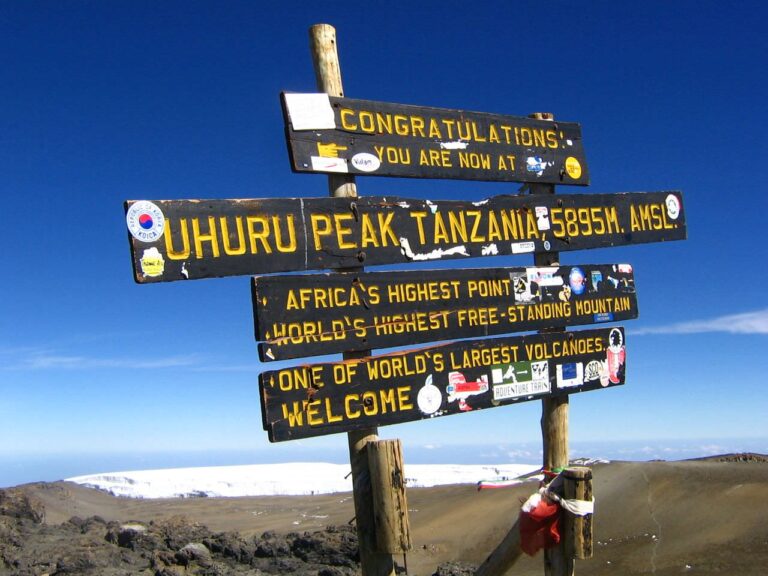
What Does Kilimanjaro Rainforest Look Like? A Trekkers Visual Guide 2026-2027
The Kilimanjaro rainforest is a vibrant, humid zone of dense vegetation, towering trees, and diverse plant life found on the mountain's lower slopes. It's the first major ecosystem trekkers...
View package details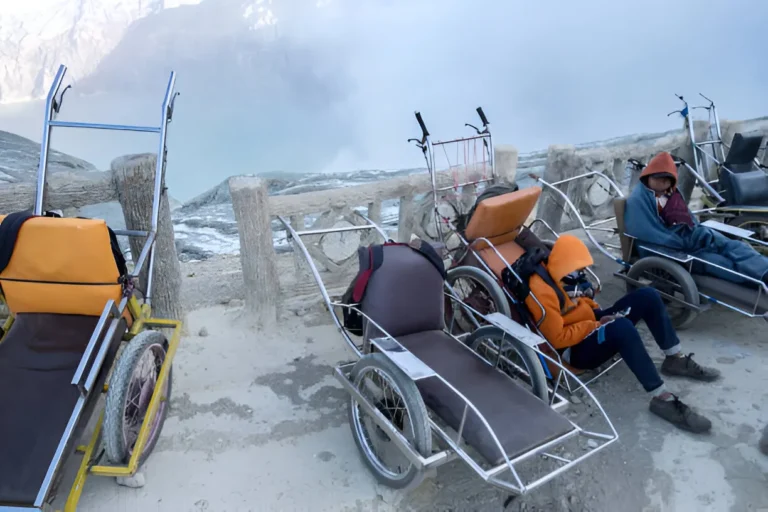
Kilimanjaro Climb With A Personal Support Assistant: Your Ultimate Guide
Climbing Mount Kilimanjaro with a personal support assistant offers unparalleled safety, comfort, and focus on your summit goals. This guide details what a personal assistant entails, its...
View package details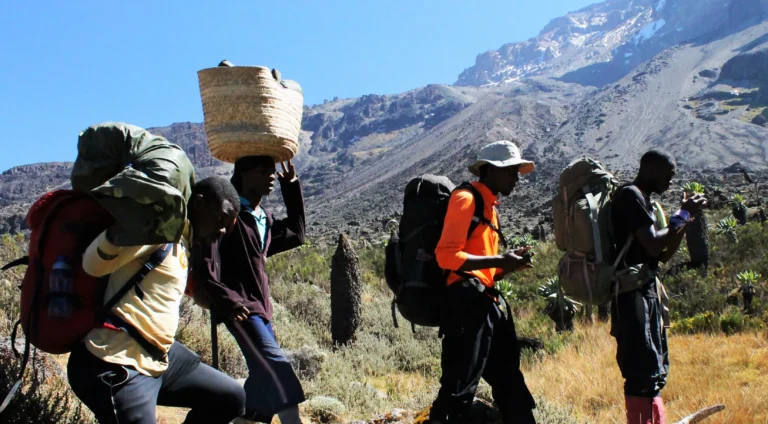
How To Know Whether You Are Ready For Kilimanjaro: A Comprehensive Guide
Climbing Mount Kilimanjaro is a significant undertaking. This guide helps you evaluate your physical, mental, and logistical readiness to ensure a safe and successful trek in 2026 or 2027...
View package details
Kilimanjaro Hydration Mistakes Climbers Make And How To Avoid Them 2026-2027
Proper hydration is critical for a successful Kilimanjaro climb. This guide details common hydration mistakes climbers make, from under-drinking to choosing the wrong fluids, and provides...
View package details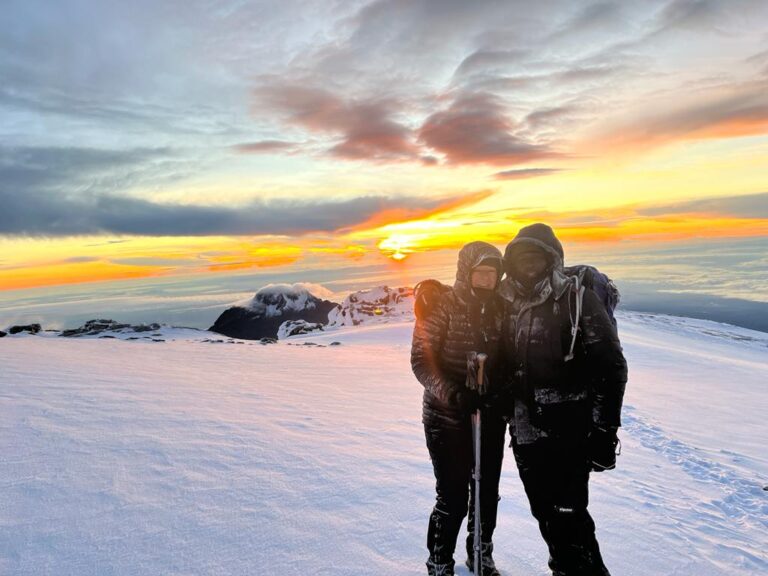
Kilimanjaro Altitude-Sickness Mistakes 2026-2027
Kilimanjaro Altitude-Sickness Mistakes is explained with current 2026-2027 planning, price, itinerary and booking information.
View package details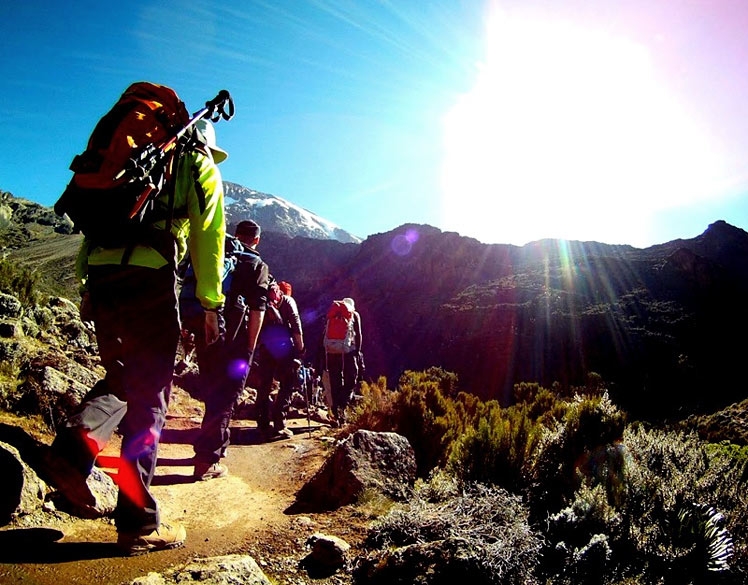
Kilimanjaro Summit-Night Mistakes To Avoid: Your Essential Guide For Climbs
Summit night on Kilimanjaro is the most challenging part of the climb. Avoiding common mistakes in acclimatization, gear, hydration, and pacing is crucial for success. This guide details...
View package details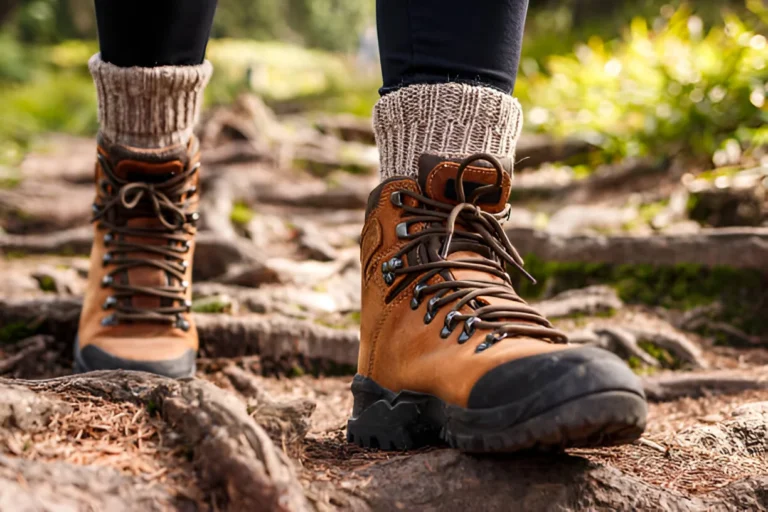
Kilimanjaro Training Mistakes That Reduce Summit Success 2026-2027
Kilimanjaro Training Mistakes that Reduce Summit Success is explained with current 2026-2027 planning, price, itinerary and booking information.
View package details
Kilimanjaro Personal Porter Vs Standard Support 2026-2027
Kilimanjaro Personal Porter vs Standard Porter Support is explained with current 2026-2027 planning, price, itinerary and booking information.
View package details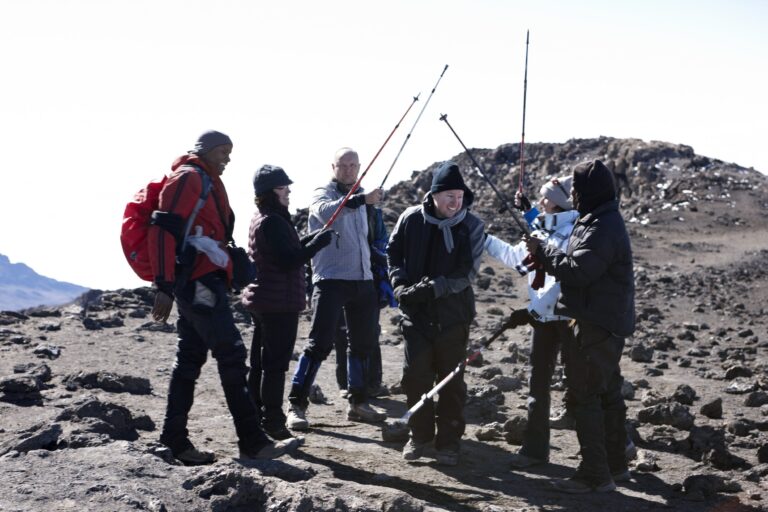
Kilimanjaro Airport Vs Arusha For Climbers: The Definitive Guide 2026-2027
A comprehensive comparison of Kilimanjaro International Airport (JRO) and Arusha Airport (ARK) for trekkers planning a Mount Kilimanjaro climb, detailing pros, cons, and booking advice for...
View package details
Kilimanjaro Climb For Retired Couples: Planning Your Adventure 2026-2027
Planning a Kilimanjaro climb as a retired couple is an achievable and rewarding goal. This guide offers in-depth advice on route selection, physical preparation, essential gear, and the...
View package details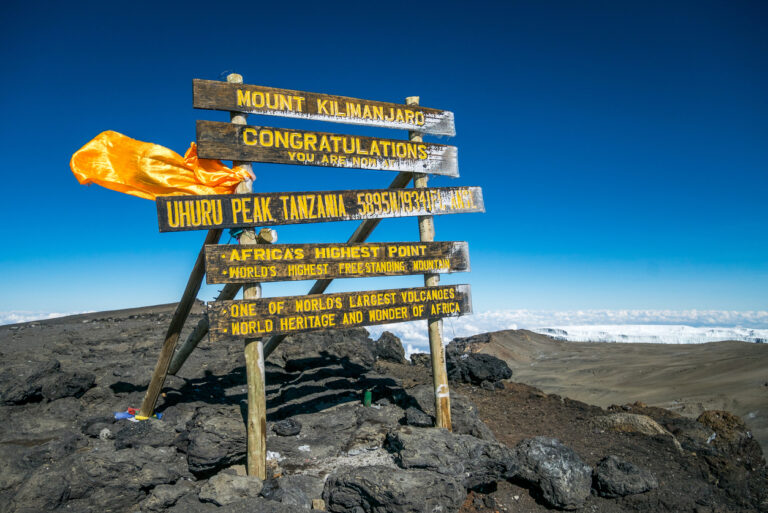
Kilimanjaro Training Plan For Climbers Over 60 2026-2027
Kilimanjaro Training Plan for Climbers over 60 is explained with current 2026-2027 planning, price, itinerary and booking information.
View package detailsNo related package matches those filters. Clear one or more filters to see the other topic-matched options.



