
The 4 Day Lemosho Route hike from Arusha is a less common, more challenging option for climbing Kilimanjaro, typically involving a longer transfer to the western side of the mountain and a condensed itinerary that prioritizes speed over acclimatization. While shorter than the standard 7 or 8-day Lemosho treks, this 4-day version is generally not recommended by experienced operators due to significantly lower success rates and higher risks of altitude sickness. For trekkers seeking the Lemosho experience, longer durations are strongly advised for 2026-2027 adventures.
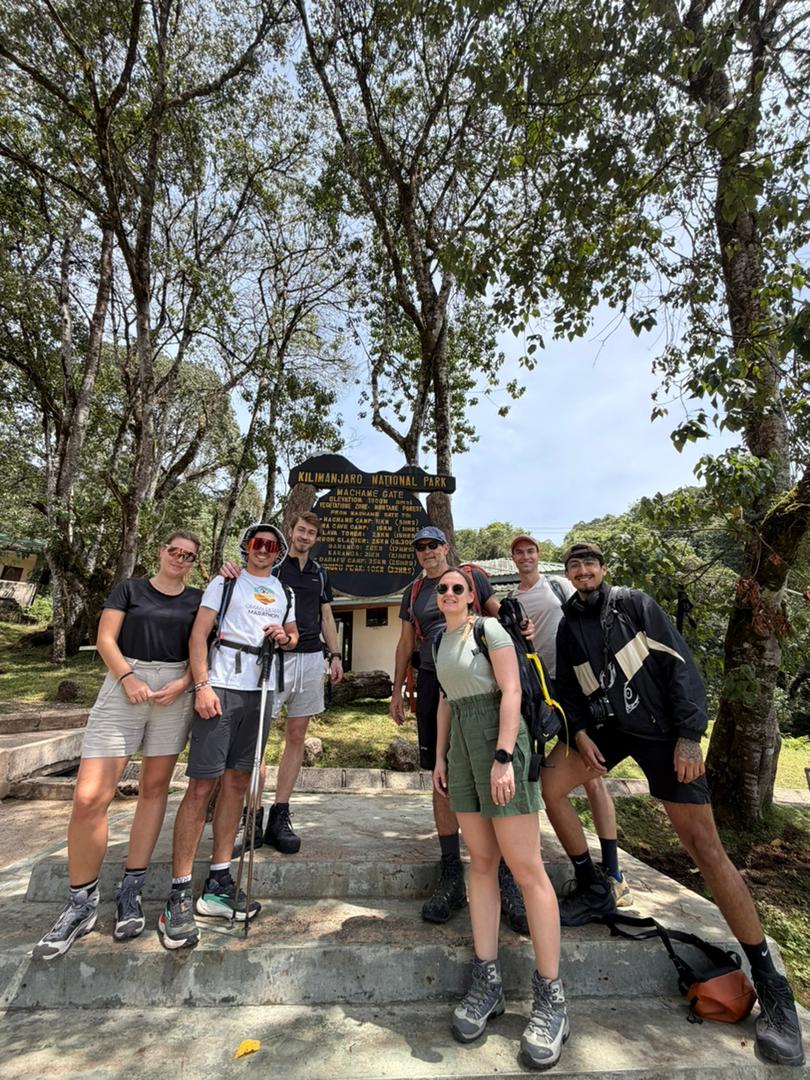

Understanding the 4 Day Lemosho Route: A Condensed Kilimanjaro Challenge
When considering a Kilimanjaro tour package that begins in Arusha and focuses on the Lemosho route, the idea of a 4-day itinerary often surfaces. The Lemosho route is renowned for its scenic beauty, starting in the west and traversing the diverse ecological zones of Kilimanjaro. However, the standard Lemosho trek is a minimum of 7 days, with 8 days being even more popular for maximizing acclimatization and success rates. A 4-day Lemosho route hike from Arusha represents a significant deviation from this norm, fundamentally altering the trekking experience and its feasibility.
This condensed approach aims to fit the climb into a shorter timeframe, often appealing to those with limited vacation days. However, it’s crucial to understand the implications. Kilimanjaro’s altitude is substantial, with the summit, Uhuru Peak, standing at 5,895 meters (19,341 feet). Rapid ascents, especially on routes that bypass adequate acclimatization periods, dramatically increase the risk of Acute Mountain Sickness (AMS). Most reputable tour operators, including Top Guide Adventures, will strongly advise against a 4-day Lemosho route due to these safety concerns.
The primary challenge with a 4-day Lemosho route from Arusha is the rapid ascent profile. Lemosho’s advantage is its gradual start, allowing the body to adjust to increasing altitudes. Compressing this into four days means very long trekking days and insufficient time for the body to adapt. This significantly lowers the chances of reaching the summit safely and successfully.
Why a 4-Day Lemosho Route is Not Typically Offered or Recommended
The Lemosho route, even in its standard 7-day format, is celebrated for its beautiful scenery and relatively low traffic, especially in the initial days. It begins on the western side of Kilimanjaro, near the Lemosho Glades, and offers a more remote feel before joining the Machame route higher up. The typical progression involves:
- Day 1: Londorossi Gate to Mti Mkubwa Camp
- Day 2: Mti Mkubwa Camp to Shira 1 Camp
- Day 3: Shira 1 Camp to Shira 2 Camp
- Day 4: Shira 2 Camp to Barranco Camp
- Day 5: Barranco Camp to Karanga Camp
- Day 6: Karanga Camp to Barafu Camp
- Day 7: Barafu Camp to Summit, then descend to Mweka Camp
- Day 8: Mweka Camp to Mweka Gate, then transfer to Arusha
As you can see, even this 7-day itinerary allows for gradual acclimatization. Condensing this into 4 days would require skipping entire sections or trekking excessively long distances each day, pushing past established camps to meet daily altitude gain targets. This is not only physically exhausting but also extremely dangerous.
Key reasons why a 4-day Lemosho route is generally not a viable or safe Kilimanjaro tour package:
- Insufficient Acclimatization: The most critical factor. Rapid ascent is the primary cause of altitude sickness. A 4-day climb does not allow the body to produce enough red blood cells to effectively carry oxygen at high altitudes.
- Increased Risk of AMS: With inadequate acclimatization, trekkers face a much higher probability of developing AMS, which can range from mild headaches and nausea to severe, life-threatening conditions like HAPE (High Altitude Pulmonary Edema) and HACE (High Altitude Cerebral Edema).
- Lower Summit Success Rates: Shorter climbs inherently have lower success rates. For Lemosho, known for its scenic beauty and higher success rates on longer itineraries, a 4-day version would see these rates plummet.
- Extreme Physical Exertion: To cover the distance and altitude gain in just four days, trekking hours would be exceptionally long, often 10-12 hours or more per day, including the summit push. This is unsustainable for most trekkers.
- Logistical Complications: Park regulations and campsite availability are designed around standard itineraries. Forcing a 4-day climb can create logistical nightmares for guides and porters, potentially leading to issues with permits or camp access.
Alternative 4-Day Kilimanjaro Routes from Arusha
If your timeframe is strictly limited to 4 days for a Kilimanjaro trek starting from Arusha, then the Lemosho route is not the appropriate choice. Instead, you should consider routes specifically designed for shorter durations, such as:
- Marangu Route (Coca-Cola Route): This is the oldest and perhaps most famous route. It’s the only route with hut accommodations and can be completed in 5 days. A 4-day Marangu climb is possible but has a very low success rate due to rapid ascent.
- Machame Route (Whiskey Route): While typically 6 or 7 days, a very aggressive 5-day Machame is sometimes offered, but again, this is not recommended for acclimatization. A 4-day Machame is practically impossible to do safely.
- Mweka Route: This route is primarily used for descent and is not suitable for ascent.
For a true 4-day Kilimanjaro experience, the Marangu route in 5 days is the most common option, though still not ideal for acclimatization. Some operators might offer a 4-day climb on Marangu, but it is highly discouraged by responsible guides and organizations like Top Guide Adventures for safety reasons. The minimal duration recommended for Marangu for a reasonable chance of success and safety is 5 days.
The Lemosho Route: A Closer Look at its Strengths (on Longer Itineraries)
Despite the unsuitability of a 4-day itinerary, the Lemosho route itself is one of the most beautiful and rewarding ways to climb Kilimanjaro. Understanding its typical 7 or 8-day structure highlights why it’s so popular for those with sufficient time.
Starting Point and Initial Scenery
The Lemosho route begins with a transfer from Arusha to the Londorossi Gate on Kilimanjaro’s western side. The journey itself offers glimpses of rural Tanzanian life. From Londorossi Gate, you’ll often take a 4WD vehicle further up to the Lemosho Glades, a pristine forest area. The initial days are characterized by trekking through dense rainforest, a habitat for various bird species and, if you’re lucky, colobus monkeys and other wildlife.
Joining the Machame Route
After a couple of days exploring the western side, the Lemosho route converges with the popular Machame route at the Shira Plateau. This is where the landscape begins to open up, offering expansive views and transitioning into the moorland zone. The Shira Plateau itself is a stunning, high-altitude desert with unique flora.
The ‘Barranco Wall’ Challenge
A signature feature of the Lemosho route (and Machame) is the Barranco Wall. This imposing volcanic rock face requires a challenging but manageable scramble. It’s a highlight for many trekkers and tests their nerve and agility. Successfully navigating the Barranco Wall is a significant milestone on the climb.
Acclimatization ‘Walk High, Sleep Low’
The Lemosho route excels at facilitating the principle of ‘walk high, sleep low.’ For instance, the trek from Barranco Camp to Karanga Camp involves ascending the Barranco Wall, reaching a higher altitude, and then descending to Karanga Camp for the night. This pattern is repeated, allowing the body to adapt gradually to the thinning air.
The Summit Push from Barafu Camp
The final ascent typically begins from Barafu Camp, a rocky campsite situated at a high altitude. The summit push is the most demanding part of the trek, usually starting around midnight. Trekkers ascend steeply through the night, aiming to reach Stella Point on the crater rim by sunrise, and then continuing the relatively flat but exhausting walk to Uhuru Peak, the highest point in Africa.
Descent Options
After reaching the summit, the descent is usually via the Mweka Route, which is designed for a quicker descent and offers a different perspective of the mountain’s lower slopes.
The Practicalities of a Kilimanjaro Tour Package from Arusha
When booking a Kilimanjaro tour package from Arusha, whether it’s for a hypothetical 4-day Lemosho or a recommended longer route, several practical aspects are crucial for planning your 2026-2027 adventure.
Choosing a Reputable Tour Operator
Selecting a responsible and experienced tour operator is paramount. Top Guide Adventures is committed to ethical trekking practices, prioritizing climber safety and the well-being of their guides and porters. When looking for a Kilimanjaro tour package, consider:
- Safety Record: Look for operators with a proven safety record and well-trained guides certified in wilderness first aid.
- Guide-to-Client Ratio: A lower ratio ensures more personalized attention.
- Equipment Quality: Ensure they provide good quality tents, sleeping bags, and cooking gear.
- Porter Welfare: Ethical operators ensure porters are treated fairly, well-fed, and equipped.
- Inclusions: Understand exactly what is included in the package (e.g., park fees, meals, accommodation before/after the climb, transfers, oxygen cylinders).
What is Typically Included in a Kilimanjaro Tour Package?
A comprehensive Kilimanjaro tour package from Arusha, especially for routes like Lemosho, usually includes:
- Kilimanjaro National Park entry fees, camping fees, and rescue fees.
- Accommodation in Arusha before and after the climb (often in a mid-range hotel).
- All meals and drinks (water, tea, coffee) on the mountain.
- Experienced, English-speaking mountain guides.
- Assistant guides.
- Porters to carry your main duffel bag (typically up to 15kg) and all group equipment.
- Catering equipment (tables, chairs, mess tent).
- A comprehensive first-aid kit and emergency oxygen cylinders.
- Transfers from Arusha to the Kilimanjaro gates and back to Arusha after the climb.
Important exclusions to watch for:
- Visa fees.
- Flights to and from Tanzania.
- Travel and medical insurance (mandatory).
- Personal climbing gear (boots, warm clothing, sleeping bag, etc.).
- Tips for guides, assistant guides, and porters (a significant part of their income).
- Personal expenses (e.g., souvenirs, alcoholic beverages).
- Lunches and dinners in Arusha unless specified.
Cost Considerations for Kilimanjaro Treks in 2026-2027
The cost of a Kilimanjaro tour package varies significantly based on the route, duration, operator, and level of service. A 4-day Lemosho route, if it were offered, would likely be priced competitively due to its shorter duration, but the safety risks would make it a poor value proposition. For recommended routes like the 7-day Lemosho or 8-day Lemosho, expect costs to range from approximately $2,000 to $4,000+ USD per person.
Factors influencing price include:
- Operator Type: Local vs. international operators. Local operators like Top Guide Adventures often offer better value and directly benefit the local economy.
- Group Size: Private climbs are more expensive than joining a group.
- Service Level: Quality of food, accommodation in Arusha, and guide experience.
- Inclusions: Packages that include more (like extra nights in Arusha) will cost more.
When budgeting for 2026-2027 climbs, remember to factor in:
- Park Fees: These are fixed by the Kilimanjaro National Park authority and are a substantial portion of the total cost.
- Tips: Budget around $250-$400 USD per climber for tips.
- Personal Gear: Renting or purchasing necessary gear can add to the expense.
Best Time to Climb Kilimanjaro in 2026-2027
The best times to climb Kilimanjaro are during the dry seasons:
- January to March: Generally dry, with good visibility. Can be cold, especially at higher altitudes.
- June to October: The longest dry season, offering stable weather and clear skies. This is peak season, so book well in advance for 2026-2027.
The rainy seasons (April-May and November-December) are generally not recommended due to muddy trails, poor visibility, and increased risk of landslides.
Preparing for Your Kilimanjaro Trek: Essential Steps
Regardless of the route you choose, proper preparation is key to a successful and enjoyable Kilimanjaro climb. If you were hypothetically considering a 4-day Lemosho route, the preparation would need to be even more intense, but the fundamental principles apply to all Kilimanjaro tours.
Physical Training
Kilimanjaro is a challenging trek, not a technical climb, but it requires significant cardiovascular fitness and endurance. Focus on:
- Hiking: Regular hikes, especially those with elevation gain, are essential. Aim for long hikes (4-6 hours) on weekends.
- Cardiovascular Exercises: Running, cycling, swimming, and stair climbing will build stamina.
- Strength Training: Focus on leg and core strength.
- Altitude Training (if possible): While difficult to simulate, any exposure to higher altitudes before your climb can be beneficial.
For any Kilimanjaro tour package, training should begin at least 2-3 months in advance.
Acclimatization Strategy
This is the single most important factor for summit success. Longer routes (7-8 days for Lemosho, 6-7 days for Machame) are designed for acclimatization. The 4-day Lemosho route fundamentally compromises this. If you opt for a shorter route, understand the increased risk.
Gear and Equipment
Appropriate gear is vital for comfort and safety. Key items include:
- Layered Clothing: Base layers, mid-layers (fleece), and an outer waterproof/windproof shell.
- Footwear: Broken-in hiking boots with good ankle support.
- Sleeping Bag: A -15°C to -20°C (0°F to -4°F) rated bag is recommended.
- Headlamp: With extra batteries.
- Sun Protection: Sunscreen, sunglasses, hat.
- Hydration: Water bottles or a hydration reservoir.
- Trekking Poles: Highly recommended for reducing strain on knees.
Many items can be rented in Arusha, but it’s best to bring your own essential personal items.
Health and Vaccinations
Consult your doctor or a travel clinic about recommended vaccinations and malaria prophylaxis for Tanzania. Carry a personal first-aid kit with any necessary personal medications.
The 4 Day Lemosho Route from Arusha: A Realistic Assessment
To reiterate, a 4-day Lemosho Route hike from Arusha is a concept that most reputable Kilimanjaro tour operators, including Top Guide Adventures, would strongly advise against. The Lemosho route is designed to be a longer, more scenic, and better-acclimatized climb, typically spanning 7 to 8 days. Attempting it in 4 days dramatically increases the risks associated with altitude sickness and significantly reduces the probability of reaching Uhuru Peak.
If you are looking for a Kilimanjaro tour package from Arusha for 2026-2027 and have limited time:
- Consider a 5-day Marangu Route: This is the shortest viable option, though still not ideal for acclimatization.
- Re-evaluate your time: If possible, extend your trip to at least 6 days for routes like Machame or 7 days for Lemosho. This small increase in duration makes a world of difference to your safety and success chances.
- Choose a different trek: Perhaps a trek in the Usambara Mountains or Mount Meru offers a more suitable challenge for a 4-day timeframe.
The allure of a quick ascent is understandable, but Kilimanjaro demands respect. The mountain’s beauty and grandeur are best experienced when approached with adequate preparation and a safe, well-paced itinerary. For the Lemosho route specifically, its charm lies in its gradual progression through diverse landscapes, a journey that cannot be adequately appreciated or safely completed in just four days.
Safety First: Why Longer is Better for Kilimanjaro
The difference between a 4-day and a 7-day Lemosho route climb is the difference between a potentially dangerous gamble and a well-managed adventure. Kilimanjaro’s altitude requires respect. Always prioritize safety and acclimatization. For your 2026-2027 Kilimanjaro adventure, we strongly recommend opting for longer itineraries that offer a higher chance of success and a more enjoyable experience. If you have specific time constraints, please discuss them with our expert team to find the most suitable and safest option for you.
Planning Your 2026-2027 Kilimanjaro Tour with Top Guide Adventures
Top Guide Adventures specializes in crafting unforgettable Kilimanjaro experiences from Arusha. While we do not offer a 4-day Lemosho route due to safety concerns, we provide a range of expertly designed itineraries for the Lemosho route (7 and 8 days), Machame route (6 and 7 days), and Marangu route (5 and 6 days), among others. Our packages are designed to maximize your chances of summit success while ensuring your safety and comfort.
We understand that every trekker’s needs are unique. Whether you’re looking for a group departure or a private climb, our team can tailor an itinerary to fit your preferences and fitness level. Our experienced guides are passionate about Kilimanjaro and dedicated to providing you with an exceptional journey.
For detailed information on our Kilimanjaro tour packages, group departure dates for 2026-2027, and to discuss your specific requirements, please do not hesitate to contact us. We are here to help you plan the adventure of a lifetime.
Contact us today:
- WhatsApp: +255616946642
- Email: topguideadventures@gmail.com
- Backup Email: info@topguideadventures.com
Let Top Guide Adventures be your trusted partner for an incredible 4 Day Lemosho Route hike from Arusha (or rather, for a safe and successful climb on a recommended Lemosho itinerary or alternative route in 2026-2027). We are committed to providing you with a safe, memorable, and rewarding Kilimanjaro trekking experience.
Check Availability for 4 Day Lemosho Route Hike From Arusha – Kilimanjaro Tour Package 2026-2027
Ready to compare dates, prices, and the best option for your group? Send the package name and travel month so the team can reply with a clear quote, availability, and what is included.
Kilimanjaro Airport Vs Arusha For Climbers: The Definitive Guide 2026-2027
A comprehensive comparison of Kilimanjaro International Airport (JRO) and Arusha Airport (ARK) for trekkers planning a Mount Kilimanjaro climb, detailing pros, cons, and booking advice for...
View package details
Kilimanjaro Climb For Hikers With Limited Mobility: Your Expert Guide
Embarking on a Kilimanjaro climb with limited mobility is achievable with careful planning and the right support. This guide details how to prepare, which routes are more manageable, and...
View package details
Kilimanjaro Climb With A Personal Support Assistant: Your Ultimate Guide
Climbing Mount Kilimanjaro with a personal support assistant offers unparalleled safety, comfort, and focus on your summit goals. This guide details what a personal assistant entails, its...
View package details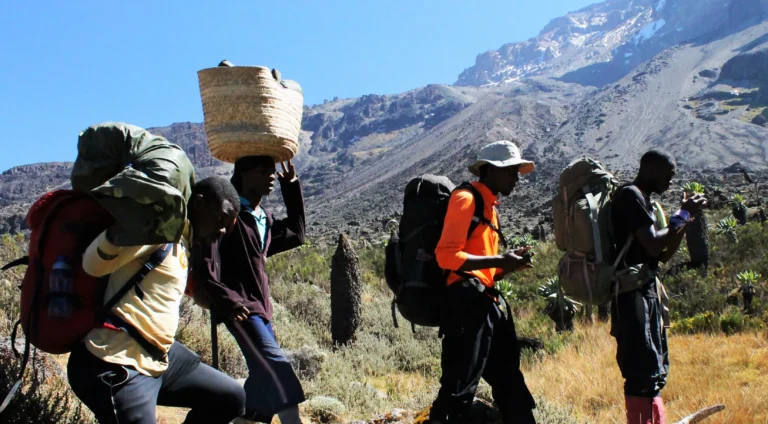
How To Know Whether You Are Ready For Kilimanjaro: A Comprehensive Guide
Climbing Mount Kilimanjaro is a significant undertaking. This guide helps you evaluate your physical, mental, and logistical readiness to ensure a safe and successful trek in 2026 or 2027...
View package details
Kilimanjaro Hydration Mistakes Climbers Make And How To Avoid Them 2026-2027
Proper hydration is critical for a successful Kilimanjaro climb. This guide details common hydration mistakes climbers make, from under-drinking to choosing the wrong fluids, and provides...
View package details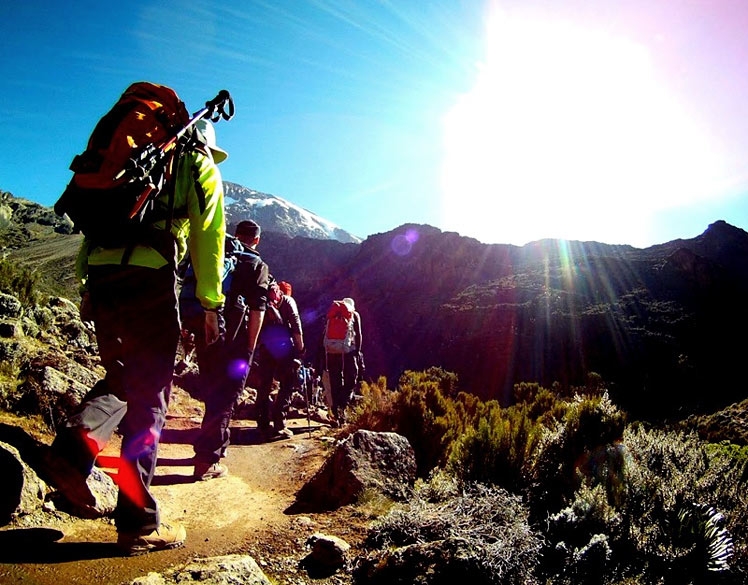
Kilimanjaro Summit-Night Mistakes To Avoid: Your Essential Guide For Climbs
Summit night on Kilimanjaro is the most challenging part of the climb. Avoiding common mistakes in acclimatization, gear, hydration, and pacing is crucial for success. This guide details...
View package details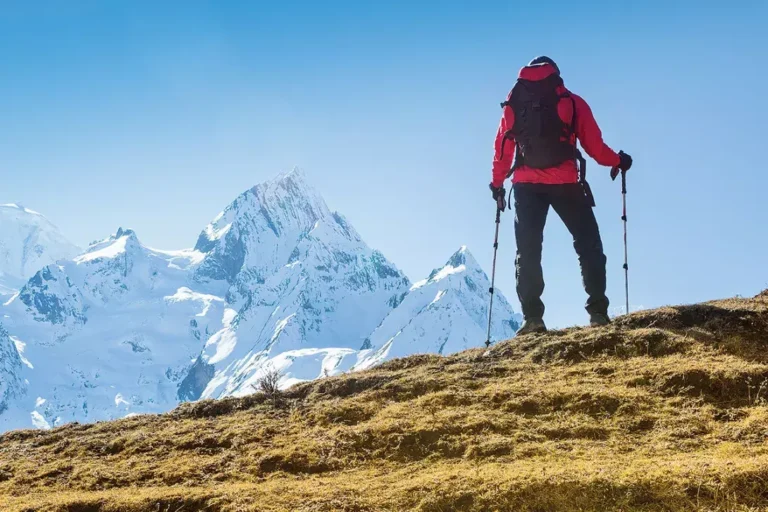
Kilimanjaro Climb For Retired Couples: Planning Your Adventure 2026-2027
Planning a Kilimanjaro climb as a retired couple is an achievable and rewarding goal. This guide offers in-depth advice on route selection, physical preparation, essential gear, and the...
View package details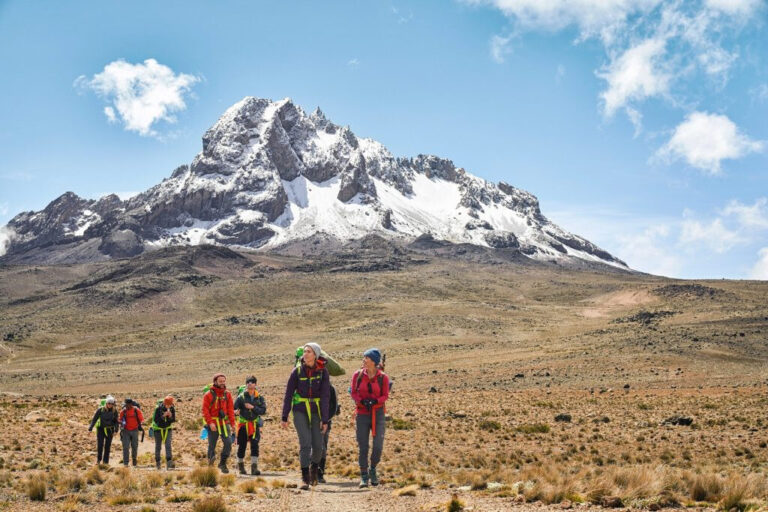
Can A 16-Year-Old Climb Kilimanjaro? Your Essential Guide 2026-2027
Discover if a 16-year-old can summit Kilimanjaro. This comprehensive guide covers age requirements, health, fitness, essential gear, and planning for younger trekkers aiming for Africa's...
View package details
Content For Parents And Young Climbers: Conquering Kilimanjaro Safely
Planning a Kilimanjaro climb with children or as a young climber requires special attention. This guide provides comprehensive content for parents and young adventurers, covering...
View package detailsHow Tourism Supports Kilimanjaro Communities: A Deep Dive With Top Guide
Explore the vital link between Kilimanjaro tourism and the well-being of local communities. Learn how your trek contributes to sustainable development, economic growth, and cultural...
View package detailsKilimanjaro Tree-Planting Climbing Package Guide
Combine your dream Kilimanjaro climb with a meaningful conservation effort. Our Kilimanjaro Tree-Planting Climbing Package allows you to ascend Africa's highest peak while actively...
View package details
What Does The View From Uhuru Peak Look Like? Your Ultimate Kilimanjaro
The view from Uhuru Peak, Kilimanjaro's highest point, is a surreal panorama of stark volcanic rock, glacial ice, and an endless sea of clouds stretching below. At dawn, it offers a...
View package detailsNo related package matches those filters. Clear one or more filters to see the other topic-matched options.



