
The 5 Day Lemosho Route trek price from Arusha for Kilimanjaro typically ranges from $1,200 to $2,500+ per person for 2026-2027, depending on the operator, inclusions, group size, and service level. This cost generally covers park fees, crew wages, meals, accommodation before and after the climb, and essential trekking equipment, but it’s crucial to verify detailed inclusions and exclusions with your chosen tour operator.
Understanding the 5 Day Lemosho Route: A Kilimanjaro Expedition
Kilimanjaro, Africa’s highest peak, draws thousands of adventurers annually. Among the most sought-after routes is the Lemosho, known for its scenic beauty and higher success rates, especially when trekked over more days. However, the 5-day variation of the Lemosho Route is a condensed option that appeals to those with limited time. This article will focus on the practicalities of undertaking this specific trek, with a particular emphasis on the Kilimanjaro trek price associated with the 5-day Lemosho from Arusha, looking ahead to 2026 and 2027.
The Lemosho route is celebrated for its stunning vistas and gradual ascent, offering excellent acclimatization opportunities. While typically recommended for 7 or 8 days to maximize acclimatization and enjoyment, a 5-day version is possible, though it requires a faster pace and might slightly reduce success rates compared to longer itineraries. For trekkers based in or arriving via Arusha, this route presents a unique combination of accessibility and natural splendor. This guide aims to provide a comprehensive overview of the 5 Day Lemosho Route trek price from Arusha, breaking down what influences the cost and what you can expect for your 2026-2027 adventure.
Why Choose the 5 Day Lemosho Route from Arusha?
The Lemosho route originates on the western side of Kilimanjaro, offering a more remote and picturesque start compared to other routes. For those departing from Arusha, it means a transfer to the Machame Gate or Shira Plateau start point. The 5-day itinerary is designed for trekkers who are short on time but still wish to experience the beauty of Kilimanjaro and the Lemosho’s unique landscape. It’s a demanding schedule that prioritizes speed over extended acclimatization, making it suitable for individuals with excellent physical fitness and prior trekking experience.
The primary draw for a 5-day trek is time efficiency. Many travelers have limited vacation days and need to fit the climb into a tight schedule. The 5-day Lemosho route, while less ideal for acclimatization, is still a viable option for many. Starting from Arusha, the journey to the trailhead is straightforward, and the route itself provides incredible scenery.
Key considerations for the 5-day Lemosho:
- Faster Pace: This itinerary involves longer hiking days and less time for the body to adjust to altitude.
- Potential for Altitude Sickness: Due to the rapid ascent, the risk of altitude sickness is higher than on longer Lemosho variations.
- Scenery: It still offers the beautiful landscapes and varied ecosystems that the Lemosho route is famous for.
- Logistics from Arusha: Arusha serves as the central hub for most Kilimanjaro expeditions, making it the natural starting point for transfers to the Lemosho trailhead.
Kilimanjaro Trek Price Factors for 2026-2027
When budgeting for your 5 Day Lemosho Route trek from Arusha, understanding the components that make up the total Kilimanjaro trek price is essential. Several factors influence the final cost, and these can vary significantly between tour operators. For planning in 2026 and 2027, these elements remain consistent:
1. Park Fees and Government Levies
These are non-negotiable charges set by the Kilimanjaro National Park authority and the Tanzanian government. They represent a substantial portion of the total cost. For 2026-2027, expect these fees to remain relatively stable, comprising:
- Conservation Fees: Daily fees for each day spent within the national park.
- Camping Fees: Fees for overnight stays at designated campsites.
- Crater Fees (if applicable): Although not typically included in a 5-day Lemosho, longer routes might involve this.
- Value Added Tax (VAT): A standard government tax on tourism services.
These fees are usually bundled into the tour price by reputable operators. It’s important to ensure they are explicitly included.
2. Crew Costs (Guides, Porters, Cook)
The welfare and fair remuneration of your trekking crew are paramount. Reputable operators pay their guides, porters, and cooks a fair wage, provide them with adequate food and gear, and ensure they have proper insurance. This ethical treatment significantly impacts the Kilimanjaro trek price. Operators who cut corners here often offer lower prices but compromise crew welfare and safety.
- Wages: Salaries for guides (lead and assistant), porters, and cooks.
- Insurance: Coverage for accidents and medical emergencies for the crew.
- Equipment: Provision of tents, sleeping mats, and warm clothing for the crew.
- Food: Ensuring the crew is well-fed throughout the trek.
3. Accommodation
The price often includes accommodation before and after your trek, typically in a hotel or lodge in Arusha or Moshi. The standard of this accommodation (budget, mid-range, or luxury) will affect the overall cost. Camping on the mountain is also included in the trek package.
4. Meals
All meals on the mountain are provided by your tour operator. The quality and variety of food offered can differ. High-end operators might offer more gourmet options, while budget operators stick to hearty, nutritious, but simpler fare. Meals in Arusha before and after the trek might also be included.
5. Equipment
While you are expected to bring your personal trekking gear, tour operators typically provide essential communal equipment such as tents (for clients and crew), mess tents, tables, chairs, cooking equipment, and first-aid kits. Some operators may also offer free gear rental for items like sleeping bags or trekking poles, which can influence the package price.
6. Route and Duration
The Lemosho route, even in its 5-day configuration, is generally more expensive than shorter, more direct routes like Marangu or Machame (especially its 6-day version). This is due to the longer travel distances to the trailhead and the associated logistical costs. The 5-day duration itself is a compromise; longer treks (7-8 days) on Lemosho are more expensive but offer better acclimatization and higher success rates.
7. Operator Type (Local vs. International)
Local Tanzanian operators like Top Guide Adventures often offer more competitive pricing because they have lower overheads and direct control over operations. International operators may add markups for marketing, administration, and support in their home countries.
8. Group Size (Private vs. Shared)
A 5 Day Lemosho Route trek price from Arusha will differ significantly for a private climb versus a spot on a shared group departure. Private treks offer flexibility and a dedicated crew but come at a higher per-person cost. Shared treks distribute fixed costs (like park fees and crew wages) among more people, making them more affordable.
9. Service Level and Inclusions
This is perhaps the most significant differentiator. A basic package might cover only the essentials, while a premium package will include more comforts, higher quality food, better equipment, and potentially more experienced guides. Always check what is explicitly included and excluded.
Common Inclusions:
- Park entrance fees, camping fees, rescue fees
- All meals on the mountain
- Accommodation in Arusha/Moshi before and after the climb
- Trained and certified mountain guides
- Assistant guides, porters, and cooks
- Porters’ wages, food, and insurance
- Tents, mess tent, tables, chairs
- Bottled water (or water purification system)
- Portable toilet (chemical toilet)
- Emergency oxygen cylinders
- First-aid kit
- Transfer from Arusha to the trailhead and back
Common Exclusions:
- Flights to/from Kilimanjaro International Airport (JRO)
- Visa fees
- Travel insurance (mandatory)
- Personal climbing gear (boots, clothing, backpack, sleeping bag)
- Tips for guides, porters, and cooks (a significant expense)
- Lunches, dinners, and drinks in Arusha/Moshi
- Optional gear rental
- Personal expenses (souvenirs, laundry)
- Vaccinations and medications
Estimated 5 Day Lemosho Route Trek Price Range for 2026-2027
Based on industry standards and current pricing trends for 2026-2027, here’s a realistic estimate for the 5 Day Lemosho Route trek price from Arusha:
Estimated Price Tiers (Per Person)
- Budget Operators: $1,200 – $1,600. These operators often focus on essential services, potentially with more basic equipment and less comfortable accommodation in Arusha. Crew welfare might be a concern.
- Mid-Range Operators (Recommended): $1,600 – $2,200. This tier typically offers a good balance of quality, safety, and value. Expect reliable equipment, experienced guides, good food, and proper crew treatment. This is where operators like Top Guide Adventures usually position themselves.
- Premium/Luxury Operators: $2,200 – $2,500+. These packages include higher-end services, potentially better food, more experienced lead guides, higher guide-to-client ratios, and superior pre/post-trek accommodation.
It’s crucial to remember that these are estimates. The exact Kilimanjaro trek price will be provided by individual tour operators based on their specific offerings and the current season for 2026-2027. Always request a detailed quote and itinerary.
The 5 Day Lemosho Route Itinerary: A Closer Look
While the Lemosho route is typically a 7 or 8-day trek, a 5-day version requires a condensed schedule. This means less time for acclimatization, which is a significant drawback. However, for those committed to this timeline, here’s a potential itinerary starting from Arusha:
Day 1: Arusha to Mti Mkubwa Camp (2,800m / 9,186ft)
Distance: 6 km / 3.7 miles
Hiking Time: 3-4 hours
Description: After breakfast in Arusha, you’ll be transferred to the Lemosho Glades (approx. 2-3 hours drive). After park registration, you begin your trek through the dense rainforest. The path is relatively gentle, leading you to the Mti Mkubwa campsite. Keep an eye out for Colobus monkeys and diverse birdlife.
Day 2: Mti Mkubwa Camp to Shira 1 Camp (3,500m / 11,483ft)
Distance: 10 km / 6.2 miles
Hiking Time: 5-7 hours
Description: The trail ascends out of the rainforest and into a moorland zone. You’ll pass through a beautiful landscape with giant heathers and unique flora. The trek is longer today, and you’ll reach the Shira Plateau, a vast, high-altitude desert. Shira 1 camp is situated on the plateau.
Day 3: Shira 1 Camp to Barranco Camp (3,950m / 12,960ft)
Distance: 8 km / 5 miles
Hiking Time: 5-6 hours
Description: This day involves a significant ascent, traversing the Shira Plateau towards the Lava Tower (4,600m / 15,092ft). After a rest and lunch at Lava Tower, you descend to Barranco Camp. This descent is crucial for acclimatization, allowing your body to adapt to the altitude before the challenging Barranco Wall climb.
Day 4: Barranco Camp to Barafu Camp (4,650m / 15,256ft)
Distance: 7 km / 4.3 miles
Hiking Time: 7-8 hours
Description: The day begins with the famous Barranco Wall, a steep scramble that is more challenging than technical. Once over the wall, the terrain becomes more undulating, and you continue trekking towards Barafu Camp, the base camp for the summit push. You’ll reach Barafu Camp in the afternoon, rest, and prepare for the midnight summit attempt.
Day 5: Barafu Camp to Summit (Uhuru Peak, 5,895m / 19,341ft) and Descent to Mweka Camp (3,100m / 10,171ft)
Distance: 5 km / 3.1 miles (ascent) + 12 km / 7.5 miles (descent)
Hiking Time: 6-8 hours (ascent) + 4-6 hours (descent)
Description: The summit attempt begins around midnight. You’ll ascend in the dark, navigating scree slopes towards Stella Point (5,756m / 18,885ft) on the crater rim. From Stella Point, it’s a further hour to Uhuru Peak, the roof of Africa. After celebrating your achievement, you descend back to Barafu Camp for a short rest before continuing the long descent to Mweka Camp.
Important Note on the 5-Day Lemosho: This itinerary is extremely fast-paced. Most reputable operators recommend a minimum of 6 days for the Lemosho route, with 7 or 8 days being optimal for acclimatization and success. A 5-day trek significantly increases the risk of altitude sickness and may lead to lower success rates. For trekkers prioritizing safety and acclimatization, longer Lemosho variations or other routes like Machame (6-7 days) or Marangu (5-6 days) are advisable.
Comparing 5 Day Lemosho with Other Kilimanjaro Routes
When considering the Kilimanjaro trek price, it’s helpful to compare the 5-day Lemosho with other popular routes. This comparison also highlights why the 5-day Lemosho is often more expensive than a 5-day Marangu or a 6-day Machame, and why it’s generally not recommended compared to longer Lemosho options.
Lemosho Route (5-Day vs. 7/8-Day)
The standard Lemosho route is typically 7 or 8 days. The 5-day version is a compressed itinerary. The 5 Day Lemosho Route trek price from Arusha will be lower than a 7 or 8-day Lemosho because it involves fewer days on the mountain, thus fewer park and camping fees, and less time for the crew. However, the per-day cost might be higher for the 5-day option because fixed costs (like crew wages, park entry for the first day, and initial logistics) are spread over fewer days.
Key Differences:
- Acclimatization: 7/8 days offer superior acclimatization.
- Scenery: Both offer great scenery, but longer treks allow more time to appreciate it.
- Success Rate: Significantly higher on 7/8-day Lemosho.
- Price: 5-day is cheaper overall than 7/8-day, but the value for money in terms of acclimatization and success is lower.
Machame Route (6-Day)
The Machame route is often considered the most popular route. A 6-day Machame itinerary offers better acclimatization than a 5-day Lemosho and is generally slightly less expensive due to shorter transfer times to the trailhead and slightly different fee structures. The scenery is also excellent.
Marangu Route (5-Day)
The Marangu route is the oldest and often the most budget-friendly. Its 5-day option is very fast and has the lowest success rate. It’s the only route with hut accommodation. The Kilimanjaro trek price for a 5-day Marangu is typically lower than a 5-day Lemosho due to simpler logistics and hut fees being lower than camping fees in some cases. However, it sacrifices scenery and acclimatization.
Northern Circuit (9-Day)
This is the longest route, offering the highest success rates due to excellent acclimatization. It’s also the most expensive due to the number of days on the mountain and the extensive park/camping fees. The Northern Circuit is not comparable in price or duration to a 5-day Lemosho.
In summary: The 5-day Lemosho is a time-saving option, but it comes with a higher risk profile. If time is the absolute constraint, it’s a choice, but it’s essential to be aware of the trade-offs. The 5 Day Lemosho Route trek price from Arusha reflects these compromises.
Preparing for Your 5 Day Lemosho Trek in 2026-2027
Given the demanding nature of a 5-day trek, thorough preparation is non-negotiable. This includes physical training, mental readiness, and careful packing.
Physical Training
Focus on cardiovascular fitness and strength training. Hiking regularly with a weighted backpack, especially on hilly terrain, is essential. Include exercises like squats, lunges, and step-ups. The faster pace of the 5-day Lemosho means you’ll need to be in peak condition.
Acclimatization Strategies
While the route itself is fast, you can mitigate risks by spending a few extra days in Arusha before your trek, allowing your body to adjust to a higher baseline altitude. Stay hydrated and avoid alcohol and strenuous activity in the days leading up to the climb.
Mental Preparation
Acknowledge the challenge. The 5-day Lemosho is tough. Be prepared for cold temperatures, long hiking days, and potential discomfort. A positive mindset and determination are crucial.
Packing List Essentials
Packing correctly is vital for comfort and safety. Key items include:
- Layered Clothing: Base layers, mid-layers (fleece), and waterproof/windproof outer layers.
- Footwear: Broken-in hiking boots, comfortable camp shoes.
- Headwear: Warm hat, sun hat, balaclava.
- Gloves: Warm, waterproof gloves.
- Sleeping Bag: Rated for -10°C to -20°C (comfort rating).
- Backpack: Daypack (30-40L) and duffel bag (80-100L) for porters.
- Sun Protection: Sunglasses, sunscreen, lip balm.
- Headlamp: With extra batteries.
- Water Bottles/Hydration Reservoir: At least 2-3 liters capacity.
- Personal First-Aid Kit: Including blister treatment and any personal medications.
- Trekking Poles: Highly recommended for stability and reducing joint strain.
Your chosen operator, such as Top Guide Adventures, will provide a detailed packing list tailored to Kilimanjaro treks.
Choosing the Right Operator for Your 5 Day Lemosho Trek Price
Selecting a reputable tour operator is as important as the route choice itself. For your 5 Day Lemosho Route trek from Arusha in 2026 or 2027, prioritize safety, crew welfare, and experience.
What to Look For in an Operator:
- Safety Standards: Do they carry sufficient oxygen, first-aid kits, and have emergency evacuation plans?
- Crew Welfare: Do they pay fair wages, provide proper gear, and treat their staff ethically? Look for certifications like KPAP (Kilimanjaro Porters Assistance Project) membership.
- Experience and Reputation: How long have they been operating? Check reviews on platforms like TripAdvisor. Top Guide Adventures has a strong reputation for ethical practices and excellent service.
- Inclusions and Exclusions: Ensure you have a clear understanding of what the Kilimanjaro trek price covers.
- Communication: Are they responsive to your queries? Can they provide detailed itineraries and quotes?
Top Guide Adventures is a Tanzanian-based operator with extensive experience in Kilimanjaro climbs. They are committed to ethical trekking practices and offer competitive pricing for various routes, including the Lemosho. For a personalized quote for your 5 Day Lemosho Route trek from Arusha for 2026-2027, reaching out directly is the best approach.
Booking Your Kilimanjaro Adventure: Next Steps
Planning your Kilimanjaro trek for 2026 or 2027 requires careful consideration, especially when it comes to the 5 Day Lemosho Route trek price from Arusha. The key is to find a balance between cost, safety, and the quality of your experience.
When you are ready to take the next step, remember:
- Request Detailed Quotes: Compare what is included in the price from different operators.
- Read Reviews: Look for feedback on safety, crew treatment, and overall client satisfaction.
- Ask Questions: Don’t hesitate to clarify any doubts about the itinerary, inclusions, or logistics.
For a reliable and ethical trekking experience on Kilimanjaro, consider contacting Top Guide Adventures. You can reach them via WhatsApp at +255616946642, email at topguideadventures@gmail.com, or their backup email info@topguideadventures.com. They can provide a tailored quote for your 5 Day Lemosho Route trek from Arusha, ensuring you have a safe and memorable climb.
Remember, while the Kilimanjaro trek price is an important factor, it should not be the sole determinant. Investing in a reputable operator for your 5 Day Lemosho Route trek from Arusha in 2026-2027 is an investment in your safety, enjoyment, and the well-being of the mountain crew.
Check Availability for 5 Day Lemosho Route Trek From Arusha – Kilimanjaro Price Guide 2026-2027
Ready to compare dates, prices, and the best option for your group? Send the package name and travel month so the team can reply with a clear quote, availability, and what is included.
Kilimanjaro Climb With Lake Chala Relaxation Day: Your Ultimate Post-Trek
Experience the ultimate Kilimanjaro adventure followed by serene relaxation at Lake Chala. This guide details how to combine these incredible Tanzanian experiences, covering itineraries...
View package details
18-Day Kilimanjaro And Northern Tanzania Grand Adventure: Trek, Safari &
An 18-day itinerary blending Kilimanjaro's summit with Northern Tanzania's wildlife and culture offers a comprehensive African experience. This adventure typically includes a multi-day trek...
View package details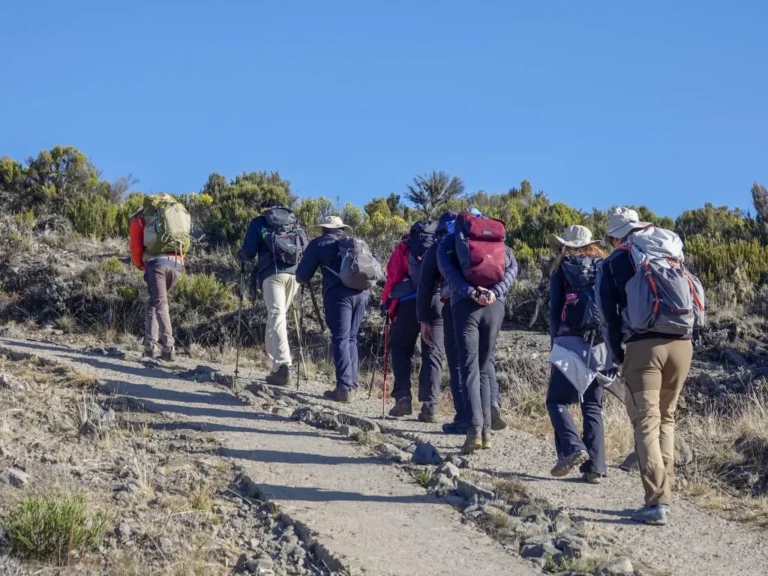
How To Verify Kilimanjaro Park Fees Are Included In Your Trek Package
Climbing Mount Kilimanjaro is a dream for many, but understanding the costs involved, particularly park fees, is crucial for proper planning. This guide helps you verify that all necessary...
View package details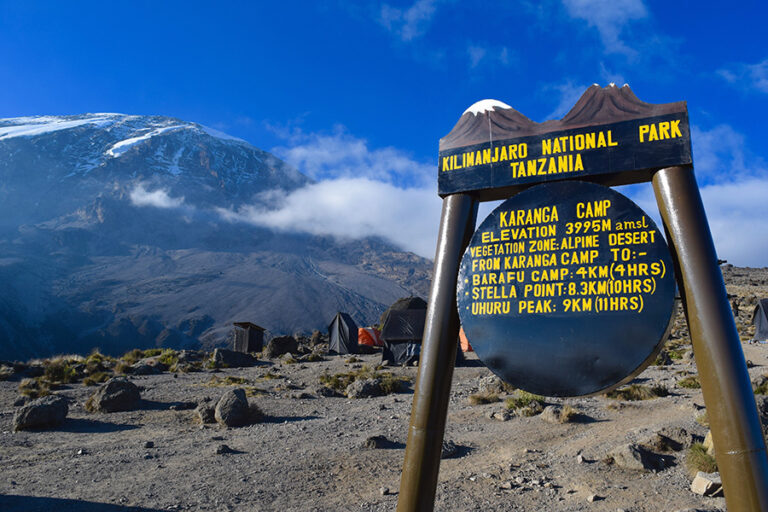
Can A 14-Year-Old Climb Kilimanjaro? Essential Guide For Young Trekkers
Climbing Mount Kilimanjaro is an incredible adventure, and many young people aspire to reach its summit. This guide explores whether a 14-year-old can successfully and safely summit...
View package details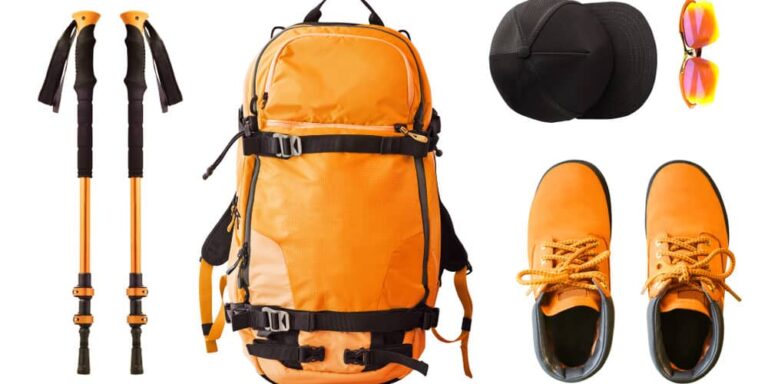
How To Leave No Trace On Kilimanjaro: A Guide For Responsible Trekkers
Discover the essential principles of Leave No Trace for your Kilimanjaro climb. This comprehensive guide ensures you trek responsibly, minimizing your impact on Africa's highest peak for...
View package details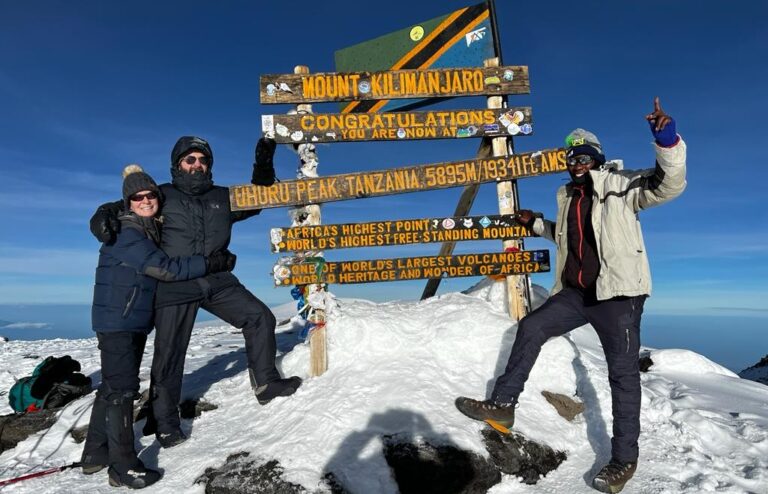
Kilimanjaro Rainforest Ecology Guide: Flora, Fauna & Trekking Insights
A comprehensive guide to the Kilimanjaro rainforest ecology, detailing its unique plant and animal life, its importance for climbers, and what to expect when trekking through this vital...
View package details
Kilimanjaro Giant Lobelias Explained: Identification, Ecology, And Trekker
Explore the fascinating Giant Lobelias of Kilimanjaro. Learn about their remarkable adaptations to the alpine environment, where they thrive on the mountain slopes, and how to best spot...
View package details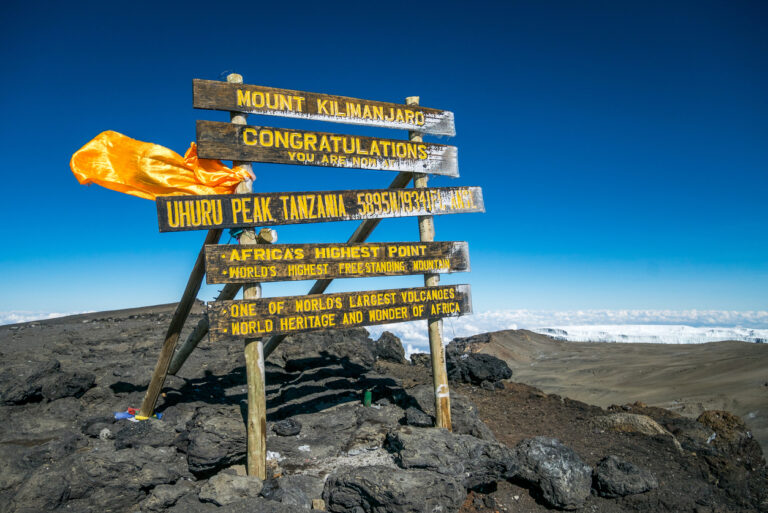
Kilimanjaro Emergency Contact And Family Communication Plan For Trekkers
Planning a Kilimanjaro climb is an incredible adventure. A crucial, yet often overlooked, aspect of preparation is establishing a robust emergency contact and family communication plan...
View package details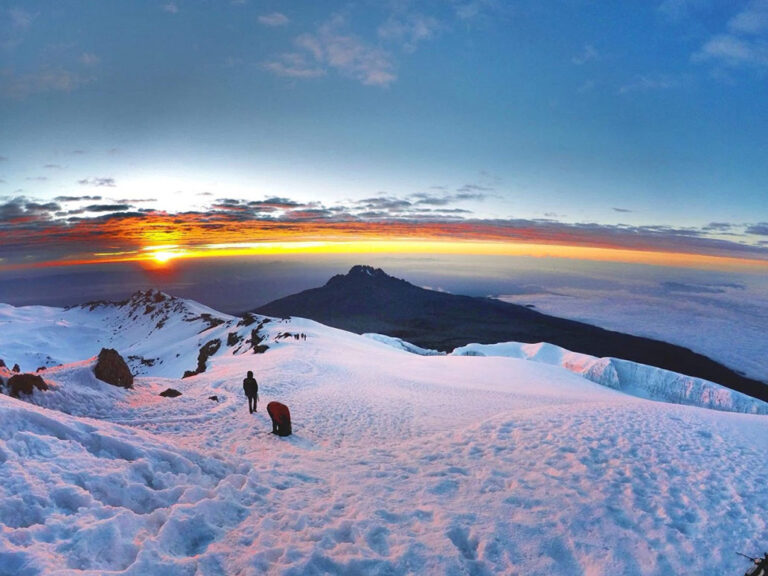
Kilimanjaro Climb With Materuni Recovery Day 2026-2027
Kilimanjaro Climb with Materuni Recovery Day is explained with current 2026-2027 planning, price, itinerary and booking information.
View package detailsKilimanjaro Climb & West Safari: The Ultimate Tanzania Adventure 2026-2027
Experience the pinnacle of Tanzania with a combined Kilimanjaro climb and West Kilimanjaro safari. This guide details itineraries, preparation, and what to expect for your 2026-2027...
View package details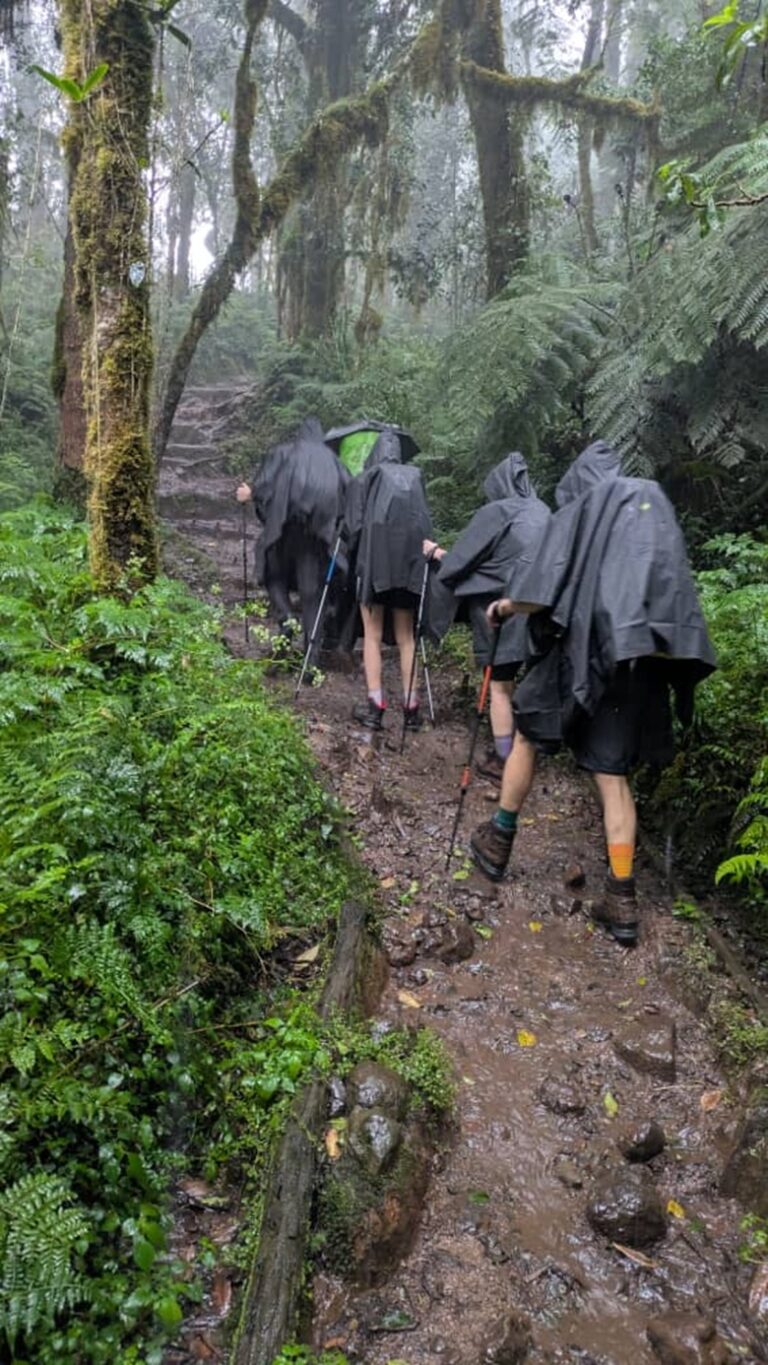
Kilimanjaro Climb With Mkomazi Rhino Safari 2026-2027
Kilimanjaro Climb with Mkomazi Rhino Safari is explained with current 2026-2027 planning, price, itinerary and booking information.
View package details
Kilimanjaro Climb With Amboseli Safari Extension: Your Ultimate Tanzania
Experience the pinnacle of African adventure by combining a challenging Kilimanjaro climb with a impressive safari in Amboseli National Park. This guide details itineraries, costs, best...
View package detailsNo related package matches those filters. Clear one or more filters to see the other topic-matched options.



