
A 3-day Machame Route trek from Arusha is not a standard or recommended itinerary for climbing Mount Kilimanjaro due to insufficient time for acclimatization, significantly increasing the risk of altitude sickness and summit failure. The Machame Route is best completed over a minimum of 6 days, and ideally 7 days, to allow for proper acclimatization, which is crucial for a safe and successful summit attempt. While a shorter trek is technically possible, it bypasses the critical acclimatization process that makes routes like Machame viable and enjoyable. For trekkers starting from Arusha in 2026 or 2027, focusing on a longer, proven Machame itinerary is essential for safety and success.
Understanding the Machame Route and the 3-Day Kilimanjaro Trek Myth
Mount Kilimanjaro, Africa’s highest peak, is a dream destination for trekkers worldwide. The Machame Route is consistently one of the most popular choices, renowned for its scenic beauty and relatively high success rates. However, the concept of a 3-day Machame Route trek from Arusha is a significant misconception that needs immediate clarification. Kilimanjaro’s altitude (5,895 meters or 19,341 feet) is a serious challenge, and the body requires time to adapt to the decreasing oxygen levels as one ascends. A trek of only three days simply does not provide this essential adaptation period.
The Machame Route is typically a 6-day or 7-day trek. These longer durations are not arbitrary; they are carefully designed to incorporate progressive ascent and descent, allowing your body to acclimatize gradually. This process is fundamental to preventing Acute Mountain Sickness (AMS), which can range from mild headaches and nausea to severe, life-threatening conditions. Therefore, any reputable tour operator, including Top Guide Adventures, will strongly advise against attempting Kilimanjaro on such a condensed schedule, especially on a route like Machame which is designed for a more measured approach.
When planning your Kilimanjaro adventure from Arusha for 2026 or 2027, understanding the route’s requirements is paramount. The Machame Route’s appeal lies in its varied landscapes, from rainforest to alpine desert and arctic summit zone, and its “climb high, sleep low” philosophy, which aids acclimatization. A 3-day attempt would negate all these benefits and introduce unacceptable risks.
Why a 3-Day Kilimanjaro Trek is Unrealistic and Unsafe
Let’s break down why a 3-day itinerary for any Kilimanjaro route, including Machame, is fundamentally flawed and dangerous:
- Altitude Acclimatization: This is the single most critical factor. The human body needs time to adjust to lower atmospheric pressure and oxygen levels. A 3-day trek means ascending too quickly, overwhelming the body’s ability to adapt. Symptoms of AMS can appear rapidly, forcing a descent.
- Summit Success Rates: Shorter treks drastically reduce the likelihood of reaching Uhuru Peak. The standard 6-day Machame Route has success rates often in the 70-85% range (depending on operator, fitness, and weather), while a 3-day attempt would see success rates plummet to near zero for most individuals.
- Physical Strain: Kilimanjaro is a strenuous trek even over multiple days. Compressing the climb into three days would mean extremely long, grueling hiking days with minimal rest, leading to exhaustion and increasing the risk of injury or AMS.
- Route Experience: The Machame Route is celebrated for its diverse scenery and the gradual progression through different ecological zones. A 3-day trek would rush through these areas, preventing trekkers from truly appreciating the mountain’s beauty and the unique environment.
- Ethical and Responsible Tourism: Reputable operators prioritize client safety and well-being. Offering or promoting a 3-day trek would be irresponsible and go against best practices in mountain guiding.
For anyone considering a Kilimanjaro climb from Arusha in the 2026-2027 seasons, the focus must be on choosing an itinerary that allows for adequate acclimatization and a safe, enjoyable experience. The Machame Route, with its minimum 6-day duration, is designed precisely for this purpose.
The Standard and Recommended Machame Route Itinerary (6-7 Days)
To properly address the search for a “3 Day Machame Route Trek From Arusha, Best Kilimanjaro Itinerary,” it’s essential to present what a genuinely effective and safe itinerary looks like. The Machame Route, often called the “Whiskey Route” due to its more challenging, yet rewarding, profile, is typically offered in 6 or 7-day versions. Both are excellent choices, with the 7-day option offering an extra day for acclimatization, further enhancing success rates.
The 6-Day Machame Route Itinerary: A Balanced Approach
This is a popular choice offering a good balance between acclimatization and duration. It’s a challenging but achievable itinerary for fit individuals.
Day 1: Machame Gate (1,800m/5,905ft) to Machame Camp (3,050m/10,007ft)
Distance: 11 km / 7 miles
Trekking Time: 5-7 hours
Habitat: Rainforest
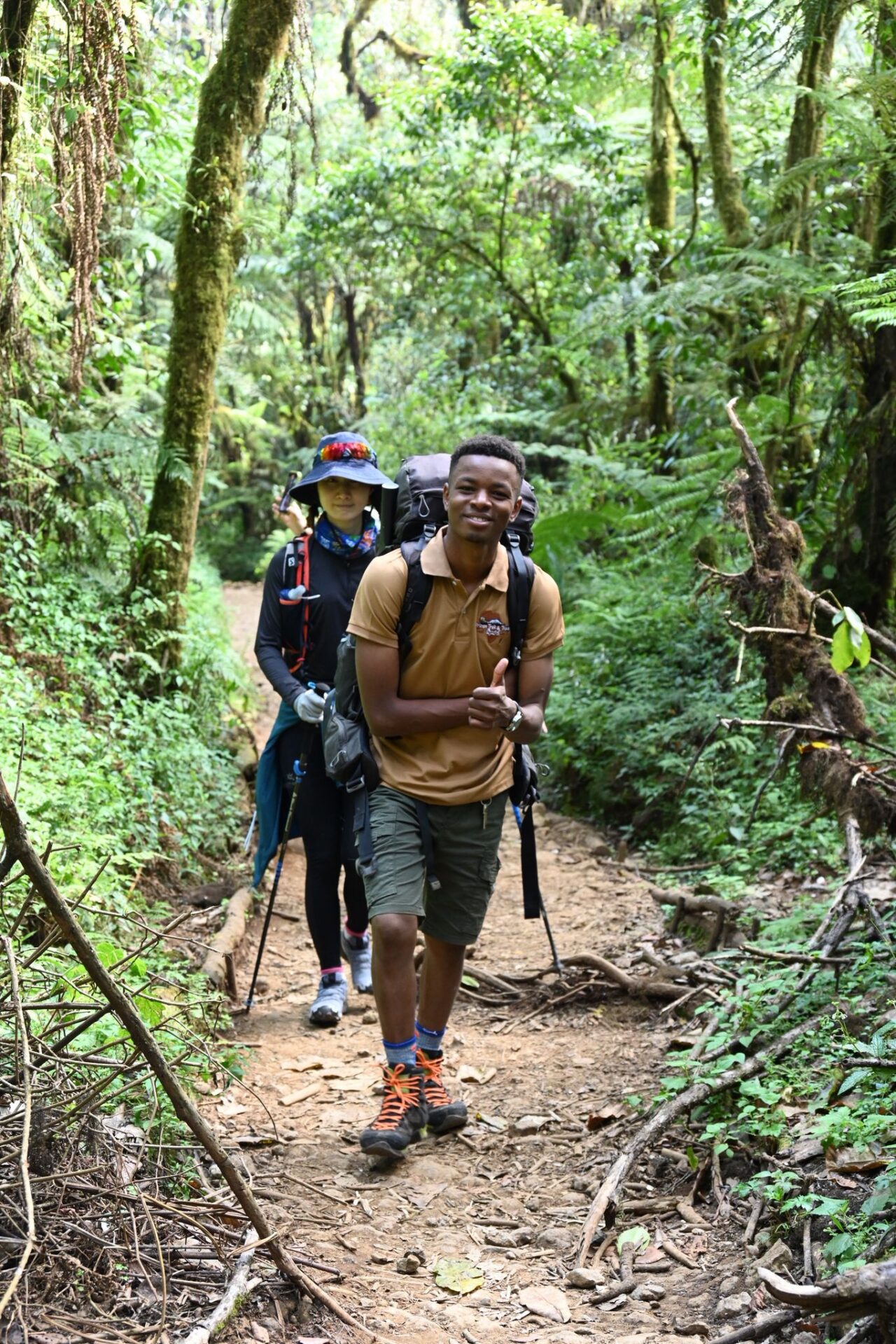
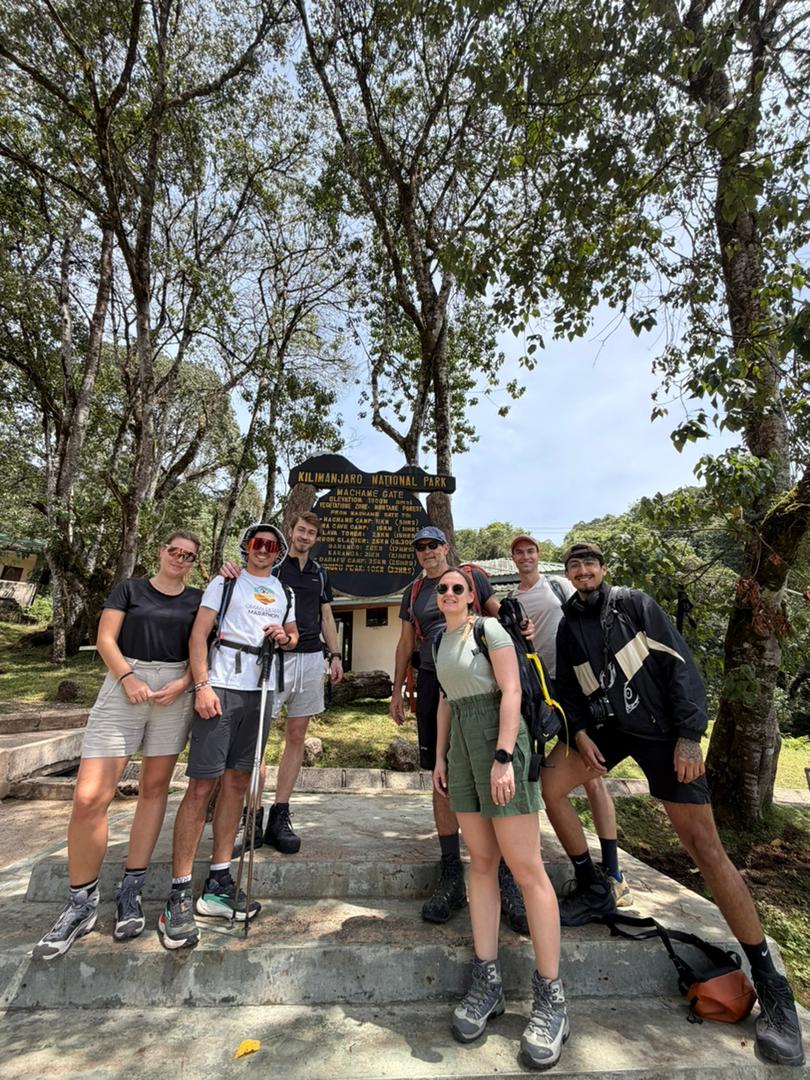
The trek begins after a scenic drive from Arusha to the Machame Gate. After completing park formalities, you’ll start your ascent through the dense rainforest. The trail is often muddy and can be steep in places. You’ll be accompanied by your guide and porters, who carry the bulk of your gear. The goal is to reach Machame Camp, situated at a significant elevation gain, by late afternoon.
Day 2: Machame Camp (3,050m/10,007ft) to Shira Camp (3,850m/12,631ft)
Distance: 5 km / 3 miles
Trekking Time: 4-6 hours
Habitat: Moorland
Today’s trek involves a shorter distance but a significant gain in altitude. You’ll leave the rainforest behind and enter the moorland zone, characterized by heather, giant groundsels, and lobelias. The trail can be steep and rocky. Reaching Shira Camp, located on a high-altitude plateau, offers spectacular views of the Kibo massif. This day’s ascent is crucial for acclimatization.
Day 3: Shira Camp (3,850m/12,631ft) to Barranco Camp (3,950m/12,959ft)
Distance: 10 km / 6 miles
Trekking Time: 6-8 hours
Habitat: Alpine Desert
This is a day of dramatic scenery and acclimatization. You’ll traverse the alpine desert, with the landscape becoming increasingly barren. The highlight is crossing the Lava Tower (4,630m/15,190ft), a significant acclimatization point. After descending to Barranco Camp, you’ll find yourself in a stunning natural amphitheater, surrounded by giant senecios and lobelias. The “climb high, sleep low” principle is well-illustrated here, as you ascend to Lava Tower and then descend to sleep at a slightly lower altitude than your peak for the day.
Day 4: Barranco Camp (3,950m/12,959ft) to Karanga Camp (3,930m/12,894ft)
Distance: 5 km / 3 miles
Trekking Time: 3-5 hours
Habitat: Alpine Desert
Today’s trek is relatively short and involves navigating the famous Barranco Wall. This is a challenging scramble, but it’s well-supported by guides and offers incredible views. After conquering the wall, the trail continues through rolling hills to Karanga Camp, situated in a valley. This day is about maintaining acclimatization and conserving energy for the days ahead.
Day 5: Karanga Camp (3,930m/12,894ft) to Barafu Camp (4,640m/15,223ft)
Distance: 4 km / 2.5 miles
Trekking Time: 3-5 hours
Habitat: Arctic Zone
This is a crucial day as you ascend into the arctic zone. The landscape becomes stark and rocky. You’ll hike up to Barafu Camp, a desolate campsite situated on a rocky ridge. After reaching Barafu Camp, you’ll have an early dinner and try to rest before the summit attempt. Your guides will brief you on the summit push strategy. It’s vital to stay hydrated and conserve energy.
Day 6: Barafu Camp (4,640m/15,223ft) to Uhuru Peak (5,895m/19,341ft) and down to Mweka Camp (3,100m/10,170ft)
Distance: 5 km / 3 miles (ascent) + 12 km / 7.5 miles (descent)
Trekking Time: 5-7 hours (ascent) + 4-6 hours (descent)
The summit night begins around midnight. You’ll start hiking up steep scree slopes in the dark, aiming to reach Stella Point (5,756m/18,885ft) by sunrise. From Stella Point, it’s a further hour’s walk along the crater rim to Uhuru Peak, the highest point in Africa. After celebrating your achievement and taking photos, you’ll begin the long descent back to Barafu Camp for a short rest before continuing down to Mweka Camp. This is a very long and demanding day.
Day 7: Mweka Camp (3,100m/10,170ft) to Mweka Gate (1,500m/4,921ft) and back to Arusha
Distance: 10 km / 6 miles
Trekking Time: 3-5 hours
After breakfast, you’ll descend through the remaining rainforest to Mweka Gate. You’ll be greeted by your drivers and transferred back to Arusha, where you can rest and celebrate your incredible achievement. This marks the end of your Machame Route trek.
The 7-Day Machame Route Itinerary: Enhanced Acclimatization
Adding an extra day significantly improves acclimatization and, consequently, success rates. The most common addition is an extra day at Karanga Camp or an intermediate camp between Karanga and Barafu, allowing for a slower pace and better adaptation.
Day 1: Machame Gate to Machame Camp
Identical to the 6-day itinerary.
Day 2: Machame Camp to Shira Camp
Identical to the 6-day itinerary.
Day 3: Shira Camp to Barranco Camp
Identical to the 6-day itinerary.
Day 4: Barranco Camp to Karanga Camp
Identical to the 6-day itinerary.
Day 5: Karanga Camp to Barafu Camp (with an extra day for acclimatization)
Instead of proceeding directly to Barafu Camp, the 7-day itinerary often includes an extra acclimatization day. This might involve a shorter hike to a higher point and returning to Karanga Camp, or a dedicated rest day at Karanga. Alternatively, some 7-day itineraries might include an intermediate camp like Kosovo Camp (4,900m/16,076ft) before Barafu Camp, breaking up the ascent to Barafu.
A common 7-day structure might look like this:
- Day 5 (7-Day Itinerary): Karanga Camp to Kosovo Camp (4,900m/16,076ft). This is a shorter day, allowing more time to rest and acclimatize at a higher altitude before the final push.
- Day 6 (7-Day Itinerary): Kosovo Camp to Uhuru Peak and down to Mweka Camp. This allows for a more relaxed summit attempt, starting from a higher base camp.
If the 7-day itinerary focuses on an extra day at Karanga, it would look like:
- Day 5 (7-Day Itinerary): Rest day or short acclimatization hike from Karanga Camp.
- Day 6 (7-Day Itinerary): Karanga Camp to Barafu Camp.
- Day 7 (7-Day Itinerary): Barafu Camp to Uhuru Peak and descent to Mweka Camp.
The key is adding a day that allows the body to better adjust to the extreme altitude before the demanding summit night.
Day 6/7: Summit Night and Descent to Mweka Camp
Depending on the exact 7-day structure, the summit push from Barafu Camp or Kosovo Camp and the subsequent descent to Mweka Camp will occur on Day 6 or Day 7.
Day 7/8: Mweka Camp to Mweka Gate and back to Arusha
The final descent to Mweka Gate and transfer back to Arusha concludes the trek.
Starting Your Kilimanjaro Journey from Arusha
Arusha is the gateway city for most Kilimanjaro treks. It’s a bustling town where you’ll typically spend your pre-climb briefing night and your post-climb celebration. Top Guide Adventures, based in Tanzania, ensures all logistics are handled smoothly from Arusha.
Key logistical points when starting from Arusha:
- Pre-Climb Briefing: A day or two before your trek, you’ll meet your lead guide in Arusha for a comprehensive briefing. This is where you’ll get detailed information about the route, gear checks, safety procedures, and ask any last-minute questions.
- Gear Rental: If you need to rent any equipment, Arusha is the place to do it. Top Guide Adventures can arrange for high-quality gear rental, ensuring you have everything you need.
- Accommodation: We can arrange comfortable hotel stays in Arusha for your nights before and after the climb.
- Transportation: Your trek package will include transportation from your Arusha hotel to the Machame Gate (or other relevant gate) and back from the Mweka Gate to your hotel. This is a significant drive, often 2-3 hours each way, through scenic landscapes.
For trekkers planning for 2026-2027, booking your Kilimanjaro adventure with a reputable operator like Top Guide Adventures ensures these logistical details are managed professionally, allowing you to focus on your trek.
Factors Influencing Your Machame Route Itinerary Choice
When deciding between a 6-day or 7-day Machame Route itinerary, consider these crucial factors:
Fitness and Experience
While Kilimanjaro is not technically difficult, it is a strenuous endurance challenge. If you are new to high-altitude trekking or have concerns about your fitness, the 7-day itinerary is highly recommended. It provides an extra day for your body to adapt, reducing fatigue and increasing comfort.
Acclimatization Strategy
The Machame Route naturally incorporates good acclimatization. However, the 7-day version further enhances this by slowing the pace and allowing more time at higher altitudes. This significantly improves your chances of reaching the summit and reduces the risk of AMS.
Budget Considerations
While the Machame Route is one of the more affordable routes due to its popularity and shorter descent, a 7-day trek will naturally be slightly more expensive than a 6-day trek. This is due to an additional day of park fees, guide and porter salaries, and food. However, the increased chance of success and a more comfortable experience often justify the small additional cost for the 7-day option.
Time Availability
If you have exactly 6 days available for the trek itself (plus travel days to and from Tanzania), the 6-day itinerary is your choice. However, if you can spare an extra day, the 7-day itinerary is a superior option for acclimatization and overall experience.
Preparing for Your Machame Route Trek in 2026-2027
Successful Kilimanjaro climbs are not just about the trek itself; they are also about thorough preparation. Top Guide Adventures emphasizes comprehensive pre-trek planning for all our clients heading to Kilimanjaro.
Physical Training
The best preparation for Kilimanjaro is hiking. Aim for:
- Cardiovascular Fitness: Engage in regular aerobic activities like running, cycling, or swimming for at least 3-4 times a week.
- Strength Training: Focus on leg strength (squats, lunges) and core strength.
- Hiking Practice: Undertake long hikes (4-8 hours) with a weighted backpack, ideally on hilly terrain, in the months leading up to your climb. This simulates the actual trekking experience.
Gear and Equipment
Proper gear is essential for comfort and safety. Key items include:
- Layering System: Base layers (merino wool or synthetic), mid-layers (fleece), and an outer shell (waterproof and windproof jacket and trousers).
- Footwear: Broken-in, waterproof hiking boots with good ankle support.
- Sleeping Bag: A warm, four-season sleeping bag (-15°C to -20°C comfort rating).
- Headlamp: With extra batteries.
- Sun Protection: High SPF sunscreen, sunglasses, and a wide-brimmed hat.
- Hydration: Water bottles or a hydration reservoir (at least 3 liters capacity).
Top Guide Adventures provides a detailed packing list to all clients. We also offer high-quality gear rental options in Arusha.
Health and Vaccinations
Consult your doctor or a travel clinic well in advance of your trip. Recommended vaccinations often include Hepatitis A, Typhoid, and Tetanus. Discuss malaria prophylaxis, although the risk is lower at higher altitudes, it’s present in Arusha and lower elevations. Your doctor can provide the most up-to-date advice for travel to Tanzania in 2026-2027.
Mental Preparation
Kilimanjaro is as much a mental challenge as a physical one. Understand the risks of altitude sickness, be prepared for challenging conditions (cold, wind, darkness), and maintain a positive attitude. Trust your guides; they are experienced professionals trained to make critical decisions for your safety.
Why Choose Top Guide Adventures for Your Kilimanjaro Trek?
When planning your Kilimanjaro adventure for 2026 or 2027, choosing the right tour operator is critical. Top Guide Adventures is a local Tanzanian company with a deep understanding of Kilimanjaro and a commitment to safety, sustainability, and client satisfaction.
Our Commitment to Your Climb:
- Experienced Local Guides: Our guides are certified, highly experienced, and trained in wilderness first aid and altitude management. They are passionate about sharing their knowledge of the mountain and its environment.
- Safety First: We carry supplementary oxygen and pulse oximeters on all our climbs, and our guides are trained to recognize and manage altitude sickness effectively. We never compromise on safety.
- Quality Equipment: We use high-quality tents, sleeping mats, and cooking equipment to ensure your comfort on the mountain. We also offer reliable gear rental.
- Fair Porter Treatment: We are committed to the fair treatment and ethical handling of our porters, ensuring they are well-equipped, fed, and paid appropriately.
- All-Inclusive Packages: Our Kilimanjaro packages typically include park fees, accommodation in Arusha, all meals on the mountain, guide and porter salaries, rescue fees, and transportation. This provides transparency and avoids hidden costs.
- Personalized Service: We offer flexible itinerary options and are happy to customize your climb to meet your specific needs and preferences.
For inquiries or to start planning your unforgettable Kilimanjaro trek, contact us:
WhatsApp: +255616946642
Email: topguideadventures@gmail.com
Backup Email: info@topguideadventures.com
You can also explore our offerings and read client testimonials on our website: Top Guide Adventures and follow us on Instagram @top_guide_adventures.
Machame Route vs. Other Kilimanjaro Routes: A Brief Comparison
While the focus is on the Machame Route, understanding its context relative to other popular Kilimanjaro routes can be helpful for trekkers planning their 2026-2027 adventure.
- Marangu Route: Often called the “Coca-Cola” route, it’s the oldest and most established. It’s the only route with dormitory-style accommodation (huts) and the shortest ascent profile (5 days), making it the least recommended for acclimatization and success.
- Machame Route: As discussed, it’s scenic, popular, and offers good acclimatization, especially on 6-7 day itineraries. It’s considered moderate to difficult in terms of scenery and terrain.
- Lemosho Route: Very scenic, longer (7-8 days), and generally considered to have excellent acclimatization and high success rates. It’s often seen as a slightly more premium option than Machame.
- Shira Route: Similar to Lemosho but starts at a higher altitude, meaning the first day is a significant ascent.
- Rongai Route: The only route that approaches from the north. It’s drier and less scenic than Machame or Lemosho, making it a good option during the rainy season. Typically 6-7 days.
- Northern Circuit: The longest route (9-10 days), offering the best acclimatization and highest success rates. It circles the mountain, providing diverse views.
- Umbwe Route: The shortest, steepest, and most challenging route. It has a very rapid ascent and poor acclimatization, making it suitable only for experienced mountaineers with excellent fitness and prior high-altitude experience.
For a balance of scenery, acclimatization, and success rates, the Machame Route (6 or 7 days) and the Lemosho Route (7 or 8 days) are generally considered the best choices for most trekkers. The 3-day myth is entirely incompatible with any of these routes.
The Future of Kilimanjaro Trekking: 2026-2027 Season Insights
As we look towards the 2026-2027 Kilimanjaro trekking seasons, several trends and considerations are important for prospective climbers:
- Peak Seasons: The busiest and generally best weather months are January-March and June-October. These periods often see higher demand, so booking well in advance is recommended, especially for private group departures.
- Shoulder Seasons: April, May, and November can be wetter but offer fewer crowds and potentially lower prices. March can be a transition month with variable weather.
- Sustainability: There is an increasing focus on sustainable trekking practices. Reputable operators like Top Guide Adventures are committed to minimizing environmental impact and supporting local communities.
- Safety Standards: Expect continued emphasis on safety protocols, including the use of oxygen, pulse oximeters, and well-trained guides.
- Technological Integration: While the mountain experience remains fundamentally wild, expect advancements in communication and tracking for safety purposes.
For those planning their 3 Day Machame Route Trek From Arusha, Best Kilimanjaro Itinerary for 2026-2027, remember that safety and acclimatization are paramount. A longer, well-planned trek is the only responsible approach.
Frequently Asked Questions about Machame Route Treks
Here are some common questions that arise when planning a Kilimanjaro climb:
Is the Machame Route suitable for first-time trekkers?
Yes, the Machame Route is suitable for first-time trekkers, provided they are in good physical condition and choose a 6 or 7-day itinerary. It’s considered more scenic and has better acclimatization profiles than the Marangu route.
What is the average success rate for the Machame Route?
Success rates for the Machame Route, when trekked over 6 or 7 days with a reputable operator, typically range from 70% to 85%. This can vary based on individual fitness, acclimatization, weather, and operator quality. A 3-day attempt would have a success rate close to zero.
How cold does it get on Kilimanjaro?
Temperatures can drop significantly, especially at night and on summit day. Expect temperatures to range from around 10°C (50°F) in the rainforest to -15°C (5°F) or colder at the summit, with wind chill factor.
What is the best time of year to climb Kilimanjaro?
The best times are the dry seasons: January to March and June to October. These months offer the clearest skies and least rainfall.
Do I need travel insurance for Kilimanjaro?
Yes, comprehensive travel insurance that covers high-altitude trekking and emergency medical evacuation is essential. Many operators, including Top Guide Adventures, require proof of this insurance.
Final Thoughts on Planning Your Kilimanjaro Expedition
The allure of reaching Uhuru Peak is powerful, and with careful planning, it’s an achievable goal. The Machame Route offers an incredible journey through diverse ecosystems, culminating in a summit experience that is truly unforgettable. While the idea of a “3 Day Machame Route Trek From Arusha” might surface, it’s crucial to understand that this is not a viable or safe option for climbing Kilimanjaro.
For the best possible experience and highest chance of success on your Kilimanjaro adventure in 2026-2027, prioritize acclimatization. Opt for a 6-day or, ideally, a 7-day Machame Route itinerary. This will allow your body the time it needs to adapt to the altitude, ensuring a safer, more enjoyable, and ultimately more rewarding climb.
Top Guide Adventures is dedicated to helping you achieve your Kilimanjaro dream. We offer expertly guided treks with a focus on safety, comfort, and responsible tourism. Whether you’re looking for a private climb or joining a group departure, we have options to suit your needs. Contact us today to start planning your ultimate Kilimanjaro itinerary. Let us help you craft a journey that respects the mountain and ensures your safety and success.
WhatsApp: +255616946642
Email: topguideadventures@gmail.com
Backup Email: info@topguideadventures.com
Check Availability for 3 Day Machame Route Trek From Arusha: Best Kilimanjaro Itinerary 2026-2027
Ready to compare dates, prices, and the best option for your group? Send the package name and travel month so the team can reply with a clear quote, availability, and what is included.
Kilimanjaro Extended-Itinerary Summit Trek: Your Ultimate Guide For 2026-2027
Choosing an extended itinerary for your Kilimanjaro summit trek offers superior acclimatization and a more rewarding experience. This guide details the benefits, best routes, and essential...
View package details
Kilimanjaro Hotel Late Check-Out After The Climb: Options And Tips 2026-2027
Planning your Kilimanjaro climb involves more than just the ascent. Understanding your post-climb needs, like a late hotel check-out in Moshi or Arusha, is crucial for a comfortable...
View package details
How Many Nights Should You Stay Before Kilimanjaro Climb? 2026-2027
The crucial question of how many nights to stay before climbing Kilimanjaro directly impacts your acclimatization and overall success. Experts recommend a minimum of 2-3 nights in Moshi or...
View package details
Best Arrival Schedule For A Kilimanjaro Climb In 2026-2027
Planning your Kilimanjaro climb involves many details, and the arrival schedule is crucial for success. Arriving 2-3 days before your trek begins allows for essential acclimatization, gear...
View package details
How To Stay Clean During A Seven-Day Kilimanjaro Trek | Top Guide Adventures
Maintaining hygiene on Mount Kilimanjaro for seven days is achievable with the right preparation and practices. This guide details essential strategies for staying clean, from managing...
View package details
How To Brush Your Teeth On Kilimanjaro: Essential Hygiene Tips For Trekkers
Maintaining oral hygiene on Mount Kilimanjaro is crucial for comfort and health. Learn the best practices for brushing your teeth at altitude, from water conservation to gear selection...
View package details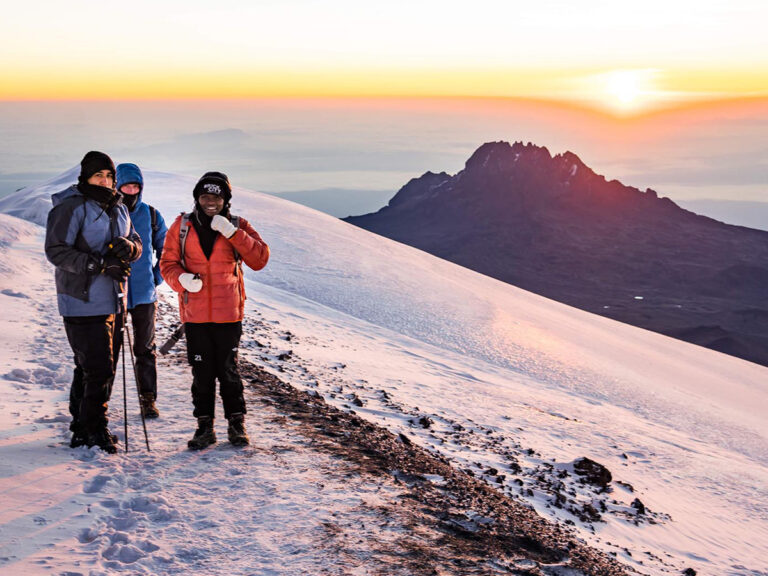
Foods To Avoid Before A Kilimanjaro Climb: Expert Guide For Trekkers 2026-2027
Planning your Kilimanjaro climb for 2026 or 2027? Proper nutrition is key. This guide details essential foods and drinks to avoid before and during your trek to prevent digestive issues and...
View package details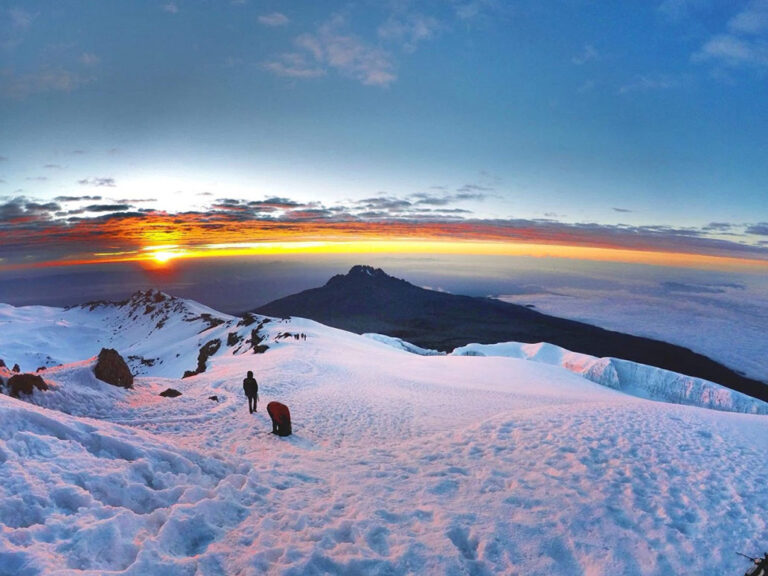
Kilimanjaro Hydration Salts And Electrolyte Guide For Trekkers 2026-2027
Proper hydration is critical for a successful Kilimanjaro climb. This comprehensive guide focuses on the vital role of hydration salts and electrolytes, explaining how they aid...
View package details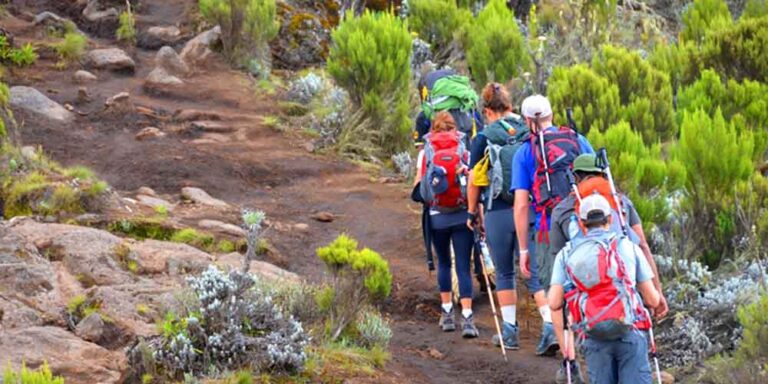
How To Prevent Wet Boots On Kilimanjaro: A Comprehensive Guide For Trekkers
Wet boots on Kilimanjaro can ruin your trek. This guide covers everything from choosing waterproof footwear to managing moisture during your climb, ensuring comfort and safety.
View package detailsKilimanjaro Route With The Gentlest Altitude Profile For Climbs 2026-2027
Choosing the right Kilimanjaro route is crucial for a successful and enjoyable climb, especially if you're concerned about altitude. The Marangu and Lemosho routes are often cited for their...
View package detailsKilimanjaro Bachelorette Adventure Trek: Your Ultimate Guide For 2026-2027
Elevate your bachelorette party with an unforgettable Kilimanjaro adventure trek. This guide covers everything from choosing the right route to essential preparation for your 2026-2027...
View package details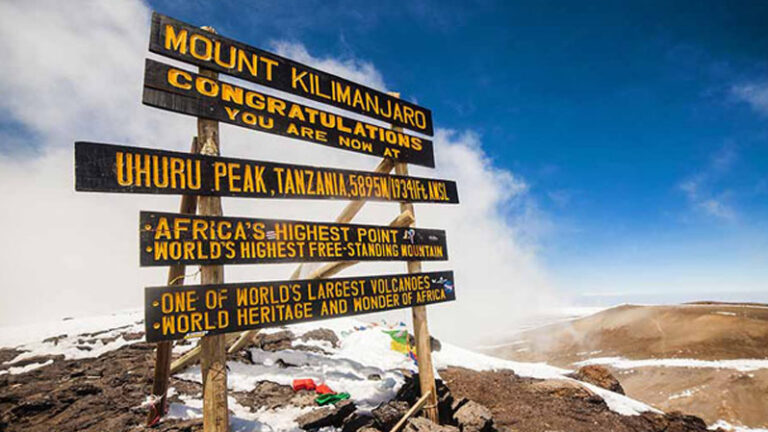
Kilimanjaro Climb With A Korean-Speaking Guide 2026-2027
Kilimanjaro Climb with a Korean-Speaking Guide is explained with current 2026-2027 planning, price, itinerary and booking information.
View package detailsNo related package matches those filters. Clear one or more filters to see the other topic-matched options.



