
A Mount Kilimanjaro photo trip from Arusha without trekking focuses on accessing prime viewpoints accessible by vehicle or short walks, allowing you to capture the mountain’s grandeur without the physical demands of a summit climb. This approach prioritizes iconic photographic opportunities of Kilimanjaro’s snow-capped peaks and surrounding landscapes, ideal for visitors seeking stunning visuals from comfortable vantage points, especially for planning in 2026-2027.

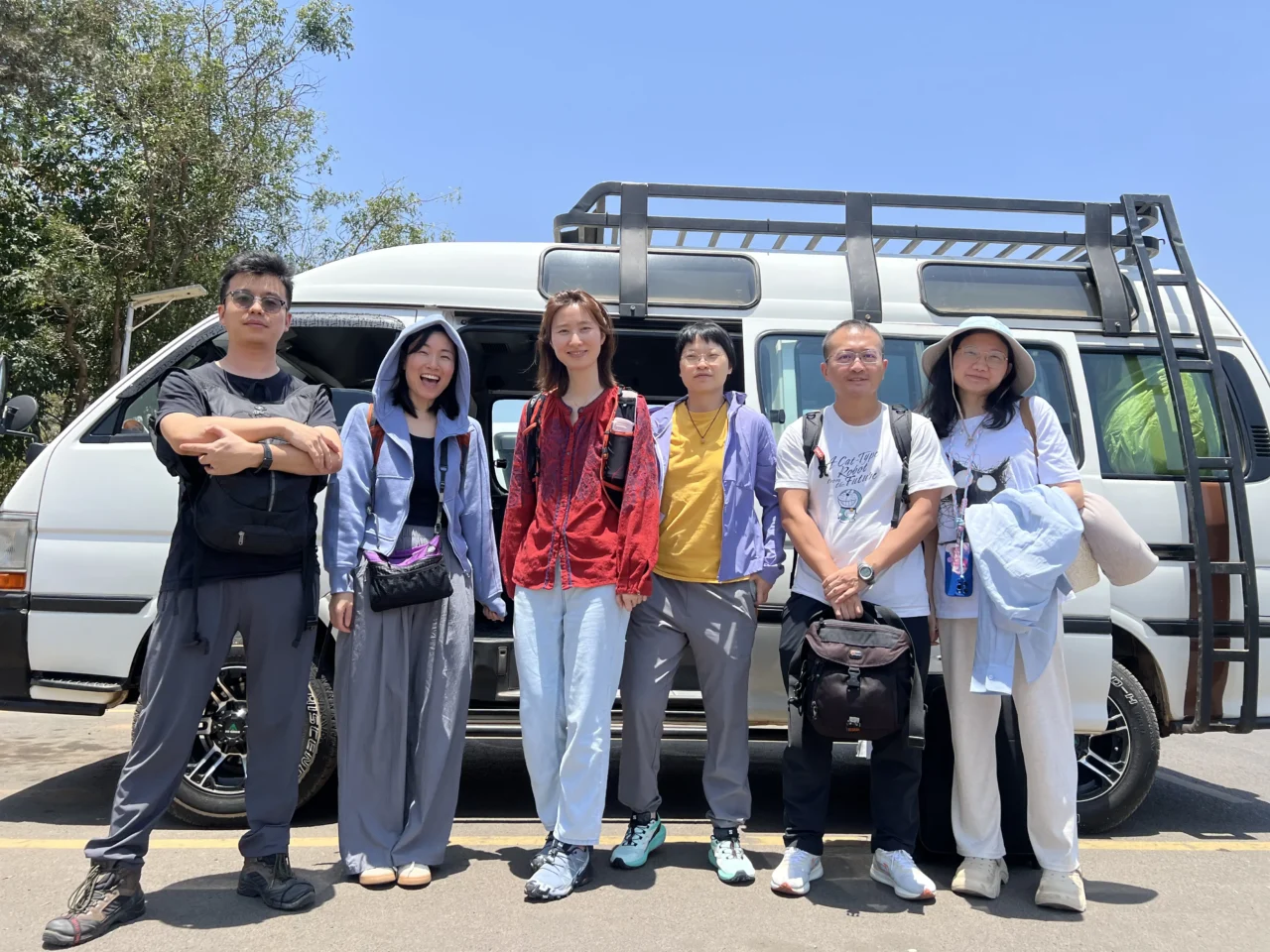
Capturing Kilimanjaro’s Majesty: A Non-Trekking Photography Expedition from Arusha
Mount Kilimanjaro, Africa’s highest peak, is a bucket-list destination for travelers worldwide. While many associate it with challenging multi-day treks to its summit, there’s a growing interest in experiencing its magnificence through photography, without the need for strenuous climbing. A Mount Kilimanjaro photo trip from Arusha offers precisely this: a chance to capture the iconic silhouette and impressive scenery from accessible locations, making the mountain’s beauty available to a wider audience. This guide is designed for photographers, hobbyists, and anyone who wishes to witness and document Kilimanjaro’s splendor from strategic points around its base and foothills, focusing on the logistical and visual aspects of such a trip for 2026-2027.
Arusha, often called the ‘Gateway to Northern Tanzania’s Safari Circuit,’ is the perfect starting point for this photographic journey. Its proximity to Kilimanjaro National Park and its well-developed infrastructure make it an ideal hub for organizing such an excursion. Unlike a traditional climbing tour, a photo trip prioritizes comfort, accessibility, and maximizing photographic potential. This means utilizing vehicles for transportation to scenic overlooks, arranging visits to villages with unique perspectives of the mountain, and understanding the best times of day and year for optimal lighting and clear views.
Why Choose a Non-Trekking Photo Trip to Kilimanjaro?
The decision to opt for a photography trip without trekking is driven by several factors, catering to a specific set of traveler needs and preferences:
- Accessibility: Not everyone is physically capable of undertaking a multi-day high-altitude trek. This option opens up Kilimanjaro’s photographic opportunities to individuals with varying fitness levels, families, and those with time constraints.
- Focus on Visuals: The primary goal is capturing stunning images. This means spending time at carefully selected locations known for their photographic appeal, rather than focusing on the physical progression of a climb.
- Comfort and Convenience: A non-trekking trip allows for a more relaxed experience. You can stay in comfortable lodges or camps, enjoy local cuisine, and avoid the rigors of high-altitude camping and challenging ascents.
- Time Efficiency: While a trek can take 5-9 days, a photo trip can be tailored to a shorter duration, perhaps 2-4 days, allowing you to combine it with other Tanzanian experiences like safaris or visits to local communities.
- Unique Perspectives: Photographers can explore viewpoints that might be overlooked on a standard trek, such as specific agricultural landscapes, cultural sites, or vantage points offering panoramic views of the mountain against the plains.
Strategic Viewpoints for Kilimanjaro Photography from Arusha
The key to a successful Mount Kilimanjaro photo trip from Arusha lies in identifying and reaching the best locations for capturing the mountain. These spots offer varied perspectives, from wide-angle vistas to intimate details of the landscape framing the peak.
1. The Road to Marangu & Marangu Village
The eastern side of Kilimanjaro, particularly the route towards Marangu, offers some of the most accessible and iconic views. As you drive from Arusha towards the Marangu Gate (the starting point for the Marangu route, though you won’t be trekking), the mountain reveals itself dramatically.
- Vantage Points: The main road itself provides numerous pull-off spots. Look for areas where the road curves, offering a clear line of sight. Local guides are invaluable here, knowing the best informal spots.
- Marangu Village: located on the lower slopes, Marangu offers a glimpse into Chagga culture and provides stunning foreground elements for your photos – coffee plantations, banana trees, and traditional homesteads against the backdrop of Kilimanjaro. The views here are often clearer in the morning.
- Kibo Hotel Area: The vicinity of the Kibo Hotel in Marangu is known for its gardens and clear views. It’s a comfortable spot to set up a tripod and wait for the golden hour light.
2. The Shira Plateau (via Rongai Route Access Points)
While reaching the Shira Plateau itself requires trekking, certain access points near the northern Rongai route offer elevated views without a full climb. This requires a 4×4 vehicle and a knowledgeable driver.
- Northern Slopes: Driving towards the general area of the Rongai route’s starting point (near the Kenyan border) can reveal different facets of Kilimanjaro, often with drier, more savanna-like foregrounds.
- Higher Ground: With a capable 4×4, it might be possible to reach certain elevated points on the northern side that offer expansive views. This is highly dependent on road conditions and guide expertise.
3. West Kilimanjaro Plains
The western and southwestern sides of Kilimanjaro, particularly the plains stretching towards Amboseli National Park in Kenya, offer impressive perspectives, especially during sunrise and sunset.
- Amboseli’s Influence: While primarily in Kenya, the views from the Tanzanian side looking west towards Kilimanjaro are spectacular. Areas near border towns or specific conservancies might offer access.
- Long-Distance Shots: These plains are ideal for capturing the full scale of Kilimanjaro, often with wildlife like elephants or giraffes in the foreground, creating iconic safari-photography scenes. This requires a dedicated drive, potentially a full day trip from Arusha.
4. Arusha National Park
While Arusha National Park is known for Mount Meru, it also provides excellent, albeit more distant, views of Kilimanj. The park offers varied terrain for photography.
- Momella Lakes: The alkaline Momella Lakes can offer stunning reflections of Kilimanjaro on calm mornings. The vibrant colours of the lakes combined with the mountain create unique photographic opportunities.
- Ngurdoto Crater: The rim of the Ngurdoto Crater offers panoramic views that can include Kilimanjaro in the distance, framed by the park’s lush vegetation and wildlife.
5. Local Villages and Cultural Tours
Engaging with local communities near Kilimanjaro offers a cultural dimension to your photography.
- Chagga Villages: Visiting Chagga villages on the slopes, especially around Marangu or Machame, allows for photos of daily life, traditional farming, and homes with Kilimanjaro as a constant, majestic backdrop.
- Community-Based Tourism Projects: Some projects offer guided walks through villages and farms, specifically designed to showcase local life and provide access to scenic spots.
Optimal Timing for Kilimanjaro Photography
The success of your Mount Kilimanjaro photo trip from Arusha hinges significantly on timing. Both the time of day and the time of year play crucial roles in capturing the best light and clearest skies.
Best Time of Day
- Sunrise: The ‘golden hour’ just after sunrise offers soft, warm light that beautifully illuminates the mountain. The air is often clearest in the morning, providing sharp, crisp views. This is particularly true for eastern-facing viewpoints.
- Sunset: Sunset provides another ‘golden hour’ with dramatic lighting. The western and southern slopes can be particularly striking as the sun dips below the horizon, casting long shadows and painting the sky with vibrant colors.
- Midday: While the sun is harsh at midday, it can be useful for capturing details or if you’re focusing on specific textures. However, for grand vistas, early morning and late afternoon are generally preferred. Clear skies are more common during the dry seasons.
Best Time of Year (2026-2027 Planning)
Kilimanjaro experiences distinct wet and dry seasons, significantly impacting visibility and photographic conditions.
- Dry Seasons (June to October & December to February): These are considered the best times for photography due to consistently clear skies and good visibility. The landscape is drier, offering different textures. June to October is generally cooler, while December to February is warmer. These periods are also peak tourist seasons, so expect more people at popular viewpoints. Planning for 2026-2027 should prioritize these months for the highest chance of clear mountain views.
- Wet Seasons (March to May & November): These months bring rain, often in the afternoons. While potentially challenging for photography, the rain can result in lush, green landscapes and dramatic cloud formations around the mountain. Early mornings might still offer clear views before the clouds roll in. November can be a transitional month, sometimes offering good conditions.
Key Consideration for 2026-2027: Bookings for peak dry seasons should be made well in advance, especially if you plan your Mount Kilimanjaro photo trip from Arusha during holidays or school breaks.
Essential Photography Gear and Tips for Kilimanjaro Views
To make the most of your photographic opportunities, having the right gear and employing smart shooting techniques is crucial.
Camera and Lenses
- Versatile Zoom Lens: A 24-70mm or 24-105mm lens is excellent for capturing both wide landscapes and more detailed shots of the mountain’s features.
- Wide-Angle Lens: For grand vistas and dramatic foregrounds, a 16-35mm lens is ideal.
- Telephoto Lens (Optional): If you plan to photograph wildlife against Kilimanjaro’s backdrop, a 70-200mm or longer lens can be very useful.
- Tripod: Essential for low-light conditions (sunrise/sunset) and for ensuring sharp images, especially when using slower shutter speeds.
- Camera Body: A DSLR or mirrorless camera offering manual controls is recommended.
Accessories
- Extra Batteries: Cold temperatures can drain batteries faster.
- Memory Cards: Plenty of storage for high-resolution images.
- Lens Cleaning Kit: Dust and moisture can be issues.
- Circular Polarizer Filter: Reduces glare, enhances sky colors, and increases saturation.
- Neutral Density (ND) Filters: Useful for long exposures, e.g., smoothing water in foreground streams or capturing cloud movement.
- Rain Cover: For your camera and backpack.
- Power Bank: To charge devices on the go.
Photography Tips
- Shoot in RAW: Provides maximum flexibility for post-processing.
- Understand Light: Pay attention to the direction and quality of light. Use the golden hours effectively.
- Composition: Employ the rule of thirds, leading lines, and frame your shots using natural elements (trees, rocks, villages).
- Foreground Interest: Include elements in the foreground to add depth and context to your images of Kilimanjaro.
- Weather Awareness: Be prepared for rapidly changing weather. Clouds can add drama, but also obscure the mountain.
- Patience: Sometimes waiting for the clouds to clear or the light to change is necessary.
- Respect Local Culture: When photographing people or villages, always ask for permission first.
Pro Tip for Your Mount Kilimanjaro Photo Trip
When planning your Mount Kilimanjaro photo trip from Arusha, consider the specific needs of photography. This means requesting vehicles with good visibility, ensuring drivers are comfortable stopping at scenic spots, and communicating your desire for early morning or late afternoon departures to catch the best light. For 2026-2027 trips, discussing these preferences with your tour operator is key.
Logistics of a Non-Trekking Kilimanjaro Photo Trip from Arusha
Organizing a photography trip requires different logistical considerations than a standard trek. The focus shifts from climbing equipment and high-altitude acclimatization to comfortable transport, strategic stops, and accommodation that facilitates early morning or late evening shoots.
Transportation
- 4×4 Safari Vehicles: These are the standard and most suitable vehicles for accessing viewpoints. They offer good ground clearance, reliable performance on varied terrain, and comfortable seating with large windows for photography.
- Experienced Drivers: Your driver should be knowledgeable about the best locations, understand photographic needs (like stopping for light), and be familiar with the local roads and conditions.
- Flexibility: The itinerary should allow for spontaneous stops when a particularly compelling view or photographic opportunity arises.
Accommodation
- Lodges and Hotels: Staying in lodges or comfortable hotels near key viewpoints allows for easier access during optimal light conditions. For example, staying in Marangu or near West Kilimanjaro conservancies can be beneficial.
- Campsites (Optional): If you prefer a more in-depth experience closer to nature, well-equipped campsites can be arranged. However, for a non-trekking trip, the emphasis is usually on comfort.
Guides and Support
- Photography Guides: Consider hiring a local guide who is also a photographer or has extensive knowledge of the best photographic spots and times.
- Local Fixers: For accessing specific villages or less-known viewpoints, local fixers can be invaluable.
- Communication: Ensure you have reliable communication methods, especially if venturing to remote areas. Satellite phones might be necessary for areas with no mobile signal.
Itinerary Planning
A typical Mount Kilimanjaro photo trip from Arusha might look like this:
- Day 1: Arusha to Marangu. Drive from Arusha, stopping at scenic points along the way. Explore Marangu village, coffee plantations, and waterfalls with Kilimanjaro as the backdrop. Overnight in Marangu.
- Day 2: Marangu Exploration & Western Plains Drive. Morning photography session in Marangu. Drive towards the western side or northern plains, seeking different perspectives of the mountain. Overnight in a lodge or camp with western views.
- Day 3: Sunrise Shoot & Arusha. Early morning sunrise photography session. Drive back towards Arusha, with stops at any missed viewpoints or for wildlife photography if heading through areas like Arusha National Park.
This is a basic example; longer or more specialized trips can be arranged. For 2026-2027, tailor this to your specific photographic interests.
Cost Considerations for a Kilimanjaro Photo Trip
The cost of a Mount Kilimanjaro photo trip from Arusha will vary based on the duration, accommodation standards, transportation choices, and the level of guiding services required. Unlike trekking tours with fixed park fees and crew costs, photo trips are more customizable.
Estimated Cost Factors (2026-2027)
While exact quotes depend on customization, here are the typical components influencing price:
- Transportation: Daily rates for 4×4 vehicles with a driver/guide. This is a significant cost.
- Accommodation: Range from budget guesthouses to mid-range lodges and luxury accommodations.
- Guide Fees: Costs for local guides or specialized photography guides.
- Park Fees: If visiting national parks like Arusha National Park.
- Meals: Depending on accommodation and itinerary, meals might be included or an additional cost.
- Activities: Entrance fees for cultural sites, community visits, etc.
A 3-day, 2-night Mount Kilimanjaro photo trip from Arusha, focusing on comfortable mid-range accommodation and private 4×4 transport, could range from approximately $700 to $1500+ per person, depending heavily on group size and specific inclusions. Private tours for solo photographers or small groups will naturally have a higher per-person cost.
For a personalized quote for your 2026-2027 trip, contact Top Guide Adventures: WhatsApp +255616946642 or Email topguideadventures@gmail.com.
Combining Your Photo Trip with Other Tanzanian Experiences
A Mount Kilimanjaro photo trip from Arusha is an excellent addition to a broader Tanzanian adventure. Its relatively short duration allows for integration with other popular activities.
Tanzania Safari
Northern Tanzania is world-renowned for its safaris. Combining your photo trip with a safari to:
- Serengeti National Park: Famous for the Great Migration and vast plains teeming with wildlife.
- Ngorongoro Conservation Area: A unique caldera offering incredible wildlife density.
- Tarangire National Park: Known for its large elephant herds and baobab trees.
- Lake Manyara National Park: Home to tree-climbing lions and diverse birdlife.
A safari offers a different photographic perspective, focusing on wildlife and the savanna landscape, often with Kilimanjaro visible in the far distance on clear days.
Zanzibar Holidays
After the adventure of Kilimanjaro and safari, the tropical island of Zanzibar offers a perfect place to relax and unwind. Its white-sand beaches, turquoise waters, historic Stone Town, and spice tours provide ample opportunities for different kinds of photography.
Cultural Tourism
Tanzania is rich in cultural diversity. Beyond the immediate Chagga culture around Kilimanjaro, consider:
- Maasai Villages: Visiting a Maasai boma offers insights into their traditional way of life.
- Hadza Bushmen: Experiencing the hunter-gatherer lifestyle near Lake Eyasi (requires specific planning).
- Local Markets: Exploring vibrant local markets in Arusha or other towns provides excellent street photography opportunities.
Link Suggestion: Explore our Tanzania Safari Group Departures to see how you can combine your Kilimanjaro photo trip.
Preparing for Your 2026-2027 Kilimanjaro Photo Trip
Thorough preparation is key to a successful and enjoyable experience. Here’s what you need to consider for your Mount Kilimanjaro photo trip from Arusha in 2026-2027.
Visas and Vaccinations
- Visa: Check the latest visa requirements for Tanzania for your nationality. Many can obtain a visa on arrival or apply online in advance.
- Vaccinations: Consult your doctor or a travel clinic about recommended vaccinations, such as Yellow Fever (may be required depending on your travel route), Hepatitis A & B, Typhoid, and Tetanus. Malaria prophylaxis is also generally recommended for Tanzania.
Travel Insurance
Ensure you have comprehensive travel insurance that covers:
- Medical emergencies and evacuation.
- Trip cancellation or interruption.
- Loss or damage to photographic equipment.
Packing List (Photography Focus)
Beyond standard travel items, prioritize your photography gear:
- Clothing: Lightweight, breathable clothing for warm days, layers for cooler mornings/evenings, a waterproof jacket, and comfortable walking shoes (even for short walks).
- Sun Protection: Sunscreen, hat, sunglasses. The sun can be intense, even when the mountain is cool.
- Insect Repellent: Especially for lower altitudes and evenings.
- Personal Items: Medications, toiletries, power adapters.
- Documentation: Passport, visa, flight details, insurance information.
Booking Your Trip
When booking your Mount Kilimanjaro photo trip from Arusha for 2026-2027, work with a reputable tour operator like Top Guide Adventures. They can help tailor an itinerary that maximizes photographic opportunities while ensuring comfort and safety.
- Customization: Clearly communicate your photographic goals and any specific viewpoints or times of day you wish to focus on.
- Inclusions: Understand what is included (transport, accommodation, guide fees, meals, park fees) and what is not (flights, visas, tips, personal expenses).
- Advance Booking: For peak seasons in 2026-2027, booking at least 6-12 months in advance is advisable.
Why Top Guide Adventures is Your Ideal Partner for a Kilimanjaro Photo Trip
Choosing the right tour operator is crucial for a specialized trip like a Mount Kilimanjaro photo tour. Top Guide Adventures has extensive experience in organizing trips in Northern Tanzania, with a deep understanding of Kilimanjaro’s accessibility and photographic potential.
- Local Expertise: As a Tanzanian-based company, we possess intimate knowledge of the terrain, local communities, and the best times and places to capture stunning images of Kilimanjaro.
- Customized Itineraries: We specialize in creating bespoke itineraries. Whether you’re a solo photographer or part of a small group, we can design a trip that perfectly matches your photographic vision and comfort level, ensuring a memorable Mount Kilimanjaro photo trip from Arusha.
- Reliable Logistics: We manage all the details, from comfortable 4×4 transportation and experienced driver-guides to selecting accommodations that enhance your photographic experience.
- Safety and Support: Your safety and satisfaction are paramount. We provide dedicated support throughout your journey.
- Value for Money: We offer competitive pricing for high-quality, personalized travel experiences.
Let us help you capture the iconic beauty of Mount Kilimanjaro without the strenuous climb. Our team is ready to craft an unforgettable photographic adventure for you in 2026-2027.
Ready to plan your unique Mount Kilimanjaro photo trip from Arusha? Contact us today:
- WhatsApp: +255616946642
- Email: topguideadventures@gmail.com
- Backup Email: info@topguideadventures.com
We look forward to helping you create stunning images of Africa’s highest peak!
Check Availability for Mount Kilimanjaro Photo Trip From Arusha – No Trekking Tour 2026-2027
Ready to compare dates, prices, and the best option for your group? Send the package name and travel month so the team can reply with a clear quote, availability, and what is included.
Kilimanjaro Airport Vs Arusha For Climbers: The Definitive Guide 2026-2027
A comprehensive comparison of Kilimanjaro International Airport (JRO) and Arusha Airport (ARK) for trekkers planning a Mount Kilimanjaro climb, detailing pros, cons, and booking advice for...
View package details
Kilimanjaro Climb With Professional Photography Support In | Top Guide
Elevate your Kilimanjaro ascent by including professional photography services. Top Guide Adventures ensures your most challenging and rewarding moments on Africa's highest peak are...
View package details
Run The Kilimanjaro Marathon And Climb Mountain 2026-2027
Run the Kilimanjaro Marathon and Climb the Mountain is explained with current 2026-2027 planning, price, itinerary and booking information.
View package details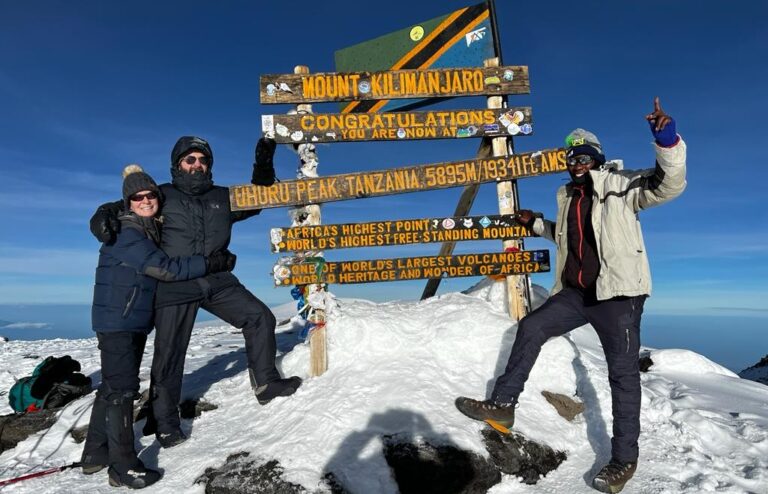
Kilimanjaro Climb With Mount Meru Pre-Acclimatization Guide
Combine a Mount Meru trek with a Kilimanjaro climb for superior acclimatization and a richer Tanzanian adventure. This guide details routes, benefits, planning tips for 2026-2027, and...
View package details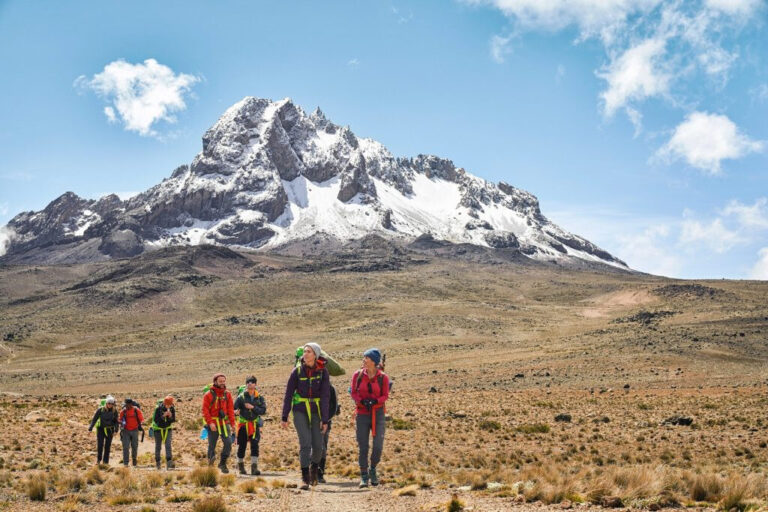
What A Kilimanjaro Mountain Crew Should Provide For Your Climb 2026-2027
Planning a Kilimanjaro climb? Understand precisely what your mountain crew needs to provide, from essential gear and experienced guides to food, safety, and logistical support. This...
View package details
Kilimanjaro Climb With A Personal Support Assistant: Your Ultimate Guide
Climbing Mount Kilimanjaro with a personal support assistant offers unparalleled safety, comfort, and focus on your summit goals. This guide details what a personal assistant entails, its...
View package details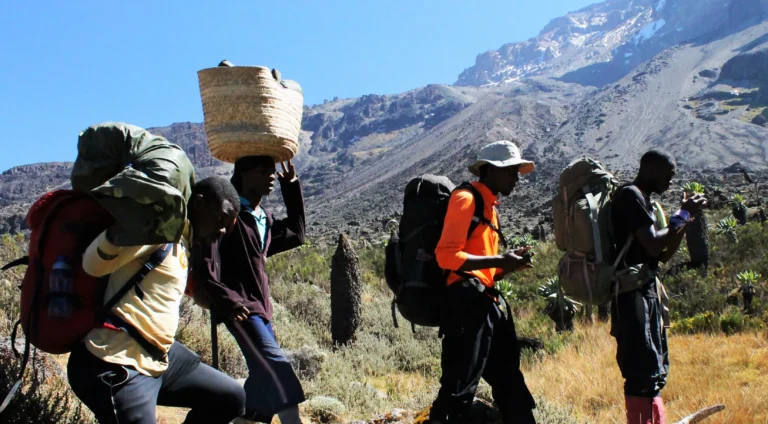
How To Know Whether You Are Ready For Kilimanjaro: A Comprehensive Guide
Climbing Mount Kilimanjaro is a significant undertaking. This guide helps you evaluate your physical, mental, and logistical readiness to ensure a safe and successful trek in 2026 or 2027...
View package details
Kilimanjaro Hydration Mistakes Climbers Make And How To Avoid Them 2026-2027
Proper hydration is critical for a successful Kilimanjaro climb. This guide details common hydration mistakes climbers make, from under-drinking to choosing the wrong fluids, and provides...
View package details
Kilimanjaro Summit-Night Mistakes To Avoid: Your Essential Guide For Climbs
Summit night on Kilimanjaro is the most challenging part of the climb. Avoiding common mistakes in acclimatization, gear, hydration, and pacing is crucial for success. This guide details...
View package details
Kilimanjaro Climb For Retired Couples: Planning Your Adventure 2026-2027
Planning a Kilimanjaro climb as a retired couple is an achievable and rewarding goal. This guide offers in-depth advice on route selection, physical preparation, essential gear, and the...
View package detailsCan A 16-Year-Old Climb Kilimanjaro? Your Essential Guide 2026-2027
Discover if a 16-year-old can summit Kilimanjaro. This comprehensive guide covers age requirements, health, fitness, essential gear, and planning for younger trekkers aiming for Africa's...
View package details
Content For Parents And Young Climbers: Conquering Kilimanjaro Safely
Planning a Kilimanjaro climb with children or as a young climber requires special attention. This guide provides comprehensive content for parents and young adventurers, covering...
View package detailsNo related package matches those filters. Clear one or more filters to see the other topic-matched options.



