
Combining a Mount Kilimanjaro climb with a Serengeti safari in March offers excellent weather for both activities, with generally clear skies for trekking and good wildlife viewing opportunities as the herds begin to gather before the Great Migration truly kicks into gear. This period provides a unique window for adventurers looking to experience Tanzania’s iconic landscapes and wildlife in a single, epic journey during the 2026-2027 travel season.
March Kilimanjaro and Serengeti Safari: A Perfect Pairing for 2026-2027
The allure of Tanzania is undeniable, drawing travelers from across the globe to witness its natural wonders. For many, the ultimate Tanzanian experience involves two iconic adventures: the challenging ascent of Mount Kilimanjaro, Africa’s highest peak, and an exhilarating safari through the legendary Serengeti National Park. March emerges as a prime month to combine these two bucket-list experiences, offering a sweet spot between the rainy seasons and peak tourist crowds. At Top Guide Adventures, we specialize in crafting smooth and unforgettable journeys that allow you to conquer Kilimanjaro and explore the vast plains of the Serengeti within a single, well-planned trip, especially as you look ahead to 2026 and 2027 travel plans.
This comprehensive guide is designed to help you understand why March is an excellent choice for your Kilimanjaro and Serengeti safari adventure, detailing what to expect on each leg of your journey, how to prepare, and what makes Top Guide Adventures your ideal partner for this ambitious undertaking. We will cover everything from weather patterns and wildlife spectacles to trekking routes, safari itineraries, and essential planning considerations for 2026-2027.
Why March is Ideal for Your Kilimanjaro and Serengeti Safari
Tanzania experiences distinct wet and dry seasons, and understanding these is crucial for planning any safari or trek. March falls at the tail end of the ‘long rains’ (typically November to April), but by March, the heaviest downpours usually begin to subside, transitioning into a period of shorter, less disruptive showers. This timing offers significant advantages:
- Kilimanjaro Conditions: While there’s still a chance of rain, especially on the lower slopes, March often brings clearer mornings and evenings. The trails are less crowded than during the peak dry seasons (January-February and June-October), allowing for a more serene climbing experience. The vegetation is lush and green from the recent rains, making the mountain visually stunning.
- Serengeti Wildlife Viewing: March is a fantastic time for Serengeti safaris. The short rains have replenished the landscape, and the grass is rich and green. This attracts herbivores, and importantly, the wildebeest calving season typically occurs from late January through March. This means you can witness thousands of newborn wildebeest, a dramatic and vital part of the Great Migration’s cycle, with predators often in close proximity, drawn by the abundance of prey. While the main migration herds might still be in the southern Serengeti or moving north, the concentration of newborns and resident wildlife provides incredible viewing opportunities.
- Fewer Crowds: As it’s not the absolute peak dry season, you’ll generally encounter fewer tourists on both Kilimanjaro and in the Serengeti, leading to a more authentic and personal experience. This can also translate into slightly more competitive pricing for some travel components, though quality should always be the priority for such significant adventures.
- Photography Opportunities: The post-rain landscape is often dramatic, with vibrant colors and potential for stunning sunrise and sunset shots. The clearer skies, interspersed with occasional dramatic cloud formations, can provide beautiful lighting for both mountain vistas and wildlife photography.
For travelers planning their trips for 2026 and 2027, March presents a compelling option for those seeking a balance of good weather, abundant wildlife, and a less congested experience.
Mount Kilimanjaro in March: The Climb
Climbing Kilimanjaro is a significant undertaking that requires careful planning and preparation. In March, climbers can expect:
Kilimanjaro Weather in March
March marks the transition from the long rainy season to drier conditions. Expect:
- Temperatures: Vary significantly with altitude, from warm and humid on the lower slopes (around 20-27°C or 68-81°F) to freezing at the summit (below 0°C or 32°F, often feeling much colder with wind chill).
- Rainfall: While the heavy rains of February typically ease, you should still be prepared for occasional showers, especially on the lower to middle sections of the mountain. These are often brief.
- Visibility: Mornings and evenings tend to be clearer, offering potential for stunning views. However, cloud cover can still form, particularly in the afternoons.
- Snow: The summit glaciers and snowfields are present year-round, though their extent can vary.
Choosing Your Kilimanjaro Route for a March Climb
Several routes ascend Kilimanjaro, each offering a different experience and success rate. For a March climb, routes with higher success rates and better acclimatization profiles are recommended. The most popular and recommended routes for a March climb are:
Recommended Kilimanjaro Routes for March
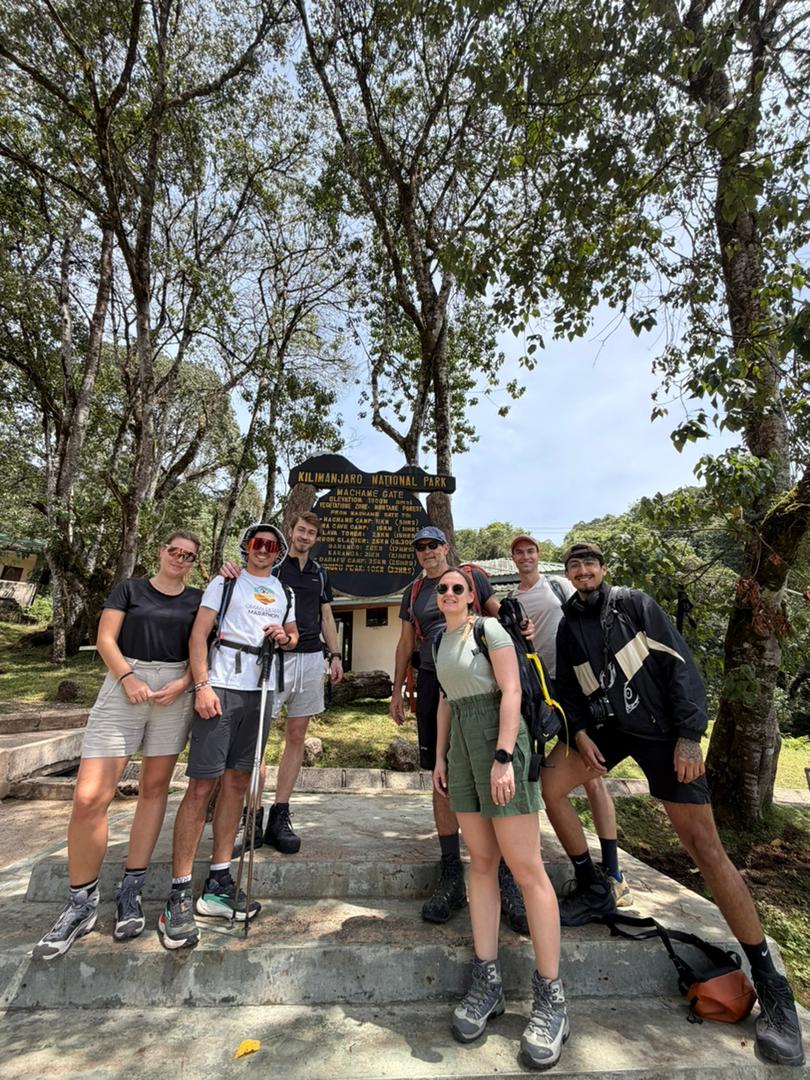
- Machame Route: Often called the “Whiskey Route,” it’s popular for its scenic beauty and excellent acclimatization profile (5-7 days). The 7-day option significantly increases success rates. Its ‘climb high, sleep low’ approach is beneficial for acclimatization.
- Lemosho Route: Another scenic route known for good acclimatization (7-8 days). It starts in the west and offers spectacular views, particularly in the initial stages. The longer duration aids acclimatization, which is crucial in March.
- Northern Circuit: The longest route (9-10 days), offering the highest success rates due to its slow acclimatization and panoramic views. It circles the mountain, providing diverse perspectives and ample time to adjust to the altitude. This is an excellent choice for those prioritizing success and a less crowded experience in March 2027.
- Marangu Route: The “Coca-Cola Route” is the oldest and only route with hut accommodation. It’s also the shortest (5-6 days), which generally leads to lower success rates due to poorer acclimatization. While possible in March, it’s less recommended for first-time climbers aiming for the summit.
Note: For a March Kilimanjaro and Serengeti safari, we recommend at least a 7-day trek to maximize your chances of reaching Uhuru Peak. Top Guide Adventures provides detailed route comparisons and guidance to help you select the best option for your fitness level and goals.
Kilimanjaro Preparation for March
Regardless of the month, preparation is key. For March:
- Fitness: Cardiovascular fitness is paramount. Engage in regular hiking, running, or cycling for several months leading up to your climb.
- Gear: Layering is essential. You’ll need waterproof and windproof outer layers, warm mid-layers (fleece, down), thermal base layers, sturdy hiking boots, a warm hat, gloves, and sunglasses. A good quality sleeping bag rated for sub-zero temperatures is vital.
- Acclimatization: This is the most critical factor for summit success. Choose a longer route (7+ days) and ascend gradually. Listen to your body and your guide.
- Hydration and Nutrition: Drink plenty of water and eat well throughout the trek. Your guides will manage meals, but carrying energy snacks is advisable.
The Serengeti in March: Wildlife Spectacle
A Serengeti safari in March is a truly remarkable experience, particularly for its wildlife dynamics.
Wildlife Highlights in March
- The Calving Season: This is the star attraction. Witnessing thousands of newborn wildebeest calves, vulnerable and energetic, is a profound wildlife encounter. The southern Serengeti plains become a nursery, teeming with life and attracting predators like lions, cheetahs, and hyenas who are drawn by the easy prey.
- Resident Wildlife: Beyond the migration, the Serengeti is home to a vast array of resident wildlife. Expect to see large prides of lions, cheetahs on the hunt, elephants, giraffes, zebras, buffalo, hippos, crocodiles, and a plethora of bird species.
- Predator Action: The calving season often means increased predator activity. This is your best chance to witness thrilling interactions and hunts.
- The Great Migration: While the bulk of the migration might be focused on calving in the south, you will still see large herds moving across the plains. Depending on the exact timing in March, you might witness early movements northwards or large concentrations in the southern and central areas.
Best Areas for Safari in March
The Southern Serengeti and the Moru Kopjes area are typically prime locations in March due to the concentration of wildebeest and their calves. Central Serengeti (Seronera Valley) also offers excellent year-round game viewing with its resident wildlife and water sources.
Serengeti Safari Experience with Top Guide Adventures
Our Serengeti safaris are designed for optimal wildlife viewing and comfort. In March, you can expect:
- 4×4 Safari Vehicles: Comfortable, custom-built 4×4 Land Cruisers with pop-up roofs for unobstructed 360-degree views and excellent photographic opportunities.
- Experienced Guides: Our guides are local experts with intimate knowledge of the Serengeti’s wildlife, behavior, and best viewing spots, maximizing your chances of incredible sightings.
- Accommodation Options: From luxury lodges offering fine dining and amenities to comfortable tented camps that place you closer to the heart of the action, we cater to various preferences and budgets for your 2026-2027 safari.
Combining Kilimanjaro and Serengeti: The Logistics
Successfully combining a Kilimanjaro climb and a Serengeti safari requires careful logistical planning. Here’s how Top Guide Adventures makes it smooth:
Typical Itinerary Flow
A common and highly recommended flow for a March Kilimanjaro and Serengeti safari is:
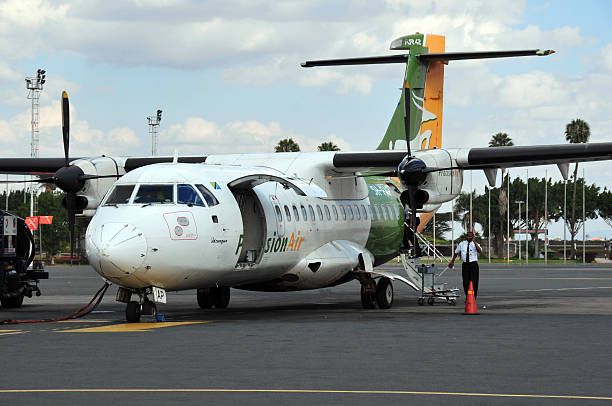
- Arrival in Tanzania: Fly into Kilimanjaro International Airport (JRO). Overnight in Arusha or Moshi to prepare for the climb.
- Kilimanjaro Climb: Typically 7-10 days, depending on the chosen route.
- Post-Climb Recovery: Spend a day or two relaxing in Moshi or Arusha after descending Kilimanjaro. This is crucial for physical recovery.
- Serengeti Safari: A 3-5 day safari exploring the Serengeti and potentially other Northern Circuit parks like Ngorongoro Crater and Tarangire.
- Departure: Fly out from Kilimanjaro International Airport (JRO) or Arusha Airport (ARK).
This sequence allows for acclimatization and recovery before the safari, ensuring you are in the best condition to enjoy the wildlife viewing. Attempting the safari immediately after the climb can be physically demanding.
Duration of Your Trip
A combined Kilimanjaro and Serengeti adventure typically requires a minimum of 12-15 days:
- Kilimanjaro: 7-10 days (depending on route)
- Safari: 3-5 days
- Travel/Rest Days: 2-3 days (arrival, departure, post-climb rest)
We can customize durations to fit your schedule. For instance, a 10-day Kilimanjaro climb plus a 4-day safari, with arrival and departure days, makes for a 16-day expedition.
Transportation Between Activities
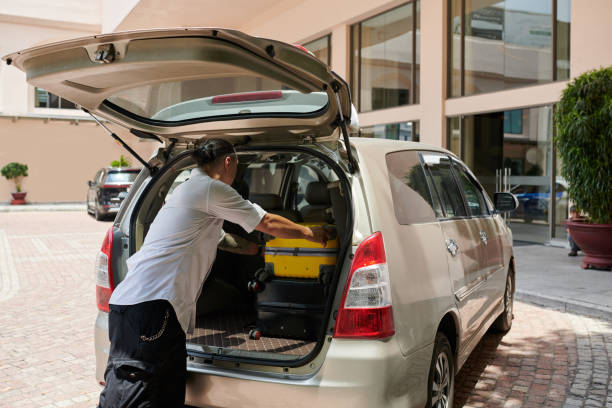
Top Guide Adventures handles all transfers:
- Arusha/Moshi to Kilimanjaro Gateway: Transport to the specific park gate for your chosen Kilimanjaro route.
- Kilimanjaro Exit to Arusha/Moshi: Transfer back to your hotel for rest.
- Arusha to Safari Parks: Depending on your safari start point, this could be a drive to Tarangire, Ngorongoro, or directly to the Serengeti airstrip if opting for a fly-in safari.
- Within Safari Parks: Your dedicated 4×4 safari vehicle and guide.
- Serengeti Airstrip to JRO/ARK: If flying out from the Serengeti, we arrange transfers to the airstrip.
For those looking for efficiency, a short internal flight from the Serengeti to Kilimanjaro International Airport (JRO) can save considerable travel time after your safari.
Pricing and Budget Considerations for March 2026-2027
The cost of a combined Kilimanjaro and Serengeti trip varies significantly based on several factors. Top Guide Adventures offers transparent pricing, focusing on value and quality.
Kilimanjaro Costs
Kilimanjaro climb costs are generally determined by:
- Route Length: Longer routes are more expensive due to more days of guide, porter, and cook services, plus park fees.
- Route Choice: Some routes have higher park fees or require more logistical support.
- Group Size: Private climbs are more expensive per person than joining a group.
- Service Level: Quality of equipment, food, and guides.
Typical Kilimanjaro Cost Range (per person, 7-day trek): $2,000 – $3,500+. This usually includes park fees, rescue fees, guides, porters, cooks, all meals on the mountain, camping equipment, and transfers. It typically excludes tips, personal gear, and flights.
Serengeti Safari Costs
Safari costs are influenced by:
- Duration: More safari days mean higher costs.
- Accommodation Type: Mid-range lodges/tented camps vs. luxury lodges.
- Vehicle Type: Shared vs. private vehicle.
- Inclusions: Park fees, meals, guide services, vehicle type.
- Fly-in vs. Drive-in: Flying into the Serengeti is significantly more expensive than driving.
Typical Serengeti Safari Cost Range (per person, 4 days/3 nights, mid-range): $1,000 – $2,500+. This typically includes park fees, accommodation, meals, a private 4×4 vehicle, and an experienced driver-guide. Excludes tips, drinks, and flights to/from the park.
Combined Package Pricing (March 2026-2027)
Combining both experiences with Top Guide Adventures often provides better overall value. A 7-day Kilimanjaro climb and a 4-day Serengeti safari package could range from $3,500 to $6,000+ per person, depending on your chosen Kilimanjaro route, safari accommodation standard, and whether you opt for private or group departures.
Estimated Total Cost for a March 2027 Kilimanjaro & Serengeti Trip
Budget-conscious (Group departures, mid-range accommodation): $3,800 – $4,800 USD per person
Mid-range (Private, good quality lodges/camps): $4,800 – $6,500 USD per person
Luxury (High-end lodges, private charters): $7,000+ USD per person
Important Note: These are estimates for 2026-2027. Prices are subject to change based on park fee adjustments and specific inclusions. Always request a detailed, personalized quote.
Exclusions often include: International flights, visa fees, travel insurance, vaccinations, personal gear, tips for guides and crew, drinks, and items of a personal nature.
Booking Your March Kilimanjaro and Serengeti Safari with Top Guide Adventures
Planning a trip of this magnitude requires a trusted partner. Top Guide Adventures is committed to providing exceptional service, safety, and memorable experiences for your March Kilimanjaro and Serengeti safari in 2026 or 2027.
Why Choose Top Guide Adventures?
- Local Expertise: As a leading Tanzanian tour operator, we have unparalleled knowledge of Kilimanjaro and the Serengeti.
- Safety First: We prioritize your safety with experienced guides, well-maintained equipment, and emergency protocols. Our guides are certified in wilderness first aid.
- Personalized Service: We offer tailored itineraries and dedicated support from your initial inquiry through to your departure.
- Quality Crew: We employ highly trained and experienced guides, porters, and safari drivers committed to making your trip extraordinary.
- Sustainable Tourism: We are committed to responsible tourism practices that benefit local communities and protect the environment.
How to Book Your 2026-2027 Adventure
Ready to plan your dream March Kilimanjaro and Serengeti safari?
Get Your Personalized Quote Today!
Contact us to discuss your ideal itinerary. We will work with you to create a custom package that fits your interests, budget, and timeframe for 2026 or 2027.
- WhatsApp: +255 616 946 642
- Email: topguideadventures@gmail.com
- Backup Email: info@topguideadventures.com
We recommend booking at least 6-12 months in advance, especially for specific dates in 2026 and 2027, to secure your preferred Kilimanjaro routes and safari lodges.
What to Pack: A Quick Checklist for March
Kilimanjaro Gear Essentials (March):
- Waterproof/windproof outer jacket and trousers
- Warm mid-layers (fleece, down jacket)
- Thermal base layers (top and bottom)
- Warm hat, gloves, and scarf/balaclava
- Sun hat and sunglasses
- Sturdy, broken-in hiking boots
- Camp shoes or trainers
- Sleeping bag (rated to -10°C to -20°C)
- Headlamp with extra batteries
- Water bottles/hydration reservoir (at least 3 liters capacity)
- Sunscreen and lip balm (high SPF)
- Personal first-aid kit
- Trekking poles
- Duffel bag for porters (waterproof, 80-100 liters)
- Daypack (30-40 liters)
Serengeti Safari Gear Essentials:
- Lightweight, neutral-colored clothing (khaki, beige, green)
- Long-sleeved shirts and trousers (for sun and insect protection)
- Warm jacket or fleece for cool mornings/evenings
- Comfortable walking shoes or sandals
- Hat with a brim for sun protection
- Binoculars
- Camera with extra batteries and memory cards
- Personal medications
- Insect repellent
Frequently Asked Questions about March Kilimanjaro and Serengeti Safaris
Here are some common questions potential travelers have about undertaking this combined adventure in March.
FAQ: March Kilimanjaro and Serengeti Adventures
Is March a good month for both Kilimanjaro and Serengeti?
Yes, March is considered a good month. While it’s at the tail end of the long rains, the weather is typically improving, offering clearer days for Kilimanjaro and exciting wildlife viewing, especially the wildebeest calving season, in the Serengeti.
What are the chances of rain on Kilimanjaro in March?
There’s a moderate chance of rain, particularly on the lower to middle slopes. These showers are often brief and tend to occur in the afternoon. Higher altitudes may experience snow. Proper waterproof gear is essential.
Will I see the Great Migration in the Serengeti in March?
You will certainly see large numbers of wildebeest and zebras in March, as it is the peak calving season, primarily in the southern Serengeti. While the main herds might not be on their full northward migration route yet, the concentration of newborns and predators provides a spectacular wildlife spectacle.
How many days do I need for a combined Kilimanjaro and Serengeti trip in March?
A minimum of 12-15 days is recommended. This typically includes 7-10 days for the Kilimanjaro climb, 3-5 days for the Serengeti safari, plus arrival, departure, and essential post-climb recovery days.
What is the best Kilimanjaro route for March?
For March, routes with better acclimatization profiles and longer durations are recommended. The Machame (7-day), Lemosho (7-8 day), or Northern Circuit (9-10 day) routes are excellent choices for increasing your summit success chances.
What are the costs for a March 2027 trip?
A combined trip in March 2027 typically ranges from $3,800 to $7,000+ per person, depending on route choice, accommodation level, and whether you join a group or opt for a private tour. Request a detailed quote from Top Guide Adventures for precise pricing.
Do I need specific vaccinations for Tanzania?
Consult your doctor or a travel clinic well in advance of your trip for recommended vaccinations and malaria prophylaxis. Yellow Fever vaccination is often required for entry into Tanzania or for onward travel.
When should I book my March 2026 or 2027 trip?
It is advisable to book at least 6-12 months in advance to secure your preferred Kilimanjaro routes, safari dates, and accommodation, especially for popular periods or specific group departure dates.
Preparing for Your 2026-2027 Tanzanian Adventure
A successful Kilimanjaro and Serengeti safari in March requires thorough preparation beyond just booking. Physical fitness, mental readiness, and appropriate gear are paramount.
Physical Training for Kilimanjaro and Safari
The physical demands of climbing Kilimanjaro are significant. Focus on cardiovascular endurance and strength training. Regular hiking, especially with a backpack and on varied terrain, is highly recommended. Incorporate exercises like:
- Cardio: Running, cycling, swimming, stair climbing. Aim for at least 3-4 sessions per week.
- Strength Training: Focus on legs (squats, lunges) and core strength.
- Hiking: Practice with your trekking boots and backpack on hills or mountains, simulating ascent and descent.
While the safari is less physically demanding, long days in a 4×4 vehicle can be tiring. Good general fitness will enhance your overall enjoyment and resilience.
Mental Preparation
Climbing Kilimanjaro is as much a mental challenge as a physical one. Be prepared for long days, changing weather, altitude sickness symptoms, and the physical discomfort that can arise. A positive attitude, perseverance, and trust in your guide are crucial. Visualizing success and understanding the challenges can help manage expectations.
Visa and Health Requirements
Ensure you have the necessary visa for Tanzania. Many nationalities can obtain a visa on arrival, but checking current regulations and considering an e-visa in advance is wise. Consult your doctor about recommended vaccinations (e.g., Yellow Fever, Hepatitis A, Typhoid) and malaria prevention well before your travel dates for 2026-2027. Comprehensive travel insurance covering high-altitude trekking and medical evacuation is non-negotiable.
Conclusion: Your Unforgettable March Kilimanjaro and Serengeti Safari Awaits
A March Kilimanjaro and Serengeti safari offers a unique blend of adventure, wildlife, and stunning natural beauty. It’s a journey that challenges you physically, rewards you with incredible sights, and leaves you with memories to last a lifetime. The improving weather conditions in March, combined with the spectacle of the wildebeest calving season in the Serengeti and the serene trails of Kilimanjaro, make this month an excellent choice for your 2026-2027 Tanzanian expedition.
Top Guide Adventures is dedicated to making your dream trip a reality. We combine our deep local knowledge with a commitment to safety, quality, and personalized service. From selecting the perfect Kilimanjaro route to arranging an unforgettable Serengeti safari, we handle every detail so you can focus on the adventure itself.
Don’t miss the opportunity to experience the best of Tanzania in one epic journey. Contact us today to start planning your tailor-made March Kilimanjaro and Serengeti safari for 2026 or 2027.
Reach out to Top Guide Adventures:
- WhatsApp: +255 616 946 642
- Email: topguideadventures@gmail.com
- Website: www.topguideadventures.com
- Instagram: @top_guide_adventures
- TripAdvisor Reviews: See what our clients say
Check Availability for March Kilimanjaro And Serengeti Safari: Your Ultimate Adventure Guide
Ready to compare dates, prices, and the best option for your group? Send the package name and travel month so the team can reply with a clear quote, availability, and what is included.
Kilimanjaro Safari Package For Non-Climbing Companions: Options & Experiences
For those accompanying climbers to Kilimanjaro but not ascending the peak, specialized safari packages offer a fantastic way to experience Tanzania's renowned wildlife and landscapes. These...
View package details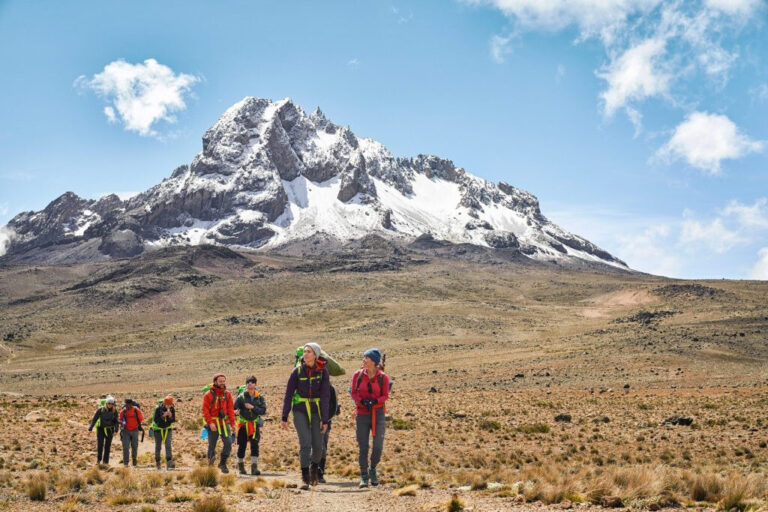
18-Day Kilimanjaro And Northern Tanzania Grand Adventure: Trek, Safari &
An 18-day itinerary blending Kilimanjaro's summit with Northern Tanzania's wildlife and culture offers a comprehensive African experience. This adventure typically includes a multi-day trek...
View package details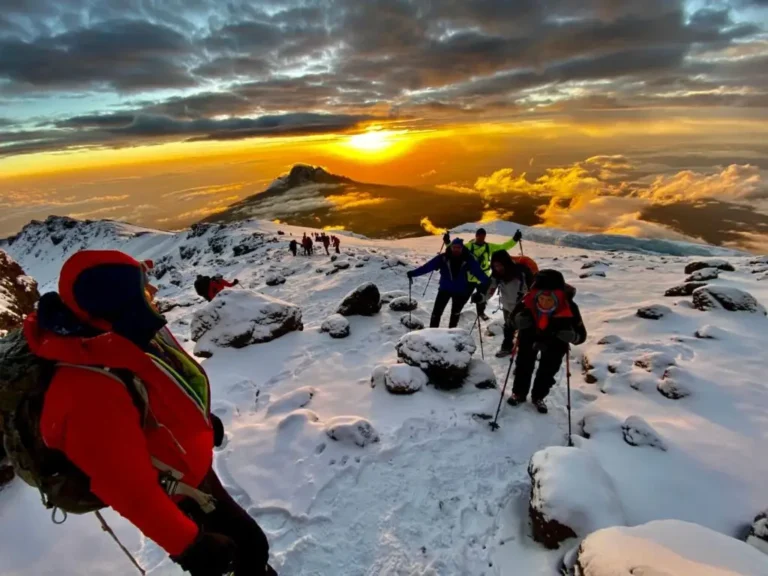
17-Day Kilimanjaro, Serengeti, Ngorongoro & Zanzibar Tour: Your Ultimate
This 17-day tour combines the iconic Mount Kilimanjaro climb with unparalleled wildlife safaris in the Serengeti and Ngorongoro Crater, culminating in a relaxing beach escape in Zanzibar...
View package details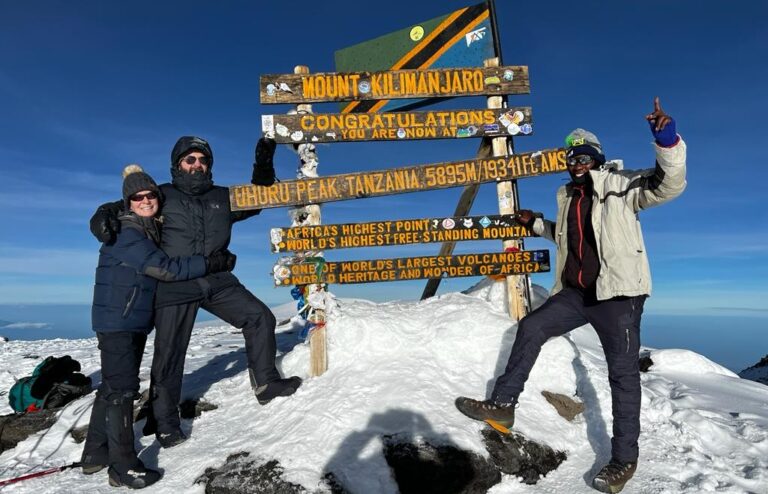
15-Day Kilimanjaro, Great Migration & Zanzibar Beach Package | Top Guide
Combine the thrill of summiting Mount Kilimanjaro, witnessing the iconic Great Migration in the Serengeti, and unwinding on the pristine beaches of Zanzibar in one unforgettable 15-day...
View package detailsKilimanjaro Climb & West Safari: The Ultimate Tanzania Adventure 2026-2027
Experience the pinnacle of Tanzania with a combined Kilimanjaro climb and West Kilimanjaro safari. This guide details itineraries, preparation, and what to expect for your 2026-2027...
View package details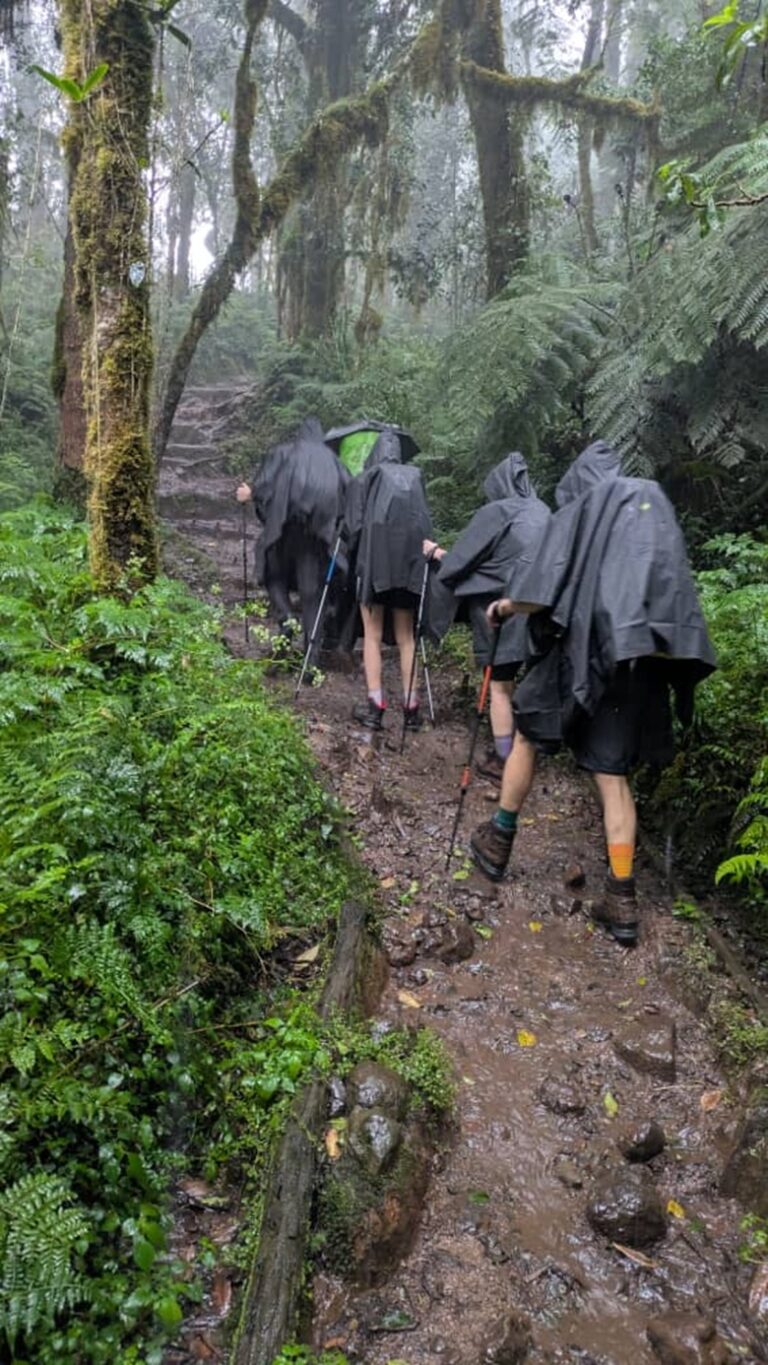
Kilimanjaro Climb With Mkomazi Rhino Safari 2026-2027
Kilimanjaro Climb with Mkomazi Rhino Safari is explained with current 2026-2027 planning, price, itinerary and booking information.
View package details
Kilimanjaro Climb With Amboseli Safari Extension: Your Ultimate Tanzania
Experience the pinnacle of African adventure by combining a challenging Kilimanjaro climb with a impressive safari in Amboseli National Park. This guide details itineraries, costs, best...
View package details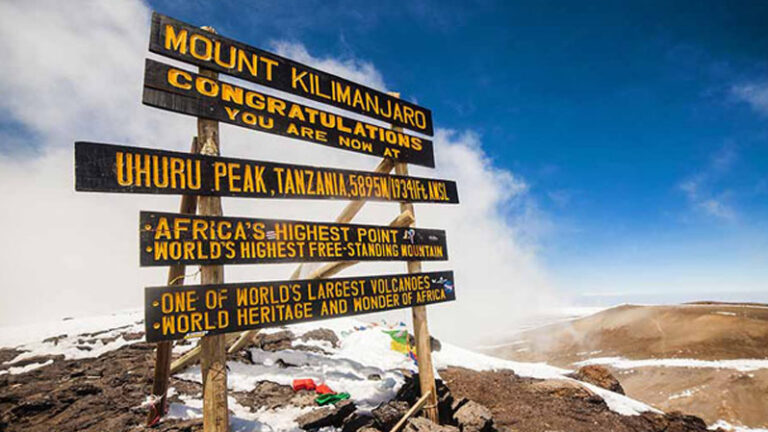
11-Day Kilimanjaro Acclimatization, Summit And Safari Package 2026-2027
11-Day Kilimanjaro Acclimatization, Summit and Safari Package is explained with current 2026-2027 planning, price, itinerary and booking information.
View package details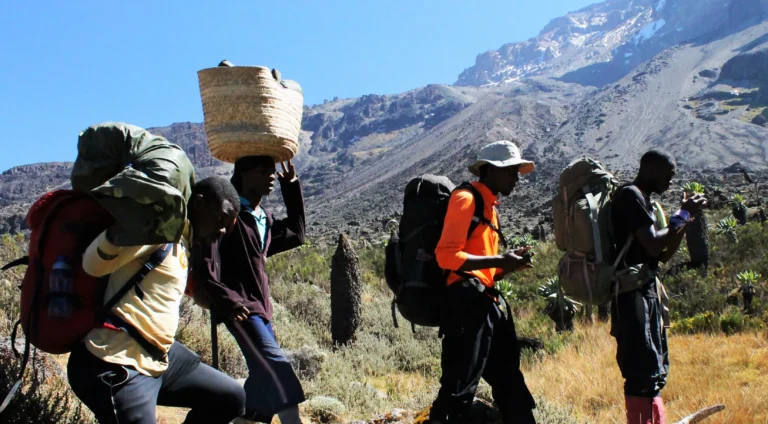
Kilimanjaro Safari First Vs Zanzibar 2026-2027
Kilimanjaro Safari First vs Zanzibar First is explained with current 2026-2027 planning, price, itinerary and booking information.
View package details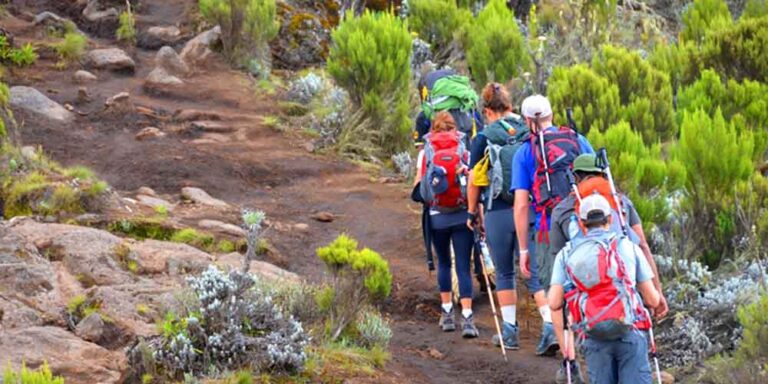
What Happens To The Rest Of Group During An Evacuation On A Tanzania Safari
When an individual requires evacuation during a group safari or Kilimanjaro climb in Tanzania, comprehensive safety protocols are in place for the remaining participants, ensuring their...
View package details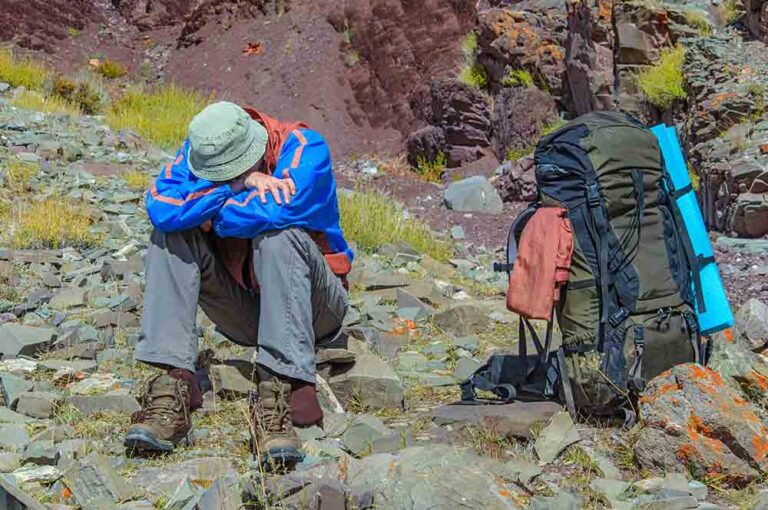
Kilimanjaro Airport Transfer For Large Groups: Smooth Travel With Top Guide
Top Guide Adventures specializes in Kilimanjaro Airport transfers for large groups, ensuring a smooth and comfortable journey from Kilimanjaro International Airport (JRO) to your...
View package details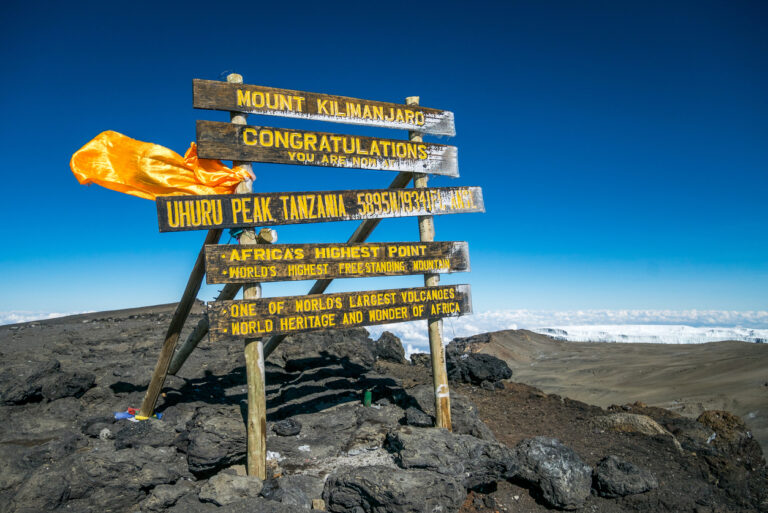
What Happens If You Miss Your Kilimanjaro Departure? Guide
If you miss your scheduled Kilimanjaro departure, your trek may be cancelled, and you could forfeit your deposit and payments. Rebooking is often possible but incurs additional costs and...
View package detailsNo related package matches those filters. Clear one or more filters to see the other topic-matched options.



