
A June Kilimanjaro climb following a Tanzania safari offers excellent trekking conditions with clear skies and moderate temperatures, making it a prime time for this adventure in 2026 and 2027. Combining these experiences provides a comprehensive taste of Tanzania’s wildlife and its iconic mountain, with June typically falling within the dry season, ensuring better visibility and more comfortable ascents after your safari concludes.


Why Combine a June Safari with Your Kilimanjaro Climb?
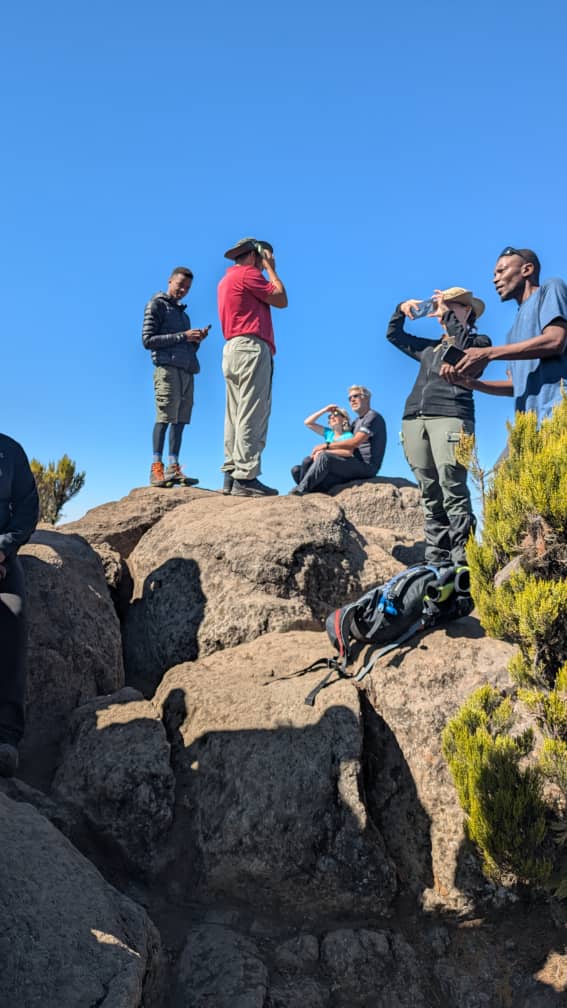
Tanzania offers a spectacular duality: the thrilling wildlife encounters of its world-renowned national parks and the immense challenge and reward of summiting Mount Kilimanjaro. For many travelers, the ideal way to experience both is to combine a safari with a climb. Choosing June for this grand adventure positions you perfectly to enjoy the best of both worlds. The period from June through October marks Tanzania’s dry season, which is highly advantageous for both safari viewing and mountain trekking. This guide focuses specifically on planning a June Kilimanjaro climb after a safari, detailing what you can expect and how to prepare for an exceptional journey in 2026-2027.
A safari before your climb serves multiple purposes. It allows you to acclimatize gradually to East African conditions, get a feel for the local environment, and build anticipation for the mountain challenge. By the time you reach Moshi or Arusha to begin your Kilimanjaro ascent, you’ll be more relaxed and settled. Furthermore, experiencing the vast plains of the Serengeti or the unique ecosystem of the Ngorongoro Crater before facing Kilimanjaro’s summit can provide a profound appreciation for the diverse landscapes Tanzania holds.
June Weather on Kilimanjaro: What to Expect
June falls squarely within Kilimanjaro’s dry season, making it one of the most popular months for climbing. After the short rains of April and May, the weather typically stabilizes, offering a period of clear skies and lower humidity. This translates to excellent visibility from the mountain slopes and, crucially, from the summit. The trails are generally in good condition, less muddy, and safer for trekking.
Temperature Ranges in June:
- Base Camp/Moshi: Daytime temperatures are warm, typically ranging from 20°C to 25°C (68°F to 77°F). Evenings can be cooler, around 10°C to 15°C (50°F to 59°F).
- On the Mountain (higher altitudes): As you ascend, temperatures drop significantly. At the crater rim (around 5,700m/18,700ft), expect temperatures to be around 0°C to 5°C (32°F to 41°F) during the day.
- Summit Night (Uhuru Peak): This is the coldest part of the climb. Temperatures can plummet to -10°C to -20°C (14°F to -4°F), and with wind chill, it can feel even colder. Proper layering is absolutely essential.
While June is predominantly dry, brief, unexpected showers can still occur, especially in the lower rainforest zone. However, these are usually short-lived and do not typically disrupt trekking for extended periods. The key advantage of June is the significantly reduced chance of prolonged rain, which can make trekking conditions challenging and obscure summit views.
Safari in June: Wildlife Viewing Opportunities
Combining your June Kilimanjaro climb with a safari means you’ll be visiting during a fantastic time for wildlife viewing across Tanzania’s northern circuit parks. The dry season concentrates wildlife around permanent water sources, making them easier to spot. For the iconic Great Migration, June is a particularly exciting month. The herds are often found in the western corridor of the Serengeti National Park, and sometimes beginning to move northwards towards the Mara River. This offers incredible opportunities to witness massive wildebeest and zebra herds, along with the predators that follow them.
Key Safari Destinations in June:
- Serengeti National Park: Excellent for witnessing the Great Migration, especially in the western and central regions. Predator sightings are also high.
- Ngorongoro Conservation Area: The crater floor remains a wildlife haven year-round, with dense populations of resident animals. June offers pleasant weather for game drives.
- Tarangire National Park: Known for its large elephant herds and baobab trees. During the dry season, animals congregate around the Tarangire River, making sightings reliable.
- Lake Manyara National Park: Famous for its tree-climbing lions and diverse birdlife, especially around the lake shore.
The clear skies of June also mean excellent photographic opportunities during your safari. The light is often crisp, and the landscapes are beautifully illuminated.
Choosing Your Kilimanjaro Route for a June Climb
With generally good weather in June, most routes are viable and offer a high chance of success. The choice of route often depends on your desired acclimatization profile, scenery, and budget. For those combining it with a safari, a longer route is often recommended to maximize acclimatization and enjoyment.
Recommended Routes for a June Kilimanjaro Climb After Safari:
- Lemosho Route (7-8 days): Highly recommended for its excellent acclimatization profile, stunning scenery, and remote wilderness feel. It starts on the western side of the mountain and approaches from the west, offering spectacular views. The longer duration significantly increases summit success rates. This is a fantastic choice for a post-safari climb in 2026 or 2027.
- Machame Route (6-7 days): The most popular route, also known as the “Whiskey Route.” It’s a challenging trek with a good acclimatization profile and beautiful scenery, approaching from the south. It offers a good balance of cost and success rate. Many group departures for Machame are available throughout 2026 and 2027.
- Marangu Route (5-6 days): Also known as the “Coca-Cola Route.” It’s the only route with dormitory-style accommodation in huts. While shorter and potentially cheaper, its direct ascent offers poor acclimatization, leading to lower success rates. It’s generally less recommended for a post-safari climb where you might prefer a more gradual ascent.
- Northern Circuit (9-10 days): The longest and most scenic route, offering the best acclimatization and highest success rates. It circles the mountain, providing diverse views and a true sense of wilderness. This is an excellent, albeit more expensive, option for those seeking the ultimate Kilimanjaro experience after their safari.
- Rongai Route (6-7 days): This route approaches from the north, near the Kenyan border. It’s a good option for drier conditions, though June is already dry on most routes. It offers a different perspective and can be less crowded than southern routes.
For a June Kilimanjaro climb after a safari, the Lemosho or Northern Circuit routes are often favored due to their extended duration, which aids acclimatization and allows for a more relaxed pace. This is crucial after potentially long days on safari. However, the Machame route remains a solid, popular choice for those looking for a balance.
Itinerary Planning: Safari First, Then Climb
A typical combined safari and Kilimanjaro trip in June would involve spending 3-5 days on safari, followed by your chosen Kilimanjaro climb duration (typically 6-10 days), plus travel days. Here’s a potential structure for a 2026-2027 trip:
Sample 14-Day Tanzania Adventure: Safari & Kilimanjaro Climb (June)
- Day 1: Arrive at Kilimanjaro International Airport (JRO), transfer to Arusha/Moshi. Rest and prepare.
- Day 2: Safari Day 1 – Tarangire National Park. Game drive, overnight near Tarangire.
- Day 3: Safari Day 2 – Ngorongoro Crater. Full-day game drive on the crater floor, overnight near Karatu.
- Day 4: Safari Day 3 – Serengeti National Park. Morning game drive, transfer to Serengeti for afternoon game drive, overnight in Serengeti.
- Day 5: Safari Day 4 – Serengeti National Park. Full day exploring the Serengeti, overnight in Serengeti.
- Day 6: Safari Day 5 – Serengeti to Arusha/Moshi. Morning game drive, transfer back to Arusha/Moshi. Final preparations for the climb.
- Day 7: Kilimanjaro Climb Day 1 – Marangu Gate to Mandara Huts (Machame or Lemosho start).
- Day 8: Kilimanjaro Climb Day 2 – Mandara Huts to Horombo Huts.
- Day 9: Kilimanjaro Climb Day 3 – Horombo Huts to Kibo Hut (or Mawenzi Hut for acclimatization).
- Day 10: Kilimanjaro Climb Day 4 – Kibo Hut to Summit (Uhuru Peak) and back to Horombo Huts.
- Day 11: Kilimanjaro Climb Day 5 – Horombo Huts to Marangu Gate. Transfer back to Arusha/Moshi.
- Day 12: Buffer Day / Rest Day in Arusha/Moshi. Optional day trip or relaxation.
- Day 13: Departure from JRO.
- Day 14: (If opting for a longer climb like Lemosho 7-day or Northern Circuit 9-day, adjust days accordingly).
This is a sample; itineraries can be customized to your preferences and safari duration. For example, a 7-day Lemosho climb would add two days to the mountain portion.
When planning for 2026 or 2027, booking in advance is highly recommended, especially for June, which is a peak month. This ensures availability for both safari lodges and Kilimanjaro permits and guides.
Essential Packing List for a June Kilimanjaro Climb and Safari
Packing correctly is crucial for comfort and safety on both your safari and Kilimanjaro climb. June’s weather can vary from warm on safari to freezing on the summit. Layering is key.
Safari Packing Essentials:
- Lightweight, neutral-colored clothing (khaki, green, brown) for game drives.
- Comfortable walking shoes or hiking boots.
- Sun hat, sunglasses, high SPF sunscreen.
- Insect repellent.
- Binoculars for wildlife spotting.
- Camera with extra batteries and memory cards.
- Light jacket or fleece for cooler evenings.
- Swimsuit (some lodges have pools).
- Personal toiletries and any necessary medications.
Kilimanjaro Climb Essentials (June):
- Base Layers: Moisture-wicking thermal tops and bottoms (synthetic or merino wool).
- Mid Layers: Fleece jackets or insulated vests for warmth.
- Outer Layer (Insulation): A warm down jacket or synthetic equivalent for summit night and cold evenings.
- Outer Layer (Shell): Waterproof and windproof jacket and trousers (Gore-Tex or similar).
- Headwear: Warm beanie/hat, balaclava or neck gaiter, sun hat.
- Handwear: Warm, waterproof gloves or mittens, thinner liner gloves.
- Footwear: Broken-in hiking boots (waterproof), comfortable camp shoes or trainers, several pairs of warm wool hiking socks.
- Sleeping Bag: Rated to at least -10°C to -20°C (0°F to -4°F).
- Backpack: A comfortable daypack (30-40 liters) for daily essentials, and a larger duffel bag (80-100 liters) for porters to carry.
- Trekking Poles: Highly recommended for stability and reducing knee strain.
- Headlamp: With extra batteries for summit night.
- Water Bottles/Hydration Reservoir: At least 3 liters capacity. Insulated covers are useful.
- Sun Protection: Sunglasses (UV protection), high SPF sunscreen, lip balm with SPF.
- Personal Items: Toiletries, personal first-aid kit, blister treatment, hand sanitizer, wet wipes, energy snacks.
- Documents: Passport, visa, climbing permit, travel insurance details.
Remember to pack light for your safari, as luggage space can be limited in safari vehicles. Your main luggage will be managed by porters on Kilimanjaro. Top Guide Adventures can provide a detailed packing list specific to your chosen route and climb duration for your 2026-2027 adventure.
Health and Safety Considerations
Altitude Sickness (Acute Mountain Sickness – AMS): This is the primary health concern on Kilimanjaro. June’s weather generally allows for good visibility, but the altitude remains a significant factor. Symptoms include headache, nausea, dizziness, and fatigue. The best prevention is slow ascent and proper acclimatization, which longer routes like Lemosho or Northern Circuit excel at. Hydration and avoiding alcohol/caffeine are also vital.
Vaccinations and Medications: Consult your doctor or a travel clinic 4-6 weeks before your trip regarding recommended vaccinations (e.g., Yellow Fever, Hepatitis A, Typhoid) and malaria prophylaxis. Ensure you have any personal medications with you.
Travel Insurance: Comprehensive travel insurance is mandatory for Kilimanjaro climbs. It must cover emergency medical evacuation and high-altitude trekking up to 7,000 meters (22,965 feet).
Physical Fitness: While Kilimanjaro is not technically difficult, it is a strenuous physical challenge. Regular cardiovascular exercise, hiking with a weighted backpack, and strength training in the months leading up to your climb are essential. Your safari experience will help with initial acclimatization but won’t replace specific mountain fitness.
Hydration and Nutrition: Drink plenty of water (3-4 liters per day) on Kilimanjaro. Eat well, even if your appetite decreases at altitude. High-energy foods like nuts, dried fruit, and energy bars are beneficial. Guides will ensure you receive nutritious meals.
Choosing Your Tour Operator for a June Kilimanjaro Climb and Safari
Selecting a reputable tour operator is paramount for a safe and enjoyable experience. For a combined June Kilimanjaro climb after a safari, you need a company that excels in both aspects. Top Guide Adventures is one of Tanzania’s trusted tour companies, offering complete travel experiences. We prioritize:
- Experienced Guides: Certified, knowledgeable guides with extensive mountain and wilderness experience.
- Safety Standards: Well-equipped emergency kits, oxygen cylinders, and communication devices. Strict protocols for AMS management.
- Quality Equipment: High-quality tents, sleeping bags, and cooking gear.
- Logistics: smooth transfers between safari locations and Kilimanjaro departure points.
- Support Staff: A dedicated team of porters and cooks who are well-treated and equipped.
- Customization: Ability to tailor safari and climb itineraries to your specific needs and preferences for 2026-2027.
When comparing operators for your 2026 or 2027 trip, look for companies that are transparent about their safety procedures, guide training, and porter welfare. Top Guide Adventures is committed to providing personal attention, care, and dedicated support for every client.
Why Choose Top Guide Adventures for Your 2026-2027 June Kilimanjaro Climb & Safari?
We specialize in crafting unforgettable Tanzanian adventures. Our expertise ensures your June Kilimanjaro climb after a safari is smooth, safe, and spectacular. We handle all logistics, from airport transfers and park fees to guide arrangements and porter support, allowing you to focus on the experience. Our commitment to client care means you receive personalized attention throughout your journey. Whether you’re interested in the vast plains of the Serengeti or the majestic summit of Kilimanjaro, we ensure a high-quality, memorable expedition.
Contact us to start planning your 2026-2027 adventure:
- WhatsApp: +255616946642
- Email: topguideadventures@gmail.com
- Backup Email: info@topguideadventures.com
Explore our website for more details on our services and to see sample itineraries.
Cost Considerations for a June Kilimanjaro Climb and Safari
The cost of a combined safari and Kilimanjaro climb package can vary significantly based on the duration, route choice, accommodation standard (safari lodges/camps), group size (private vs. shared), and the operator. June is a popular month, so prices might reflect peak season demand.
Factors Affecting Cost:
- Kilimanjaro Route: Longer routes like Lemosho or Northern Circuit are more expensive due to more days, guides, porters, and park fees.
- Safari Duration and Parks: More days and visits to premium parks like the Serengeti will increase safari costs.
- Accommodation: Mid-range lodges, luxury lodges, or mobile camping on safari significantly impact the price.
- Group Size: Private climbs and safaris are more expensive per person than joining a group departure.
- Operator’s Inclusions: What is included (e.g., gear rental, meals, transfers, park fees, summit bonus for guides/porters) varies.
General Price Ranges (Estimates for 2026-2027):
- Kilimanjaro Climb (7-day Lemosho): Expect prices from $2,000 to $3,500+ per person for reputable operators.
- Tanzania Safari (4-5 days, Northern Circuit): Prices can range from $1,500 to $4,000+ per person, depending on accommodation and vehicle type.
- Combined Packages: A comprehensive 10-14 day combined trip could range from $3,500 to $7,000+ per person.
When budgeting for your June Kilimanjaro climb after a safari in 2026 or 2027, ensure you understand what is included. Top Guide Adventures offers detailed quotes tailored to your specific itinerary, providing transparency on costs. Always factor in international flights, visa fees, travel insurance, tips for guides and porters, and personal expenses.
Preparing for Your Post-Safari Kilimanjaro Climb in June 2026-2027
The transition from safari to mountain requires a focused approach to preparation. While your safari will help you adjust to the climate and pace of travel, the physical and mental demands of Kilimanjaro are distinct.
Physical Preparation:
Continue your fitness regimen. Focus on endurance training, including hiking on varied terrain with a weighted backpack. Stair climbing and interval training are also beneficial. Aim to hike for several hours at a time to simulate mountain conditions. This is crucial for building the stamina needed for summit night, especially after potentially active days on safari.
Mental Preparation:
Kilimanjaro is as much a mental challenge as a physical one. Understand that there will be tough moments, especially during summit night. Focus on positive self-talk, breaking the climb into manageable segments (e.g., from one camp to the next), and trusting your guides. Your safari experience can build confidence in your ability to adapt and persevere.
Gear Check and Acclimatization:
Ensure all your gear is in good condition. Test your boots, pack, and layers before leaving home. Upon arrival in Tanzania, you’ll have a pre-climb briefing with your guide. This is an excellent opportunity to ask last-minute questions and confirm your gear. The days between your safari ending and your climb beginning in Arusha or Moshi provide a short window for final preparations and rest.
The Summit Night Experience in June
Summit night is the most challenging part of the Kilimanjaro climb. Typically, you will start hiking around midnight from Kibo Hut (or Barafu Camp on some routes) towards Uhuru Peak. The goal is to reach the summit by sunrise.
Key Aspects of Summit Night:
- The Climb: It’s a steep, often scree-covered ascent in the dark, lit only by your headlamp. Temperatures are extremely cold, and the air is thin.
- Pace: The mantra is “pole pole” (slowly, slowly). You’ll walk in a slow, steady rhythm, taking frequent short breaks.
- Support: Your guides will monitor you closely for signs of AMS and provide encouragement. They carry extra oxygen and first-aid supplies.
- Views: Reaching Stella Point on the crater rim and then Uhuru Peak for sunrise is an unforgettable reward. The views across the clouds and volcanic landscape are impressive.
- Descent: After celebrating at the summit, the descent is equally important. You’ll descend back to Kibo/Barafu Camp for a short rest before continuing down to Horombo or Mweka Camp. This is often more tiring than the ascent.
June’s clear skies often provide spectacular views during the ascent and from the summit, making the effort even more worthwhile. However, the cold is a significant factor, so being well-prepared with warm clothing is essential.
Post-Climb Relaxation and Zanzibar Extension
After successfully completing your June Kilimanjaro climb after a safari, you’ll likely want to relax and recover. Moshi and Arusha offer comfortable accommodations and opportunities to experience local culture. Many travelers choose to extend their trip with a visit to Zanzibar, the Spice Island, for a relaxing beach holiday.
Zanzibar offers pristine white-sand beaches, turquoise waters, vibrant coral reefs for snorkeling and diving, and the historical Stone Town, a UNESCO World Heritage site. It’s the perfect way to unwind after the physical exertion of your safari and climb. A few days on the coast of Zanzibar, perhaps in Nungwi or Paje, can be incredibly restorative.
Top Guide Adventures can arrange your entire Tanzanian itinerary, including safaris, Kilimanjaro climbs, and Zanzibar extensions, ensuring a cohesive and memorable travel experience for 2026-2027.
Booking Your 2026-2027 June Adventure
Planning a combined safari and Kilimanjaro trip requires careful coordination. Booking well in advance is crucial, especially for popular months like June. For your 2026 or 2027 adventure, consider the following:
- Research Operators: Look for companies with strong safety records, positive reviews (like those on TripAdvisor), and clear communication.
- Define Your Itinerary: Decide on the duration of your safari, the parks you want to visit, and your preferred Kilimanjaro route.
- Request Quotes: Get detailed quotes from your chosen operators, ensuring you understand all inclusions and exclusions.
- Book Early: Secure your spot, especially for group departures or specific dates in 2026-2027.
- Travel Insurance: Purchase comprehensive travel insurance that covers high-altitude trekking and medical evacuation.
Top Guide Adventures is dedicated to providing exceptional service for your June Kilimanjaro climb after a safari. We handle all the complex logistics, ensuring a stress-free and safe expedition. Our team is available to answer all your questions and help you craft the perfect itinerary for 2026-2027.
Get in touch with us today to start planning your dream Tanzanian adventure. Whether you are looking for group departures or a tailor-made private journey, we are here to assist. Connect with us via WhatsApp at +255616946642, email us at topguideadventures@gmail.com or info@topguideadventures.com.
Check Availability for June Kilimanjaro Climb After A Safari: Your Ultimate Guide 2026-2027
Ready to compare dates, prices, and the best option for your group? Send the package name and travel month so the team can reply with a clear quote, availability, and what is included.
Where To Store Safari Luggage During Kilimanjaro Climb: Expert Guide 2026-2027
Planning a Kilimanjaro climb and a safari in Tanzania? Learn the best strategies for storing your safari luggage and extra gear securely and conveniently during your trek. Top Guide...
View package details
Best Kilimanjaro Month For Safari Extensions In | Top Guide Adventures
Discover the ideal months for combining a Kilimanjaro climb with a safari in Tanzania, focusing on optimal weather conditions, wildlife spectacles, and extension opportunities for...
View package details
December Kilimanjaro And Safari Holiday: Your Ultimate Guide 2026-2027
Discover the magic of a December Kilimanjaro and Safari holiday in Tanzania. This comprehensive guide covers everything from choosing the right Kilimanjaro route and safari destinations to...
View package details
November Kilimanjaro And Safari Package: Your Ultimate Tanzania Adventure
Explore comprehensive details for a November Kilimanjaro and Safari package in Tanzania, covering the best routes, packing essentials, safari experiences, and planning tips for 2026-2027...
View package details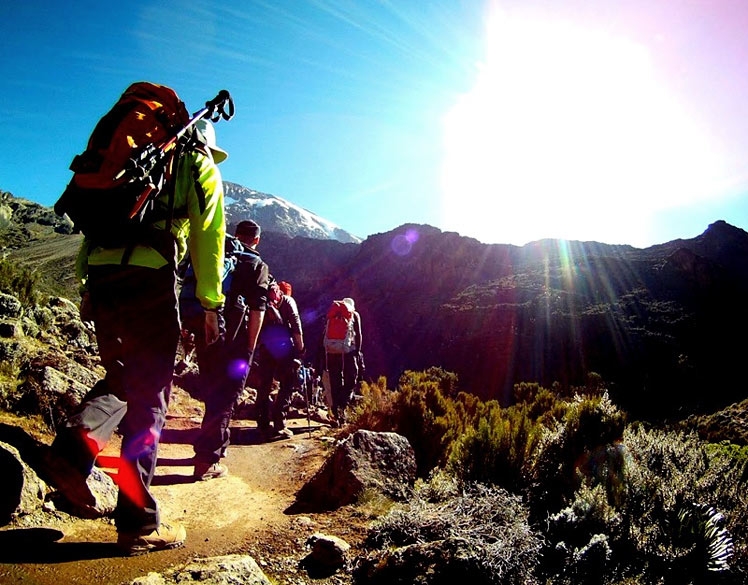
May Vs June: When Should You Climb Kilimanjaro? 2026-2027
Choosing between May and June for your Kilimanjaro ascent? This in-depth guide compares the two months, helping you pick the optimal time for your trek based on weather patterns, crowd...
View package detailsDriest Month To Climb Kilimanjaro: Your Guide For 2026-2027
The driest months for climbing Kilimanjaro are generally January, February, and June through October. These periods offer the clearest skies and lowest rainfall, ideal for a successful and...
View package details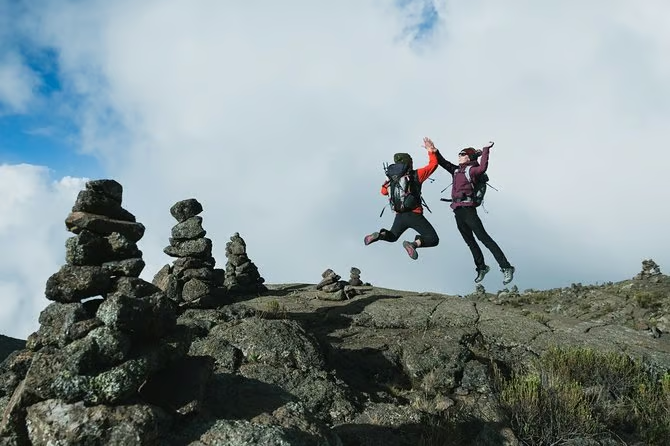
July Vs August Kilimanjaro Climbing: The Ultimate Comparison For 2026-2027
Choosing between July and August for your Kilimanjaro climb? This in-depth comparison details weather patterns, crowd levels, route popularity, and essential planning tips for 2026-2027 to...
View package details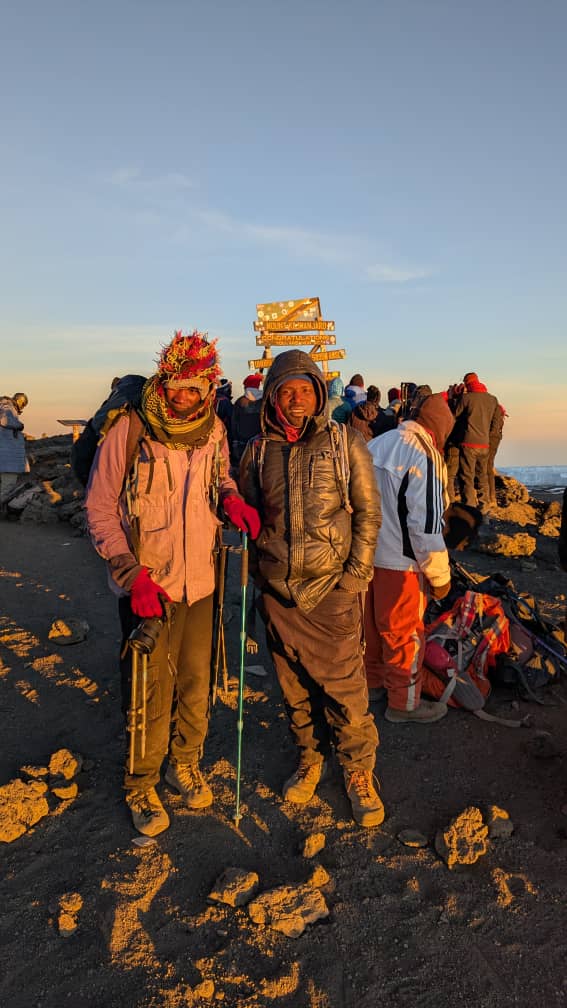
December Kilimanjaro Packing Checklist: Essential Gear For Climbs 2026-2027
Prepare for your December Kilimanjaro climb with our comprehensive packing checklist. This guide covers essential gear, clothing, and tips for conquering Africa's highest peak in the dry...
View package details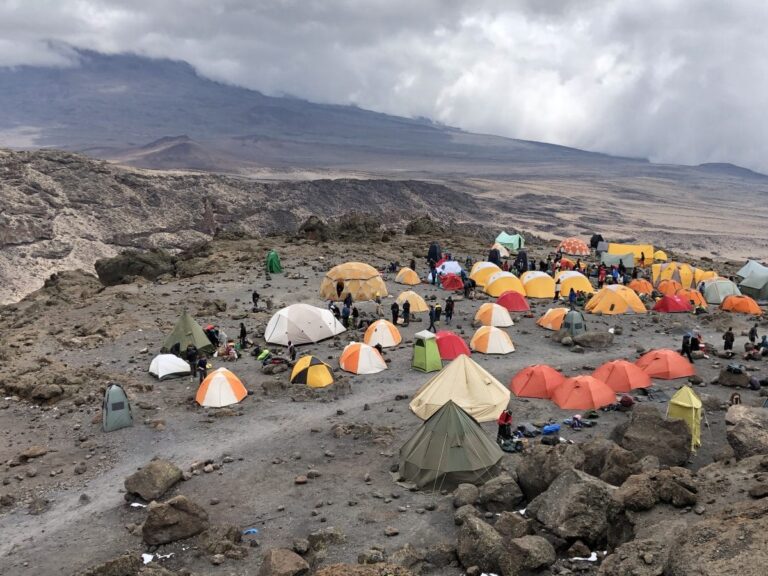
Kilimanjaro Climb With Luggage Storage In Moshi: Your Essential Guide
Organizing a Kilimanjaro climb involves many details, and ensuring your luggage is safely stored in Moshi while you're on the mountain is a key concern for many trekkers. Top Guide...
View package details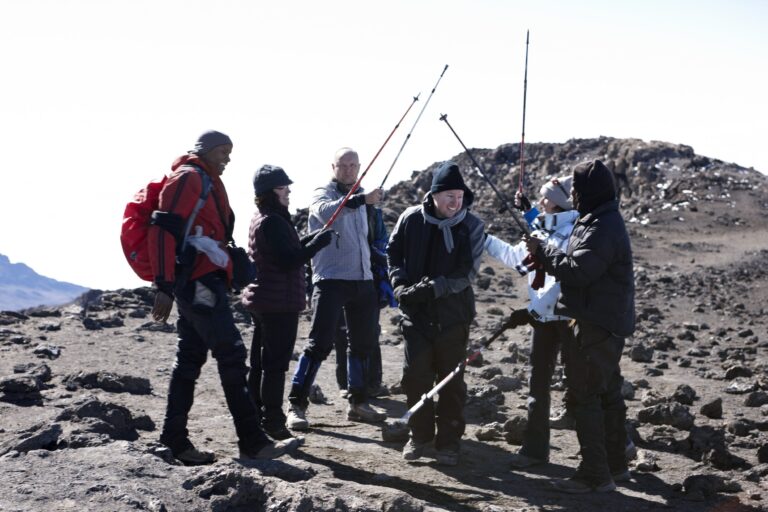
Kilimanjaro Pre-Climb Gear Check And Briefing: Your Essential Guide 2026-2027
Prepare thoroughly for your Kilimanjaro ascent with Top Guide Adventures. This comprehensive guide covers everything you need for your pre-climb gear check and briefing, ensuring you're...
View package details
Best Arrival Schedule For A Kilimanjaro Climb In 2026-2027
Planning your Kilimanjaro climb involves many details, and the arrival schedule is crucial for success. Arriving 2-3 days before your trek begins allows for essential acclimatization, gear...
View package details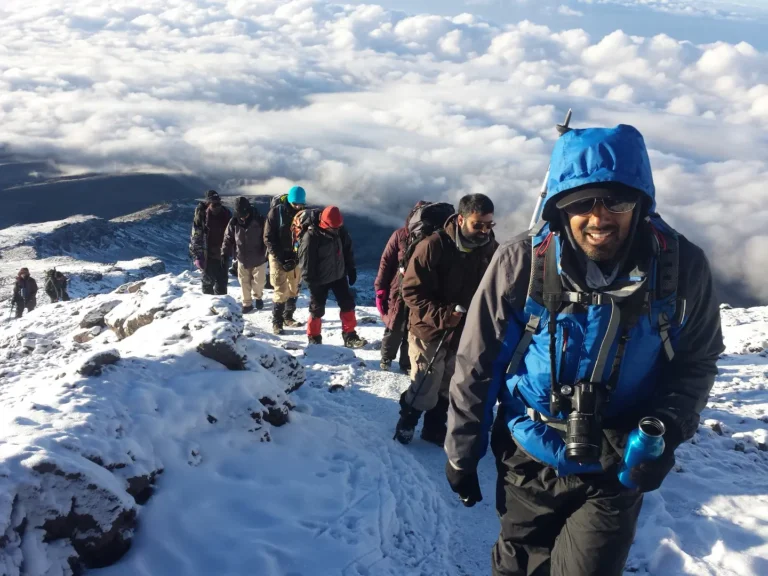
How Many Nights Should You Stay Before Kilimanjaro Climb? 2026-2027
The crucial question of how many nights to stay before climbing Kilimanjaro directly impacts your acclimatization and overall success. Experts recommend a minimum of 2-3 nights in Moshi or...
View package detailsNo related package matches those filters. Clear one or more filters to see the other topic-matched options.



