
A July Kilimanjaro small-group climb offers excellent weather conditions with dry, cool days and clear skies, making it a prime time for trekking. Top Guide Adventures organizes these climbs using popular routes like Machame, Lemosho, and Marangu, typically lasting 7-9 days. Expect a shared experience with fellow adventurers, professional guides, and essential support services for a safe and memorable ascent in 2026 and 2027.
Why Choose a July Kilimanjaro Small-Group Climb?
Choosing to climb Mount Kilimanjaro is a significant undertaking, and selecting the right time of year, along with the right travel style, is crucial for success and enjoyment. A July Kilimanjaro small-group climb presents a compelling option for many adventurers. July falls within Kilimanjaro’s dry season, which generally spans from June to October. This period is characterized by stable weather patterns, significantly reducing the chances of encountering heavy rainfall that can make trekking conditions challenging and visibility poor.
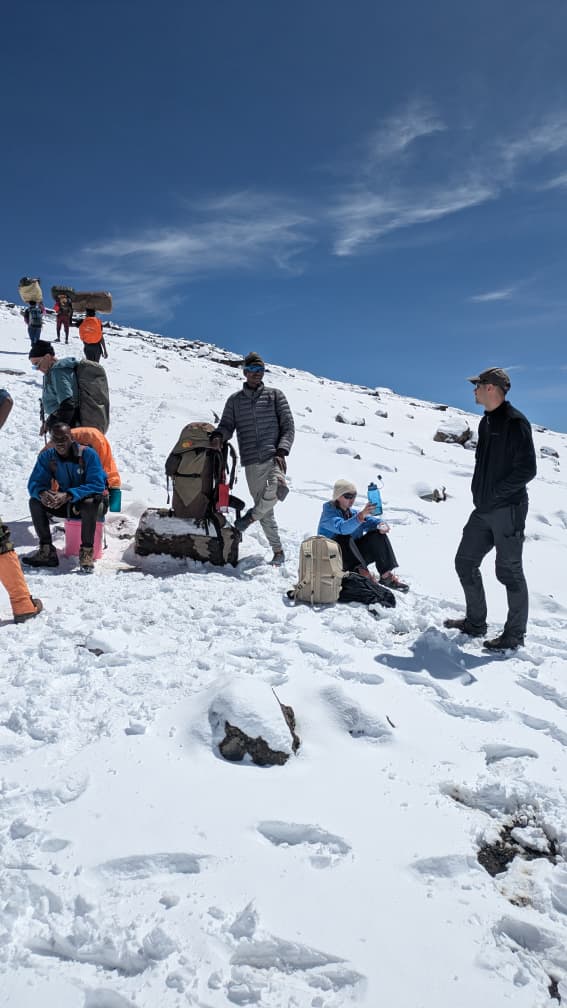
The advantage of a small-group climb is the balance it strikes between the camaraderie of shared experience and the personal attention required for a demanding trek. Unlike larger, impersonal groups, a small group allows for more flexibility, better acclimatization management by guides, and a more intimate connection with the mountain environment and fellow trekkers. For 2026 and 2027, this timing remains a top choice for those prioritizing favorable weather.
The Dry Season Advantage in July
Kilimanjaro experiences two main dry seasons: January to February and June to October. July is firmly within the longer dry season. During this time:
- Minimal Rainfall: Precipitation is significantly lower, meaning your trek is less likely to be interrupted by rain, especially at lower and middle altitudes. While higher altitudes can still experience light snow or sleet, heavy downpours are rare.
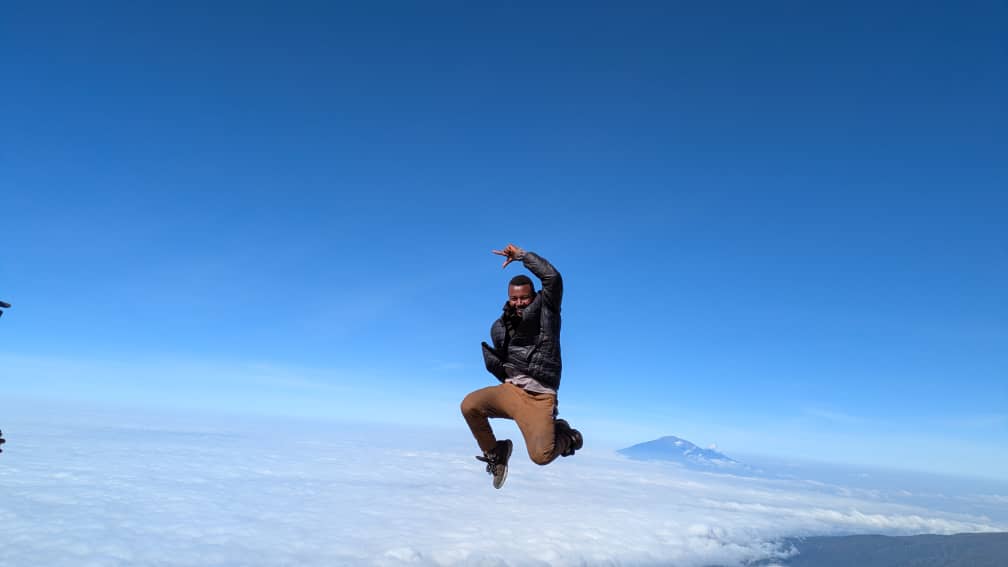
- Clear Skies: Days are often sunny and clear, offering spectacular panoramic views of the surrounding landscape, including Mount Meru and, on exceptionally clear days, the Kenyan plains. Sunrise and sunset views from the higher camps are particularly stunning.
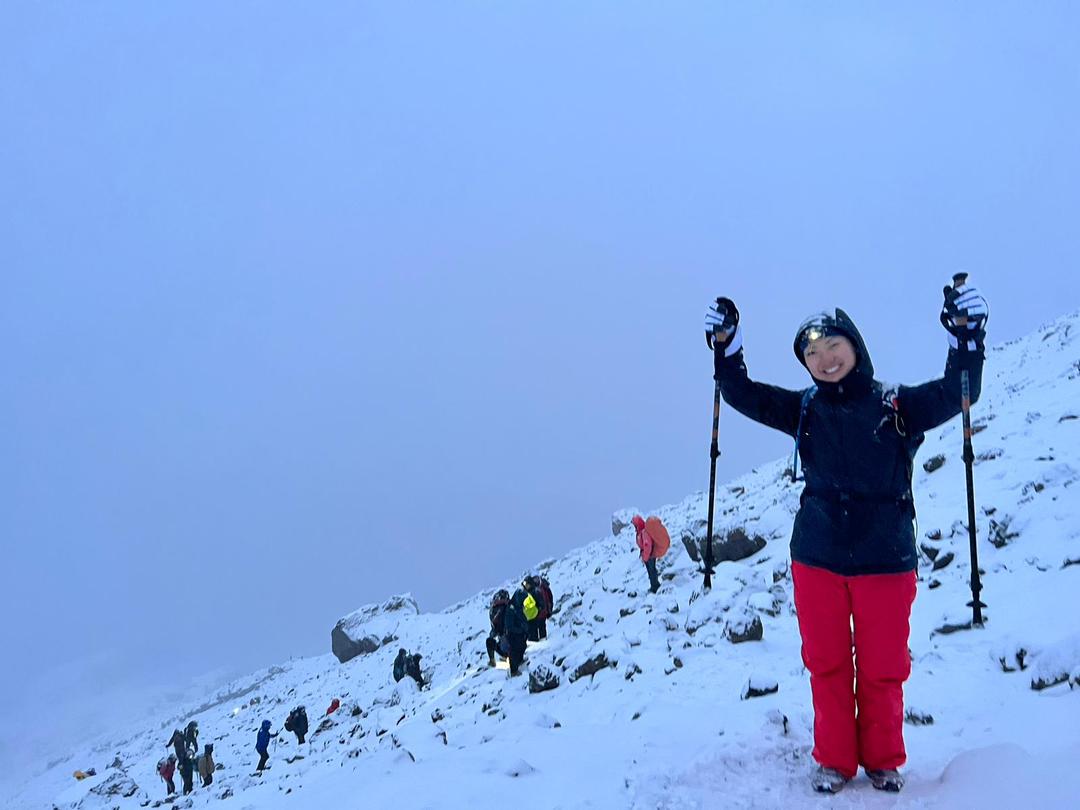
- Cool Temperatures: While days can be pleasant and sunny, temperatures at higher altitudes, especially at the summit, can be quite cold. Expect temperatures to drop significantly at night and during the early morning summit push, often ranging from -5°C to -20°C (23°F to -4°F) near the crater rim and summit.
- Good Visibility: The clear air provides excellent visibility, which is not only aesthetically pleasing but also important for spotting wildlife on the lower slopes and appreciating the vastness of the volcanic caldera at the summit.
The Benefits of Small Group Travel
Opting for a small-group Kilimanjaro climb with Top Guide Adventures offers distinct advantages:
- Personalized Attention: With fewer members, guides can dedicate more individual attention to each climber’s well-being, pace, and acclimatization. This is critical for summit success and safety.
- Enhanced Camaraderie: A small group fosters a closer bond among trekkers. Sharing the challenges and triumphs of the climb with a like-minded group can be incredibly motivating and rewarding.
- Flexibility: While adhering to a set itinerary, small groups often allow for minor adjustments based on the group’s collective pace and needs, something larger groups might struggle with.
- Environmental Impact: Smaller groups generally have a lighter footprint on the mountain’s fragile ecosystem.
- Cost-Effectiveness: Sharing costs for guides, porters, park fees, and logistics among a small group typically makes it more affordable than a private climb, without sacrificing quality of service.
Choosing the Right Route for Your July Climb
While July offers great weather across all routes, the choice of route significantly impacts your experience, acclimatization profile, scenery, and success rate. For a July Kilimanjaro small-group climb, Top Guide Adventures recommends routes that offer the best balance of acclimatization and scenic beauty. The most popular routes for small groups during this period are:
Machame Route: The Popular Choice
Often called the “Whiskey Route,” the Machame Route is the most popular for climbers seeking a challenging yet rewarding ascent. It is known for its excellent acclimatization profile and stunning scenery.
- Duration: Typically 6, 7, or 8 days. For a July climb, 7 or 8 days are strongly recommended to enhance acclimatization and improve summit success rates.
- Scenery: It traverses diverse landscapes, from rainforest to moorland, alpine desert, and Arctic summit zones. The trek circles the mountain, offering different views each day.
- Acclimatization: Machame follows the “climb high, sleep low” principle effectively, particularly on the 7 and 8-day itineraries, which is vital for acclimatization.
- Crowds: Being popular, it can be moderately crowded, especially in July, but small groups help maintain a personal feel.
- Accommodation: Camping is the standard, with sturdy tents provided.
- Summit Success Rate: Generally high, especially on the 7 and 8-day versions, due to good acclimatization.
Lemosho Route: The Scenic Favorite
The Lemosho Route is considered one of the most beautiful routes, offering a more remote and wild experience, especially in its initial days.
- Duration: Usually 7, 8, or 9 days. An 8 or 9-day Lemosho climb is ideal for optimal acclimatization and enjoying the scenery.
- Scenery: It starts in the lush rainforest on the western side, offering incredible views and a sense of wilderness. It then joins the Machame route in the later stages.
- Acclimatization: Excellent, especially on the longer itineraries (8-9 days), as it offers a slower ascent and good “climb high, sleep low” opportunities.
- Crowds: Less crowded than Machame, particularly in the first few days, offering a more serene trekking experience in July.
- Accommodation: Camping.
- Summit Success Rate: Very high, often among the highest, due to its superior acclimatization profile and duration.
Marangu Route: The “Coca-Cola” Route
The Marangu Route is the oldest and most established route. It’s unique for its hut accommodation and shorter duration options.
- Duration: 5 or 6 days. The 6-day option is highly recommended for better acclimatization. The 5-day option is very rapid and carries a significantly lower summit success rate.
- Scenery: Offers varied landscapes but doesn’t circle the mountain, meaning you see less of its diverse topography compared to Machame or Lemosho.
- Acclimatization: Poorer than Machame or Lemosho, especially on the 5-day trek, as it ascends and descends the same path relatively quickly.
- Crowds: Can be quite crowded, especially in July.
- Accommodation: Huts, offering a unique comfort compared to camping.
- Summit Success Rate: Lower than Machame or Lemosho, particularly on the 5-day trek, due to inadequate acclimatization time.
For a July Kilimanjaro small-group climb, Top Guide Adventures generally recommends the 7 or 8-day Machame Route or the 8-day Lemosho Route. These offer the best combination of acclimatization, scenery, and higher success rates, making your 2026 or 2027 trek more enjoyable and achievable.
Recommendation for July 2026-2027 Climbs:
Given the excellent weather in July, focusing on routes that prioritize acclimatization is key. The 7-day Machame Route or the 8-day Lemosho Route are excellent choices for small-group departures in 2026 and 2027. They provide sufficient time for your body to adapt to the altitude, significantly increasing your chances of reaching Uhuru Peak.
Understanding Kilimanjaro’s Altitude and Acclimatization
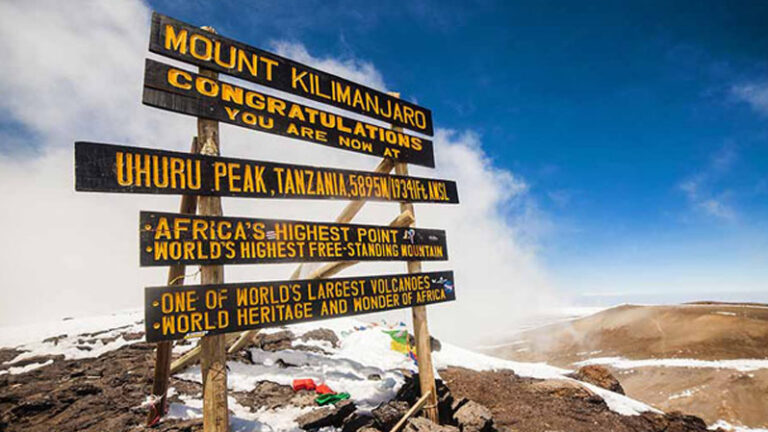
Mount Kilimanjaro is Africa’s highest peak at 5,895 meters (19,341 feet). The primary challenge for climbers is not the technical difficulty but the altitude. Altitude sickness, or Acute Mountain Sickness (AMS), is a serious concern, and proper acclimatization is paramount for a safe and successful ascent. A July Kilimanjaro small-group climb must prioritize acclimatization strategies.
How Altitude Affects the Body
As you ascend, the atmospheric pressure decreases, meaning there is less oxygen available for your body to absorb. At 5,000 meters (16,400 feet), the oxygen availability is about half of what it is at sea level. Your body needs time to adapt to this lower oxygen environment. Symptoms of AMS can range from mild headaches and nausea to severe, life-threatening conditions like High Altitude Cerebral Edema (HACE) and High Altitude Pulmonary Edema (HAPE).
Key Acclimatization Principles
Top Guide Adventures adheres to best practices for acclimatization:
- Go “Pole Pole” (Slowly Slowly): This Swahili phrase is the mantra of Kilimanjaro climbers. Ascending at a slow, steady pace allows your body more time to adjust to the decreasing oxygen levels. This is why longer routes (7-9 days) are recommended over shorter ones.
- Climb High, Sleep Low: This principle involves ascending to a higher altitude during the day and then descending to a lower altitude to sleep. This process helps your body acclimatize more effectively. Routes like Machame and Lemosho incorporate this principle well.
- Hydration: Drinking plenty of fluids (3-4 liters per day) is crucial. Water helps your body function better at altitude and can aid in preventing AMS. Avoid alcohol and caffeine, which can dehydrate you.
- Proper Nutrition: Eating well, even when your appetite decreases at altitude, provides the energy needed for the climb. High-carbohydrate meals are generally recommended.
- Listen to Your Body and Guide: Pay close attention to any symptoms of AMS. Your guides are trained to recognize and manage altitude sickness. Communicate openly with them about how you are feeling. Never ascend if you have symptoms of moderate to severe AMS.
- Avoid Overexertion: Pushing yourself too hard, especially in the initial days, can exacerbate altitude symptoms.
Duration and Acclimatization
The length of your trek is the single most important factor in acclimatization and summit success. For a July Kilimanjaro small-group climb, Top Guide Adventures strongly advocates for itineraries of at least 7 days.
A 7-day trek provides a reasonable balance between acclimatization and time commitment. An 8 or 9-day trek, like the Lemosho or a longer Machame, offers even better acclimatization and significantly higher success rates, especially for those who may be more susceptible to altitude effects or are seeking a more relaxed pace.
Avoid 5-day treks, particularly on the Marangu route. These rapid ascents do not allow adequate time for acclimatization and lead to a much lower probability of reaching the summit safely. The risk of severe altitude sickness is also considerably higher.
Preparing for Your July Kilimanjaro Small-Group Climb
Successful preparation is key to enjoying your July Kilimanjaro small-group climb and maximizing your chances of reaching the summit. This involves physical training, mental preparation, and meticulous gear selection.
Physical Training
Kilimanjaro is a strenuous trek, and while you don’t need to be an elite athlete, a good level of fitness is essential. Focus your training on cardiovascular endurance and leg strength.
- Cardiovascular Fitness: Engage in activities like hiking, running, cycling, or swimming for at least 3-4 times a week. Aim for sessions of 45-60 minutes.
- Hiking with a Pack: This is the most relevant training. Hike regularly, ideally on varied terrain (hills, stairs), carrying a backpack similar to what you’ll use on the mountain (around 5-8 kg). This helps your body adapt to carrying weight and climbing.
- Strength Training: Focus on leg muscles (quadriceps, hamstrings, calves) and core strength. Squats, lunges, step-ups, and planks are beneficial.
- Stamina Building: Try to do longer hikes, gradually increasing the duration and elevation gain. A 4-6 hour hike once a week is excellent preparation.
- Consistency is Key: Start training at least 2-3 months before your climb.
Mental Preparation
The mental aspect of climbing Kilimanjaro is as important as the physical. You will face challenges, fatigue, cold, and potentially discomfort.
- Set Realistic Expectations: Understand that the summit push is demanding. There will be moments of doubt.
- Develop Resilience: Practice pushing through discomfort during your training hikes.
- Visualize Success: Imagine yourself reaching the summit and enjoying the views.
- Embrace the Group Dynamic: Be prepared to support and be supported by your fellow group members. The shared experience is a significant part of the journey.
Gear and Packing List for July
Packing correctly is vital for comfort and safety, especially in July when temperatures can fluctuate dramatically. Layering is the key strategy.
Essential Gear for Your July Kilimanjaro Climb:
- Base Layers: Moisture-wicking synthetic or merino wool tops and bottoms (3-4 sets).
- Mid Layers: Fleece jackets or vests (2-3).
- Insulation Layer: A warm down or synthetic puffy jacket is essential for evenings and summit night.
- Outer Shell: Waterproof and windproof jacket and trousers (Gore-Tex or similar).
- Trekking Trousers: Comfortable, quick-drying hiking pants (2 pairs). Avoid jeans.
- Headwear: Warm fleece hat, sun hat with a brim, balaclava or warm neck gaiter.
- Gloves: Warm waterproof outer gloves and thinner liner gloves.
- Footwear:
- Hiking Boots: Well-worn-in, waterproof, sturdy hiking boots with good ankle support.
- Camp Shoes/Sandals: For relaxing at camp.
- Socks: Wool or synthetic hiking socks (5-7 pairs).
- Backpack:
- Daypack: 30-40 liter capacity for essentials (water, snacks, camera, extra layers).
- Duffel Bag: 80-100 liter capacity for porters to carry (waterproof recommended).
- Sleeping Bag: Rated to at least -15°C (0°F) or -20°C (-4°F).
- Headlamp: With extra batteries. Essential for night-time and early morning.
- Trekking Poles: Highly recommended for reducing strain on knees.
- Water Bottles/Hydration Reservoir: Minimum 3-liter capacity. Insulated sleeves are useful for July to prevent freezing.
- Sun Protection: High SPF sunscreen, lip balm with SPF, sunglasses.
- Personal Items: Toiletries, personal first-aid kit, blister treatment, hand sanitizer, wet wipes.
- Camera and Power Bank: For photos and keeping devices charged.
- Snacks: Energy bars, nuts, dried fruit.
Important Note for July Climbers: While July is dry, temperatures can still be very cold, especially on summit night. Ensure your sleeping bag and insulated jacket are warm enough. Waterproof gear is still essential, as brief showers can occur, and snow is common at the summit.
Daily Itinerary Example: 7-Day Machame Route Small-Group Climb
This example itinerary provides a realistic overview of a July Kilimanjaro small-group climb on the popular Machame Route. This structure is designed for optimal acclimatization and enjoyment.
Day 1: Machame Gate (1,800m/5,905ft) to Machame Camp (3,050m/10,007ft)
- Distance: 11 km (6.8 miles)
- Time: 5-7 hours trekking
- Habitat: Rainforest
- Description: After breakfast and a briefing, you’ll be driven to Machame Gate. Here, you’ll complete registration, and your guides and porters will arrange the equipment. The trek begins through the dense rainforest, a beautiful introduction to the mountain. The trail can be muddy in July, so waterproof boots are essential.
Day 2: Machame Camp (3,050m/10,007ft) to Shira Camp (3,850m/12,631ft)
- Distance: 5 km (3.1 miles)
- Time: 4-6 hours trekking
- Habitat: Moorland
- Description: Today involves a steady ascent out of the rainforest and into the moorland zone. The landscape opens up, offering glimpses of Kilimanjaro’s western side. You’ll reach Shira Camp, a scenic spot on a plateau with stunning views.
Day 3: Shira Camp (3,850m/12,631ft) to Barranco Camp (3,970m/13,024ft)
- Distance: 10 km (6.2 miles)
- Time: 6-8 hours trekking
- Habitat: Alpine Desert
- Description: This day is crucial for acclimatization. You’ll trek east towards Kilimanjaro’s icy peaks, passing through the alpine desert landscape. You’ll climb to over 4,000 meters before descending to Barranco Camp, located at the base of the imposing Barranco Wall. This follows the “climb high, sleep low” principle.
Day 4: Barranco Camp (3,970m/13,024ft) to Karanga Camp (4,035m/13,238ft)
- Distance: 5 km (3.1 miles)
- Time: 4-5 hours trekking
- Habitat: Alpine Desert
- Description: The day starts with the challenging but rewarding climb up the Barranco Wall. This section requires scrambling and is an excellent test of your agility and nerve. After conquering the wall, the trail becomes less steep, leading you through valleys and ridges to Karanga Camp, situated in a col with views of the southern ice fields.
Day 5: Karanga Camp (4,035m/13,238ft) to Barafu Camp (4,640m/15,223ft)
- Distance: 4 km (2.5 miles)
- Time: 3-5 hours trekking
- Habitat: Alpine Desert
- Description: A shorter trekking day allows for rest and preparation for summit night. You’ll ascend through a rocky landscape towards Barafu Camp, the base camp from which the summit attempt is made. You’ll have an early dinner and an even earlier bedtime.
Day 6: Barafu Camp (4,640m/15,223ft) to Uhuru Peak (5,895m/19,341ft) and down to Mweka Camp (3,100m/10,170ft)
- Distance: 7 km ascent, 14 km descent
- Time: 7-9 hours ascent, 5-7 hours descent
- Habitat: Arctic to Rainforest
- Description: The summit attempt begins around midnight. You’ll trek slowly upwards in the dark, often in cold temperatures, using headlamps. Stella Point (5,739m/18,832ft) is the first major milestone, followed by the final push to Uhuru Peak, the roof of Africa. After celebrating at the summit, you’ll descend back to Barafu Camp for a short rest before continuing down through the moorland and forest to Mweka Camp. This is the longest and most challenging day.
Day 7: Mweka Camp (3,100m/10,170ft) to Mweka Gate (1,500m/4,921ft)
- Distance: 10 km (6.2 miles)
- Time: 4-6 hours trekking
- Habitat: Rainforest
- Description: After breakfast, you’ll complete the final descent through the rainforest to Mweka Gate. Here, you’ll celebrate your achievement with your team and receive your climbing certificates. A vehicle will be waiting to transfer you back to your hotel in Moshi.
Cost Considerations for a July Kilimanjaro Small-Group Climb
The cost of a July Kilimanjaro small-group climb can vary significantly depending on the route chosen, the duration of the trek, the operator’s inclusions, and the level of service provided. Top Guide Adventures aims to offer competitive pricing while ensuring the highest standards of safety, support, and guide quality.
Factors Influencing Price:
- Route and Duration: Longer routes (e.g., Lemosho 8-day) are generally more expensive than shorter ones (e.g., Machame 7-day) due to additional days of park fees, food, and staff costs.
- Operator’s Standards: Companies that invest in well-trained guides, quality equipment, fair porter wages, and comprehensive safety protocols (like oxygen cylinders and emergency evacuation arrangements) will typically have higher prices.
- Inclusions: What is included in the package? Common inclusions are park fees, camping equipment, meals on the mountain, guides, porters, and transfers. Exclusions often include flights, visa fees, travel insurance, tips for staff, personal gear, and pre/post-climb accommodation.
- Group Size: While you’re opting for a small group, the exact number of participants can slightly affect per-person costs.
Typical Price Range for 2026-2027:
For a reputable operator like Top Guide Adventures, offering a July Kilimanjaro small-group climb on a popular route like Machame (7-day) or Lemosho (8-day) in 2026 or 2027, you can expect prices to range approximately from $1,800 to $2,800 USD per person.
This range typically covers:
- Park entrance fees (which are substantial)
- Camping fees
- All meals on the mountain
- Boiled drinking water
- Guides, assistant guides, and porters
- Porters’ wages, food, and equipment
- Camping equipment (tents, sleeping mats)
- Transfer from Moshi to the gate and back
- Temporary rescue association fees
What is usually NOT included:
- Flights to/from Kilimanjaro International Airport (JRO)
- Visa fees
- Travel and medical insurance (mandatory)
- Tips for guides, porters, and cooks (a significant part of their income)
- Personal climbing gear (sleeping bag, boots, etc.)
- Accommodation and meals in Moshi before and after the climb
- Personal expenses (souvenirs, drinks, etc.)
- Optional activities (e.g., hot showers at specific camps, energy drinks)
Get Your Custom Quote for 2026-2027:
For precise pricing tailored to your chosen route, dates, and group size for a July Kilimanjaro small-group climb in 2026 or 2027, please contact Top Guide Adventures directly. We pride ourselves on transparency and offering excellent value for a safe and successful climb.
WhatsApp: +255616946642
Email: topguideadventures@gmail.com
Backup Email: info@topguideadventures.com
Safety on the Mountain: Top Guide Adventures’ Commitment
Safety is the absolute priority for any July Kilimanjaro small-group climb. Top Guide Adventures implements rigorous safety protocols to ensure the well-being of every climber.
Experienced and Certified Guides
Our guides are not just mountain experts; they are highly trained in wilderness first aid, altitude sickness management, and rescue techniques. They undergo regular training and are certified by relevant bodies. They are adept at monitoring climbers’ health, recognizing early signs of AMS, and making critical decisions to ensure safety.
Oxygen and First Aid
Every Top Guide Adventures climb is equipped with supplementary portable oxygen cylinders for emergency use. Our lead guides carry comprehensive first-aid kits, including medications for common altitude-related ailments and general first aid needs. They are trained to administer immediate care until evacuation is possible if necessary.
Emergency Evacuation Plan
In the event of a serious medical emergency, a well-rehearsed evacuation plan is in place. This typically involves:
- Immediate assessment by the guide.
- Administration of oxygen if required.
- Assisted descent by guides and porters.
- Use of a rescue vehicle or stretcher if the situation demands.
- Coordination with local rescue services.
Top Guide Adventures partners with the Kilimanjaro Christian Medical Centre (KCMC) Flying Doctors or similar services for rapid evacuation from remote areas when required. Travel insurance that covers high-altitude trekking and emergency medical evacuation is mandatory for all climbers.
Porter Welfare
The welfare of our porters and support crew is integral to our safety ethos. We ensure they are well-equipped, adequately fed, and not overloaded. Happy and healthy crew members contribute significantly to a safer and more positive climbing experience for everyone.
What to Expect on a Small-Group Climb in July
A July Kilimanjaro small-group climb offers a unique blend of adventure, challenge, and shared experience. Understanding what to expect will help you prepare mentally and physically.
The Daily Rhythm
Days on Kilimanjaro typically follow a predictable rhythm:
- Early Morning: Wake up call, usually around 6:00 AM or 7:00 AM, with hot water for washing.
- Breakfast: A hearty breakfast served in the mess tent or at your campsite.
- Trekking: The main part of the day, usually starting around 8:00 AM or 9:00 AM. You’ll walk at a steady “pole pole” pace. Guides will stop periodically for snacks and hydration breaks.
- Lunch: A packed lunch is usually enjoyed en route, or a hot meal may be prepared by the cook at a designated spot.
- Afternoon: Arrive at the next camp, typically between 2:00 PM and 4:00 PM.
- Camp Life: After arrival, you’ll have time to rest, hydrate, and have snacks. Guides will brief you on the next day’s plan.
- Dinner: A substantial evening meal served in the mess tent.
- Evening: Early bedtime, usually by 8:00 PM or 9:00 PM, to maximize rest before the next day’s trek, especially crucial before summit night.
Food on the Mountain
Top Guide Adventures provides nutritious and delicious meals prepared by experienced cooks. The menu is designed to provide ample energy for the strenuous climb. Typical meals include:
- Breakfast: Porridge, eggs, toast, pancakes, fruit, tea, coffee.
- Lunch: Sandwiches, soup, pasta, rice dishes, salads.
- Dinner: Stews, chicken, beef, fish, rice, pasta, vegetables, followed by dessert.
Special dietary requirements (vegetarian, vegan, gluten-free, etc.) can usually be accommodated with advance notice. Please inform us when booking your July Kilimanjaro small-group climb.
Summit Night Experience
Summit night is the most challenging part of the climb. It begins around midnight from Barafu Camp.
- The Cold: Temperatures can drop to -20°C (-4°F) or lower. You’ll be trekking in the dark, relying on your headlamp.
- The Pace: It’s a slow, deliberate ascent, step by step. The guides will keep the group together and monitor everyone closely.
- The Altitude: The air is thin, making breathing difficult. Focus on your breathing and the “pole pole” mantra.
- The Reward: Reaching Stella Point offers the first glimpse of dawn. The final hour to Uhuru Peak is stunning as the sun rises over the horizon, illuminating the glaciers and crater.
Post-Summit Descent
After reaching Uhuru Peak and spending a short time taking photos, the descent is almost as important as the ascent. It’s quicker but can be hard on the knees. You’ll descend back to Barafu Camp for a brief rest and refuel before continuing all the way down to Mweka Camp. This long day requires stamina and resilience.
Comparing Kilimanjaro Routes for July 2026-2027
When planning your July Kilimanjaro small-group climb, understanding the differences between the main routes is essential for making an informed decision. Here’s a comparison focusing on factors relevant to July trekking:
| Feature | Machame Route (7-Day) | Lemosho Route (8-Day) | Marangu Route (6-Day) |
|---|---|---|---|
| Duration | 7 Days | 8 Days | 6 Days |
| Acclimatization | Good | Excellent | Poor |
| Scenery | Very Good (diverse landscapes) | Excellent (remote start, diverse) | Moderate (less varied) |
| Summit Success Rate | High (approx. 75-85%) | Very High (approx. 85-95%) | Moderate (approx. 65-75%) |
| Accommodation | Camping | Camping | Huts |
| Crowds in July | Moderate to High | Moderate (less crowded early) | High |
| Difficulty | Challenging | Challenging | Moderate (but altitude is a bigger factor) |
| Ideal for July | Yes, popular and reliable | Yes, excellent for acclimatization | Consider only if hut accommodation is a must, and opt for 6 days minimum. |
Top Guide Adventures’ Recommendation for July 2026-2027: The Lemosho Route (8-day) is often the preferred choice for small-group climbs due to its superior acclimatization profile, leading to higher success rates and a more comfortable trek. The Machame Route (7-day) remains a fantastic and slightly more budget-friendly option that still offers a great experience and good success rates.
Booking Your July Kilimanjaro Small-Group Climb for 2026-2027
Ready to take on the challenge of Africa’s highest peak? Booking your July Kilimanjaro small-group climb with Top Guide Adventures is straightforward. We are committed to providing you with an unforgettable adventure, prioritizing your safety, comfort, and success.
Why Book with Top Guide Adventures?
- Local Expertise: As a trusted Tanzanian tour operator, we have deep knowledge of Kilimanjaro and the local conditions.
- Experienced Guides: Our guides are highly trained, experienced, and passionate about sharing the magic of Kilimanjaro.
- Safety First: We adhere to stringent safety protocols, including the provision of oxygen and comprehensive first-aid.
- Fair Treatment of Staff: We believe in ethical treatment and fair wages for our entire team, including porters.
- Complete Support: From your initial inquiry to your return from the mountain, our team provides dedicated support.
- Small Group Focus: We specialize in small-group departures, ensuring a personalized and intimate experience.
How to Book:
1. Contact Us: Reach out to us with your preferred dates for a July Kilimanjaro small-group climb in 2026 or 2027. Let us know if you have a specific route in mind or if you’d like advice.
2. Get a Quote: We will provide you with a detailed itinerary and a transparent quote, outlining all inclusions and exclusions.
3. Confirmation: Once you are happy with the proposal, we will send you a booking form and details for the deposit payment.
4. Preparation: We will provide you with comprehensive pre-climb information, including training advice, packing lists, and visa guidance.
Payment and Deposits:
A deposit is typically required to confirm your booking for a July Kilimanjaro small-group climb. The balance is usually due a few weeks before your departure date. Specific payment schedules will be provided upon booking.
Travel Insurance:
Mandatory travel insurance covering high-altitude trekking and emergency medical evacuation is required for all climbers. Please ensure your policy covers altitudes up to 6,000 meters.
Don’t miss the opportunity to experience the majesty of Kilimanjaro during its prime season. Join a Top Guide Adventures July Kilimanjaro small-group climb in 2026 or 2027 for a safe, successful, and unforgettable adventure.
For inquiries and bookings, please contact us:
WhatsApp: +255616946642
Email: topguideadventures@gmail.com
Backup Email: info@topguideadventures.com
We look forward to helping you achieve your Kilimanjaro dream!
Check Availability for July Kilimanjaro Small-Group Climb: Your Essential Guide | Top Adventures
Ready to compare dates, prices, and the best option for your group? Send the package name and travel month so the team can reply with a clear quote, availability, and what is included.
French Group Departures For Kilimanjaro: Your Guide 2026-2027
Discover essential information for French speakers planning a Kilimanjaro climb via group departures in 2026-2027. This comprehensive guide covers routes, preparation, costs, and booking...
View package details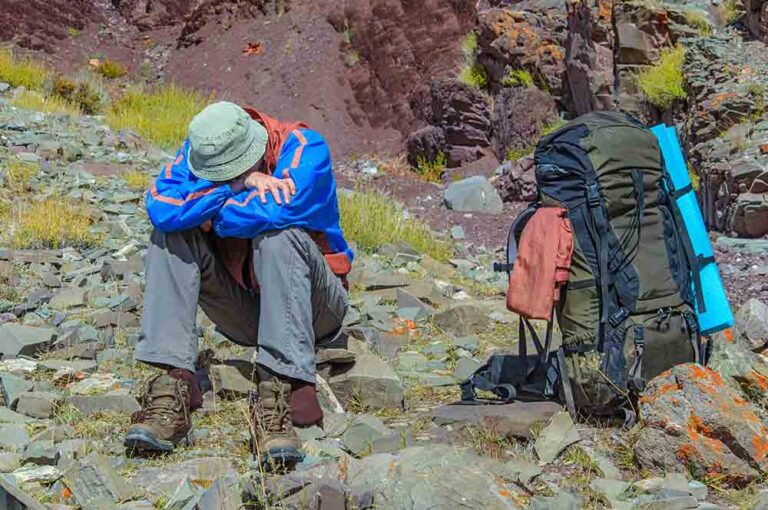
German Group Departures For Kilimanjaro: Your Guide 2026-2027
Planning a Kilimanjaro climb with fellow German speakers? Discover curated group departures for 2026-2027, focusing on safety, success, and cultural connection. Top Guide Adventures...
View package details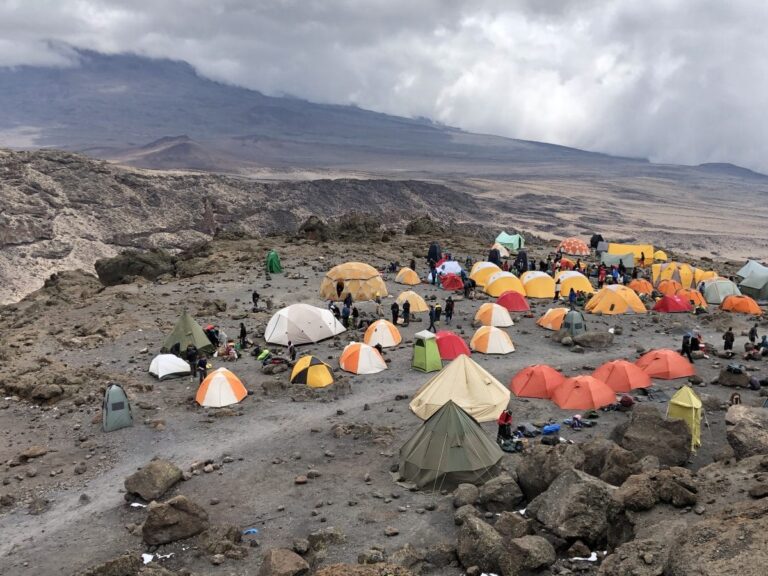
Kilimanjaro Veterans Group Expeditions For 2026-2027
Discover the unique opportunities for veterans to climb Mount Kilimanjaro together through specially organized group expeditions. Learn about the benefits, best routes, and planning...
View package details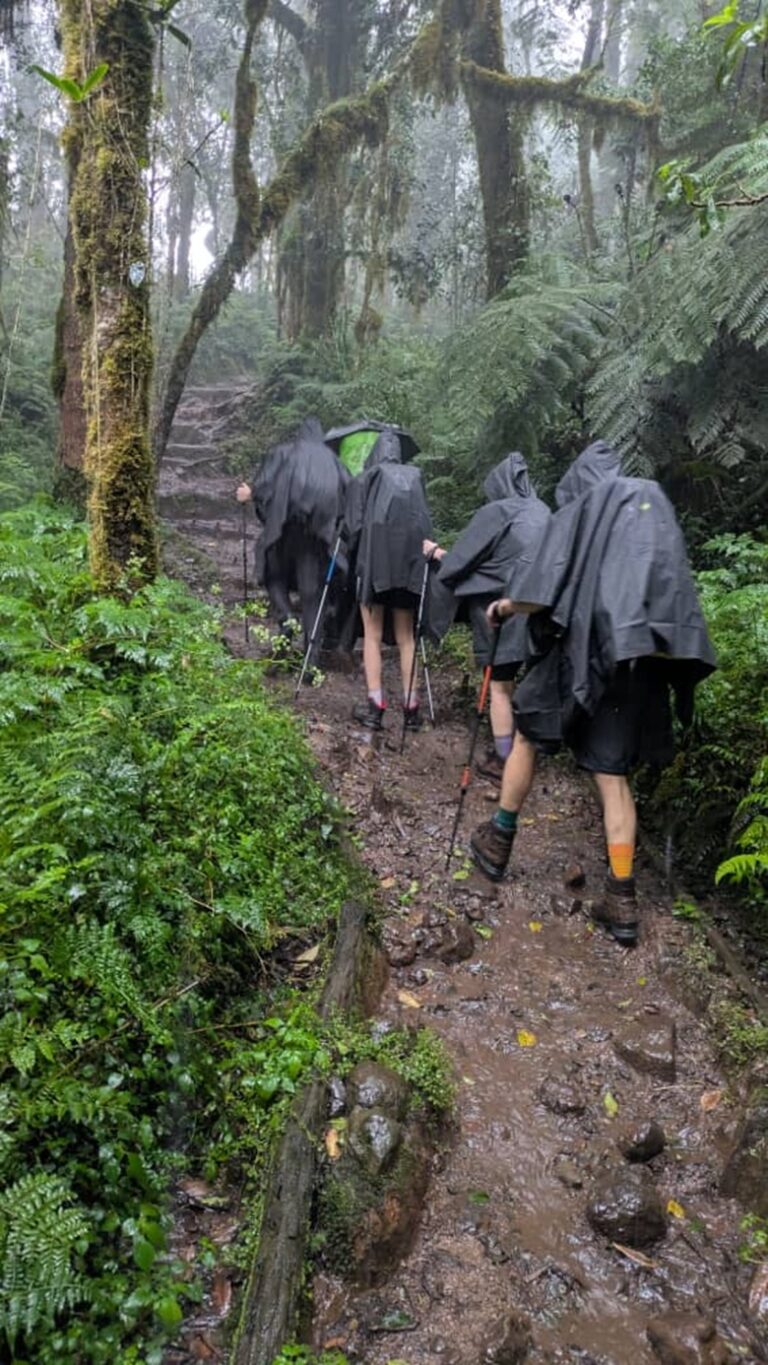
Multilingual Kilimanjaro Group Climbing Tour 2026-2027
Multilingual Kilimanjaro Group Climbing Tour is explained with current 2026-2027 planning, price, itinerary and booking information.
View package details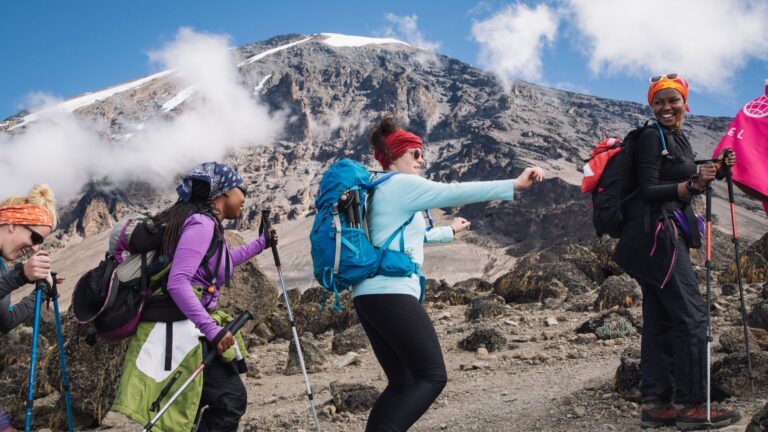
Kilimanjaro Climb With A Swahili-Speaking Guide: Your Essential Top Adventures
Ascend Mount Kilimanjaro with Top Guide Adventures, led by experienced Swahili-speaking guides. This comprehensive guide covers everything you need to know for a successful climb in...
View package details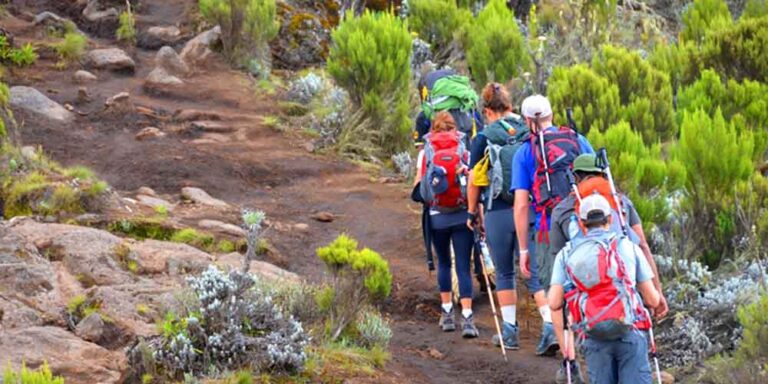
Kilimanjaro Climb With A Hindi-Speaking Guide 2026-2027
Kilimanjaro Climb with a Hindi-Speaking Guide is explained with current 2026-2027 planning, price, itinerary and booking information.
View package details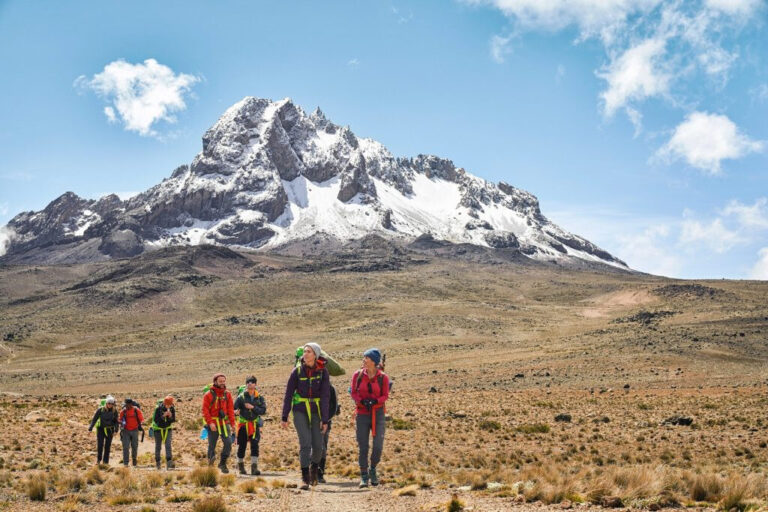
Kilimanjaro Climb With A Hebrew-Speaking Guide: Your Adventure 2026-2027
Discover how to arrange a Kilimanjaro climb with a Hebrew-speaking guide, ensuring a comfortable and culturally connected experience for Israeli hikers planning their 2026-2027 adventure...
View package detailsKilimanjaro Climb With A Korean-Speaking Guide 2026-2027
Kilimanjaro Climb with a Korean-Speaking Guide is explained with current 2026-2027 planning, price, itinerary and booking information.
View package details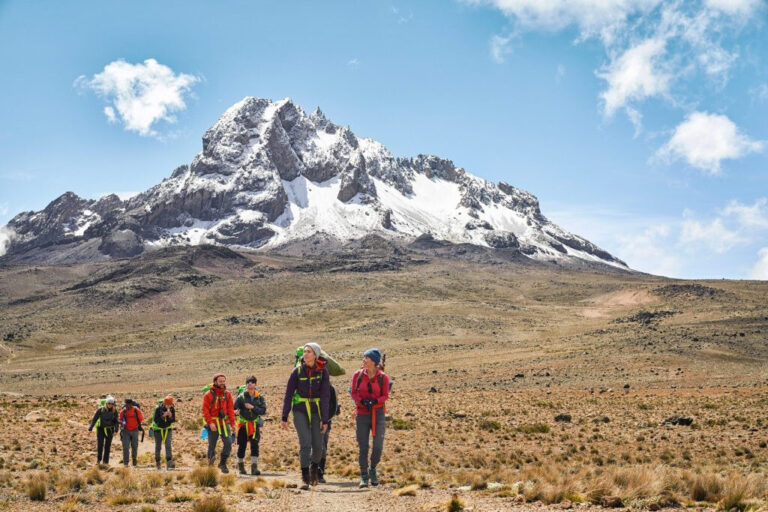
Kilimanjaro Climb With A Japanese-Speaking Guide: Your Ultimate Adventure
start your dream Kilimanjaro climb with a trusted Japanese-speaking guide from Top Guide Adventures. We provide comprehensive support, ensuring a safe and unforgettable experience on...
View package detailsKilimanjaro Climb With An Arabic-Speaking Guide In | Top Adventures 2026-2027
Ascend Mount Kilimanjaro with a dedicated Arabic-speaking guide. Top Guide Adventures provides comprehensive support, safety, and personalized experiences for your 2026-2027 climb.
View package details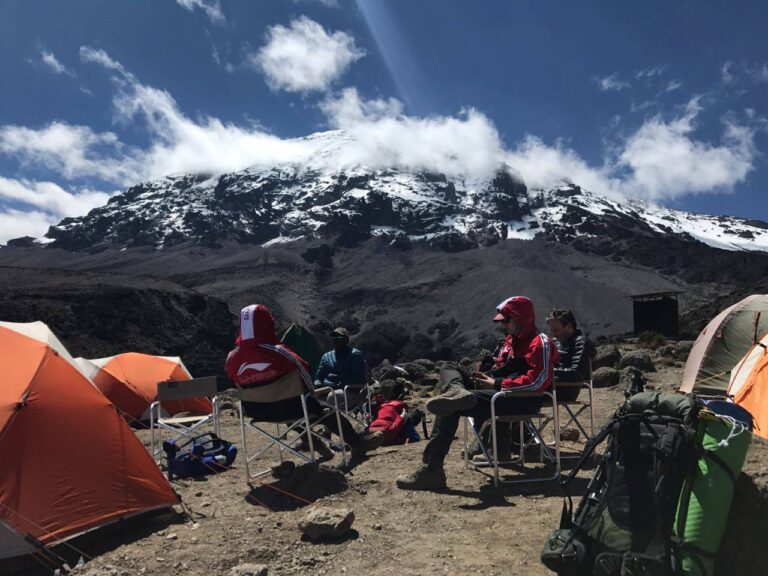
Kilimanjaro Climb With A Russian-Speaking Guide: Your Ultimate Adventure
start your Kilimanjaro adventure with a dedicated Russian-speaking guide. This comprehensive guide covers everything you need to know for a successful climb in 2026-2027, from choosing the...
View package details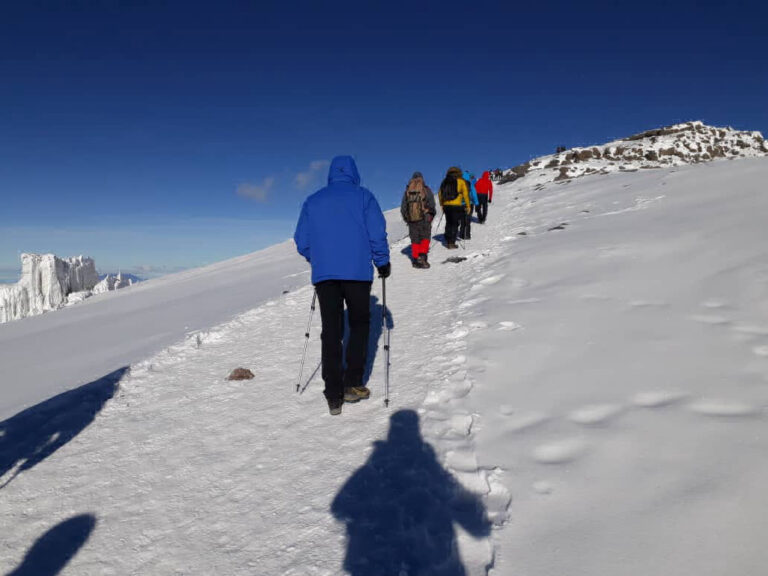
Kilimanjaro Climb With A Polish-Speaking Guide: Your Comprehensive Planning
Discover how to arrange a Kilimanjaro climb with a dedicated Polish-speaking guide. This extensive guide covers route options, preparation, costs, and booking considerations for your...
View package detailsNo related package matches those filters. Clear one or more filters to see the other topic-matched options.



