
An August Kilimanjaro climb for university groups is highly recommended due to the dry season offering the best weather conditions, clear skies, and stable trails, making it ideal for a group expedition in 2026 or 2027. Top Guide Adventures specializes in organizing these climbs, focusing on safety, success rates, and tailored experiences for student groups, typically involving routes like the Machame or Lemosho over 7-8 days, with costs varying based on group size and inclusions but generally ranging from $1,800 to $3,000 per person.
Why August is Prime Time for University Group Kilimanjaro Climbs
Choosing the right month for a Kilimanjaro expedition is crucial, especially when coordinating for a university group. August stands out as a peak month for several compelling reasons. Tanzania’s climate follows distinct wet and dry seasons, and August falls squarely within the longer dry season, which typically runs from June to October. This means your university group can anticipate stable weather, minimal rainfall, and clear, panoramic views from the summit and along the trails. For student groups, this translates to a more comfortable and enjoyable trekking experience, significantly increasing the chances of a successful summit attempt. The dry conditions also mean trails are less muddy and slippery, enhancing safety for groups, which is a paramount concern for university-led expeditions in 2026 and 2027.
The dry season offers cooler temperatures at higher altitudes, which can be a welcome relief after strenuous trekking days. While the summit night will still be very cold, the daytime trekking temperatures are generally pleasant. Furthermore, August typically provides excellent visibility. This is vital for university groups who will want to capture the stunning landscapes and the impressive sunrise from Uhuru Peak. Clear skies mean you can see Mount Meru in the distance and enjoy the vast plains of the Serengeti from afar. This clarity significantly enhances the overall visual reward of the climb, making the effort feel even more worthwhile for students and their chaperones.
Organizing a group trip requires careful planning, and the predictability of August weather simplifies this process. University groups can feel more confident in their planning when they know they are heading to Kilimanjaro during a period of high probability for good trekking conditions. This reduces the variables that can impact a group’s morale and physical well-being. Top Guide Adventures understands these nuances and has extensive experience in leading university groups during this optimal window, ensuring that all logistical aspects are handled professionally.
Tailoring the August Kilimanjaro Climb for University Groups
University groups often have specific needs and considerations that differ from individual trekkers or other types of groups. These can include budget constraints, varying fitness levels among participants, the desire for a strong team-building component, and a need for robust safety protocols. Top Guide Adventures excels at customizing August Kilimanjaro climbs to meet these unique requirements. We understand that a successful group climb is not just about reaching the summit; it’s about the shared experience, the personal growth, and the memories created.
For university groups planning for 2026 or 2027, we offer:
- Flexible Itinerary Planning: While August is ideal, the duration of the climb itself is a key factor. We recommend longer routes like the Machame (7 days) or Lemosho (8 days) for university groups. These routes offer a slower ascent profile, significantly increasing acclimatization and summit success rates, which is especially important for a diverse group.
- Group-Centric Support: Our guides are trained to manage group dynamics, encourage slower members, and foster a supportive atmosphere. We ensure adequate guide-to-client ratios for safety and personalized attention.
- Budget-Conscious Options: We work with university groups to find the best value without compromising on safety or quality. This can involve selecting specific accommodation options before and after the climb, or group-sized equipment considerations.
- Educational Components: Many university groups are interested in the cultural and ecological aspects of Kilimanjaro. We can integrate educational talks about local flora, fauna, geology, and the Maasai culture, enriching the experience beyond just the physical challenge.
- Pre-Climb Training Guidance: We provide detailed advice on physical preparation and gear recommendations tailored for student budgets and needs, helping members of the university group get ready for the demands of the climb.
The August Kilimanjaro climb for university groups is an opportunity for students to push their limits, build camaraderie, and achieve a significant personal goal together. Top Guide Adventures is committed to making this experience safe, rewarding, and memorable for every participant in 2026 and 2027.
Choosing the Best Route for Your University Group in August 2026-2027
The choice of route is perhaps the most critical decision when planning an August Kilimanjaro climb for a university group. With several paths leading to the summit, each offering a different experience in terms of scenery, difficulty, and acclimatization profile, selecting the right one ensures a better chance of success and a more enjoyable journey for the group. For August climbs, particularly with university students who may have varying levels of trekking experience and fitness, routes that prioritize slow ascent and good acclimatization are paramount. Top Guide Adventures strongly recommends the following for university groups targeting 2026 or 2027 expeditions:
The Machame Route (7 Days)
Often called the “Whiskey Route” due to its popularity, the Machame Route is a fantastic choice for university groups. It offers a 7-day itinerary that provides a good balance between acclimatization and trekking time. The route ascends gradually through diverse ecological zones, offering stunning views and varied landscapes.
Key Features for University Groups:
- Acclimatization Profile: The 7-day Machame route incorporates the crucial “climb high, sleep low” principle, which is vital for effective acclimatization. This significantly boosts summit success rates.
- Scenery: It is widely considered one of the most scenic routes, passing through the rainforest, moorland, and alpine desert zones, offering incredible photographic opportunities for the group.
- Popularity: Being a popular route, it means there are often other groups on the mountain, which can add to the camaraderie and sense of shared adventure for university students.
- Logistics: It’s a well-established route with good camping infrastructure.
The 7-day Machame route is typically the minimum recommended duration for this path to ensure adequate acclimatization for a group. While a 6-day option exists, the additional day in the 7-day itinerary significantly enhances the acclimatization schedule, making it a safer and more comfortable choice for university groups in 2026 and 2027.
The Lemosho Route (8 Days)
The Lemosho Route is another excellent option, particularly favoured for its longer duration and superior acclimatization profile, making it ideal for university groups seeking a higher success rate and a more relaxed pace. Its 8-day itinerary offers the best chance for acclimatization and is often considered the most scenic route overall.
Key Features for University Groups:
- Superior Acclimatization: With 8 days on the mountain, the Lemosho route provides an exceptional opportunity for the body to adapt to the altitude. This is particularly beneficial for a diverse group with potentially varying fitness levels.
- Stunning Scenery: The route starts in the lush rainforest on the western side of Kilimanjaro and offers dramatic views, including the iconic Shira Plateau. The approach is more remote and wild, offering a unique wilderness experience.
- Lower Crowd Density Initially: While it eventually merges with the Machame route, Lemosho offers a more tranquil beginning, allowing the group to bond and find their rhythm before encountering more trekkers.
- Higher Summit Success Rates: Due to its length and excellent acclimatization, Lemosho consistently reports higher success rates compared to shorter routes.
For university groups prioritizing safety, success, and a more profound connection with the mountain environment during their August 2026-2027 climb, the 8-day Lemosho route is a top recommendation from Top Guide Adventures.
Other Routes to Consider (with caveats for university groups)
While Machame and Lemosho are generally preferred, other routes exist:
- Marangu Route (5-6 Days): Known as the “Coca-Cola Route,” it’s the only route with dormitory-style accommodation in huts. While it’s the shortest and cheapest, its rapid ascent profile offers poor acclimatization, leading to significantly lower summit success rates, especially for groups. It’s generally not recommended for university groups aiming for success and a positive experience in August.
- Northern Circuit (9 Days): This is the longest route and offers the best acclimatization and highest success rates. It circles the mountain, providing unique views and a less crowded experience. However, its extended duration and higher cost might be prohibitive for some university groups.
- Rongai Route (6-7 Days): This route approaches from the north, making it a good option during the rainy season, but less relevant for an August climb. It’s generally drier and less scenic than Machame or Lemosho.
Top Guide Adventures always advises university groups to prioritize routes that offer at least 7 days, with 8 days being ideal, to ensure proper acclimatization and maximize the chances of a successful and safe August Kilimanjaro climb in 2026-2027.
August Kilimanjaro Climb: Cost Factors and Budgeting for University Groups
Budgeting for a university group’s Kilimanjaro climb requires careful consideration of various cost factors. The total price for an August Kilimanjaro climb can fluctuate significantly based on the chosen route, duration, group size, and the level of service provided. Top Guide Adventures is committed to offering transparent pricing and helping university groups maximize their budget without compromising on safety or the quality of the experience for their 2026-2027 expeditions.
Here are the key cost components to consider:
1. Park Fees
These are fixed by Kilimanjaro National Park authorities and are a significant portion of the overall cost. They include daily camping/hut fees, crater fees (if applicable), rescue fees, and conservation fees. These fees are uniform for all operators and are subject to change annually. For 2026-2027, expect these to remain a substantial part of the package.
2. Route and Duration
Longer routes like Lemosho (8 days) or Northern Circuit (9 days) incur higher costs due to more days of park fees, guide and porter wages, and food supplies. Shorter routes like Marangu (5 days) are cheaper but less advisable for university groups due to acclimatization issues. For an August Kilimanjaro climb, the recommended 7-day Machame or 8-day Lemosho routes will represent a mid-range to higher cost, reflecting the investment in safety and success.
3. Operator’s Service Level
This is where Top Guide Adventures distinguishes itself. Our packages are designed to offer excellent value, focusing on:
- Experienced and Certified Guides: Our guides are trained in first aid, high-altitude trekking, and local knowledge.
- Quality Equipment: We provide high-quality tents, sleeping mats, and ensure porters have adequate gear and are treated ethically.
- Nutritious Food: Our chefs prepare varied, high-energy meals to sustain trekkers at altitude.
- Porter Support: We employ a fair number of porters to carry the bulk of the gear, ensuring trekkers only carry day packs.
- Safety Equipment: Including oxygen cylinders and comprehensive first-aid kits.
A reputable operator like Top Guide Adventures will naturally cost more than budget operators who might cut corners on guide training, equipment quality, or porter welfare. For university groups, choosing a responsible operator is paramount for safety and ethical considerations.
4. Group Size
Larger university groups can often benefit from economies of scale. While there’s a minimum number of guides and porters required per group regardless of size, a larger group can distribute these fixed costs more effectively, potentially lowering the per-person price. We offer group discounts for university expeditions.
5. Inclusions and Exclusions
Typical Inclusions:
- Kilimanjaro National Park fees
- All meals on the mountain
- Accommodation before and after the climb (often in Moshi/Arusha)
- Tents and camping equipment
- Porters and guides
- Climb-specific safety equipment (e.g., oxygen)
- Trekking poles (often)
- Water and basic snacks on the mountain
Typical Exclusions:
- International flights
- Visa fees
- Travel insurance (mandatory)
- Personal climbing gear (boots, clothing, sleeping bag)
- Tips for guides, porters, and cooks
- Lunches and dinners in town before/after the climb
- Personal expenses (souvenirs, drinks)
- Optional activities (e.g., cultural tours)
Estimated Costs for August Kilimanjaro Climb (2026-2027)
For an August Kilimanjaro climb with a reputable operator like Top Guide Adventures, university groups can expect costs to generally fall within the range of $1,800 to $3,000 USD per person for a standard 7 or 8-day climb (Machame or Lemosho). This range covers quality services, proper acclimatization, and safety measures. Prices may vary based on the exact inclusions, group size, and any specific customizations requested by the university group.
It is crucial for university groups to obtain detailed quotes from operators like Top Guide Adventures, specifying the route, duration, and what is included to make an informed budget decision for their 2026 or 2027 expedition.
Essential Preparation for University Group Trekkers
A successful August Kilimanjaro climb for a university group hinges on thorough preparation. This involves not only physical training but also mental readiness, proper gear selection, and understanding the risks associated with high-altitude trekking. Top Guide Adventures provides comprehensive guidance to ensure every member of your group is well-prepared for the challenge ahead in 2026-2027.
Physical Training
Kilimanjaro is a strenuous trek that requires a good level of cardiovascular fitness and leg strength. University groups should focus on a training regimen that simulates the demands of the climb:
- Cardiovascular Endurance: Engage in activities like running, cycling, swimming, or hiking for at least 3-4 times a week. Aim for sessions of 45-60 minutes.
- Strength Training: Focus on leg and core strength. Squats, lunges, step-ups (with a backpack), and core exercises are highly beneficial.
- Hiking with Pack Weight: The most critical training is hiking on hills or stairs, ideally with a weighted backpack (5-10 kg). This prepares your body for the sustained effort and pack weight you’ll carry.
- Stamina Building: Incorporate longer hikes (3-5 hours) on weekends. Gradually increase the duration and elevation gain.
- Consistency is Key: Start training at least 3-4 months before the expedition. Consistency is more important than occasional intense workouts.
Encourage group members to train together if possible, as this can build motivation and team spirit for the August Kilimanjaro climb.
Gear and Equipment
Proper gear is essential for comfort, safety, and success. While Top Guide Adventures provides camping equipment, trekkers need their personal gear. University groups should invest in or rent quality items, especially for the challenging summit night.
Key Personal Gear:
- Footwear: Well-broken-in waterproof hiking boots with good ankle support.
- Layering System:
- Base Layers: Moisture-wicking thermal tops and bottoms (merino wool or synthetic).
- Mid Layers: Fleece jackets or insulated jackets for warmth.
- Outer Layer: Waterproof and windproof jacket and trousers (Gore-Tex or similar).
- Insulation: A warm down or synthetic insulated jacket for evenings and summit night.
- Headwear: A warm, insulated hat that covers the ears, and a sun hat or cap for daytime. A balaclava or neck gaiter is also useful.
- Gloves: Warm, waterproof gloves or mittens, plus thinner liner gloves.
- Sleeping Bag: A 4-season (-15°C to -20°C comfort rating) sleeping bag is essential for summit night.
- Backpack: A comfortable daypack (30-40 liters) for essentials (water, snacks, camera, rain gear).
- Trekking Poles: Highly recommended to reduce strain on knees and improve balance.
- Headlamp: With extra batteries for summit night and camp.
- Sun Protection: High SPF sunscreen, lip balm with SPF, and sunglasses.
- Hydration: Water bottles or a hydration reservoir (at least 3 liters capacity). Water purification tablets or a filter are useful as a backup.
- Personal First-Aid Kit: Including blister treatment, pain relievers, antiseptic wipes, and any personal medications.
Top Guide Adventures can provide a detailed gear list and advice on where to rent equipment in Moshi, which can help university groups manage costs for their August 2026-2027 climb.
Altitude Sickness (Acute Mountain Sickness – AMS)
AMS is the most common risk on Kilimanjaro. University groups must understand its symptoms and prevention:
- Symptoms: Headache, nausea, dizziness, fatigue, loss of appetite, and difficulty sleeping. Severe AMS can lead to pulmonary or cerebral edema, which are life-threatening.
- Prevention: The best prevention is a slow ascent with proper acclimatization (hence recommending 7-8 day routes). Staying well-hydrated and avoiding alcohol and strenuous activity on arrival is also key.
- Management: If symptoms arise, do not ascend further. Inform your guide immediately. The primary treatment is descent. Our guides are trained to recognize and manage AMS. Diamox (acetazolamide) can be prescribed by a doctor to aid acclimatization, and university groups should consult their physician well in advance of their August 2026-2027 climb.
Health and Vaccinations
Consult your doctor or a travel clinic 4-6 weeks before your trip regarding recommended vaccinations (e.g., Hepatitis A, Typhoid, Tetanus) and malaria prophylaxis, depending on your itinerary before and after the climb. Ensure all members of the university group have up-to-date routine vaccinations.
Travel Insurance
Comprehensive travel insurance is mandatory for all Kilimanjaro climbs, including those for university groups. Ensure your policy covers high-altitude trekking up to 6,000 meters and includes emergency medical evacuation. This is non-negotiable for any expedition booked with Top Guide Adventures for 2026 or 2027.
On the Mountain: Daily Life and Safety for University Groups
Life on Kilimanjaro during an August climb is an experience unlike any other. For university groups, understanding the daily rhythm and the safety protocols in place will help manage expectations and ensure a smoother journey. Top Guide Adventures prioritizes a safe, supportive, and enjoyable environment for every trekker.
Daily Schedule
A typical day on Kilimanjaro follows a predictable pattern:
- Morning: Wake up early (around 6:30-7:00 AM) in your tent. Your guide will bring you hot water for washing and to fill your water bottles. After a hearty breakfast prepared by the camp cook, you’ll pack your daypack and sleeping bag. Porters will dismantle the tents and pack the main luggage.
- Trekking: The group sets off, usually around 8:00-9:00 AM, led by the lead guide. Porters carrying the bulk of the equipment will often walk ahead to set up the next campsite. The pace is slow and steady, often referred to as “pole pole” (slowly, slowly). Short breaks are taken for water, snacks, and photos.
- Lunch: A packed lunch is usually enjoyed at a scenic spot along the trail, or sometimes at the campsite if the day’s trek is short.
- Afternoon: You’ll reach the next campsite by mid-afternoon (around 3:00-4:00 PM). This allows ample time to rest, rehydrate, and acclimatize before dinner.
- Evening: Hot water is provided for washing. A communal dinner is served, followed by a briefing from the guides about the next day’s trek, including distance, altitude gain, and weather forecasts. Most trekkers retire to their tents relatively early to rest for the next day.
Nutrition and Hydration
Proper nutrition and hydration are critical for energy levels and acclimatization. Top Guide Adventures’ chefs provide balanced, high-carbohydrate meals designed to fuel the climb. Expect meals like porridge, eggs, pancakes for breakfast; packed lunches with sandwiches, fruits, and snacks; and dinners featuring soups, rice, pasta, chicken, or beef stews.
Hydration: Aim to drink 3-4 liters of water per day. This helps combat altitude sickness and aids bodily functions. Guides will boil water each evening for the next day’s supply. Carrying water purification tablets or a filter is a good backup. Avoid excessive caffeine and alcohol, as they can dehydrate you.
Safety Protocols
Safety is Top Guide Adventures’ highest priority, especially for university groups:
- Experienced Guides: Our guides are certified, highly experienced in high-altitude trekking, and trained in wilderness first aid and emergency response. They are adept at monitoring trekkers’ health and acclimatization.
- Daily Health Checks: Guides will check each group member’s oxygen saturation levels (using a pulse oximeter) and monitor for any symptoms of AMS daily, especially on summit night.
- Emergency Oxygen: All our expeditions carry supplementary oxygen for emergency use.
- Communication: Guides carry satellite phones or radios for emergencies, although reception can be intermittent on the mountain.
- Rescue Procedures: In case of serious illness or injury, evacuation procedures are in place. This often involves guides carrying the individual down or utilizing rescue porters.
- “Pole Pole” Philosophy: The slow, steady pace is a fundamental safety measure, allowing the body to acclimatize gradually.
- Group Cohesion: Guides ensure no one is left behind and encourage mutual support among group members.
Summit Night (The Final Ascent)
Summit night is the most challenging part of the climb. Typically starting around midnight from Barafu Camp (or Kibo Hut), the ascent is steep and takes place in extreme cold and darkness. Trekkers will be woken up, given a hot drink and some breakfast, and then set off with headlamps. The pace is very slow, with frequent short breaks. Guides will be constantly monitoring everyone’s condition. Reaching Stella Point on the crater rim is a major achievement, and the final push to Uhuru Peak (the true summit) offers incredible views as the sun rises. After a brief period at the summit, the descent begins immediately, which is crucial for acclimatization and requires focus due to the steep scree.
For university groups undertaking an August Kilimanjaro climb in 2026 or 2027, understanding these aspects of daily life and safety will contribute significantly to a successful and positive experience.
Post-Climb Debrief and Celebration
Reaching the summit of Kilimanjaro is an extraordinary achievement, and the moments immediately following the descent are filled with a sense of accomplishment and relief. For university groups, this is a time to reflect on their shared journey, celebrate their success, and begin the transition back to normal life. Top Guide Adventures ensures that the post-climb experience is just as well-managed and memorable as the trek itself.
Descent and Return to Base
The descent from Kilimanjaro is significantly faster than the ascent. While physically demanding on the knees and legs, it’s a welcome journey as you move to lower altitudes where symptoms of altitude sickness subside. Upon reaching the park gate, you’ll complete the necessary paperwork and receive your climbing certificates – a tangible symbol of your achievement. From the park gate, our team will transfer you back to your hotel in Moshi or Arusha.
Debriefing and Feedback
Once back in the comfort of the hotel, the Top Guide Adventures team will often arrange a brief debriefing session. This is an opportunity for group leaders and members to share their experiences, provide feedback on the expedition, and discuss any aspects of the trip. Your insights are invaluable to us for refining our services for future university groups planning their August Kilimanjaro climbs in 2026-2027 and beyond.
Celebration and Relaxation
The climb is a significant physical and mental undertaking. After days of trekking and a challenging summit night, your university group deserves to celebrate. Top Guide Adventures can help arrange:
- Celebratory Dinners: Enjoy a well-deserved meal at a local restaurant, sharing stories and photos from your adventure.
- Relaxation Time: Allow time for rest, showers, and perhaps some souvenir shopping in Moshi or Arusha.
- Optional Activities: Depending on your group’s schedule and interests, we can arrange post-climb activities such as visiting local markets, cultural tours, or even a short safari to the nearby national parks like Tarangire or Lake Manyara, offering a different perspective on Tanzania’s natural beauty.
Looking Ahead: The Impact of the Climb
The Kilimanjaro climb often leaves a lasting impact on participants. For university students, it can foster a greater sense of self-reliance, resilience, and teamwork. The shared experience of overcoming challenges together builds strong bonds that can extend beyond the expedition. Many find that the discipline required for preparation and the mental fortitude needed during the climb translate into other areas of their academic and personal lives.
Top Guide Adventures is proud to facilitate these memorable experiences. We are dedicated to ensuring that your August Kilimanjaro climb in 2026 or 2027 is not just a trek, but a significant milestone for your university group.
Booking Your August Kilimanjaro Climb with Top Guide Adventures
Securing your August Kilimanjaro climb for your university group in 2026 or 2027 with Top Guide Adventures is a straightforward process designed to be as supportive and informative as possible. As one of Tanzania’s trusted tour companies, we pride ourselves on offering personalized attention, care, and dedicated support from the initial inquiry through to the final farewell.
Why Choose Top Guide Adventures for Your University Group:
- Expertise in Group Travel: We have extensive experience organizing successful and safe expeditions for university groups, understanding the unique needs of student travel.
- Commitment to Safety: Your well-being is our top priority. We adhere to stringent safety protocols, employ highly trained guides, and carry essential safety equipment.
- Ethical Operations: We are committed to the fair treatment and welfare of our guides, porters, and cooks, ensuring a responsible and positive impact on the local community.
- Tailored Experiences: We work closely with you to customize itineraries, manage budgets, and ensure the climb aligns with your group’s specific goals and expectations.
- High Success Rates: By recommending appropriate routes and durations, and providing expert guidance, we strive to maximize summit success for all our clients.
The Booking Process:
- Initial Inquiry: Contact us with your group’s details, preferred dates (August 2026 or 2027), estimated group size, and any specific requirements.
- Personalized Quotation: Based on your inquiry, we will provide a detailed, tailored quotation outlining the chosen route, duration, inclusions, exclusions, and total cost per person. We are happy to discuss different route options and durations to fit your budget and objectives.
- Deposit and Confirmation: Once you accept the quote, a deposit will be required to confirm your booking. This secures your preferred dates and allows us to begin the logistical arrangements.
- Pre-Trip Support: We will provide you with comprehensive pre-trip information, including training recommendations, gear lists, visa advice, and travel tips. Our team remains available to answer any questions you or your group members may have.
- Final Payment and Preparation: The balance payment is typically due a few weeks before your departure. We will then finalize all on-ground arrangements, including airport transfers, pre-climb briefings, and hotel accommodations.
Ready to Plan Your Adventure?
An August Kilimanjaro climb for your university group is an unparalleled opportunity for adventure, personal growth, and team building. Let Top Guide Adventures be your trusted partner in making this dream a reality. We are excited to help your group achieve its summit goals in 2026 or 2027.
For a personalized quote and to discuss your university group’s specific needs for an August Kilimanjaro climb, please reach out to us:
- WhatsApp: +255616946642
- Email: topguideadventures@gmail.com
- Backup Email: info@topguideadventures.com
We look forward to helping your university group conquer Kilimanjaro!
Check Availability for August Kilimanjaro Climb For University Groups: Your Guide 2026-2027
Ready to compare dates, prices, and the best option for your group? Send the package name and travel month so the team can reply with a clear quote, availability, and what is included.
July Vs August Kilimanjaro Climbing: The Ultimate Comparison For 2026-2027
Choosing between July and August for your Kilimanjaro climb? This in-depth comparison details weather patterns, crowd levels, route popularity, and essential planning tips for 2026-2027 to...
View package details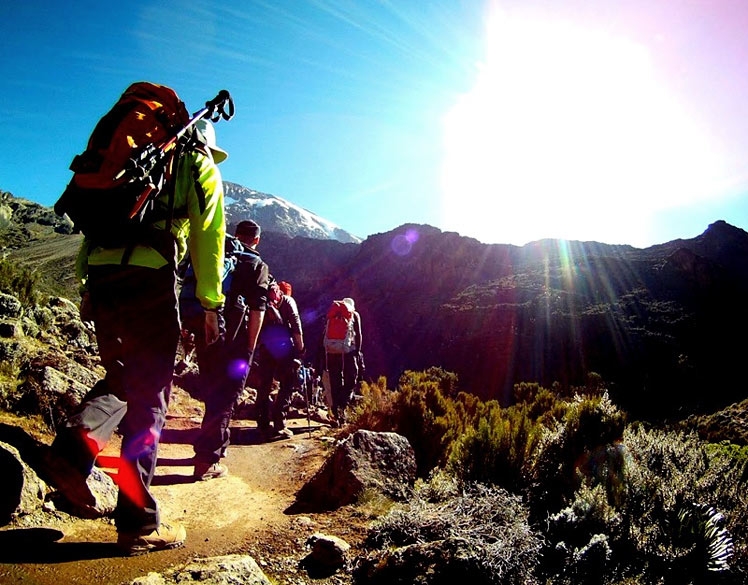
Driest Month To Climb Kilimanjaro: Your Guide For 2026-2027
The driest months for climbing Kilimanjaro are generally January, February, and June through October. These periods offer the clearest skies and lowest rainfall, ideal for a successful and...
View package details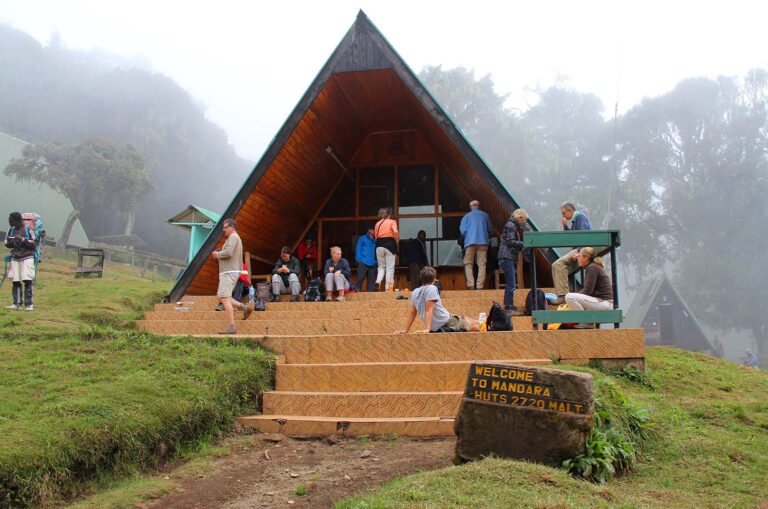
August Vs September: Best Kilimanjaro Summit Month In 2026-2027
Choosing between August and September for your Kilimanjaro climb involves weighing distinct advantages. While both months fall within the dry season, subtle differences in weather patterns...
View package detailsMay Vs June: When Should You Climb Kilimanjaro? 2026-2027
Choosing between May and June for your Kilimanjaro ascent? This in-depth guide compares the two months, helping you pick the optimal time for your trek based on weather patterns, crowd...
View package details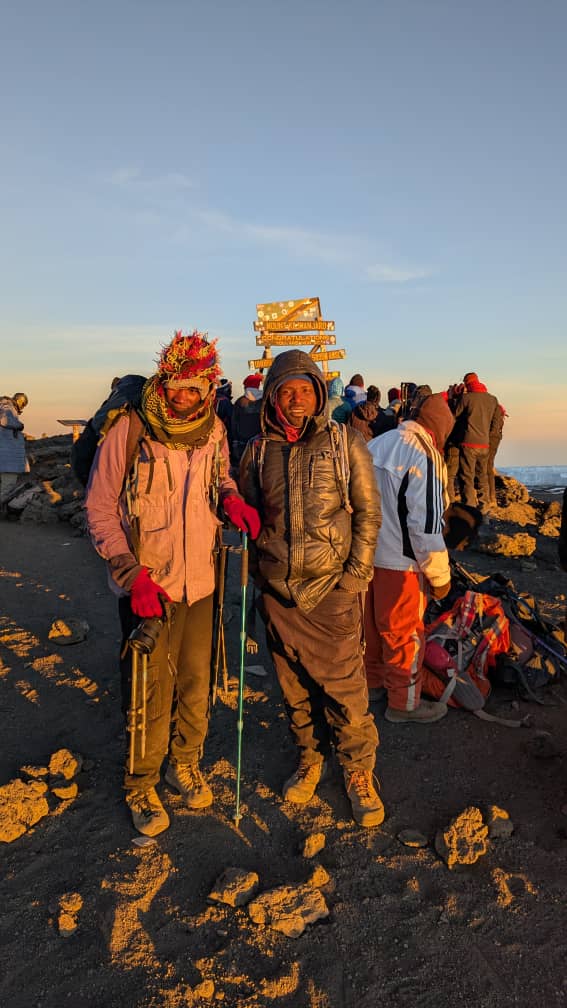
December Kilimanjaro Packing Checklist: Essential Gear For Climbs 2026-2027
Prepare for your December Kilimanjaro climb with our comprehensive packing checklist. This guide covers essential gear, clothing, and tips for conquering Africa's highest peak in the dry...
View package details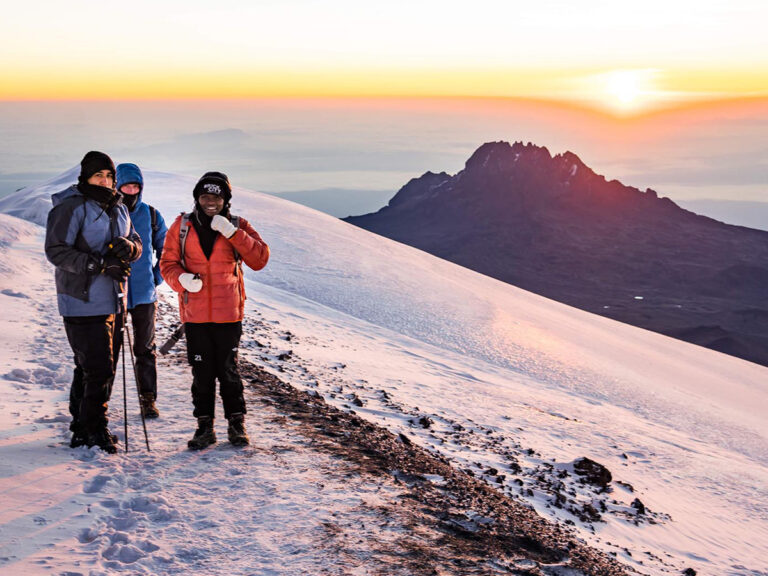
Where To Store Safari Luggage During Kilimanjaro Climb: Expert Guide 2026-2027
Planning a Kilimanjaro climb and a safari in Tanzania? Learn the best strategies for storing your safari luggage and extra gear securely and conveniently during your trek. Top Guide...
View package details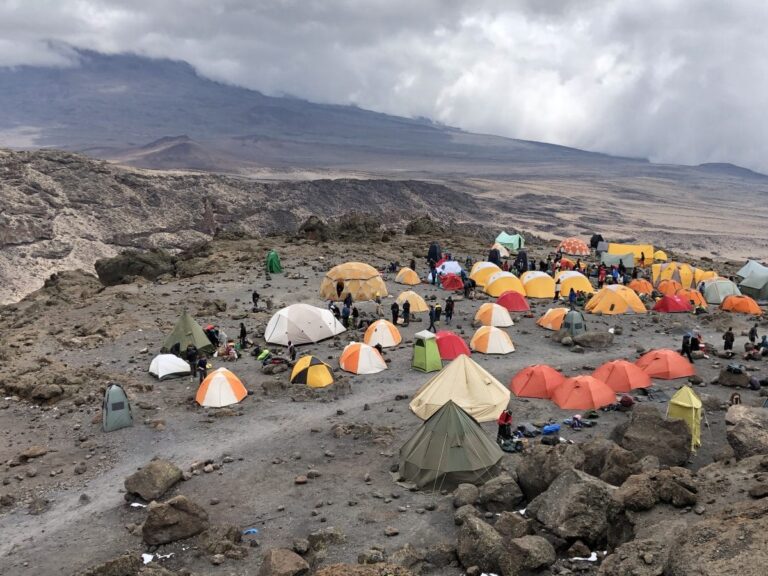
Kilimanjaro Climb With Luggage Storage In Moshi: Your Essential Guide
Organizing a Kilimanjaro climb involves many details, and ensuring your luggage is safely stored in Moshi while you're on the mountain is a key concern for many trekkers. Top Guide...
View package details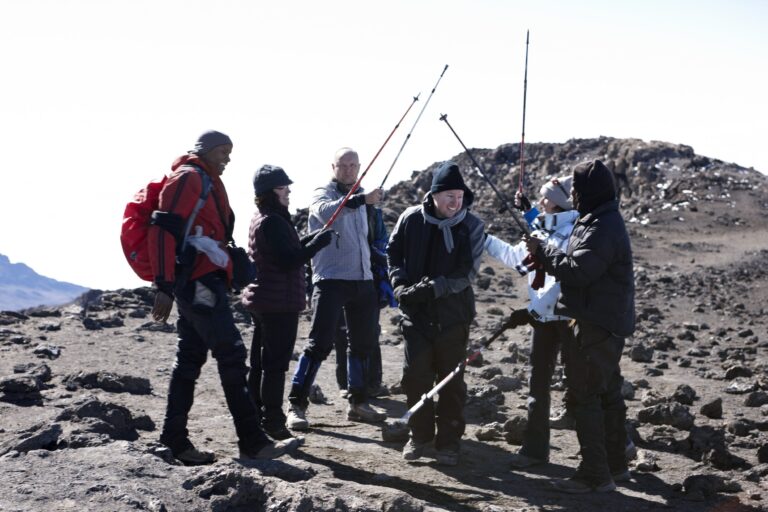
Kilimanjaro Pre-Climb Gear Check And Briefing: Your Essential Guide 2026-2027
Prepare thoroughly for your Kilimanjaro ascent with Top Guide Adventures. This comprehensive guide covers everything you need for your pre-climb gear check and briefing, ensuring you're...
View package details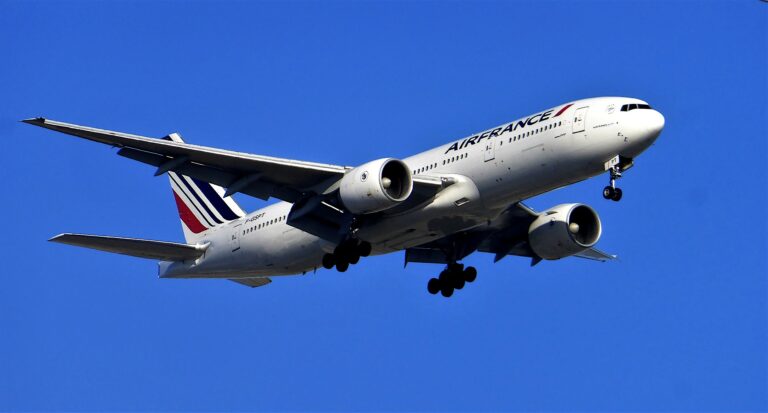
Best Arrival Schedule For A Kilimanjaro Climb In 2026-2027
Planning your Kilimanjaro climb involves many details, and the arrival schedule is crucial for success. Arriving 2-3 days before your trek begins allows for essential acclimatization, gear...
View package details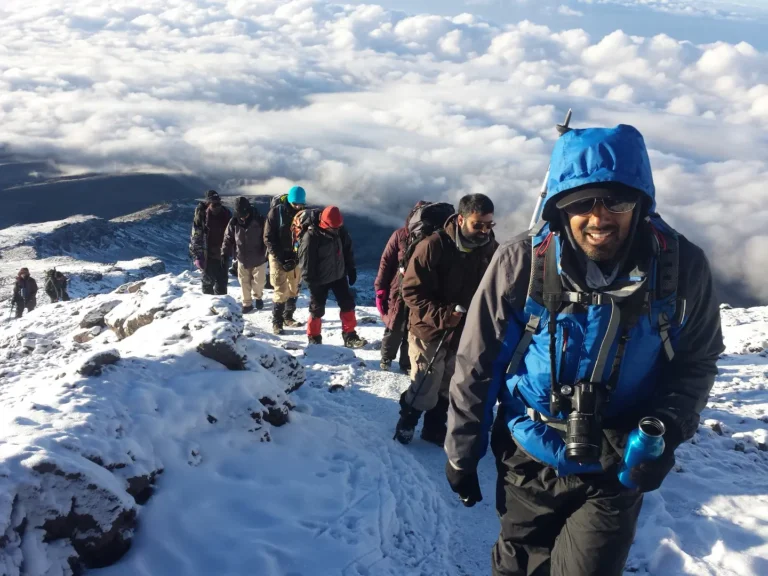
How Many Nights Should You Stay Before Kilimanjaro Climb? 2026-2027
The crucial question of how many nights to stay before climbing Kilimanjaro directly impacts your acclimatization and overall success. Experts recommend a minimum of 2-3 nights in Moshi or...
View package details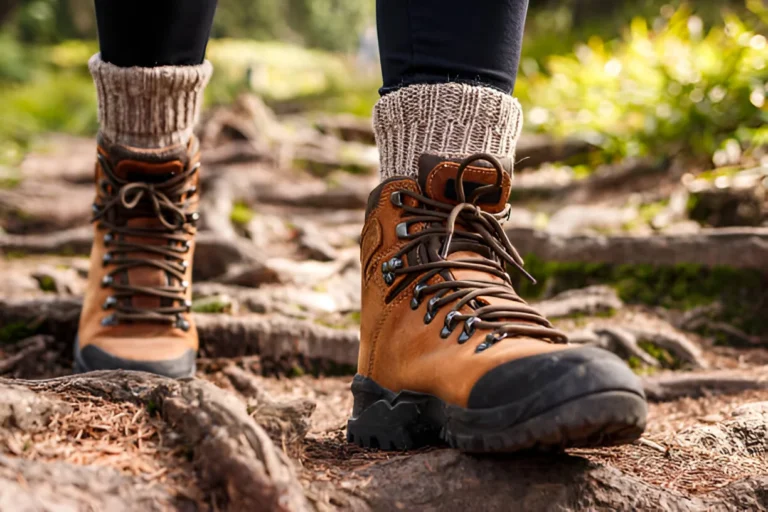
Late-Night Arrival At Kilimanjaro Airport Before Your Climb: Essential
Planning a Kilimanjaro climb with a late-night arrival at Kilimanjaro International Airport (JRO)? This guide covers everything you need to know for a smooth transition from the airport to...
View package details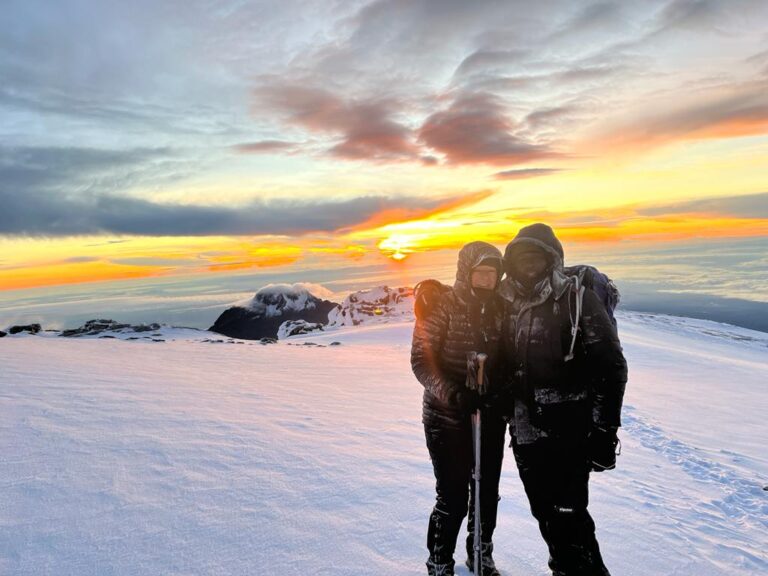
Kilimanjaro Full-Moon Birthday Climb: Plan Your Celebration 2026-2027
A Kilimanjaro full-moon birthday climb offers an unparalleled celebration, combining the thrill of summiting Africa's highest peak with the magical ambiance of a lunar glow. This guide...
View package detailsNo related package matches those filters. Clear one or more filters to see the other topic-matched options.



