
A September Kilimanjaro Sunrise Photography Tour in 2026 or 2027 offers an exceptional opportunity to witness and capture the impressive sunrise from Africa’s highest peak. This specialized tour focuses on optimal timing and locations for photography, ensuring you get the most dramatic shots of the sun cresting the horizon, often above a sea of clouds, with clear skies and stable weather conditions typical for September. Top Guide Adventures crafts itineraries designed for photographers, blending challenging trekking with dedicated moments for capturing the iconic Kilimanjaro sunrise.
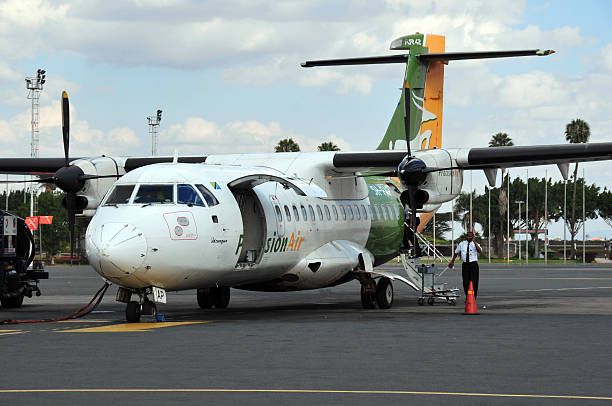
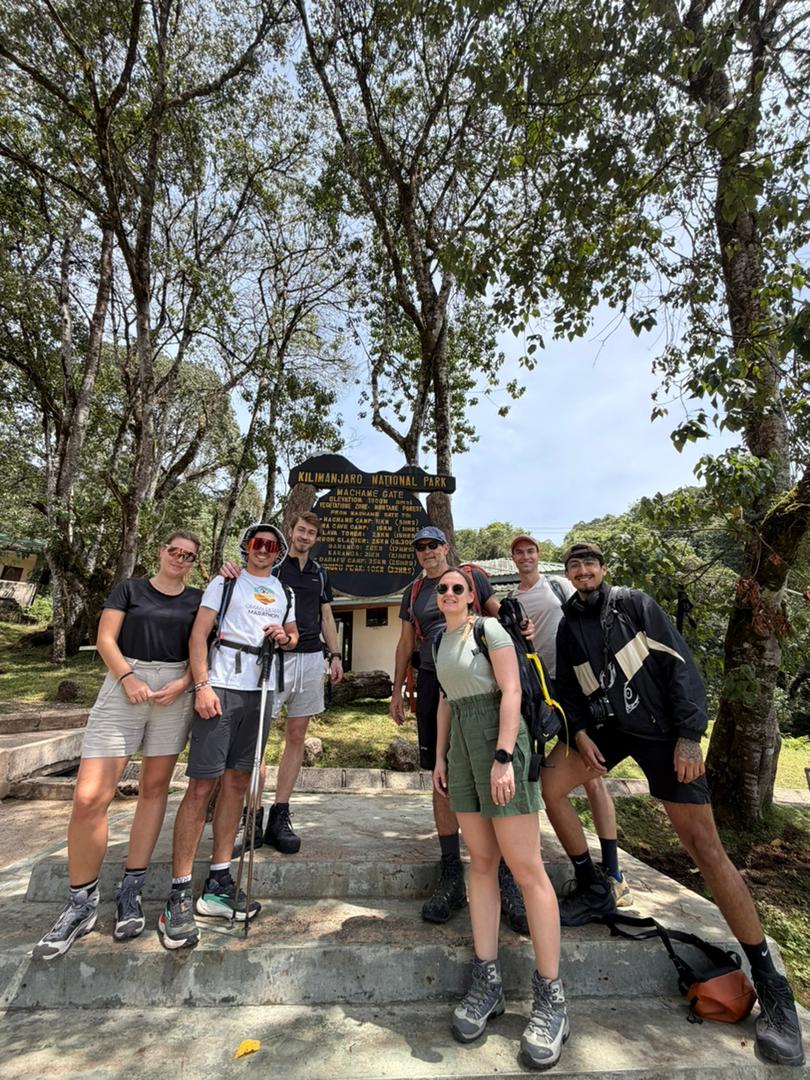
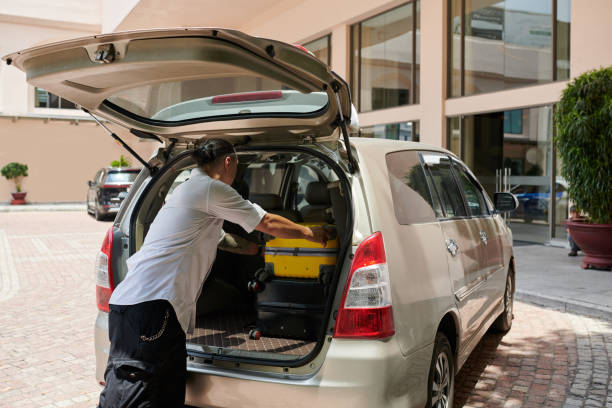
The Allure of a September Kilimanjaro Sunrise Photography Tour
Kilimanjaro, the Roof of Africa, is a dream destination for trekkers and photographers alike. Its majestic silhouette rising above the Tanzanian plains is an image etched in the minds of many. When combined with the pursuit of capturing a spectacular sunrise from its summit, the experience becomes profoundly rewarding. A September Kilimanjaro Sunrise Photography Tour is specifically designed for those who wish to maximize their chances of not only reaching Uhuru Peak but doing so at the most photogenic time of day, under what are typically favorable weather conditions for the season.
September falls within Kilimanjaro’s dry season, a period characterized by clear skies, minimal rainfall, and cooler temperatures. This makes it an ideal month for climbing and, crucially for photographers, for witnessing unobstructed, vibrant sunrises. The air is generally crisp, offering excellent visibility across the vast landscapes below. For photographers, this means sharper images, richer colors, and a higher probability of capturing that iconic shot of the sun painting the sky as it ascends from behind the curvature of the Earth.
Top Guide Adventures specializes in creating tailored experiences that cater to the unique needs of photographers. We understand that reaching the summit is only part of the journey; capturing the essence of Kilimanjaro through photography is equally vital. Our September Kilimanjaro Sunrise Photography Tour itineraries are meticulously planned to position you at strategic viewpoints, particularly on summit night, to ensure you are ready with your camera as dawn breaks. We consider the angles, the light, and the sheer scale of the panorama to help you create a portfolio that truly reflects the grandeur of this natural wonder.
Why September is Prime Time for Your Kilimanjaro Sunrise Photography
The success of any Kilimanjaro sunrise photograph hinges on several factors: weather, visibility, and timing. September consistently ranks as one of the best months to climb Kilimanjaro due to its favorable climate. This translates directly into advantages for photographers:
- Clear Skies: September is part of the longer dry season. Expect minimal cloud cover, offering a clear canvas for the sunrise and expansive views from the summit. This clarity is essential for capturing sharp, detailed photographs of the horizon and the surrounding landscape.
- Low Rainfall: With very little chance of rain, your trekking experience will be more comfortable, and your camera equipment will be less exposed to moisture. This means fewer disruptions and more opportunities for outdoor photography.
- Stable Temperatures: While summit nights are cold, daytime temperatures in September are generally pleasant. This allows for more comfortable acclimatization and exploration during the trek, providing ample chances for daytime photography as well.
- Reduced Dust: Compared to the shoulder seasons, the dry conditions in September often mean less dust in the air, contributing to cleaner, more vibrant shots.
- Photogenic Summit Experience: The combination of clear skies and cooler temperatures means you’re more likely to have a stable and comfortable experience on the summit ridge during the crucial sunrise hours, allowing you more time to compose and capture your shots without the urgency dictated by harsh weather.
For those planning a September Kilimanjaro Sunrise Photography Tour in 2026 or 2027, booking in advance is highly recommended. September is a popular month for climbing Kilimanjaro due to these excellent weather conditions, and preferred tour dates, especially those focusing on photography, fill up quickly.
Tailored Itineraries for the September Kilimanjaro Sunrise Photography Tour
A standard Kilimanjaro climb might prioritize speed or simply reaching the summit. A September Kilimanjaro Sunrise Photography Tour, however, demands a more nuanced approach. At Top Guide Adventures, we recognize that photographers need more than just a trek; they need an experience optimized for capturing stunning visuals.
Our specialized tours consider:
- Route Selection: We often recommend routes like the Machame or Lemosho routes for photography tours. These routes offer longer acclimatization periods, increasing summit success rates, and provide diverse scenery throughout the trek, from lush rainforests to alpine deserts and arctic zones. Crucially, they position you well for the final ascent to Uhuru Peak, allowing for optimal timing of the summit push to coincide with dawn. The Machame route, for instance, is known for its scenic beauty and is a popular choice for our photography groups. You can explore Machame route group departures for potential overlaps.
- Pacing and Acclimatization: We build in extra time for acclimatization and for photographers to stop and capture the landscape. This means longer days might be broken down, or rest days strategically placed, especially at higher altitudes where the light and views are particularly dramatic.
- Summit Night Timing: The final ascent to Uhuru Peak typically begins in the early hours of the morning (around midnight to 2 AM). For a photography tour, this timing is critical. We ensure our guides are experienced in managing the pace so that you arrive at the crater rim and make your way to Uhuru Peak in time for the most spectacular part of the sunrise. This often means a slightly earlier start or a more deliberate pace, allowing for moments to pause and shoot.
- Key Photography Spots: Beyond the summit itself, our guides know the best spots along the routes for capturing unique perspectives of Kilimanjaro, its glaciers, and the surrounding plains at different times of day. This includes viewpoints for sunset, dramatic cloud formations, and unique flora and fauna.
- Group Size: We often recommend smaller group sizes for photography tours. This allows for greater flexibility, easier management of photographic stops, and a more personalized experience for each participant.
Choosing the Right Route for Sunrise Photography in September 2026-2027
While any route can lead to the summit, some are inherently better suited for a September Kilimanjaro Sunrise Photography Tour due to their scenic value and acclimatization profiles. Top Guide Adventures recommends the following for your 2026 or 2027 adventure:
Machame Route (7 Days)
Often called the ‘Whiskey Route’ for its popularity, Machame offers excellent acclimatization and diverse scenery. Its switchback ascents and descents provide varied photographic opportunities, and its path leads you to the Western Breach, offering stunning views as you approach the crater rim for your sunrise attempt. The 7-day option provides a good balance of challenge and acclimatization for photographers.
Lemosho Route (8 Days)
Considered one of the most beautiful routes, Lemosho offers a longer, more gradual ascent through pristine wilderness. Its extended duration allows for superior acclimatization, significantly increasing summit success rates and providing ample time for photography. The route’s path through the Shira Plateau offers incredible photographic vistas, and its approach to the summit is less crowded than some other routes.
While routes like Marangu are shorter, their faster ascent profile is less ideal for acclimatization and may not offer the same photographic diversity. For a dedicated September Kilimanjaro Sunrise Photography Tour, prioritizing acclimatization and scenic beauty is key. Our team can help you select the perfect route based on your fitness, available time, and specific photographic interests for your 2026-2027 climb.
Essential Photography Gear for Your Kilimanjaro Sunrise Trek
Capturing the magic of Kilimanjaro’s sunrise requires more than just skill; it demands the right equipment. Given the challenging conditions – extreme cold, potential for dust, and the need for portability – careful gear selection is paramount for your September Kilimanjaro Sunrise Photography Tour.
Camera Body and Lenses
- DSLR or Mirrorless Camera: Choose a reliable camera body that performs well in low light and can withstand cold temperatures. Full-frame sensors generally offer better low-light performance.
- Versatile Zoom Lens: A wide-angle zoom lens (e.g., 16-35mm or 24-70mm) is essential for capturing expansive landscapes and the grand scale of the sunrise.
- Telephoto Lens (Optional): If you plan to photograph wildlife on the lower slopes or capture distant details on the mountain, a telephoto lens (e.g., 70-200mm) can be beneficial.
- Prime Lens (Optional): A fast prime lens (e.g., 35mm f/1.8 or 50mm f/1.8) can be excellent for low-light conditions and creating sharp images, though its fixed focal length might limit versatility.
Tripod and Support
- Sturdy Tripod: A lightweight yet sturdy tripod is crucial for long exposures, especially in low light conditions during sunrise. Ensure it has a reliable head for easy adjustments.
- Remote Shutter Release or Timer: This minimizes camera shake when taking photos, essential for sharp images, especially in windy conditions on the summit.
Power and Storage
- Extra Batteries: Cold temperatures drain batteries rapidly. Bring at least 2-3 extra fully charged batteries and keep them warm in an inside pocket.
- Memory Cards: Pack ample high-capacity memory cards. You’ll be taking a lot of photos, and storage is limited on the mountain.
- Power Bank: A power bank can be useful for charging smaller devices, but be aware that its performance also degrades in extreme cold.
Protection and Accessories
- Camera Bag: A comfortable, weather-resistant backpack that can carry your camera gear and essentials. Ensure it has good padding and easy access.
- Rain Cover/Waterproof Bag: Essential for protecting your camera from dust and any unexpected moisture, even in the dry season.
- Lens Cleaning Kit: Microfiber cloths and a lens brush are vital for keeping your lenses free of dust and smudges.
- Gore-Tex Gloves: Consider gloves with touch-screen compatible fingertips for operating your camera in the cold.
- Goggles: Protect your eyes from wind and dust, especially on the summit.
Top Guide Adventures can provide guidance on packing lists and even offer insights from our experienced guides who often assist photographers on their climbs. Remember, the goal is to balance capturing incredible images with the physical demands of the climb. For your September Kilimanjaro Sunrise Photography Tour in 2026-2027, plan your gear meticulously.
Mastering Sunrise Photography on Kilimanjaro
Capturing a truly stunning Kilimanjaro sunrise requires more than just pointing your camera at the horizon. It involves understanding light, composition, and the unique challenges of the mountain environment.
Pre-Dawn Preparation
Your summit push will likely start around midnight. The best light often begins subtly, well before the sun fully crests the horizon. Use this time to capture the changing colors of the sky, the silhouettes of fellow climbers, and the vastness of the pre-dawn landscape. Experiment with long exposures to capture the faint starlight and the emerging colors.
Composition is Key
Don’t just focus on the sun. Look for foreground elements – rocks, ice formations, or even the silhouette of a fellow climber – to add depth and scale to your images. The dramatic shadows cast by the mountain itself can also create compelling compositions. Consider the curvature of the Earth and the vastness of the sky.
Embrace the Cold
The extreme cold on summit night is a significant challenge. Keep your camera batteries warm by storing them in an inside pocket. If using a DSLR, consider bringing a camera cover to protect it from the elements. Be patient; your fingers will likely be numb, so practice operating your camera controls beforehand.
Shooting Modes and Settings
- Aperture Priority (Av/A) or Manual (M): These modes give you control over depth of field and exposure. For landscapes, a smaller aperture (higher f-number like f/8 or f/11) will keep more of the scene in focus.
- ISO: Keep your ISO as low as possible (e.g., 100-400) to minimize noise, especially in the low light before and during sunrise. You may need to increase it as the light gets brighter.
- White Balance: Experiment with different white balance settings (Daylight, Cloudy, or manual Kelvin settings) to capture the true colors of the sunrise. Auto white balance can sometimes overcompensate.
- Focus: Autofocus can struggle in low light. Use manual focus, setting it to infinity or a hyperfocal distance, or focus on a bright point of light.
Post-Processing Potential
Even the best shots can be enhanced in post-processing. Adjusting exposure, contrast, saturation, and sharpness can bring out the full beauty of your Kilimanjaro sunrise. RAW files offer the most flexibility for editing.
A September Kilimanjaro Sunrise Photography Tour is an opportunity to create truly memorable images. With careful planning and practice, you can capture the awe-inspiring beauty of dawn from the top of Africa. For your 2026-2027 trip, consider attending a workshop or practicing these techniques beforehand.
What to Expect on Your September Kilimanjaro Sunrise Photography Tour with Top Guide Adventures
When you book a September Kilimanjaro Sunrise Photography Tour with Top Guide Adventures, you’re choosing a partner dedicated to providing a comprehensive and memorable experience. We understand the unique demands of a photography-focused climb and integrate them into every aspect of your journey.
Pre-Trip Support and Planning
Our commitment begins long before you set foot in Tanzania. We offer:
- Personalized Consultations: We discuss your photographic goals, fitness level, and expectations to help you choose the ideal route and itinerary for your 2026-2027 climb.
- Detailed Packing Lists: We provide comprehensive lists tailored for Kilimanjaro, with specific recommendations for photography gear, including advice on battery management and protection in cold climates.
- Visa and Health Advice: We offer guidance on visa requirements and recommendations for necessary vaccinations and travel insurance.
- Pre-Departure Briefings: Detailed information sessions to answer all your questions and ensure you feel fully prepared.
During the Climb
Our focus on photography is integrated throughout the trek:
- Experienced Guides: Our guides are not only experts in mountain safety and acclimatization but also understand the importance of photography. They know the best times and locations for stunning shots and are patient with photographic stops.
- Flexible Pacing: We allow for extra time at scenic points and encourage photographers to capture the changing landscapes, from the rainforest floor to the alpine desert.
- Summit Night Strategy: We meticulously plan the summit push to maximize your chances of reaching Uhuru Peak in time for the most spectacular sunrise moments, ensuring you have adequate time to set up your shots.
- Support Crew: A dedicated team of porters and cooks ensures your comfort and safety, allowing you to focus on the climb and your photography. They manage camp setup, meals, and equipment, freeing you to concentrate on capturing the mountain’s beauty.
- Accommodation: While camping is standard on most routes, we ensure comfortable and well-equipped campsites are established, providing a safe base for resting and preparing your gear.
Post-Climb Services
Our support continues after you descend:
- Celebration: We mark your incredible achievement with a celebratory dinner.
- Optional Extensions: We can help you plan post-climb safaris to the Serengeti or Zanzibar holidays, offering further photographic opportunities.
Choosing Top Guide Adventures for your September Kilimanjaro Sunrise Photography Tour means partnering with a company that values your experience, safety, and photographic aspirations. We are committed to making your 2026-2027 Kilimanjaro adventure an unforgettable success.
Pricing and Inclusions for September Kilimanjaro Sunrise Photography Tours
The cost of a September Kilimanjaro Sunrise Photography Tour can vary based on the route chosen, the duration of the climb, the level of service, and the specific inclusions. At Top Guide Adventures, we strive for transparency and offer competitive pricing for high-quality, safe, and well-supported climbs. For 2026 and 2027, our pricing reflects the expertise of our guides, the quality of our equipment, and our commitment to ethical trekking practices.
While exact prices are best obtained through a personalized quote, typical inclusions for our photography tours generally cover:
Standard Inclusions for Photography Tours:
- Park Fees: All necessary national park and conservation fees for Kilimanjaro.
- Experienced Guides: Professional, licensed guides trained in mountain rescue and first aid.
- Support Crew: A team of experienced porters and cooks.
- Accommodation: Tents, sleeping mats, and dining/toilet tents.
- Meals: All meals during the trek (breakfast, lunch, dinner), prepared by our cooks. We cater to dietary requirements.
- Water: Boiled and purified drinking water throughout the trek.
- Camping Equipment: High-quality tents, cooking gear.
- Oxygen Systems: Portable oxygen on standby for emergencies.
- Transfer: Round-trip transportation from Moshi to the Kilimanjaro National Park gate.
- Crater Camp (Optional): For certain routes, a night at Crater Camp can be included, offering unparalleled proximity to the summit for sunrise photography.
Exclusions typically include:
Typical Exclusions:
- Flights: International flights to Kilimanjaro International Airport (JRO).
- Visa: Tanzanian visa fees.
- Travel Insurance: Comprehensive travel and medical insurance, including high-altitude trekking and emergency evacuation.
- Personal Gear: Sleeping bag, trekking poles, warm clothing, and personal photography equipment.
- Tips: Gratuities for guides, porters, and cooks (a guideline will be provided).
- Personal Expenses: Drinks, snacks, souvenirs, and laundry.
- Optional Activities: Pre or post-climb activities not included in the standard itinerary.
Pricing Considerations for 2026-2027:
- Route Length: Longer routes with more acclimatization days (e.g., 8-day Lemosho) will generally be more expensive than shorter routes (e.g., 7-day Machame).
- Private vs. Group: Private tours offer more flexibility and personalized attention but come at a higher cost per person compared to joining a scheduled group climb. We often have group departure dates that can be cost-effective.
- Service Level: While we maintain high standards across all tours, certain premium services or added comforts might influence the final price.
To get a precise quote for your September Kilimanjaro Sunrise Photography Tour in 2026 or 2027, tailored to your specific needs and chosen route, please contact Top Guide Adventures directly. We are committed to providing excellent value and an exceptional climbing and photographic experience.
Safety First: Prioritizing Your Well-being on the Mountain
Safety is the absolute cornerstone of any Kilimanjaro expedition, and this is especially true for a September Kilimanjaro Sunrise Photography Tour where summit night involves challenging conditions and a critical timing window. Top Guide Adventures places the utmost importance on the well-being of every climber.
Acclimatization: The Key to Success and Safety
Our itineraries are designed with gradual ascent profiles and sufficient acclimatization days. This “pole pole” (slowly, slowly) approach allows your body to adapt to the decreasing oxygen levels at higher altitudes, significantly reducing the risk of altitude sickness. Choosing longer routes like Lemosho or Machame for your 2026-2027 climb inherently supports better acclimatization.
Experienced and Trained Guides
Your safety is in the hands of our highly trained guides. They are:
- Certified First Aid Providers: Proficient in recognizing and managing altitude sickness and other medical emergencies.
- Experienced Mountaineers: They possess intimate knowledge of Kilimanjaro’s terrain, weather patterns, and the specific challenges of summit night.
- Equipped for Emergencies: They carry comprehensive first-aid kits and are trained to use supplementary oxygen systems when necessary.
Monitoring Your Health
Throughout the trek, our guides will:
- Monitor Symptoms: They regularly check on each climber’s well-being, asking about headaches, nausea, and fatigue.
- Assess Oxygen Levels: Pulse oximeters may be used to measure blood oxygen saturation, providing an objective measure of acclimatization.
- Make Informed Decisions: Based on your condition and the environmental factors, guides will make critical decisions regarding pace, rest, and descent if necessary. Your safety is paramount, and no summit is worth risking your health.
Summit Night Safety
Summit night is the most demanding part of the climb. To ensure safety:
- Headlamp Strategy: Ensure your headlamp has fresh batteries and a backup. The path can be steep and rocky, and visibility is limited.
- Buddy System: Stay close to your guide and fellow climbers.
- Hydration and Nutrition: Continue to drink fluids and eat small amounts, even when you don’t feel like it.
- Appropriate Gear: Wearing adequate warm clothing, layers, waterproofs, sturdy boots, and gloves is non-negotiable.
Ethical Trekking Practices
Top Guide Adventures is committed to responsible tourism. This includes fair treatment of our crew, proper waste management, and respecting the mountain environment. Our porter welfare policy ensures that our support staff are treated with dignity and provided with adequate gear and food. This ethical approach contributes to a safer and more positive experience for everyone involved in your September Kilimanjaro Sunrise Photography Tour.
Preparing for Your September Kilimanjaro Sunrise Photography Tour 2026-2027
A successful September Kilimanjaro Sunrise Photography Tour requires diligent preparation, encompassing physical fitness, mental readiness, and logistical planning. For your 2026 or 2027 adventure, starting your preparations early is key.
Physical Training
Kilimanjaro is a demanding trek, and while you don’t need to be an elite athlete, a good level of cardiovascular fitness is essential. Focus your training on:
- Endurance: Engage in regular aerobic activities like hiking, running, cycling, or swimming for at least 3-4 times a week.
- Strength Training: Strengthen your legs (quadriceps, hamstrings, calves) and core muscles. Squats, lunges, and step-ups are beneficial.
- Hiking Practice: The most relevant training is hiking, especially with a weighted backpack. Practice on varied terrain, including hills and stairs, to simulate the mountain’s challenges. Aim for longer hikes (4-6 hours) as your trip approaches.
Altitude Acclimatization Practice
While you can’t fully replicate Kilimanjaro’s altitude at home, training at higher elevations if possible can be beneficial. More importantly, listen to your body and respect the acclimatization process on the mountain itself. Choose a longer route recommended for photography tours.
Mental Preparation
The climb, especially summit night, can be mentally challenging. Visualize success, be prepared for discomfort, and focus on taking it one step at a time. The incredible views and the sense of accomplishment are powerful motivators.
Gear Preparation
As detailed earlier, your photography gear is crucial. Ensure all your equipment is in good working order. Practice using your camera in cold conditions if possible. For general trekking gear, ensure you have:
- Layering System: Base layers (thermal), mid-layers (fleece), and outer layers (waterproof and windproof jacket and trousers).
- Footwear: Well-broken-in, waterproof hiking boots.
- Headwear and Handwear: Warm hat, balaclava, warm gloves, and liner gloves.
- Sleeping Bag: A 4-season sleeping bag rated for at least -15°C (0°F).
Logistics and Documentation
- Passport and Visa: Ensure your passport is valid for at least six months beyond your intended stay and has sufficient blank pages. Obtain your Tanzanian visa in advance or upon arrival.
- Travel Insurance: Comprehensive insurance covering high-altitude trekking and emergency medical evacuation is mandatory.
- Vaccinations and Medications: Consult your doctor or a travel clinic regarding recommended vaccinations and malaria prophylaxis. Carry any personal medications.
Booking Your Tour
For a September Kilimanjaro Sunrise Photography Tour in 2026-2027, booking well in advance is highly advised due to the popularity of this month. Contact Top Guide Adventures early to secure your preferred dates and discuss your specific needs. We can assist with all aspects of your trip planning.
Beyond the Sunrise: Other Photographic Opportunities
While the sunrise from Uhuru Peak is the undeniable highlight of a September Kilimanjaro Sunrise Photography Tour, the mountain offers a wealth of photographic subjects throughout the entire trek. The diverse ecosystems, unique flora and fauna, and dramatic landscapes provide continuous opportunities for stunning shots.
- Rainforest Zone: The lower slopes are lush with diverse plant life, including giant ferns, wildflowers, and indigenous trees. Keep an eye out for Colobus monkeys and other wildlife that inhabit this vibrant ecosystem. The light filtering through the dense canopy creates beautiful, moody shots.
- Hellenia Zone: As you ascend, the vegetation changes to moorlands dotted with giant heathers and groundsels. These unique, almost alien-like plants offer interesting photographic subjects, especially when shrouded in mist.
- Alpine Desert: This stark, rocky terrain presents dramatic textures and landscapes. The vastness of the plains below, often visible from this altitude, is perfect for wide-angle shots. The unique, hardy flora adapted to this environment, like the giant senecios, are fascinating to capture.
- Arctic Zone: The summit region is characterized by rock, ice, and snow. The glaciers of Kilimanjaro, though receding, still offer dramatic scenes. The textures of the ice, the volcanic rock formations, and the vast, often cloud-filled, views provide endless photographic possibilities.
- Wildlife: While large mammals are rare on the upper slopes, keep your eyes peeled for various bird species, monkeys in the lower forests, and smaller creatures like the Kilimanjaro mouse and rock hyrax.
- The People: Capture candid moments of your guides, porters, and fellow trekkers. The camaraderie and effort involved in the climb are as much a part of the story as the landscape itself.
Our guides are trained to identify points of photographic interest and will often suggest stops. By choosing a longer route and a dedicated photography tour, you ensure ample time to appreciate and capture these diverse elements, making your September Kilimanjaro Sunrise Photography Tour a comprehensive visual journey, not just a single moment. Planning for 2026-2027 means considering these broader photographic opportunities.
Booking Your September Kilimanjaro Sunrise Photography Tour in 2026-2027
Securing your spot on a September Kilimanjaro Sunrise Photography Tour for 2026 or 2027 with Top Guide Adventures is a straightforward process designed to ensure you get the best possible experience. Given September’s popularity, early booking is essential to guarantee your preferred dates and route.
Steps to Book:
- Contact Us: Reach out to our team via email or WhatsApp. Discuss your interest in a September Kilimanjaro Sunrise Photography Tour, your desired dates, preferred route (or ask for recommendations), and any specific photographic interests you have.
- Receive a Custom Quote: Based on your requirements, we will provide a detailed itinerary and a transparent quote outlining all inclusions and exclusions.
- Confirm Your Booking: Once you are happy with the proposal, we will require a deposit to confirm your booking.
- Pre-Trip Planning: Our team will then guide you through the essential pre-trip preparations, including gear advice, visa information, and health recommendations.
We recommend booking at least 6-12 months in advance for popular months like September, especially for specialized tours like photography expeditions, to ensure availability and allow ample time for your own preparations. Our team is ready to answer all your questions and help you plan an extraordinary adventure.
Get in Touch:
- WhatsApp: +255 616 946642
- Email: topguideadventures@gmail.com
- Backup Email: info@topguideadventures.com
Let Top Guide Adventures be your trusted partner in capturing the magic of Kilimanjaro’s sunrise in 2026-2027. We are dedicated to providing a safe, rewarding, and photographically spectacular journey to the Roof of Africa.
“,
“faq_schema”: [
{
“question”: “What makes September ideal for a Kilimanjaro Sunrise Photography Tour?”,
“answer”: “September falls within Kilimanjaro’s dry season, offering clear skies, minimal rainfall, and stable temperatures. This combination provides excellent visibility for capturing dramatic sunrises from the summit and ensures a more comfortable trekking experience for photographers.”
},
{
“question”: “Which routes are best for a September Kilimanjaro Sunrise Photography Tour?”,
“answer”: “For photography tours in September 2026-2027, longer routes like the Machame (7 days) or Lemosho (8 days) are highly recommended. They offer better acclimatization, diverse scenery for daytime photography, and optimal positioning for the summit sunrise.”
},
{
“question”: “What photography gear is essential for a Kilimanjaro climb?”,
“answer”: “Key gear includes a reliable DSLR or mirrorless camera, versatile zoom lenses (wide-angle is crucial), extra batteries (they drain fast in the cold), memory cards, a sturdy tripod, and protective gear like a rain cover and lens cleaning kit. Touch-screen compatible gloves are also useful.”
},
{
“question”: “How does Top Guide Adventures cater to photographers on Kilimanjaro?”,
“answer”: “Top Guide Adventures designs itineraries with photography in mind, including selecting scenic routes, allowing flexible pacing for photo stops, ensuring timely arrival at the summit for sunrise, and providing guides knowledgeable about photographic opportunities. We also offer detailed pre-trip advice on gear and preparation.”
},
{
“question”: “What is the typical cost range for a September Kilimanjaro Sunrise Photography Tour in 2026-2027?”,
“answer”: “Pricing varies based on the route, duration, and whether it’s a private or group tour. Inclusions generally cover park fees, guides, crew, meals, and basic camping equipment. Exclusions typically include flights, visa, insurance, personal gear, and tips. Contact Top Guide Adventures for a personalized quote for your 2026-2027 climb.”
},
{
“question”: “How important is acclimatization for a Kilimanjaro sunrise climb?”,
“answer”: “Acclimatization is critical for both safety and success. Our itineraries prioritize gradual ascents and sufficient rest days to help your body adapt to the altitude, significantly reducing the risk of altitude sickness and increasing your chances of reaching the summit comfortably for sunrise.”
},
{
“question”: “Can I book a private September Kilimanjaro Sunrise Photography Tour?”,
“answer”: “Yes, Top Guide Adventures offers private tours. This provides maximum flexibility, personalized attention, and the ability to tailor the pace and schedule entirely to your photographic needs for your September 2026-2027 climb.”
}
]
}
“`
Check Availability for September Kilimanjaro Sunrise Photography Tour 2026-2027
Ready to compare dates, prices, and the best option for your group? Send the package name and travel month so the team can reply with a clear quote, availability, and what is included.
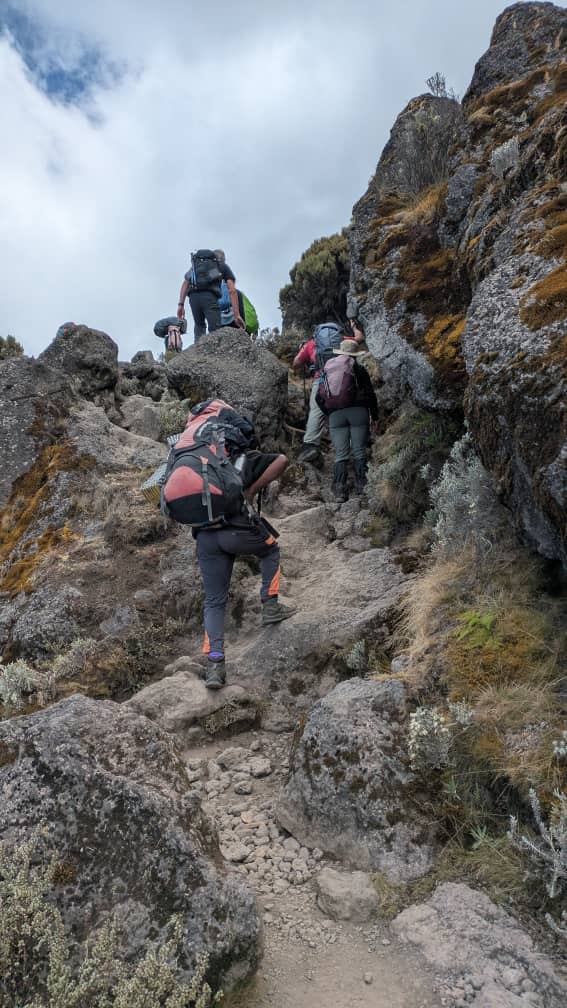
October Kilimanjaro Photography Trek: Your Ultimate Guide 2026-2027
An October Kilimanjaro Photography Trek offers clear skies and fewer crowds, ideal for capturing impressive summit views. This guide details the best routes, essential photography gear, and...
View package details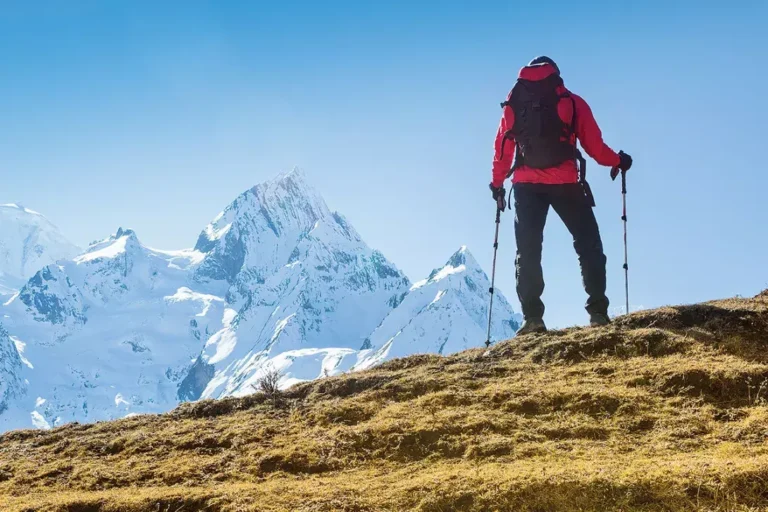
September Vs October Kilimanjaro Weather Comparison 2026-2027
September vs October Kilimanjaro Weather Comparison is explained with current 2026-2027 planning, price, itinerary and booking information.
View package details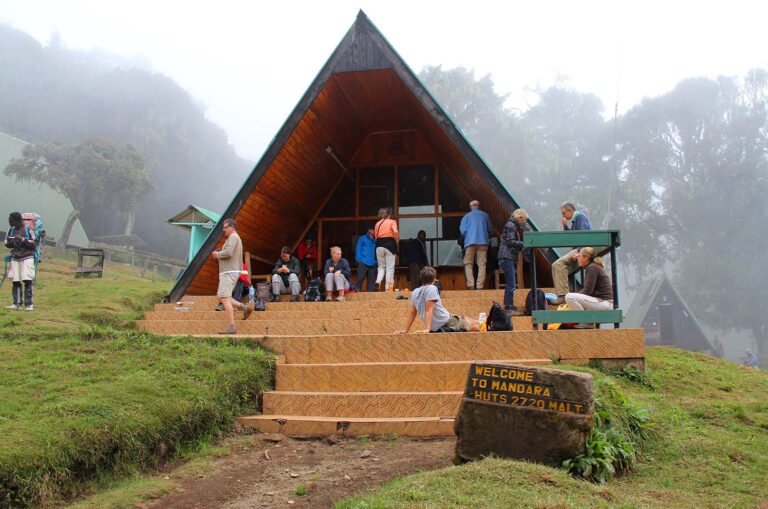
August Vs September: Best Kilimanjaro Summit Month In 2026-2027
Choosing between August and September for your Kilimanjaro climb involves weighing distinct advantages. While both months fall within the dry season, subtle differences in weather patterns...
View package details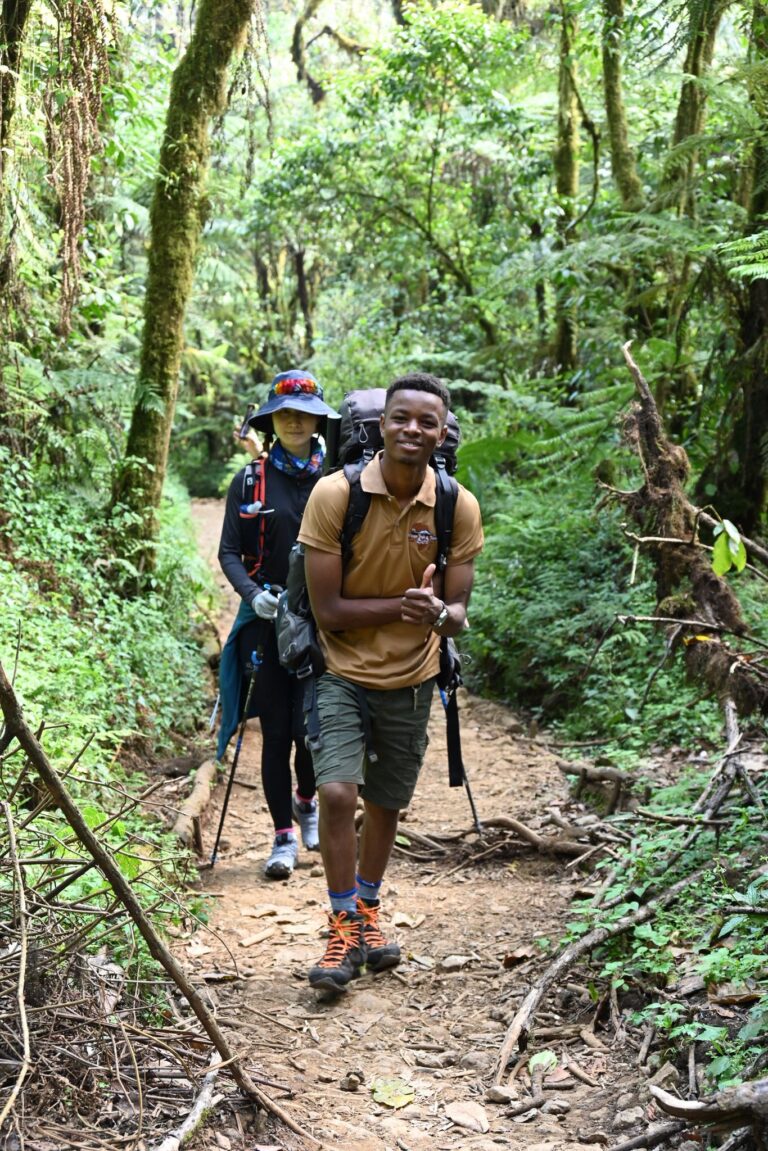
September Kilimanjaro Last-Minute Group Departures : Find Your Spot 2026-2027
Looking for September Kilimanjaro last-minute group departures? Discover available climbs for 2026-2027, ideal routes, and how to book your adventure with Top Guide Adventures.
View package details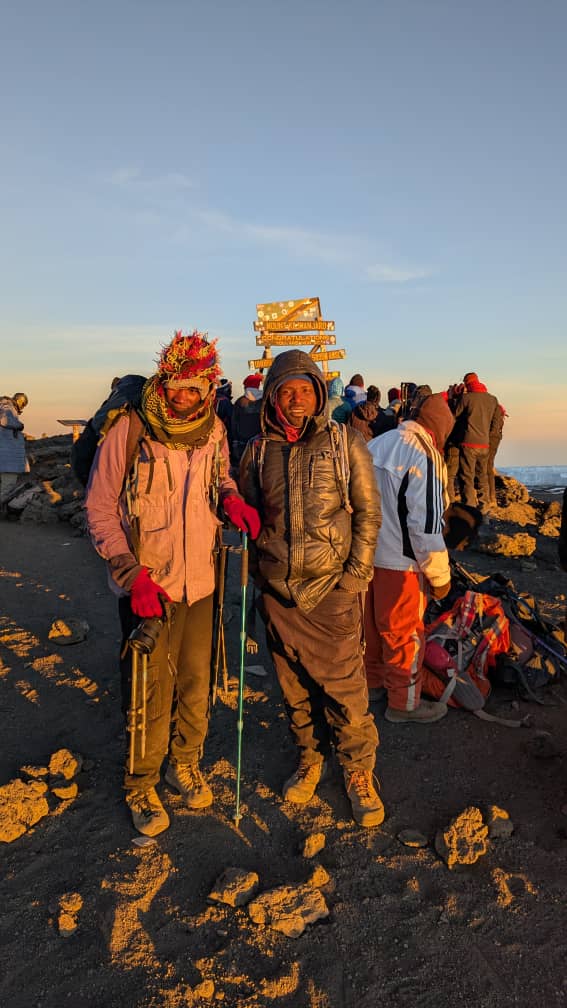
September Kilimanjaro Climb & Cultural Safari: Your Guide 2026-2027
This comprehensive guide covers everything you need to know for a September Kilimanjaro climb combined with a cultural safari in Tanzania, including optimal routes, packing lists, weather...
View package detailsSeptember Kilimanjaro Climb With Extra Acclimatization 2026-2027
September Kilimanjaro Climb with Extra Acclimatization is explained with current 2026-2027 planning, price, itinerary and booking information.
View package details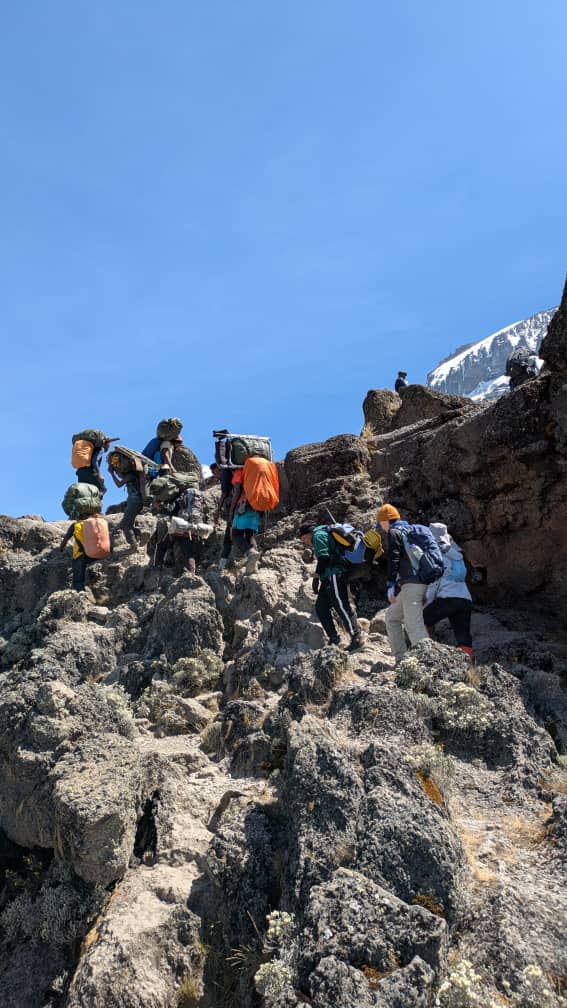
September Kilimanjaro Climb For Seniors 2026-2027
September Kilimanjaro Climb for Seniors is explained with current 2026-2027 planning, price, itinerary and booking information.
View package details
September Kilimanjaro Crowd Levels 2026-2027
September Kilimanjaro Crowd Levels is explained with current 2026-2027 planning, price, itinerary and booking information.
View package details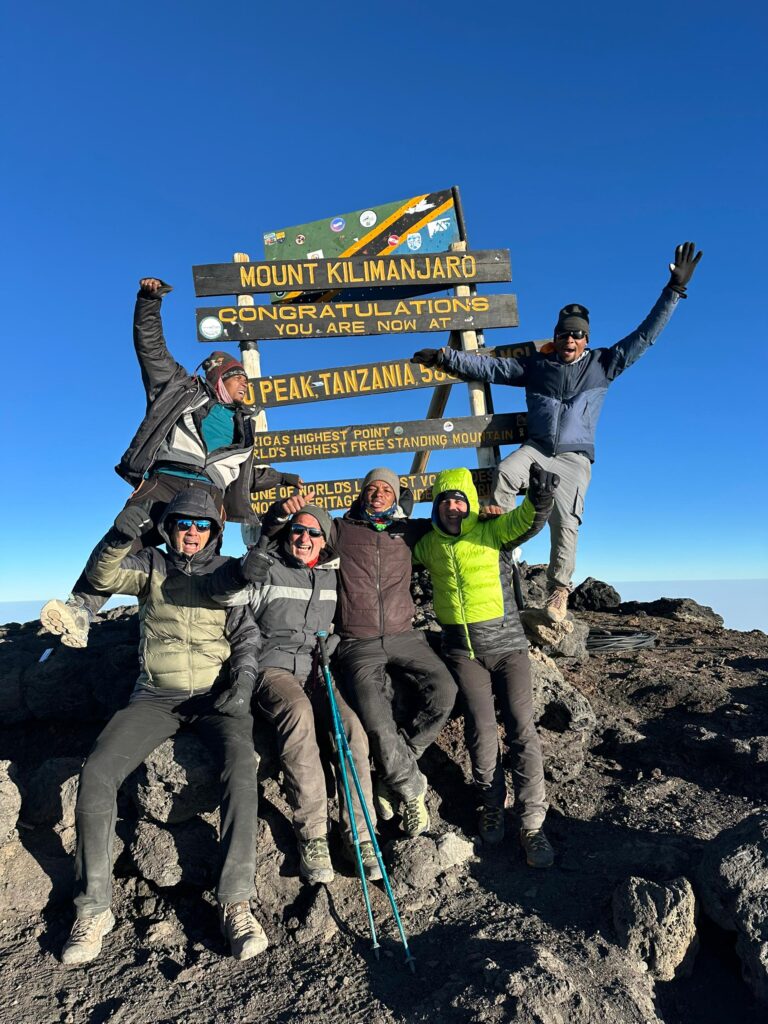
September Kilimanjaro Packing Guide 2026-2027
September Kilimanjaro Packing Guide is explained with current 2026-2027 planning, price, itinerary and booking information.
View package details
September Kilimanjaro Summit Night Temperature 2026-2027
September Kilimanjaro Summit Night Temperature is explained with current 2026-2027 planning, price, itinerary and booking information.
View package details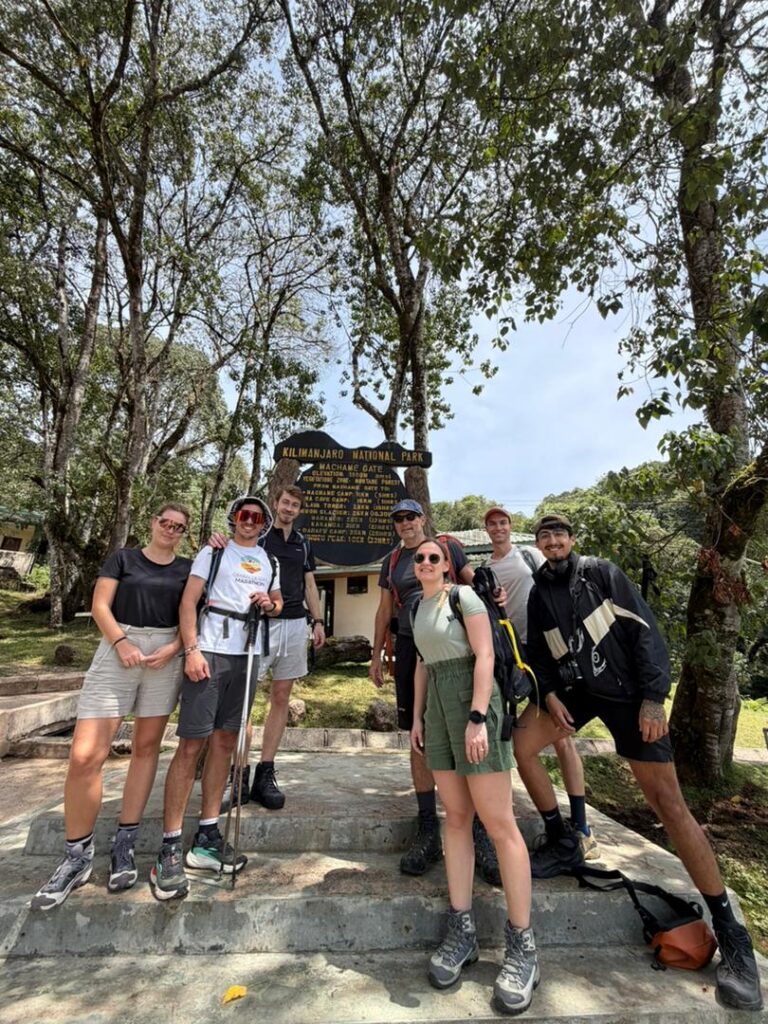
Kilimanjaro Weather And Visibility In September 2026-2027
Kilimanjaro Weather and Visibility in September is explained with current 2026-2027 planning, price, itinerary and booking information.
View package details
Is September Good For Climbing Kilimanjaro? Your Guide 2026-2027
Discover why September is a prime month for ascending Mount Kilimanjaro. This guide details the weather, crowds, and what to expect for your 2026-2027 climb.
View package detailsNo related package matches those filters. Clear one or more filters to see the other topic-matched options.



