
November Kilimanjaro photography in the Short Rains offers a distinct advantage with dramatic skies, fewer crowds, and lush, vibrant landscapes, creating unique visual opportunities for trekkers. While rain is present, it often comes in short, intense bursts, followed by clearing skies that produce spectacular light for photography, particularly during sunrise and sunset. This season, spanning roughly from late October into December, transforms the mountain’s lower slopes into vivid green vistas and provides a dramatic backdrop for summit attempts, making it an excellent, albeit wet, time for adventurous photographers keen on capturing Kilimanjaro’s raw beauty.

Understanding November’s Short Rains for Kilimanjaro Photography
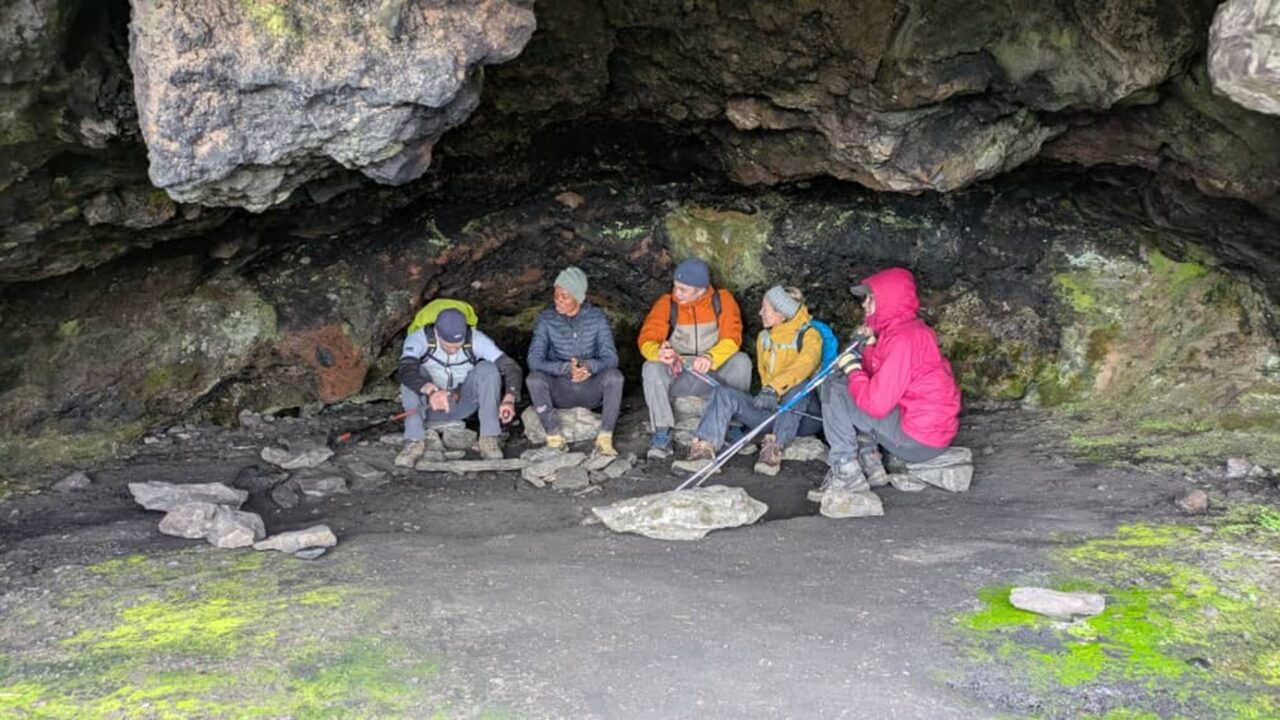
Climbing Kilimanjaro in November means you’re arriving during the period known locally as the ‘Vuli’ or Short Rains. Unlike the heavier, prolonged rains of the long rainy season (March-May), the Short Rains are typically characterized by shorter, more frequent showers. These can occur in the afternoon or evening, often leaving mornings clear and crisp, perfect for photography. The increased moisture revitalizes the vegetation, turning the lower slopes of Kilimanjaro into a verdant paradise. This lushness, combined with the moody, dynamic weather patterns, presents a photographic canvas unlike any other time of year.
For photographers, the key to November Kilimanjaro photography lies in embracing the changing weather. The rain itself can be a photographic subject, creating atmospheric mist, dramatic cloud formations, and glistening landscapes. When the sun breaks through, it interacts with residual moisture, producing soft, diffused light or sharp, vibrant contrasts. This variability means photographers need to be prepared for all conditions, but the rewards in terms of unique imagery are substantial.
In 2026 and 2027, understanding these weather patterns will be crucial for planning your photographic expedition. While the general pattern holds, microclimates on Kilimanjaro can lead to variations. Booking with experienced guides who understand these nuances, like those at Top Guide Adventures, ensures you’re well-prepared for the photographic challenges and opportunities that November presents.
The Photographic Appeal of Kilimanjaro in November
November on Kilimanjaro is a season of transformation. The air is clean after the preceding dry spell, and the first signs of the rains bring life back to the mountain. This translates into incredible photographic potential:
- Dramatic Skies: The interplay of rain clouds, sunshine, and mist creates constantly shifting skies. Sunrises and sunsets can be particularly spectacular, with vibrant colours reflected off moisture-laden air and dramatic cloudscapes.
- Lush Greenery: The lower montane forests and moorlands are at their most vibrant. The rich greens, enhanced by the rain, offer a stunning contrast to the starker, higher alpine desert and arctic zones. This makes foregrounds pop and adds depth to landscape shots.
- Atmospheric Mist and Fog: While sometimes challenging, mist and fog can add an incredible sense of depth, mystery, and scale to photographs. Shooting through mist can create ethereal landscapes and highlight the rugged contours of the mountain.
- Fewer Crowds: November is generally considered shoulder season, meaning fewer trekkers on the mountain. This offers more solitude for capturing images without distractions and the freedom to set up your shots without haste.
- Unique Light: The diffused light common during and after rain showers can be incredibly flattering for portraits and can soften harsh landscapes. When the sun does shine, it often creates a sharp, clear light that makes colours pop against the wet terrain.
For photographers aiming to capture the essence of Kilimanjaro in a less-trodden season, November provides a compelling narrative. The mountain feels alive, dynamic, and raw. Capturing this requires a blend of technical skill and an appreciation for the ephemeral beauty that the Short Rains bring. Planning for 2026 or 2027 trips during this period means you are opting for a unique photographic experience.
Essential Photography Gear for November Kilimanjaro Treks
The key to successful November Kilimanjaro photography is being prepared for variable weather. Your gear needs to be robust, versatile, and protected from moisture. Here’s a breakdown of essential equipment:
Camera Body and Lenses
- Weather-Sealed Camera Body: If possible, opt for a camera body with good weather sealing. This provides an extra layer of protection against rain and dust. Even without full sealing, taking precautions is vital.
- Versatile Zoom Lenses: A mid-range zoom lens (e.g., 24-70mm equivalent) is excellent for general landscapes and group shots. A wider angle lens (e.g., 16-35mm equivalent) is fantastic for sweeping vistas and capturing the vastness of the mountain. A telephoto lens (e.g., 70-200mm equivalent) can be useful for isolating distant peaks, wildlife (though less common on the upper slopes), or compressing landscapes.
- Prime Lenses: If you prioritize low-light performance or image quality, a fast prime lens (e.g., 35mm f/1.8 or 50mm f/1.8) can be excellent, especially for capturing moody scenes or portraits in challenging light.
Protection from the Elements
- Rain Covers: A dedicated camera rain cover is essential. These slip over your camera and lens, offering crucial protection during downpours.
- Waterproof Camera Bag/Backpack: Ensure your main camera bag is either waterproof or has a reliable rain cover. Consider a dry bag for extra protection for your camera gear inside your main pack.
- Lens Hoods: Always use lens hoods. They help prevent rain droplets from hitting the front element of your lens and also reduce lens flare.
- Microfiber Cloths: Pack plenty of clean, absorbent microfiber cloths for wiping down lenses and camera bodies. Keep them in a waterproof pouch.
- Silica Gel Packs: Place silica gel packs inside your camera bag to absorb any residual moisture, especially when moving between the cold outdoors and warmer inside tents or lodges.
Power and Storage
- Extra Batteries: Cold temperatures and frequent use can drain batteries quickly. Bring at least two or three fully charged spare batteries. Keep spares warm in an inside pocket.
- Memory Cards: Pack more memory cards than you think you’ll need. Large files from RAW shooting and extensive shooting days can fill them up quickly. Ensure they are high-speed cards.
- Power Bank: A reliable power bank can be a lifesaver for recharging camera batteries or other small electronics during long trekking days.
Other Useful Accessories
- Tripod: A lightweight, sturdy tripod is invaluable for low-light conditions, long exposures (e.g., capturing stars if skies clear, or misty landscapes), and ensuring sharp images.
- Headlamp: Essential for navigating in the dark, especially for pre-dawn summit attempts, and useful for macro photography or setting up shots in low light.
- Filters: A polarizing filter can help cut through haze and enhance sky colours, even on overcast days. A neutral density (ND) filter can be useful for long exposures of moving clouds or water.
When planning your November Kilimanjaro photography trip for 2026 or 2027, prioritize gear that can withstand moisture and temperature fluctuations. Top Guide Adventures can provide guidance on what specific gear is most practical for the conditions encountered on the mountain.
Best Kilimanjaro Routes for Photography in November
While all routes are accessible in November, some offer distinct photographic advantages due to their scenery, acclimatization profiles, and traffic. For November Kilimanjaro photography, consider these routes:
Machame Route
Often called the ‘Whiskey Route’, the Machame Route is popular for its scenic beauty and excellent acclimatization profile. It traverses diverse ecological zones, offering varied photographic opportunities. The route’s ‘climb high, sleep low’ strategy aids acclimatization, which is crucial for maintaining energy for photography. The dramatic Kibo caldera views and the approach from different angles provide excellent perspectives. Its popularity means you might encounter more people, but November’s shoulder season status mitigates this.
Photographic Highlights: Diverse rainforest scenery, dramatic moorland vistas, close-up views of the Kibo massif, stunning sunrise/sunset opportunities from Shira Plateau and Karanga Valley.
Consideration for November: The rainforest section can be very wet, offering opportunities for misty, atmospheric shots. The open moorlands and alpine desert offer dramatic skies.
Lemosho Route
The Lemosho Route is renowned for its stunning scenery and remoteness, especially in its early stages through the Lemosho Glades and the Shira Plateau. It offers arguably the most picturesque approach to Kilimanjaro. Its longer duration allows for better acclimatization, which is beneficial for trekkers who want to dedicate time to photography. The increased time on the mountain means more opportunities to capture changing light and weather conditions.
Photographic Highlights: Pristine rainforest, expansive views from the Shira Plateau, dramatic volcanic features, the iconic Lava Tower, and Barranco Wall. Sunrise over the Shira Plateau is legendary.
Consideration for November: The early sections through the forest can be exceptionally lush and green. The higher sections will experience rain and mist, adding a dramatic element.
Northern Circuit
The longest of the standard routes, the Northern Circuit offers a full 360-degree traverse of Kilimanjaro, providing unparalleled photographic perspectives. Its extended duration ensures excellent acclimatization and ample time to capture the mountain’s varied landscapes under potentially changing November weather. It’s less crowded than Machame or Marangu, offering more solitude for photographers.
Photographic Highlights: Panoramic views from all sides of the mountain, unique perspectives of the northern glacial cirques, the remote northern slopes, and the opportunity to photograph sunrise and sunset from different vantage points.
Consideration for November: This route offers the most varied scenery, from lush forests to stark alpine deserts, all enhanced by the moody November skies.
Marangu Route (Coca-Cola Route)
While known for its unique hut accommodation, the Marangu Route is generally considered less scenic than Machame or Lemosho. However, its direct ascent means less time spent traversing diverse landscapes. For photographers prioritizing summit success over diverse scenery, it can be an option. Its popularity means it can be crowded, even in November.
Photographic Highlights: Iconic views of Mawenzi peak, forest sections. Less dramatic landscapes compared to other routes.
Consideration for November: The rainforest sections will be very wet and green. The higher altitude sections will be exposed to the typical November rains and mists.
When choosing a route for November Kilimanjaro photography in 2026-2027, balance your desire for unique photographic opportunities with acclimatization needs and crowd preferences. Top Guide Adventures can help you select the best route based on your photographic goals and fitness level.
Capturing the Light: Sunrise, Sunset, and Midday Photography
November Kilimanjaro photography is heavily influenced by the unique light conditions brought by the Short Rains. Mastering these conditions will elevate your images.
Sunrise Photography
Sunrises in November can be spectacular. As the rains often pass overnight or in the early morning, the clearing skies can reveal vibrant colours. The moisture in the air acts like a natural diffuser, creating soft, glowing light that is excellent for landscape photography. Look for opportunities where the sun breaks through dramatic cloud formations, illuminating the landscape below.
- Timing: Aim to be in position about 30-45 minutes before the official sunrise time. This allows you to capture the pre-dawn glow and the dramatic colour shifts.
- Composition: Use foreground elements like rocks, sparse vegetation, or even the mist itself to add depth. Silhouettes can be very effective against a colourful sky.
- Settings: Use a tripod for sharpness. Shoot in RAW to maximize post-processing flexibility. Consider a slightly longer exposure to capture the dynamic range of the sky.
Sunset Photography
Similar to sunrises, November sunsets can be dramatic. The lingering moisture and cloud cover often produce intense colours. Even if it’s raining, the light can be soft and moody, creating atmospheric shots. If the rain stops, the setting sun can cast long shadows and highlight textures on the mountain.
- Timing: Arrive at your chosen viewpoint at least an hour before sunset to capture the changing light.
- Composition: Look for ways to incorporate the mountain’s form, texture, and the dramatic sky. Silhouettes of trekkers or distinctive rock formations can add scale.
- Settings: A tripod is highly recommended. Use a polarizing filter to deepen colours if the sky is clear enough. Bracket your exposures if you have a wide dynamic range.
Midday Photography
Midday light on Kilimanjaro can be harsh, especially in the higher, exposed zones. However, in November, the cloud cover often provides a natural diffuser, softening the light. This can be perfect for capturing the details of the alpine desert or the textures of the rocks.
- Embrace the Clouds: Use overcast conditions to your advantage for softer, more even lighting. This is ideal for capturing the subtle colours of the higher altitudes.
- Look for Contrast: Even with cloud cover, there can be strong contrasts. Look for areas where light and shadow play, highlighting the mountain’s ruggedness.
- Focus on Details: Midday light, even if diffused, can be good for capturing macro shots of hardy alpine flora or interesting rock formations.
The key to November Kilimanjaro photography is adaptability. Be ready to shoot whenever the light is interesting, whether it’s a fleeting moment of sunshine through the clouds or a moody, mist-filled landscape. Planning for 2026-2027 trips allows you to mentally prepare for these conditions.
Navigating the Rainforest and Moorland Zones
The lower sections of Kilimanjaro, the rainforest and moorland zones, are particularly transformed by the November Short Rains, offering unique photographic subjects.
Rainforest Photography
The rainforest zone, typically encountered on the first day or two of your climb (depending on the route), becomes incredibly lush and vibrant in November. The dense canopy creates a dim, atmospheric environment, often filled with mist.
- Atmospheric Mist: The mist filtering through the dense foliage creates a sense of mystery and depth. Shoot with a wider aperture to blur distracting backgrounds and focus on the moody atmosphere.
- Vibrant Greens: The rain saturates the colours. Focus on the rich greens of mosses, ferns, and leaves. Look for droplets of water on leaves, which can add sparkle to your images.
- Wildlife: While wildlife is shy, you might spot Colobus monkeys or various bird species. Their dark forms can stand out against the bright green foliage. Use a telephoto lens if you have one.
- Light Challenges: The low light requires careful exposure. Use a tripod if possible, or increase your ISO cautiously. A fast lens can also be beneficial.
Moorland Photography
As you ascend into the moorland zone, the landscape opens up. Giant heathers, senecios, and lobelias thrive in the increased moisture. The views become more expansive, and the sky plays a more significant role.
- Expansive Vistas: Capture the sweeping landscapes, often punctuated by dramatic cloud formations. Use a wide-angle lens to convey the scale.
- Dramatic Skies: The interplay of sun and rain clouds creates dynamic skies. Look for moments when the sun breaks through, illuminating parts of the landscape and creating strong contrasts.
- Unique Flora: The giant heathers and other moorland plants are at their most striking when wet. Focus on their textures and forms.
- Weather as a Subject: Don’t shy away from shooting in or around rain. The moody atmosphere and the way rain transforms the landscape can be incredibly photogenic.
When planning your November Kilimanjaro photography expedition for 2026 or 2027, dedicating time to explore these lower zones with your camera will yield rewarding results. The lushness and dramatic weather create a photographic playground.
Photographing the Alpine Desert and Arctic Zone
The higher altitudes of Kilimanjaro present a starkly different photographic environment, especially in November.
Alpine Desert Zone
This zone is characterized by sparse vegetation, volcanic rock, and scree. The rain here is less frequent but can still bring dramatic clouds and clear, crisp air.
- Rock Textures and Forms: The volcanic landscape offers incredible textures and shapes. Use the changing light to highlight these features.
- Vastness and Scale: The open terrain emphasizes the scale of the mountain and the sky. Use leading lines (like paths or ridges) to draw the viewer’s eye into the scene.
- Sunlight and Shadows: Even with cloud cover, the sun can create dramatic shifts in light and shadow, defining the contours of the land.
- Remnants of Rain: Puddles or wet rock surfaces can reflect the sky, adding visual interest.
Arctic Zone
This is the summit zone, above 5,000 meters. It’s barren, rocky, and often covered in ice and snow, especially if the Short Rains have been consistent. The air is thin, and conditions are extreme.
- Glacial Features: While Kilimanjaro’s glaciers are receding, any remaining ice formations or snowfields can be striking, especially when contrasted with the dark volcanic rock.
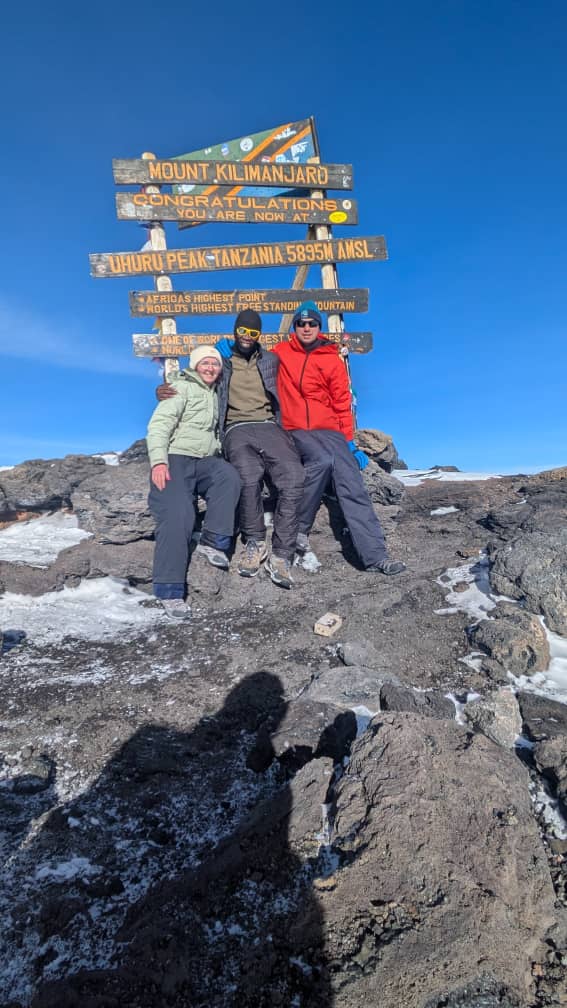
- Summit Views: On clear mornings, the views from Stella Point and Uhuru Peak are unparalleled. The clouds often sit below the summit, creating a sea of white.
- Harsh Light: The sun at this altitude is intense, even if diffused by clouds. Be mindful of glare and use filters if necessary.
- The Crater Rim: Photographing the inner crater rim and the fumaroles offers a unique geological perspective.
November photography in these zones is about capturing the raw, powerful beauty of an extreme environment. The dramatic skies and crisp air, even with the possibility of rain or snow, provide a unique backdrop for the final ascent and summit experience. Planning for 2026-2027 means you can anticipate these challenging yet rewarding photographic conditions.
Summit Night and Sunrise Photography
Summit night is the pinnacle of any Kilimanjaro climb, and November presents a unique photographic challenge and opportunity.
- Pre-Dawn Darkness: You’ll be starting in complete darkness, often using headlamps. This is not ideal for landscape photography, but you can capture atmospheric shots of fellow trekkers’ headlamps illuminating the path, or the stark silhouettes against the starry sky (if clear).
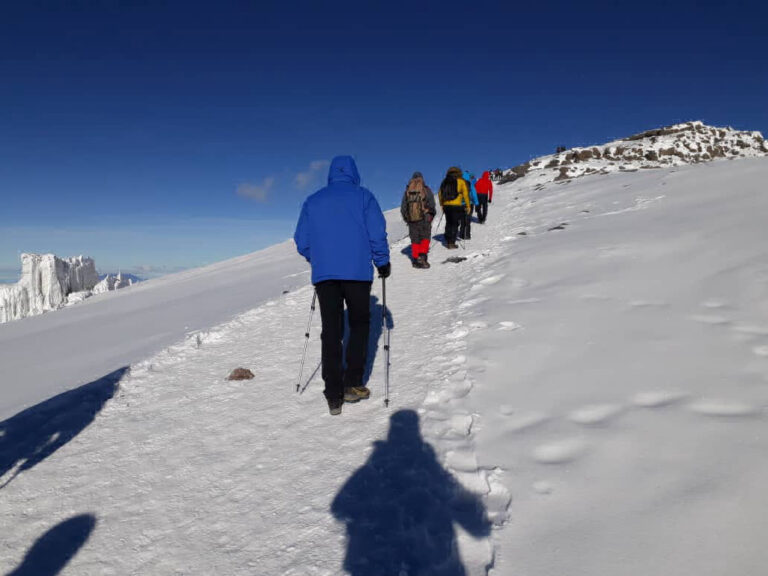
- The Ascent: As you ascend towards Stella Point, the first hints of dawn will appear. This is the critical window for capturing the transition from night to day. The colours can be incredibly intense due to the altitude and atmospheric conditions.
- First Light at Stella Point: Reaching Stella Point for sunrise is a major achievement. If the weather is clear, you’ll witness a impressive panorama. The clouds below will catch the sun’s first rays, creating a stunning ‘sea of clouds’ effect.
- Uhuru Peak and the Glaciers: Continuing to Uhuru Peak, the highest point, offers even more expansive views. The remaining glaciers, though diminished, are striking against the dark volcanic rock. The morning light can illuminate them beautifully.
- Cold and Wind: Summit night is extremely cold and often windy. This makes handling camera equipment difficult. Keep your camera warm inside your jacket and only take it out for brief periods. Use gloves that allow you to operate camera controls.
- Battery Life: Extreme cold drastically reduces battery life. Keep spare batteries in a warm pocket close to your body.
- Focusing: Autofocus can struggle in low light and cold. Manual focus might be necessary.
November summit photography is about capturing the raw emotion and the dramatic transition of light. It requires resilience and preparation. Planning your 2026-2027 summit bid during this season means you’re embracing a challenging yet potentially rewarding photographic experience.
Wildlife Photography Opportunities in November
While Kilimanjaro is not primarily a wildlife destination like the Serengeti or Maasai Mara, there are still photographic opportunities, particularly in the lower zones during November.
- Rainforest Zone: This is where you’re most likely to encounter wildlife. Keep an eye out for:
- Colobus Monkeys: Their striking black and white fur can stand out against the green foliage.
- Blue Monkeys: More common and often seen in groups.
- Various Bird Species: The lush conditions of November support a rich bird population. Look for colourful forest birds.
- Moorland Zone: Wildlife is scarcer here, but you might spot:
- Elands: Large antelopes that sometimes venture into the moorlands.
- Birds of Prey: Eagles and falcons may be seen soaring.
- Higher Altitudes: Wildlife is extremely rare above the moorland zone, with only occasional sightings of smaller rodents or birds.
Tips for Wildlife Photography in November:
- Patience is Key: Wildlife sightings are not guaranteed. Be patient and observant.
- Use a Telephoto Lens: A lens with a focal length of at least 200mm (on a crop sensor) or 300mm (on a full-frame) is recommended for getting close-up shots without disturbing the animals.
- Fast Shutter Speed: To freeze motion, especially with birds or monkeys, use a fast shutter speed (e.g., 1/500 sec or faster).
- Low Light Considerations: In the rainforest, you’ll be dealing with low light. You may need to increase your ISO or use a wider aperture, which can affect depth of field.
- Respect the Animals: Never feed or approach wildlife too closely. Maintain a safe distance to avoid disturbing them and for your own safety.
While not the primary focus, the increased vegetation and activity in November can lead to rewarding wildlife photography moments. When planning your 2026-2027 trip, remember that Kilimanjaro is more about grand landscapes than big game.
Post-Processing for November Kilimanjaro Photos
The unique conditions of November Kilimanjaro photography often require specific post-processing techniques to bring out the best in your images.
- RAW Format is Essential: Always shoot in RAW. This format captures the maximum amount of image data, providing far more flexibility for editing than JPEGs, especially when dealing with challenging light and colour.
- White Balance: The weather can create unusual colour casts. Pay close attention to adjusting the white balance to achieve natural colours, especially in misty or overcast conditions. Sometimes, slightly warming the image can enhance the mood of a dramatic sky.
- Exposure and Contrast: November light can be very dynamic. You may need to adjust exposure, highlights, and shadows to recover detail in both bright areas and dark shadows. Use graduated filters in post-processing to balance the exposure between a bright sky and a darker foreground.
- Colour Saturation and Vibrance: The lush greens of November are beautiful, but they can sometimes be overwhelming. Use saturation and vibrance sliders judiciously to enhance colours without making them look unnatural.
- Dehazing and Clarity: Mist and fog can reduce contrast. Use the dehaze slider or clarity settings carefully to add definition back into the image without creating harsh artefacts. Be subtle; too much can make the image look artificial.
- Noise Reduction: If you had to increase your ISO due to low light, you might have some digital noise. Apply noise reduction carefully in your editing software, balancing noise removal with detail preservation.
- Sharpening: Apply sharpening as a final step, focusing on areas that need definition. Avoid over-sharpening, which can create halos and artefacts.
Software like Adobe Lightroom or Capture One are excellent tools for post-processing. For 2026-2027 trips, consider practicing these techniques beforehand to make the most of your images captured during the Short Rains.
Planning Your November Kilimanjaro Photography Trip for 2026-2027
Booking your Kilimanjaro adventure for November in 2026 or 2027 requires careful planning to maximize photographic opportunities while ensuring a safe and enjoyable trek.
Choosing the Right Tour Operator
A reputable tour operator is crucial. They provide experienced guides who understand the mountain’s weather patterns, safety protocols, and can help you position yourself for the best shots. Look for companies that:
- Have a strong safety record.
- Offer experienced, certified guides.
- Provide good quality equipment (tents, cooking gear).
- Have positive reviews, especially from photographers.
- Offer flexible itineraries that allow for photo stops.
Top Guide Adventures is a trusted Tanzanian company known for its personalized service and dedication to client safety and satisfaction. We organize comprehensive Kilimanjaro climbs, ensuring you have the support needed for a successful photographic expedition in November 2026 or 2027.
Booking Window and Availability
While November is shoulder season, it’s still advisable to book your trek well in advance, especially if you have specific date requirements for 2026 or 2027. Booking 6-12 months ahead is recommended to secure your preferred route and dates. This also gives you ample time to prepare your gear and fitness.
Fitness and Acclimatization
The Short Rains don’t typically affect the acclimatization process, but being physically prepared is paramount. The rain can make the trek more challenging, so a good level of fitness is essential. Longer routes (like Lemosho or Northern Circuit) offer better acclimatization and more time for photography.
Packing Smart for Photographers
As detailed earlier, prioritize weather protection for your gear. Pack layers of clothing for yourself, as temperatures can fluctuate significantly between the rainforest and the summit zone. Don’t forget waterproof hiking boots and gaiters, as wet terrain is common.
Visa and Health Requirements
Ensure you have the necessary visa for Tanzania and consult your doctor about recommended vaccinations and malaria prophylaxis. Travel insurance that covers high-altitude trekking and emergency evacuation is mandatory.
By planning meticulously for your November Kilimanjaro photography adventure in 2026-2027 with a reliable partner like Top Guide Adventures, you can maximize your chances of capturing stunning images while enjoying a safe and memorable climb.
Comparing November with Other Months for Kilimanjaro Photography
Understanding how November stacks up against other months can help solidify your decision for a 2026-2027 photographic expedition.
November vs. Dry Seasons (June-October, January-February)
- Dry Seasons: Offer clearer skies, generally more stable weather, and excellent visibility. Sunrises and sunsets can be stunning with sharp, clear light. Visibility is often at its best for panoramic shots.
- November (Short Rains): Presents more dramatic, moody skies with potential for spectacular light after showers. Landscapes are lusher and greener. Crowds are smaller. Visibility can be compromised by mist and clouds, but this can also add atmosphere.
Photographic Advantage of November: More dynamic skies, vibrant colours in the lower zones, unique atmospheric conditions (mist, fog), fewer people offering more photographic freedom.
November vs. Long Rains (March-May)
- Long Rains: This is the wettest period. Heavy, prolonged rainfall is common, making trekking difficult and visibility often poor. Trails can become muddy and slippery.
- November (Short Rains): Showers are typically shorter and less intense. While still wet, conditions are generally more manageable for trekking and photography than during the peak of the long rains. Mornings are often clearer.
Photographic Advantage of November: While both are wet seasons, November offers a better balance. The rain is less persistent, allowing for more opportunities to shoot in clearer conditions. The landscape is vibrant without being excessively waterlogged.
For photographers seeking dramatic skies, vibrant landscapes, and a less crowded experience, November is a strong contender, especially for 2026-2027 trips. If absolute clarity and stable weather are your top priorities, the dry seasons might be preferable, but you’ll trade some of the unique atmospheric drama that November offers.
Maximizing Your Photographic Success on Kilimanjaro in November
To ensure your November Kilimanjaro photography trip in 2026-2027 is a resounding success, consider these final tips:
- Embrace the Weather: Don’t let rain deter you. Often, the most dramatic and unique shots come from challenging weather. Protect your gear and shoot through it.
- Arrive Early, Stay Late: Be at scenic viewpoints well before sunrise and stay after sunset to capture the best light.
- Look for Details: Beyond grand landscapes, seek out smaller details – water droplets on leaves, textures of rocks, hardy alpine flowers, the expressions on fellow trekkers’ faces.
- Tell a Story: Your photographs should tell the story of your journey. Capture the effort, the camaraderie, the changing environment, and the achievement.
- Practice, Practice, Practice: Before your trip, practice shooting in various conditions. Familiarize yourself with your gear, especially in low light and cold.
- Stay Warm and Dry: Your comfort directly impacts your ability to focus on photography. Proper layering and waterproof gear are essential.
- Communicate with Your Guide: Let your guides know you’re passionate about photography. They can help you find good vantage points and inform you of potential photo opportunities.
November Kilimanjaro photography offers a unique blend of challenge and reward. With careful preparation, the right gear, and an adventurous spirit, you can capture images that truly reflect the raw beauty and dynamic atmosphere of Africa’s highest peak during the Short Rains. For assistance planning your 2026 or 2027 photographic adventure, contact Top Guide Adventures. We are dedicated to providing exceptional travel experiences and ensuring your Kilimanjaro climb is unforgettable. Reach out via WhatsApp at +255616946642 or email us at topguideadventures@gmail.com or info@topguideadventures.com.
Check Availability for November Kilimanjaro Photography In The Short Rains: Your Ultimate Guide
Ready to compare dates, prices, and the best option for your group? Send the package name and travel month so the team can reply with a clear quote, availability, and what is included.
November Vs December Kilimanjaro Climbing Conditions Guide
Choosing between November and December for your Kilimanjaro climb? This guide details the distinct conditions, weather patterns, crowd levels, and cost considerations for each month...
View package details
October Vs November Kilimanjaro Rainfall Guide 2026-2027
October vs November Kilimanjaro Rainfall Guide is explained with current 2026-2027 planning, price, itinerary and booking information.
View package details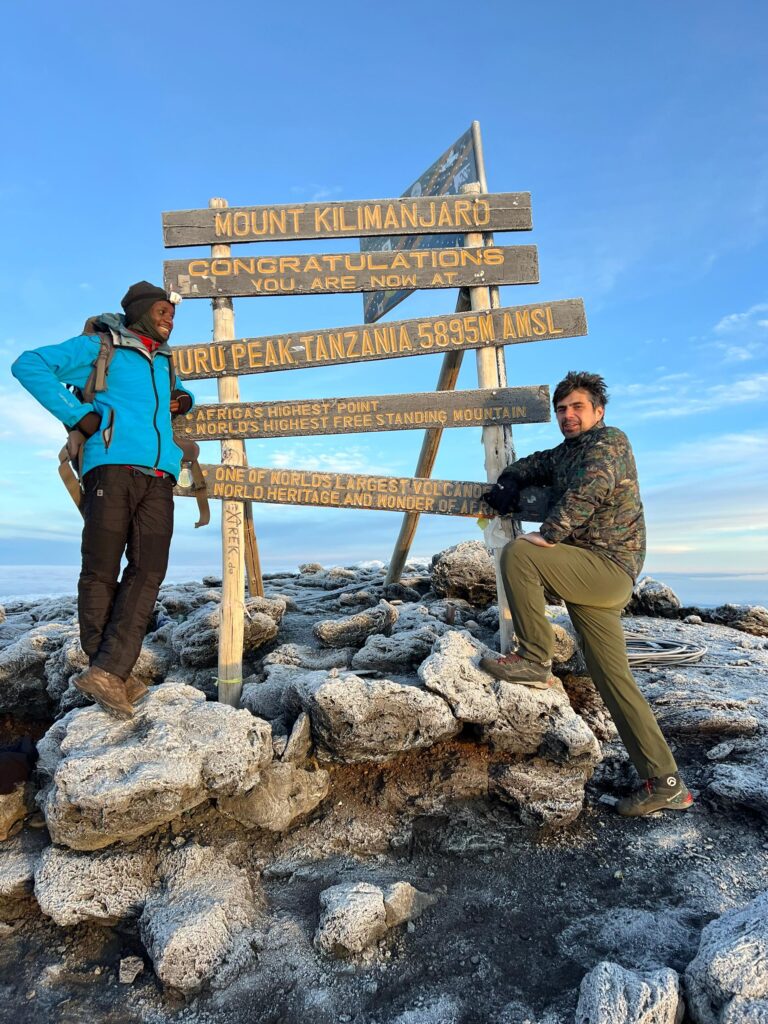
November Kilimanjaro Acclimatization-Focused Trek Guide
Discover essential strategies for a successful November Kilimanjaro climb, emphasizing acclimatization. This guide covers route selection, preparation, and what to expect during the...
View package details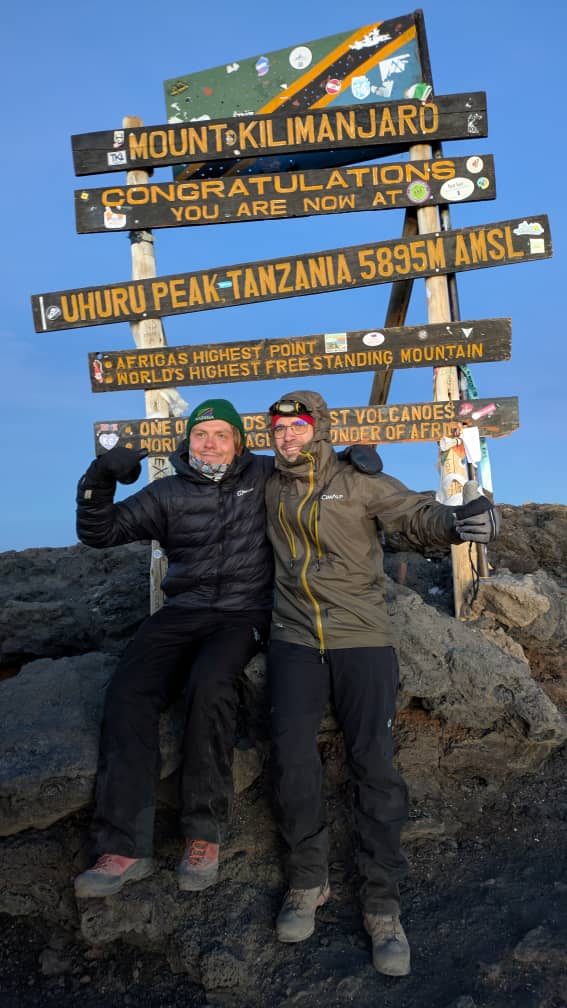
November Kilimanjaro Climb With Flexible Dates: Your Guide 2026-2027
Climbing Kilimanjaro in November offers a unique experience with fewer crowds and stunning landscapes. This guide provides detailed information on flexible date options for your 2026-2027...
View package details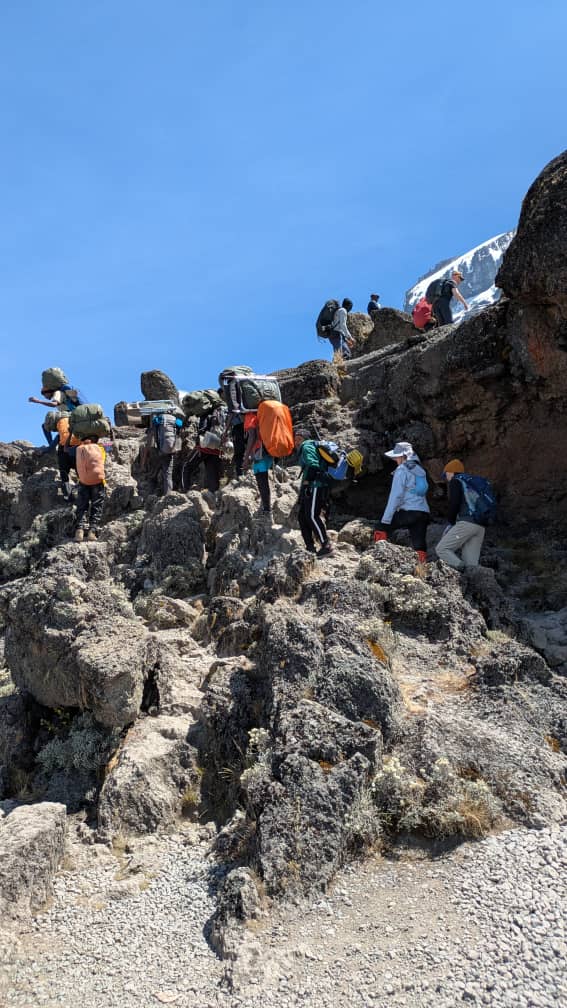
November Kilimanjaro Thanksgiving Holiday Package | Top Guide Adventures
Plan your Kilimanjaro climb this Thanksgiving with Top Guide Adventures. Our November packages offer a unique blend of challenge and celebration, ensuring an unforgettable mountain...
View package details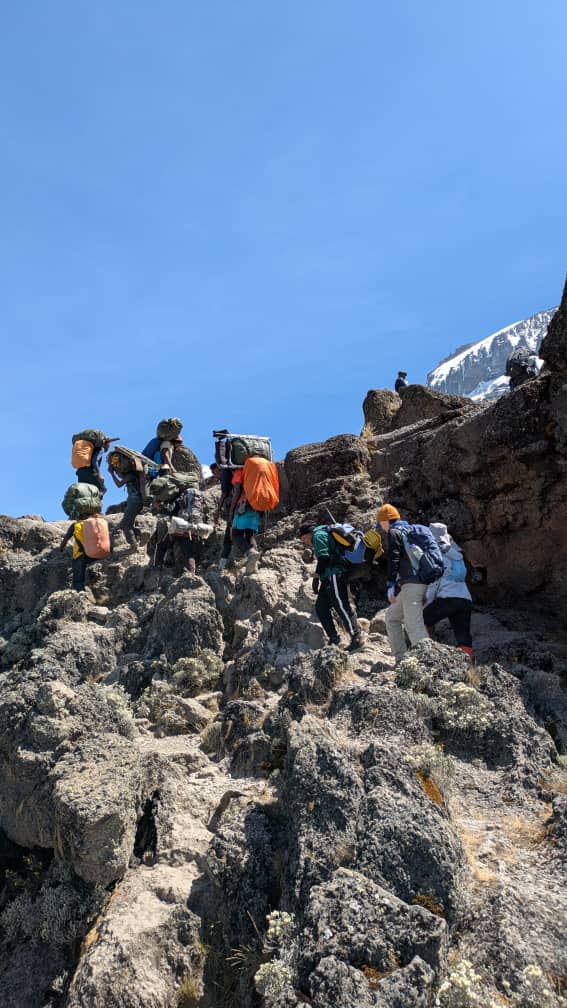
November Kilimanjaro Luxury Private Expedition | Top Guide Adventures
Experience the ultimate Kilimanjaro climb with a luxury private expedition in November 2026 or 2027. Top Guide Adventures offers tailored itineraries, premium services, and expert guidance...
View package details
November Kilimanjaro Trail Conditions: Your Essential Guide 2026-2027
Climbing Kilimanjaro in November offers a unique experience with cooler temperatures, a higher chance of rain in the early days, and significantly fewer trekkers. This guide details trail...
View package details
November Kilimanjaro Summit Night Weather: What To Expect And How To Prepare
Climbing Kilimanjaro in November? This guide details the summit night weather, including temperature ranges, wind chill, precipitation chances, and crucial preparation tips for a successful...
View package detailsNovember Kilimanjaro Waterproof Gear List For Climbs 2026-2027
Planning a Kilimanjaro climb in November? This comprehensive waterproof gear list ensures you stay dry and comfortable. Essential items include waterproof jackets, trousers, gaiters, boots...
View package detailsHow Rainy Is Kilimanjaro In November? Your Complete Guide 2026-2027
Kilimanjaro in November generally experiences moderate rainfall as it marks the end of the short rainy season. While not the driest month, it's often a good time for trekkers seeking fewer...
View package details
Can You Climb Kilimanjaro In November? 2026-2027
Can You Climb Kilimanjaro in November? is explained with current 2026-2027 planning, price, itinerary and booking information.
View package details
November Kilimanjaro Climbing Cost And Discounts For 2026-2027
Planning a Kilimanjaro climb in November 2026 or 2027? This comprehensive guide details the expected costs, factors influencing pricing, and available discounts. Learn how to budget...
View package detailsNo related package matches those filters. Clear one or more filters to see the other topic-matched options.



