
Both May and June offer excellent opportunities for climbing Kilimanjaro, falling within the drier season with generally good weather, but May often presents slightly clearer skies and calmer conditions before the shoulder season transitions into June. June begins to see an increase in trekkers as it leads into the peak summer months, and while weather remains favorable, May can sometimes offer a marginally less crowded experience and potentially better visibility for summit photos.
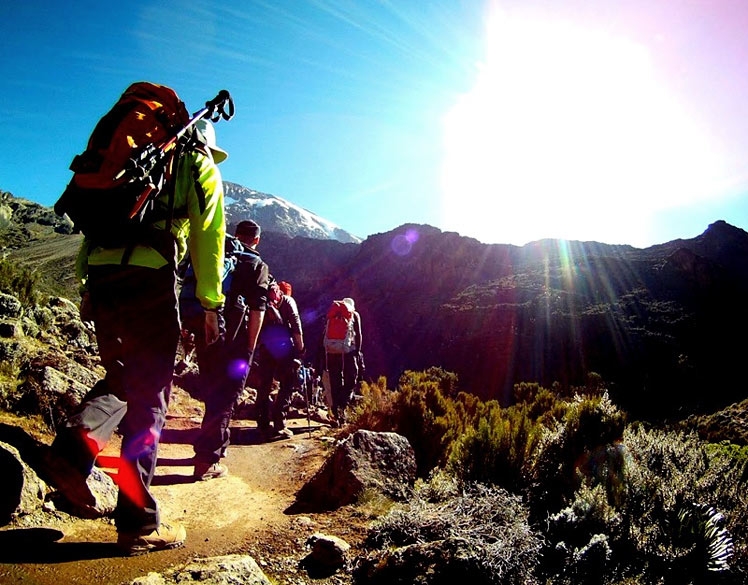
Kilimanjaro’s Climate: Understanding May and June
The decision of when to climb Kilimanjaro, specifically comparing May vs June, hinges significantly on understanding Tanzania’s unique microclimates and seasonal patterns. Kilimanjaro, as a colossal mountain, experiences distinct weather zones as you ascend, but the prevailing conditions on the lower slopes and during the main trekking days are heavily influenced by the broader East African climate. Both May and June are generally considered part of Kilimanjaro’s longer dry season, which typically spans from June to October. However, the nuances between these two months can impact your overall trekking experience.
The “Long Rains” Fade in May
May is a transitional month. It marks the tail end of the “long rains” (March-May). While the heaviest precipitation usually subsides by mid-May, you might still encounter some lingering showers, particularly in the earlier part of the month. These rains are often characterized by afternoon downpours rather than all-day deluges. This means that while you should be prepared for some wet conditions, especially on the lower, forested sections of the mountain, the skies often clear up considerably, offering good trekking visibility.
The advantage of climbing in May is that the landscape is often at its most vibrant and green, thanks to the preceding rains. Water sources are typically plentiful, and the vegetation is lush. For photographers, this can be a real treat, though it requires careful packing for potential mud and moisture. By the latter half of May, the weather typically stabilizes, leading into the drier period. This makes late May a sweet spot for many climbers seeking good conditions with fewer crowds than the peak summer months.
June: Entering the Peak Dry Season
June marks the official beginning of Kilimanjaro’s prime dry season, which continues through October. This is often considered one of the best times to climb the mountain due to its reliably clear skies and minimal rainfall. The air tends to be cooler and drier, which is beneficial for acclimatization and the physical exertion of the climb. Visibility is generally excellent, offering spectacular panoramic views from the higher altitudes, including clear sightings of Mount Meru and, on exceptionally clear days, even the distant plains.
However, June also signals the start of increased tourist traffic. As the Northern Hemisphere summer holidays approach and the weather becomes more predictable, more trekkers choose this month. This means that popular routes and campsites might start to fill up. While “crowded” on Kilimanjaro is relative – the mountain is vast and routes are spread out – you might notice more fellow climbers on the trails and at the camps, especially on routes like Machame or Lemosho. This can be a positive for solo travelers looking for camaraderie, but for those seeking a more solitary experience, it’s a factor to consider.
Comparing Weather Patterns: May vs. June
When evaluating May vs June for Kilimanjaro, a direct comparison of their weather patterns is crucial for making an informed decision. While both months fall within the generally favorable dry season, there are subtle yet significant differences.
Precipitation Levels
May: As the tail end of the long rains, May can still see some rainfall. Expect potential afternoon showers, particularly in the lower rainforest zone. However, these are usually not continuous and often give way to clearer periods. By the end of May, rainfall significantly decreases.
June: June is typically very dry. Rainfall is minimal, and when it does occur, it’s usually light. This month is characterized by consistently clear skies, especially at higher altitudes. The dry conditions are ideal for trekking, reducing the risk of muddy trails and slippery conditions.
Temperature Ranges
Temperatures on Kilimanjaro vary dramatically with altitude and time of day. However, comparing May and June:
May: Days can be warm, especially in the lower zones, but evenings and nights will be cold. Temperatures at the summit (Uhuru Peak) can drop well below freezing, often ranging from -10°C to -20°C (14°F to -4°F), regardless of the month. The transitional nature of May means you might experience slightly more humidity in the lower sections compared to June.
June: June is generally cooler and drier. The daytime temperatures are pleasant, and the nights are cold, similar to May at higher altitudes. The drier air can make the cold feel more pronounced at night, but daytime trekking is often very comfortable. The summit temperatures remain consistently below freezing.
Visibility and Cloud Cover
May: Visibility in May can be good, especially in the latter half of the month as the rains recede. However, there’s a slightly higher chance of cloud cover, particularly in the mornings or afternoons, compared to June. This can sometimes obscure the stunning views, especially on the lower slopes.
June: June is renowned for its excellent visibility. The dry air and stable weather patterns usually result in clear skies, offering impressive panoramic views of the surrounding landscape and the summit from various points along the routes. This clarity is a major draw for June climbers.
Wind Conditions
Wind can be a significant factor on Kilimanjaro, especially near the summit and on exposed ridges. While both months can experience wind, the more stable atmospheric conditions in June might lead to slightly less unpredictable wind patterns compared to the transitional month of May. However, strong winds can occur at any time, particularly on summit night.
Crowd Levels: May vs. June
The number of trekkers on the mountain is a key consideration for many when planning their Kilimanjaro climb. The distinction between May vs June in terms of crowd levels is noticeable.
May: The Quieter Shoulder
May is often considered part of Kilimanjaro’s shoulder season. While not as deserted as the peak rainy months (April and November), it generally sees fewer trekkers than the main dry season (June-October). This means that popular campsites and routes might have more space. For climbers who prefer a quieter, more solitary trekking experience, May can be an attractive option. You’re more likely to have campsites to yourself or share them with fewer groups. This can enhance the feeling of remoteness and personal connection with the mountain.
June: Stepping into Peak Season
As the school holidays in Europe and North America begin and the weather solidifies into its dry, clear pattern, June sees a significant increase in trekkers. It marks the beginning of the busiest trekking period on Kilimanjaro. Popular routes like the Machame, Lemosho, and Marangu can become quite busy. Campsites will be more populated, and you’ll encounter more fellow climbers on the trails. This increased activity can be a double-edged sword: it means more opportunities for social interaction and a vibrant atmosphere, but potentially less solitude.
For those planning a climb in 2026 or 2027, booking in advance is highly recommended, especially if you are targeting June. Popular tour operators, like Top Guide Adventures, often fill up their June departure dates months, sometimes even a year, in advance, particularly for specific routes or group sizes.
Route Considerations for May vs. June Climbs
The choice of route on Kilimanjaro can also be influenced by the month of ascent. While all routes are generally accessible in both May and June, some might offer slightly different experiences depending on the prevailing conditions.
Machame Route
The Machame route is one of the most popular and scenic. In May, expect lush vegetation on the lower sections, which can be muddy. The higher alpine zones will be drier. In June, the trails will be drier overall, and the views from the “Shira Plateau” and “Barranco Wall” are usually spectacular. Due to its popularity, June will be busier on Machame.
Lemosho Route
The Lemosho route is known for its beauty and higher success rates due to its gradual ascent profile. In May, the rainforest sections are vibrant. By June, the entire trek is typically dry and offers superb visibility across the western side of the mountain. Like Machame, Lemosho attracts more climbers in June.
Marangu Route
The “Coca-Cola” route, Marangu, is unique for its hut accommodation. In May, you might encounter more rain in the forest, making the lower sections damp. In June, the huts and trails are drier. It’s generally less crowded than Machame or Lemosho, even in June, but still sees an uptick in numbers.
Other Routes (Rongai, Northern Circuit, Umbwe)
Rongai, approaching from the north, is known for being drier year-round, so the difference between May and June might be less pronounced than on western routes. However, June’s overall dryness still offers an advantage. The Northern Circuit, the longest route, benefits from its gradual acclimatization, and both May and June provide good conditions, with June offering marginally clearer views. Umbwe, the most challenging route, is steep and direct; its drier conditions in June might make the technical sections slightly easier to navigate than in the wetter parts of May.
For those planning for 2026 or 2027, booking your preferred route and dates well in advance is crucial, especially for June departures. Top Guide Adventures can assist in securing spots on popular routes and dates.
Cost and Value: May vs. June
When comparing May vs June for Kilimanjaro climbs, the cost factor is often a consideration. Generally, prices for climbing Kilimanjaro are influenced more by the operator, route, duration, and inclusions than by the specific month within the dry season.
Pricing Structure
Most reputable tour operators, including Top Guide Adventures, do not drastically alter their prices between May and June. The cost of a Kilimanjaro climb is primarily determined by:
- Operator’s Standard: Mid-range, luxury, or budget operators have different pricing tiers.
- Route Choice: Longer routes with more camping days (e.g., Lemosho, Northern Circuit) are typically more expensive than shorter ones (e.g., Marangu).
- Duration: Longer treks generally cost more due to more days of support and park fees.
- Inclusions: What’s included (flights, gear rental, tips, accommodation before/after) significantly impacts the price.
- Group Size: Private climbs are more expensive per person than joining a group.
Value Proposition
While direct price differences between May and June are minimal, the value you receive can be perceived differently:
May: Climbing in May might offer a slightly better value if you prioritize fewer crowds and a more intimate experience. The landscape is greener, which is aesthetically pleasing. If you don’t mind the slight possibility of lingering rain showers, you get a premium experience (less crowded) often at the standard dry-season price.
June: June’s value lies in its highly predictable, excellent weather. The likelihood of clear skies and dry conditions is very high, maximizing your chances for summit success and stunning views. The trade-off for this reliability is a potentially busier mountain and the need to book much earlier for 2026 or 2027 departures. The cost is standard dry-season pricing, but the operational certainty is high.
It’s always advisable to get detailed quotes. For example, Top Guide Adventures provides comprehensive packages. You can reach them via WhatsApp +255616946642 or Email topguideadventures@gmail.com for personalized quotes for May, June, or any other month in 2026-2027.
Success Rates: How May vs. June Impacts Your Climb
The success rate on Kilimanjaro is influenced by many factors, including the chosen route, the climber’s fitness, acclimatization profile, and the weather. When comparing May vs June, the weather is the primary differentiator affecting success rates.
May’s Success Factors
In May, particularly the latter half, weather conditions are generally favorable. The dry season is beginning, meaning fewer disruptions from rain. However, the lingering possibility of showers, especially in early May, could make some sections slightly more challenging or reduce visibility on summit night. Good preparation and a solid acclimatization strategy are always key, but May’s conditions are conducive to high success rates. The slightly fewer crowds might also mean more individual attention from guides.
June’s Success Factors
June’s consistently dry and clear weather offers a significant advantage for success rates. Stable conditions mean less chance of weather-related disruptions on summit night, which is often the most critical part of the climb. The cooler, drier air can aid acclimatization for some, while others might find the cold more challenging. However, the overall predictability of June’s weather generally leads to very high success rates for well-prepared climbers.
Key takeaway for success: Regardless of whether you climb in May or June, the most critical elements for a high success rate remain consistent: choose a reputable operator that prioritizes safety and acclimatization (like Top Guide Adventures), select a longer route (8-9 days) for better acclimatization, train adequately beforehand, and listen carefully to your guide’s advice.
Preparing for Your Kilimanjaro Climb in May or June
Successful preparation is paramount for any Kilimanjaro climb, and understanding the specific conditions of May vs June helps tailor your packing and training.
Packing Essentials for May
Given that May is the tail end of the rainy season, packing for variable conditions is wise:
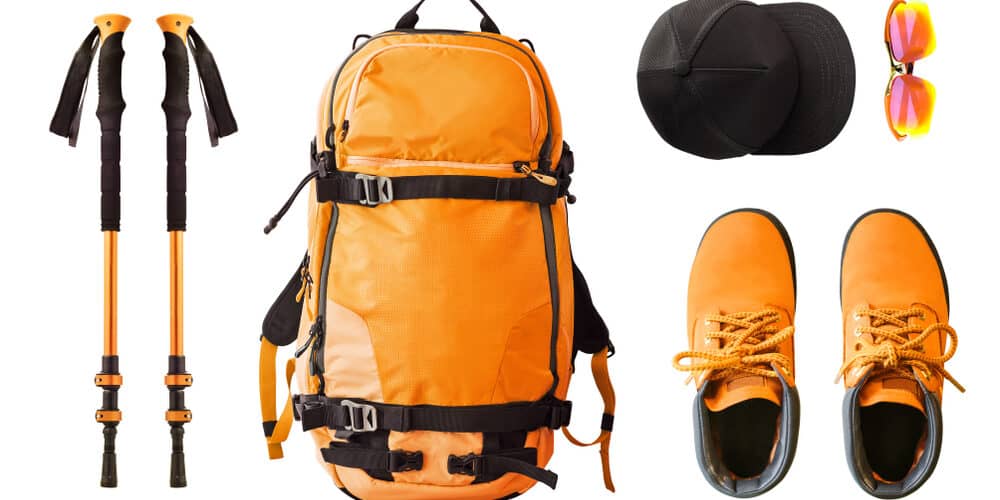
- Waterproofs: High-quality waterproof and windproof jacket and trousers are essential.
- Layering System: Base layers (merino wool or synthetic), mid-layers (fleece), and an insulating outer layer (down or synthetic jacket) are crucial for temperature regulation.
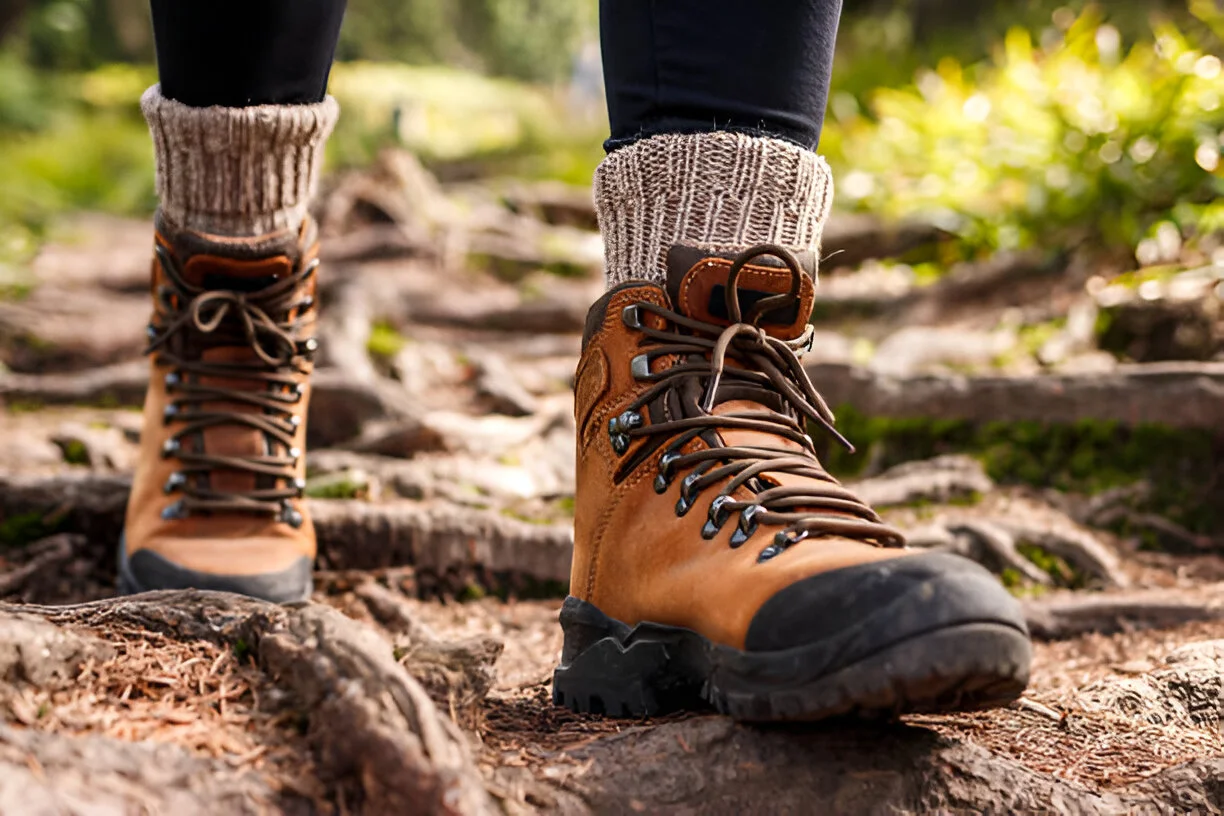
- Footwear: Well-broken-in, waterproof hiking boots are a must. Consider waterproof gaiters for muddy conditions.
- Headwear: A warm hat and a sun hat are both necessary.
- Gloves: Several pairs, including waterproof outer gloves and thinner liner gloves.
- Sun Protection: High SPF sunscreen, lip balm, and sunglasses.
- Hydration: Water bottles or a hydration reservoir (ensure it’s insulated to prevent freezing).
- Headlamp: Essential for summit night and early morning starts.
Packing Essentials for June
June’s drier conditions mean you can pack slightly lighter on the heavy-duty rain gear, but the cold remains a constant factor:
- Layering: The layering system remains paramount. Focus on warmth for evenings and summit night.
- Footwear: Waterproof hiking boots are still essential, though less mud might be present. Consider good quality socks to prevent blisters in dry conditions.
- Headwear & Gloves: Warm hat, sun hat, and robust gloves are non-negotiable, especially for summit night.
- Sun Protection: The sun is intense at altitude, even when it’s cooler. High SPF sunscreen and sunglasses are vital.
- Hydration: Crucial in dry conditions to prevent dehydration. Insulated bottles are still recommended for preventing freezing.
- Headlamp: Still a critical piece of gear.
Training and Fitness
Regardless of whether you choose May or June for your Kilimanjaro climb, your physical preparation is key. Focus on:
- Cardiovascular Fitness: Running, cycling, swimming, or brisk hiking build endurance.
- Strength Training: Focus on leg strength (squats, lunges) and core stability.
- Hiking Practice: Undertake long hikes with a weighted backpack, preferably on varied terrain, to simulate Kilimanjaro conditions.
- Acclimatization Practice: While not directly trainable, understanding altitude sickness symptoms and how to manage them is crucial. Choose a longer route (8-9 days) offered by operators like Top Guide Adventures for better acclimatization.
Visualizing Your Climb: Scenery in May vs. June
The visual experience of climbing Kilimanjaro can differ subtly between May and June, primarily due to the lingering effects of the rains in May and the peak dry season clarity in June.
May’s Lush Landscapes
Climbing in May means you’ll likely encounter a Kilimanjaro at its most verdant. The rainforest zone (5,000-9,000 ft) will be incredibly lush and green, potentially with vibrant flowers. Waterfalls might be more impressive due to recent rainfall. While this offers stunning natural beauty, be prepared for potential mud and mist in these lower sections. As you ascend into the moorland and alpine desert zones, the landscape becomes drier and rockier, with views opening up, though potentially still occasionally softened by lingering clouds.
June’s Crisp Vistas
June offers a Kilimanjaro that is typically crisp and clear. The drier conditions mean less mud, and the vegetation, while still healthy, won’t be as saturated as in May. The real visual advantage of June lies in the clarity of the views. From the Shira Plateau, the vastness of the plains below is often visible. The Barranco Wall offers dramatic geological formations bathed in sunlight. Summit night in June often provides unparalleled views of the stars and the curvature of the Earth as dawn breaks, with minimal cloud interference. This clarity extends to seeing distant peaks like Mount Meru.
Logistical Considerations for May vs. June
Beyond weather and crowds, several logistical factors come into play when deciding between May vs June for your Kilimanjaro climb.
Booking Availability
May: As a shoulder month, May often offers more flexibility in booking, even closer to the travel date. You might find better availability for specific routes, departure dates, and even preferred tour operators. However, for popular operators like Top Guide Adventures, booking several months in advance is still recommended for 2026 or 2027 to secure your preferred package.
June: June is a prime trekking month, especially with the start of summer holidays. This means availability can become scarce quickly. Popular routes and dates, particularly those with guaranteed group departures, can be fully booked six months to over a year in advance. If you are set on June for your Kilimanjaro climb, booking as early as possible is essential. Top Guide Adventures advises clients to book at least 9-12 months ahead for June climbs in 2026-2027.
Permits and Park Fees
Kilimanjaro National Park fees are set by the Tanzanian government and do not typically fluctuate between May and June. These fees are a significant component of the overall cost and are usually included in reputable tour operator packages. Ensure your operator clearly outlines these fees.
Flight Availability and Costs
International flight prices can vary based on demand. While June is a popular travel month globally, leading to potentially higher flight costs, May might offer slightly more competitive airfare if booked strategically. However, the difference might not be substantial enough to be the sole deciding factor.
Accommodation in Moshi/Arusha
The towns of Moshi and Arusha, the gateway towns for Kilimanjaro climbs, will be busier in June due to the increased number of trekkers. It’s advisable to book pre- and post-climb accommodation well in advance, especially for June. Top Guide Adventures can assist with arranging comfortable hotel stays in Moshi or Arusha.
Special Considerations for 2026-2027 Climbs
Planning for future climbs in 2026 and 2027 requires looking ahead at potential trends and solidifying your choices. The fundamental differences between May vs June will likely remain consistent. However, increased global travel post-pandemic means that popular months like June could see even higher demand. Booking very early for 2026-2027 June climbs is therefore highly advisable.
May, as a slightly less conventional but still excellent month, might offer a more relaxed experience and potentially better last-minute availability if your planning is less rigid. The green landscapes of May could be particularly appealing to photographers.
For any climb in 2026 or 2027, ensuring your tour operator is well-established, safety-conscious, and has a strong commitment to ethical trekking practices is paramount. Companies like Top Guide Adventures pride themselves on their high standards, experienced guides, and excellent client care, making them a reliable choice regardless of whether you opt for May or June.
Final Verdict: May vs. June for Your Kilimanjaro Adventure
Deciding between May vs June to climb Kilimanjaro comes down to prioritizing your preferences. Both months offer a high probability of a successful and enjoyable trek, falling within the generally favorable dry season.
- Choose May if: You prioritize fewer crowds, enjoy lush green landscapes, and don’t mind the slight possibility of occasional rain showers in the lower forest zone. The latter half of May typically offers the best weather within the month.
- Choose June if: You want the most reliable, dry, and clear weather conditions possible, excellent visibility for photos, and are comfortable with a busier mountain. June marks the beginning of the peak trekking season.
For both months, booking with a trusted operator like Top Guide Adventures is key. They offer expertly guided climbs, emphasizing safety, acclimatization, and client support. Whether you opt for the quieter beauty of May or the clear, crisp conditions of June for your 2026 or 2027 Kilimanjaro climb, careful planning and preparation will ensure a memorable adventure.
Ready to plan your ascent? Contact Top Guide Adventures today for expert advice and personalized tour options. Reach out via WhatsApp +255616946642 or Email topguideadventures@gmail.com (backup info@topguideadventures.com) to discuss your dream climb. You can also explore their offerings at Top Guide Adventures.
Check Availability for May Vs June: When Should You Climb Kilimanjaro? 2026-2027
Ready to compare dates, prices, and the best option for your group? Send the package name and travel month so the team can reply with a clear quote, availability, and what is included.
Should You Climb Mount Meru Before Kilimanjaro? 2026-2027
Should You Climb Mount Meru before Kilimanjaro? is explained with current 2026-2027 planning, price, itinerary and booking information.
View package details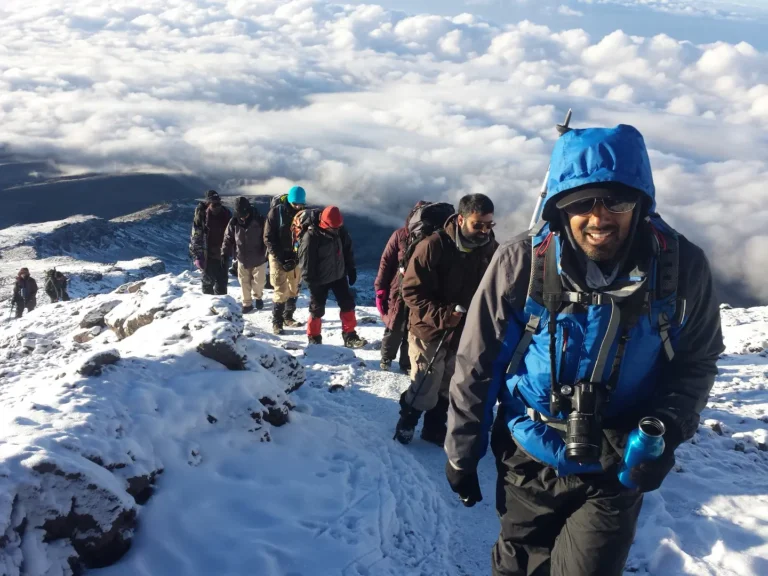
How Many Nights Should You Stay Before Kilimanjaro Climb? 2026-2027
The crucial question of how many nights to stay before climbing Kilimanjaro directly impacts your acclimatization and overall success. Experts recommend a minimum of 2-3 nights in Moshi or...
View package detailsDriest Month To Climb Kilimanjaro: Your Guide For 2026-2027
The driest months for climbing Kilimanjaro are generally January, February, and June through October. These periods offer the clearest skies and lowest rainfall, ideal for a successful and...
View package details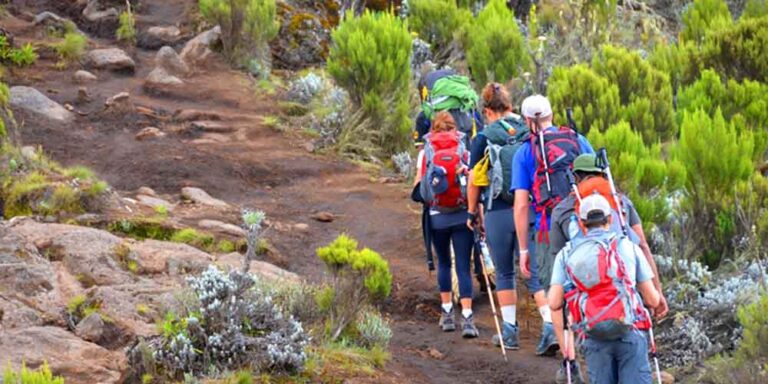
Menstrual Care While Climbing Kilimanjaro: Expert Guide 2026-2027
Climbing Kilimanjaro while menstruating is entirely manageable with proper planning. This comprehensive guide from Top Guide Adventures offers essential advice on managing your period on...
View package details
Feminine Hygiene During A Kilimanjaro Climb 2026-2027
Feminine Hygiene during a Kilimanjaro Climb is explained with current 2026-2027 planning, price, itinerary and booking information.
View package details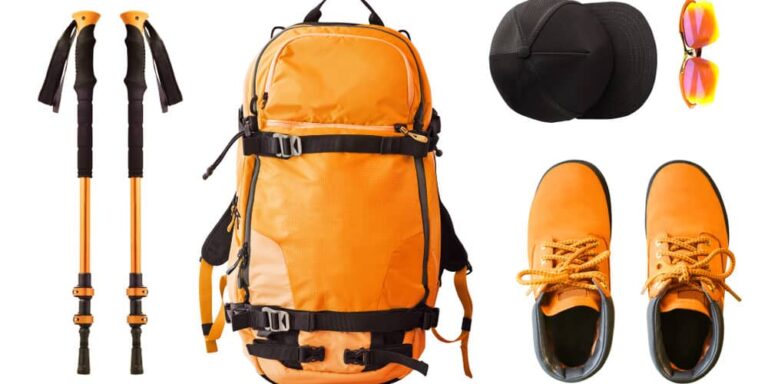
Are Kilimanjaro Camps Noisy At Night? A Climbers Guide To Sleep And Sound
Understand the noise levels at Kilimanjaro camps to better prepare for your trek. This guide covers what sounds you might hear, factors influencing noise, and how to ensure a restful...
View package details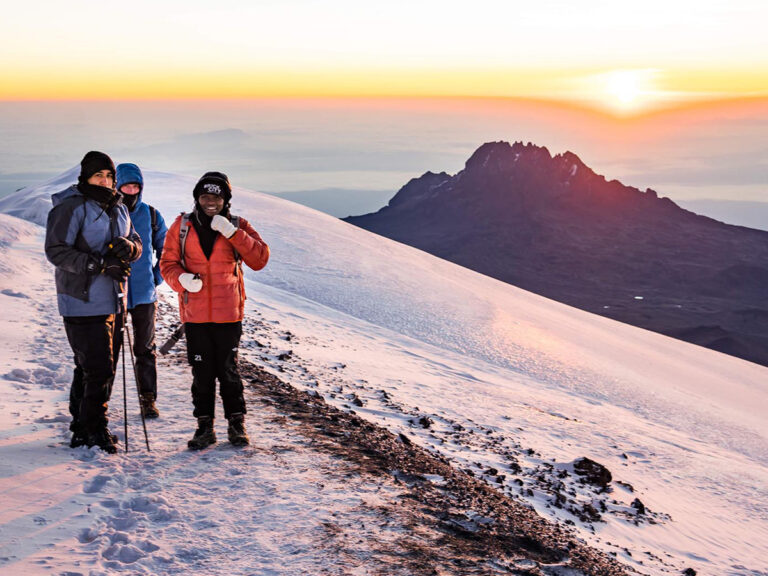
Foods To Avoid Before A Kilimanjaro Climb: Expert Guide For Trekkers 2026-2027
Planning your Kilimanjaro climb for 2026 or 2027? Proper nutrition is key. This guide details essential foods and drinks to avoid before and during your trek to prevent digestive issues and...
View package details
Kilimanjaro Climb With Low-Sugar Meal Planning Guide
Climbing Kilimanjaro requires careful nutritional planning. This guide focuses on low-sugar meal strategies to sustain energy, aid acclimatization, and enhance your trekking experience...
View package details
Kilimanjaro Climb With High-Protein Meals: Fueling Your Ascent In 2026-2027
Fueling your Kilimanjaro climb is as critical as choosing the right route. This guide focuses on the power of high-protein meals to sustain energy, aid recovery, and maximize your chances...
View package detailsKilimanjaro Climb With Nut-Free Meal Options Guide
Discover how to plan your Kilimanjaro climb with complete peace of mind regarding nut allergies. Top Guide Adventures specializes in providing safe, delicious, and fully customized nut-free...
View package detailsKilimanjaro Climb With Lactose-Free Meals: Your Complete Guide For 2026-2027
Climbing Mount Kilimanjaro with specific dietary needs, like lactose intolerance, is entirely achievable. This comprehensive guide details how to manage lactose-free meals on your trek...
View package details
Kilimanjaro Climb For Travellers With Food Allergies 2026-2027
Kilimanjaro Climb for Travellers with Food Allergies is explained with current 2026-2027 planning, price, itinerary and booking information.
View package detailsNo related package matches those filters. Clear one or more filters to see the other topic-matched options.



