
June and July on Kilimanjaro offer distinct advantages for trekkers planning their 2026-2027 climbs: June typically presents cooler temperatures and fewer crowds than July, with a transition from the ‘long rains’ to drier conditions, making it a favorable shoulder season. July is firmly within the dry season, boasting the clearest skies and calmest weather, but it also sees a significant increase in trekkers and higher demand. The choice depends on your priority: fewer people and slightly cooler conditions in June, or the most stable, clearest weather with more company in July.
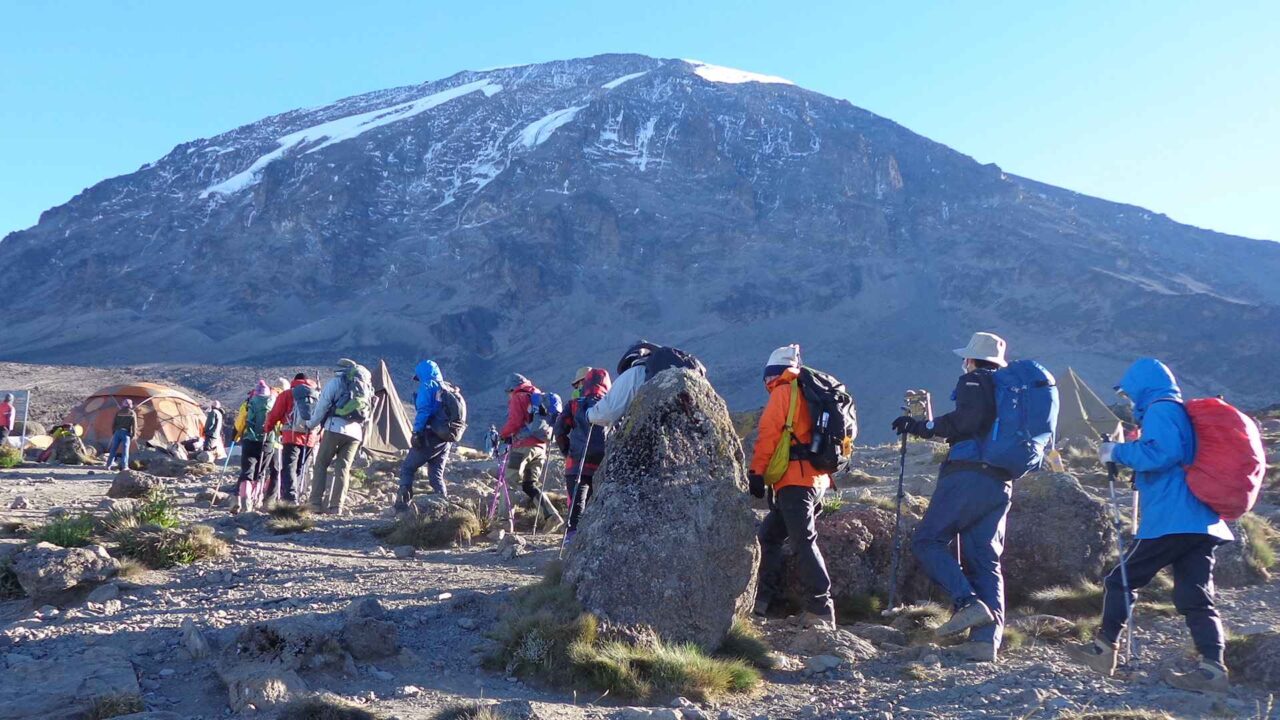
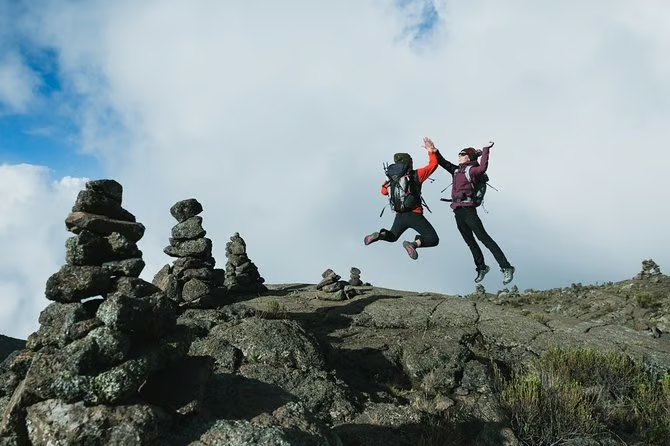
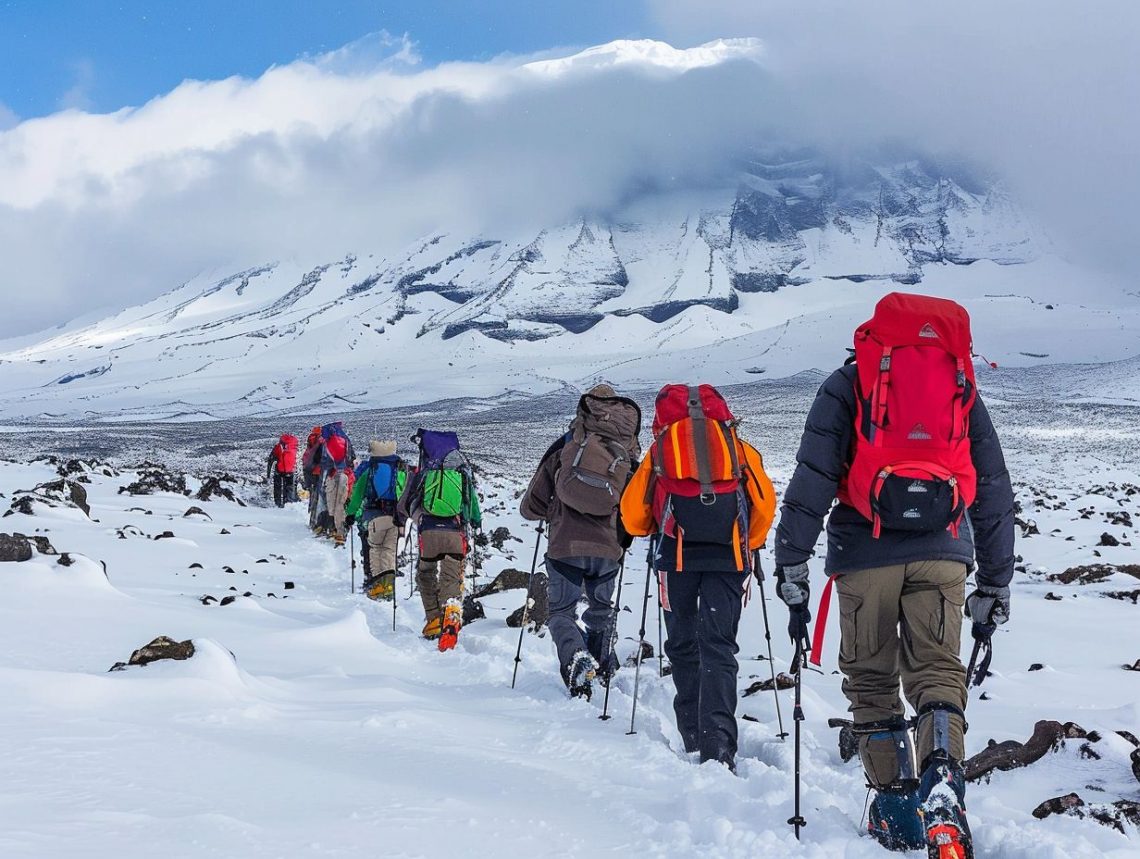
Understanding Kilimanjaro’s Climate and Peak Seasons
Mount Kilimanjaro, Africa’s highest peak, presents a unique microclimate that changes dramatically with altitude. Its weather patterns are not strictly defined by typical equatorial seasons but rather by two distinct dry seasons and two wet seasons. For climbers aiming for the summit in 2026 or 2027, understanding these patterns is crucial for a successful and enjoyable trek. The two dry seasons, generally from January to March and June to October, are considered the best times to climb due to clearer skies and less rainfall. The wet seasons, from April to May (long rains) and November to December (short rains), bring more precipitation and can make the climb more challenging. Understanding the nuances between June and July, two months that fall within the longer dry season, is key to making an informed decision for your Kilimanjaro climb.
The distinction between June and July, while both part of the dry season, lies in their transitional nature and the subsequent increase in popularity. June marks the end of the long rains and the beginning of the drier, cooler period. It’s often characterized by a mix of weather – you might still encounter some lingering moisture, but the skies are generally clearing, and the landscape is vibrant from the recent rains. July, on the other hand, is in the heart of the dry season. This means more predictable, stable weather, with very little rainfall and excellent visibility. However, this predictability also attracts more trekkers, leading to busier trails and campsites. For those planning their Kilimanjaro adventure in 2026 or 2027, weighing these factors – weather stability versus crowd levels – will be central to their planning.
Kilimanjaro Weather in June: A Transition to Dryness
June on Kilimanjaro is a fascinating month, sitting right at the cusp of the dry season. It follows the ‘long rains’ of April and May, meaning the mountain is often at its most verdant and lush. The air is typically fresh, and the landscapes are beautifully green. However, this also means that while the heavy rains have usually subsided, there can still be occasional showers, particularly in the lower rainforest zones. These are generally not sustained downpours but rather brief, refreshing showers that can pass through quickly.
Temperature in June: As June progresses into the dry season, temperatures begin to stabilize. On the lower slopes, daytime temperatures might hover around 20-25°C (68-77°F), while evenings and nights can drop significantly, especially at higher altitudes. At the summit (Uhuru Peak, 5,895m or 19,341ft), expect temperatures to range from -10°C to 0°C (14°F to 32°F) during the day and potentially dropping below -15°C (5°F) at night, especially on summit night. The cooler daytime temperatures compared to the peak of the dry season can be a welcome relief for some climbers, making the ascent feel less arduous in the initial stages. However, it also means that layering is even more critical to stay warm as you ascend.
Rainfall and Sky Conditions in June: While June is technically part of the dry season, it’s important to manage expectations. The first half of June might still see some residual rain from the long rains, though it’s usually much lighter and less frequent than in April or May. By the latter half of June, the weather tends to become significantly drier. Skies are generally clearer than during the wet months, offering good views. However, you might still encounter cloud cover, especially in the afternoons. The chances of experiencing clear, unobstructed views of the summit and surrounding plains are increasing rapidly as the month progresses, making the latter half of June a particularly appealing time for those who prefer fewer crowds but still want decent weather.
Trail Conditions in June: The trails in June can be a mixed bag. The earlier part of the month might see some muddiness in the rainforest sections due to lingering rain. However, as the month progresses and the ground dries out, conditions improve considerably. The lushness means the vegetation is vibrant, but it also means that paths can be a little overgrown in places, especially on less-trafficked routes. The volcanic soil on Kilimanjaro drains relatively well, so even after rain, the trails tend to dry out faster than in many other mountainous regions. For those planning a Kilimanjaro climb in June 2026 or 2027, packing waterproof gear is still a wise precaution, especially for the early days of the trek.
Kilimanjaro Weather in July: The Heart of the Dry Season
July is widely considered one of the prime months for climbing Kilimanjaro, firmly situated in the heart of the major dry season. This period is characterized by stable weather, minimal rainfall, and excellent visibility, making it ideal for reaching the summit. The mountain is typically dry underfoot, and the skies are often a brilliant blue.
Temperature in July: July is known for its cooler temperatures, especially compared to the warmer dry season months of January and February. Daytime temperatures on the lower slopes might range from 18-23°C (64-73°F). As you gain altitude, the temperature drops significantly. At the summit, expect conditions similar to June, with daytime temperatures around -10°C to 0°C (14°F to 32°F) and nighttime temperatures, particularly on summit night, plummeting to -15°C to -20°C (5°F to -4°F) or even colder. The cooler air can make the physical exertion of climbing feel more manageable, but it necessitates robust cold-weather gear. The nights are crisp and clear, offering spectacular stargazing opportunities.
Rainfall and Sky Conditions in July: July offers the most reliable weather for climbing Kilimanjaro. Rainfall is extremely rare. The skies are typically very clear, providing exceptional panoramic views of Mount Meru, the plains of the Serengeti, and the surrounding landscape. Visibility from the summit on a clear day is outstanding. This lack of cloud cover and precipitation is a major draw for trekkers, as it significantly increases the chances of unobstructed summit views and a more comfortable ascent. For those prioritizing clear skies and predictable weather for their Kilimanjaro trek in July 2026 or 2027, this month is hard to beat.
Trail Conditions in July: Trails in July are generally in excellent condition. With minimal rain, the paths are dry and stable. Mud is rarely an issue, making trekking more straightforward and less physically demanding in terms of footing. The vegetation, having benefited from the preceding rains, is still relatively green, though it begins to dry out as the season progresses. The dry conditions mean that dust can become a factor, especially on the higher, more exposed sections of the mountain. Wearing a buff or scarf to protect your face from dust is advisable. The excellent trail conditions contribute to a smoother and more enjoyable hiking experience.
June vs July Kilimanjaro Crowds: Understanding the Dynamics
When comparing June and July for a Kilimanjaro climb, the difference in crowd levels is one of the most significant factors to consider. Both months fall within the popular dry season, but July typically sees a noticeable surge in trekkers.
Crowds in June: June is considered a shoulder month for Kilimanjaro climbing. While it’s part of the dry season, it hasn’t yet reached the peak popularity of July and August. This means that while you will encounter other trekkers on the mountain, the trails and campsites are generally less crowded. This can lead to a more serene and personal experience. You’re more likely to find a sense of solitude on the trails, and campsites will feel less congested. For trekkers who value a quieter ascent and more personal space, June on Kilimanjaro offers a compelling advantage. The reduced competition for resources at campsites and on the trails can also contribute to a more relaxed atmosphere. If you’re planning for June 2026 or 2027 and prefer fewer people, this month is a strong contender.
Crowds in July: July is one of the busiest months for Kilimanjaro climbs, alongside August and September. As the dry season is in full swing with its most reliable weather, demand for climbing permits and tour packages spikes. This means that the popular routes, such as the Machame and Marangu routes, will be significantly busier. You can expect to see many other groups on the trails and at the campsites. While this doesn’t necessarily detract from the experience – the mountain is vast enough to accommodate many – it does mean less solitude. Campsites will be more bustling, and you’ll likely encounter more fellow trekkers throughout your journey. For those who don’t mind a livelier atmosphere or are looking for the camaraderie that comes with trekking alongside many others, July on Kilimanjaro is an excellent choice. However, if you’re planning for July 2026 or 2027 and are seeking a more exclusive experience, booking well in advance is essential to secure your preferred dates and potentially less crowded itineraries.
Comparing Key Aspects: June vs. July on Kilimanjaro
To make the best decision for your Kilimanjaro climb in 2026 or 2027, let’s break down the comparison between June and July across several critical factors.
Visibility and Summit Views
June: Visibility is generally good and improving throughout the month as the last vestiges of the long rains dissipate. You can expect clear mornings and potentially some cloud build-up in the afternoons. Summit views are often excellent, but there’s a slightly higher chance of brief cloud interference compared to July.
July: July is renowned for its exceptional visibility. Skies are typically very clear, offering expansive, unobstructed views from the summit and along the trails. This is the peak of the dry season’s clear skies, making it ideal for photography and for enjoying the vast panoramas of Tanzania.
Temperature Range
June: Temperatures are cool, especially at night and on summit day. Daytime highs on lower slopes are pleasant, but the cooler conditions mean effective layering is essential. The average summit temperature can be around -10°C to 0°C.
July: July is often cooler than June, particularly at higher altitudes. Summit night can be intensely cold, with temperatures frequently dropping to -15°C to -20°C or lower. This requires more robust cold-weather gear.
Rainfall Likelihood
June: While considered dry, June can still experience occasional, brief showers, especially in the first half of the month. These are usually not prolonged but can make lower sections damp.
July: Rainfall is highly unlikely in July. This month offers the most consistent dry conditions, making it extremely reliable for trekkers.
Trail Conditions
June: Trails can be a bit muddy in the rainforest zone early in the month but dry out as it progresses. Vegetation is lush and green. Dust is less of an issue than later in the dry season.
July: Trails are predominantly dry and stable. Mud is rare. Dust can become more noticeable on higher, exposed sections as the ground dries out.
Crowd Levels
June: Generally less crowded, offering a more peaceful trekking experience. It’s a great option for those who prefer solitude.
July: Significantly busier, with more trekkers on the mountain. This is a peak month, so expect busier trails and campsites.
Overall Experience
June: A good balance of improving weather and fewer crowds. Ideal for those seeking a quieter climb with a chance of lush scenery, accepting a slightly higher possibility of brief rain.
July: The most reliable weather conditions with the clearest skies. Best for those prioritizing excellent visibility and stable conditions, and who don’t mind sharing the mountain with more people.
Choosing Your Route: How June vs. July Impacts Route Selection
While the weather and crowd differences between June and July are primary considerations, your choice of route can also be influenced by the time of year. Top Guide Adventures recommends routes based on acclimatization profiles, scenery, and overall success rates. For both June and July climbs in 2026-2027, the following routes remain excellent choices, but the crowd factor might make some more appealing than others depending on your preference.
Popular Routes and Their Suitability for June/July Climbs
- Machame Route: Known for its stunning scenery and excellent acclimatization profile (the ‘climb high, sleep low’ principle). It’s one of the most popular routes, meaning it will be busy in July. In June, it offers a slightly more tranquil experience. Its success rate is high due to its design.
- Lemosho Route: Offers arguably the most scenic approach, starting in the lush western rainforest. It’s a longer route (7-8 days), which helps with acclimatization. Lemosho is also very popular, especially in July. A June climb on Lemosho provides a more exclusive feel.
- Marangu Route: The ‘Coca-Cola’ route, it’s the only one with hut accommodation. It’s shorter and generally has a lower success rate due to faster ascent and poorer acclimatization. Marangu is busy year-round but will be noticeably crowded in July. June offers a slightly less packed experience.
- Northern Circuit: The longest route (9-10 days), offering the best acclimatization and highest success rates. It circles the mountain’s northern slopes, providing unique views. While less crowded than Machame or Lemosho, it will still see more trekkers in July than in June. This route is excellent for those prioritizing acclimatization and solitude, making it a strong contender for both months, but especially appealing in June for maximum peace.
- Rongai Route: Approaches from the drier northern side, making it a good option during wetter periods but also viable in the dry season. It’s generally less crowded than the western routes. Both June and July are suitable, with June offering a quieter experience.
For trekkers planning their Kilimanjaro climb in June 2026 or 2027, the Machame and Lemosho routes will feel less congested than they would in July. The Northern Circuit, already less busy, offers a superb, tranquil experience in June. If you choose July, be prepared for busier trails on all popular routes. Booking your preferred route and dates well in advance is crucial, especially for July, to ensure availability with reputable operators like Top Guide Adventures.
Preparing for Your Kilimanjaro Climb: Packing Essentials for June and July
Regardless of whether you choose June or July for your Kilimanjaro trek, proper packing is paramount. The altitude and changing conditions demand a well-prepared kit. While the core essentials remain the same, the subtle differences between the months might influence specific choices.
Clothing Layers: The Key to Comfort
The principle of layering is non-negotiable. You’ll need to adapt to temperatures ranging from tropical heat at the base to arctic cold at the summit.
- Base Layers: Moisture-wicking thermal tops and bottoms (merino wool or synthetic). Essential for both June and July.
- Mid Layers: Fleece jackets or vests for insulation. A good fleece is crucial for cooler June evenings and essential for July’s colder temperatures.
- Outer Layer (Insulation): A warm down or synthetic insulated jacket. Absolutely vital for summit night in both months, perhaps even more so for July’s potentially colder conditions.
- Outer Layer (Shell): Waterproof and windproof jacket and trousers. Highly recommended for June, especially the first half, to handle any lingering rain. For July, while rain is unlikely, a waterproof shell is still vital for wind protection at altitude.
Headwear and Handwear
- Warm Hat: A fleece or wool hat that covers your ears. Essential for both months.
- Sun Hat: A wide-brimmed hat for sun protection during the day.
- Gloves: A pair of warm, waterproof/windproof gloves or mittens for summit night. Consider liner gloves as well. July’s colder summit conditions might warrant heavier-duty gloves than June.
- Buff/Neck Gaiter: For sun protection and warmth. Useful for dust in July.
Footwear
- Hiking Boots: Sturdy, waterproof, broken-in hiking boots with good ankle support. Essential for both months.
- Camp Shoes: Comfortable shoes or sandals for relaxing at camp.
- Socks: Several pairs of warm wool or synthetic hiking socks. Avoid cotton.
Other Essentials
- Backpack: A comfortable daypack (30-40 liters) for carrying essentials during the day’s hike.
- Duffel Bag: A large, waterproof duffel bag (80-100 liters) for your main gear, carried by porters.
- Sleeping Bag: A 4-season sleeping bag rated to at least -15°C (0°F). Essential for both months, especially for July’s colder nights.
- Headlamp: With extra batteries. Crucial for summit night and early morning starts.
- Sunscreen and Lip Balm: High SPF. The sun is intense at altitude.
- Sunglasses: With UV protection.
- Water Bottles/Hydration Reservoir: At least 2-3 liters capacity. Consider insulated bottles for July to prevent water from freezing.
- Personal First-Aid Kit: Including blister treatment, pain relievers, and any personal medications.
- Toiletries: Including wet wipes and hand sanitizer.
- Camera and Power Bank: To capture the incredible views.
- Trekking Poles: Highly recommended for stability and reducing strain on knees.
For a Kilimanjaro climb in June, ensure your waterproofs are in good condition. For July, focus on maximum warmth for summit night, including insulated gloves and potentially a warmer sleeping bag. Always consult with your tour operator, such as Top Guide Adventures, for a detailed packing list tailored to your specific climb dates in 2026 or 2027.
Potential Challenges and How to Prepare for June and July Climbs
Climbing Kilimanjaro is a significant undertaking, and while June and July offer favorable conditions, preparation is key to mitigating potential challenges.
Altitude Sickness (Acute Mountain Sickness – AMS)
This is the most significant risk on any Kilimanjaro climb, regardless of the month. Symptoms include headache, nausea, dizziness, and fatigue. The best prevention is a slow ascent, proper acclimatization (choosing longer routes like the Northern Circuit or Lemosho), staying hydrated, and avoiding alcohol and strenuous exertion.
- Prevention Tips: Choose a route with a good acclimatization profile (minimum 7 days, ideally 8 or 9). Ascend gradually. Drink plenty of water. Avoid alcohol and smoking. Consider Diamox (acetazolamide) after consulting your doctor.
- Recognizing Symptoms: Be aware of the signs of AMS. Communicate any symptoms to your guide immediately. Do not ascend further if symptoms worsen.
- June vs. July AMS Risk: While altitude is the primary factor, the cooler temperatures in both June and July might make some climbers push harder initially, potentially increasing AMS risk if not managed carefully. The dry, clear conditions of July can also lead to dehydration if fluid intake isn’t sufficient, which can exacerbate AMS symptoms.
Cold Exposure and Hypothermia
The summit of Kilimanjaro is extremely cold, especially during the dry season. Hypothermia is a serious risk if you are not adequately prepared.
- Mitigation Strategies: Wear appropriate layered clothing. Use a warm sleeping bag. Protect extremities (head, hands, feet). Stay hydrated and eat well to maintain body heat.
- June vs. July Cold Risk: July is generally colder than June, particularly at night and on summit day. This means the risk of hypothermia is slightly higher in July, requiring even more diligent preparation with cold-weather gear.
Dehydration
The dry air at altitude, combined with exertion, can lead to rapid dehydration, which can worsen AMS and increase fatigue.
- Hydration Goals: Aim to drink 4-5 liters of fluid per day. This includes water, herbal teas, and soup.
- June vs. July Hydration: The dry air of July makes dehydration a more significant concern than in June, where there might be slightly more ambient moisture. Ensure your water bottles are accessible and consider insulated carriers to prevent freezing in July.
Trail Difficulties
- June: Potential for mud in lower sections early in the month. Overgrown vegetation might be present.
- July: Dry, stable trails. Dust can be a nuisance on higher, exposed sections.
By understanding these potential challenges and preparing accordingly, you can significantly increase your chances of a successful and safe Kilimanjaro climb, whether you choose June or July for your 2026-2027 adventure.
Why Choose Top Guide Adventures for Your June or July Kilimanjaro Climb?
Selecting the right tour operator is as important as choosing the right month for your Kilimanjaro ascent. Top Guide Adventures is committed to providing a safe, enjoyable, and memorable climbing experience for every client. When planning your June vs. July Kilimanjaro climb in 2026 or 2027, consider the advantages of partnering with us.
Experienced and Certified Guides
Our guides are local, highly experienced, and certified in wilderness first aid and mountain rescue. They possess intimate knowledge of Kilimanjaro’s routes, weather patterns, and the signs of altitude sickness. Their expertise is crucial for ensuring your safety and maximizing your chances of reaching the summit.
Focus on Safety and Acclimatization
We prioritize your well-being above all else. Our itineraries are designed with optimal acclimatization in mind, typically offering longer treks (7-9 days) which significantly reduce the risk of altitude sickness. We carry comprehensive medical kits and have strict protocols for monitoring climbers’ health.
Quality Equipment and Support Staff
We provide high-quality tents, sleeping mats, and nutritious meals prepared by experienced cooks. Our porter teams are well-equipped, well-trained, and treated ethically, ensuring your gear is transported safely and efficiently. We use reputable equipment for all our climbs, ensuring comfort and reliability.
Personalized Service and Tailored Itineraries
As a trusted Tanzanian tour company, we offer personalized attention. Whether you prefer a private climb or joining a small group, we can tailor an itinerary to your needs. We are happy to discuss the nuances of climbing in June versus July to help you make the best choice for your Kilimanjaro adventure in 2026 or 2027.
Commitment to Responsible Tourism
Top Guide Adventures is dedicated to sustainable and responsible tourism practices. We respect the mountain environment and work to minimize our impact, while also supporting local communities through fair employment and ethical treatment of our staff.
Whether you’re drawn to the quieter trails of June or the consistently clear skies of July, Top Guide Adventures is your ideal partner. We handle all the logistics, from permits and park fees to transportation and accommodation, allowing you to focus on the incredible journey ahead. To discuss your plans for a June or July Kilimanjaro climb, or to get a personalized quote for 2026-2027, please contact us:
WhatsApp: +255616946642
Email: topguideadventures@gmail.com
Backup Email: info@topguideadventures.com
We look forward to helping you conquer Kilimanjaro!
Frequently Asked Questions about June vs. July Kilimanjaro Climbs
Here are some common questions potential climbers have when comparing June and July for their Kilimanjaro expeditions in 2026-2027.
Is June or July better for Kilimanjaro?
The “better” month depends on your priorities. June offers fewer crowds and slightly cooler temperatures, with improving dry weather. July provides the most stable, clearest, and driest weather but with significantly more trekkers. For solitude, June might be preferable. For the most predictable, clear conditions, July is often the choice.
Will it rain on Kilimanjaro in June?
While June is considered part of the dry season, it is a transitional month. Light, brief showers are possible, especially in the first half of June, as the last of the long rains dissipate. By the end of June, rain is much less likely.
Is July very cold on Kilimanjaro?
Yes, July is one of the coldest months on Kilimanjaro. While daytime temperatures on lower slopes can be pleasant, summit night temperatures frequently drop to -15°C to -20°C (-4°F to -4°F) or even lower. Adequate cold-weather gear is essential.
Are the trails crowded in June?
June is less crowded than July, August, or September. You will encounter other groups, but the trails and campsites are generally more peaceful, offering a more serene experience compared to the peak months.
Are the trails crowded in July?
Yes, July is one of the busiest months for climbing Kilimanjaro. It falls within the peak dry season, attracting a large number of trekkers. Expect busier trails and campsites, especially on popular routes like Machame and Lemosho.
Which month has better summit views?
July generally offers better summit views due to its exceptionally clear skies and minimal cloud cover. While June also provides good views, there’s a slightly higher chance of intermittent clouds compared to the heart of the dry season in July.
Is it possible to see snow on Kilimanjaro in June or July?
While the glaciers and ice fields at the summit are permanent, significant snowfalls are rare on Kilimanjaro, even during the colder months. You will see ice and potentially frost, especially on summit night in June and July, but not typically deep snow accumulations like in other mountain ranges.
Which route is best for June or July?
Longer routes like the Northern Circuit (9-10 days) or Lemosho Route (8 days) are recommended for both months due to their superior acclimatization profiles and higher success rates. The Machame Route (7 days) is also excellent. If you prefer fewer people, June might make routes like Lemosho or Machame feel more exclusive. The Northern Circuit offers the most solitude year-round.
What is the cost difference between climbing in June vs. July?
Generally, there isn’t a significant direct cost difference for climbing permits or park fees between June and July, as both fall within the popular dry season. However, July, being a peak month, might see tour operators have slightly higher pricing due to increased demand, or lodges in Moshi/Arusha might be more expensive. Booking well in advance for July 2026 or 2027 is advisable, and comparing quotes from reputable operators like Top Guide Adventures is recommended.
Should I book my 2026 or 2027 climb now for June or July?
Yes, especially if you are targeting July 2026 or 2027, it is highly recommended to book as soon as possible. July is a peak month, and availability for permits and preferred dates with good operators can be limited. June also benefits from advance booking, particularly if you want specific dates or a private climb.
”
}
“`
Check Availability for June Vs July Kilimanjaro Weather And Crowds 2026-2027
Ready to compare dates, prices, and the best option for your group? Send the package name and travel month so the team can reply with a clear quote, availability, and what is included.
September Vs October Kilimanjaro Weather Comparison 2026-2027
September vs October Kilimanjaro Weather Comparison is explained with current 2026-2027 planning, price, itinerary and booking information.
View package detailsJuly Vs August Kilimanjaro Climbing: The Ultimate Comparison For 2026-2027
Choosing between July and August for your Kilimanjaro climb? This in-depth comparison details weather patterns, crowd levels, route popularity, and essential planning tips for 2026-2027 to...
View package details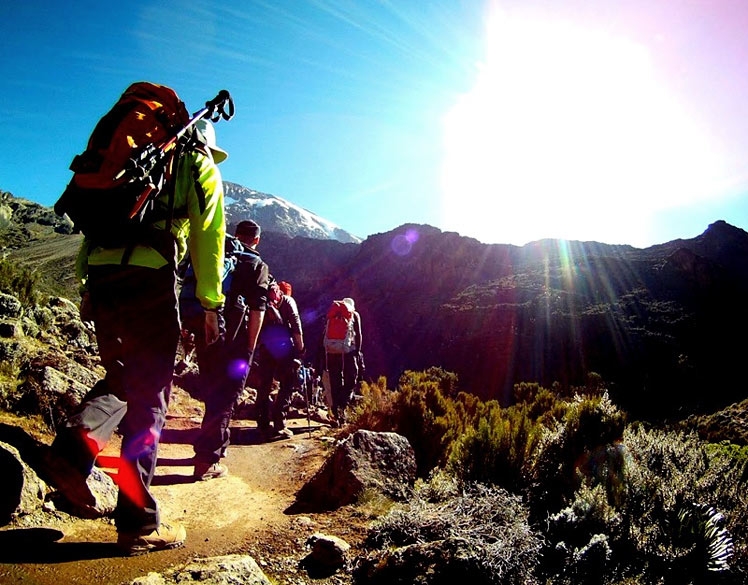
May Vs June: When Should You Climb Kilimanjaro? 2026-2027
Choosing between May and June for your Kilimanjaro ascent? This in-depth guide compares the two months, helping you pick the optimal time for your trek based on weather patterns, crowd...
View package details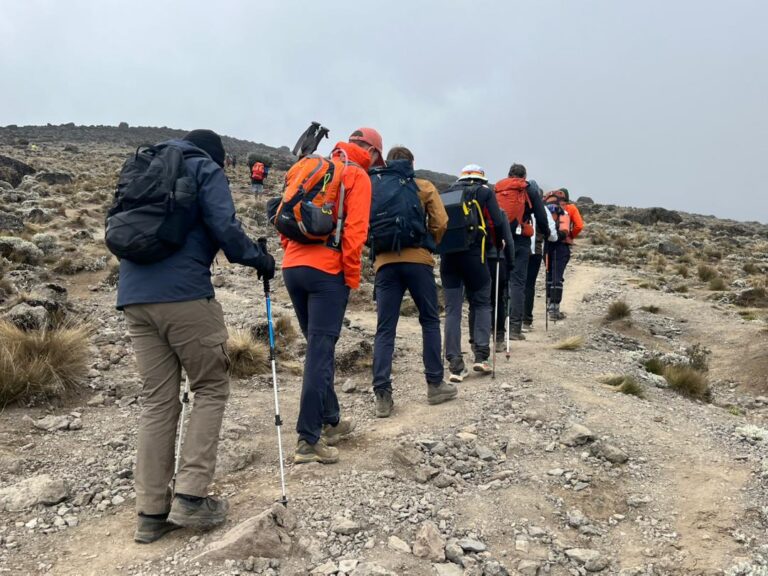
July Kilimanjaro Last-Minute Availability Guide
Planning a last-minute Kilimanjaro climb in July 2026 or 2027? This guide covers current availability, best routes, essential packing, and how to secure your spot with Top Guide Adventures.
View package detailsDriest Month To Climb Kilimanjaro: Your Guide For 2026-2027
The driest months for climbing Kilimanjaro are generally January, February, and June through October. These periods offer the clearest skies and lowest rainfall, ideal for a successful and...
View package details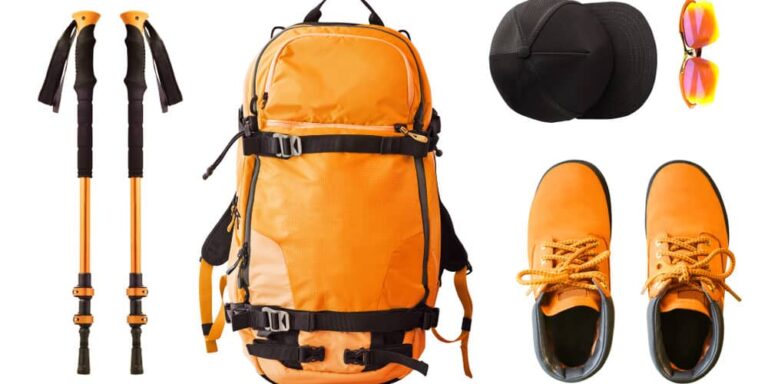
October Vs November Kilimanjaro Rainfall Guide 2026-2027
October vs November Kilimanjaro Rainfall Guide is explained with current 2026-2027 planning, price, itinerary and booking information.
View package details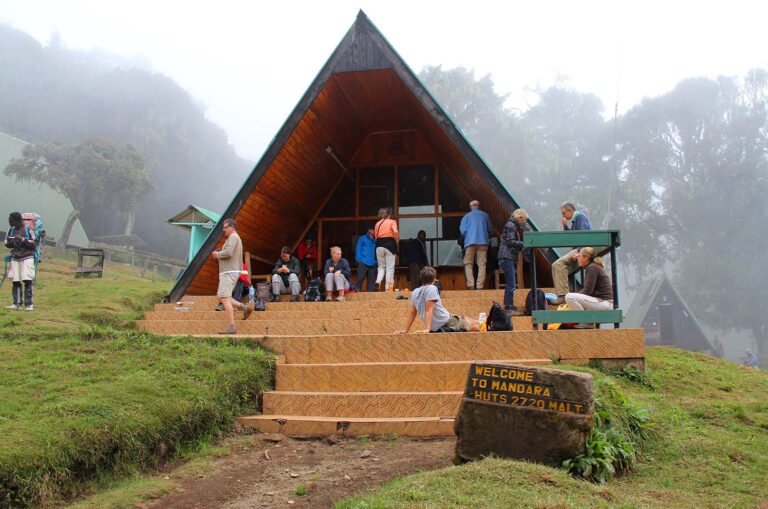
August Vs September: Best Kilimanjaro Summit Month In 2026-2027
Choosing between August and September for your Kilimanjaro climb involves weighing distinct advantages. While both months fall within the dry season, subtle differences in weather patterns...
View package details
March Vs April Kilimanjaro Weather Comparison For Climbs 2026-2027
Choosing between March and April for your Kilimanjaro climb involves understanding subtle yet significant weather differences. Both months fall within Kilimanjaro's second-best trekking...
View package details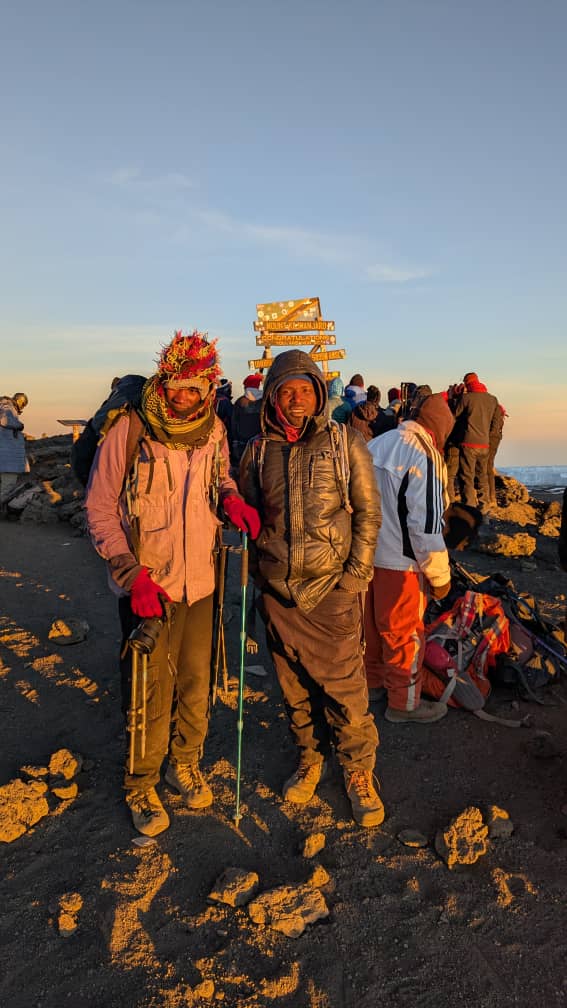
December Kilimanjaro Packing Checklist: Essential Gear For Climbs 2026-2027
Prepare for your December Kilimanjaro climb with our comprehensive packing checklist. This guide covers essential gear, clothing, and tips for conquering Africa's highest peak in the dry...
View package details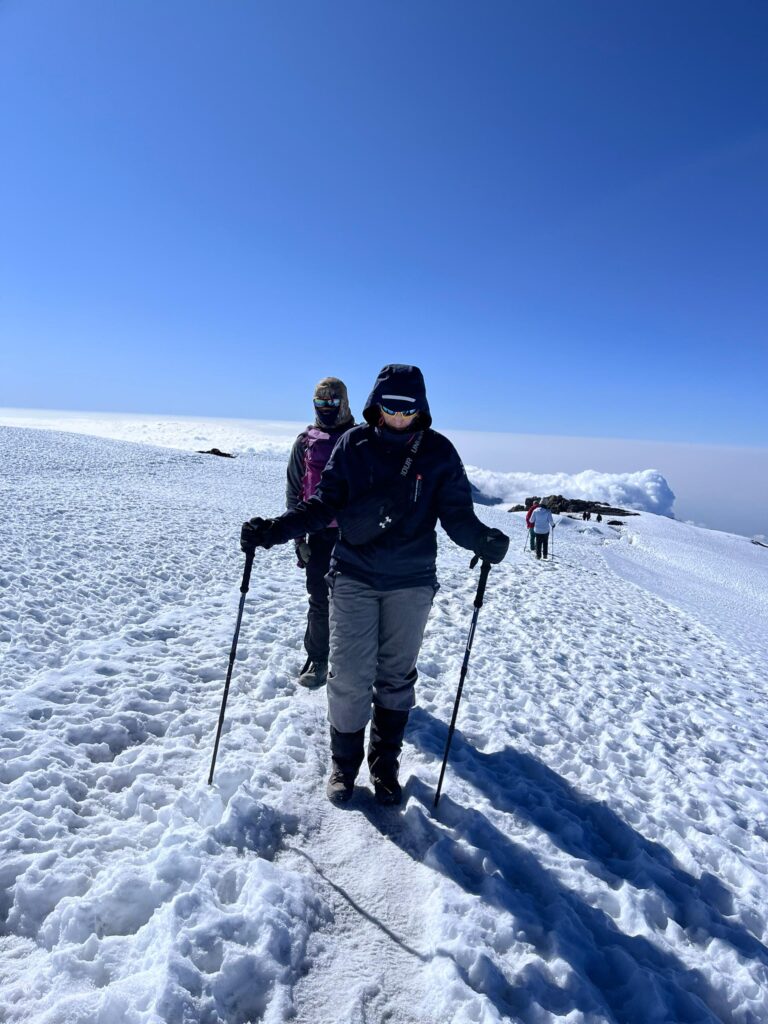
Kilimanjaro Weather During Christmas: Your Guide 2026-2027
Discover the Kilimanjaro weather conditions you can expect during the Christmas season, with detailed insights for 2026-2027 climbs. Learn about temperatures, precipitation, and how to...
View package details
November Kilimanjaro Summit Night Weather: What To Expect And How To Prepare
Climbing Kilimanjaro in November? This guide details the summit night weather, including temperature ranges, wind chill, precipitation chances, and crucial preparation tips for a successful...
View package details
Two-Day Kilimanjaro Acclimatization Package In Moshi: Your Essential
This comprehensive guide details the Two-Day Kilimanjaro Acclimatization Package in Moshi, offering essential preparation for climbers. Discover how this package enhances your ascent safety...
View package detailsNo related package matches those filters. Clear one or more filters to see the other topic-matched options.



