
For climbing Kilimanjaro, both August and September are excellent months as they fall within the dry season, offering stable weather. September generally offers slightly warmer temperatures and clearer skies, making it a marginally preferred month for many trekkers aiming for the summit in 2026-2027. August can be cooler, with a higher chance of frost at higher altitudes, but also sees fewer crowds than September. Your choice depends on your tolerance for cooler weather versus slightly larger groups.
August vs September: A Deep look at Kilimanjaro’s Best Summit Months
The allure of standing atop Africa’s highest peak, Mount Kilimanjaro, draws thousands of adventurers each year. Planning this momentous journey requires careful consideration of many factors, and perhaps none is more critical than selecting the right time to climb. Among the prime months for ascending Kilimanjaro, August and September consistently emerge as top contenders due to their position within the extended dry season. However, these two months, while similar in their overall suitability, present distinct advantages and disadvantages for trekkers. Understanding these nuances is key to choosing the best Kilimanjaro summit month for your personal adventure in 2026 or 2027.
At Top Guide Adventures, we help clients navigate these crucial decisions daily. Our aim is to provide you with the comprehensive information needed to make an informed choice, ensuring your Kilimanjaro experience is as rewarding and safe as possible. This guide will meticulously compare August and September, examining weather patterns, crowd dynamics, wildlife viewing opportunities (for those combining a climb with a safari), and the overall trekking experience to help you decide whether August or September is your ideal summit month.
Understanding Kilimanjaro’s Climate Seasons
Before comparing August and September directly, it’s essential to understand Kilimanjaro’s general climate. The mountain experiences distinct seasons, largely dictated by rainfall. The year is broadly divided into two dry seasons and two rainy seasons:
- Dry Season 1 (January – March): Generally clear skies, but can be very cold, especially at the summit.
- Rainy Season 1 (April – May): The ‘long rains’, characterized by heavy downpours, especially on the lower slopes. Higher altitudes can see snow.
- Dry Season 2 (June – October): This is the longest dry season, offering stable weather. August and September fall within this period.
- Rainy Season 2 (November – December): The ‘short rains’, typically less intense than the long rains but still bring precipitation.
The dry seasons are highly favored for trekking because they minimize the risk of prolonged rain, which can make trails muddy, visibility poor, and significantly increase the difficulty and discomfort of the climb. Within the June-October dry season, August and September stand out. Let’s break them down.
August on Kilimanjaro: The Cool, Clear Advantage
August is firmly planted in Kilimanjaro’s primary dry season. This means you can expect a high probability of clear days and nights, offering spectacular views of the surrounding landscape and the star-filled African sky. However, being earlier in the dry season, August also carries a slightly cooler profile compared to September.
Weather in August
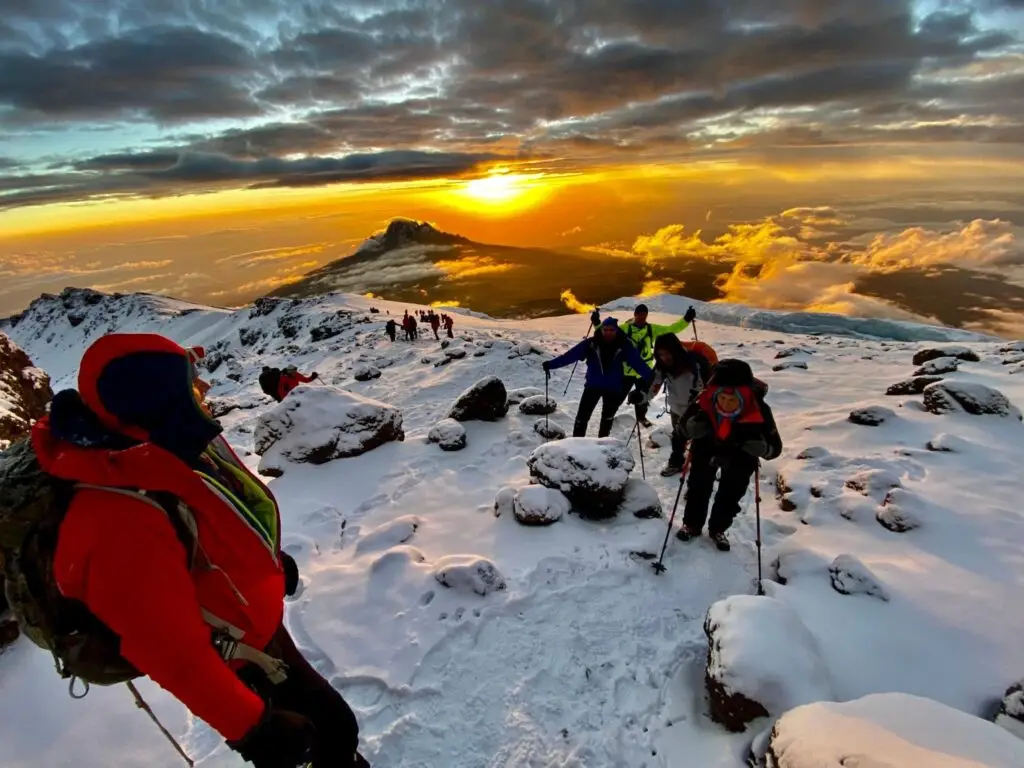
Temperatures: August is characterized by cool to cold conditions, especially at higher elevations. Daytime temperatures on the lower slopes might hover around 15-20°C (59-68°F), but as you ascend, temperatures plummet. At the summit, Uhuru Peak (5,895m / 19,341ft), expect temperatures to range from -5°C to -15°C (23°F to 5°F), with wind chill making it feel even colder. Frost is common on the vegetation line and higher up during the early mornings and late evenings.
Precipitation: Rainfall is minimal in August. You’re unlikely to encounter significant rain, but occasional light showers are possible. The primary concern at altitude is ice and snow, particularly on the scree slopes and the glacial remnants near the summit. These conditions can make certain sections, like the Barranco Wall descent or the final ascent from Barafu Camp, more challenging and require careful footing.
Visibility: Generally excellent. The dry air typically provides clear views of Mount Meru and the plains below. Sunrises and sunsets can be particularly stunning. However, occasional cloud cover can build up, especially in the afternoons, but it usually dissipates by evening.
Crowds in August
August is part of the European summer holidays, so it tends to be a popular month for Kilimanjaro climbs. While not as busy as the absolute peak of September, you will encounter other trekkers on the mountain. Routes like Machame and Lemosho will have a steady flow of groups. This means that campsites will be occupied, and you’ll see other expeditions on the trails. For some, this can be a positive, offering a sense of camaraderie. For others, it might mean slightly less solitude.
Pros of Climbing in August:
- Stable Dry Weather: High likelihood of clear days and nights.
- Excellent Visibility: Stunning panoramic views are common.
- Fewer Crowds than September: Generally a slightly less busy month, offering a bit more personal space on the trails and at campsites.
- Cooler Temperatures: Can be preferable for those who tend to overheat while trekking.
Cons of Climbing in August:
- Colder Temperatures: Summit nights can be particularly frigid, requiring robust cold-weather gear.
- Frost and Ice: Increased chance of frost and icy patches on trails, especially at higher altitudes, demanding caution.
- European Holiday Peak: While less crowded than September, it’s still a popular month due to summer holidays.
September on Kilimanjaro: The Warmer, Clearer Peak
September marks the tail end of Kilimanjaro’s main dry season, often considered one of the absolute best months for a summit attempt. It typically offers a sweet spot of excellent weather, good visibility, and slightly more comfortable temperatures than August, though it also sees a peak in visitor numbers.
Weather in September
Temperatures: September is generally a bit warmer than August, though still cool to cold at altitude. Daytime temperatures on the lower slopes might be similar, but the higher you go, the more noticeable the difference. Summit temperatures can range from -2°C to -12°C (28°F to 10°F). While still requiring serious cold-weather gear, the extreme biting cold of August can sometimes be slightly less pronounced. Frost is still possible but might be less persistent than in August.
Precipitation: Like August, September sees very little rainfall. The skies are typically clear, offering fantastic conditions for trekking and summiting. The risk of encountering snow or ice is lower than in August, though not entirely absent, especially if weather patterns shift unexpectedly.
Visibility: September often boasts exceptional visibility. The dry conditions usually mean crisp, clear air, providing impressive vistas. This is often the month for the most dramatic and unobstructed views of Kilimanjaro’s summit and the surrounding plains.
Crowds in September
September is frequently cited as the busiest month for Kilimanjaro climbs. This is due to its reputation for excellent weather, combined with the lingering effects of European summer holidays and the desire of many trekkers to seize the prime conditions before the short rains begin. Campsites will be busy, and trails will be populated with fellow climbers. This can be a great atmosphere for some, but if you prefer a more solitary experience, it’s something to consider.
Pros of Climbing in September:
- Optimal Weather: Often considered the ‘sweet spot’ of the dry season with minimal rain and excellent clarity.
- Warmer Temperatures: Slightly more comfortable conditions at altitude compared to August.
- Exceptional Visibility: Offers some of the most stunning panoramic views of the year.
- Post-Holiday Period: While busy, it can sometimes offer slightly better availability than the core August holiday weeks.
Cons of Climbing in September:
- Peak Season Crowds: It is one of the busiest months on the mountain, meaning more people on trails and at campsites.
- Higher Demand: Due to its popularity, booking well in advance for 2026-2027 is crucial.
Direct Comparison: August vs. September for Your Kilimanjaro Climb
To make the decision clearer, let’s put August and September head-to-head on key factors:
| Feature | August | September |
|---|---|---|
| Weather Stability | Very High (Dry Season) | Very High (Peak Dry Season) |
| Average Temperature (Summit) | -5°C to -15°C (23°F to 5°F) | -2°C to -12°C (28°F to 10°F) |
| Chance of Rain | Very Low | Very Low |
| Chance of Frost/Ice | Moderate to High (at altitude) | Low to Moderate (at altitude) |
| Visibility | Excellent | Exceptional |
| Crowd Levels | High (European holiday peak) | Very High (Peak season) |
| Booking Urgency | High (book 6-12 months ahead for 2026-2027) | Very High (book 9-15 months ahead for 2026-2027) |
| Overall Experience | Cool, clear, potentially icier, slightly fewer crowds than Sept. | Warmer, clearest, peak crowds, optimal conditions. |
Which Month is Better for You?
The ‘best’ month is subjective and depends on your priorities:
- Choose August if: You prefer slightly fewer crowds and don’t mind potentially colder summit nights. You are prepared for possible frost and ice on the higher sections and have adequate cold-weather gear. You might also find slightly more flexibility in booking last-minute trips, though for 2026-2027, early booking is still recommended.
- Choose September if: You prioritize the absolute best chance of clear skies, slightly warmer summit temperatures, and exceptional visibility. You are prepared for peak season crowds and are committed to booking your 2026-2027 expedition well in advance.
Beyond Weather: Other Factors to Consider
While weather is paramount, other elements can influence your decision for August vs. September on Kilimanjaro:
Wildlife Viewing (if combining with Safari)
Many travelers combine their Kilimanjaro climb with a safari in Tanzania’s famous northern circuit parks (Serengeti, Ngorongoro, Tarangire). Both August and September are excellent for safaris. The dry season means animals congregate around water sources, making them easier to spot. The Great Migration is typically moving through the western Serengeti corridor in August and heading towards the central/northern Serengeti in September. This period offers incredible opportunities for wildlife viewing on both land and air.
From a weather perspective for safaris, both months are superb. You’ll experience sunny days, minimal rain, and good game viewing. The choice between August and September for a safari portion will likely not be dictated by wildlife viewing differences, but rather by your overall itinerary preferences and flight availability.
Route Choice and August vs. September
The choice of route (e.g., Machame, Lemosho, Marangu, Rongai) doesn’t significantly change the weather experience between August and September. All routes will be subject to the same general conditions. However, popular routes like Machame and Lemosho will be busier in September. Quieter routes like Rongai might still offer a sense of relative solitude even during peak season, although campsites will still be occupied.
If you’re looking for a less crowded experience and want to climb in August or September, consider a less popular route or opt for a private climb rather than a group departure. For 2026-2027, booking a private climb ensures you can select your preferred dates and have more control over your group size.
Gear Requirements: August vs. September
The fundamental gear requirements for Kilimanjaro remain the same regardless of the month: high-quality, layered clothing, sturdy hiking boots, a warm sleeping bag, and waterproof outer shells. However, for an August climb, you might want to ensure your gear is rated for slightly lower temperatures, particularly your sleeping bag and insulated jacket. Extra thermal layers might be a wise addition.
For September, while still cold, the extreme cold might be marginally less prevalent. However, it’s always better to be over-prepared than under-prepared. The difference in required gear between August and September is minimal, but leaning towards maximum warmth is prudent for either month.
Booking and Availability for 2026-2027
As mentioned, both August and September are high-demand months. For peak season climbs in 2026 and 2027, particularly if you have specific dates in mind or are looking for group departures, booking is essential. We recommend booking 9-12 months in advance for August and 12-15 months in advance for September to secure your preferred dates and routes. This is especially true for popular routes and for those seeking specific group departure dates.
Top Guide Adventures offers flexible booking options for 2026-2027. Whether you’re looking for a shared group climb or a private ascent tailored to your schedule, contacting us early is the best approach.
What About the Shoulder Months?
While August and September are prime, what about the months immediately preceding or following them?
July: The Start of the Dry Season
July is also part of the dry season and can be an excellent alternative. It’s generally cooler than August and September, similar to August in temperature but often with fewer crowds as it precedes the main European holiday rush. Visibility is usually very good. It offers a great balance if you want good weather without the absolute peak crowds.
October: The Transition Month
October marks the transition from the long dry season to the short rains. The weather is often still very good, with clear mornings being common. However, the chances of afternoon showers and cloud build-up increase as the month progresses. Temperatures are generally pleasant. October can be a good option if you prefer fewer crowds than August and September and are willing to accept a slightly higher chance of precipitation.
Making Your Final Decision for 2026-2027
The choice between August and September for your Kilimanjaro summit in 2026-2027 boils down to a simple trade-off:
- August: Cooler, slightly fewer crowds than September, but with a higher possibility of frost/ice.
- September: Slightly warmer, often clearer and more stable weather, but with peak season crowds and higher demand.
Both months offer a high probability of a successful and enjoyable summit experience. The key is to choose based on your personal comfort levels with temperature, crowds, and your planning timeline.
Top Guide Adventures’ Recommendation for 2026-2027
While both are excellent, September often gets the nod for its slightly warmer and more consistently clear conditions, making it marginally more comfortable for the demanding summit night. However, if you prioritize avoiding the absolute peak crowds and are well-prepared for colder conditions, August is an equally valid and excellent choice. For either month, booking with a reputable operator like Top Guide Adventures, especially for your 2026-2027 climb, is paramount. We ensure you have experienced guides, quality equipment, and a well-planned itinerary to maximize your chances of success and safety.
Preparing for Your August or September Climb
Regardless of whether you choose August or September for your 2026-2027 Kilimanjaro adventure, thorough preparation is key. This includes:
- Physical Fitness: Consistent cardiovascular training, strength training, and hiking practice are essential.
- Acclimatization: Choosing a longer route (7-8 days) significantly increases your chances of a successful summit.
- Gear: Invest in or rent high-quality, appropriate gear. Layering is crucial.
- Mental Preparation: Understand the challenges of high-altitude trekking.
- Choosing an Operator: Select a company with a proven safety record, experienced guides, and ethical practices.
Top Guide Adventures is committed to providing an unparalleled Kilimanjaro climbing experience for 2026-2027. Our guides are certified, extensively trained in high-altitude medicine, and possess intimate knowledge of the mountain. We prioritize safety, responsible tourism, and ensuring every client has the support they need to achieve their summit goals.
Frequently Asked Questions about August vs. September Kilimanjaro Climbs
When is the best time of year to climb Kilimanjaro?
The best time to climb Kilimanjaro is generally during the dry seasons: January to March and June to October. Within these, September is often considered the prime month due to its excellent weather, followed closely by August.
Is August or September colder on Kilimanjaro?
August is generally slightly colder than September, especially at the summit. Temperatures on summit night can be significantly below freezing for both months, but August may present more persistent frost and ice.
Are there more crowds in August or September?
September is typically busier than August. Both months are popular due to dry conditions, but September often sees the peak number of trekkers on the mountain.
Can I climb Kilimanjaro in late September 2026?
Yes, late September is still within the dry season and offers excellent climbing conditions. However, booking well in advance for 2026-2027 is crucial due to high demand.
Which route is best for August or September?
All routes are viable in August and September. Popular routes like Machame and Lemosho will be busier. For a quieter experience, consider Rongai or a private climb. Longer routes (7-8 days) are recommended for better acclimatization regardless of the month.
What should I pack for an August/September Kilimanjaro climb?
You’ll need a comprehensive gear list including layered clothing, waterproofs, a warm sleeping bag (rated to at least -10°C/14°F), insulated jacket, hat, gloves, and sturdy hiking boots. Ensure you have adequate cold-weather protection for summit night.
Is it possible to see wildlife in August/September when climbing Kilimanjaro?
While on the lower slopes, you might see some smaller mammals and birds. However, significant wildlife viewing is typically done on a safari before or after your climb. August and September are also prime months for safaris in Tanzania.
How far in advance should I book my Kilimanjaro climb for September 2027?
For September 2027, it is highly recommended to book at least 12-15 months in advance, especially for popular routes or group departures. Early booking ensures availability and allows for better planning.
What are the risks of climbing in August vs. September?
The primary risks are altitude sickness, weather-related issues (hypothermia), and injuries. In August, the risk of frostbite or slipping on ice is slightly higher. In September, the risk is more related to managing crowds and ensuring your booking is secured due to high demand.
Deciding between August and September for your Kilimanjaro ascent in 2026-2027 is a significant step in planning your dream adventure. Both months offer fantastic conditions, with September often taking a slight edge for its combination of warmth and clarity, while August appeals to those seeking slightly fewer fellow climbers and cooler air. Whichever you choose, Top Guide Adventures is here to ensure your journey to the Roof of Africa is safe, memorable, and successful. We pride ourselves on personalized attention and dedicated support for every client.
Ready to plan your 2026-2027 Kilimanjaro climb during August or September? Contact Top Guide Adventures today to discuss your options, get a personalized quote, and start preparing for an unforgettable expedition. You can reach us via WhatsApp at +255616946642, email at topguideadventures@gmail.com, or our backup email info@topguideadventures.com. Let’s make your Kilimanjaro dream a reality!
Check Availability for August Vs September: Best Kilimanjaro Summit Month In 2026-2027
Ready to compare dates, prices, and the best option for your group? Send the package name and travel month so the team can reply with a clear quote, availability, and what is included.
Driest Month To Climb Kilimanjaro: Your Guide For 2026-2027
The driest months for climbing Kilimanjaro are generally January, February, and June through October. These periods offer the clearest skies and lowest rainfall, ideal for a successful and...
View package details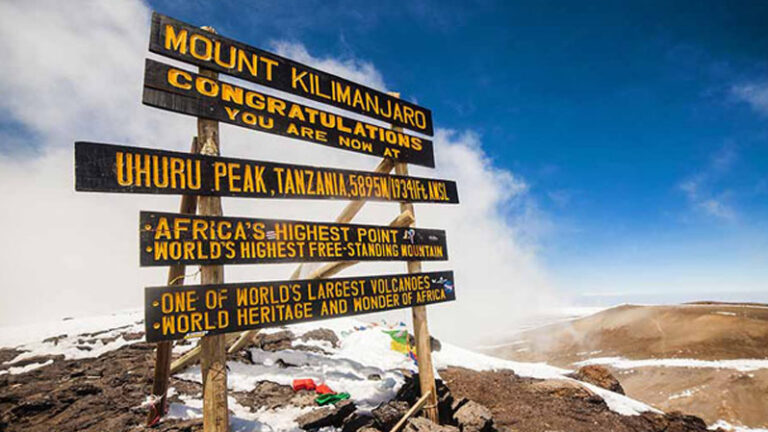
Kilimanjaro Mountain Meal Plan By Day: Fueling Your Summit Success 2026-2027
Understand the essential Kilimanjaro Mountain meal plan by day, covering daily menus, nutritional needs, and preparation tips for your trek. Top Guide Adventures provides insights into...
View package details
What To Eat After Summiting Kilimanjaro Guide
Summiting Kilimanjaro is an incredible feat, but your body will be depleted. Learn what to eat afterward to maximize recovery, replenish nutrients, and celebrate your achievement.
View package details
Kilimanjaro Summit-Day Breakfast Guide: Fueling Your Final Ascent In 2026-2027
Fueling correctly for Kilimanjaro's summit day is crucial for success. This guide details what to eat for breakfast, when to eat it, and why it matters for your 2026-2027 climb, ensuring...
View package details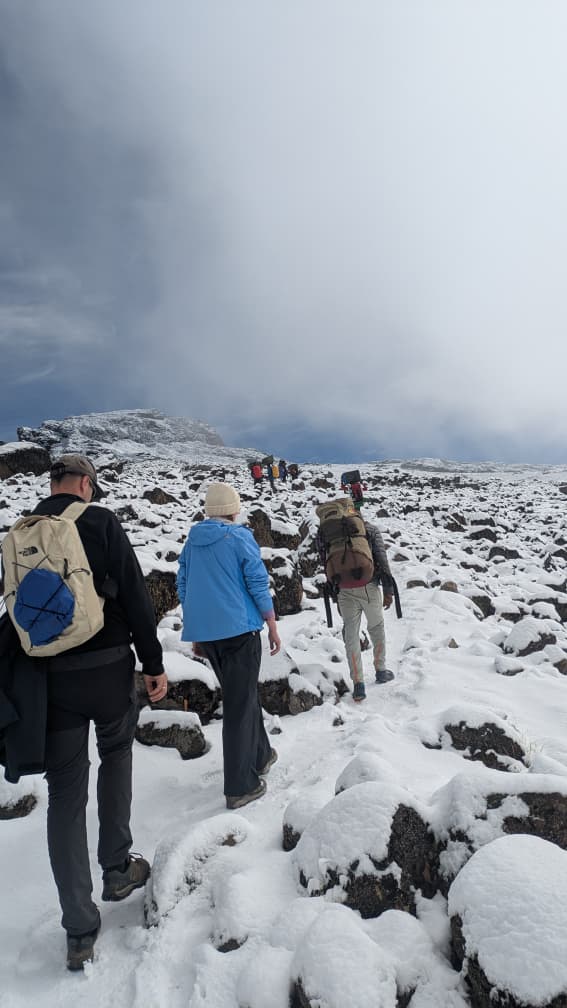
What Goes In Your Kilimanjaro Summit-Day Backpack? Expert Packing Guide
A comprehensive guide to packing your Kilimanjaro summit-day backpack. Discover the essential gear, clothing layers, hydration, nutrition, and safety items needed for a successful trek to...
View package details
Best Balaclava For Kilimanjaro Summit Night 2026-2027
Best Balaclava for Kilimanjaro Summit Night is explained with current 2026-2027 planning, price, itinerary and booking information.
View package details
Kilimanjaro Extended-Itinerary Summit Trek: Your Ultimate Guide For 2026-2027
Choosing an extended itinerary for your Kilimanjaro summit trek offers superior acclimatization and a more rewarding experience. This guide details the benefits, best routes, and essential...
View package details
Kilimanjaro Slow-Pace Summit Package Guide
Opt for a Kilimanjaro Slow-Pace Summit Package for a more relaxed ascent, increasing your chances of reaching Uhuru Peak. This guide details routes, preparation, and what to expect with Top...
View package details
Kilimanjaro Easter Holiday Summit Package | Top Guide Adventures 2026-2027
Secure your Kilimanjaro Easter Holiday Summit Package for 2026 or 2027 with Top Guide Adventures. This guide covers everything you need to know about climbing Africa's highest peak during...
View package details
Kilimanjaro Couples’ Summit Challenge: Your Ultimate Guide For 2026-2027
start an unforgettable Kilimanjaro Couples' Summit Challenge. This comprehensive guide covers everything couples need to know for a successful climb in 2026-2027, from choosing the best...
View package details
Kilimanjaro Anniversary Summit Expedition: Celebrating Milestones In 2026-2027
start an unforgettable Kilimanjaro Anniversary Summit Expedition in 2026 or 2027. This guide covers route selection, preparation, and what to expect for couples or groups celebrating a...
View package details
Kilimanjaro Birthday Summit Climbing Package 2026-2027
Kilimanjaro Birthday Summit Climbing Package is explained with current 2026-2027 planning, price, itinerary and booking information.
View package detailsNo related package matches those filters. Clear one or more filters to see the other topic-matched options.



