
For climbing Kilimanjaro, both September and October offer excellent dry season weather with high success rates, though October typically sees slightly warmer temperatures and a potential increase in early-month cloud cover compared to the crisp, clear conditions of September. September often provides the clearest skies and best panoramic views, while October can be more comfortable for those sensitive to cooler pre-dawn summit temperatures, with both months presenting manageable crowds and good trekking conditions for 2026-2027 expeditions.
Kilimanjaro Weather Patterns: Understanding the Seasons
Mount Kilimanjaro, a stratovolcano in Tanzania, stands as the world’s tallest freestanding mountain and a dream destination for trekkers. Its immense altitude means diverse climate zones, from lush rainforests at the base to the barren arctic conditions near the summit. Understanding the weather is paramount for planning a successful and safe climb. Kilimanjaro experiences two distinct dry seasons and two rainy seasons each year. The two dry seasons, from January to March and from June to October, are generally considered the best times to climb due to lower precipitation and clearer skies. The rainy seasons, from March to May (long rains) and from November to December (short rains), bring increased rainfall and can make trekking more challenging.
This article focuses on the transition period between the main dry season and the short rainy season, specifically comparing September vs October Kilimanjaro weather. These months are highly popular choices for trekkers from around the globe, including many planning their adventures for 2026 and 2027. While both are considered part of the dry season, subtle differences can influence your trekking experience, from visibility and temperature to the number of fellow climbers on the mountain.
September on Kilimanjaro: The Crisp Dry Season Peak
September is widely regarded as one of the prime months for climbing Kilimanjaro. It sits firmly within the longer dry season, which typically runs from June through October. Climbers choosing September can anticipate a range of favorable conditions that contribute to a high probability of reaching the summit and enjoying the journey.
September Temperatures: Cool and Consistent
Temperatures on Kilimanjaro vary dramatically with altitude. In September, the lower slopes might still be warm and humid, especially in the rainforest zone (around 1,800-2,700 meters or 5,900-8,850 feet). However, as you ascend, the temperatures drop significantly. During the day, expect temperatures to range from 10°C to 20°C (50°F to 68°F) in the lower and middle altitudes. As you move into the alpine desert and arctic zones (above 4,000 meters or 13,100 feet), daytime temperatures can fall to near freezing, around 0°C to 5°C (32°F to 41°F). The critical factor for most trekkers is the summit night temperature. On summit night, typically starting around midnight for a sunrise ascent of Uhuru Peak, temperatures can plummet to -7°C to -15°C (19°F to 5°F), and with wind chill, it can feel much colder, potentially reaching -20°C (-4°F) or lower. September’s dry air means less moisture, which can make the cold feel more intense, but it also means less chance of snow or ice affecting the trails, especially on the upper reaches.
September Precipitation: Minimal and Reliable
September is characterized by very low rainfall. The dry season means that precipitation, when it occurs, is usually brief and light, often in the form of morning mist or occasional brief showers, particularly on the lower slopes. Higher up, any precipitation is more likely to be frost or light snow. This low rainfall is crucial for trekking, as it means trails are generally dry and less prone to mud, especially on popular routes like Machame or Lemosho. Visibility is also typically at its best during September. The dry air and lack of atmospheric moisture lead to exceptionally clear skies, offering stunning panoramic views of the surrounding landscape, including Mount Meru and, on very clear days, distant Mount Kenya. This clarity is a significant advantage for appreciating the mountain’s grandeur and for photographic opportunities.
September Crowds: Moderate to High
Due to the favorable weather, September is a peak month for Kilimanjaro climbs. This means you can expect a moderate to high number of other trekkers on the mountain. Popular routes will have more groups, and campsites can become busy. While this might mean less solitude, it also provides a good opportunity to meet fellow adventurers. Tour operators, like Top Guide Adventures, often run group departures during September to accommodate the demand, and booking well in advance is recommended, especially for 2026 and 2027 expeditions, to secure your preferred dates and routes. The presence of other groups can also mean a more vibrant atmosphere at the campsites and on the trails.
September Pros and Cons Summary
Pros:
- Excellent dry weather with minimal rainfall.
- Exceptional visibility and clear skies, offering superb views.
- Generally stable conditions, contributing to high summit success rates.
- Trails are dry and less muddy.
Cons:
- Can be crowded due to peak season popularity.
- Summit night temperatures can be extremely cold due to dry air and altitude.
- Requires booking well in advance for popular dates in 2026-2027.
October on Kilimanjaro: The Transition to Shorter Rains
October marks the tail end of Kilimanjaro’s main dry season and the beginning of the short rains (Vuli rains) in November. While still largely considered a dry month, there’s a subtle shift in weather patterns that trekkers should be aware of when comparing September vs October Kilimanjaro weather. Many trekkers still find October to be an ideal time to climb.
October Temperatures: Slightly Warmer
Temperatures in October are often slightly warmer than in September, particularly at the higher altitudes. The daytime range might be similar, but the pre-dawn summit temperatures can be a degree or two less severe. This can make summit night feel more manageable for some climbers. Expect daytime highs of 10°C to 20°C (50°F to 68°F) in lower and mid-altitudes, dropping to -5°C to 5°C (23°F to 41°F) at higher elevations. Summit night temperatures can still be very cold, ranging from -5°C to -12°C (23°F to 10°F), with wind chill making it feel significantly colder. The slightly warmer baseline can be a welcome comfort for those concerned about extreme cold.
October Precipitation: A Slight Increase
While still predominantly dry, October can see a slight increase in precipitation compared to September, especially towards the latter half of the month. This means there’s a slightly higher chance of encountering brief showers or mist. These are typically not prolonged downpours but can make some sections of the trail damp. Visibility, while generally good, might be slightly less consistent than in September. Cloud build-up can occur more frequently, especially in the afternoons, potentially obscuring some of the expansive views. However, mornings often remain clear, and significant rainfall that would halt a climb is still uncommon. The increased moisture can sometimes lead to slightly softer ground underfoot but rarely causes major trail disruptions.
October Crowds: Moderate and Decreasing
October is still a popular month for Kilimanjaro climbs, but the peak crowds of August and September often begin to subside. You will still encounter other trekkers, and popular routes will be active, but it might feel slightly less congested than in September. This can offer a better balance between having company on the trails and experiencing moments of relative solitude. For those planning for 2026 or 2027, booking in October might offer slightly more flexibility with departure dates compared to the absolute peak months, though advance booking is still highly advisable.
October Pros and Cons Summary
Pros:
- Temperatures can be slightly warmer, especially at the summit.
- Still largely within the dry season, with good trekking conditions.
- Crowds may be slightly less intense than in September.
- Good visibility often persists, especially in the mornings.
Cons:
- Slightly increased chance of brief showers or mist.
- Visibility can be less consistently clear than in September due to potential cloud build-up.
- Still requires booking well in advance for 2026-2027.
Direct Comparison: September vs October Kilimanjaro Weather
When weighing September vs October Kilimanjaro weather, the differences are subtle but can be significant for individual preferences and priorities. Here’s a direct breakdown:
| Feature | September | October |
| Dry Season Status | Peak dry season | End of dry season, transition to short rains |
| Rainfall Likelihood | Very low | Low, slight increase from September |
| Visibility & Views | Excellent, clearest skies, best panoramic views | Good to very good, mornings usually clear, afternoon clouds possible |
| Temperatures (Summit Night) | Very cold, potentially -7°C to -15°C (19°F to 5°F) and colder with wind chill | Very cold, potentially -5°C to -12°C (23°F to 10°F) and colder with wind chill; slightly warmer baseline |
| Trail Conditions | Generally dry and firm | Mostly dry, possibility of damp patches |
| Crowd Levels | High | Moderate to high, often slightly less than September |
| Best For… | Maximum clarity, best chance of uninterrupted views, those who prefer drier conditions. | Slightly warmer summit nights, potentially fewer crowds, those prioritizing comfort over absolute clearest skies. |
For many trekkers planning their 2026 or 2027 Kilimanjaro adventure, the choice often comes down to prioritizing the absolute best visibility (September) versus potentially more comfortable summit night temperatures and slightly fewer people (October).
Route Considerations for September vs October Climbs
The choice of route can also be influenced by the time of year. While the weather differences between September and October are not drastic enough to make one route definitively unsuitable, some routes might offer slightly different experiences.
Popular Routes in September and October:
- Machame Route: Known for its scenic beauty and “climb high, sleep low” profile, Machame is popular year-round. In September and October, its western approach typically enjoys good weather. Its popularity means it will be busy in both months.
- Lemosho Route: This route offers excellent acclimatization and stunning scenery. It’s longer and often considered more rewarding. Both September and October are great for Lemosho, with clear views of the Western Breach and the crater.
- Marangu Route: The “Coca-Cola” route, known for its hut accommodation. While less scenic and with poorer acclimatization than other routes, it’s still a viable option. The huts offer shelter from any unexpected rain in late October.
- Rongai Route: This route approaches from the north, often experiencing slightly drier conditions than routes on the southern side, making it a good option for the drier months. It’s a solid choice for September vs October Kilimanjaro weather considerations if you want to minimize any chance of rain.
- Northern Circuit & Umbwe Routes: The Northern Circuit is the longest and offers the best acclimatization. Umbwe is the shortest and most challenging. Both are viable in September and October, with the Northern Circuit benefiting from its longer duration for acclimatization, and Umbwe demanding robust preparation regardless of the month.
For September vs October Kilimanjaro weather, the primary difference might be the chance of encountering dampness on the trail in October, which could be more noticeable on steeper sections of routes like Machame or Umbwe. However, these are generally minor issues given that both months are in the dry season.
What to Pack for September vs October Kilimanjaro Climbs
While the packing list for Kilimanjaro is largely consistent regardless of the month, there are subtle adjustments to consider when comparing September vs October Kilimanjaro weather. The core principle remains layering, as temperatures fluctuate dramatically.
Essential Gear (Same for Both Months):
- Layering System: Base layers (synthetic or merino wool), mid-layers (fleece or down jacket), and an outer shell (waterproof and windproof jacket and trousers).
- Headwear: Warm beanie, sun hat with a brim, balaclava or neck gaiter for summit night.
- Handwear: Warm, waterproof gloves or mittens, and liner gloves.
- Footwear: Broken-in, waterproof hiking boots; comfortable camp shoes or trainers.
- Socks: Several pairs of warm, moisture-wicking hiking socks.
- Sleeping Bag: A 4-season sleeping bag rated to at least -10°C (14°F), preferably -20°C (-4°F) for summit night.
- Trekking Poles: Highly recommended for stability and reducing joint strain.
- Headlamp: With extra batteries.
- Sun Protection: High SPF sunscreen, lip balm with SPF, sunglasses.
- Hydration: Water bottles or hydration reservoir (ensure it won’t freeze).
- First-Aid Kit: Personal medications and basic first-aid supplies.
Specific Considerations for September:
Given September’s consistently clear and dry conditions, you might lean towards slightly lighter mid-layers during the day, but the summit night remains intensely cold. Ensuring your outer shell is robustly windproof is key to combating the chill. The dry air means less humidity, so focus on warmth retention.
Specific Considerations for October:
As October can bring a slightly increased chance of showers, ensuring your waterproof outer shell is in excellent condition is vital. While not heavy rain, dampness can make the cold feel more penetrating. Some trekkers might appreciate an extra mid-layer for summit night due to the very slight potential for warmer baseline temperatures meaning less extreme cold, but it’s still critical to pack for sub-zero conditions.
For all trekkers planning for 2026 or 2027, Top Guide Adventures can provide detailed packing lists tailored to your specific climb and chosen route.
Acclimatization and Success Rates: September vs October
Acclimatization is the most critical factor for summit success on Kilimanjaro, more so than the specific month of travel. Both September and October fall within the dry season, offering stable conditions that are conducive to good acclimatization. However, there are nuances:
- Stable Conditions: The generally predictable weather in both September and October allows for consistent trekking days. This means trekkers can follow the recommended “pole pole” (slowly, slowly) pace without being unduly hampered by weather, which is essential for proper acclimatization.
- Route Choice: Longer routes like Lemosho (8 days), Northern Circuit (9 days), or even an 8-day Machame climb offer better acclimatization profiles than shorter routes like Marangu (5 days) or even a 6-day Machame. This is true for both September and October.
- Visibility and Morale: The excellent visibility in September can significantly boost morale. Seeing the vast landscapes and the summit clearly can be a powerful motivator. While October’s visibility is also good, the occasional cloud cover might slightly impact the psychological aspect for some. However, clear mornings are still the norm.
- Summit Night Temperature: While October can be marginally warmer, the difference is unlikely to be significant enough to drastically alter acclimatization. Both months require thorough preparation for extreme cold on summit night.
Overall, success rates in September and October are historically high, often exceeding 80-90% for well-prepared trekkers on reputable tours. The key is choosing a longer route, ascending slowly, staying hydrated, and listening to your body and guide. For September vs October Kilimanjaro weather, neither month offers a significant inherent advantage or disadvantage for acclimatization itself, provided the same route and pace are maintained.
Cost and Booking Considerations for 2026-2027
When planning your Kilimanjaro climb for 2026 or 2027, understanding the cost and booking timelines is crucial, especially when comparing peak months like September versus the shoulder-end month of October.
September Pricing: Peak Season Rates
September is a high-demand month due to its prime dry-season weather. Tour operators typically charge peak season rates during September. This means prices might be slightly higher compared to the shoulder or low seasons. However, the value is in the high probability of excellent weather and views.
October Pricing: Still High, Potentially Slightly Less
October, while still very popular and considered part of the good trekking season, might sometimes see slightly less demand than the absolute peak of August and September. This can occasionally translate to marginally lower prices from some operators, or perhaps slightly more flexibility in booking dates. However, the difference is often minimal, as it remains a highly desirable month.
Booking for 2026-2027: Early is Key
Regardless of whether you choose September or October for your 2026 or 2027 Kilimanjaro climb, booking well in advance is essential. Popular dates, especially during September, can fill up 6-12 months ahead. This is particularly true for:
- Specific Routes: Some routes are more popular than others.
- Group Departures: Shared climbs often have fixed dates that get booked quickly.
- Private Climbs: While flexible, preferred dates should still be secured early.
- Permits: Kilimanjaro National Park Authority (KINAPA) permits are issued on a first-come, first-served basis. While availability is generally good for September and October, popular dates can see permits sell out.
Top Guide Adventures recommends booking your 2026 or 2027 Kilimanjaro climb at least 8-12 months in advance to secure your preferred dates and route. We offer a range of packages, from budget-friendly to luxury, all designed to maximize your safety and success. Contact us to discuss your ideal climb and get a personalized quote.
Booking Your 2026-2027 Kilimanjaro Adventure
When planning your climb for 2026 or 2027, consider these factors:
- Early Bird Offers: While not always available, keep an eye out for early booking discounts.
- Package Inclusions: Compare what’s included – park fees, guide and porter salaries, food, accommodation before/after the climb, transfers. Top Guide Adventures ensures all essential costs are transparently included.
- Operator Reputation: Choose a company with a strong track record for safety, ethical treatment of staff, and high success rates. Check reviews on platforms like TripAdvisor.
- Communication: A responsive and knowledgeable tour operator is vital. Feel free to reach out to Top Guide Adventures via WhatsApp +255616946642 or Email topguideadventures@gmail.com with any questions.
What to Expect on the Summit Night
Summit night is the most challenging part of any Kilimanjaro climb. Whether you climb in September or October, the conditions at the summit (Uhuru Peak, 5,895 meters / 19,341 feet) are extreme. Understanding this is crucial for both months.
The Ascent: A Slow, Cold Climb
The climb begins in the dead of night, typically between 11 PM and 1 AM. You’ll be ascending steep scree slopes in the dark, guided only by your headlamp. The air is thin, oxygen levels are about half of what they are at sea level, and the temperature is well below freezing. The primary goal is to reach Stella Point (5,756 meters / 18,885 feet) by sunrise, and then continue the final push to Uhuru Peak.
Temperatures and Wind Chill
In September vs October Kilimanjaro weather, the difference in summit night temperature is marginal. Expect lows of -7°C to -15°C (19°F to 5°F) in September, and perhaps a degree or two warmer, say -5°C to -12°C (23°F to 10°F), in October. However, the wind chill factor is significant. With winds often gusting between 30-60 km/h (20-37 mph), the perceived temperature can drop by an additional 10-20°C (18-36°F). This is why adequate insulation, windproof layers, and protective gear are non-negotiable for both months.
Hydration and Energy
Dehydration and lack of energy are major contributors to altitude sickness and summit failure. It’s vital to drink plenty of water and eat energy-rich snacks throughout the night, even if you don’t feel like it. Your guide will encourage you to consume fluids and food regularly.
Mental Fortitude
Summit night tests your mental strength as much as your physical endurance. The cold, the darkness, the altitude, and the sheer length of the climb (often 10-14 hours for summit day) can be daunting. Staying positive, focusing on one step at a time, and trusting your guide are paramount. The clear views often seen in September can be incredibly inspiring, while the slightly less extreme cold in October might offer a psychological edge for some.
Post-Summit Descent: What to Expect
After reaching Uhuru Peak, the journey is far from over. The descent is often faster and can be tough on the knees and joints.
Descent from the Summit
From Uhuru Peak, you’ll descend back to Barafu Camp (or High Camp) for a brief rest and meal before continuing the long descent to Mweka Camp (or Millennium Camp, depending on the route). This descent can take 3-5 hours from the summit to Barafu, and another 3-4 hours down to Mweka. The terrain is steep and often loose scree, making it slippery, especially if there’s any dampness from late October showers.
Weather on Descent
As you descend, temperatures rise rapidly. You’ll transition back through the arctic, alpine desert, and moorland zones, where it will feel significantly warmer than at the summit. In both September and October, the lower sections will likely be dry and potentially warm during the day. The risk of rain increases slightly in October as you descend, but it’s usually manageable.
Celebration and Reflection
Reaching Mweka Camp after successfully descending from the summit is a moment of immense relief and celebration. The following morning, you’ll complete the final descent to the Kilimanjaro National Park gate, where you’ll be met by your driver and transferred back to your hotel in Moshi or Arusha. This is where you can reflect on your incredible achievement, regardless of whether you climbed in the clearer skies of September or the slightly milder conditions of October.
Making Your Final Decision: September or October?
The choice between September vs October Kilimanjaro weather ultimately depends on your personal priorities for your 2026 or 2027 climb. Both months offer a high probability of a successful and memorable trek.
Key Decision Factors:
- For the Best Views & Clearest Skies: Choose September. If your absolute priority is maximizing your chances of crystal-clear panoramic views and the most consistently dry conditions, September is often the preferred month.
- For Potentially Milder Summit Nights & Slightly Fewer Crowds: Consider October. If you are particularly concerned about the extreme cold on summit night and would prefer slightly warmer conditions, or if you hope to avoid the absolute peak of the crowds, October is an excellent alternative.
- For Budget & Availability: While both are popular, October might occasionally offer slightly more flexibility or marginally better pricing from some operators, though this is not guaranteed.
- For Overall Success: Both months offer excellent conditions for acclimatization and high summit success rates when combined with a reputable tour operator, a suitable route, and a slow pace.
Top Guide Adventures has extensive experience guiding clients on Kilimanjaro throughout the year. We understand the nuances of the weather and can help you select the best route and timing for your 2026 or 2027 expedition. Whether you lean towards the crisp clarity of September or the gentle transition of October, we are committed to providing a safe, well-supported, and unforgettable Kilimanjaro climbing experience.
Frequently Asked Questions about September vs October Kilimanjaro
Here are some common questions regarding the September vs October Kilimanjaro weather and planning for these months:
Q1: Is September or October better for Kilimanjaro?
Both months are excellent. September offers peak dry season conditions with the clearest skies and best visibility. October is also largely dry but has a slightly higher chance of brief showers and potentially marginally warmer summit nights. The choice depends on whether you prioritize absolute clarity (September) or slightly more comfortable temperatures/fewer crowds (October).
Q2: How cold is Kilimanjaro in September/October?
Kilimanjaro is very cold, especially at altitude and on summit night. Daytime temperatures range from 10°C to 20°C (50°F to 68°F) at lower elevations, dropping to near freezing at higher altitudes. Summit night temperatures can reach -7°C to -15°C (19°F to 5°F) in September and -5°C to -12°C (23°F to 10°F) in October, with wind chill making it feel much colder.
Q3: Will it rain on Kilimanjaro in September or October?
Rainfall is minimal in both months, as they are part of the dry season. September is typically drier than October. In October, there’s a slightly increased chance of brief, light showers or mist, particularly on the lower slopes, but sustained heavy rain is uncommon.
Q4: Are the trails muddy in October?
The trails are generally dry in October. While there’s a slightly higher chance of dampness due to potential brief showers, significant mud that would impede trekking is rare. Most trails remain firm and good for hiking.
Q5: Which month has fewer crowds on Kilimanjaro?
September is considered a peak month and can be quite crowded. October is also popular but often sees slightly fewer trekkers than September, especially towards the end of the month, as the short rains approach.
Q6: Is summit night harder in September or October?
Summit night is challenging in both months due to altitude and cold. October might offer marginally warmer temperatures, making the cold slightly less extreme, but the difference is small. Acclimatization, pace, and preparation are far more significant factors than the month itself.
Q7: Should I book my 2026/2027 Kilimanjaro climb for September or October?
For 2026-2027, book as early as possible for either month. If pristine views are paramount, aim for September. If slightly fewer crowds and potentially milder summit temperatures are preferred, October is a great choice. Both offer high success rates with reputable guides.
Choosing the right time to climb Kilimanjaro is a significant decision, and comparing September vs October Kilimanjaro weather is a key part of that process. Both months are excellent choices, offering a high likelihood of a successful summit bid with favorable conditions. Top Guide Adventures is here to help you navigate these choices and plan your perfect 2026 or 2027 Kilimanjaro adventure. Don’t hesitate to reach out to us with any further questions or to start planning your climb. You can contact us via WhatsApp +255616946642, Email topguideadventures@gmail.com, or our backup email info@topguideadventures.com.
Explore our range of Kilimanjaro climbs and Tanzania safaris at Top Guide Adventures, and follow us on Instagram for inspiration.
”
}
“`
Check Availability for September Vs October Kilimanjaro Weather Comparison 2026-2027
Ready to compare dates, prices, and the best option for your group? Send the package name and travel month so the team can reply with a clear quote, availability, and what is included.
October Vs November Kilimanjaro Rainfall Guide 2026-2027
October vs November Kilimanjaro Rainfall Guide is explained with current 2026-2027 planning, price, itinerary and booking information.
View package details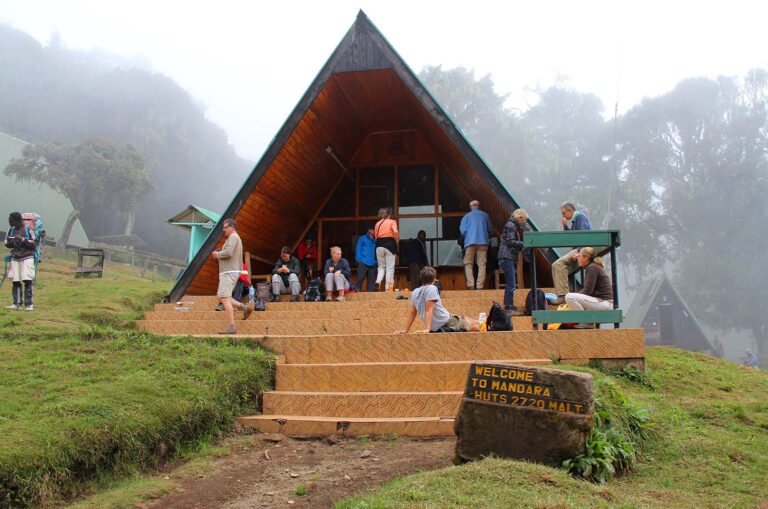
August Vs September: Best Kilimanjaro Summit Month In 2026-2027
Choosing between August and September for your Kilimanjaro climb involves weighing distinct advantages. While both months fall within the dry season, subtle differences in weather patterns...
View package details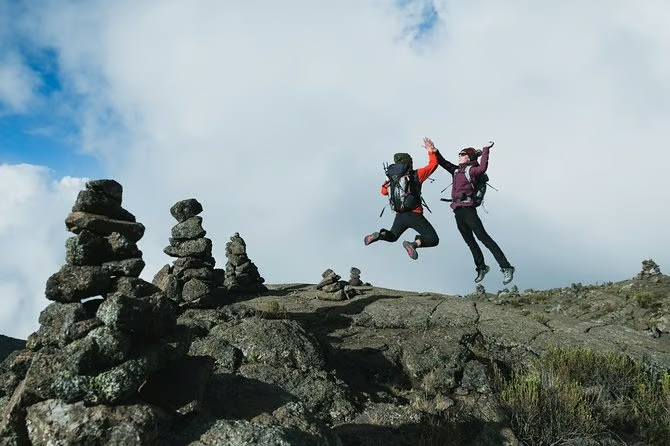
July Vs August Kilimanjaro Climbing: The Ultimate Comparison For 2026-2027
Choosing between July and August for your Kilimanjaro climb? This in-depth comparison details weather patterns, crowd levels, route popularity, and essential planning tips for 2026-2027 to...
View package details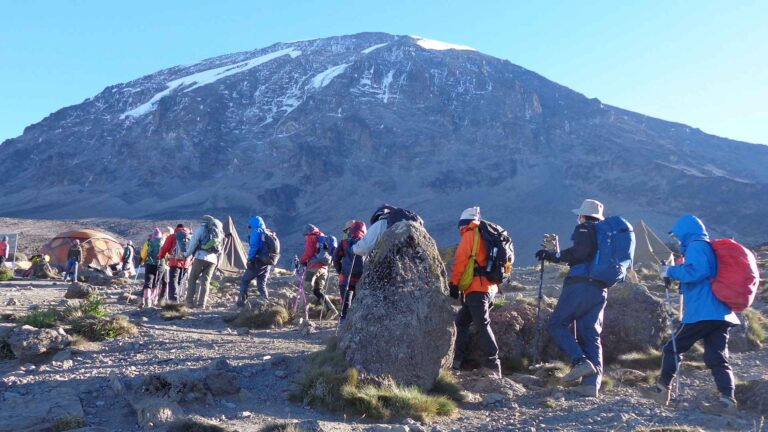
June Vs July Kilimanjaro Weather And Crowds 2026-2027
June vs July Kilimanjaro Weather and Crowds is explained with current 2026-2027 planning, price, itinerary and booking information.
View package details
March Vs April Kilimanjaro Weather Comparison For Climbs 2026-2027
Choosing between March and April for your Kilimanjaro climb involves understanding subtle yet significant weather differences. Both months fall within Kilimanjaro's second-best trekking...
View package details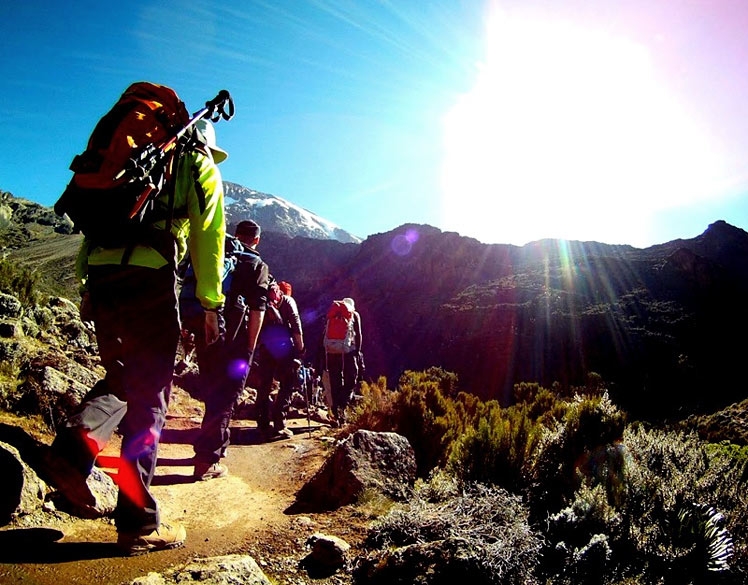
Driest Month To Climb Kilimanjaro: Your Guide For 2026-2027
The driest months for climbing Kilimanjaro are generally January, February, and June through October. These periods offer the clearest skies and lowest rainfall, ideal for a successful and...
View package detailsMay Vs June: When Should You Climb Kilimanjaro? 2026-2027
Choosing between May and June for your Kilimanjaro ascent? This in-depth guide compares the two months, helping you pick the optimal time for your trek based on weather patterns, crowd...
View package details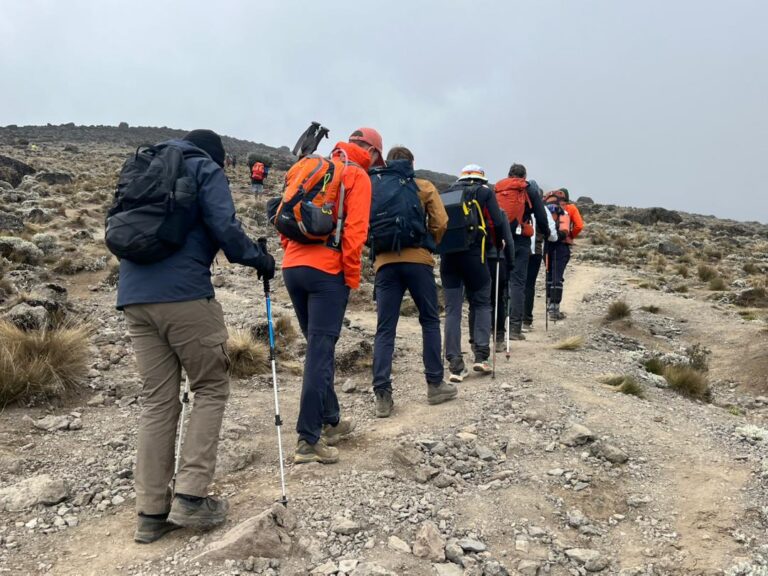
July Kilimanjaro Last-Minute Availability Guide
Planning a last-minute Kilimanjaro climb in July 2026 or 2027? This guide covers current availability, best routes, essential packing, and how to secure your spot with Top Guide Adventures.
View package details
The Best Rain Cover For A Kilimanjaro Daypack In 2026-2027
Choosing the right rain cover for your Kilimanjaro daypack is crucial for keeping essentials dry. This guide details what to look for, top recommendations, and why it's vital for your climb.
View package details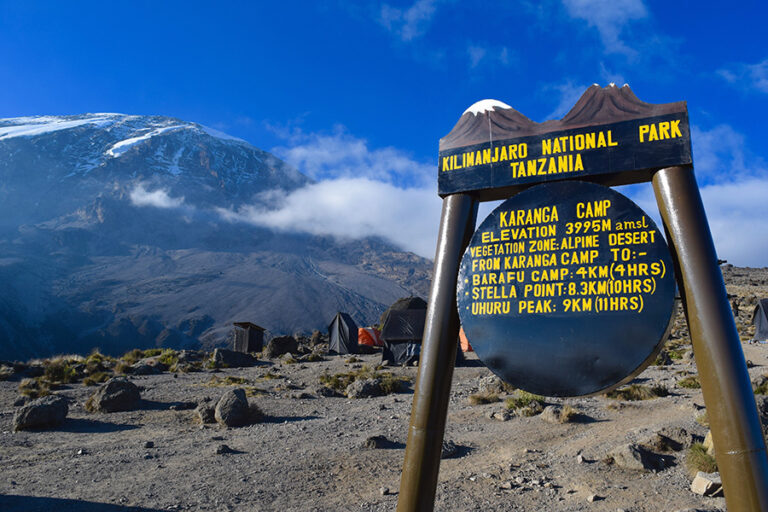
Best Thermal Underwear For Kilimanjaro 2026-2027
Best Thermal Underwear for Kilimanjaro is explained with current 2026-2027 planning, price, itinerary and booking information.
View package details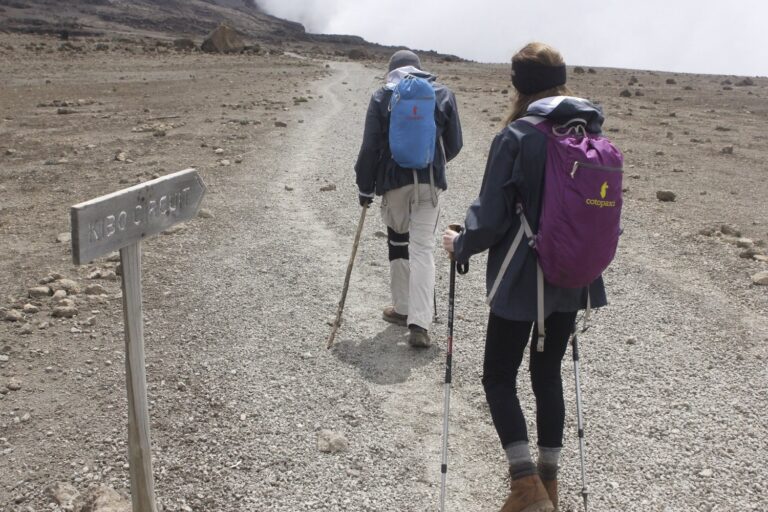
Best Balaclava For Kilimanjaro Summit Night 2026-2027
Best Balaclava for Kilimanjaro Summit Night is explained with current 2026-2027 planning, price, itinerary and booking information.
View package details
Best Sun Hat For Kilimanjaro: Ultimate Protection Your Climb 2026-2027
Choosing the best sun hat for Kilimanjaro is crucial for comfort and safety. This guide details the essential features, types, and considerations for selecting headwear that will protect...
View package detailsNo related package matches those filters. Clear one or more filters to see the other topic-matched options.



