
Most trekkers should plan for at least 2 to 3 nights in Moshi or Arusha before starting their Kilimanjaro climb. This period is vital for acclimatizing to the Tanzanian environment, making final gear preparations, and ensuring you are well-rested and hydrated, significantly increasing your chances of a successful summit bid in 2026 or 2027.
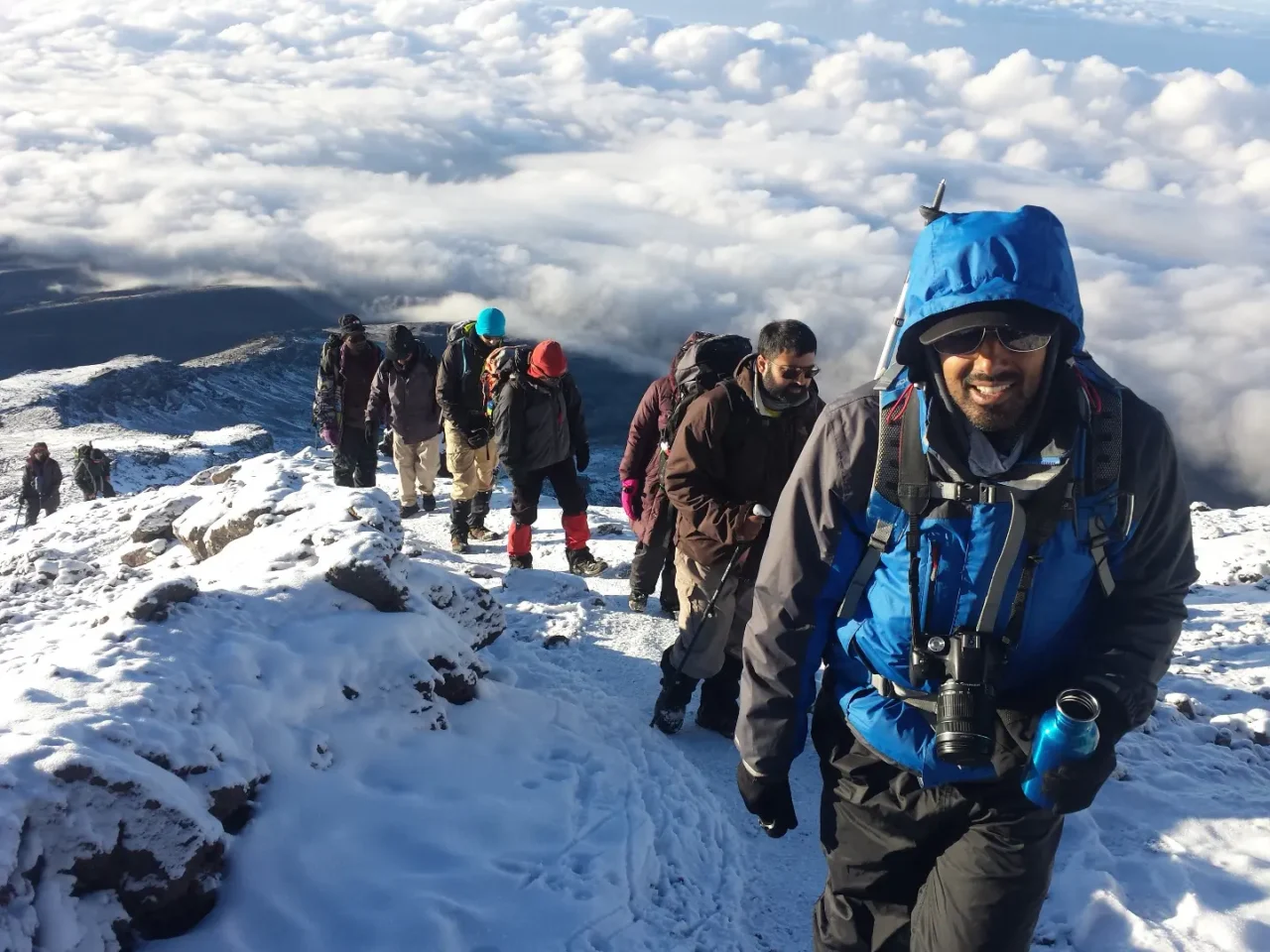
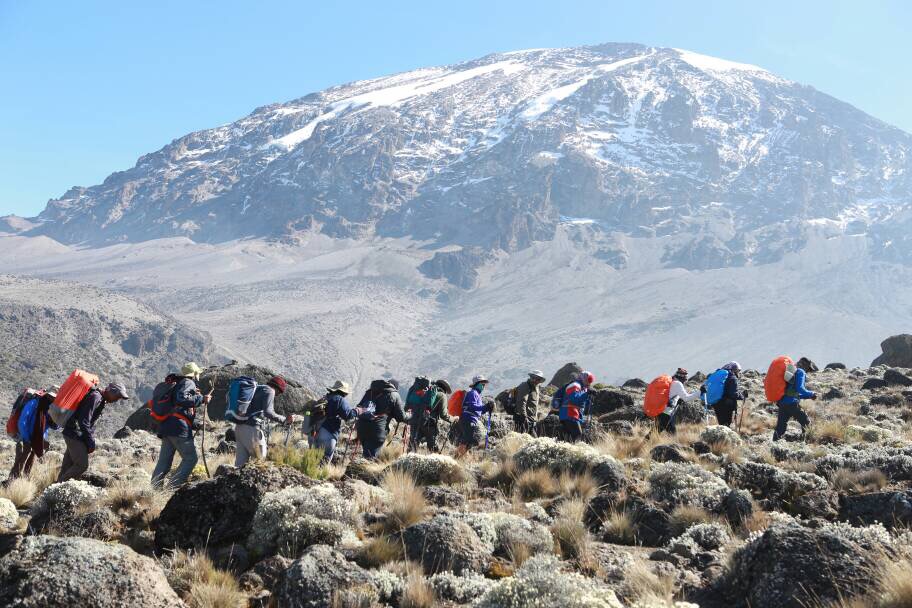
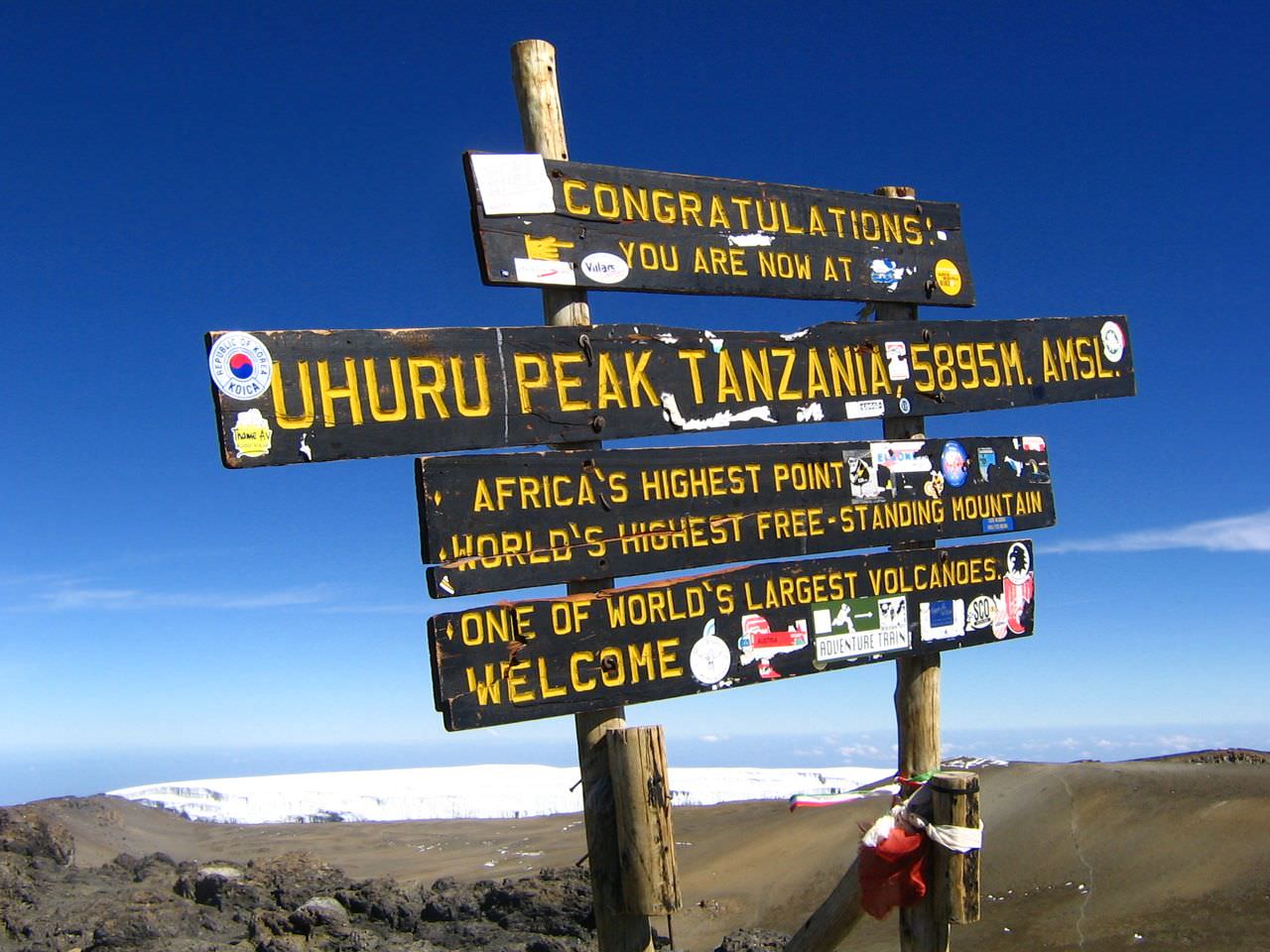
Understanding the Importance of Pre-Climb Stays for Kilimanjaro Treks
The decision on how many nights to stay before Kilimanjaro is more than just a logistical detail; it’s a critical component of your overall success and enjoyment of the climb. While the temptation might be to arrive just in time to start your trek, this approach overlooks the significant physiological and practical benefits of spending a few days at lower altitudes before ascending the mighty Mount Kilimanjaro.
Top Guide Adventures, as one of Tanzania’s trusted tour operators, consistently advises clients that adequate preparation on the ground is as important as choosing the right route or packing the correct gear. This pre-climb period allows your body to begin adapting to the new environment, and it provides crucial time for last-minute checks and mental preparation. For 2026 and 2027 expeditions, planning this buffer is essential for a smoother experience.
Why 2-3 Nights? The Science of Acclimatization and Preparation
When you travel to Tanzania, you are likely coming from sea level or a much lower altitude than Kilimanjaro’s summit (5,895 meters / 19,341 feet). The human body needs time to adjust to changes in atmospheric pressure and oxygen availability. While the pre-climb stay is at a much lower altitude than the mountain itself, it serves as the first step in this acclimatization process.
During these 2-3 nights in towns like Moshi (the gateway town for most Kilimanjaro climbs), your body starts to make subtle adjustments:
- Hydration and Metabolism: You can focus on drinking plenty of fluids and eating well, establishing good hydration habits that will be crucial on the mountain.
- Circulatory Adjustments: Your body begins to increase red blood cell production, which helps carry oxygen more efficiently.
- Reduced Travel Fatigue: Arriving a few days early allows you to recover from your international flights, overcoming jet lag and ensuring you start your trek feeling physically refreshed.
This initial period is not about fully acclimatizing to extreme altitudes, but rather about setting the stage for the gradual acclimatization that occurs during the trek itself. Rushing this phase can lead to a deficit that the mountain climb then has to overcome, increasing the risk of altitude sickness.
Beyond Acclimatization: Practical Preparations
Apart from the physiological benefits, the pre-climb stay offers invaluable practical advantages:
- Gear Check and Rental: This is your last chance to ensure all your gear fits, is in good condition, and is appropriate for the climb. You can do final fittings for rented equipment like sleeping bags or down jackets and purchase any last-minute essentials like high-energy snacks or sunblock.
- Meeting Your Team: You’ll have the opportunity to meet your guides and porters, attend a pre-climb briefing, and ask any lingering questions. This builds confidence and rapport.
- Local Culture and Briefing: Understanding local customs and getting a detailed briefing from your tour operator, like Top Guide Adventures, can make a significant difference.
- Rest and Relaxation: The pre-climb days allow for essential rest. You can enjoy local cuisine, relax, and mentally prepare for the challenge ahead, avoiding the stress of arriving and immediately embarking on a strenuous trek.
For those planning their Kilimanjaro expedition in 2026 or 2027, incorporating these 2-3 nights into your itinerary is a non-negotiable step for a well-rounded adventure.
Factors Influencing Your Pre-Climb Stay Duration
While 2-3 nights is a standard recommendation, several factors might influence whether you need slightly more or less time before your Kilimanjaro ascent. Understanding these variables helps tailor your pre-trek plan for optimal readiness.
Your Travel Itinerary Leading Up to Kilimanjaro
If your trip to Tanzania includes other activities before your climb, the duration of your pre-climb stay might need adjustment. For instance:
- Tanzania Safari: Many travelers combine a Kilimanjaro climb with a safari in parks like the Serengeti or Ngorongoro. Safaris are often at higher altitudes (e.g., Ngorongoro Crater rim can be around 2,200 meters / 7,200 feet). If you’ve spent several days on safari at these altitudes, your body might already be experiencing some acclimatization. In such cases, a shorter pre-climb stay (perhaps just 1-2 nights) might suffice, provided you feel well-rested and haven’t experienced significant altitude-related symptoms.
- Zanzibar or Coastal Holidays: If your trip starts with relaxation on the coast or in Zanzibar (at sea level), you will have had no altitude acclimatization. In this scenario, the standard 2-3 nights in Moshi or Arusha become even more critical.
- Long-Haul Travel and Jet Lag: Regardless of other activities, the length and discomfort of your international flight can significantly impact your readiness. If you’ve had a particularly taxing journey, an extra night of rest before the trek begins can be highly beneficial.
Top Guide Adventures often helps clients craft itineraries that flow logically, ensuring that transitions between activities support your overall well-being. For 2026-2027 bookings, we can help you integrate your safari or beach time with the ideal pre-climb buffer.
Personal Health and Fitness Levels
While Kilimanjaro is not technically a mountaineering challenge, it is a strenuous high-altitude trek. Your personal health and fitness play a role in how your body responds to travel and altitude.
- Fitness: While excellent fitness doesn’t prevent altitude sickness, a good base level of fitness means your body is generally more resilient and recovers better from travel fatigue.
- Previous Altitude Experience: If you have prior experience with high-altitude trekking (e.g., in the Andes or Himalayas) and know how your body reacts, you might feel more confident with a slightly shorter pre-climb stay. However, Kilimanjaro’s altitude is significant, and caution is always advised.
- Underlying Health Conditions: Individuals with pre-existing respiratory, cardiovascular, or other serious health conditions should consult their doctor before planning a Kilimanjaro climb. They may need additional rest or medical advice, potentially influencing the duration of their pre-climb stay.
It is always prudent to err on the side of caution. A few extra nights of rest and acclimatization at lower altitudes are far better than pushing yourself too hard and compromising your climb.
Logistical Considerations and Tour Operator Services
The services provided by your tour operator can also influence the ideal length of your stay.
- Briefing Schedules: Some operators may have specific days for mandatory pre-climb briefings. If your arrival day doesn’t align with a briefing, you might need to stay an extra night. Top Guide Adventures aims to be flexible with briefings, often scheduling them shortly after arrival.
- Gear Rental and Purchase: If you need to rent a significant amount of gear or purchase many items, you’ll need time to do this comfortably. Trying on boots, sleeping bags, and clothing takes time, and having a dedicated day or two for this before the trek is highly recommended.
- Accommodation Availability: While Moshi and Arusha have ample accommodation, booking in advance, especially during peak seasons in 2026 and 2027, is crucial. If your preferred hotel is only available from a certain date, this might dictate your arrival.
Top Guide Adventures ensures that your pre-climb logistics are handled smoothly, from airport transfers to comfortable accommodation, allowing you to focus on preparing for your Kilimanjaro adventure.
The Benefits of a Longer Pre-Climb Stay: Beyond the Minimum
While 2-3 nights is a solid baseline, some trekkers might consider extending their stay to 4-5 nights before Kilimanjaro. This offers enhanced benefits, particularly for those who are particularly concerned about altitude or want a more relaxed lead-up to their trek.
Enhanced Acclimatization and Reduced Altitude Sickness Risk
Spending an extra 1-2 nights at lower altitudes (e.g., Moshi, around 900 meters / 3,000 feet) provides your body with more time to make physiological adjustments. Even this modest altitude helps.
- Slower Adaptation: A longer period allows for a more gradual introduction to the concept of higher altitudes, even if the altitude itself is low. This can be particularly beneficial for individuals who are sensitive to altitude or have experienced issues in the past.
- Reduced Symptoms: By allowing more time for the body to adjust, the initial symptoms of altitude sickness (headache, nausea, fatigue) that might otherwise appear on the first day or two of the climb can be mitigated.
- Improved Recovery from Travel: If your journey involved significant time zone changes and long flights, an extended stay allows for more complete recovery from jet lag and travel fatigue, ensuring you start the trek with a fully rested system.
For expeditions planned for 2026 or 2027, especially during peak seasons when booking accommodation might require more foresight, extending your stay could also mean securing your preferred lodging with less stress.
Deeper Cultural Immersion and Local Exploration
Moshi and the surrounding Kilimanjaro region offer rich cultural experiences and beautiful landscapes that are often overlooked when one is solely focused on the climb.
- Local Town Exploration: Spend time exploring Moshi town, visiting local markets, interacting with residents, and understanding daily life in Tanzania.
- Cultural Tours: Consider a cultural tour, such as visiting a local coffee plantation, a Maasai village, or a local school. These experiences provide valuable context and a deeper appreciation for the region you are visiting.
- Short Day Hikes: If you feel energetic, a short, low-altitude day hike in the foothills of Kilimanjaro (e.g., Materuni Waterfalls) can be a good way to test your legs and enjoy the scenery without the pressure of a multi-day trek.
- Relaxation: An extended stay allows for a more relaxed pace. You can enjoy leisurely meals, visit local cafes, and mentally prepare for the climb without feeling rushed.
Top Guide Adventures can help arrange these cultural excursions, ensuring they complement rather than detract from your climb preparation. This deeper engagement with the local environment can significantly enrich your overall travel experience in Tanzania for your 2026-2027 adventure.
Comprehensive Gear Management and Last-Minute Adjustments
While 2-3 nights are usually sufficient for gear checks, an extended stay provides more breathing room, especially if you encounter unexpected issues.
- Thorough Gear Testing: You have more time to try on all your clothing layers, test your headlamp, ensure your backpack fits correctly when loaded, and break in any new hiking boots.
- Rental Gear Issues: If there’s a problem with rented gear (e.g., a faulty zipper on a sleeping bag), an extra day or two gives you time to arrange a replacement without panic.
- Shopping for Essentials: If you realize you’re missing specific items like trekking poles, water purification tablets, or high-altitude snacks, you’ll have ample time to visit local shops in Moshi.
- Personal Comfort: Simply having more time to organize your duffel bags and personal items can reduce pre-climb stress.
This thoroughness in gear management is a hallmark of a well-prepared trekker and is something Top Guide Adventures encourages for all clients aiming for a successful climb in 2026 or 2027.
The Risks of a Shorter Pre-Climb Stay (1 Night or Less)
Arriving in Moshi or Arusha just one day (or even the same day) before your Kilimanjaro trek begins is a common temptation, often driven by saving time or accommodation costs. However, this strategy significantly increases the risks and can negatively impact your entire expedition.
Increased Likelihood and Severity of Altitude Sickness
Altitude sickness is the body’s reaction to lower oxygen levels at high altitudes. Symptoms can range from mild headaches and nausea to severe, life-threatening conditions like High Altitude Cerebral Edema (HACE) and High Altitude Pulmonary Edema (HAPE).
- Insufficient Acclimatization: A single night offers minimal opportunity for your body to begin adjusting to even the relatively low altitude of Moshi (around 900m). When you then ascend rapidly on Kilimanjaro, your body is already at a disadvantage.
- Exacerbated Symptoms: Starting the trek already fatigued from travel and with an unacclimatized body means that any initial altitude symptoms are likely to be more pronounced and appear sooner.
- Compromised Decision-Making: If you start feeling unwell due to altitude sickness early in the trek, your ability to make clear decisions about your well-being can be impaired. This can lead to pushing yourself too hard, further worsening your condition.
For any trekker planning for 2026 or 2027, prioritizing acclimatization by having a sufficient pre-climb stay is the single most effective preventative measure against altitude sickness.
Physical and Mental Fatigue
Long-haul flights, time zone changes, and the general stress of international travel can leave you physically and mentally drained.
- Incomplete Jet Lag Recovery: Arriving and immediately starting a strenuous physical activity like climbing Kilimanjaro means you are likely still battling jet lag. This exhaustion will significantly reduce your stamina and enjoyment of the trek.
- Lack of Rest: You won’t have had adequate time to rest and recover from your journey. This lack of rest compounds the physical demands of the climb, making it feel much harder than it needs to be.
- Increased Stress: Rushing to get ready for the trek, attend briefings, and make last-minute gear checks on the same day you arrive can be a stressful experience, setting a negative tone for the expedition.
Top Guide Adventures emphasizes that starting the climb feeling refreshed and mentally prepared is crucial for a positive and successful Kilimanjaro experience. Rushing this phase can lead to burnout before you even reach the higher camps.
Logistical Hiccups and Missed Opportunities
Arriving late leaves little room for error when it comes to essential preparations.
- Gear Problems: If you discover a critical piece of gear is faulty or missing upon arrival, you may have very limited time to find a replacement, potentially forcing you to climb with inadequate equipment.
- Briefing Conflicts: You might miss the standard pre-climb briefing or have to attend it while exhausted, making it harder to absorb important information about the route, safety procedures, and team dynamics.
- Missed Cultural Experiences: You sacrifice the opportunity to experience the local culture, explore Moshi, or simply adjust to the Tanzanian pace of life, which can enrich your overall trip.
While it might seem like a way to save a day, the potential downsides of a very short pre-climb stay far outweigh any perceived benefits. For anyone planning a 2026 or 2027 climb, avoiding this rushed approach is highly recommended.
Recommended Pre-Climb Itinerary Structure
To help visualize how these pre-climb nights fit into your overall Kilimanjaro adventure, here’s a sample itinerary structure. This can be adapted based on your arrival time and specific needs.
Day 1: Arrival in Tanzania & Transfer to Moshi/Arusha
- Arrive at Kilimanjaro International Airport (JRO).
- Meet your Top Guide Adventures representative for a comfortable transfer to your hotel in Moshi or Arusha.
- Check into your accommodation.
- Rest and hydrate. Light dinner.
- Early to bed to recover from travel.
Day 2: Gear Check, Briefing, and Local Exploration
- Morning: Meet your lead guide and the Top Guide Adventures team for a comprehensive pre-climb briefing. Discuss the route, safety protocols, expected weather, and answer all your questions.
- Afternoon: Attend to gear. Try on any rented equipment (sleeping bag, down jacket, etc.) and purchase any last-minute items (e.g., trekking poles, snacks, sun cream) from local shops. Ensure everything fits and is in good condition.
- Late Afternoon: Option for a short, gentle exploration of Moshi town, perhaps visiting a local market or enjoying a coffee at a cafe.
- Evening: Relaxing dinner. Ensure you are well-hydrated.
Day 3: Final Preparations and Rest
- Morning: Final packing of your duffel bag (for porters) and daypack (for yourself). Double-check you have all necessary documents (passport, visa, insurance details).
- Optional Activity: Depending on your energy levels and interest, you could opt for a short, low-altitude cultural excursion, such as visiting Materuni Waterfalls or a local coffee plantation. This helps you stretch your legs gently.
- Afternoon: Focus on relaxation. Read your briefing notes again, ensure your electronics are charged, and continue hydrating.
- Evening: A final good meal. Get a solid night’s sleep before the trek begins the next day.
Day 4 (Optional Extension): Deeper Cultural Engagement or Extra Rest
- If you opted for a 4-night stay, this day can be used for a more in-depth cultural tour, visiting a Maasai village, or simply enjoying a more leisurely pace.
- Alternatively, use this day for additional rest and to ensure you are completely ready, especially if you experienced any travel fatigue or minor issues on Day 2 or 3.
- This extra day provides significant peace of mind and further reduces the risk of altitude-related issues upon commencing the climb.
This structured approach, especially for 2026-2027 expeditions, ensures that by the time you reach the park gate to begin your Kilimanjaro climb, you are physically prepared, logistically sorted, and mentally confident.
Choosing Your Pre-Climb Location: Moshi vs. Arusha
Both Moshi and Arusha are popular staging towns for Kilimanjaro climbs, and both offer excellent facilities. The choice often comes down to personal preference and the specific logistics of your tour operator.
Moshi: The Classic Gateway
Moshi is generally considered the primary gateway town for Kilimanjaro climbs, especially for routes like Machame, Lemosho, and Marangu.
- Proximity to the Mountain: Moshi is closer to the southern and eastern approaches to Kilimanjaro, making it the most convenient base for many trekkers.
- Atmosphere: It has a slightly more relaxed and traditional Tanzanian town feel compared to Arusha.
- Logistics: Most tour operators, including Top Guide Adventures, have their primary operations or strong partnerships in Moshi, streamlining pre-climb logistics like briefings and gear checks.
- Accommodation: Offers a range of hotels, guesthouses, and lodges suitable for trekkers.
Arusha: The Safari Hub
Arusha is a larger, more bustling city and is often the starting point for safaris in northern Tanzania.
- Convenience for Combined Trips: If your itinerary involves a safari before or after your climb, starting or ending in Arusha might be more convenient logistically.
- Larger City Amenities: As a bigger city, Arusha has more extensive shopping facilities, banks, and a wider variety of restaurants and hotels.
- Altitude: Arusha is slightly higher in altitude than Moshi (around 1,400 meters / 4,600 feet), which can offer a minor, additional benefit for acclimatization, although the difference is marginal in the context of the entire climb.
- Logistics: While many operators service Arusha, it’s important to confirm briefing and gear check arrangements if you choose to stay there.
Top Guide Adventures works with clients to determine the most suitable base for their pre-climb stay, whether that’s Moshi or Arusha, ensuring a smooth start to your Kilimanjaro adventure for 2026 or 2027. The key is to select a location that facilitates your preparation and rest.
Booking Your Kilimanjaro Expedition with Top Guide Adventures for 2026-2027
When planning your Kilimanjaro climb, especially for the upcoming seasons of 2026 and 2027, choosing a reputable and experienced tour operator is paramount. Top Guide Adventures is dedicated to providing complete travel experiences across Tanzania with personal attention, care, and dedicated support for every client.
We organize everything from Kilimanjaro climbs and Tanzania safaris to Zanzibar holidays and tailor-made journeys. Our expertise ensures that all logistical aspects, including your pre-climb stay, are handled professionally, allowing you to focus on the adventure ahead.
Why Choose Top Guide Adventures?
- Experienced Local Guides: Our guides are highly trained, experienced, and knowledgeable about Kilimanjaro, altitude sickness, and mountain safety.
- Comprehensive Support: We offer end-to-end support, from initial planning and booking to your successful summit and return.
- Safety First: Your safety is our top priority. We adhere to strict safety protocols and ensure our teams are well-equipped.
- Tailor-Made Itineraries: We can help you build an itinerary that includes the ideal number of pre-climb nights, ensuring you are perfectly prepared.
- Excellent Value: We provide high-quality services at competitive prices, offering great value for your investment in this special journey.
Planning Your 2026-2027 Kilimanjaro Climb
Booking your Kilimanjaro climb well in advance is highly recommended, particularly for popular dates in 2026 and 2027. This ensures availability, especially for group departures and private climbs.
Contact us to discuss your dream Kilimanjaro expedition. We can help you finalize the best route, recommend the ideal duration for your pre-climb stay, and create a package that meets your needs and budget.
- WhatsApp: +255616946642
- Email: topguideadventures@gmail.com
- Backup Email: info@topguideadventures.com
Let Top Guide Adventures be your trusted partner in making your Kilimanjaro dream a reality. We ensure your preparation, including the crucial pre-climb nights, is as smooth and effective as possible for your 2026 or 2027 adventure.
What to Pack for Your Pre-Climb Stay and Trek
While detailed packing lists are usually provided by tour operators, here’s a brief overview of essentials to consider for your pre-climb stay and the trek itself:
- Clothing: Layers are key. Thermal base layers, fleece mid-layers, and a waterproof/windproof outer shell. Warm hat, gloves, and a neck gaiter.
- Footwear: Broken-in hiking boots, comfortable camp shoes or sandals.
- Gear: A good quality sleeping bag (rated for cold temperatures), trekking poles, headlamp with extra batteries, sunglasses, and sunscreen.
- Personal Items: High-energy snacks, water bottles or hydration reservoir, personal toiletries, basic first-aid kit, any personal medications.
- Documents: Passport, visa, travel insurance details, vaccination certificates.
Ensure you have these items ready during your pre-climb stay. Top Guide Adventures can assist with identifying any gaps in your packing list and arranging for necessary rentals or purchases in Moshi.
Understanding Kilimanjaro Routes and Their Impact on Pre-Climb Needs
The route you choose for your Kilimanjaro climb can indirectly influence your pre-climb preparation, primarily through how it affects your overall trip duration and potential for acclimatization.
- Shorter Routes (e.g., Marangu 5-day): These routes are generally less recommended due to their rapid ascent profile, which significantly increases the risk of altitude sickness. If opting for a shorter route, maximizing your pre-climb stay becomes even more critical to compensate for the less gradual acclimatization on the mountain.
- Longer Routes (e.g., Lemosho 7-8 days, Machame 7 days): These routes offer better acclimatization profiles, with higher success rates. While the climb itself provides more gradual adaptation, the principle of adequate pre-climb rest and preparation in Moshi or Arusha remains essential. A longer climb might mean you’re less concerned about rushing into the trek, allowing for a more relaxed pre-climb period.
Regardless of your chosen route for 2026 or 2027, the fundamental advice for pre-climb nights remains consistent: prioritize rest and adjustment.
The Role of Hydration and Nutrition Before the Climb
Your pre-climb stay is the perfect time to establish and maintain optimal hydration and nutrition levels.
- Hydration: Aim to drink 3-4 liters of water per day. Avoid excessive caffeine and alcohol, which can dehydrate you. Electrolyte-enhanced drinks can also be beneficial.
- Nutrition: Focus on balanced meals that include carbohydrates for energy, protein for muscle repair, and healthy fats. Avoid overly heavy or greasy foods that might upset your stomach.
These habits, ingrained during your pre-climb days, will serve you well throughout your Kilimanjaro expedition.
Final Thoughts on Pre-Climb Nights for Kilimanjaro Trekkers
Ultimately, the decision on how many nights to stay before Kilimanjaro is about risk management and maximizing your chances of a safe, enjoyable, and successful summit. While budget and time constraints are real, skimping on pre-climb preparation is a false economy.
For 2026 and 2027 expeditions, we at Top Guide Adventures strongly advocate for the 2-3 night minimum stay in Moshi or Arusha. This period allows for essential acclimatization, thorough gear checks, important briefings, and crucial rest. An extended stay of 4-5 nights can offer even greater benefits for those seeking maximum preparation and peace of mind.
By investing these few extra days, you significantly enhance your body’s ability to cope with altitude, reduce the likelihood of illness, and allow yourself to fully appreciate the incredible journey that awaits you on the Roof of Africa.
Ready to plan your Kilimanjaro adventure for 2026 or 2027? Contact Top Guide Adventures today to ensure your pre-climb preparations are as solid as your desire to reach the summit. Reach out via WhatsApp at +255616946642 or email us at topguideadventures@gmail.com. Our team is eager to help you craft the perfect Kilimanjaro experience.
Check Availability for How Many Nights Should You Stay Before Kilimanjaro Climb? 2026-2027
Ready to compare dates, prices, and the best option for your group? Send the package name and travel month so the team can reply with a clear quote, availability, and what is included.
Should You Climb Mount Meru Before Kilimanjaro? 2026-2027
Should You Climb Mount Meru before Kilimanjaro? is explained with current 2026-2027 planning, price, itinerary and booking information.
View package details
How To Stay Clean During A Seven-Day Kilimanjaro Trek | Top Guide Adventures
Maintaining hygiene on Mount Kilimanjaro for seven days is achievable with the right preparation and practices. This guide details essential strategies for staying clean, from managing...
View package details
Foods To Avoid Before A Kilimanjaro Climb: Expert Guide For Trekkers 2026-2027
Planning your Kilimanjaro climb for 2026 or 2027? Proper nutrition is key. This guide details essential foods and drinks to avoid before and during your trek to prevent digestive issues and...
View package details
Can You Drink Alcohol Before Climbing Kilimanjaro? 2026-2027
Can You Drink Alcohol before Climbing Kilimanjaro? is explained with current 2026-2027 planning, price, itinerary and booking information.
View package details
Should You Bring Hand Warmers To Kilimanjaro? Your Essential Guide 2026-2027
Considering a Kilimanjaro climb in 2026 or 2027? You're likely wondering about essential gear. One question that often arises is: should you bring hand warmers? The short answer is a...
View package details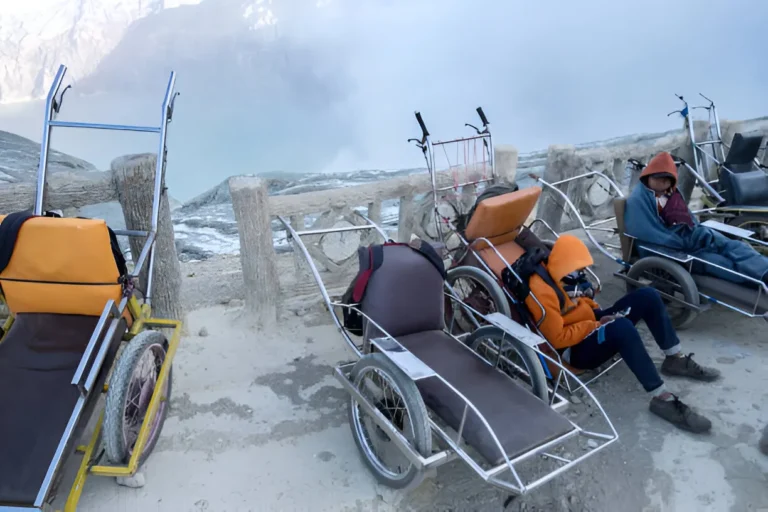
How Many Base Layers Do You Need For Kilimanjaro? A Complete Guide Climbers
Climbing Kilimanjaro requires careful gear selection. This guide breaks down the essential base layers needed to stay warm and dry on the mountain, with planning tips for 2026-2027...
View package details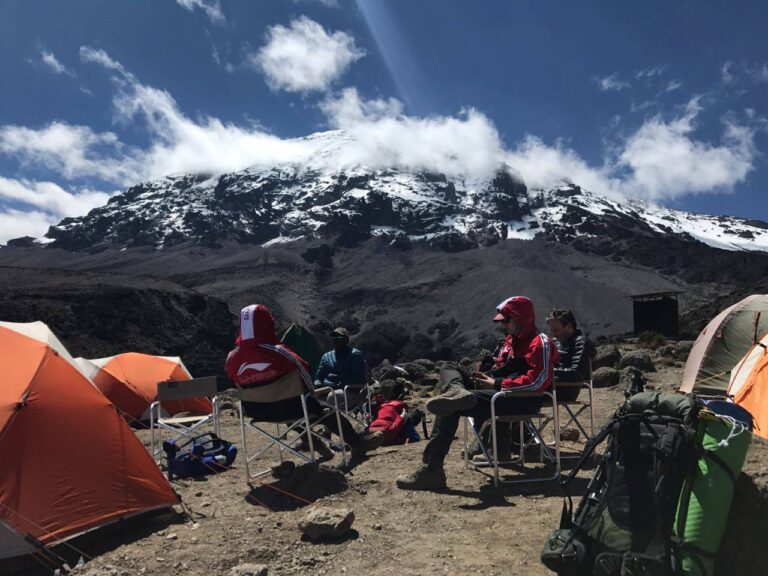
Mount Longido Acclimatization Hike Before Kilimanjaro Climb | Top Guide
Discover why a Mount Longido acclimatization hike is crucial for Kilimanjaro success. Learn about its benefits, routes, and how Top Guide Adventures can integrate it into your 2026-2027...
View package details
Mount Meru Acclimatization Before Kilimanjaro: A Comprehensive Guide 2026-2027
Discover why climbing Mount Meru before your Kilimanjaro trek is a strategic advantage for acclimatization. This guide details routes, benefits, and planning for 2026-2027.
View package detailsKilimanjaro Gear Inspection Before Departure Guide
A thorough Kilimanjaro gear inspection before your departure is crucial for a safe and successful climb. This guide details everything you need to check, from clothing layers to essential...
View package details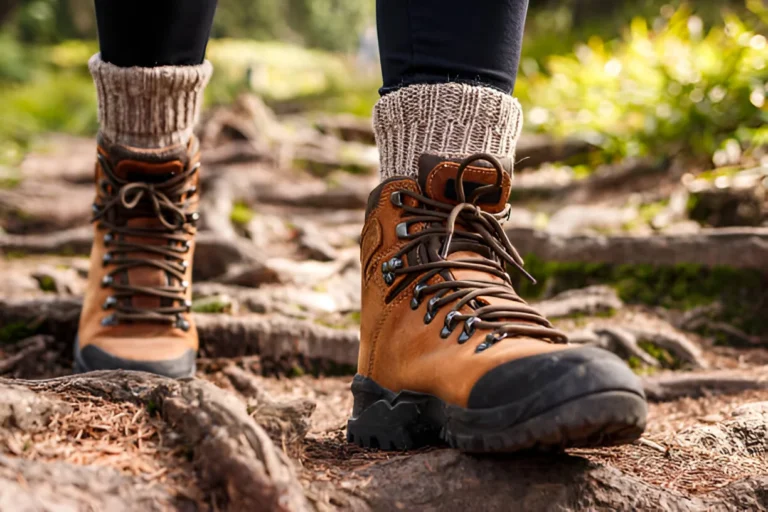
Late-Night Arrival At Kilimanjaro Airport Before Your Climb: Essential
Planning a Kilimanjaro climb with a late-night arrival at Kilimanjaro International Airport (JRO)? This guide covers everything you need to know for a smooth transition from the airport to...
View package details
What To Do On Arrival Day Before Kilimanjaro 2026-2027
What to Do on Arrival Day before Kilimanjaro is explained with current 2026-2027 planning, price, itinerary and booking information.
View package details
Kilimanjaro Climb With A Hebrew-Speaking Guide: Your Adventure 2026-2027
Discover how to arrange a Kilimanjaro climb with a Hebrew-speaking guide, ensuring a comfortable and culturally connected experience for Israeli hikers planning their 2026-2027 adventure...
View package detailsNo related package matches those filters. Clear one or more filters to see the other topic-matched options.



