
A Kilimanjaro stopover package between a Tanzania safari and a Zanzibar holiday offers an exceptional way to experience the country’s diverse wonders, typically involving 2-7 days for acclimatization and a summit attempt or shorter cultural tours around the mountain, before or after your safari and island time. For 2026-2027, these packages are highly customizable, allowing you to add a significant adventure to your trip without extending it excessively, blending the thrill of the mountain with the wildlife of the plains and the relaxation of the coast.
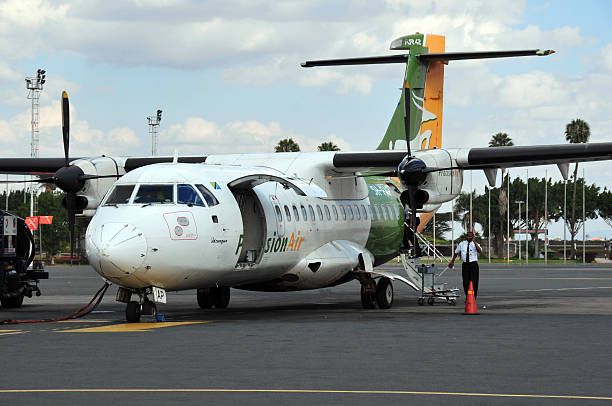
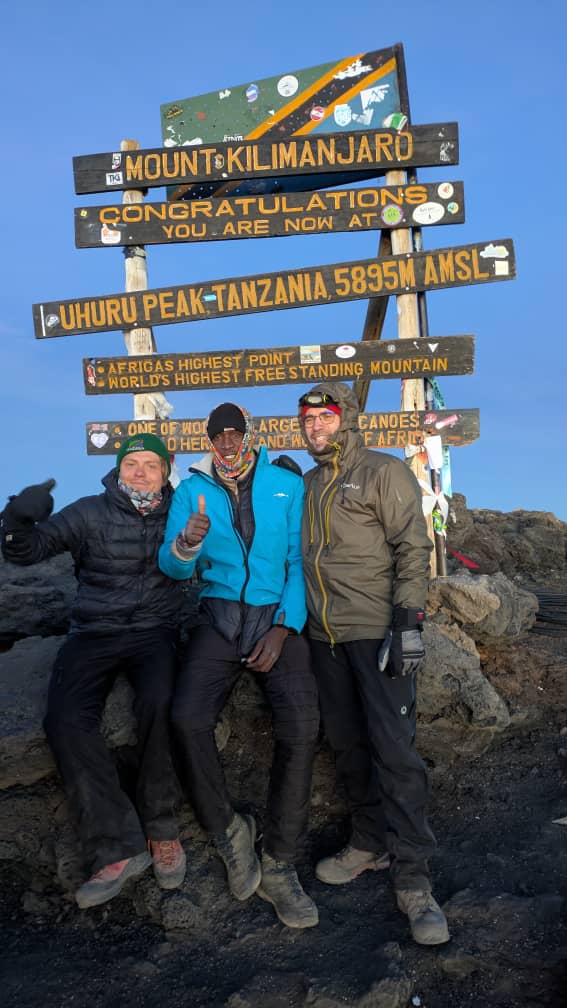

Designing Your Kilimanjaro Stopover: The Gateway to Adventure
Tanzania is a land of dramatic contrasts, from the vast plains teeming with wildlife to the majestic, snow-capped peak of Mount Kilimanjaro, and finally, the idyllic, spice-scented beaches of Zanzibar. For many travelers, the dream is to experience all three. A Kilimanjaro stopover package between safari and Zanzibar is the perfect solution, allowing you to seamlessly integrate Africa’s highest peak into your itinerary. This approach maximizes your time and provides a rich, multifaceted Tanzanian adventure. Top Guide Adventures specializes in crafting these integrated experiences, ensuring that your journey is not just a series of destinations, but a cohesive and unforgettable narrative.
The concept of a ‘stopover’ implies a shorter duration than a dedicated trek, yet for Kilimanjaro, even a brief encounter can be profoundly rewarding. Whether you opt for a challenging summit climb or a cultural exploration at the mountain’s base, the stopover model allows for efficient planning. It means you can land from your safari, head towards Kilimanjaro, and then continue your journey to Zanzibar, or vice versa, without extensive travel days dedicated solely to repositioning.
In 2026 and 2027, we anticipate a continued surge in demand for these multi-faceted Tanzanian trips. Travelers are increasingly seeking experiences that offer both adventure and relaxation, and the Kilimanjaro stopover perfectly embodies this trend. This guide will walk you through the intricacies of planning such a trip, from choosing the right route and duration for your stopover to understanding the logistics and what to expect. We aim to equip you with all the information needed to make informed decisions, ensuring your Kilimanjaro stopover enhances, rather than complicates, your Tanzanian safari and Zanzibar holiday.
Why Choose a Kilimanjaro Stopover Between Safari and Zanzibar?
The primary appeal of a Kilimanjaro stopover package between safari and Zanzibar lies in its efficiency and the unparalleled diversity it offers within a single trip. Imagine this: days spent tracking the Great Migration on the Serengeti plains, followed by the awe-inspiring challenge of ascending Kilimanjaro, and culminating in the serene, turquoise waters and white-sand beaches of Zanzibar. This sequence offers a powerful narrative arc to your vacation, moving from the raw energy of the wild to the humbling grandeur of nature’s pinnacle, and finally to ultimate relaxation.
Key Benefits of a Kilimanjaro Stopover:
- Maximizing Your Time: Tanzania is vast. By integrating Kilimanjaro into your safari-Zanzibar itinerary, you avoid the need for separate, dedicated trips, saving valuable vacation days. This is crucial for those with limited time but a desire to see the best of Tanzania.
- Unmatched Diversity: You experience three distinct ecosystems and experiences: the savanna’s wildlife, the alpine environment of Kilimanjaro, and the tropical marine setting of Zanzibar. This creates a richly varied adventure.
- Logistical Synergy: Kilimanjaro International Airport (JRO) is conveniently located near the safari circuits and is a common transit point for flights to Zanzibar. This proximity simplifies travel arrangements considerably.
- Accomplishment and Relaxation: The sense of achievement from climbing Kilimanjaro, even if just to a lower point or for acclimatization, is immense. Following this with the laid-back pace of Zanzibar provides a perfect balance of challenge and reward.
- Enhanced Cultural Immersion: The Kilimanjaro region offers rich cultural experiences, from visiting local villages to learning about Chagga traditions. This adds another layer to your Tanzanian journey beyond the safari and beach.
For travelers planning their adventures in 2026 or 2027, the trend towards combining these elements is strong. Many international flights arrive and depart from Tanzania via Kilimanjaro International Airport, making it a natural hub for such a stopover. Top Guide Adventures understands these logistical flows and designs itineraries that are both impressive and practical. We ensure that the transition between these diverse environments is as smooth as possible, allowing you to focus on enjoying each unique part of your Tanzanian experience.
Understanding the Kilimanjaro Stopover Options
When we talk about a Kilimanjaro stopover package between safari and Zanzibar, it’s essential to understand that ‘stopover’ can mean different things depending on your goals and available time. The most common interpretation involves a period dedicated to Kilimanjaro before or after your safari and Zanzibar segments. This can range from a brief cultural tour at the mountain’s base to a full summit attempt.
Option 1: The Summit Conqueror’s Stopover
This is for the adventurous traveler who wants to stand on the Roof of Africa. A summit climb typically requires 5 to 9 days, depending on the route chosen. This is the most time-intensive stopover option but offers the ultimate sense of accomplishment.
- Duration: 5-9 days (including acclimatization days and descent).
- Routes: Marangu (5-6 days), Machame (6-7 days), Lemosho (7-8 days), Rongai (6-7 days). Longer routes like Northern Circuit (9 days) or Machame (7 days) offer better acclimatization.
- Best for: Physically fit individuals with a strong desire to summit.
- Timing: Can be placed before or after your safari. If placed before safari, it allows for a rewarding relaxation period in Zanzibar afterwards. If placed after safari, it’s a grand finale to your adventure.
- Logistics: Requires careful planning for acclimatization, gear, and guides. Top Guide Adventures handles all these details.
Option 2: The Acclimatization & Scenic Views Stopover
If a full summit attempt is too demanding or time-consuming, a shorter trek focusing on acclimatization and enjoying the mountain’s lower slopes is an excellent alternative. This still provides a significant Kilimanjaro experience.
- Duration: 2-4 days.
- Possible Itineraries: Trekking the first 2-3 days of a route like Marangu or Machame, reaching points like Mandara Huts or Horombo Huts, and then descending. This gives a taste of the climb and aids acclimatization if you plan future climbs.
- Best for: Travelers with less time, those seeking a taste of the Kilimanjaro experience without the full commitment, or those wanting to acclimatize gradually for future high-altitude endeavors.
- Timing: Ideal as a short break between safari and Zanzibar, offering a unique physical challenge and stunning views.
Option 3: The Cultural & Foothills Stopover
This option focuses on experiencing the beauty and culture surrounding Mount Kilimanjaro without significant trekking. It’s perfect for those who want to appreciate the mountain’s presence and the local lifestyle.
- Duration: 1-3 days.
- Activities: Guided walks through coffee plantations, visits to Chagga villages, exploring local markets in Moshi or Arusha, experiencing local cuisine, and enjoying panoramic views of the mountain from viewpoints.
- Best for: Travelers prioritizing cultural immersion and scenic beauty over high-altitude trekking. It’s a more relaxed option that still connects you to the iconic mountain.
- Timing: An easy addition between safari and Zanzibar, offering a gentle transition and a different perspective on Tanzania.
When planning for 2026-2027, consider your fitness level, available time, and personal interests. Top Guide Adventures can help you choose the most suitable option, ensuring your Kilimanjaro stopover package between safari and Zanzibar is perfectly tailored. We offer flexible packages that can be adjusted to fit your specific travel dates and preferences.
Crafting Your Itinerary: Integrating Kilimanjaro with Safari and Zanzibar
The beauty of a Kilimanjaro stopover package between safari and Zanzibar lies in its flexibility. The order in which you experience these destinations can significantly impact your overall trip. Here are a few popular sequencing options, along with considerations for 2026-2027 travel.
Sequence A: Safari -> Kilimanjaro -> Zanzibar
This is perhaps the most common and often recommended flow.
- Days 1-5: Tanzania Safari (e.g., Serengeti, Ngorongoro Crater). Experience the thrill of wildlife viewing.
- Day 6: Travel to Moshi/Arusha. Rest and prepare for Kilimanjaro.
- Days 7-13: Kilimanjaro Climb (e.g., 7-day Machame Route). Conquer the summit.
- Day 14: Descend & Relax. Recover in Moshi/Arusha.
- Day 15: Fly to Zanzibar. Begin your beach holiday.
- Days 16-20: Zanzibar Relaxation. Enjoy the beaches, culture, and history.
Pros: The physical challenge of Kilimanjaro provides a dramatic climax before transitioning to the ultimate relaxation of Zanzibar. You’ll have a tremendous sense of accomplishment to carry to the beach. 2026-2027 bookings for this popular sequence should be made well in advance.
Cons: You might be tired from the climb when you arrive in Zanzibar, though this can also be seen as a well-deserved rest.
Sequence B: Zanzibar -> Kilimanjaro -> Safari
Start with relaxation, then adventure, and finish with wildlife.
- Days 1-5: Zanzibar Relaxation. Unwind on the beaches.
- Day 6: Fly to Kilimanjaro International Airport (JRO). Transfer to Moshi/Arusha.
- Days 7-13: Kilimanjaro Climb. Summit the mountain.
- Day 14: Descend & Recover. Rest in Moshi/Arusha.
- Day 15: Fly to Safari Gateway (e.g., Arusha Airport – ARK). Begin your safari.
- Days 16-20: Tanzania Safari. Explore the national parks.
Pros: You start your trip relaxed, making the Kilimanjaro climb potentially more enjoyable. The safari provides a dynamic and engaging end to your journey. This sequence can be appealing for those who prefer to ease into their travels. Planning for 2027 might see this sequence becoming more popular as travelers seek diverse experiences.
Cons: You might feel the effects of altitude sickness during the safari if not fully recovered, though this is less common. Safari activities can be physically demanding after a trek.
Sequence C: Safari -> Zanzibar -> Kilimanjaro
This sequence is less common for a ‘stopover’ but possible if Kilimanjaro is a shorter cultural visit.
- Days 1-5: Tanzania Safari. Enjoy the wildlife.
- Day 6: Fly to Zanzibar. Relax on the beaches.
- Days 11-13: Fly back to JRO, Kilimanjaro Cultural Tour/Short Trek. Experience the mountain’s base.
- Day 14: Depart from JRO.
Pros: Combines the main highlights without the intense physical demand of a full summit climb during the stopover. Offers a good balance of adventure and relaxation. This is a good option for those who want a taste of Kilimanjaro without dedicating a full week. For 2026-2027, this offers a less strenuous but still impactful experience.
Cons: If a summit climb is desired, this sequence is not ideal as it places the most strenuous activity just before departure.
Sequence D: Kilimanjaro -> Safari -> Zanzibar
Start with the mountain challenge, then wildlife, then beach.
- Days 1-7: Kilimanjaro Climb. Tackle the summit first.
- Day 8: Recover & Transfer to Safari Starting Point.
- Days 9-13: Tanzania Safari. Experience the wild.
- Day 14: Fly to Zanzibar. End with relaxation.
Pros: Gets the most challenging part of the trip done upfront. You can then enjoy the rest of your trip with a significant accomplishment already achieved. This can be a powerful way to start your Tanzanian adventure in 2026 or 2027.
Cons: You might be fatigued from the climb at the start of your safari, potentially impacting your enjoyment of strenuous game drives. Altitude effects might linger.
Choosing the Right Sequence for 2026-2027: Consider your energy levels, the time of year (peak safari seasons vs. best climbing seasons), and your personal preference for activity versus relaxation at different stages of your trip. Top Guide Adventures works with you to fine-tune the order for the best possible experience.
Kilimanjaro Routes for Your Stopover
Selecting the right Kilimanjaro route is crucial, especially for a stopover, as it dictates the duration, difficulty, and acclimatization profile. For a Kilimanjaro stopover package between safari and Zanzibar, efficiency and success rate are key considerations.
Popular Routes for Stopovers:
Marangu Route (Coca-Cola Route)
- Duration: 5 or 6 days.
- Accommodation: Huts (unique among routes).
- Scenery: Gradual ascent through diverse vegetation zones.
- Acclimatization: Poorer due to the fast ascent/descent profile.
- Success Rate: Lower compared to longer routes, especially on the 5-day option.
- Suitability for Stopover: The 5-day option is the shortest and most budget-friendly, making it appealing for a quick stopover. However, the low success rate due to poor acclimatization is a significant drawback. The 6-day option improves chances but is still less ideal than longer routes.
Machame Route (Whiskey Route)
- Duration: 6 or 7 days.
- Accommodation: Camping.
- Scenery: Beautiful and diverse, with a dramatic descent via the Mweka trail.
- Acclimatization: Good, especially on the 7-day option, utilizing the ‘climb high, sleep low’ principle.
- Success Rate: High, particularly the 7-day option.
- Suitability for Stopover: The 6-day option is a popular choice for stopovers, offering a good balance of challenge, scenery, and acclimatization. The 7-day option provides even better acclimatization and success rates, ideal if you can allocate the extra day. This is often the preferred route for a stopover climb.
Rongai Route
- Duration: 6 or 7 days.
- Accommodation: Camping.
- Scenery: Approaches from the north, offering different views and potentially drier conditions.
- Acclimatization: Moderate.
- Success Rate: Good.
- Suitability for Stopover: A viable option, especially if you prefer a less crowded approach. It offers a good alternative to Machame if logistics or preferences dictate.
Lemosho Route
- Duration: 7 or 8 days.
- Accommodation: Camping.
- Scenery: Considered one of the most scenic routes, starting in lush rainforest.
- Acclimatization: Excellent, due to its longer duration and gradual ascent.
- Success Rate: Very high.
- Suitability for Stopover: While longer, the Lemosho route’s high success rate and excellent acclimatization make it a strong contender if you have the extra days. It minimizes the risk of altitude sickness, ensuring you can fully enjoy your safari and Zanzibar afterward. For 2026-2027, prioritizing success and enjoyment makes Lemosho attractive.
Routes to Generally Avoid for a Tight Stopover:
- Umbwe Route: Steep, direct, and challenging. Poor acclimatization and low success rates, not ideal for a stopover.
- Northern Circuit: The longest route (9 days), offering the best acclimatization and highest success rates. While excellent, it might be too long for many stopover scenarios.
Recommendation for 2026-2027 Stopovers: For a Kilimanjaro stopover package between safari and Zanzibar, the Machame (7-day) or Lemosho (7 or 8-day) routes are highly recommended. They offer the best balance of acclimatization, scenery, and success rates, minimizing the risk of altitude sickness and ensuring you are ready for your next adventure. If time is extremely tight, the 6-day Machame is a common compromise, but always discuss this with your tour operator.
Logistics and Preparation for Your Kilimanjaro Stopover
A successful Kilimanjaro stopover package between safari and Zanzibar hinges on meticulous planning and preparation. The transition from a safari vehicle to a trekking path, and then to a beach resort, requires specific considerations.
Visas and Vaccinations
- Visa: Most nationalities require a Tanzanian visa. This can often be obtained online in advance or on arrival at Kilimanjaro International Airport (JRO). Check the latest requirements for your nationality well before your 2026-2027 trip.
- Vaccinations: Consult your doctor or a travel clinic 4-6 weeks before your trip. Yellow fever vaccination is typically required if arriving from or transiting through a country with a risk of yellow fever. Malaria prophylaxis is recommended for safari and Zanzibar; discuss this with your doctor.
Packing Essentials
Packing for Kilimanjaro is distinct from packing for safari or beach. Layering is key. Top Guide Adventures provides a detailed packing list upon booking.
Key Items for Kilimanjaro:
- Clothing: Thermal base layers, fleece mid-layers, waterproof and windproof outer shell (jacket and pants), insulated down jacket, hiking trousers, warm hat, gloves (liner and insulated), sun hat.
- Footwear: Broken-in hiking boots, camp shoes/sandals, warm socks (wool or synthetic).
- Gear: 4-season sleeping bag, trekking poles, headlamp, reusable water bottles/hydration reservoir, high SPF sunscreen, sunglasses, lip balm with SPF, personal first-aid kit, toiletries.
- Backpack: Daypack (30-40L) for essentials during the trek, and a larger duffel bag (80-100L) for porters to carry.
Transitioning Items: You’ll need to pack items for safari (binoculars, camera gear, neutral-colored clothing) and Zanzibar (swimwear, light clothing, sandals) separately. Most operators will store excess luggage safely while you are on the mountain.
Fitness and Acclimatization
Kilimanjaro is a non-technical climb, but it is physically demanding due to the altitude. Proper fitness preparation is vital.
- Training: Focus on cardiovascular exercises (running, cycling, swimming) and strength training, particularly for legs and core. Practice hiking with a weighted backpack on varied terrain.
- Acclimatization: This is the most critical factor for summit success. Choosing a longer route (6-7 days minimum for a stopover summit attempt) and ascending gradually (‘pole pole’ – slowly, slowly) are key. Avoid strenuous activity on arrival day. Stay well-hydrated. Avoid alcohol and caffeine during the climb.
Travel Insurance
Comprehensive travel insurance is mandatory. Ensure it covers high-altitude trekking up to 5,895 meters (19,341 feet) and includes emergency medical evacuation. This is particularly important for 2026-2027 travel as insurance policies and coverage can change.
Booking Your Package
Booking your Kilimanjaro stopover package between safari and Zanzibar with a reputable operator like Top Guide Adventures ensures all logistics are handled. We coordinate transfers, park fees, guide and porter services, accommodation, and meals. For 2026-2027, early booking is highly recommended, especially for peak climbing seasons (January-March, June-October).
Key inclusions in a Top Guide Adventures package typically are:
- Airport transfers
- All necessary park and climbing fees
- Experienced, licensed mountain guides and support crew
- Porters for your main gear
- Nutritious meals during the climb
- Accommodation in tents (or huts on Marangu)
- Portable toilet
- Pre- and post-climb accommodation in Moshi/Arusha (may be extra depending on package)
- Emergency oxygen and comprehensive first-aid kit
Exclusions often include: Personal climbing gear, tips for the crew, travel insurance, visas, vaccinations, personal expenses, and drinks other than water during the climb.
Cost Considerations for Your 2026-2027 Kilimanjaro Stopover
The cost of a Kilimanjaro stopover package between safari and Zanzibar varies significantly based on the route chosen, duration, accommodation style (camping vs. huts), group size (private vs. group), and the operator’s inclusions. For 2026 and 2027, expect prices to reflect current economic conditions and operational costs.
Factors Influencing Cost:
- Route Length: Longer routes with more days mean higher park fees and crew costs.
- Operator Quality: Reputable companies that treat their staff well (fair wages, proper gear, good food) tend to be more expensive but offer a safer and more ethical experience. Top Guide Adventures prioritizes ethical treatment and safety.
- Group Size: Private climbs are more expensive per person than joining a group climb.
- Inclusions: Packages that include pre/post-climb accommodation, specific gear rental, or more elaborate meals will cost more.
Estimated Price Ranges (per person for Kilimanjaro climb portion):
These are approximate figures for 2026-2027 and can fluctuate. It’s always best to request a detailed quote.
- Budget (e.g., 5-day Marangu): $1,000 – $1,500 USD. Often involves basic services and may compromise on crew welfare or acclimatization.
- Mid-Range (e.g., 6-7 day Machame/Rongai): $1,500 – $2,500 USD. Offers a good balance of quality, safety, and value. This is where Top Guide Adventures typically falls, providing excellent service and ethical treatment.
- High-End/Luxury (e.g., 7-8 day Lemosho/Northern Circuit): $2,500 – $4,000+ USD. Includes premium services, potentially private toilets, more experienced guides, and higher comfort levels.
Important Note on Park Fees: Kilimanjaro National Park fees are substantial and represent a significant portion of the total cost. These fees are set by the Tanzanian government and are subject to change annually. For 2026-2027, expect these fees to remain a major component.
Total Package Cost (Safari + Kilimanjaro + Zanzibar)
A comprehensive 10-14 day trip combining all three elements will typically range from $4,000 to $8,000+ USD per person, depending heavily on the safari’s duration and standard, the Kilimanjaro route, and Zanzibar accommodation level. Luxury options can easily exceed this range.
Example Cost Breakdown Logic (for a 7-day Machame climb):
| Component | Estimated Cost (USD) | Notes |
|---|---|---|
| Kilimanjaro Park Fees | $700 – $900 | Mandatory government fees. |
| Guide, Porter, Cook Wages & Support | $500 – $700 | Reflects ethical treatment and fair pay. |
| Food & Equipment (tents, etc.) | $200 – $300 | Quality gear and nutritious meals. |
| Operator Margin & Logistics | $300 – $600 | Coordination, transport, support. |
| Total Kilimanjaro (7-day) | $1,700 – $2,500 | Estimate for a quality mid-range climb. |
Remember to factor in costs for international flights, visas, travel insurance, tips (a significant amount for the crew), personal gear, and expenses in Zanzibar. For the most accurate pricing for your 2026-2027 trip, contact Top Guide Adventures directly for a personalized quote.
When is the Best Time for a Kilimanjaro Stopover?
Timing is crucial for a successful Kilimanjaro stopover package between safari and Zanzibar. While Tanzania is a year-round destination, certain periods offer better conditions for both Kilimanjaro and the Serengeti, and more pleasant weather in Zanzibar.
Kilimanjaro Climbing Seasons:
Kilimanjaro has two main climbing seasons, characterized by drier weather and clearer skies:
- Peak Season: January to March and June to October. These months offer the best chances for clear views and stable weather. June, July, August, September, and October are particularly popular. Expect higher crowds and potentially higher prices in 2026-2027.
- Shoulder Seasons: November and April/May. These months can be good but are more prone to rain, especially April and May, which are considered the wettest months.
- Low Season: March to May (especially April/May). This period sees the most rainfall, making trekking more challenging and potentially less enjoyable. However, it offers fewer crowds and lower prices.
Safari Seasons:
The best time for safari often coincides with Kilimanjaro’s dry seasons, particularly for witnessing the Great Migration:
- Great Migration: The migration is present in the Serengeti year-round, but its location varies. The Seronera River Valley is good year-round. The Western Corridor (Grumeti River) is best May-July for river crossings. The Northern Serengeti (Mara River) is best July-October for dramatic river crossings.
- General Wildlife Viewing: The dry season (June to October) is excellent for wildlife viewing as animals congregate around water sources, and vegetation is less dense. This aligns well with Kilimanjaro’s peak climbing season.
Zanzibar Seasons:
Zanzibar enjoys a tropical climate:
- Dry Seasons: June to October and December to February. These periods offer sunny days and pleasant temperatures, perfect for beach holidays. They align perfectly with Kilimanjaro’s peak season and good safari conditions.
- Rainy Seasons: March to May (long rains) and November (short rains). April and May are typically the wettest months.
Optimal Timing for Your 2026-2027 Stopover Package:
Considering all factors, the ideal window for a combined safari, Kilimanjaro, and Zanzibar trip is generally June to October. This period offers the best weather for climbing Kilimanjaro, excellent wildlife viewing on safari (including the Great Migration river crossings in the north), and pleasant conditions for Zanzibar’s beaches.
Alternative Optimal Window: January to March also offers good conditions for all three, though Kilimanjaro can be very cold at the summit during this time.
Planning for 2026-2027: If your dates fall outside these peak windows, don’t despair. Tanzania is accessible year-round. A ‘shoulder season’ trip (e.g., late May or early November) might offer fewer crowds and potentially better prices, with only a slightly increased chance of rain.
Top Guide Adventures can advise on the best timing based on your specific travel preferences and the exact experiences you wish to prioritize for your 2026-2027 adventure.
What to Expect on Your Kilimanjaro Stopover
A Kilimanjaro stopover package between safari and Zanzibar is a unique experience that blends physical exertion with incredible natural beauty. Understanding what to expect can help manage expectations and ensure a smoother journey.
The Climb Experience:
- Daily Routine: Days typically start early. After breakfast, you’ll hike for several hours, stopping for lunch and breaks. The pace is deliberately slow (‘pole pole’) to aid acclimatization. Evenings involve setting up camp, enjoying dinner, and resting.
- Guides and Crew: You will be accompanied by a team of experienced guides, cooks, and porters. Guides are crucial for navigation, safety, and monitoring your health. Porters carry the bulk of your gear, allowing you to focus on walking.
- Food: Expect surprisingly varied and nutritious meals prepared by your cook. Breakfasts often include porridge, eggs, toast. Lunches are usually packed or prepared at a scenic spot. Dinners are multi-course meals, often including soup, rice/pasta dishes, chicken/beef, and vegetables, followed by dessert.
- Accommodation: On camping routes, you’ll sleep in sturdy 2-3 person tents. On Marangu, you sleep in basic dorm-style huts. Expect communal dining tents and a separate toilet tent.
- Scenery: Kilimanjaro offers a journey through five distinct ecological zones: Cultivation, Rainforest, Heath, Moorland, and Arctic. The views are spectacular, changing dramatically as you ascend.
- Summit Night: This is the most challenging part. You’ll start hiking around midnight, in the cold and dark, towards the summit (Uhuru Peak). It’s a slow, steady ascent, often in single file. Reaching the crater rim by sunrise is an unforgettable moment.
Potential Challenges:
- Altitude Sickness (AMS): The most common challenge. Symptoms include headache, nausea, dizziness, and fatigue. Proper acclimatization is the best prevention. Guides are trained to monitor for AMS and make decisions regarding descent if necessary.
- Weather: Conditions can change rapidly. Be prepared for sun, rain, wind, and extreme cold at higher altitudes.
- Physical Demands: The trek is strenuous, involving long hiking days and significant elevation gain.
- Hygiene: Maintaining hygiene can be challenging. Bring hand sanitizer and wet wipes.
Post-Climb Recovery:
After descending, you’ll typically spend a night or two in Moshi or Arusha. This is a crucial time to rest, rehydrate, and recover. You can enjoy hot showers, comfortable beds, and good food. Top Guide Adventures arranges post-climb accommodation and transfers.
Transition to Zanzibar:
From Kilimanjaro, you’ll likely fly from Kilimanjaro International Airport (JRO) or Arusha Airport (ARK) to Zanzibar (ZNZ). The transition is usually smooth, with representatives meeting you at the Zanzibar airport for transfer to your hotel.
What to Expect in Zanzibar:
- Climate: Tropical, warm, and humid.
- Activities: Relaxing on beaches, swimming, snorkeling, diving, exploring Stone Town (a UNESCO World Heritage site), spice tours, visiting Jozani Forest (home of the red colobus monkey).
- Culture: A unique blend of African, Arab, Indian, and European influences. Dress modestly when visiting towns or villages.
- Pace: Significantly slower and more relaxed than the mountain or safari.
For your 2026-2027 trip, remember that flexibility is key. While planning is essential, being prepared for unexpected changes and embracing the adventure will lead to a more rewarding experience.
Safety and Ethical Considerations
Safety and ethical practices are paramount for any Kilimanjaro trek, safari, or Zanzibar holiday. Top Guide Adventures is committed to upholding the highest standards.
Kilimanjaro Safety:
- Guide Training: Our guides are certified, experienced, and trained in wilderness first aid and altitude sickness management.
- Emergency Equipment: We carry comprehensive first-aid kits and portable oxygen systems on all climbs.
- Communication: Guides have radios or satellite phones for emergencies.
- Porters’ Welfare: We adhere to strict guidelines regarding porters’ working hours, load limits, adequate food, and shelter. We partner with the Kilimanjaro Porters Assistance Project (KPAP) or similar organizations to ensure fair treatment. This is a critical aspect of responsible tourism for 2026-2027 planning.
- Environmental Responsibility: We practice Leave No Trace principles, ensuring waste is properly managed and the mountain’s fragile ecosystem is protected.
Safari Safety:
- Vehicle Safety: Our safari vehicles are well-maintained, equipped with safety features, and driven by experienced guides who understand wildlife behavior.
- Wildlife Encounters: Guides brief you on safety protocols during game drives, emphasizing maintaining a safe distance from animals.
- Health: Malaria precautions are essential for safari and Zanzibar. Your guide will advise on safety in different environments.
Ethical Tourism Practices:
- Community Support: We aim to support local communities through fair employment and by sourcing local goods and services where possible.
- Wildlife Conservation: We operate in a manner that respects wildlife and contributes to conservation efforts. This includes adhering to park rules and avoiding activities that harm wildlife.
- Transparency: We believe in clear communication regarding costs, inclusions, and expectations.
Choosing an operator like Top Guide Adventures for your Kilimanjaro stopover package between safari and Zanzibar means choosing a partner committed to your safety, the well-being of their staff, and the preservation of Tanzania’s natural and cultural heritage. We encourage all travelers to research and choose operators who demonstrate strong ethical and safety standards for their 2026-2027 adventures.
Preparing for Your 2026-2027 Tanzanian Adventure: A Checklist
To ensure your Kilimanjaro stopover package between safari and Zanzibar runs smoothly, use this checklist as a guide for your 2026-2027 travels.
Pre-Trip Planning (6+ Months Out)
- Research and choose your tour operator (e.g., Top Guide Adventures).
- Determine your preferred itinerary sequence (Safari-Kili-Zanzibar, etc.).
- Select Kilimanjaro route and duration based on time, fitness, and goals.
- Book international flights.
- Check passport validity (must be valid for at least 6 months beyond your stay).
Pre-Trip Planning (3-6 Months Out)
- Apply for your Tanzanian visa (if required, check current regulations).
- Consult your doctor regarding vaccinations and malaria prophylaxis.
- Begin a fitness training program for Kilimanjaro.
- Purchase travel insurance covering high-altitude trekking and emergency evacuation.
- Start gathering necessary gear for Kilimanjaro (boots, layers, etc.).
Pre-Trip Planning (1-3 Months Out)
- Finalize Kilimanjaro gear purchases and break in hiking boots.
- Confirm all booking details with Top Guide Adventures.
- Arrange for any necessary luggage storage.
- Inform your bank of your travel dates to avoid card issues.
- Learn a few basic Swahili phrases (Jambo, Asante Sana).
Final Preparations (1-2 Weeks Out)
- Pack your bags, ensuring all essentials are included.
- Confirm flight details and itinerary timings.
- Exchange some currency for immediate expenses upon arrival (USD is widely accepted, but local currency Shillings is useful).
- Charge all electronic devices and pack chargers/power banks.
- Notify your mobile provider about international roaming if needed.
- Do a final fitness check and get adequate rest.
During Your Trip
- Stay hydrated, especially on Kilimanjaro.
- Listen to your guides’ instructions at all times.
- Embrace the ‘pole pole’ pace on the mountain.
- Be respectful of local cultures and environments.
- Keep valuables secure.
- Enjoy every moment of your incredible Tanzanian adventure!
By following this checklist, you can ensure that your Kilimanjaro stopover package between safari and Zanzibar in 2026-2027 is not only memorable but also well-organized and safe.
Why Choose Top Guide Adventures for Your Tanzanian Journey?
Selecting the right tour operator is fundamental to the success of your Kilimanjaro stopover package between safari and Zanzibar. Top Guide Adventures has established itself as one of Tanzania’s most trusted and experienced travel companies, offering a personal touch and dedicated support throughout your journey.
Our Commitment to You:
- Expertise: With years of experience organizing safaris, Kilimanjaro climbs, and Zanzibar holidays, we possess in-depth knowledge of Tanzania’s diverse offerings.
- Personalized Service: We believe in tailoring each trip to your specific needs and preferences. From initial planning to your final departure, you receive personal attention and dedicated support.
- Safety First: Your safety is our top priority. We adhere to stringent safety protocols on Kilimanjaro and during safaris, employing highly trained guides and ensuring all equipment is well-maintained.
- Ethical Practices: We are committed to responsible tourism, ensuring fair wages and treatment for our crew, respecting local communities, and minimizing our environmental impact. We are proud partners with organizations that uphold these standards.
- Comprehensive Packages: We offer complete travel solutions, including safaris, Kilimanjaro climbs, Zanzibar packages, cultural experiences, and tailor-made journeys across Northern and Southern Tanzania.
- 24/7 Support: Our team is available to assist you before, during, and after your trip, ensuring peace of mind.
Whether you’re planning for 2026 or 2027, Top Guide Adventures is ready to help you craft the perfect Kilimanjaro stopover package between safari and Zanzibar. We understand the nuances of combining these incredible experiences and are dedicated to making your Tanzanian adventure smooth and unforgettable.
Ready to plan your dream Tanzanian trip? Contact us today to discuss your personalized itinerary. You can reach us via WhatsApp at +255616946642, email us at topguideadventures@gmail.com, or use our backup email info@topguideadventures.com. Let’s make your 2026-2027 adventure a reality!
“,
“faq_schema”: [
{
“question”: “What is a Kilimanjaro stopover package between safari and Zanzibar?”,
“answer”: “A Kilimanjaro stopover package is a tailored itinerary that incorporates a visit to Mount Kilimanjaro between a Tanzania safari and a Zanzibar beach holiday. This can range from a few days for cultural tours at the mountain’s base to a full summit attempt, offering a diverse Tanzanian experience within a single trip.”
},
{
“question”: “How long should my Kilimanjaro stopover be?”,
“answer”: “For a summit attempt, allocate 5-9 days for Kilimanjaro. For a shorter cultural or scenic experience, 2-4 days may suffice. This duration needs to fit comfortably between your safari and Zanzibar segments, typically requiring a total trip of 10-18 days.”
},
{
“question”: “Which Kilimanjaro route is best for a stopover?”,
“answer”: “For stopovers aiming for the summit, the 6 or 7-day Machame route or the 7 or 8-day Lemosho route are highly recommended due to their excellent acclimatization profiles and high success rates. The 5-day Mar
Check Availability for Kilimanjaro Stopover Package Between Safari And Zanzibar 2026-2027
Ready to compare dates, prices, and the best option for your group? Send the package name and travel month so the team can reply with a clear quote, availability, and what is included.
Kilimanjaro Airport Meet-And-Greet Service: Your Smooth Arrival In Tanzania
Top Guide Adventures offers a comprehensive Kilimanjaro Airport meet-and-greet service designed to make your arrival in Tanzania effortless and welcoming. From the moment you step off the...
View package details
Where To Store Safari Luggage During Kilimanjaro Climb: Expert Guide 2026-2027
Planning a Kilimanjaro climb and a safari in Tanzania? Learn the best strategies for storing your safari luggage and extra gear securely and conveniently during your trek. Top Guide...
View package details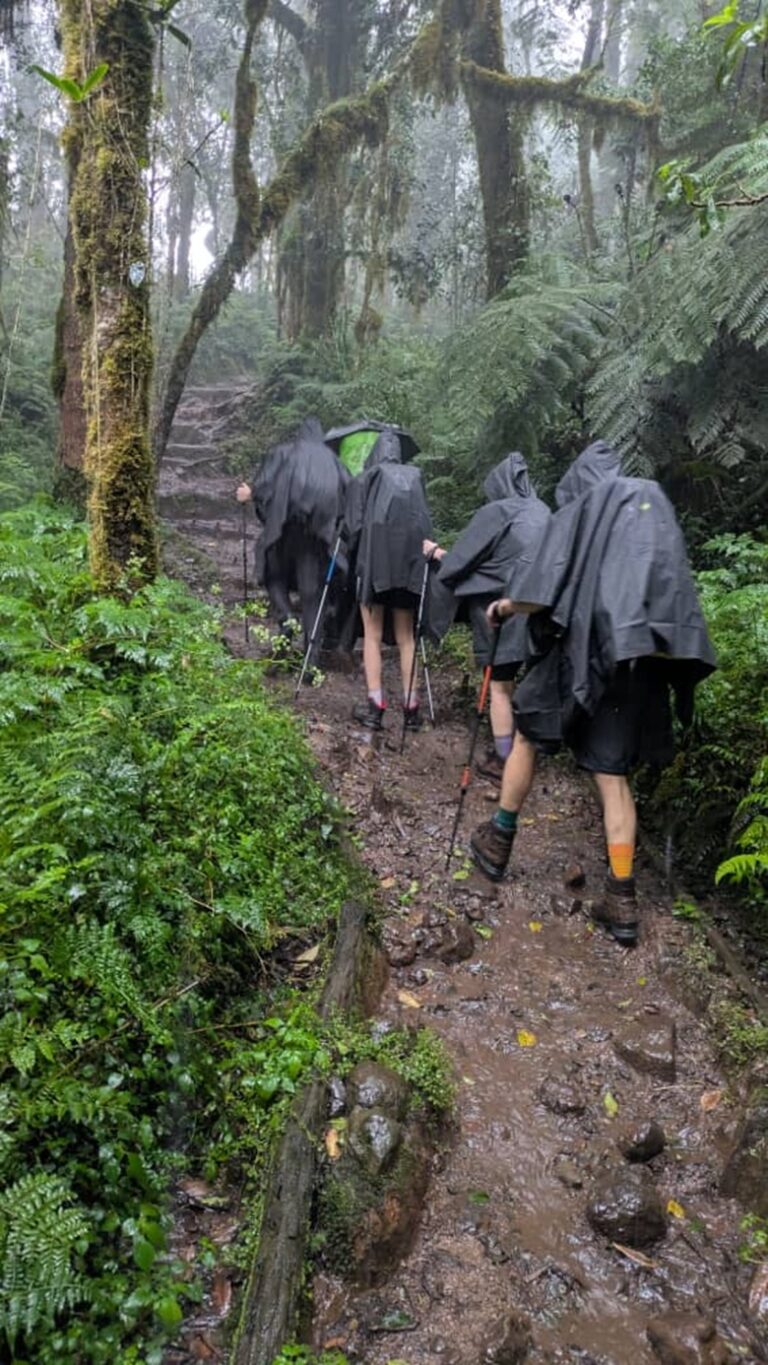
Kilimanjaro Climb With Camp Chairs And Dining Tent Guide
Elevate your Kilimanjaro climbing experience with the added comfort of camp chairs and a dining tent. This guide details the benefits, what's included, and why these amenities are...
View package details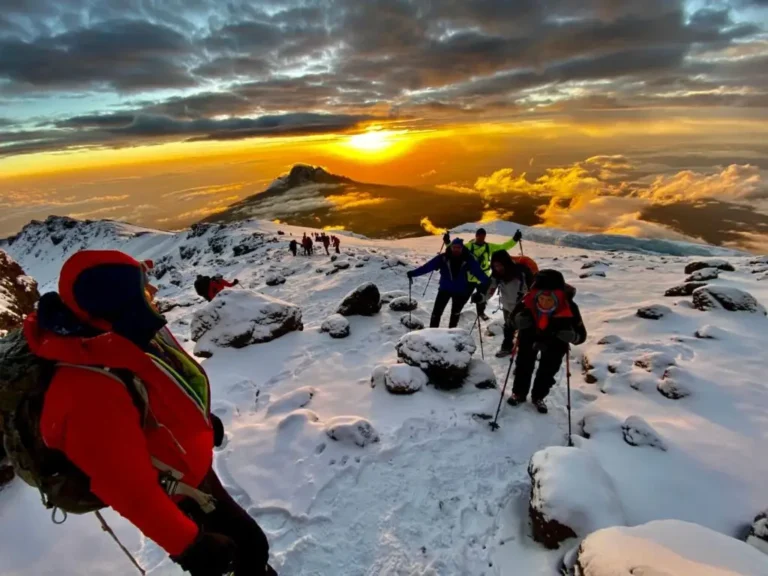
Kilimanjaro Climb With A Private Sleeping Tent: Your Ultimate Comfort Guide
Planning a Kilimanjaro climb? Discover the benefits of opting for a private sleeping tent, ensuring personal space and comfort on the mountain. This guide covers everything you need to know...
View package details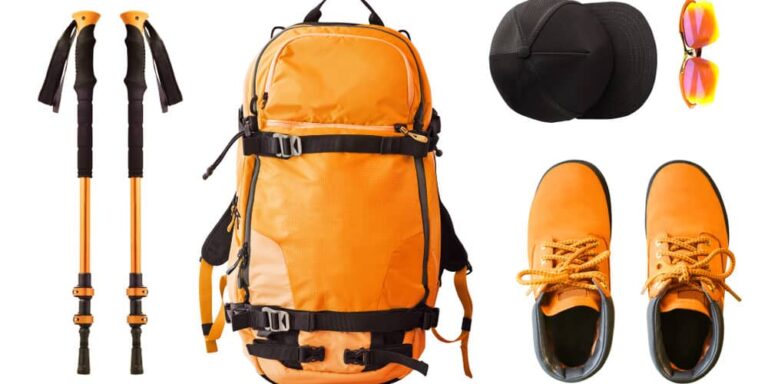
Single-Occupancy Tents On Kilimanjaro: Your Guide To Privacy And Comfort
Discover the advantages of opting for a single-occupancy tent during your Kilimanjaro climb. This guide details the benefits, costs, and booking process for solo tent arrangements, ensuring...
View package details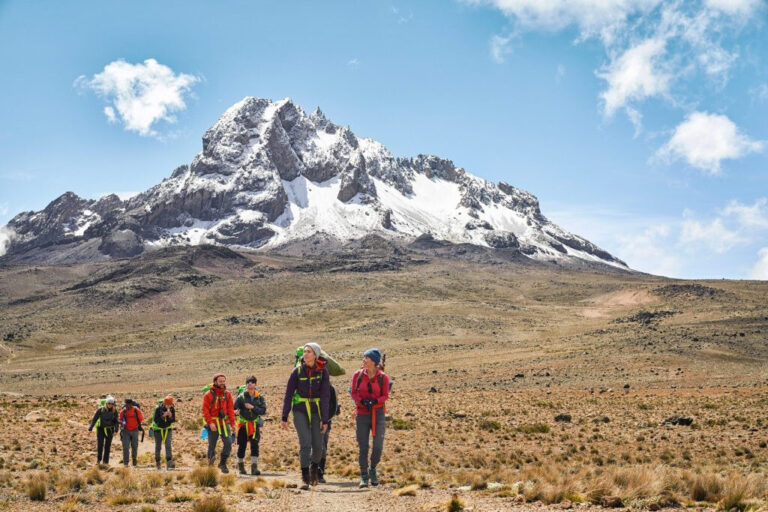
How Comfortable Are Kilimanjaro Mountain Tents? A Guide 2026-2027
Understand the comfort levels of tents used on Kilimanjaro climbs. This guide details tent types, essential features, and factors influencing your sleeping experience, crucial for planning...
View package details
How To Stay Clean During A Seven-Day Kilimanjaro Trek | Top Guide Adventures
Maintaining hygiene on Mount Kilimanjaro for seven days is achievable with the right preparation and practices. This guide details essential strategies for staying clean, from managing...
View package details
Can You Change Clothes Privately On Kilimanjaro? Guide
Discover how to maintain privacy and comfort while changing clothes during your Kilimanjaro trek. Top Guide Adventures explains the practicalities of staying clean and dignified on the...
View package details
What Happens To Human Waste On Kilimanjaro? Managing On Africas Highest Peak
Human waste on Kilimanjaro is managed through a system of collection and removal, primarily using portable toilets and waste bags, to protect the mountain's fragile ecosystem. This guide...
View package detailsHow To Use A Toilet Tent On Kilimanjaro 2026-2027
How to Use a Toilet Tent on Kilimanjaro is explained with current 2026-2027 planning, price, itinerary and booking information.
View package detailsMenstrual Care While Climbing Kilimanjaro: Expert Guide 2026-2027
Climbing Kilimanjaro while menstruating is entirely manageable with proper planning. This comprehensive guide from Top Guide Adventures offers essential advice on managing your period on...
View package details
Feminine Hygiene During A Kilimanjaro Climb 2026-2027
Feminine Hygiene during a Kilimanjaro Climb is explained with current 2026-2027 planning, price, itinerary and booking information.
View package detailsNo related package matches those filters. Clear one or more filters to see the other topic-matched options.



