
A Kilimanjaro trail-running holiday offers a unique way to experience Africa’s highest peak, combining the challenge of high-altitude trail running with the adventure of trekking. It involves covering the mountain’s lower and middle sections at a faster pace than traditional trekking, often utilizing established trails on routes like the Marangu or Machame, though custom itineraries are possible. This type of adventure requires significant physical preparation, specific gear, and expert guidance to navigate the terrain, altitude, and weather effectively, with planning for 2026-2027 now underway for adventurers seeking this ultimate challenge.
Kilimanjaro Trail-Running: An Emerging Adventure for 2026-2027
Kilimanjaro, the Roof of Africa, has long been a pinnacle for trekkers and mountaineers. However, a new breed of adventurer is emerging, seeking to conquer its slopes not just by walking, but by running. A Kilimanjaro trail-running holiday is an exhilarating fusion of endurance sport and high-altitude exploration, pushing the boundaries of what’s possible on this iconic mountain. Unlike a standard trek, trail running on Kilimanjaro involves covering significant distances at a faster pace, demanding a unique blend of cardiovascular fitness, technical trail running skills, and robust acclimatization strategies. This is not about setting speed records to the summit, but about experiencing the mountain’s diverse ecosystems through dynamic movement, covering more ground each day, and embracing a different kind of challenge. For those planning their adventures in 2026 or 2027, understanding the nuances of this specialized holiday is key to a safe and rewarding experience.
Top Guide Adventures, as one of Tanzania’s most trusted tour operators, recognizes this growing interest. While our primary expertise lies in organizing comprehensive Kilimanjaro climbs and safaris, we are equipped to help tailor experiences for the dedicated trail runner. This guide aims to provide an in-depth look at what a Kilimanjaro trail-running holiday entails, from the practicalities of training and logistics to the sheer thrill of running on the slopes of a dormant volcano. We’ll explore the best approaches, essential gear, and how to prepare for an unforgettable journey in 2026-2027 and beyond.
Why Choose Kilimanjaro for Your Trail-Running Adventure?
Kilimanjaro presents a compelling destination for trail runners for several reasons, making it a standout choice for a unique holiday in 2026-2027:
- Exceptional Altitude Gain: With its summit at 5,895 meters (19,341 feet), Kilimanjaro offers an unparalleled opportunity to train and race at extreme altitudes. This provides a significant physiological challenge and a unique training ground for high-altitude running.
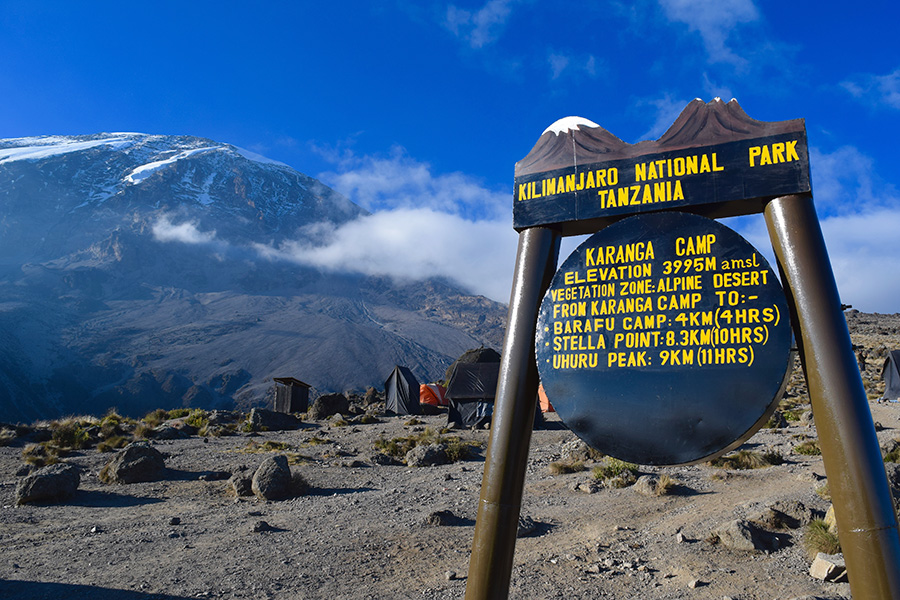
- Diverse Ecosystems: The journey from the base to the summit traverses distinct ecological zones – from lush rainforests and heather-covered moorlands to alpine deserts and the arctic summit. Running through these varied landscapes offers a constantly changing and visually spectacular experience.
- Established Infrastructure: Despite its wild nature, Kilimanjaro has well-maintained trails and established routes, supported by a network of park rangers and guides. This infrastructure is crucial for safety and logistics, even for experienced trail runners.
- Sense of Accomplishment: Combining trail running with reaching the summit of Kilimanjaro is an immense personal achievement, far exceeding the typical trail race or mountain run. It’s a test of mental fortitude and physical endurance on a global scale.
- Unforgettable Scenery: The panoramic views from Kilimanjaro’s slopes are simply impressive. Running while taking in the vast plains of the Serengeti, Mount Meru, and the expansive African sky is an experience few places on Earth can offer.
Understanding the Concept: Kilimanjaro Trail-Running vs. Traditional Trekking
It’s vital to distinguish a Kilimanjaro trail-running holiday from a standard Kilimanjaro climb. While both involve ascending the mountain, the approach, pace, and physical demands are vastly different. A traditional trek focuses on slow, steady progress to allow for acclimatization and minimize the risk of altitude sickness. The emphasis is on covering the distance safely over several days, often 5-9 days depending on the route.
A Kilimanjaro trail-running holiday, conversely, is about covering more ground more quickly, particularly on the lower and middle sections of the mountain. This does not mean a mad dash to the summit; that would be extremely dangerous due to altitude. Instead, it involves:
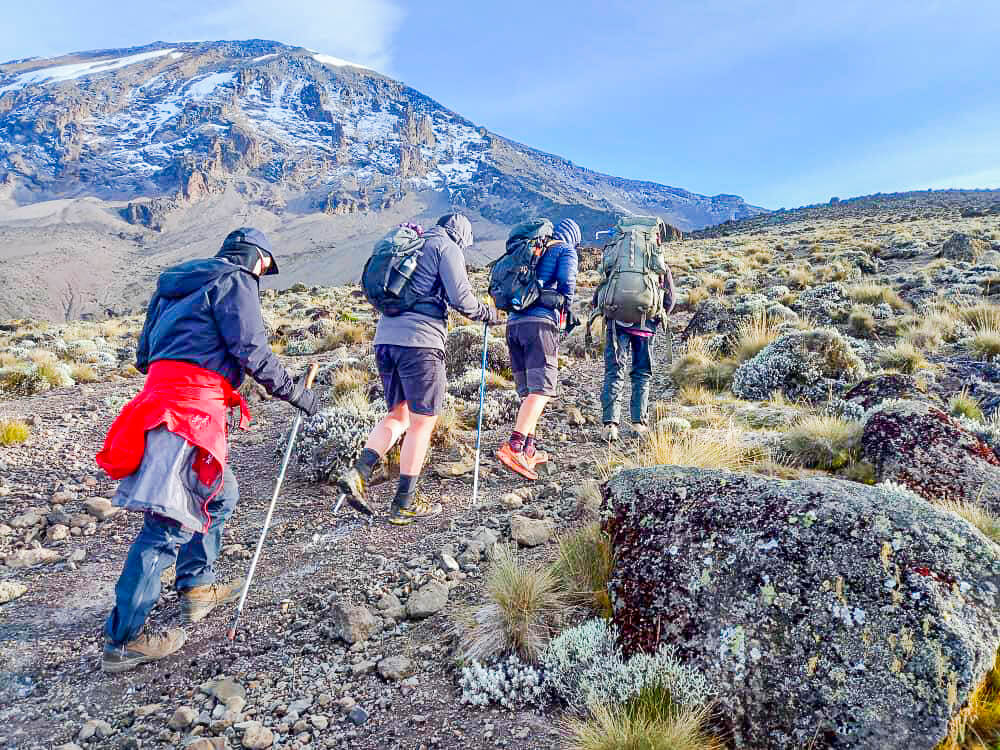
- Faster Pace: Runners will ascend sections of trails at a pace faster than typical trekking, utilizing running and power-hiking techniques.
- Reduced Itinerary Length (Potentially): While summiting safely still requires sufficient acclimatization, a trail-running approach might allow for covering the same distance in fewer days by increasing daily mileage or vertical gain. However, safety and acclimatization remain paramount, so a significantly shorter trip is unlikely without compromising safety.
- Different Gear Requirements: While some trekking gear is shared, trail running necessitates specialized footwear, hydration packs, lighter clothing, and potentially poles designed for running.
- Higher Aerobic Demands: The cardiovascular system is pushed much harder, requiring a different training regimen than that for standard trekking.
- Focus on Downhills: Descending Kilimanjaro’s trails can be as challenging as ascending, requiring technical running skills to navigate rocky, uneven terrain at speed.
It’s crucial to remember that even for trail runners, the final ascent to Uhuru Peak is typically done on foot at a slow, deliberate pace due to extreme altitude and temperature. The trail-running aspect is most applicable to the lower and middle sections of the mountain’s routes.
Choosing Your Kilimanjaro Trail-Running Route: Options for 2026-2027
Not all Kilimanjaro routes are equally suited for trail running. Some offer more runnable terrain, while others are technically challenging or too steep for sustained running. When planning your Kilimanjaro trail-running holiday for 2026-2027, consider these routes:
1. Marangu Route (Coca-Cola Route)
The Marangu route is one of the oldest and most popular routes. It’s known for its gradual ascent and distinct feature of being the only route where trekkers sleep in huts rather than tents. For trail running, it offers some runnable sections, particularly in the lower rainforest and moorland zones. However, its direct ascent means less scenic variation and a quicker path to higher altitudes, which can be a double-edged sword for acclimatization. The hut accommodation can be a benefit for recovery. While runnable, it’s not as extensively so as some other routes.
2. Machame Route (Whiskey Route)
The Machame route is highly recommended for its scenic beauty and excellent acclimatization profile, making it a strong contender for a trail-running approach. It traverses diverse landscapes, offering more varied and potentially runnable terrain, especially in the moorland and alpine desert zones. The route’s ‘climb high, sleep low’ principle aids acclimatization, which is beneficial for runners. The paths are generally well-defined, though they can be steep and rocky in places, requiring good technical running skills. This route is often preferred by those seeking a more challenging and rewarding climb, which translates well to a trail-running holiday.
Top Guide Adventures frequently organizes group departures for the Machame route, and we can assist in customizing these for trail runners. For example, our Machame Route Kilimanjaro Group Departures can be adapted.
3. Lemosho Route
The Lemosho route is considered one of the most beautiful and offers a fantastic acclimatization profile. It starts in the west and offers a wilder, more remote experience. The initial sections through the rainforest can be muddy and technical, but as you ascend into the moorland and alpine desert, the terrain becomes more runnable, with wide-open spaces. Its longer duration (typically 7-8 days) provides excellent acclimatization, which is crucial for trail runners pushing their limits. The scenic diversity is a major draw. For a Kilimanjaro trail-running holiday in 2026-2027, Lemosho presents a compelling option for those prioritizing scenery and a gradual ascent.
4. Shira Route
Similar to Lemosho, the Shira route starts in the west but begins at a higher altitude, meaning acclimatization needs careful planning. It offers stunning views and diverse terrain. The initial high-altitude start can be challenging for runners and requires immediate adaptation. While it offers some runnable sections, its higher starting point might make it less ideal for a pure trail-running focus compared to routes that start lower and build altitude more gradually.
5. Rongai Route
The Rongai route approaches Kilimanjaro from the north, near the Kenyan border. It’s known for its drier conditions and is a good option during the rainy seasons. The terrain is generally less steep and offers more gradual ascents, which can translate to more runnable sections, especially in the moorland zone. It’s often considered a less crowded option. For runners looking for a potentially less technical and more consistently runnable path on the ascent, Rongai is worth considering for their 2026-2027 adventure.
6. Umbwe Route
The Umbwe route is the most direct and steepest route. It is also the most challenging, with a rapid ascent that offers poor acclimatization. While it might offer some very short, steep runnable sections, it is generally considered too steep and technically demanding for sustained trail running and is primarily for experienced trekkers seeking a tough challenge. It is not recommended for a trail-running holiday due to its steepness and poor acclimatization profile.
Custom Trail-Running Itineraries
For the most dedicated trail runners, Top Guide Adventures can work with you to create a custom Kilimanjaro trail-running holiday itinerary. This might involve combining elements of different routes or focusing on specific sections for running days, while still ensuring adequate rest and acclimatization. This personalized approach is ideal for those with specific goals for their 2026-2027 adventure.
Training for Your Kilimanjaro Trail-Running Holiday
Conquering Kilimanjaro via trail running requires a significantly more rigorous training regimen than for a standard trek. Your preparation needs to address cardiovascular endurance, muscular strength, high-altitude adaptation, and technical trail running skills. Start your training at least 6-12 months in advance, especially for a 2026-2027 booking.
Cardiovascular Endurance
This is paramount. You need to build a strong aerobic base. Focus on:
- Long Runs: Gradually increase the duration and distance of your weekly long runs. Aim to build up to running for 3-4 hours consistently.
- Hill Repeats: Incorporate frequent hill training into your routine. Find steep inclines and practice running uphill for sustained periods, and then running downhill with control. This mimics Kilimanjaro’s terrain.
- Tempo Runs: These runs at a comfortably hard pace help improve your lactate threshold, allowing you to sustain a faster pace for longer.
- Interval Training: High-intensity interval training (HIIT) can boost your VO2 max and overall running efficiency.
Strength Training
Running uphill and downhill on uneven terrain puts immense stress on your legs, core, and upper body. Focus on:
- Leg Strength: Squats, lunges, deadlifts, calf raises.
- Core Strength: Planks, Russian twists, leg raises. A strong core is vital for stability on uneven ground and efficient power transfer.
- Upper Body Strength: Push-ups, pull-ups, rows. This helps with balance and using trekking poles effectively if you choose to use them.
Altitude Training (If Possible)
The best way to train for altitude is to spend time at altitude. If you live near mountains, incorporate regular runs at higher elevations. If not, consider:
- Altitude Training Camps: Some facilities offer simulated altitude environments.
- Back-to-Back Long Runs: Running long distances on consecutive days can simulate the fatigue associated with multiple days at altitude.
- Simulated Mountain Runs: If you have access to steep trails, practice running for extended periods with significant elevation gain and loss.
Technical Trail Skills
Kilimanjaro’s trails can be rocky, uneven, and sometimes slippery. Practice running on varied terrain:
- Downhill Running Technique: Learn to descend efficiently and safely, maintaining balance and control.
- Obstacle Navigation: Practice running over roots, rocks, and loose scree.
- Hiking Poles: Consider training with trail running poles, which can aid balance and reduce strain on your legs, especially on steep ascents and descents.
Acclimatization Strategy
Even with excellent fitness, altitude sickness is a risk. Your training should prepare your body, but the holiday itinerary is critical for acclimatization. A longer itinerary (7-9 days) is highly recommended for trail runners to allow for gradual ascent and adaptation. Prioritize routes known for good acclimatization profiles like Machame or Lemosho.
Essential Gear for a Kilimanjaro Trail-Running Holiday
Packing for a Kilimanjaro trail-running holiday requires careful consideration, blending trail running essentials with the necessities for high-altitude mountaineering. You’ll need gear that is lightweight, durable, and suitable for extreme temperature fluctuations.
Footwear
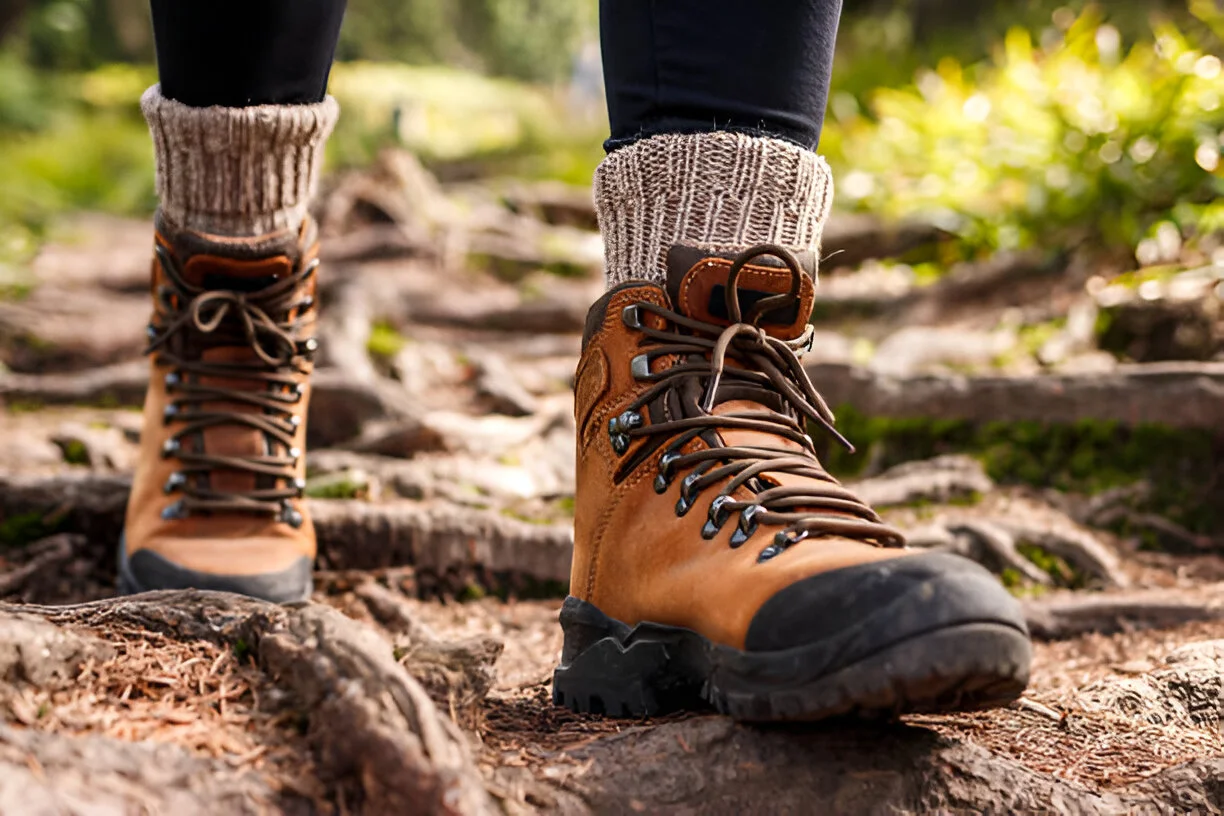
- Trail Running Shoes: Lightweight, breathable shoes with excellent grip are essential. Consider bringing two pairs in case one gets wet or damaged. Ensure they are well broken-in.
- Hiking Boots (Optional but Recommended): For the summit night and potentially the descent, sturdy hiking boots might offer better ankle support and protection. However, many trail runners prefer to stick with their shoes.
- Socks: Several pairs of moisture-wicking wool or synthetic socks.
Clothing (Layering System)
- Base Layers: Moisture-wicking synthetic or merino wool tops and bottoms.
- Mid Layers: Fleece jacket
Check Availability for Kilimanjaro Trail-Running Holiday 2026-2027
Ready to compare dates, prices, and the best option for your group? Send the package name and travel month so the team can reply with a clear quote, availability, and what is included.
12 closely related packages
Kilimanjaro Family Holiday While One Person Climbs Guide
Organizing a Kilimanjaro family holiday with a mix of climbers and non-climbers requires careful planning. This guide details how to create a memorable trip for everyone in 2026-2027...
View package details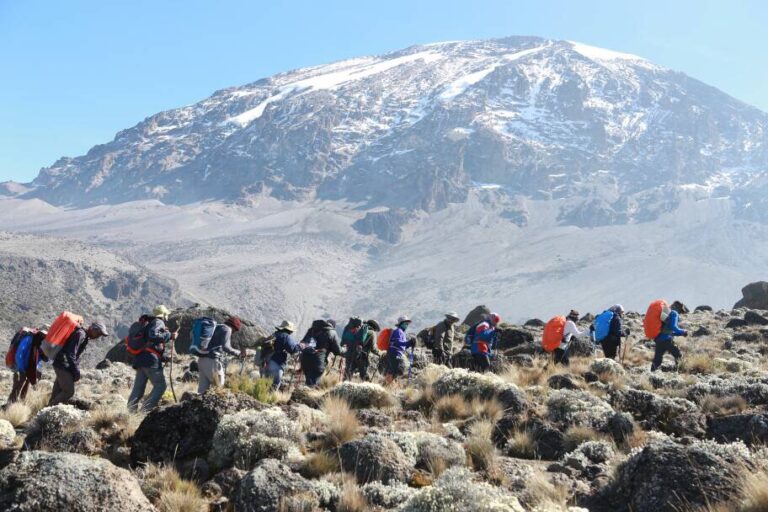
Kilimanjaro High-Altitude Running Camp: Training, Itinerary & Expert Guide
Prepare for peak performance on Kilimanjaro with a specialized high-altitude running camp. This comprehensive guide covers training protocols, ideal routes, essential gear, and expert...
View package details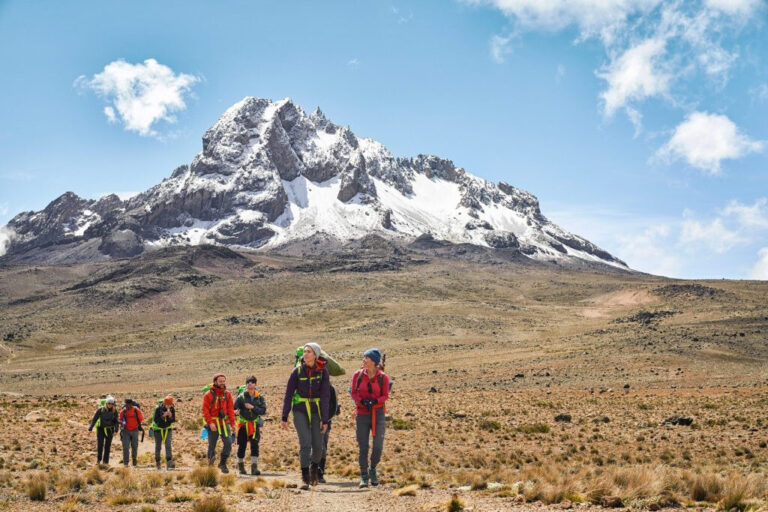
Kilimanjaro Marathon And Zanzibar Holiday: The Ultimate Combination Adventure
Experience the thrill of conquering Mount Kilimanjaro and the Kilimanjaro Marathon, followed by the serene beauty of a Zanzibar beach holiday. This guide details how to combine these...
View package details
What Is The Kilimanjaro Summit Sign Like? Your Complete Guide 2026-2027
The Kilimanjaro summit sign is a recognizable metal signpost at Uhuru Peak, marking the highest point on the continent. Reaching it signifies the culmination of a challenging trek, offering...
View package details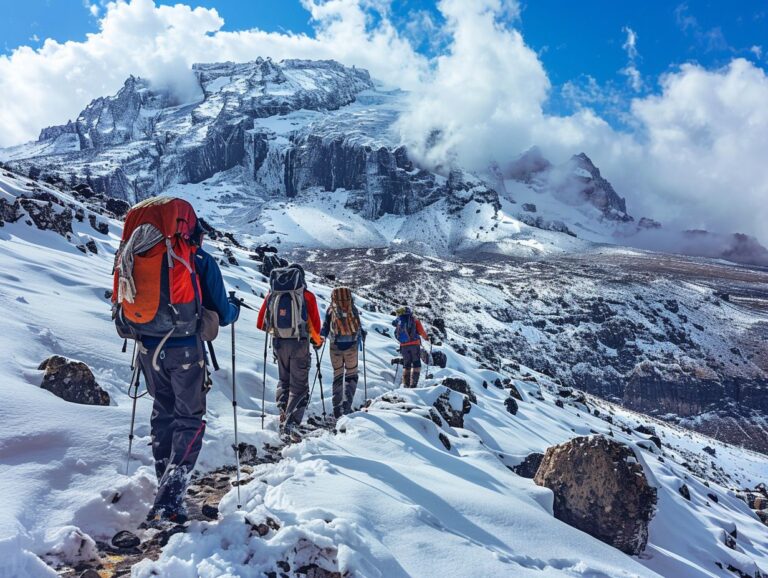
Where Do You Receive Your Kilimanjaro Certificate? A Complete Guide 2026-2027
Upon successfully summiting Mount Kilimanjaro, you'll receive your commemorative certificate at the mountain's base, typically in Moshi or Arusha, shortly after descending. This guide...
View package details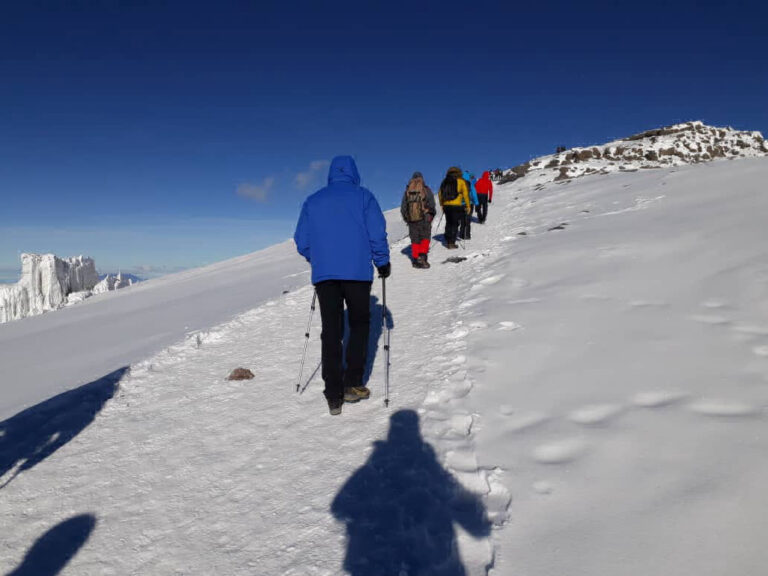
What Happens At Mweka Gate After Your Kilimanjaro Climb? 2026-2027
Your Kilimanjaro adventure culminates at Mweka Gate. Learn about the descent, certificate ceremony, post-climb celebrations, and what to expect logistically upon reaching the base.
View package details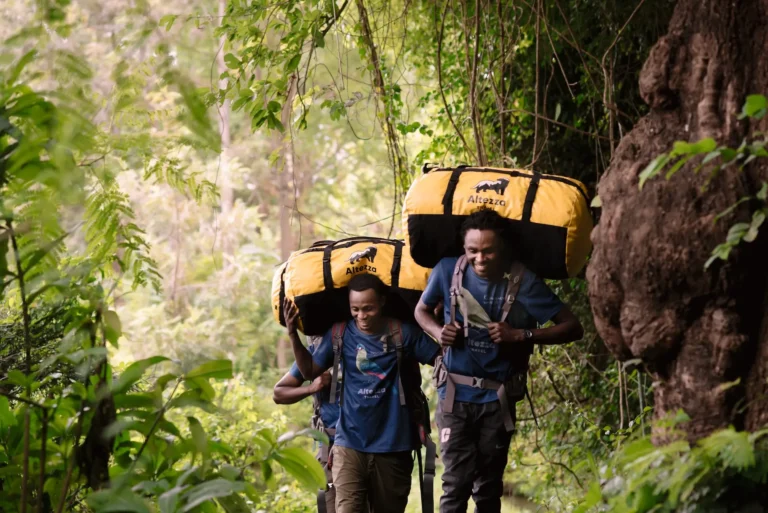
How Long Does It Take To Descend Kilimanjaro? 2026-2027
How Long Does It Take to Descend Kilimanjaro? is explained with current 2026-2027 planning, price, itinerary and booking information.
View package details
Why Do Kilimanjaro Climbers Descend Via Mweka? 2026-2027
Why Do Kilimanjaro Climbers Descend via Mweka? is explained with current 2026-2027 planning, price, itinerary and booking information.
View package details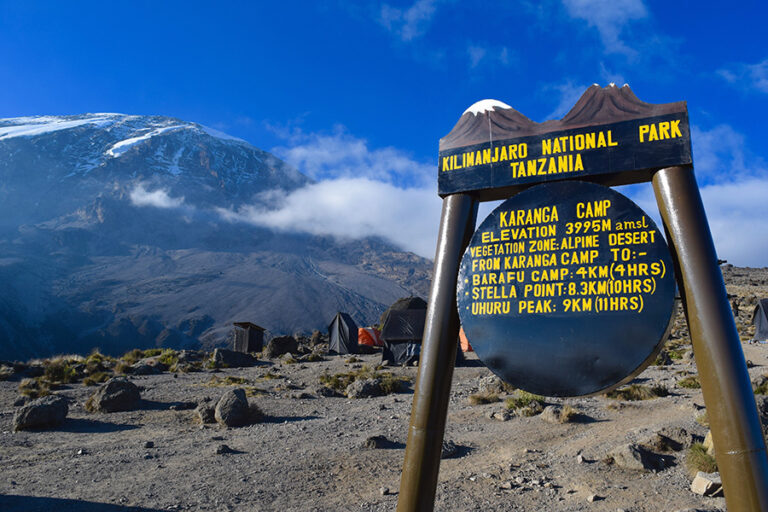
What Is Kosovo Camp On Kilimanjaro? 2026-2027
What Is Kosovo Camp on Kilimanjaro? is explained with current 2026-2027 planning, price, itinerary and booking information.
View package details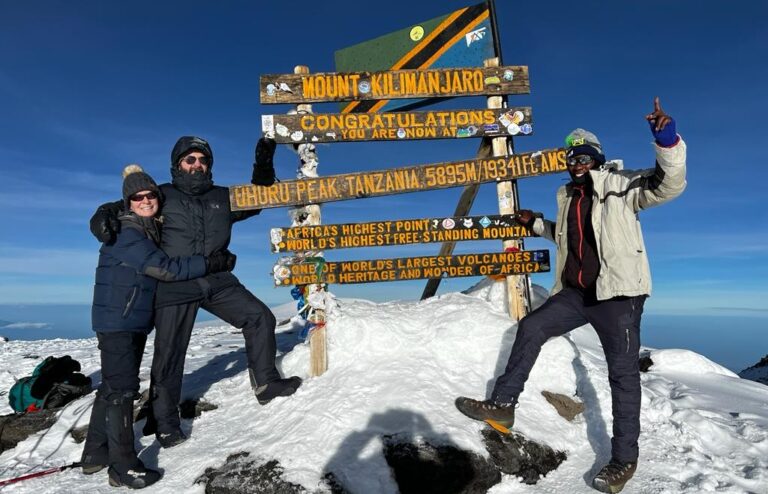
How Long Does It Take To Climb The Barranco Wall On Kilimanjaro? 2026-2027
The Barranco Wall, a highlight of Kilimanjaro climbs, typically takes between 3 to 5 hours to ascend. This challenging yet rewarding section requires scrambling and careful navigation, with...
View package details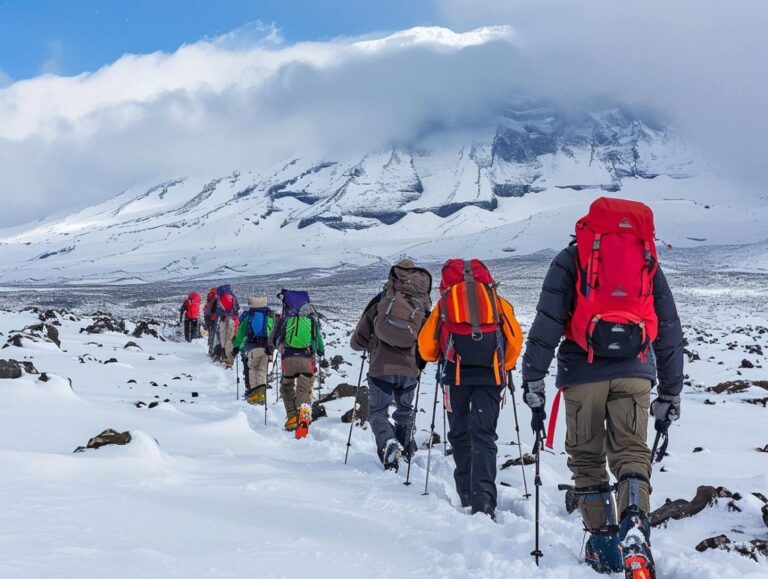
Do You Need Ropes On The Barranco Wall? Kilimanjaro Climb Essentials 2026-2027
The Barranco Wall is a famous Kilimanjaro landmark. While not technically requiring ropes for all climbers, its steep and challenging sections often lead to discussions about safety and...
View package details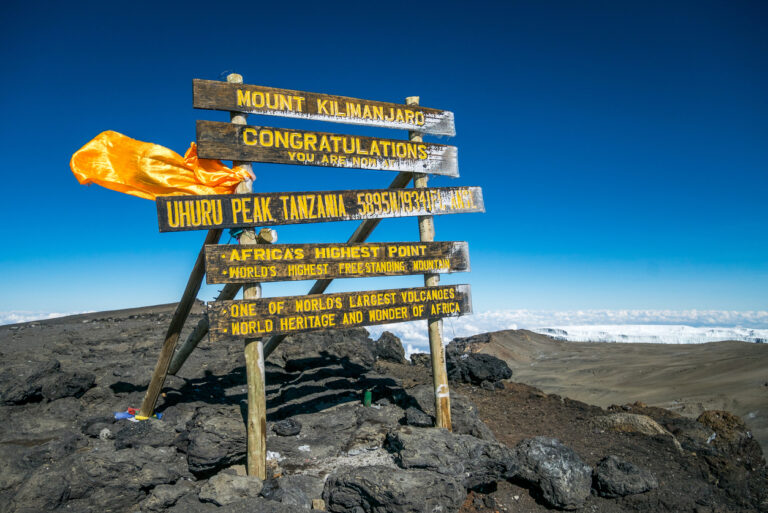
Kilimanjaro Emergency Contact And Family Communication Plan For Trekkers
Planning a Kilimanjaro climb is an incredible adventure. A crucial, yet often overlooked, aspect of preparation is establishing a robust emergency contact and family communication plan...
View package detailsNo related package matches those filters. Clear one or more filters to see the other topic-matched options.



