
The descent from Kilimanjaro typically takes between 1 to 3 days, depending on the route chosen and individual factors. While the ascent is about acclimatization and reaching the summit, the descent requires careful planning for safety and comfort. Shorter routes often mean a faster descent, but this can compromise acclimatization and increase risks.
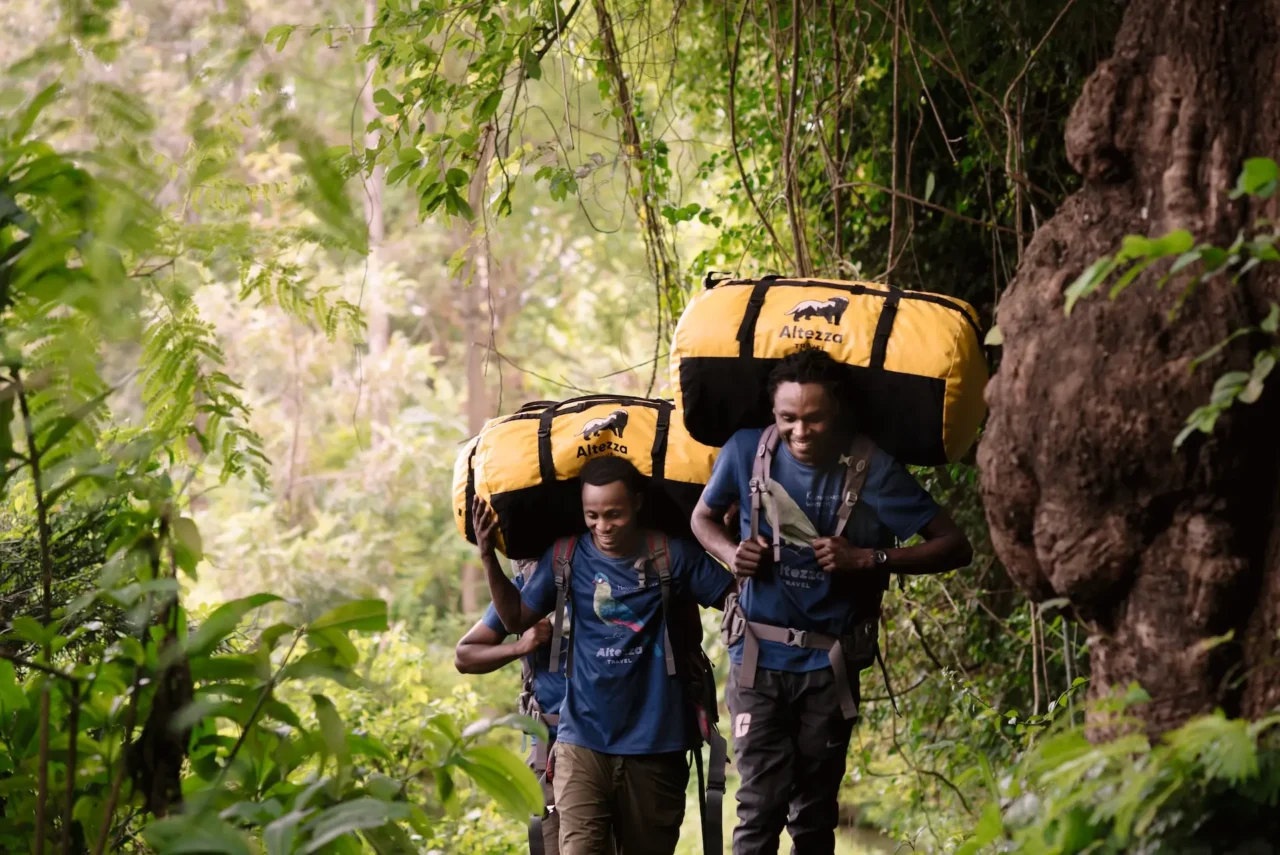
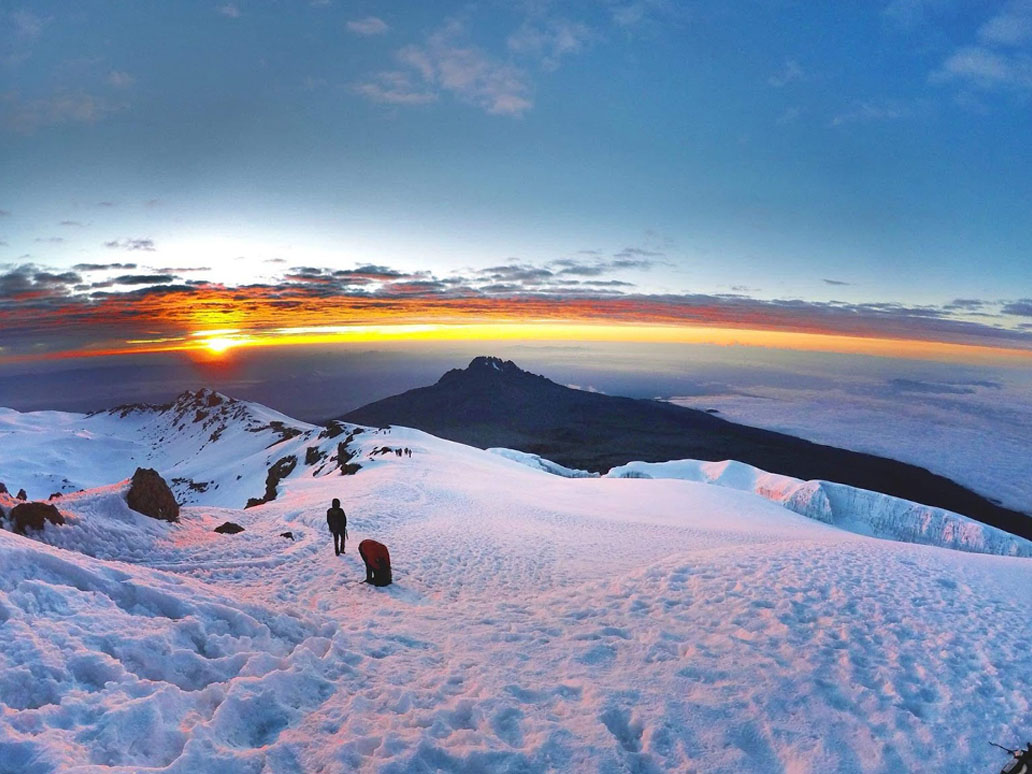
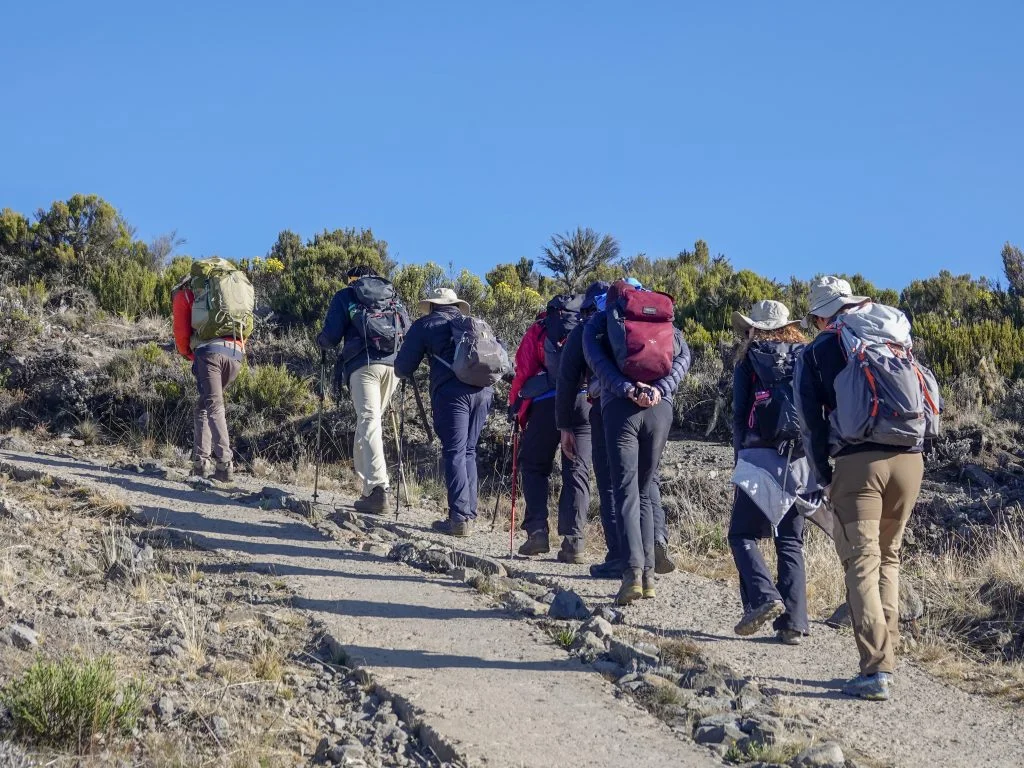
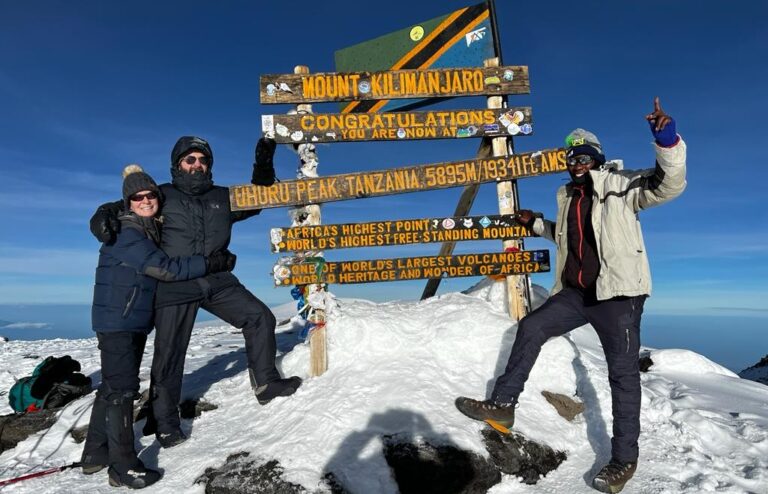
Reaching Uhuru Peak on Mount Kilimanjaro is an extraordinary achievement, but the journey isn’t over until you’re safely back at the base. Many trekkers focus intensely on the ascent, understandably so, but the descent is just as critical and often underestimated. Understanding how long it takes to descend Kilimanjaro is vital for planning your trip, managing expectations, and ensuring a safe return.
The time required for the descent varies significantly based on the route you take, your physical condition, weather, and the overall itinerary length. Some routes are designed for quicker descents, while others prioritize acclimatization and a more gradual return to lower altitudes, which is generally safer. This guide will break down the descent times for each major Kilimanjaro route, explore the factors influencing your speed, and offer practical advice for a successful return journey.
Understanding the Descent: It’s Not Just Downhill
While it might seem straightforward – you’ve reached the top, now you just walk down – the Kilimanjaro descent is a complex phase of the trek. Your body has been pushed to its limits, and the rapid change in altitude can present challenges. Unlike the slow, steady ascent aimed at acclimatization, the descent is often faster, but speed needs to be balanced with caution. Several factors influence how long the descent takes:
- Route Choice: This is the most significant factor. Some routes are inherently longer and involve more gradual descents, while others are shorter and lead to a quicker exit from the mountain.
- Itinerary Length: Longer itineraries usually incorporate more days for acclimatization, which often means a more spread-out descent. Shorter itineraries, while appealing for time savings, can lead to a more rapid descent.
- Physical Condition: How well your body has coped with the altitude and the physical exertion of the ascent plays a huge role. Fatigue, muscle soreness, and any lingering altitude sickness symptoms can slow you down.
- Weather Conditions: Descent trails can be slippery, especially when wet. Rain, mud, or ice can significantly slow your pace and increase the risk of falls.
- Group Pace: Trekkers often descend as a group, with the pace set by the slowest member or the guide’s decision to ensure safety.
- Gear and Footwear: Proper hiking boots with good grip are essential for the descent. Worn-out soles or ill-fitting boots can lead to slips and injuries, slowing you down.
Descent Times by Kilimanjaro Route
Each of Kilimanjaro’s main trekking routes has a typical itinerary that includes both ascent and descent days. The descent portion of these itineraries dictates the overall time spent on the mountain. It’s important to remember that these are general guidelines, and actual times can vary.
Marangu Route (Coca-Cola Route)
The Marangu Route is unique as it’s the only route offering dormitory-style accommodation in huts and is the only route where descent is typically completed in just 2 days. While the ascent can take 5 to 7 days, the descent is fast:
- Ascent: 5-7 days
- Descent: Usually 2 days (one day from Kibo Hut to Mandara Hut, and another from Mandara Hut to Marangu Gate).
The descent on Marangu is rapid because the trail is well-maintained and wide, allowing for a quicker pace. However, this speed means less time for acclimatization on the way down, and the steepness can be tough on the knees. Many climbers opt for a 6-day ascent to better manage the altitude before the quick descent.
Machame Route (Whiskey Route)
The Machame Route is one of the most popular and scenic routes, known for its excellent acclimatization profile. Its descent is typically completed over 2 days as part of a 6 or 7-day itinerary.
- Ascent: 6-7 days
- Descent: Usually 2 days (one day from Barafu Camp to Millennium Camp or Mweka Camp, and another from the lower camp to Mweka Gate).
The descent from Barafu Camp to Mweka Gate is usually done in one long day, often with an overnight stop at Millennium Camp (on a 7-day itinerary) or Mweka Camp (on a 6-day itinerary) to break up the journey. This allows for a less strenuous final day. The descent path from Barafu Camp is steep and can be challenging, especially after the summit push.
Lemosho Route
The Lemosho Route is renowned for its beauty and high summit success rates, largely due to its gradual acclimatization. It typically takes 7 to 8 days, with the descent taking approximately 2 days.
- Ascent: 7-8 days
- Descent: Usually 2 days (from Kibo/Barafu Camp to Millennium/Mweka Camp, then to Mweka Gate).
Similar to Machame, the descent on Lemosho involves trekking from the high camp (Kibo or Barafu) down to a lower camp (Millennium or Mweka) before the final push to Mweka Gate. This two-day descent strategy helps manage fatigue and allows for a more relaxed final day on the mountain.
Shira Route
The Shira Route is similar to Lemosho but starts at a higher altitude. It also typically takes 7 to 8 days, with the descent portion lasting around 2 days.
- Ascent: 7-8 days
- Descent: Usually 2 days (from Kibo/Barafu Camp to Millennium/Mweka Camp, then to Mweka Gate).
The descent on the Shira Route follows the same path as the Lemosho Route’s latter stages, utilizing camps like Millennium or Mweka before reaching Mweka Gate. The descent is managed over two days to ensure safety and comfort after the demanding summit attempt.
Rongai Route
The Rongai Route approaches Kilimanjaro from the north, making it a good option during the rainy seasons. It’s generally a 6 or 7-day trek, with the descent taking about 1 to 2 days.
- Ascent: 6-7 days
- Descent: Usually 1-2 days (from Kibo Camp to Horombo Hut, then to Marangu Gate).
The descent on Rongai typically involves trekking from Kibo Camp down to Horombo Hut, where climbers might spend a night. The final day is a descent from Horombo Hut to Marangu Gate. A 7-day itinerary allows for a more leisurely descent with a stop at Horombo Hut. A 6-day itinerary might combine the descent from Kibo to Marangu Gate in one very long day, which is less common and more strenuous.
Northern Circuit
The Northern Circuit is the longest and arguably most scenic route, offering a full 360-degree circuit of the mountain. It typically takes 9 to 10 days, with a descent that is usually spread over 2 days.
- Ascent: 9-10 days
- Descent: Usually 2 days (from Kibo/Barafu Camp to Mweka Camp, then to Mweka Gate).
The extended duration of the Northern Circuit means excellent acclimatization. The descent follows the same path as the Lemosho and Shira routes towards the end, typically involving a stop at Mweka Camp before reaching Mweka Gate. This longer trek allows for a more relaxed descent.
Umbwe Route
The Umbwe Route is the shortest and steepest route, making it the most challenging. It is not recommended for most trekkers due to its rapid ascent and poor acclimatization. It usually takes 5 to 7 days, with a descent that can be done relatively quickly, often in 1 to 2 days.
- Ascent: 5-7 days
- Descent: Usually 1-2 days (from Barranco/Barafu Camp to Mweka Camp, then to Mweka Gate).
Given the route’s difficulty and the high risk of altitude sickness, climbers on Umbwe often opt for longer itineraries (6-7 days) to allow for better acclimatization, which indirectly influences the descent. The descent itself is usually managed over two days to reduce strain on tired bodies, often involving a stop at Mweka Camp.
Key Takeaway on Descent Duration
Most Kilimanjaro routes, excluding the very direct Marangu descent, involve a 2-day descent from the summit area high camps down to the Mweka Gate (for western routes) or Marangu Gate (for eastern routes). The Marangu Route is the exception, often descending in 1-2 days directly from Kibo Hut. The total time spent on the mountain for a trek is therefore dictated by the ascent itinerary, with the descent being a standard 1-3 day phase within that overall plan.
Factors Influencing Your Descent Speed and Time
Beyond the route itself, several personal and environmental factors can influence how long your Kilimanjaro descent takes. Understanding these can help you prepare mentally and physically.
1. Physical and Mental Fatigue
After days of trekking, often including a grueling summit night, your body will be exhausted. Muscle fatigue, joint pain (especially in knees and ankles), and general weariness are common. This fatigue naturally slows your pace. Mentally, the drive to reach the summit is replaced by the desire to simply get back to comfort, but the physical toll can make even a simple walk feel arduous.
2. Knee and Joint Strain
The descent puts significant stress on your knees and ankles. Walking downhill, especially on steep and uneven terrain, can be much harder on your joints than walking uphill. For those with pre-existing knee issues, this can be particularly challenging and slow them down considerably. Using trekking poles is highly recommended to alleviate some of this pressure.
3. Weather Conditions on the Descent
The weather on Kilimanjaro can change rapidly. While you might have enjoyed clear skies on your ascent, the descent can bring rain, mist, or even snow, especially at higher elevations. Wet trails become muddy and slippery, drastically reducing your walking speed and increasing the risk of falls. Proper waterproof gear and sturdy, grippy footwear are crucial.
4. Trail Conditions
The quality and maintenance of the descent trails vary. Some are wide, well-trodden paths, while others are narrow and rocky. Loose scree (small stones) on certain sections can make footing unstable, requiring careful steps and slowing progress. The Mweka trail, often used for descents, is known for its steepness and can be challenging.
5. Altitude Sickness (Residual Effects)
While the goal of the descent is to leave the altitude behind, some individuals may still experience mild symptoms of altitude sickness, especially if they ascended too quickly or are particularly sensitive. Headaches, nausea, or dizziness can make walking difficult and necessitate a slower pace. It’s crucial to communicate any symptoms to your guide.
6. Group Dynamics and Pace Setting
Your descent pace will likely be influenced by your group and guides. Guides are responsible for the safety of everyone. They will set a pace that is manageable for the slowest member of the group, ensuring no one is left behind or pushed too hard. This can sometimes mean a slower descent than an individual might prefer.
7. Final Day Logistics
The final day of descent often involves a long walk from the last camp to the park gate. This day can feel particularly long due to accumulated fatigue. The anticipation of reaching the gate, receiving your certificates, and enjoying a hot meal can be a motivator, but the physical reality of the distance and terrain remains.
Comparing Descent Strategies: Quick vs. Gradual
The choice of route and itinerary length directly impacts the descent strategy. Some operators and routes prioritize a quicker exit, while others build in more recovery time.
The Quick Descent (e.g., Marangu 5-day)
A quicker descent, like that often experienced on a 5-day Marangu trek, means covering more ground in fewer days. This can be appealing if you’re short on time or eager to finish. However, it comes with significant drawbacks:
- Pros: Saves time, can feel rewarding to finish quickly.
- Cons: Higher risk of altitude sickness due to less acclimatization on ascent, increased strain on joints and muscles during descent, less time to enjoy the scenery on the way down, higher chance of injury due to fatigue.
The Gradual Descent (e.g., Lemosho 7-day, Northern Circuit 9-day)
A more gradual descent, usually incorporated into longer itineraries, involves breaking the journey down into more manageable stages. This is typically achieved by spending an extra night at a lower camp (like Millennium Camp or Mweka Camp) before the final push to the gate.
- Pros: Reduced risk of altitude sickness (due to better acclimatization on ascent), less strain on the body during descent, more opportunities to enjoy the changing landscapes, lower risk of injury, more comfortable final day.
- Cons: Requires more days allocated to the trek, may feel slower if you’re eager to finish.
At Top Guide Adventures, we strongly recommend longer itineraries (6 days or more for most routes) to prioritize safety and success. The extra day significantly improves acclimatization and allows for a more comfortable and enjoyable descent in 2026 and 2027. While a 5-day Marangu climb is possible, a 6 or 7-day option is always preferable for a better overall experience.
Is a Faster Descent Always Better?
No. A faster descent is generally not better. While it might seem appealing to finish sooner, the risks associated with a rapid descent, especially after a challenging ascent, are substantial. Prioritizing safety and proper acclimatization through a well-planned itinerary is paramount for a successful Kilimanjaro climb.
Preparing for the Descent: Tips for a Safe and Efficient Return
A well-prepared descent is crucial for your health and enjoyment. Here are some key tips:
1. Hydration and Nutrition
Continue to drink plenty of water and eat nutritious food, even though you’re heading down. Your body still needs fuel and hydration to recover and manage the physical demands of the descent. Avoid dehydrating substances like excessive caffeine or alcohol.
2. Use Trekking Poles
Trekking poles are invaluable for the descent. They help distribute the load from your knees and ankles, improve stability on slippery terrain, and can prevent falls. Ensure you know how to adjust and use them correctly.
3. Wear Appropriate Footwear
Your hiking boots should have excellent grip. Ensure they are well broken-in to avoid blisters. Lacing your boots tightly can provide better ankle support and prevent your foot from sliding forward on steep descents.
4. Pace Yourself
Don’t rush. Listen to your body and your guides. Take short breaks when needed. It’s better to descend slowly and safely than to risk injury by rushing.
5. Stay Aware of Your Surroundings
Pay attention to the trail. Look out for loose rocks, tree roots, and slippery patches. The scenery on the descent is different from the ascent, and it’s easy to get distracted, but maintaining focus on your footing is essential.
6. Communicate with Your Guide
Inform your guide immediately if you experience any pain, discomfort, or symptoms of altitude sickness. They are trained to assess your condition and make necessary adjustments to the pace or plan.
7. Pack Light for the Descent
While your main luggage will be waiting for you at the hotel, your daypack for the descent should contain essentials: water, snacks, rain gear, a warm layer, sunscreen, and a first-aid kit. Keeping your daypack manageable reduces strain.
8. Celebrate Responsibly
Once you reach the gate, you’ll likely want to celebrate! However, be mindful of your depleted energy levels. Hydrate well and eat a good meal before consuming alcohol. Your body is still recovering.
The Summit Night and its Impact on Descent
The summit night is the most demanding part of the entire climb. Ascending to Uhuru Peak in the dark, often in extreme cold and on steep scree, is physically and mentally taxing. This significant exertion has a direct impact on your ability to descend.
- Extreme Fatigue: By the time you reach the summit and begin descending, you will likely be running on fumes. This deep fatigue makes controlling your steps harder and increases the risk of stumbles.
- Cold Exposure: The summit is often extremely cold, and prolonged exposure can leave you feeling stiff and slow.
- Lack of Sleep: Summit night typically involves waking up around midnight, hiking for 6-8 hours, reaching the summit, and then descending for another 3-4 hours. This means minimal sleep and prolonged wakefulness.
- Dehydration and Malnutrition: It’s challenging to eat and drink adequately during the summit push, leading to depleted energy reserves.
Because of this, the descent from Kibo or Barafu Camp (the high camps) is often broken into two days. The first day involves descending from the high camp to a mid-altitude camp like Millennium or Mweka. This allows for some rest and recovery before the final descent to the park gate on the second day. This two-day descent is standard practice on routes like Machame, Lemosho, Shira, and Northern Circuit, and is a crucial safety measure.
Why Longer Itineraries Mean Better Descents
Choosing a longer itinerary, such as a 7-day Machame or Lemosho climb, is often the key to a more comfortable descent. These itineraries build in an extra day, usually at a lower camp like Millennium Camp. This extra day allows your body to recover significantly after the summit push before tackling the final descent to Mweka Gate. It means you’re not descending from high altitude camps while completely depleted, leading to a safer, more controlled, and less painful final day on the mountain.
The Role of Guides and Porters in the Descent
Your mountain crew plays an indispensable role during the descent, perhaps even more so than during the ascent.
- Pace Setting: Guides carefully manage the group’s pace, ensuring it’s safe and sustainable for everyone.
- Trail Navigation: They know the trails intimately and can guide you through challenging sections, pointing out hazards.
- First Aid: Guides are trained in wilderness first aid and can manage minor injuries or symptoms of altitude sickness that may arise during the descent.
- Morale Boosting: The descent can be mentally tough. Guides and porters offer encouragement and support to keep spirits high.
- Assistance: Porters often carry heavier loads, allowing you to focus on your footing. They can also provide a helping hand if you stumble.
The support from your Top Guide Adventures team is crucial. Our guides are experienced professionals who prioritize your safety and well-being throughout the entire trek, including the critical descent phase. We plan itineraries that allow for adequate acclimatization, which directly contributes to a smoother and safer descent for our clients in 2026 and 2027.
Common Descent Injuries and How to Avoid Them
The descent is a prime time for injuries due to fatigue and challenging terrain. Awareness is the first step to prevention.
- Ankle Sprains: Twisted ankles are common on uneven, rocky, or slippery trails.
- Knee Pain (Patellofemoral Pain Syndrome): The repetitive impact of downhill walking can cause significant knee pain.
- Blisters: Poorly fitting boots or damp socks can lead to painful blisters, making walking difficult.
- Falls and Scrapes: Slips and trips can result in bruises, cuts, and more serious injuries.
- Muscle Strains: Overexertion and fatigue can lead to strains in the legs and back.
To avoid these:
- Use trekking poles.
- Ensure proper boot fit and lacing.
- Take your time and watch your footing.
- Stay hydrated and fueled.
- Communicate any discomfort to your guide immediately.
- Consider pre-trek exercises focusing on leg strength and balance.
Post-Descent: Recovery and What to Expect
Once you reach the Mweka or Marangu Gate, the descent is complete, but your body still needs time to recover.
- Immediate Aftermath: You’ll receive your climbing certificates and likely head back to your hotel in Moshi or Arusha. Expect to feel extremely tired, sore, and possibly a bit dehydrated.
- First Night: Sleep is often deep and restorative. You might feel stiff upon waking.
- Next Few Days: Muscle soreness will gradually subside. You might experience some lingering fatigue. It’s important to rest, rehydrate, and eat well. Gentle movement can aid recovery, but strenuous activity should be avoided for a few days.
- Altitude Readjustment: Your body will readjust to lower altitudes. Some people report feeling slightly “off” for a day or two as their system recalibrates.
A hot shower, a comfortable bed, and good food are the best rewards after descending Kilimanjaro. Most trekkers feel significantly recovered within 2-3 days, ready to continue their Tanzanian adventures or head home.
Planning Your Kilimanjaro Descent in 2026-2027
When planning your Kilimanjaro climb for 2026 or 2027, consider the descent as an integral part of the experience. Don’t let the focus solely be on reaching the summit.
- Choose the Right Route: Opt for routes known for good acclimatization (Machame, Lemosho, Northern Circuit) and longer itineraries (6+ days).
- Book with Experienced Operators: Companies like Top Guide Adventures have a proven track record of safe and successful climbs, with well-planned descent strategies.
- Prepare Physically: Train your legs, core, and cardiovascular system. Practice hiking on varied terrain.
- Pack Wisely: Ensure you have good boots, trekking poles, and waterproof gear.
- Manage Expectations: Understand that the descent can be challenging, even if it’s faster than the ascent.
Understanding how long it takes to descend Kilimanjaro is more than just knowing the number of days. It’s about appreciating the physical demands, the route variations, and the importance of a well-planned return journey. By choosing wisely and preparing thoroughly, you can ensure your descent is as safe and successful as your climb.
Ready to plan your Kilimanjaro adventure for 2026 or 2027? Top Guide Adventures offers expertly guided climbs with a strong emphasis on safety and client experience. We can help you choose the best route and itinerary to ensure a memorable journey, including a safe and efficient descent. Contact us today to discuss your climb:
- WhatsApp: +255616946642
- Email: topguideadventures@gmail.com
- Backup Email: info@topguideadventures.com
Let us guide you to the Roof of Africa and back safely!
“,
“faq_schema”: [
{
“question”: “What is the fastest way to descend Kilimanjaro?”,
“answer”: “The Marangu Route offers the fastest descent, typically completed in 2 days. However, this speed comes at the cost of less acclimatization on the way up and can be very hard on the knees and body. For most other routes, the descent is usually spread over 2 days from the summit area to the park gate, often with an overnight stop at a lower camp.”
},
{
“question”: “How long does the descent from Uhuru Peak take?”,
“answer”: “The descent from Uhuru Peak (the summit) down to Kibo or Barafu Camp (the high camps) can take 3-4 hours. From these high camps, the descent to the next lower camp (like Millennium or Mweka Camp) can take another 3-5 hours. The final descent from the lower camp to the Mweka or Marangu Gate can take 4-6 hours. So, the total descent time from summit to gate is usually spread over 1 to 2 days, depending on the route and itinerary.”
},
{
“question”: “Is the descent harder than the ascent?”,
“answer”: “For many people, the descent is harder on the body, particularly the knees and ankles, due to the constant impact of downhill walking. While the ascent is challenging due to altitude and exertion, the descent’s difficulty comes from physical fatigue and the strain on joints. However, the altitude sickness risk is significantly lower during the descent.”
},
{
“question”: “Which Kilimanjaro route has the longest descent?”,
“answer”: “All routes have a similar physical distance to descend from the summit area to the respective park gates. However, routes with longer itineraries, like the Northern Circuit (9-10 days), naturally break down the descent into more manageable stages over two days, making it feel less rushed and more comfortable than the rapid 2-day descent on shorter Marangu itineraries.”
},
{
“question”: “Do I need special gear for the Kilimanjaro descent?”,
“answer”: “You’ll need the same essential gear as for the ascent, but with a particular focus on footwear and support. Sturdy hiking boots with excellent grip are crucial to prevent slips on scree and mud. Trekking poles are highly recommended to reduce strain on your knees and ankles and improve stability. Waterproof outer layers are also important, as weather can change quickly.”
},
{
“question”: “Can I descend Kilimanjaro in one day?”,
“answer”: “While technically possible on certain routes like Marangu (from Kibo Hut to Marangu Gate via Mandara Hut), descending the entire mountain from summit to gate in one day is extremely strenuous and not recommended due to the high risk of injury and exhaustion. Most reputable operators plan for a 2-day descent from the summit area to the gate, with an overnight stop at a lower camp, which is much safer and more manageable.”
}
]
}
“`
Check Availability for How Long Does It Take To Descend Kilimanjaro? 2026-2027
Ready to compare dates, prices, and the best option for your group? Send the package name and travel month so the team can reply with a clear quote, availability, and what is included.
How Long Does It Take To Climb The Barranco Wall On Kilimanjaro? 2026-2027
The Barranco Wall, a highlight of Kilimanjaro climbs, typically takes between 3 to 5 hours to ascend. This challenging yet rewarding section requires scrambling and careful navigation, with...
View package details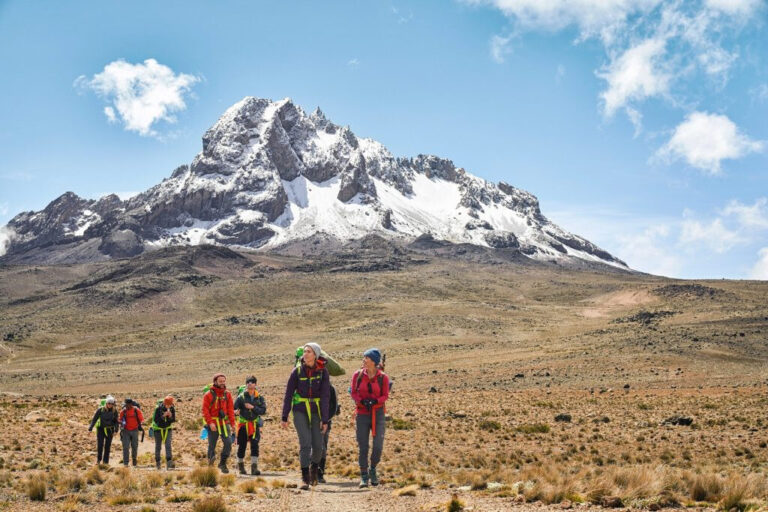
Kilimanjaro Insurance Mistakes To Avoid For A Safe Climb In 2026-2027
Climbing Mount Kilimanjaro is a dream for many, but overlooking proper insurance can turn an incredible adventure into a costly disaster. This guide details the most common Kilimanjaro...
View package details
Kilimanjaro Route-Selection Mistakes 2026-2027
Kilimanjaro Route-Selection Mistakes is explained with current 2026-2027 planning, price, itinerary and booking information.
View package details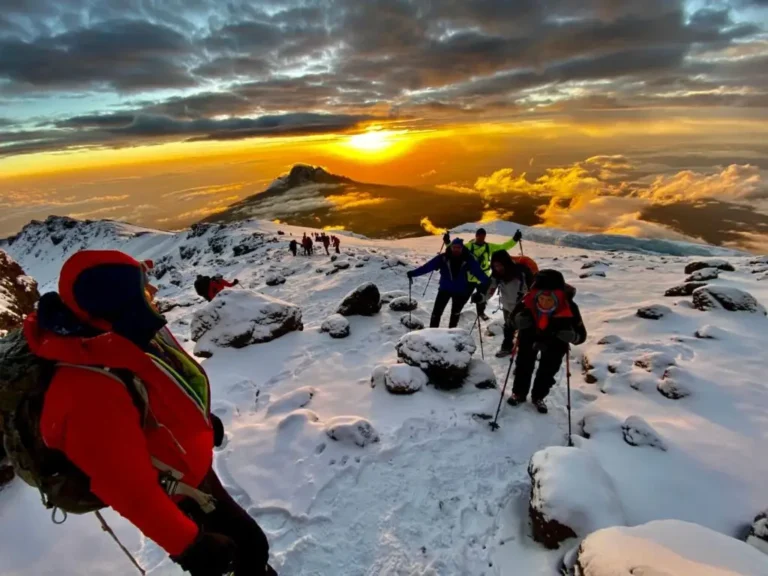
Kilimanjaro Layering Mistakes That Leave Climbers Cold: Expert Guide 2026-2027
Discover the common Kilimanjaro layering mistakes that can lead to discomfort and hypothermia. This guide provides essential tips on choosing the right gear and layering system to ensure...
View package details
Kilimanjaro Footwear Mistakes And Blister Prevention 2026-2027
Kilimanjaro Footwear Mistakes and Blister Prevention is explained with current 2026-2027 planning, price, itinerary and booking information.
View package details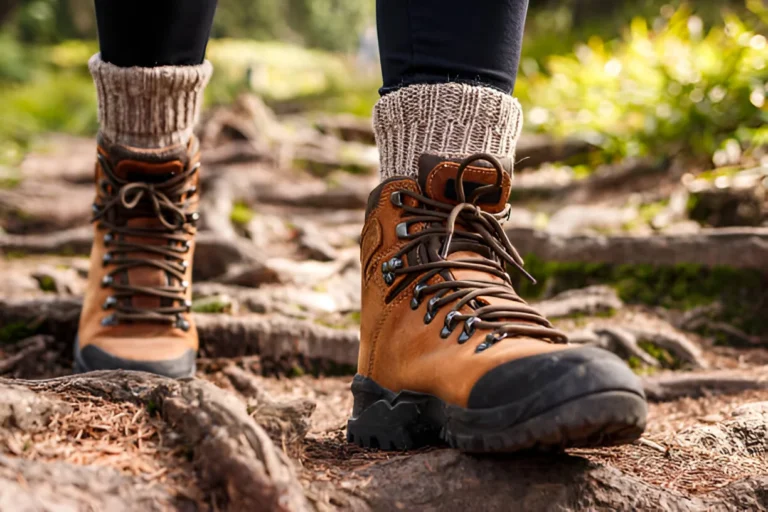
Kilimanjaro Packing Mistakes To Avoid For A Successful Climb In 2026-2027
Packing for Kilimanjaro is crucial for a successful trek. This guide details common packing mistakes to avoid, ensuring you have the right gear for the varying altitudes and conditions...
View package details
Kilimanjaro Booking Mistakes That Can Cost You Money 2026-2027
Kilimanjaro Booking Mistakes That Can Cost You Money is explained with current 2026-2027 planning, price, itinerary and booking information.
View package details
25 Kilimanjaro Climbing Mistakes First-Timers Make: Avoid Them In 2026-2027
Climbing Mount Kilimanjaro is a dream for many, but first-time trekkers can fall into common traps. This guide details 25 critical mistakes to avoid, from inadequate preparation and gear...
View package details
Why Do Kilimanjaro Climbers Descend Via Mweka? 2026-2027
Why Do Kilimanjaro Climbers Descend via Mweka? is explained with current 2026-2027 planning, price, itinerary and booking information.
View package details
Does Kilimanjaro Get Cheaper With More Climbers? 2026-2027
Does Kilimanjaro Get Cheaper with More Climbers? is explained with current 2026-2027 planning, price, itinerary and booking information.
View package details
What Happens If Your Kilimanjaro Group Does Not Form? | Top Guide Adventures
If your planned Kilimanjaro group doesn't materialize, Top Guide Adventures offers flexible options including joining an existing group, a private climb, or exploring alternative dates for...
View package details
Kilimanjaro Safari First Vs Zanzibar 2026-2027
Kilimanjaro Safari First vs Zanzibar First is explained with current 2026-2027 planning, price, itinerary and booking information.
View package detailsNo related package matches those filters. Clear one or more filters to see the other topic-matched options.



