
While snakes do inhabit the lower slopes and forests of Kilimanjaro, encounters on the main trekking routes are exceedingly rare, especially at higher altitudes. The vast majority of climbers will never see a snake during their ascent. Safety protocols and the nature of the trails mean that risks are minimal, allowing you to focus on the incredible journey to the summit in 2026 or 2027.
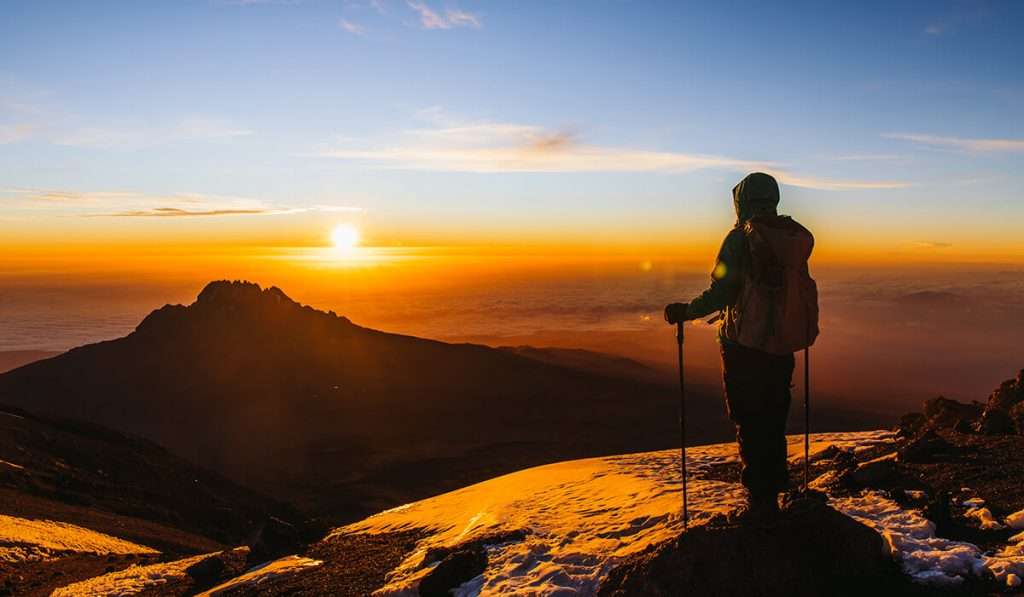
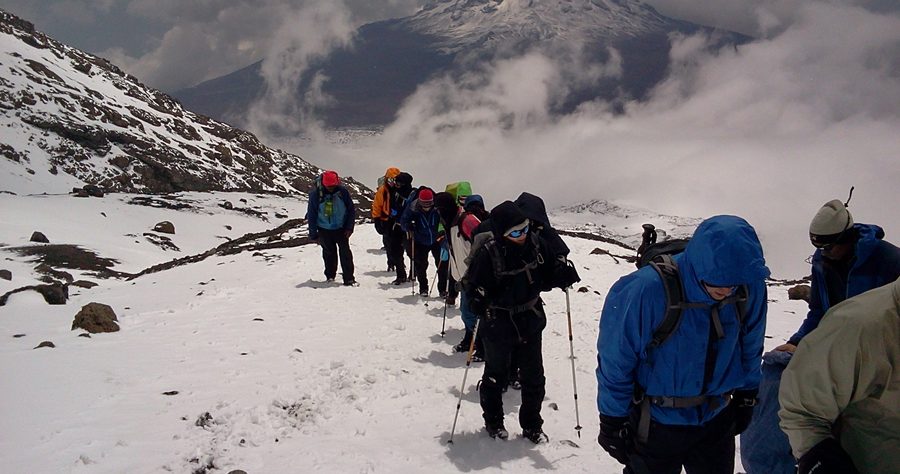
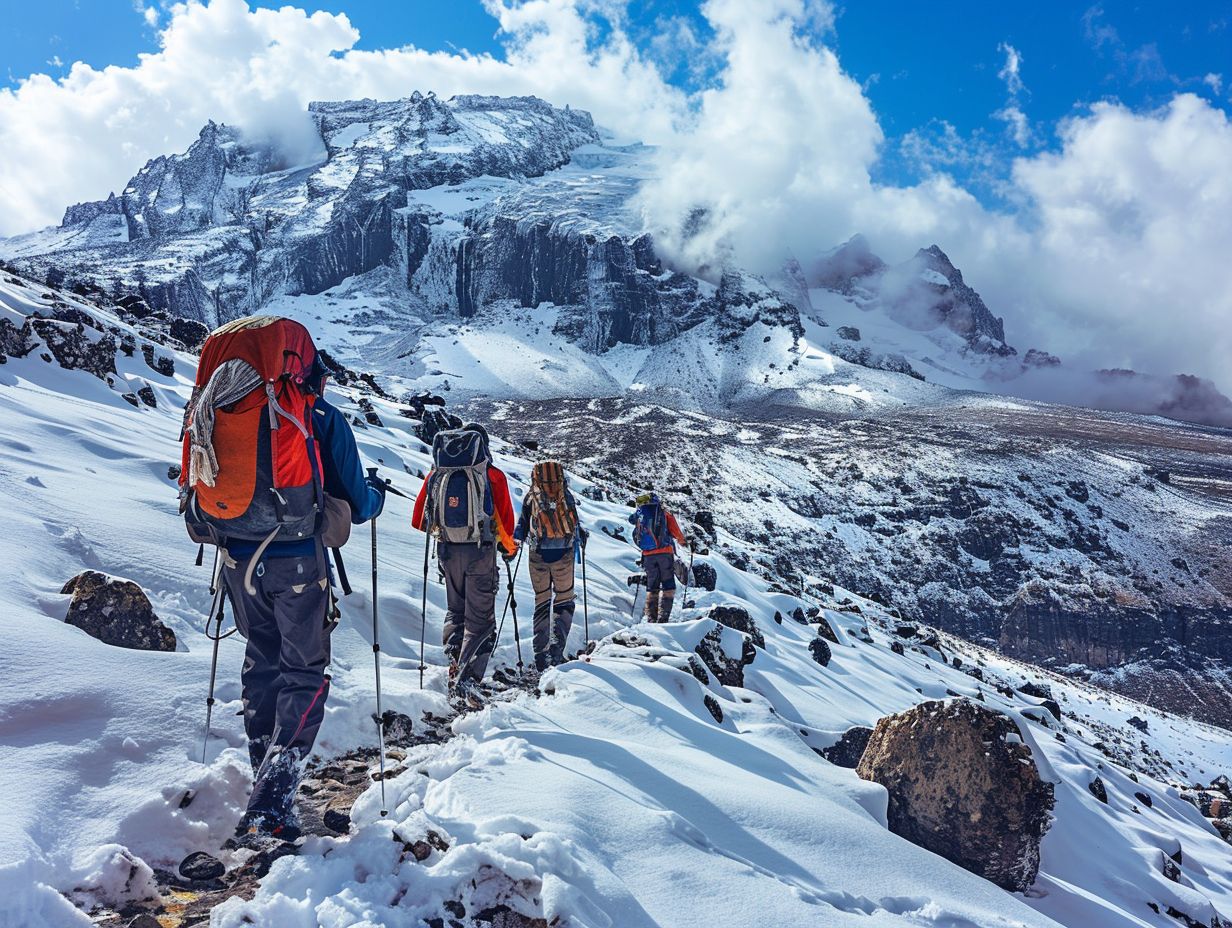
Understanding Wildlife on Kilimanjaro
Kilimanjaro, a UNESCO World Heritage Site, is a mountain of immense ecological diversity. Its slopes host a variety of habitats, from lush rainforests at the base to alpine deserts and the arctic summit zone. This rich biodiversity naturally supports a range of wildlife, including insects, birds, small mammals, and yes, reptiles. However, the question of are there snakes on Kilimanjaro trails is a common concern for trekkers, and understanding the reality is key to a confident climb.
The primary concern for many climbers revolves around venomous snakes. It’s important to approach this topic with factual information rather than fear. The reality is that while snakes are present on Kilimanjaro, the likelihood of a dangerous encounter on the well-trodden trekking paths, particularly as you ascend, is very low. Here’s a detailed look at what you might encounter and how to ensure your safety.
Which Snakes Live on Kilimanjaro?
Kilimanjaro’s diverse ecosystems, especially the montane forest zone, provide suitable habitats for several snake species. The most commonly cited species that can be found on or around the mountain include:
- Gaboon Viper (Bitis gabonica): This is perhaps the most famous and potentially dangerous snake associated with the region. However, Gaboon Vipers are typically found in dense, lowland forests and are rarely encountered on the higher trekking routes. They are masters of camouflage and prefer undisturbed habitats. Their presence is largely confined to the forest belt, below 2,000 meters (6,500 feet).
- Puff Adder (Bitis arietans): Another venomous snake found in various habitats across Africa, including the lower, drier slopes of Kilimanjaro. Puff adders are known for their camouflage and tendency to lie in wait, but again, they are most active and present in areas far from the main ascent paths.
- Green Mamba (Dendroaspis angusticeps): While generally found in coastal forests and woodlands, it’s possible for green mambas to inhabit certain lower-altitude forest areas on Kilimanjaro. They are arboreal (tree-dwelling) and shy, making encounters unlikely.
- Various non-venomous species: Kilimanjaro is also home to several species of non-venomous snakes, such as house snakes, file snakes, and twig snakes. These pose no threat to hikers and are even more elusive than their venomous counterparts.
It’s crucial to reiterate that the distribution of these snakes is heavily influenced by altitude and habitat. As you climb Kilimanjaro, you rapidly move through different ecological zones, and the environments suitable for most snakes become increasingly rare.
Altitude and Snake Distribution on Kilimanjaro
The key factor mitigating the risk of snake encounters on Kilimanjaro trails is altitude. The mountain’s zones are characterized by:
- Cultivation/Farmland Zone (up to 1,000m/3,300ft): This area is heavily farmed and populated, and while snakes can be present, human activity is high. Trekkers typically pass through this zone quickly during the initial part of their ascent.
- Rainforest/Montane Forest Zone (1,000m – 2,700m/3,300ft – 8,850ft): This is the most biodiverse zone and where most of Kilimanjaro’s snakes are found. The dense vegetation, humidity, and presence of prey provide ideal conditions. This is the zone where you are most likely to be near potential snake habitats. However, the main trails are generally well-maintained, and guides are trained to spot hazards.
- Heath and Moorland Zone (2,700m – 4,000m/8,850ft – 13,100ft): As altitude increases, vegetation becomes sparser, and temperatures drop significantly, especially at night. This zone is less hospitable to snakes.
- Arctic/Alpine Desert Zone (4,000m – 5,000m/13,100ft – 16,400ft): Characterized by low temperatures, high winds, and minimal vegetation, this zone is completely unsuitable for snakes.
- Summit Zone (above 5,000m/16,400ft): The summit, including Stella Point and Uhuru Peak, is an arctic environment with freezing temperatures. No snakes can survive here.
Therefore, as you climb higher on Kilimanjaro, the environment becomes progressively less conducive to snake life. By the time you reach the alpine desert and summit zones, the possibility of encountering a snake is virtually zero. Most treks spend only a small fraction of their time in the dense forest where snakes are most likely to be found, and even then, on the cleared trails.
Likelihood of Encountering Snakes on Kilimanjaro Trails
Based on numerous expeditions and reports from guides and climbers, the probability of seeing a snake on Kilimanjaro’s main trekking routes is extremely low. Several factors contribute to this:
- Trail Maintenance: The popular routes (Machame, Marangu, Lemosho, Rongai, Umbwe, Northern Circuit, and Shira) are regularly trekked and maintained. This keeps the immediate trail areas relatively clear of dense undergrowth where snakes often hide.
- Altitude: As discussed, most snakes cannot survive at the higher altitudes reached during a Kilimanjaro climb.
- Time of Day: Many snakes are more active during dawn and dusk or at night. Climbers are typically hiking during daylight hours, often in groups, which further reduces the chance of a surprise encounter.
- Guide Awareness: Experienced guides are highly trained to identify potential hazards, including wildlife. They are constantly scanning the path ahead and are adept at spotting anything unusual.
- Climber Behavior: Trekkers usually stick to the path, avoid stepping off-trail into dense vegetation, and are generally aware of their surroundings.
While incidents are rare, there have been occasional sightings, almost exclusively in the lower forest sections. These are typically accidental, with a snake being disturbed by a hiker or porter passing by. However, these are isolated events, not a common occurrence. For your 2026-2027 climb, you can be reassured that snake encounters are not a significant risk.
Safety Measures and Precautions for Trekkers
Despite the low risk, it’s always wise to be prepared. Here are the safety measures and precautions recommended by Top Guide Adventures for all our Kilimanjaro climbs:
Essential Safety Guidelines for Kilimanjaro Treks
- Listen to Your Guide: Your lead guide and assistant guides are your most valuable resource. They are trained in mountain safety and local wildlife. Always follow their instructions and advice.
- Stay on the Trail: Avoid venturing off the designated paths, especially in the forest zone. This minimizes your impact on the environment and reduces the chance of disturbing wildlife or stepping on something hidden.
- Wear Appropriate Footwear: Sturdy, closed-toe hiking boots are essential. They protect your feet from rocks, roots, and potential stings or bites. Ensure your boots are well-worn-in before your trek.
- Be Aware of Your Surroundings: While enjoying the scenery, maintain a general awareness of the path ahead. Look where you are stepping, especially when stopping for breaks or navigating uneven terrain.
- Avoid Reaching into Unseen Areas: Never reach into dense bushes, under rocks, or into dark crevices without looking first.
- Inform Your Guide of Any Sightings: If you do happen to see a snake, do not approach it. Keep a safe distance and immediately inform your guide. They will know how to handle the situation.
- Proper Gear Storage: Ensure your tents and gear are properly zipped up at campsites, especially in the lower forest areas, to prevent any unwanted visitors from entering.
- First Aid Preparedness: Your expedition will be equipped with a comprehensive first-aid kit, including treatments for various potential injuries. Guides are trained in basic first aid.
These simple precautions, combined with the expertise of your guiding team, ensure that any potential risk associated with snakes on Kilimanjaro is effectively managed. For those planning a climb in 2026 or 2027, these practices remain paramount.
What If a Snake is Sighted?
If you or your guide spots a snake on the trail:
- Stop and Observe: Do not panic. Everyone should stop moving immediately.
- Maintain Distance: Keep a significant distance from the snake. Most snakes are more afraid of humans than humans are of them and will try to flee or hide.
- Allow it to Pass: If the snake is on the trail, the safest approach is usually to wait for it to move off the path on its own. Guides are experienced in assessing the situation.
- Do Not Provoke: Never attempt to touch, capture, or kill the snake. This is when most bites occur.
- Inform Your Guide: The guide will assess the situation and decide on the best course of action, which may involve a slight detour or simply waiting.
Your expedition leader will have protocols in place for such rare events. The priority is always the safety and comfort of the climbing group.
Beyond Snakes: Other Wildlife on Kilimanjaro
While the question of snakes is important, it’s also beneficial to understand the broader wildlife context of Kilimanjaro. The mountain is home to a fascinating array of animals, though sightings can also be dependent on the zone and luck.
- Mammals: In the rainforest zone, you might spot Sykes monkeys, blue monkeys, black and white colobus monkeys, and various small antelopes like the duiker. Elephants, buffalos, and leopards are present on the mountain but are rarely seen by trekkers, as they tend to inhabit denser forest areas or higher altitudes and are shy of human presence. For example, leopards are primarily nocturnal and live in the upper forest and moorland zones, but are extremely elusive.
- Birds: Kilimanjaro is a birdwatcher’s paradise, especially in the lower forest zones. You can expect to see various species of turacos, hornbills, sunbirds, and endemic birds like the Abbot’s starling and Kibo weaver.
- Insects and Butterflies: The lower slopes teem with insect life, including numerous colourful butterfly species.
The higher zones are characterized by hardier species adapted to harsh conditions. You might see the Kilimanjaro bushbaby (a type of rodent), various insects, and birds like the alpine chat and lammergeier. The focus for most climbers is the unique flora and the changing landscapes as they ascend.
Debunking Myths and Misconceptions
There are many myths and exaggerated stories about wildlife on Kilimanjaro. While it’s good to be informed, it’s also important to distinguish fact from fiction.
- Myth: Kilimanjaro is crawling with dangerous snakes. Fact: As detailed, snakes are present but largely confined to lower, dense forest areas and are rarely encountered on the main trekking paths.
- Myth: You are guaranteed to see large mammals like elephants or lions. Fact: These animals are extremely rare on the trekking routes. While they exist on the mountain’s lower slopes, they avoid human activity and are primarily seen on dedicated safaris in nearby national parks like Tsavo or Amboseli.
- Myth: The summit is dangerous due to wildlife. Fact: The summit zone is an arctic environment; there is no wildlife, including snakes, at this altitude.
A realistic understanding of Kilimanjaro’s wildlife, including the low probability of snake encounters on the trails, will help you prepare mentally and physically for your trek.
Preparing Your Kilimanjaro Trip for 2026-2027
When planning your Kilimanjaro adventure for 2026 or 2027, focusing on reputable tour operators is crucial. Top Guide Adventures is committed to providing safe, well-organized, and unforgettable experiences. Our team of experienced guides ensures that all safety protocols are followed diligently.
Here’s what you can expect when booking with us:
Why Choose Top Guide Adventures for Your Kilimanjaro Climb?
- Experienced & Certified Guides: Our guides are highly trained, knowledgeable about mountain safety, flora, fauna, and first aid. They are experts in navigating Kilimanjaro’s trails and ensuring your well-being.
- Safety First Approach: We prioritize your safety above all else. Our teams carry comprehensive medical kits, oxygen cylinders, and communication devices.
- Comprehensive Itineraries: We offer various routes with optimal acclimatization schedules to maximize your chances of summit success while minimizing risks.
- Local Expertise: As a leading Tanzanian tour company, we have unparalleled knowledge of the mountain and the local environment.
- Personalized Support: From your initial inquiry to your return journey, we provide dedicated support and personal attention.
When considering your climb for 2026 or 2027, remember that choosing the right operator directly impacts your safety and overall experience. We encourage you to look at our TripAdvisor reviews to see what past clients say about our commitment to safety and excellence.
Frequently Asked Questions About Snakes on Kilimanjaro
To further address concerns about snakes on Kilimanjaro trails, here are some common questions:
Q1: Are there venomous snakes on Kilimanjaro?
Yes, there are venomous snakes such as the Gaboon Viper and Puff Adder found on the lower slopes of Kilimanjaro. However, they are typically confined to the dense forest zone and are very rarely encountered on the established trekking routes, especially at higher altitudes.
Q2: How likely is it to see a snake while climbing Kilimanjaro?
The likelihood of seeing a snake on the main Kilimanjaro trails is extremely low. Most climbers complete their trek without any snake sightings. The environment at higher altitudes is not suitable for snakes, and trails are generally clear.
Q3: What should I do if I see a snake?
If you see a snake, do not approach it. Stop, maintain a safe distance, and immediately alert your guide. Your guide is trained to assess the situation and ensure everyone’s safety. Do not attempt to touch or provoke the snake.
Q4: Are there snakes on the summit path?
No, there are no snakes on the summit path or in the summit zone. The extreme altitude, freezing temperatures, and lack of vegetation make it impossible for snakes to survive there.
Q5: Do porters or guides encounter snakes often?
While porters and guides spend more time on the mountain, encounters are still infrequent and usually happen in the dense forest zone. They are highly trained to spot and avoid potential hazards.
Q6: Should I be more worried about snakes on certain routes?
Routes that spend more time in the lower forest zone, like the Marangu or Machame routes, might theoretically have a slightly higher chance of a sighting in the initial stages compared to routes that start higher or ascend more quickly. However, the difference in actual risk is minimal due to trail maintenance and guide vigilance.
Q7: What about snakes in the campsites?
Campsites are generally established in open areas. While it’s always good practice to zip up tents properly, the risk of snakes entering campsites is very low, especially at higher elevations.
Planning Your 2026-2027 Kilimanjaro Climb with Confidence
Your decision to climb Kilimanjaro is an exciting one, and understanding the environment is part of that journey. Regarding the question are there snakes on Kilimanjaro trails, the answer is that while they exist in the mountain’s ecosystems, they pose a minimal threat to trekkers on the established routes. The altitude, trail conditions, and expert guidance provided by companies like Top Guide Adventures significantly reduce the risk of any negative encounters.
We are dedicated to ensuring your climb is not only successful but also safe and enjoyable. Our team is prepared to handle any situation, allowing you to focus on the incredible experience of conquering Africa’s highest peak. Whether you are planning for 2026 or 2027, we are here to help you prepare thoroughly.
For more information on our Kilimanjaro climbing packages, including detailed itineraries, inclusions, and departure dates for 2026 and 2027, please visit our website or contact us directly. We are passionate about providing the best possible adventure and ensuring you have all the information needed for a confident and memorable trek.
Ready to start planning your Kilimanjaro adventure for 2026 or 2027?
Contact Top Guide Adventures today:
- WhatsApp: +255616946642
- Email: topguideadventures@gmail.com
- Backup Email: info@topguideadventures.com
Let us help you create an incredible journey to the roof of Africa!
Check Availability for Are There Snakes On Kilimanjaro Trails? Your Guide To Wildlife Encounters
Ready to compare dates, prices, and the best option for your group? Send the package name and travel month so the team can reply with a clear quote, availability, and what is included.
Kilimanjaro Rainforest Bird-Watching Guide: Best Species & Trails 2026-2027
Explore the vibrant avian world within Kilimanjaro's rainforest zones. This comprehensive guide details the best bird-watching spots, target species like the Turaco and Hornbill, and...
View package details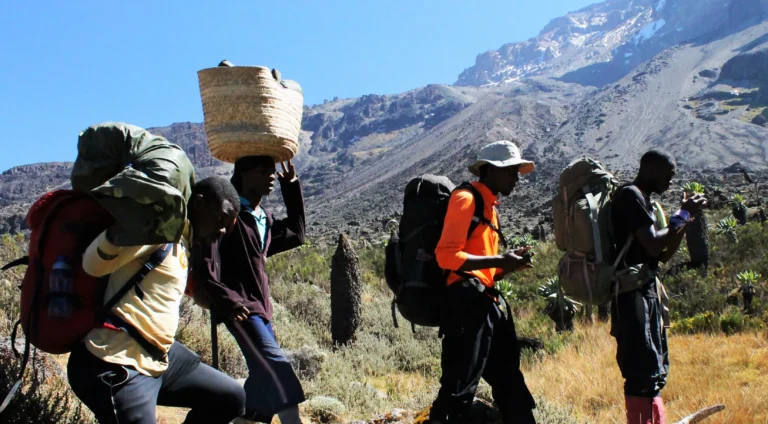
Are There Monkeys On Mount Kilimanjaro? Your Complete Guide 2026-2027
Yes, monkeys are present on Mount Kilimanjaro. This comprehensive guide details the species you might encounter, their habitats on the mountain, and tips for spotting them, crucial...
View package details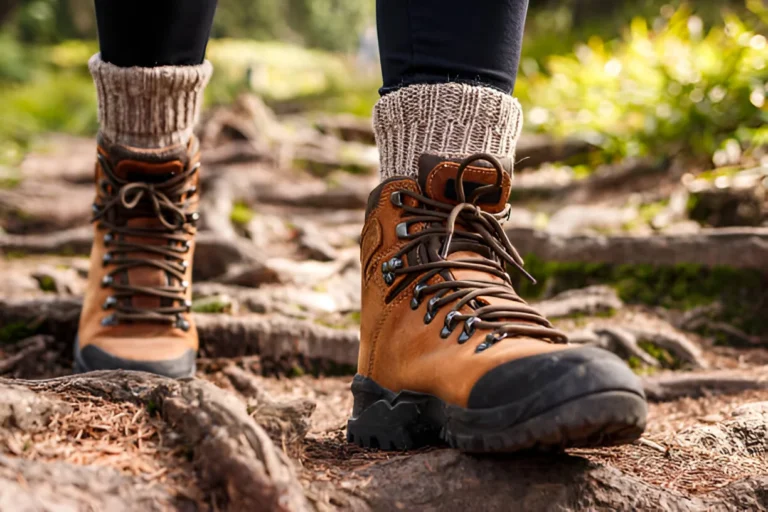
Are There Lions On Mount Kilimanjaro? Expert Guide To Wildlife Encounters
While lions are not found on the higher slopes of Mount Kilimanjaro, they inhabit the surrounding lower-lying areas. This guide explores the wildlife you might encounter during your climb...
View package details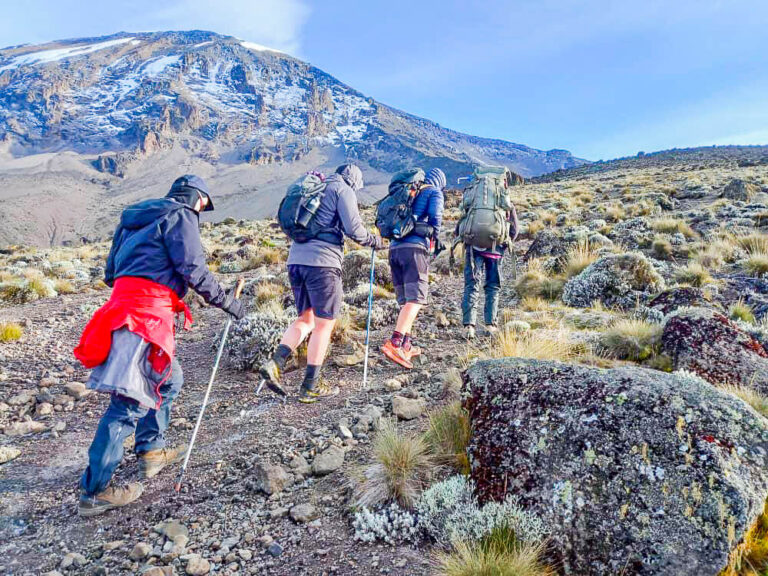
Kilimanjaro Booking Checklist For First-Time Climbers: Your Essential Guide
Planning your first Kilimanjaro climb in 2026 or 2027? This detailed checklist covers everything from choosing a route and operator to packing and acclimatization, ensuring a well-prepared...
View package details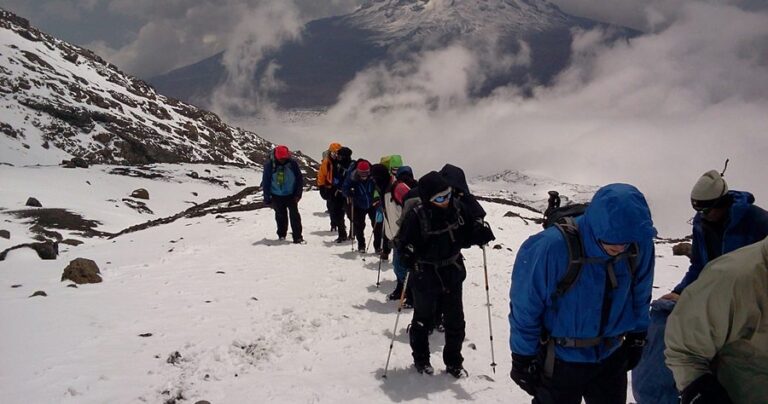
Questions Your Kilimanjaro Operator Should Answer For A Successful Climb
Choosing the right Kilimanjaro operator is crucial for a safe and memorable climb. This comprehensive guide details the essential questions you must ask your potential tour operator...
View package details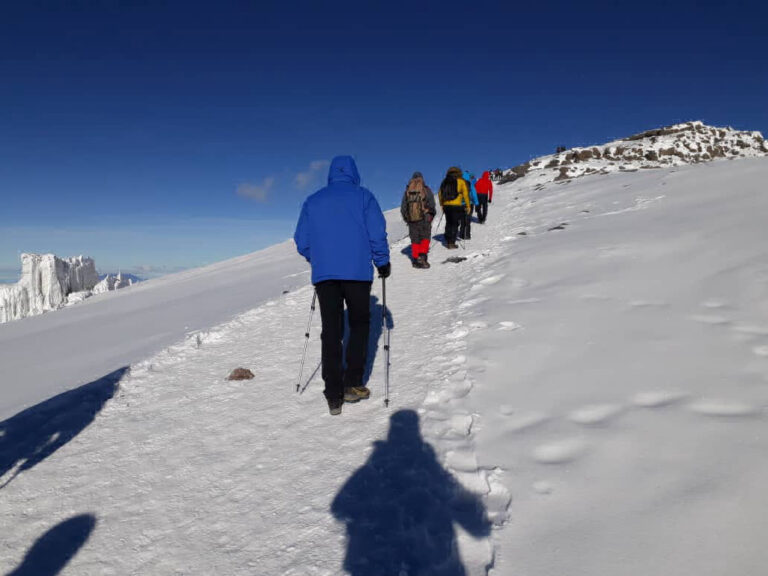
What Kilimanjaro Packages Often Leave Out 2026-2027
What Kilimanjaro Packages Often Leave Out is explained with current 2026-2027 planning, price, itinerary and booking information.
View package details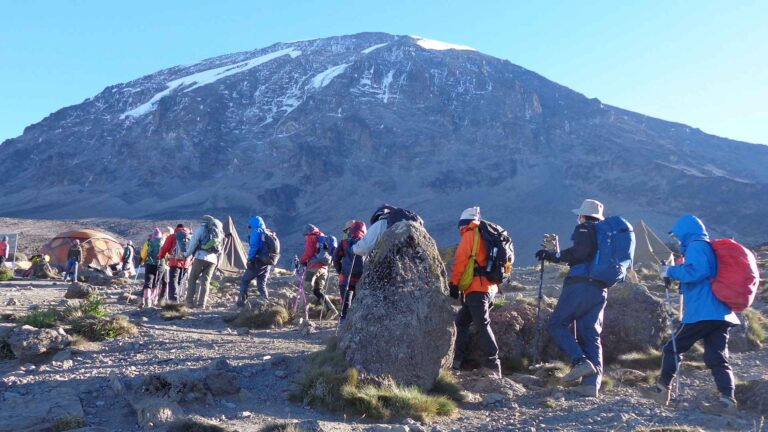
Is Kilimanjaro Really Worth The Cost? 2026-2027
Is Kilimanjaro Really Worth the Cost? is explained with current 2026-2027 planning, price, itinerary and booking information.
View package details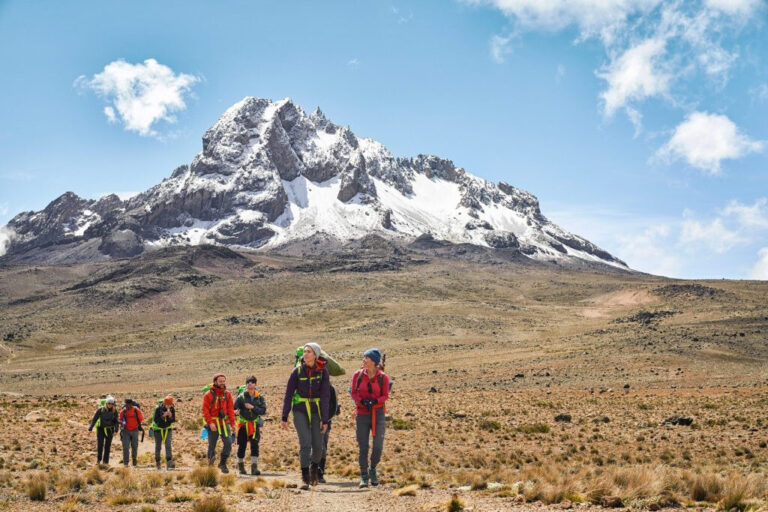
The Truth About Climbing Mount Kilimanjaro 2026-2027
The Truth about Climbing Mount Kilimanjaro is explained with current 2026-2027 planning, price, itinerary and booking information.
View package details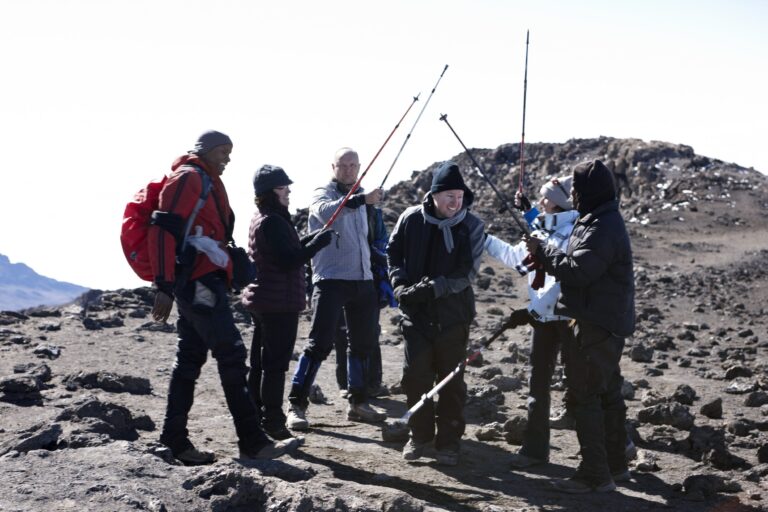
What Nobody Tells You About Climbing Kilimanjaro 2026-2027
What Nobody Tells You about Climbing Kilimanjaro is explained with current 2026-2027 planning, price, itinerary and booking information.
View package details30 Things To Know Before Booking Kilimanjaro: Your Expert Guide For Climbs
Your ultimate checklist for booking a Kilimanjaro climb in 2026-2027. This guide covers everything from choosing the right route and understanding costs to essential gear and preparation...
View package details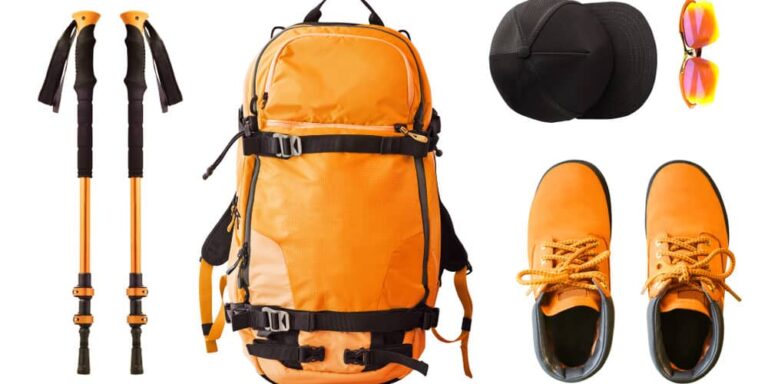
Reasons Climbers Regret Choosing A Short Kilimanjaro Route | Top Guide
Many Kilimanjaro climbers opt for shorter routes to save time or money, only to later regret their decision. This article details the common pitfalls of short routes, focusing on...
View package details
Kilimanjaro Low-Budget Booking Red Flags: Avoid Scams In 2026-2027
Climbing Kilimanjaro on a budget is possible, but requires vigilance. This guide highlights critical red flags to watch out for when booking a low-cost trek, ensuring your 2026-2027...
View package detailsNo related package matches those filters. Clear one or more filters to see the other topic-matched options.



