
Mount Kilimanjaro hosts a surprising array of rare and endemic plant species, adapted to its diverse altitudinal zones. These unique flora include giants like the Giant Groundsel (Senecio kilimanjari) and Giant Lobelia (Lobelia deckenii) in the alpine and moorland zones, alongside specialized mosses, lichens, and even rare orchids in the montane rainforest belt. Exploring these botanical wonders requires an understanding of Kilimanjaro’s distinct ecological bands and is best experienced during trekking seasons in 2026 and 2027 with knowledgeable guides.
The Astonishing Biodiversity of Mount Kilimanjaro’s Flora
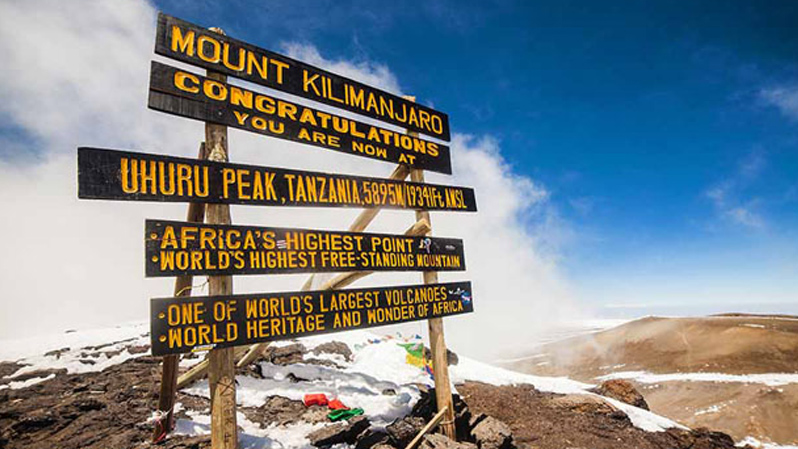
When most people think of Mount Kilimanjaro, their minds typically conjure images of snow-capped peaks, challenging ascents, and impressive vistas. However, this iconic stratovolcano, the highest free-standing mountain in the world, is also a remarkable sanctuary for a unique collection of plant life. The dramatic elevation gain across its slopes creates a series of distinct ecological zones, each fostering its own specialized flora. From the lush, biodiverse montane rainforests at the base to the stark, seemingly barren alpine desert and the frigid arctic summit zone, Kilimanjaro’s plant communities are a testament to nature’s resilience and adaptability. Many of these species are endemic, meaning they are found nowhere else on Earth, making Kilimanjaro a globally significant botanical hotspot.
For botanists, ecologists, and adventurous travelers with a keen interest in the natural world, Kilimanjaro offers an unparalleled opportunity to witness rare plants in their natural habitat. This guide aims to illuminate the extraordinary botanical diversity found on Kilimanjaro, focusing on the unique species that make this mountain a living laboratory. We will explore the flora characteristic of each ecological zone, highlight some of the most notable and rare plants, and discuss the factors contributing to their survival. Understanding these botanical treasures adds a profound layer to the Kilimanjaro trekking experience, transforming a physical challenge into an educational journey through diverse ecosystems. As you plan your trek for 2026 or 2027, consider how learning about these plants can enrich your adventure.
Kilimanjaro’s Ecological Zones: A Vertical Garden
The incredible variety of plant life on Kilimanjaro is a direct consequence of its immense height and the distinct climatic conditions that prevail across its altitudinal gradient. As trekkers ascend, they traverse through five major ecological zones, each characterized by specific temperature ranges, precipitation levels, and soil types. These zones dictate which plant species can thrive, creating a fascinating vertical progression of vegetation.
1. Cultivation Zone (Below 800 – 1,300 meters)
The lower slopes of Kilimanjaro are the most fertile and are actively used for agriculture by local communities. This zone is typically characterized by warm temperatures and significant rainfall, supporting dense forests and cultivated lands. Here, you’ll find a mix of natural vegetation and crops. While not typically considered a zone for ‘rare’ wild plants in the same sense as higher altitudes, it’s the gateway to the mountain’s unique ecosystems and supports a rich array of plant life that is crucial to the local economy and culture. Expect to see coffee plantations, banana groves, maize fields, and remnants of the original montane forest. This zone is often the starting point for most Kilimanjaro climbs.
2. Montane Rainforest Zone (800/1,300 – 2,800 meters)
Above the cultivation zone lies the montane rainforest, a realm of perpetual mist, high humidity, and abundant rainfall. This is arguably the most biodiverse zone on the mountain. Dense, verdant forests dominate, characterized by towering trees draped in mosses, ferns, and epiphytes. The canopy is thick, allowing limited sunlight to reach the forest floor, which is carpeted with a rich undergrowth of shrubs, herbs, and fungi. It is within this zone that many of Kilimanjaro’s less common plant species, including certain orchids and specialized ferns, can be found. The air is often thick with moisture, and the sounds of the forest are ever-present. This zone is encountered on all major routes, particularly on the Machame, Marangu, and Rongai routes.
3. Heath and Moorland Zone (2,800 – 4,000 meters)
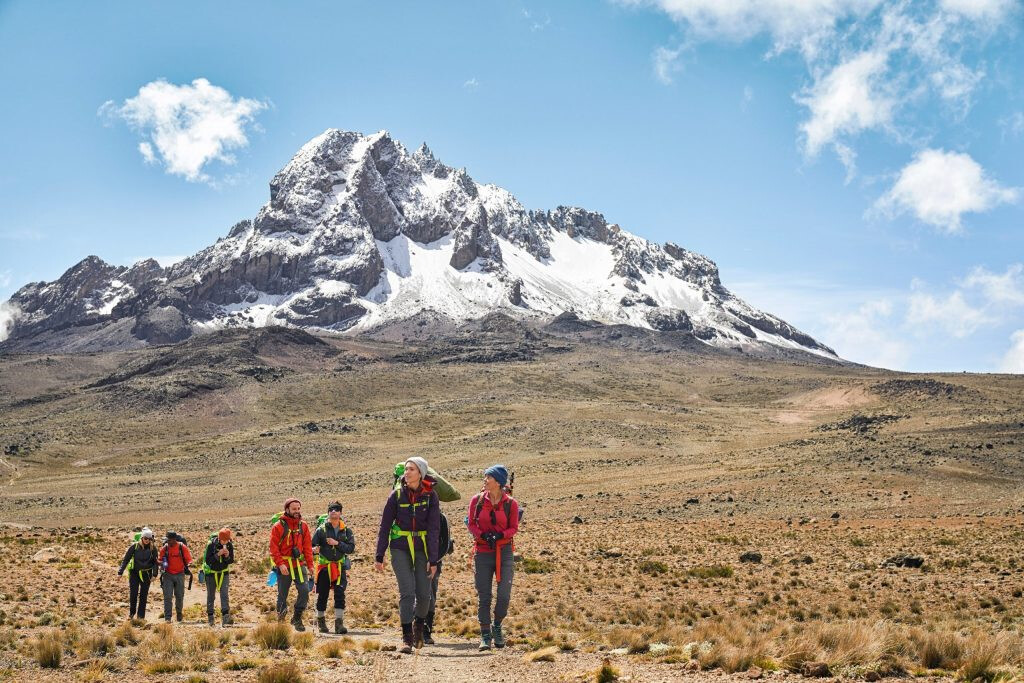
As the altitude increases, the dense rainforest gives way to the heath and moorland zone. Here, temperatures begin to drop, and the vegetation becomes more sparse and hardy. Giant heathers, ericas, and senecios (groundsel) become prominent. This is the zone where Kilimanjaro’s iconic giant flora truly begins to appear. The landscape opens up, offering wider views, though often still shrouded in mist. This zone is characterized by a more open, undulating terrain with large shrubs and grasses adapted to cooler, drier conditions. The plants here have evolved unique adaptations to survive the fluctuating temperatures and increased UV radiation. This zone is a significant part of the trekking experience on most routes, including Machame, Lemosho, and Shira.
4. Alpine Desert Zone (4,000 – 4,500 meters)
Above the moorland, the vegetation dramatically thins out, transitioning into the alpine desert. This is a harsh environment with extreme temperature fluctuations, low humidity, and intense solar radiation. Plant life here is sparse, consisting of drought-resistant grasses, mosses, lichens, and the most iconic of Kilimanjaro’s endemic plants: the Giant Groundsel and Giant Lobelia. These plants exhibit remarkable adaptations to survive in this seemingly inhospitable landscape. The terrain is often rocky and barren, with vast expanses of scree and volcanic rock. Visibility can be excellent on clear days, offering panoramic views of the surrounding landscape and the summit cone. This zone is encountered on all routes as climbers approach the summit area.
5. Arctic Summit Zone (Above 4,500 meters)
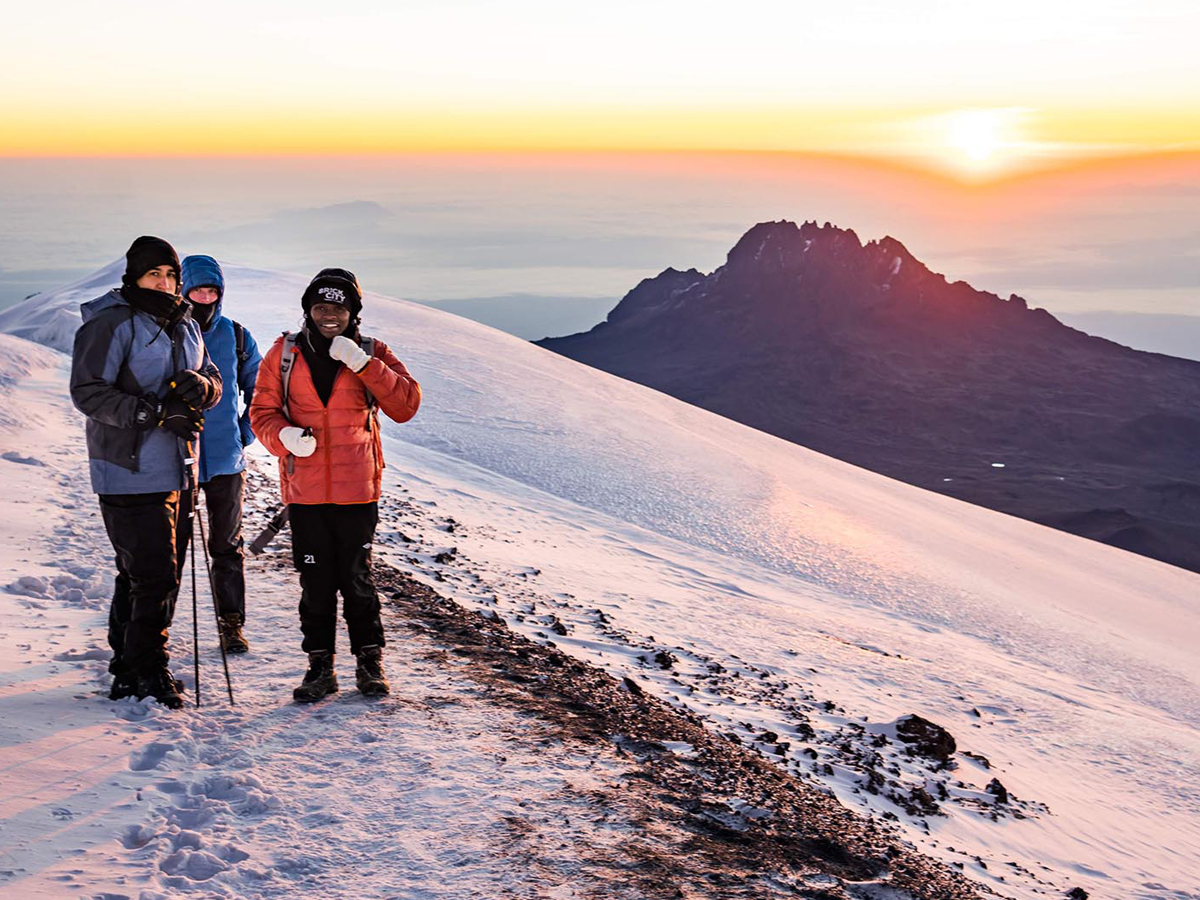
The summit zone is an extreme environment, characterized by freezing temperatures, strong winds, and a lack of oxygen. It is essentially an arctic desert, devoid of most vegetation except for a few hardy mosses and lichens clinging to rocks in sheltered spots. The landscape is dominated by ice, snow, glaciers, and volcanic scree. Plant life is virtually non-existent here, but the presence of even the most resilient organisms is a testament to life’s tenacity. Trekkers reach this zone during their summit push, experiencing some of the harshest conditions on Earth.
Iconic and Rare Plants of Kilimanjaro
Kilimanjaro is renowned for its giant versions of common plant families, which have evolved to thrive in its unique alpine environment. These species are not only visually striking but also scientifically significant, representing remarkable adaptations to high altitudes, intense UV radiation, and extreme temperature swings.
Giant Groundsel (Senecio kilimanjari)
Perhaps the most iconic plant of Kilimanjaro, the Giant Groundsel is a striking sight in the moorland and alpine desert zones. These plants are not your typical small, yellow flowers. Kilimanjaro’s Giant Groundsel can grow several meters tall, with thick, woolly stems and large, rosette-like leaves that help them conserve water and protect themselves from the sun and cold. The leaves are often covered in a dense layer of hairs, giving them a silvery appearance, which reflects sunlight and reduces water loss. Their large size helps them to create a microclimate around their base, offering some protection to smaller plants or insects.
The adaptation of Senecio species to high altitudes is a global phenomenon, but Kilimanjaro’s version is particularly impressive. The rosettes of leaves are often very large, helping to collect dew and funnel it towards the roots. The thick, pithy stems store water and nutrients. During the day, the outer leaves may wilt slightly to reduce water loss, while the inner leaves remain turgid. At night, as temperatures plummet, the large rosettes can close up, protecting the delicate growing points from frost. Flowering typically occurs during the rainy seasons, with bright yellow, daisy-like flowers emerging from the center of the rosette. These plants are a key food source for some of Kilimanjaro’s unique insects and birds.
The scientific name, Senecio kilimanjari, directly links this extraordinary plant to its mountain home. Its presence is a defining feature of the Kilimanjaro landscape above 3,000 meters, and spotting large stands of these plants is a memorable part of any trek. Their survival in the harsh alpine desert is a marvel of evolution.
Giant Lobelia (Lobelia deckenii)
Another giant of the Kilimanjaro flora, the Giant Lobelia is equally spectacular and equally adapted to the harsh conditions. These plants are characterized by their tall, spike-like flowering stalks, which can reach heights of up to 3-4 meters. The leaves form a basal rosette, similar to the Giant Groundsel, and are often thick and fleshy, helping to store water. The rosettes are typically smooth and waxy, reducing water loss and protecting against UV radiation.
Giant Lobelias have a unique life cycle. They grow very slowly, taking many years to reach maturity. Once mature, they produce a single, dramatic flowering spike, often adorned with blue or purple flowers. After flowering, the plant dies. This monocarpic life cycle is a strategy to ensure successful reproduction in a challenging environment, where resources for growth and reproduction are scarce. The large rosettes are also adapted to survive frost. During cold nights, the inner leaves may curl inwards, protecting the growing tip. The waxy cuticle on the leaves helps to prevent desiccation and damage from intense sunlight. The tall flower spikes are thought to attract pollinators from a distance and may also help to disperse seeds effectively in the windy conditions of the upper slopes.
The presence of both Giant Groundsel and Giant Lobelia creates a surreal, almost prehistoric landscape in the alpine zones of Kilimanjaro. These plants are highly sensitive to environmental changes and are indicators of the health of Kilimanjaro’s unique ecosystems. Their rarity is tied to their specific habitat requirements and slow growth rates.
Giant Heather (Erica arborea and Erica kingaensis)
While smaller heather species are common in temperate regions, Kilimanjaro hosts giant varieties that dominate the moorland zone. Erica arborea, known as the Tree Heather, can grow into substantial shrubs or small trees, forming dense thickets that are a characteristic feature of the landscape between 3,000 and 4,000 meters. These plants are covered in small, needle-like leaves and produce abundant small, bell-shaped flowers, typically white or pale pink, which are a vital nectar source for insects.
The adaptations of Giant Heather include a deep root system to anchor them in the often-unstable volcanic soil and to access moisture. Their dense growth habit provides shelter for smaller organisms. The leathery leaves are well-suited to withstand the drying winds and fluctuating temperatures. In the misty conditions of the moorland, the dense foliage helps to trap moisture. Erica kingaensis is another species found on Kilimanjaro, contributing to the unique composition of the moorland vegetation.
These heathers create a distinct visual character for the upper slopes, often forming extensive carpets or dense thickets that trekkers navigate. Their resilience in this zone, with its cooler temperatures and increased exposure, is remarkable.
Knob Knoppia (Koprosma kilimandscharica)
This is a less commonly discussed but significant plant found in the moorland and subalpine zones. Koprosma kilimandscharica is a woody shrub that often grows in dense, tangled thickets. It features small, leathery leaves, typically dark green, and produces small, inconspicuous flowers. Its resilience lies in its ability to grow in exposed, windy locations where larger, more delicate plants cannot survive. The tough, leathery leaves reduce water loss and resist physical damage from wind and abrasive particles carried by the wind.
This shrub plays an important role in stabilizing the soil on the often-steep slopes of Kilimanjaro. Its dense growth provides habitat for small insects and ground-nesting birds. While not as visually dramatic as the giant groundsels or lobelias, Koprosma kilimandscharica is a vital component of the Kilimanjaro ecosystem, contributing to the overall biodiversity and ecological stability of the higher altitude zones.
Rare Orchids and Ferns of the Montane Rainforest
The montane rainforest zone, while not as famous for its ‘giant’ plants, is incredibly rich in species diversity, including many rare and endemic orchids and ferns. The high humidity, consistent rainfall, and shaded conditions create an ideal environment for these often-delicate plants. Many of Kilimanjaro’s orchids are epiphytic, meaning they grow on other plants (like trees) rather than in the soil, drawing nutrients from the air and moisture from the humid atmosphere. Ferns, with their preference for moist, shaded environments, also flourish here in a multitude of forms, from delicate maidenhair ferns to larger tree ferns.
Identifying these specific rare species often requires expert botanical knowledge and a keen eye. They might be small, camouflaged amongst the mosses and lichens, or bloom infrequently. Examples might include species of the genus Polystachya or Liparis among the orchids, and various endemic species of ferns. Their rarity is due to their specific habitat requirements, which are limited to the pristine conditions of the montane rainforest, and their susceptibility to habitat disturbance. Conservation efforts are crucial to protect these fragile populations.
The dense undergrowth and canopy of the rainforest zone can make spotting these smaller plants challenging, but their presence underscores the incredible biological richness of Kilimanjaro’s lower slopes. The vibrant green hues of mosses, ferns, and epiphytes create a lush, almost magical atmosphere.
Alpine Flowers and Cushion Plants
While the alpine desert zone is characterized by sparse vegetation, it is not entirely devoid of flowering plants. Several species have adapted to survive in this harsh environment, often exhibiting cushion-like growth forms. These plants are typically low-growing, compact, and form dense mats or cushions. This morphology helps them to survive extreme temperature fluctuations, conserve moisture, and withstand strong winds.
Examples include species of Helichrysum (everlasting flowers) and various small, hardy grasses and sedges. These plants often have small leaves, sometimes hairy or waxy, to reduce water loss. They flower relatively quickly during the brief periods of favorable weather, producing small but often brightly colored flowers. The cushion form creates an insulating layer of air, protecting the plant from freezing temperatures and reducing evaporation. These plants are crucial for stabilizing the thin soils in the alpine desert and provide vital resources for the limited insect life found at these altitudes.
Spotting these small alpine flowers often requires a careful look at the ground, particularly in sheltered depressions or near rock formations where they might find slightly more protection. Their resilience in the face of extreme conditions is a testament to the power of adaptation.
Endemism on Kilimanjaro: A Unique Botanical Heritage
The term ‘endemic’ refers to species that are unique to a particular geographic location. Mount Kilimanjaro is a prime example of an ‘island’ ecosystem, where isolation and unique environmental pressures have led to the evolution of numerous endemic plant species. The Giant Groundsel and Giant Lobelia are perhaps the most famous examples of Kilimanjaro’s endemism, but many other less conspicuous species also fall into this category.
The isolation of Kilimanjaro, rising dramatically from the surrounding plains, has meant that plant species arriving on its slopes have evolved in relative isolation from their continental relatives. Over millennia, these isolated populations have adapted to the specific conditions of each altitudinal zone, leading to the development of distinct subspecies or entirely new species. This process is amplified by the steep environmental gradients, which create a mosaic of microhabitats, further driving diversification.
The high rates of endemism on Kilimanjaro highlight its importance as a center for plant evolution and biodiversity. These endemic species are of immense scientific value, offering insights into evolutionary processes. However, they are also particularly vulnerable. Because their ranges are restricted, they are more susceptible to extinction if their specific habitat is threatened by climate change, invasive species, or human activities. Protecting Kilimanjaro’s unique ecosystems is therefore crucial for preserving this irreplaceable botanical heritage for future generations, including travelers planning visits in 2026 and 2027.
Conservation Challenges and the Future of Kilimanjaro’s Flora
Despite its status as a national park and a UNESCO World Heritage Site, Mount Kilimanjaro faces significant conservation challenges that directly impact its rare plant life.
Climate Change
Perhaps the most pressing threat is climate change. As global temperatures rise, the distinct ecological zones on Kilimanjaro are shifting upwards. This means that species adapted to cooler, higher altitudes are being squeezed into smaller and smaller areas near the summit. For endemic species with specific temperature and moisture requirements, such as the Giant Groundsel and Giant Lobelia, this upward migration can be fatal if they cannot adapt quickly enough or if suitable habitat is not available at higher elevations. Glacial meltwater, crucial for some plant communities, is also diminishing.
Human Impact
While Kilimanjaro National Park is protected, human activities can still pose threats. These include:
- Over-tourism: Increased foot traffic on popular routes can lead to soil erosion and trampling of delicate vegetation, especially in the moorland and alpine zones. Following designated paths and using experienced guides is crucial.
- Invasive Species: The introduction of non-native plant species, potentially carried by trekkers or animals, could outcompete native flora, especially in the lower, more disturbed zones.
- Fires: While natural fires are rare at high altitudes, human-induced fires in the lower zones can damage forest ecosystems and alter vegetation composition.
Research and Monitoring
Continued research and monitoring are essential to understand the status of Kilimanjaro’s rare plants and to inform conservation strategies. This includes mapping species distribution, studying their reproductive biology, and assessing their vulnerability to environmental changes. The work of botanists and ecologists in the coming years will be vital for safeguarding this unique flora.
For trekkers planning their expeditions for 2026 and 2027, being aware of these conservation issues and practicing responsible tourism is paramount. Choosing reputable tour operators who prioritize environmental sustainability can make a significant difference.
Experiencing Kilimanjaro’s Rare Plants: A Trekker’s Guide
For the visitor, encountering Kilimanjaro’s rare plants transforms a standard trek into a richer, more profound experience. It requires a shift in perspective, moving beyond just reaching the summit to appreciating the intricate ecosystems along the way.
Choosing the Right Route
While all routes traverse different ecological zones, some offer more extensive exposure to specific habitats. For example:
- Lemosho and Shira Routes: These western routes offer stunning views and traverse diverse vegetation zones, including extensive moorland and alpine desert sections, providing ample opportunities to see the iconic giant plants. They are generally considered more scenic.
- Machame Route: Known as the ‘Whiskey Route’, it also offers excellent views and crosses through all major vegetation zones, with significant sections in the moorland and alpine desert.
- Rongai Route: Approaching from the north, Rongai offers a different perspective and crosses drier terrain initially, but still provides access to the unique flora as you ascend.
- Marangu Route: The ‘Coca-Cola’ route is the only one with huts and has a more direct ascent, meaning less time spent in the higher, more unique vegetation zones compared to the longer routes.
Regardless of the route chosen, the presence of specialized guides is crucial for identifying and explaining the significance of the plants encountered.
The Role of Your Guide
A skilled Kilimanjaro guide is not just responsible for your safety and navigation; they are also invaluable sources of knowledge about the mountain’s natural history. A good guide will be able to:
- Identify the key rare and endemic plant species, such as the Giant Groundsel and Giant Lobelia.
- Explain the unique adaptations these plants have developed to survive at high altitudes.
- Discuss the ecological importance of each plant community within its respective zone.
- Highlight the conservation challenges facing Kilimanjaro’s flora.
- Point out subtle details that might otherwise be missed, like rare orchids or cushion plants.
When booking your 2026 or 2027 trek, inquire about the botanical knowledge of the guides. This can significantly enhance your appreciation for the mountain’s natural heritage.
Responsible Trekking Practices
To help preserve Kilimanjaro’s delicate ecosystems and its rare plants, trekkers should adhere to responsible practices:
- Stay on Trails: Avoid walking off-path, especially in fragile moorland and alpine zones, to prevent erosion and trampling.
- Do Not Pick Plants: It is illegal and harmful to remove any vegetation from the national park. Appreciate the plants in situ.
- Pack It In, Pack It Out: Ensure all litter is carried back down the mountain.
- Respect Wildlife: Observe animals from a distance and do not feed them.
- Use Approved Campsites: Stick to designated camping areas to minimize environmental impact.
By following these guidelines, you contribute to the long-term conservation of Kilimanjaro’s unique botanical treasures.
Planning Your Botanical Kilimanjaro Adventure for 2026-2027
If you’re inspired to witness the rare plants of Mount Kilimanjaro firsthand, planning is key. Top Guide Adventures specializes in creating memorable and responsible Kilimanjaro treks, offering a deep appreciation for the mountain’s natural wonders.
When considering your trek for 2026 or 2027, remember that the best times to visit are during the dry seasons: January-March and June-October. These periods offer clearer skies and more stable weather conditions, making it easier to observe the flora and navigate the diverse terrains. Booking well in advance is highly recommended, especially for peak season dates in 2026 and 2027, as availability can be limited.
We can help you select a route that maximizes your chances of experiencing the diverse ecological zones and their unique plant life. Our experienced guides are passionate about Kilimanjaro’s natural history and are committed to providing an educational and awe-inspiring journey. We focus on small group sizes and sustainable trekking practices to ensure a minimal environmental footprint.
Contact us today to start planning your extraordinary Kilimanjaro expedition.
WhatsApp: +255616946642
Email: topguideadventures@gmail.com
Backup Email: info@topguideadventures.com
Let Top Guide Adventures guide you through the stunning landscapes and unique botanical wonders of Mount Kilimanjaro. Your adventure awaits!
Did You Know?
The Giant Groundsel and Giant Lobelia are examples of gigantism, a phenomenon where plant species evolve to become much larger than their relatives in lower altitudes. This is often an adaptation to reduce water loss, survive freezing temperatures, and attract pollinators in challenging environments.
Beyond the Giants: Other Notable Flora
While the Giant Groundsel and Giant Lobelia often steal the spotlight, Kilimanjaro’s slopes are home to a multitude of other fascinating plants, each with its own story of adaptation and survival. Exploring these lesser-known species adds depth to the botanical appreciation of the mountain.
Alpine Asters (Species of Asteraceae family)
In the alpine desert and even higher zones, hardy flowering plants belonging to the Asteraceae family (which includes daisies and sunflowers) can be found. These are typically small, low-growing species with brightly colored flowers, often yellow or purple, designed to attract the limited insect pollinators available at these altitudes. Their small size and compact growth help them to survive the harsh conditions. They often grow in sheltered spots, such as crevices between rocks or on the leeward side of larger plants, providing them with some protection from the wind and frost.
Mosses and Lichens
In the higher zones, particularly the alpine desert and even the fringes of the arctic zone, mosses and lichens are among the few plant forms capable of survival. These incredibly resilient organisms can withstand extreme desiccation, freezing temperatures, and intense UV radiation. Lichens, a symbiotic relationship between fungi and algae or cyanobacteria, can remain dormant for extended periods, becoming active only when moisture is available. They play a crucial role in soil formation and in providing a habitat for micro-invertebrates. Various species of mosses can be found clinging to rocks and soil, often appearing as small, green cushions. Their presence, however sparse, signifies life’s tenacity in the harshest environments.
Specialized Grasses and Sedges
The moorland and alpine desert zones are characterized by tough, wiry grasses and sedges. These plants are adapted to survive in thin, often nutrient-poor soils, with fluctuating moisture levels and exposure to strong winds. Their narrow leaves reduce water loss through transpiration, and their deep root systems help to anchor them and access scarce water. Species like Deschampsia mildbraedii (a tussock grass) are common and form an important part of the landscape, providing grazing for any small herbivores and stabilizing the soil.
Subalpine Shrubs (e.g., Philippia spp.)
Closely related to the Giant Heathers, species of Philippia are also common in the subalpine and moorland zones. These shrubs often form dense thickets and contribute significantly to the vegetation cover. They are hardy, with small, scale-like leaves that help conserve water. Their ability to tolerate the cooler temperatures and drier conditions of these higher altitudes makes them vital components of the ecosystem, providing habitat and contributing to soil stability.
The Role of Altitude in Plant Evolution on Kilimanjaro
The dramatic altitude changes on Mount Kilimanjaro create a unique evolutionary laboratory. As one ascends, environmental pressures change drastically:
- Temperature: Decreases significantly with altitude. Plants must adapt to freezing nights and cooler days.
- Precipitation: Varies, with high rainfall in the rainforest, decreasing in the moorland, and becoming very low in the alpine desert. Water conservation is key.
- UV Radiation: Increases dramatically with altitude due to the thinner atmosphere. Plants need protection mechanisms, such as pigments or thick cuticles.
- Oxygen Levels: Decrease, affecting plant metabolism, though this is less of a direct factor for plant survival than for animals.
- Soil: Changes from rich volcanic soil in the lower zones to thin, rocky, and often unstable soils at higher altitudes.
- Wind: Becomes stronger and more persistent at higher elevations, leading to desiccation and physical damage.
These combined pressures have driven the evolution of specific adaptations seen in Kilimanjaro’s rare plants:
- Rosette Form: Seen in Giant Lobelia and Giant Groundsel, protecting the growing tip and conserving water.
- Succulence: Thick, fleshy leaves and stems store water.
- Hairy or Waxy Surfaces: Reduce water loss and reflect UV radiation.
- Dwarfism or Cushion Growth: Low-growing forms hug the ground, reducing exposure to wind and cold.
- Tough, Leathery Leaves: Resist damage from wind and desiccation.
- Deep Root Systems: Anchor plants and access water in unstable or dry soils.
The isolation of Kilimanjaro further enhances this evolutionary process, allowing unique species to develop and persist, forming the basis of its rare flora.
Botanical Tours and Educational Treks
For those with a particular interest in botany, specialized tours can enhance the Kilimanjaro experience. These treks focus not only on the physical challenge of summiting but also on the ecological and botanical richness of the mountain.
What to expect from a botanical-focused trek:
- Expert Guides: Led by guides with specialized knowledge in botany or ecology.
- Slower Pace: Allowing more time for observation, photography, and learning about the flora.
- Detailed Flora Guides: Providing checklists or field guides to identify species.
- Focus on Different Zones: Dedicated time to explore and understand the plant life in each ecological band.
- Conservation Discussions: In-depth talks about the importance of protecting Kilimanjaro’s unique plant life.
While Top Guide Adventures offers comprehensive trekking experiences that naturally highlight the mountain’s flora, we can also tailor itineraries to accommodate specific interests. If you are planning a botanical expedition for 2026 or 2027 and wish to incorporate a deeper focus on plant life, please discuss your requirements with us. We can ensure your guide is equipped to provide a more in-depth botanical commentary.
Such a trek offers a unique perspective, revealing the mountain not just as a peak to conquer, but as a vibrant, living ecosystem with a rich and rare botanical heritage that deserves appreciation and protection.
Preparing for Your Kilimanjaro Trek: What to Pack for Botanical Interest
While standard Kilimanjaro packing lists cover essentials for safety and comfort, a few additions can enhance your experience if you have a keen interest in the rare plants:
- Binoculars: Useful for spotting birds and also for observing details on plants from a distance, especially epiphytes or flowers high on trees.
- Camera with Macro Lens: For detailed photography of smaller plants, flowers, and insects. Ensure you have plenty of memory cards and spare batteries, as conditions can be cold.
- Field Guidebook: A good quality field guide specific to East African flora or Kilimanjaro can be invaluable for identification.
- Small Notebook and Pencils: For jotting down observations, plant names, or sketching. Pencils work better than pens in cold conditions.
- Waterproof Bag/Container: To protect your camera gear and notebook from moisture, especially in the rainforest and moorland zones.
Remember that trekking involves carrying your gear, so balance these items with the need for a lightweight pack. The most important ‘tool’ remains your guide’s expertise.
The Future of Kilimanjaro’s Flora: A Call to Action
The rare plants found on Mount Kilimanjaro are a precious natural heritage. Their survival is intrinsically linked to the health of the mountain’s ecosystems, which are increasingly under pressure from global climate change and localized human impacts. As we look towards 2026 and 2027, and beyond, the need for conservation and responsible tourism becomes ever more critical.
By choosing a responsible tour operator like Top Guide Adventures, you support ethical trekking practices that prioritize environmental sustainability. Our commitment extends to educating our clients about the delicate balance of Kilimanjaro’s ecosystems and the importance of preserving its unique flora. We advocate for practices that minimize impact, such as sticking to established trails, proper waste management, and supporting local conservation initiatives.
Educating yourself about the rare plants, understanding their ecological roles, and appreciating their adaptations are the first steps towards becoming an advocate for their protection. Every trekker has a role to play in ensuring that future generations can marvel at the Giant Groundsel and the other unique botanical wonders of Kilimanjaro.
We invite you to join us for an unforgettable Kilimanjaro adventure that respects and celebrates its incredible natural beauty. Whether your primary goal is the summit or a deeper exploration of its unique biodiversity, we are here to craft the perfect journey for you.
Ready to explore the rare flora of Kilimanjaro in 2026 or 2027?
Contact Top Guide Adventures:
WhatsApp: +255616946642
Email: topguideadventures@gmail.com
Backup Email: info@topguideadventures.com
Let us help you plan an expedition that is both challenging and deeply enriching, connecting you with the extraordinary natural world of Mount Kilimanjaro.
Check Availability for Rare Plants Found On Mount Kilimanjaro: A Botanical Expedition 2026-2027
Ready to compare dates, prices, and the best option for your group? Send the package name and travel month so the team can reply with a clear quote, availability, and what is included.
Kilimanjaro Packed Lunch Vs Hot Mountain 2026-2027
Kilimanjaro Packed Lunch vs Hot Mountain Lunch is explained with current 2026-2027 planning, price, itinerary and booking information.
View package details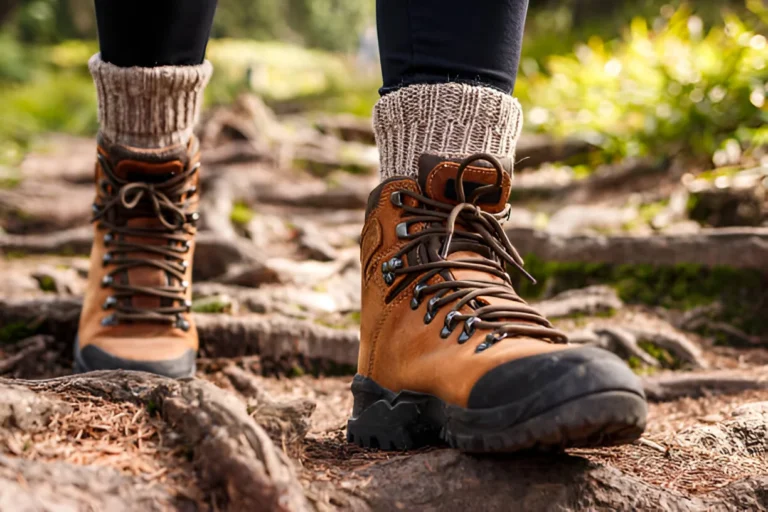
Moshi Hotel Vs Mountain Lodge Before Kilimanjaro 2026-2027
Moshi Hotel vs Mountain Lodge before Kilimanjaro is explained with current 2026-2027 planning, price, itinerary and booking information.
View package details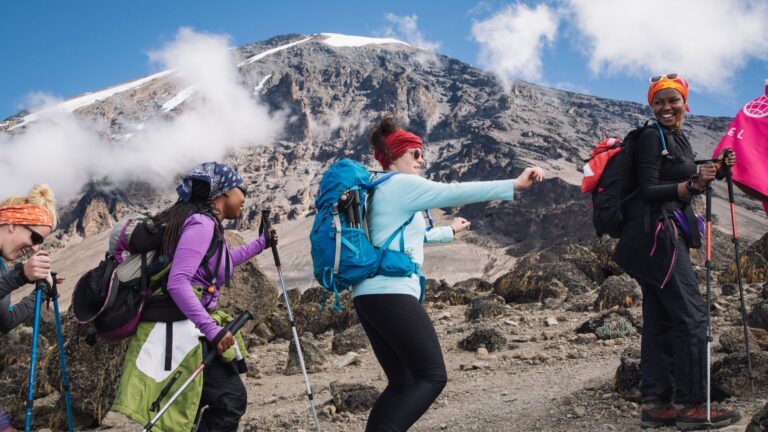
Giant Groundsels Of Mount Kilimanjaro: A Trekkers Guide 2026-2027
Explore the fascinating Giant Groundsels that define Kilimanjaro's alpine zones. This guide provides essential information for trekkers planning their 2026-2027 ascent, detailing where and...
View package details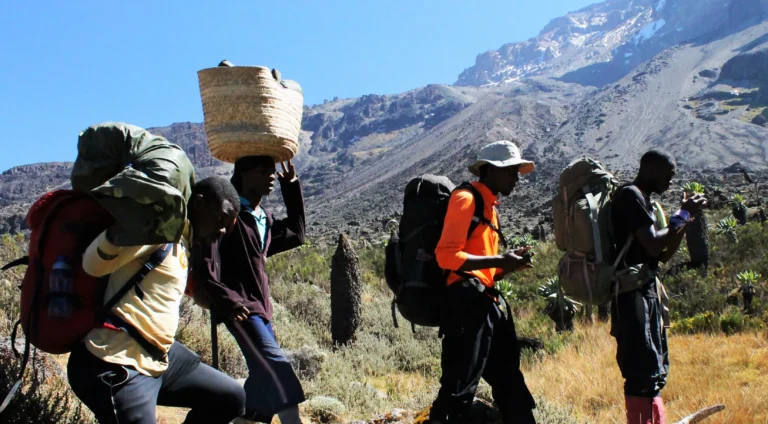
Are There Monkeys On Mount Kilimanjaro? Your Complete Guide 2026-2027
Yes, monkeys are present on Mount Kilimanjaro. This comprehensive guide details the species you might encounter, their habitats on the mountain, and tips for spotting them, crucial...
View package detailsAre There Lions On Mount Kilimanjaro? Expert Guide To Wildlife Encounters
While lions are not found on the higher slopes of Mount Kilimanjaro, they inhabit the surrounding lower-lying areas. This guide explores the wildlife you might encounter during your climb...
View package details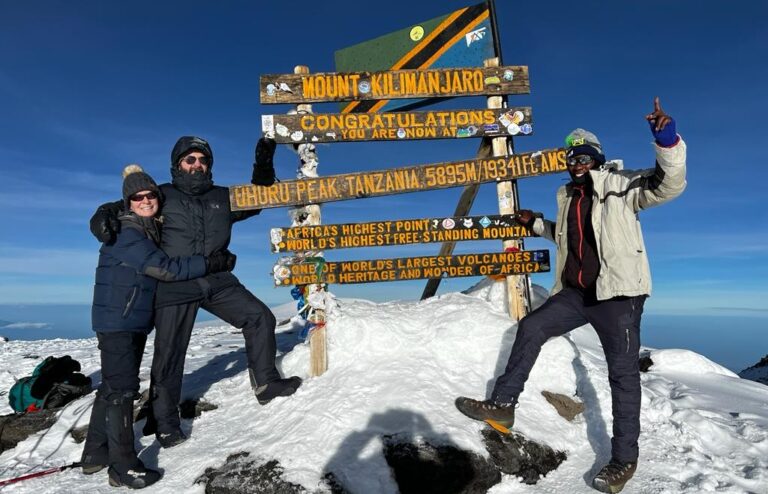
Who Pays For Kilimanjaro Mountain Rescue? 2026-2027
Who Pays for Kilimanjaro Mountain Rescue? is explained with current 2026-2027 planning, price, itinerary and booking information.
View package details
Kilimanjaro Gear-Rental Mistakes To Avoid For Your Climb 2026-2027
Planning a Kilimanjaro climb for 2026 or 2027? Renting gear can save money and hassle, but mistakes are common. This guide details the most frequent errors climbers make when renting...
View package details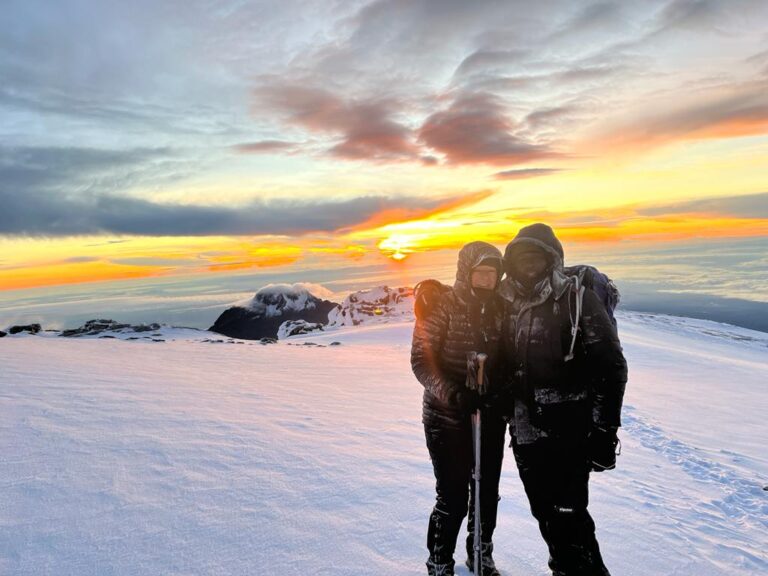
Kilimanjaro Hotel Booking Mistakes: Avoid These Pitfalls For A Smooth Climb
Booking accommodation near Kilimanjaro is crucial for a successful climb. This guide details common Kilimanjaro hotel booking mistakes to help you avoid them, ensuring comfort and readiness...
View package detailsKilimanjaro Flight-Booking Mistakes: Avoid These Pitfalls For Your Climb
Planning your Kilimanjaro climb for 2026 or 2027? Don't let flight booking errors derail your adventure. This guide covers critical mistakes to avoid, from choosing the right airport and...
View package details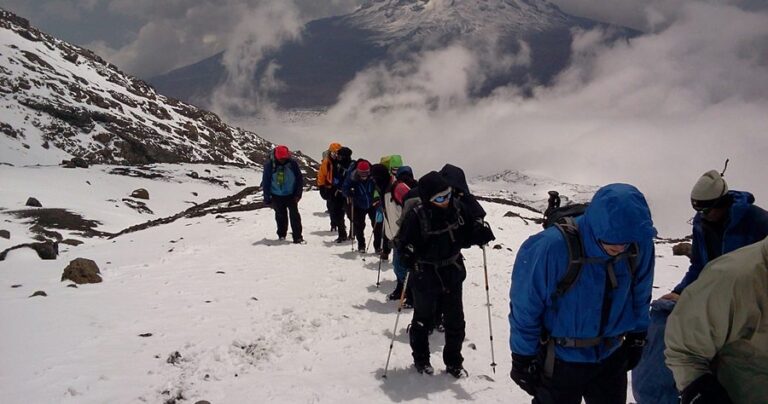
Kilimanjaro Tipping Mistakes And Etiquette: A Comprehensive Guide For Climbers
Navigating Kilimanjaro tipping can be confusing. This guide details common mistakes and proper etiquette for tipping your support crew, ensuring fair compensation and a positive experience...
View package details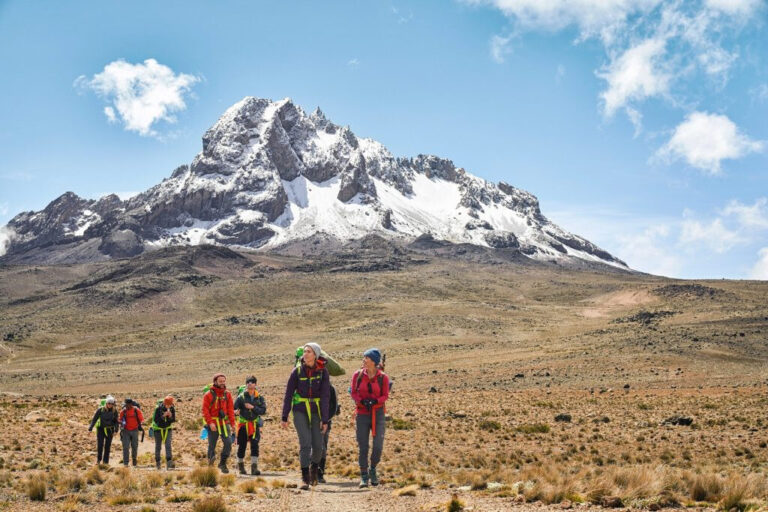
Kilimanjaro Insurance Mistakes To Avoid For A Safe Climb In 2026-2027
Climbing Mount Kilimanjaro is a dream for many, but overlooking proper insurance can turn an incredible adventure into a costly disaster. This guide details the most common Kilimanjaro...
View package details
Kilimanjaro Route-Selection Mistakes 2026-2027
Kilimanjaro Route-Selection Mistakes is explained with current 2026-2027 planning, price, itinerary and booking information.
View package detailsNo related package matches those filters. Clear one or more filters to see the other topic-matched options.



