
Kilimanjaro’s Giant Lobelias, scientifically known as *Lobelia deckenii* and *Lobelia keniensis*, are striking, tree-like plants endemic to the alpine zones of East African mountains, most famously found on Kilimanjaro. They are characterized by their massive, rosette-shaped leaves and tall, flower-bearing stalks, adapted to survive extreme temperature fluctuations, high winds, and intense solar radiation. Trekkers on Kilimanjaro, particularly on routes like the Shira, Lemosho, and Barafu, will encounter these iconic plants between approximately 3,500 and 4,500 meters (11,500 to 14,750 feet), often dotting the moorland and alpine desert landscapes, especially in wetter depressions.


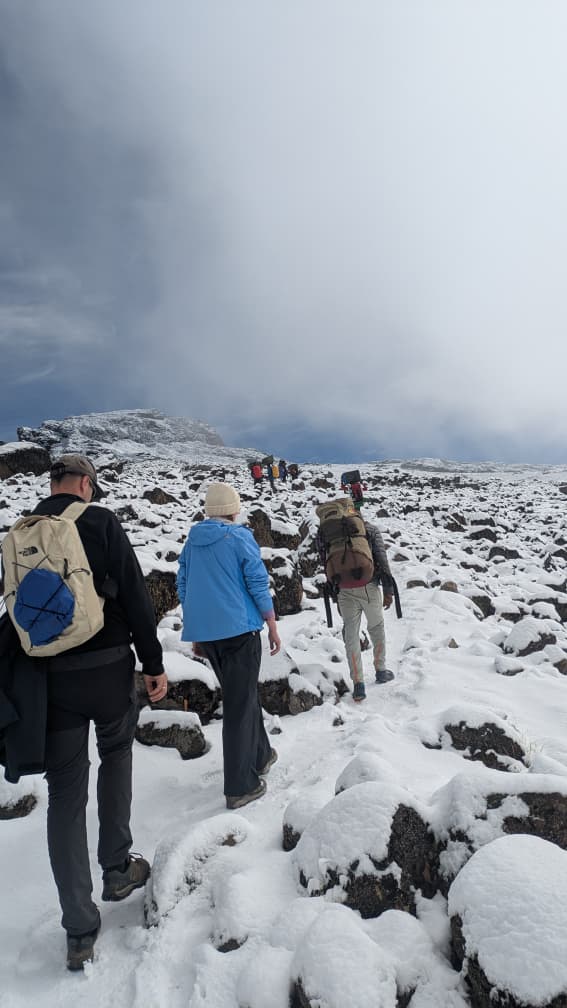
The Iconic Giant Lobelias of Kilimanjaro: More Than Just a Plant
Mount Kilimanjaro, a UNESCO World Heritage site and Africa’s highest peak, is renowned for its dramatic landscapes, diverse wildlife (at lower altitudes), and the ultimate challenge of reaching its summit. However, for those who look closely, the mountain also hosts a unique and fascinating array of flora, perfectly adapted to its extreme altitudinal zones. Among the most visually arresting and iconic of these plants are the Giant Lobelias. These aren’t your garden-variety flowers; they are colossal, prehistoric-looking specimens that contribute significantly to the otherworldly beauty of Kilimanjaro’s upper reaches. Understanding these plants enriches the trekking experience, turning a physical challenge into an ecological exploration.
For trekkers planning their ascent in 2026 or 2027, spotting these Giant Lobelias can be a memorable part of the journey. They are more than just botanical curiosities; they are vital indicators of the mountain’s unique alpine ecosystem and a testament to the power of adaptation in extreme environments. This guide aims to provide a comprehensive look at Kilimanjaro’s Giant Lobelias, from their identification and ecological significance to where and when you’re most likely to see them on your climb.
Identifying Kilimanjaro’s Giant Lobelias: *Lobelia deckenii* and *Lobelia keniensis*
When we talk about Giant Lobelias on Kilimanjaro, we are primarily referring to two closely related species that dominate the alpine flora: Lobelia deckenii and, to a lesser extent, Lobelia keniensis. While they share many characteristics, subtle differences exist, though distinguishing them in the field can be challenging even for botanists.
Key Features to Look For:
- Size and Form: These are truly giant herbs. They form a large basal rosette of long, lance-shaped leaves that can be up to a meter (3 feet) long. The entire plant, including the flowering stalk, can reach heights of 2 to 5 meters (6.5 to 16 feet), making them the tallest herbaceous plants in Africa.
- Rosette Leaves: The leaves are typically green, often with reddish or purplish tinges, especially on the undersides or margins. They are usually hairless or have very fine hairs. The shape can vary from somewhat toothed to smooth-edged.
- Flowering Stalk: The most dramatic feature is the tall, erect flower stalk that emerges from the center of the rosette. This stalk is densely covered with striking, often tubular flowers.
- Flower Color: The flowers are usually a vibrant blue or violet, though variations in color, including paler blues and even whitish forms, can occur. The tubular shape is adapted for pollination by specific insects or birds.
- Water Sacs: A unique adaptation is the presence of water-filled sacs within the stem and leaf bases. These sacs help insulate the plant against frost and prevent desiccation.
- Growth Habit: Giant Lobelias are monocarpic, meaning they flower only once before they die. After flowering, the parent plant dies, but it typically produces new shoots from its base or from seeds, ensuring the continuation of the population.
Distinguishing *Lobelia deckenii* and *Lobelia keniensis*
While both species are present, Lobelia deckenii is considered the dominant species on Kilimanjaro. Lobelia keniensis is more typically found on Mount Kenya. However, their ranges can overlap, and hybridization may occur. Key differentiating features, often subtle, include:
- Leaf Shape and Hairiness: Lobelia deckenii tends to have broader leaves that are less hairy, while Lobelia keniensis might have narrower, more hairy leaves.
- Inflorescence (Flower Cluster): The arrangement and density of flowers on the stalk can differ.
- Bracts: The small leaf-like structures subtending the flowers (bracts) may have different shapes or colors.
For the average trekker, appreciating the sheer grandeur and unique adaptations of these plants as a collective group of Kilimanjaro’s Giant Lobelias is the primary experience. The subtle botanical distinctions are fascinating for specialists but don’t detract from the awe-inspiring sight of these giants against the stark mountain backdrop.
Ecological Adaptations: Survival in the Alpine Zone
The alpine zone of Kilimanjaro, typically above 3,500 meters (11,500 feet), is an environment of extremes. Giant Lobelias have evolved remarkable adaptations to thrive here, making them a subject of great scientific interest.
Surviving the Cold: Frost and Freezing Temperatures
Nights on Kilimanjaro’s alpine zone can plummet well below freezing, even in the tropics. Giant Lobelias employ several strategies to cope:
- Water Sacs: As mentioned, the presence of water-filled tissues in the stem and leaf bases acts as a natural antifreeze. Water has a higher freezing point than many other biological fluids, and the sheer volume of water can absorb significant amounts of heat before freezing, providing a buffer against sudden cold snaps.
- Rosette Form: The compact rosette shape protects the plant’s delicate growing point (meristem) from freezing. The tightly packed leaves shield the center from wind and frost.
- Leaf Hairs (on some species/variations): While often hairless, some lobelias may have fine hairs that can trap a layer of air, providing insulation.
- Delayed Flowering: Many alpine plants, including lobelias, have slow growth cycles and may only flower after several years, waiting for optimal conditions.
Dealing with Drought and High Radiation
Despite the potential for rain and mist, the alpine zone can also experience dry periods. Furthermore, the high altitude means intense ultraviolet (UV) radiation.
- Thick, Waxy Cuticle: The leaves often have a thick, waxy coating that reduces water loss through transpiration, crucial during dry spells.
- Reddish Pigmentation: The purplish or reddish hues often seen on the leaves are due to anthocyanin pigments. These pigments can act as a sunscreen, protecting the leaf tissues from damage by intense UV radiation.
- Water Storage: The water-filled tissues also help the plant endure drought conditions.
Wind Resistance
The upper slopes of Kilimanjaro are notorious for strong, persistent winds.
- Low Profile Rosette: The basal rosette form keeps the bulk of the plant close to the ground, reducing wind resistance.
- Flexible Stems: While the flower stalks are tall, they are typically robust and somewhat flexible, able to bend rather than break under strong gusts.
Reproduction in a Harsh Climate
The monocarpic nature of Giant Lobelias presents a reproductive challenge. They invest heavily in a single flowering event.
- Pollination: Their vibrant flowers attract specific pollinators, often sunbirds or insects, which are active during the warmer parts of the day. The tubular shape suggests co-evolution with specialized pollinators.
- Seed Dispersal: Seeds are typically dispersed by wind or water after the plant has flowered and died.
- Long Life Cycle: It can take many years (sometimes over a decade) for a Giant Lobelia to accumulate enough resources to produce its towering flower stalk and set seed. This long vegetative period allows it to survive harsh conditions and build up reserves.
Where to Find Giant Lobelias on Kilimanjaro
Giant Lobelias are characteristic of Kilimanjaro’s upper vegetation zones: the Moorland Zone and the Alpine Desert Zone. They are most commonly found between approximately 3,500 and 4,500 meters (11,500 to 14,750 feet).
Key Zones and Routes
- Moorland Zone (approx. 3,000m – 4,000m / 9,800ft – 13,100ft): This zone transitions from the montane forest. Here, you’ll start to see Giant Heathers, Senecios (often called ‘Giant Groundsels’), and the first Giant Lobelias appearing, especially in damp gullies and depressions.
- Alpine Desert Zone (approx. 4,000m – 4,500m / 13,100ft – 14,750ft): This is where Giant Lobelias truly dominate the landscape, often alongside Giant Groundsels. The vegetation is sparse, and these large plants are highly visible.
- Arctic Zone (above 4,500m / 14,750ft): Above this, vegetation becomes extremely scarce, and Giant Lobelias are rarely seen.
Specific Routes and Locations
While Giant Lobelias can be found on all routes that ascend high enough, some routes offer more consistent or spectacular viewing opportunities:
- Shira Route: This route traverses the Shira Plateau, a relatively flat, high-altitude area known for its moorland vegetation and excellent sightings of Giant Lobelias and Giant Groundsels.
- Lemosho Route: Similar to Shira, Lemosho offers beautiful moorland and alpine desert scenery with abundant Giant Lobelias, particularly as you gain altitude and cross the Shira Plateau.
- Barafu Camp Area (and routes leading to it like Marangu/Mweka, Machame): The landscape around Barafu Camp (the base camp for the summit push) is a classic alpine desert. You will see numerous Giant Lobelias here, often in impressive numbers, especially in sheltered valleys or near streams. Routes like Machame, Mweka, and Marangu all pass through these zones.
- Rongai Route: While Rongai approaches from the north and is drier, it still ascends into the moorland and alpine desert zones where lobelias are present, though perhaps less densely clustered than on the southern or western routes.
Timing is Key: While Giant Lobelias are present year-round, their appearance can be enhanced by the season. Following periods of rain, the plants are often greener and more vibrant. The flowering season for lobelias is not synchronized across all plants. You might see some plants in rosette form, others developing flower stalks, and some in full bloom at any given time, especially between the rainy seasons. However, the most spectacular displays of numerous flowering stalks are often reported during the transition periods, like late 2026 or early 2027, following good rainy seasons.
When to See Giant Lobelias in Bloom
Giant Lobelias don’t have a strict, synchronized blooming season like many temperate plants. Their life cycle is dictated by resource accumulation and environmental cues, making their flowering somewhat unpredictable and staggered.
- Monocarpic Nature: Remember, each plant flowers only once. This means you’ll see a mosaic of plants in different life stages across the mountain.
- Peak Visibility: While individual plants may flower at various times, the overall ‘show’ of numerous flowering stalks often occurs after good rainy seasons. This typically means the periods following the long rains (March-May) and short rains (November-December) can lead to more abundant flowering in the subsequent months.
- Ideal Viewing Periods for Trekkers (2026-2027):
- Dry Season (June – October): This is a popular trekking season due to stable weather. You’ll see many lobelias in their rosette stage, and some may be developing stalks. The stark landscape makes the green rosettes and occasional blue flowers stand out.
- Rainy Season (November – May): While trekking can be more challenging due to mud and clouds, the landscape is lush. Lobelias will be greener, and you might witness more plants in the process of developing or displaying their flower stalks.
- Transitions: The shoulder months, such as September-October 2026 or March-April 2027, can offer a good balance, with potentially more flowering plants after recent rains but before the heaviest downpours.
- Altitude Matters: Flowering times can also vary slightly with altitude. Plants at lower moorland elevations might flower slightly earlier than those in the harsher alpine desert.
Even if you don’t see a spectacular mass bloom, the presence of Giant Lobelias, whether in rosette or flowering form, is a constant feature of Kilimanjaro’s upper slopes and a highlight for any trekker interested in the mountain’s unique natural history.
The Role of Giant Lobelias in the Kilimanjaro Ecosystem
Beyond their visual appeal, Giant Lobelias play a crucial role in the fragile ecosystem of Kilimanjaro’s alpine zones.
- Habitat and Food Source: The large leaves and rosette structure can provide shelter for small invertebrates and birds, especially from wind and sun. The flowers are a vital source of nectar for pollinators like sunbirds and various insects that inhabit these high altitudes.
- Indicator Species: Their presence and health are indicators of the overall health of the alpine ecosystem. Changes in their distribution or abundance could signal shifts in climate or environmental conditions.
- Soil Stabilization: Although not their primary role, the extensive root systems of mature lobelias can contribute to stabilizing the thin soils on the upper slopes, preventing erosion.
- Unique Evolutionary Niche: Giant Lobelias are examples of gigantism in plants, a phenomenon where species evolve to become much larger than their relatives. This is often driven by factors like reduced competition, fewer herbivores at high altitudes, and longer growing seasons (despite cold).
Giant Groundsels vs. Giant Lobelias: A Common Pairing
On Kilimanjaro’s upper slopes, Giant Lobelias are almost always seen in the company of another iconic alpine plant: the Giant Groundsel (*Senecio kilimanjari* or related species). These two often define the landscape of the moorland and alpine desert zones.
- Giant Groundsel (*Senecio kilimanjari*): These plants are also large, but they have a distinct appearance. They typically have a thick, woody, unbranched stem topped with a dense crown of long, narrow, grey-green leaves. The leaves are often covered in dense, cottony hairs for insulation and water retention. They produce clusters of yellow, daisy-like flowers.
- Ecological Partnership: Both species are adapted to the same harsh conditions and often occupy similar ecological niches. They are the dominant large plants in these zones, creating a unique, almost alien landscape.
- Visual Contrast: The contrast between the broad, often blue-tinged leaves of the lobelia rosette and the grey-green, hairy foliage of the groundsel, along with their different flower colors (blue/violet vs. yellow), makes for a visually striking environment.
- Shared Adaptations: Both exhibit adaptations like rosette growth (in lobelias) or dense foliage crowns (in groundsels) to protect vital growing points, thick cuticles to prevent water loss, and mechanisms to survive frost.
When you are trekking, taking note of both the Giant Lobelias and the Giant Groundsels will give you a comprehensive appreciation of Kilimanjaro’s specialized high-altitude flora. They are the sentinels of the alpine desert.
Tips for Trekkers: Spotting and Appreciating Giant Lobelias
As a trekker preparing for your Kilimanjaro adventure in 2026 or 2027, here are some tips to enhance your experience with these magnificent plants:
- Look in Depressions and Valleys: Giant Lobelias often prefer areas where moisture collects, such as shallow valleys, gullies, and depressions, even in the drier alpine desert zone. These spots offer slightly more reliable water.
- Observe Altitude Zones: Pay attention as you ascend. You’ll likely first encounter them in the upper moorland and then see them in greater numbers as you enter the alpine desert zone.
- Don’t Just Look for Flowers: While a flowering stalk is spectacular, the large, architectural rosette form of the lobelia is impressive in itself. Look for these plants throughout your trek in the relevant altitude bands.
- Consider a Guide: Your experienced Kilimanjaro guides are knowledgeable about the local flora. Ask them to point out Giant Lobelias and other unique plants. They can often share fascinating details about their adaptations and ecological roles. Top Guide Adventures guides are trained to help you appreciate these natural wonders.
- Photography: These plants make for dramatic photographs, especially against the backdrop of the mountain or the sky. Try to capture their scale by including a person or another object for reference. Early morning or late afternoon light can add drama.
- Respect the Environment: Remember that Kilimanjaro is a protected area. Do not pick flowers, break branches, or disturb the plants in any way. Stick to the paths to minimize your impact. The fragile alpine ecosystem relies on responsible tourism.
- Stay Hydrated (for you!): While the lobelias store water, you’ll need to ensure you’re drinking plenty of water yourself as you ascend through these dry, high-altitude environments.
Conservation Concerns and the Future of Giant Lobelias
Like many alpine ecosystems worldwide, Kilimanjaro’s unique flora, including the Giant Lobelias, faces potential threats, primarily from climate change.
- Climate Change: Rising global temperatures could alter the delicate balance of Kilimanjaro’s climate zones. Warmer temperatures might allow lower-altitude species to encroach upwards, potentially outcompeting the specialized alpine flora. Changes in rainfall patterns could also affect their survival.
- Human Impact: While trekking routes are managed, increased tourism pressure, if not carefully controlled, could lead to habitat degradation. However, the remoteness and harshness of the alpine zone offer some natural protection.
- Monitoring Efforts: Scientists regularly monitor Kilimanjaro’s ecosystems. Understanding the long-term viability of species like Giant Lobelias is crucial for conservation strategies.
For trekkers visiting in 2026 and 2027, appreciating these plants responsibly contributes to their conservation. By adhering to park rules and supporting responsible tour operators like Top Guide Adventures, you help minimize your footprint.
Planning Your Kilimanjaro Climb with Top Guide Adventures
Experiencing the Giant Lobelias is just one of the many wonders awaiting you on Mount Kilimanjaro. At Top Guide Adventures, we are dedicated to providing safe, memorable, and ecologically conscious treks. Our experienced guides ensure you not only have the best chance of reaching the summit but also appreciate the unique natural beauty of the mountain, including its extraordinary flora.
We offer a range of itineraries designed to maximize acclimatization and enjoyment, ensuring you have ample opportunity to observe and photograph the Giant Lobelias and other alpine wonders. Whether you’re considering a climb in 2026 or 2027, we can help you choose the route and timing that best suits your preferences and offers the most rewarding experience.
Our commitment includes:
- Experienced Local Guides: Knowledgeable about Kilimanjaro’s flora, fauna, and geology.
- Safety First: Comprehensive safety protocols and well-equipped teams.
- Sustainable Practices: Adhering to Leave No Trace principles and supporting local conservation efforts.
- Tailored Itineraries: Helping you plan the perfect climb, from choosing the right route to packing advice.
To discuss your Kilimanjaro climb and learn more about what to expect regarding the Giant Lobelias and other unique aspects of the mountain, please feel free to contact us:
WhatsApp: +255616946642
Email: topguideadventures@gmail.com
Backup Email: info@topguideadventures.com
Let Top Guide Adventures be your partner in discovering the magic of Kilimanjaro’s Giant Lobelias and achieving your summit dreams in 2026 or 2027.
Key Takeaways for Kilimanjaro Giant Lobelias
- Identification: Look for massive rosette-forming plants with long leaves and towering (2-5m) blue/violet flower stalks. Primarily *Lobelia deckenii* on Kilimanjaro.
- Habitat: Found in the Moorland and Alpine Desert zones, typically between 3,500m and 4,500m (11,500ft – 14,750ft).
- Adaptations: Remarkable survival features include water sacs for frost protection, thick cuticles against desiccation, and UV-protective pigments.
- Best Viewing Routes: Shira, Lemosho, and areas around Barafu Camp (Machame, Mweka, Marangu routes) offer excellent sightings.
- Flowering: Monocarpic (flower once, then die). Flowering is staggered; more abundant displays often follow rainy seasons. Check for them throughout the year, especially in 2026-2027.
- Ecosystem Role: Provide habitat, nectar for pollinators, and are indicators of the alpine environment’s health.
- Common Companion: Often found alongside Giant Groundsels (*Senecio kilimanjari*).
- Responsible Viewing: Admire from a distance, stay on trails, and do not disturb the plants.
Frequently Asked Questions about Kilimanjaro’s Giant Lobelias
Here are some common questions trekkers have about these unique plants:
Are Giant Lobelias dangerous?
No, Kilimanjaro’s Giant Lobelias are not dangerous. They are non-toxic and pose no threat to trekkers. Their primary defense is their remote, high-altitude habitat and their specialized adaptations for survival.
Can I eat any part of the Giant Lobelia?
It is strongly advised not to eat any part of the Giant Lobelia. While not considered poisonous in the way some plants are, they are not cultivated for consumption, and ingesting unknown wild plants can be risky. Their primary value is ecological and aesthetic.
Why are they called ‘Giant Lobelias’?
They are called ‘Giant Lobelias’ because they belong to the *Lobelia* genus, which typically includes smaller herbaceous plants or shrubs. These species are exceptional for their enormous size, reaching several meters in height, making them giants within their genus and characteristic of the alpine flora.
How old can a Giant Lobelia get?
Giant Lobelias have very long life cycles, often taking many years, sometimes 10-20 years or even longer, to accumulate enough resources to produce their single, massive flower stalk before dying. This long vegetative period is essential for survival in the harsh alpine environment.
Will I definitely see Giant Lobelias on my Kilimanjaro climb?
If your route ascends to the moorland and alpine desert zones (generally above 3,500 meters / 11,500 feet), you are highly likely to see Giant Lobelias. Routes like Machame, Lemosho, Shira, and the upper sections of Marangu and Mweka provide excellent opportunities. Shorter or drier routes like Rongai might have fewer, but they are still present in the higher zones. The visibility of flowering stalks can vary, but the rosette form is a constant feature.
What is the difference between *Lobelia deckenii* and *Lobelia keniensis*?
While closely related and often difficult to distinguish, *Lobelia deckenii* is the dominant species on Kilimanjaro, whereas *Lobelia keniensis* is more common on Mount Kenya. Subtle differences exist in leaf shape, hairiness, and flower structure, but for most trekkers, they are simply recognized as Kilimanjaro’s magnificent Giant Lobelias.
Are there other giant plants on Kilimanjaro?
Yes, the most notable companion to the Giant Lobelia is the Giant Groundsel (*Senecio kilimanjari*). Together, these two species form the iconic vegetation of Kilimanjaro’s high-altitude zones, creating a landscape often described as otherworldly. Other large plants include Giant Heathers and Everlastings in the lower moorland.
When is the best time of year to see Giant Lobelias in bloom?
There isn’t a single ‘best’ month as flowering is staggered and monocarpic. However, following the rainy seasons (March-May and November-December), there’s a higher chance of seeing more plants in bloom or developing flower stalks in the subsequent months. So, periods like late 2026 or early 2027 could offer good viewing opportunities, depending on rainfall patterns.
How does climate change affect Giant Lobelias?
Climate change poses a threat by potentially altering temperature and rainfall patterns. This could lead to upward shifts in vegetation zones, allowing lower-altitude plants to compete with specialized alpine species like the Giant Lobelias, or it could disrupt their delicate life cycles and water availability.
Check Availability for Kilimanjaro Giant Lobelias Explained: Identification, Ecology, And Trekker
Ready to compare dates, prices, and the best option for your group? Send the package name and travel month so the team can reply with a clear quote, availability, and what is included.
Kilimanjaro National Park Conservation Fees Explained For Climbers 2026-2027
Climbing Mount Kilimanjaro involves understanding various conservation fees essential for park maintenance and climber safety. This guide breaks down the current fee structure for...
View package details
Giant Groundsels Of Mount Kilimanjaro: A Trekkers Guide 2026-2027
Explore the fascinating Giant Groundsels that define Kilimanjaro's alpine zones. This guide provides essential information for trekkers planning their 2026-2027 ascent, detailing where and...
View package details
What Nobody Tells You About Climbing Kilimanjaro 2026-2027
What Nobody Tells You about Climbing Kilimanjaro is explained with current 2026-2027 planning, price, itinerary and booking information.
View package details
30 Things To Know Before Booking Kilimanjaro: Your Expert Guide For Climbs
Your ultimate checklist for booking a Kilimanjaro climb in 2026-2027. This guide covers everything from choosing the right route and understanding costs to essential gear and preparation...
View package details
Reasons Climbers Regret Choosing A Short Kilimanjaro Route | Top Guide
Many Kilimanjaro climbers opt for shorter routes to save time or money, only to later regret their decision. This article details the common pitfalls of short routes, focusing on...
View package details
Kilimanjaro Low-Budget Booking Red Flags: Avoid Scams In 2026-2027
Climbing Kilimanjaro on a budget is possible, but requires vigilance. This guide highlights critical red flags to watch out for when booking a low-cost trek, ensuring your 2026-2027...
View package detailsKilimanjaro Group-Climb Mistakes: Avoid Common Pitfalls For A Successful
This guide details common Kilimanjaro group-climb mistakes, offering practical advice for trekkers aiming for a successful summit. Learn about preparation, acclimatization, gear, and...
View package details
Kilimanjaro Photography Mistakes At High Altitude 2026-2027
Kilimanjaro Photography Mistakes at High Altitude is explained with current 2026-2027 planning, price, itinerary and booking information.
View package details
Kilimanjaro Food And Nutrition Mistakes: Avoid These To Summit Successfully
Proper nutrition is crucial for a successful Kilimanjaro climb. This guide details common food and nutrition mistakes climbers make, offering expert advice on what to eat, when to eat it...
View package details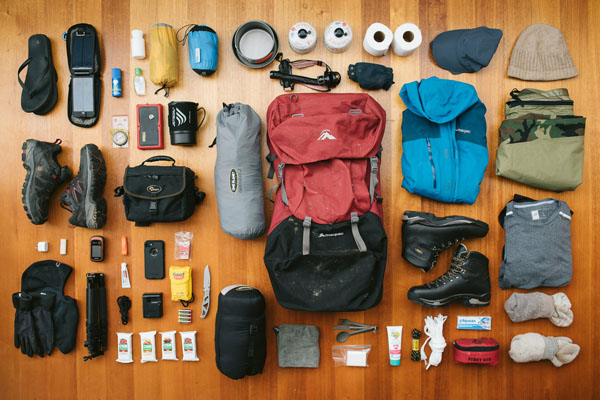
Kilimanjaro Gear-Rental Mistakes To Avoid For Your Climb 2026-2027
Planning a Kilimanjaro climb for 2026 or 2027? Renting gear can save money and hassle, but mistakes are common. This guide details the most frequent errors climbers make when renting...
View package details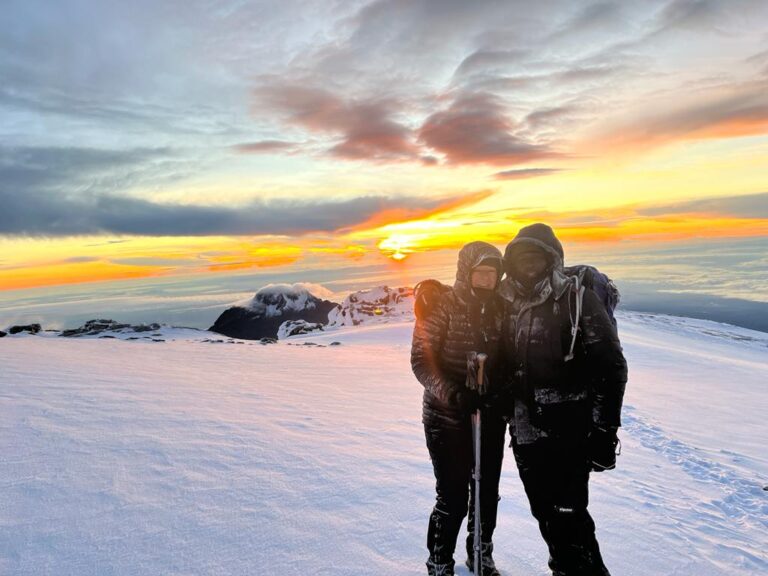
Kilimanjaro Hotel Booking Mistakes: Avoid These Pitfalls For A Smooth Climb
Booking accommodation near Kilimanjaro is crucial for a successful climb. This guide details common Kilimanjaro hotel booking mistakes to help you avoid them, ensuring comfort and readiness...
View package detailsKilimanjaro Flight-Booking Mistakes: Avoid These Pitfalls For Your Climb
Planning your Kilimanjaro climb for 2026 or 2027? Don't let flight booking errors derail your adventure. This guide covers critical mistakes to avoid, from choosing the right airport and...
View package detailsNo related package matches those filters. Clear one or more filters to see the other topic-matched options.



