
The Kilimanjaro Alpine Desert ecosystem is the third major ecological zone encountered on Mount Kilimanjaro, typically found between approximately 4,000 meters (13,120 feet) and 4,700 meters (15,400 feet) in altitude. This stark, arid environment is characterized by extreme temperature fluctuations, intense solar radiation, low oxygen levels, and sparse vegetation, forcing the few hardy plants and animals that survive here to develop remarkable adaptations. Climbers will traverse this challenging zone during their ascent, most notably on routes like Machame, Lemosho, and Marangu (above Kibo Hut).
Understanding the Kilimanjaro Alpine Desert Ecosystem
The Kilimanjaro Alpine Desert is a critical and dramatic transition zone on Africa’s highest peak. Situated above the more verdant moorland and heath zones, it presents a starkly different landscape that tests both the resilience of its inhabitants and the endurance of human trekkers. This high-altitude desert is not defined by sand dunes but by a rocky, barren terrain with minimal soil cover, often resembling a lunar landscape. The extreme conditions here are a direct consequence of altitude, making it one of the most challenging environments on the mountain.
Altitude and Atmospheric Conditions
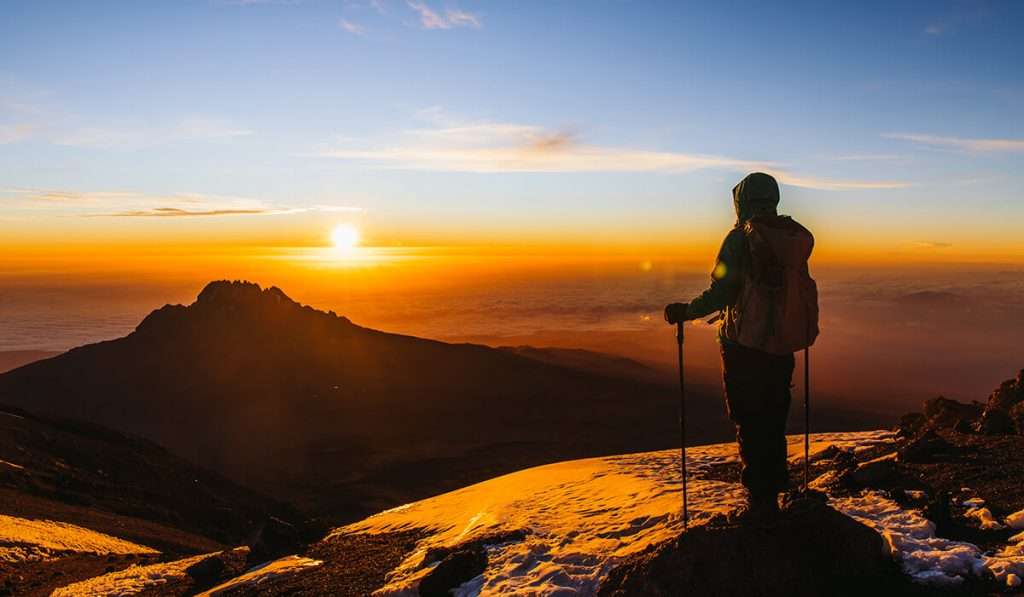
Altitude is the primary driver of the unique conditions within the alpine desert. As climbers ascend past roughly 4,000 meters, the atmospheric pressure drops significantly. This means there is less oxygen available for breathing, a phenomenon known as hypoxia. For trekkers, this translates to a slower pace, increased fatigue, and a higher risk of altitude sickness. The air is thin and dry, and the sun’s rays are intensely powerful due to the reduced atmospheric filtering. Nights, however, bring a sharp drop in temperature, often plunging well below freezing. These drastic diurnal temperature variations, coupled with strong winds, create an environment that is exceptionally harsh.
Geological Features and Soil Composition
The geology of the alpine desert zone is predominantly volcanic, reflecting Kilimanjaro’s origin as a stratovolcano. The terrain is characterized by scree slopes, loose rocks, volcanic ash, and exposed bedrock. Soil, where it exists, is thin and poorly developed, offering little support for extensive plant life. Large boulders and rocky outcrops are common, shaping the landscape and often forming natural shelters or obstacles. The iconic Kibo crater, the summit caldera, lies within or just above this zone, showcasing the raw geological power that formed the mountain. The stark beauty of this landscape is a defining feature for anyone climbing Kilimanjaro, particularly for those undertaking expeditions in 2026 or 2027.
Climatic Extremes
The climate within the Kilimanjaro Alpine Desert is defined by extremes:
- Temperature: Daytime temperatures can be surprisingly warm under direct sunlight, but they plummet rapidly after sunset, often reaching -10°C (14°F) or lower. This significant diurnal temperature range is a major challenge.
- Precipitation: Precipitation is very low, making it a desert. Rainfall is rare, but frost and ice are common, especially at higher elevations and during the colder months. Snowfall can occur, particularly near the summit, but it rarely accumulates significantly in the alpine desert zone itself due to wind and sublimation.
- Wind: Strong, often relentless winds are a constant feature of this zone. These winds can erode exposed rock and soil, contribute to rapid temperature drops (wind chill), and make acclimatization and movement more difficult for climbers.
- Solar Radiation: With a thinner atmosphere, ultraviolet (UV) radiation is intense. This necessitates robust sun protection, including high SPF sunscreen, hats, and sunglasses, for anyone trekking through this zone.
These climatic conditions create a demanding environment that requires careful preparation and appropriate gear for any Kilimanjaro climb, whether planned for 2026, 2027, or any other year.
Life in the Kilimanjaro Alpine Desert: Adaptations for Survival
Despite the formidable conditions, a surprising array of life has adapted to survive in the Kilimanjaro Alpine Desert. These adaptations are crucial for the survival of the flora and fauna in this extreme high-altitude environment.
Flora: Hardy Plants of the Barren Slopes
The vegetation in the alpine desert is sparse, low-growing, and highly specialized. Plants must cope with dehydration, freezing temperatures, intense UV radiation, and nutrient-poor soil. Common examples include:
- Giant Groundsels (Senecio kilimanjari): These iconic plants are perhaps the most recognizable feature of Kilimanjaro’s upper zones. Their thick, succulent leaves store water, and a dense covering of hairs or woolly leaves helps insulate them from cold and reduce water loss through transpiration. They can grow quite large, creating a surreal landscape.
- Giant Lobelias (Lobelia deckenii): Similar to groundsels, lobelias have adaptations to conserve water and protect themselves from freezing. Their water-storing rosettes and often hairy leaves help them survive.
- Mosses and Lichens: These hardy organisms can survive in incredibly harsh conditions, often clinging to rocks. They can endure long periods of desiccation and rehydrate quickly when moisture becomes available.
These plants often exhibit slow growth rates and long lifespans, reflecting the challenging conditions. Their survival strategies are a testament to the power of natural selection in extreme environments. For climbers, these plants are a visual indicator of their progress into the upper reaches of Kilimanjaro.
Fauna: Elusive Creatures of the High Altitude
Animal life is even more scarce in the alpine desert than plant life. The extreme conditions limit the types of animals that can survive here. Most animals are found in lower zones and only venture into the alpine desert periodically, often seeking food or shelter. However, some species are adapted to this zone:
- Small Mammals: Certain rodents, like the Kilimanjaro shrew or various species of mice, might be found in more sheltered areas or near water sources (though these are rare). They often have adaptations for burrowing to escape the cold and predators.
- Birds: Birds of prey, such as the Augur buzzard, can be seen soaring on thermals above this zone, hunting for small rodents. Some smaller birds, like the Alpine chat, are also adapted to these altitudes.
- Insects: A variety of insects, including beetles and flies, have adapted to survive, often in sheltered microhabitats. Their life cycles are typically timed to coincide with the brief periods of more favorable conditions.
The scarcity of fauna means that sightings are rare, making any encounter a special moment for trekkers. The focus of the ecosystem here is on the resilience of the few species that can endure these conditions.
The Climber’s Experience in the Kilimanjaro Alpine Desert
For trekkers ascending Kilimanjaro, the alpine desert zone represents a significant psychological and physical challenge. It’s a landscape that demands respect and careful management of one’s own body and resources. Understanding what to expect can greatly enhance the experience and improve safety for expeditions in 2026 and 2027.
Routes and the Alpine Desert
Most popular routes to Kilimanjaro’s summit pass through the alpine desert zone.
- Machame Route: This popular route traverses the alpine desert extensively, offering dramatic views and challenging ascents over scree.
- Lemosho Route: Similar to Machame, Lemosho also takes climbers through this arid zone with its distinct landscape.
- Marangu Route: While known for its hut accommodations, the Marangu route also enters the alpine desert, particularly as climbers approach Kibo Hut and the final summit push.
- Northern Circuit and Rongai: These routes also expose trekkers to the alpine desert environment, though sometimes with slightly different perspectives or timings within the overall itinerary.
The duration spent in this zone varies by route, but its presence is a common factor across most successful summit attempts.
Challenges Faced by Trekkers
The alpine desert presents several key challenges:
- Altitude Sickness (AMS): This is the most significant threat. Symptoms can worsen rapidly at these altitudes (4,000m+). Proper acclimatization, hydration, and recognizing early symptoms are critical.
- Extreme Cold: Nights are bitterly cold, requiring specialized cold-weather gear. Daytime temperatures can also be cool, especially with wind.
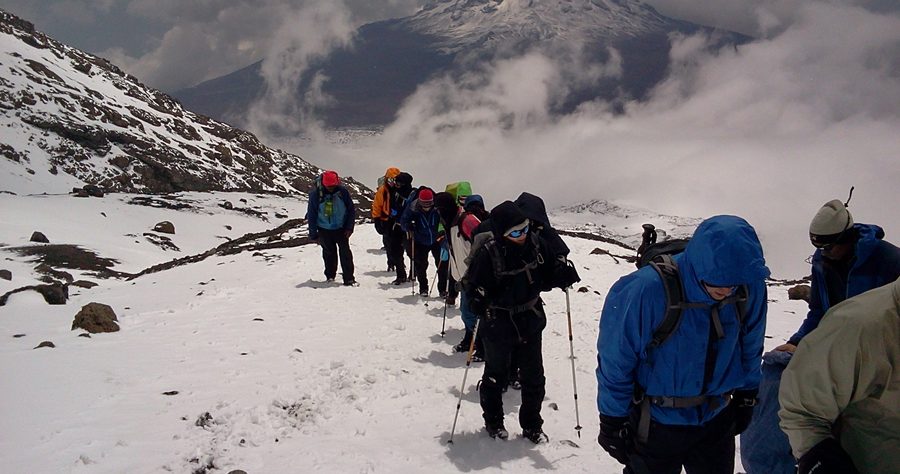
- Physical Exertion: The combination of altitude, uneven terrain (scree slopes), and potentially strong winds makes trekking physically demanding. Progress is slow and steady.
- Dehydration and Sunburn: Despite the cold, the dry air and intense sun can lead to rapid dehydration and severe sunburn if precautions are not taken.
- Psychological Impact: The stark, barren landscape can feel monotonous and unforgiving. Maintaining a positive mindset is crucial.
These challenges underscore the importance of choosing a reputable tour operator like Top Guide Adventures for your 2026-2027 Kilimanjaro climb, ensuring experienced guides who prioritize safety and acclimatization.
Essential Gear for the Alpine Desert Zone
Proper gear is non-negotiable for navigating the alpine desert. Key items include:
- Layered Clothing: Multiple insulating layers (fleece, down) are essential for adapting to temperature swings. A waterproof and windproof outer shell is vital.
- Cold-Weather Sleeping Bag: Rated for at least -15°C (5°F) to -20°C (-4°F).
- Insulated Gloves and Mittens: Waterproof and warm.
- Warm Hat and Balaclava: To protect head and face from cold and wind.
- High SPF Sunscreen and Lip Balm: For intense UV protection.
- Sunglasses: With high UV protection.
- Headlamp: Essential for summit night and early mornings.
- Sturdy Trekking Boots: Broken-in and waterproof.
- Trekking Poles: To aid balance on scree and reduce knee strain.
Consulting with your tour operator, such as Top Guide Adventures, about specific gear recommendations is highly advised before your 2026 or 2027 climb.
The Transition to the Summit Zone
Above the alpine desert lies the summit zone, often referred to as the Arctic zone. This is the final, most extreme environment before reaching the peak of Kilimanjaro. The transition from the alpine desert to the summit zone is marked by an increase in altitude, a decrease in vegetation to virtually nothing, and a further intensification of cold and wind.
Reaching the Crater Rim
Most routes reach the crater rim of Kibo volcano at an altitude of around 5,700 meters (18,700 feet). This final ascent typically begins in the very early hours of summit day, often around midnight or 1 AM, from Kibo Hut (Marangu Route) or Barafu Camp (Machame/Lemosho/other routes). The climb from the alpine desert to the crater rim is often on steep scree or volcanic rock. The air is extremely thin, and the physical and mental exertion is immense. Many climbers experience symptoms of altitude sickness here. The visual transition is one of increasing barrenness, with the rocky, desert-like terrain giving way to a landscape dominated by volcanic ash, rock, and permanent snow and ice fields as one nears the rim.
The Summit Zone (Arctic Zone)
Above approximately 4,700 meters (15,400 feet), the environment is often classified as the Arctic zone. This is a zone with virtually no vegetation and minimal signs of life. It is characterized by:
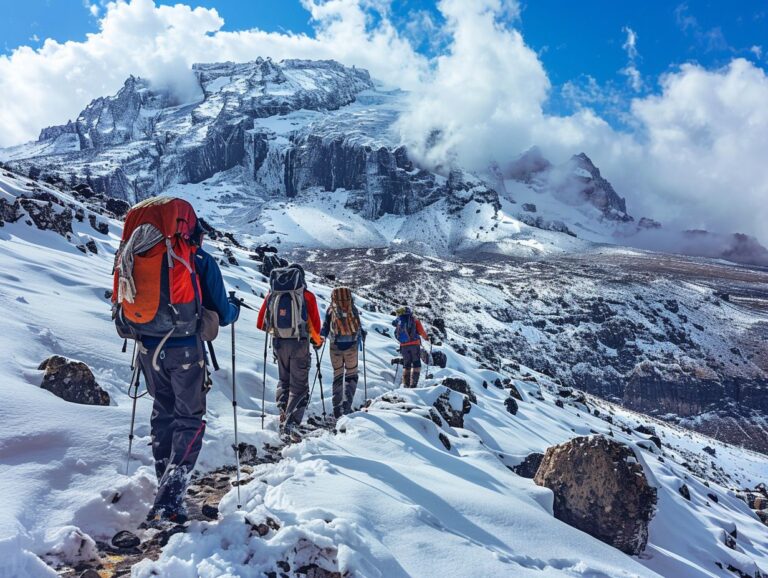
- Glaciers and Ice Fields: While shrinking due to climate change, glaciers and permanent snowfields are present on the upper reaches of Kibo, especially on the northern and eastern faces.
- Extreme Cold: Temperatures here are consistently well below freezing, often reaching -20°C (-4°F) or colder, especially with wind chill.
- Low Oxygen: The oxygen levels are roughly half that of sea level, making every step a significant effort.
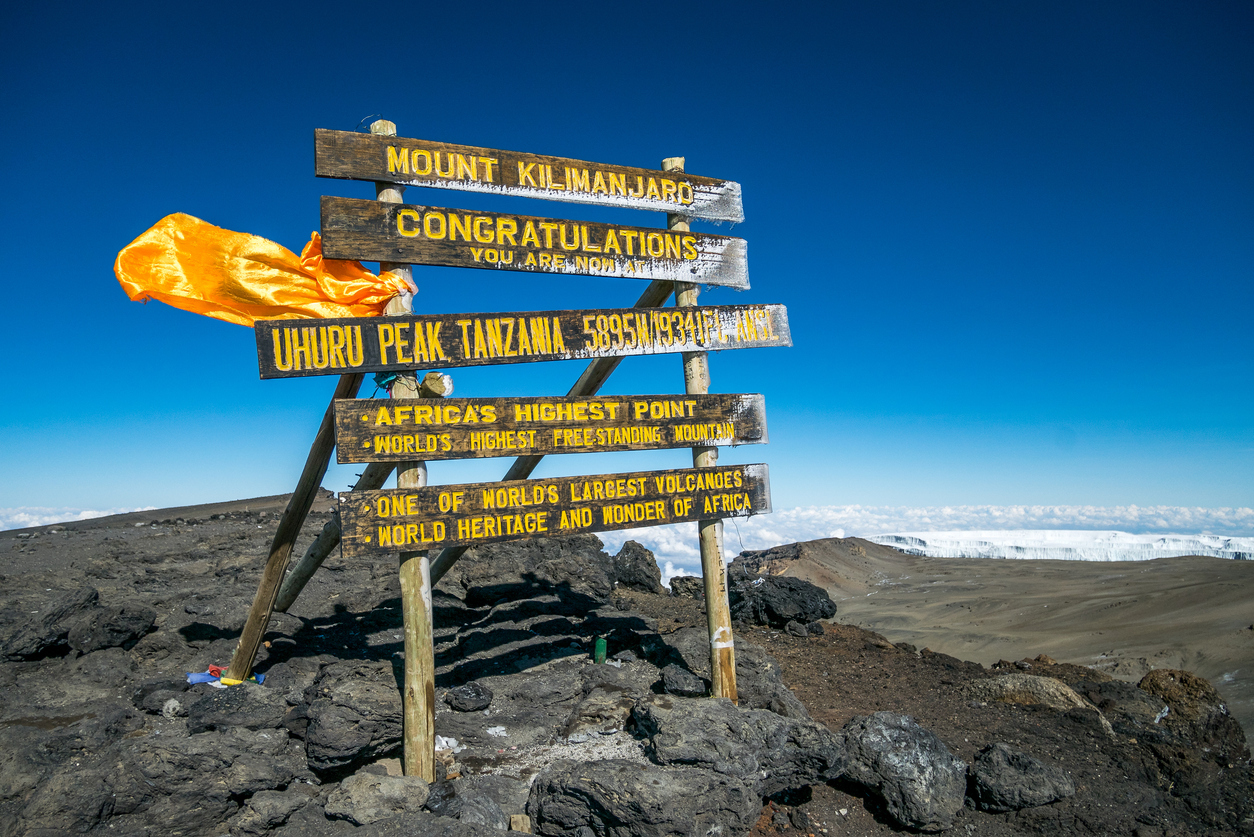
The journey across the crater rim to Uhuru Peak (5,895 meters / 19,341 feet) involves traversing this summit zone. The views from the rim, looking down into the vast crater and out over the clouds, are spectacular, but the focus remains on the physical challenge of reaching the summit. The alpine desert ecosystem provides the final rocky, arid stage before this ultimate, icy ascent.
Environmental Considerations and Conservation
Mount Kilimanjaro is a UNESCO World Heritage site, and its unique ecosystems, including the alpine desert, are fragile. Understanding and respecting these environments is crucial for preserving the mountain for future generations, including those planning climbs in 2026 and 2027.
Impact of Climate Change
Climate change is having a noticeable impact on Kilimanjaro’s ecosystems. The most visible effect is the rapid retreat of the mountain’s glaciers and snowfields. However, changes in temperature and precipitation patterns can also affect the sensitive plant and animal life in the alpine desert and other zones. Warmer temperatures might allow some species to move to higher altitudes, while others could be pushed out. Increased variability in weather patterns can also pose challenges for climbers and wildlife. Monitoring these changes is essential for conservation efforts.
Responsible Trekking Practices
To minimize human impact, responsible trekking practices are vital:
- Leave No Trace: Pack out all trash, including organic waste. Stay on designated trails to prevent erosion.
- Respect Wildlife: Do not feed or disturb any animals encountered. Maintain a safe distance.
- Campfire Regulations: Campfires are generally prohibited in Kilimanjaro National Park. Use designated cooking areas and stoves.
- Waste Management: Follow park regulations for human waste disposal.
- Support Local Communities: Choose tour operators that employ local guides and porters, and ensure they are treated ethically and paid fairly.
Top Guide Adventures is committed to responsible tourism practices, ensuring that our expeditions in 2026 and 2027 have minimal environmental impact and benefit local communities.
Conservation Efforts
Conservation efforts on Kilimanjaro involve various stakeholders, including the Tanzania National Parks Authority (TANAPA), researchers, and conservation organizations. These efforts focus on:
- Monitoring Ecosystem Health: Tracking changes in vegetation, wildlife populations, and glacier retreat.
- Reforestation Projects: Replanting native trees in degraded areas at lower altitudes.
- Education and Awareness: Informing trekkers and local communities about the importance of conservation.
- Sustainable Tourism Management: Implementing policies to manage visitor numbers and activities to reduce environmental pressure.
By adhering to park rules and choosing responsible operators, climbers contribute directly to these vital conservation efforts.
Planning Your 2026-2027 Kilimanjaro Climb and the Alpine Desert
Successfully navigating the Kilimanjaro Alpine Desert ecosystem requires thorough planning. Your choice of route, timing, and operator significantly influences your experience and safety. Top Guide Adventures specializes in creating safe and memorable Kilimanjaro expeditions for 2026 and 2027.
Choosing the Right Route for 2026-2027
While all routes traverse the alpine desert, some offer better acclimatization profiles, which can make the experience less taxing. Routes like the Lemosho and Northern Circuit are known for their longer duration and gradual ascent, allowing for better acclimatization, which is crucial for handling the alpine desert zone more comfortably. Shorter routes like Marangu can be more challenging due to faster ascents. Consider your fitness level, previous high-altitude experience, and desired scenery when making your choice for your 2026 or 2027 adventure.
Best Time to Climb in 2026-2027
The best times to climb Kilimanjaro, offering clearer skies and less rain, are during the dry seasons:
- January to March: Generally dry, with moderate temperatures.
- June to October: Another dry season, often cooler with clearer views.
These periods are ideal for experiencing the alpine desert zone without the added challenge of heavy rain or fog, making your 2026-2027 climb more enjoyable and safer. Avoid the rainy seasons (April-May and November-early December) if possible.
Working with a Trusted Operator
Selecting a reputable tour operator is paramount. A good operator will:
- Prioritize Safety: With experienced guides trained in high-altitude medicine and emergency procedures.
- Provide Quality Equipment: Including tents, food, and ensuring porters are well-equipped.
- Offer Flexible Itineraries: To accommodate acclimatization needs.
- Communicate Clearly: About what to expect, gear lists, and pre-climb preparations.
- Adhere to Ethical Practices: Ensuring fair treatment and wages for all staff.
Top Guide Adventures is dedicated to providing exceptional service and safety for your Kilimanjaro climb. We meticulously plan every detail to ensure you have the best possible experience navigating Kilimanjaro’s diverse ecosystems, including the challenging alpine desert. For inquiries about our 2026-2027 expedition schedules and custom trip planning, you can reach us via WhatsApp at +255616946642, or email us at topguideadventures@gmail.com or info@topguideadventures.com.
Conclusion: Respecting the Kilimanjaro Alpine Desert
The Kilimanjaro Alpine Desert ecosystem is a testament to nature’s resilience in extreme conditions. It’s a challenging yet profoundly rewarding environment for trekkers to experience. As you plan your expedition for 2026 or 2027, remember that understanding this zone—its unique flora, fauna, and the physical demands it places on climbers—is key to a successful and safe journey. By preparing adequately, choosing the right route and timing, and partnering with experienced guides from Top Guide Adventures, you can embrace the stark beauty of the alpine desert and stand closer to the summit of Africa’s rooftop.
Check Availability for Kilimanjaro Alpine Desert Ecosystem: A Comprehensive Guide For Climbers
Ready to compare dates, prices, and the best option for your group? Send the package name and travel month so the team can reply with a clear quote, availability, and what is included.
How To Identify An Unrealistically Cheap Kilimanjaro Package 2026-2027
How to Identify an Unrealistically Cheap Kilimanjaro Package is explained with current 2026-2027 planning, price, itinerary and booking information.
View package details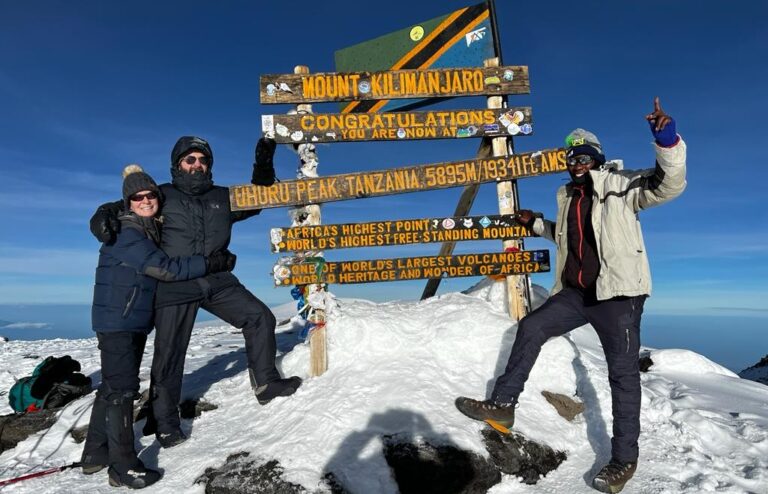
How To Compare Kilimanjaro Package Inclusions For Your Climb 2026-2027
Choosing the right Kilimanjaro climb package in 2026 or 2027 involves meticulously comparing what's included. This guide breaks down essential inclusions like park fees, guide/porter...
View package details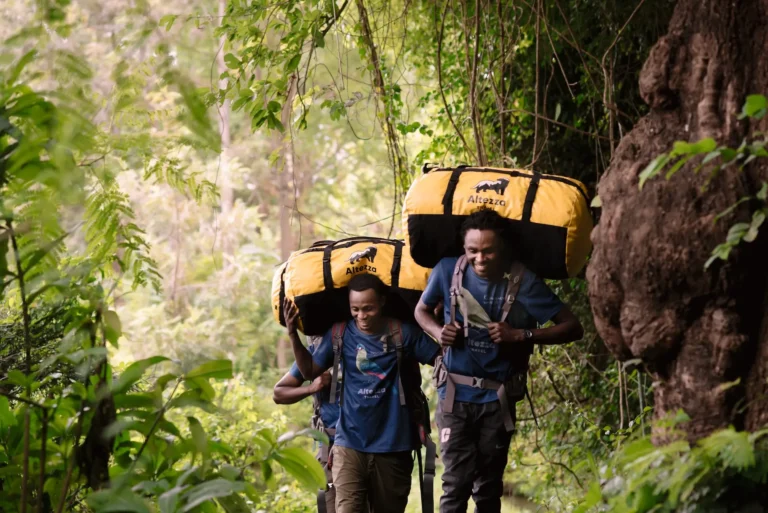
How To Read A Kilimanjaro Climbing Quote 2026-2027
How to Read a Kilimanjaro Climbing Quote is explained with current 2026-2027 planning, price, itinerary and booking information.
View package details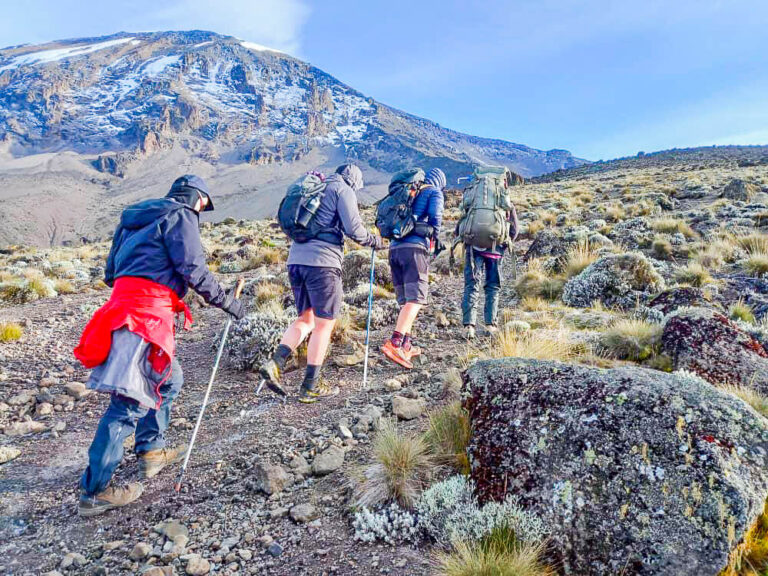
Kilimanjaro Booking Checklist For First-Time Climbers: Your Essential Guide
Planning your first Kilimanjaro climb in 2026 or 2027? This detailed checklist covers everything from choosing a route and operator to packing and acclimatization, ensuring a well-prepared...
View package details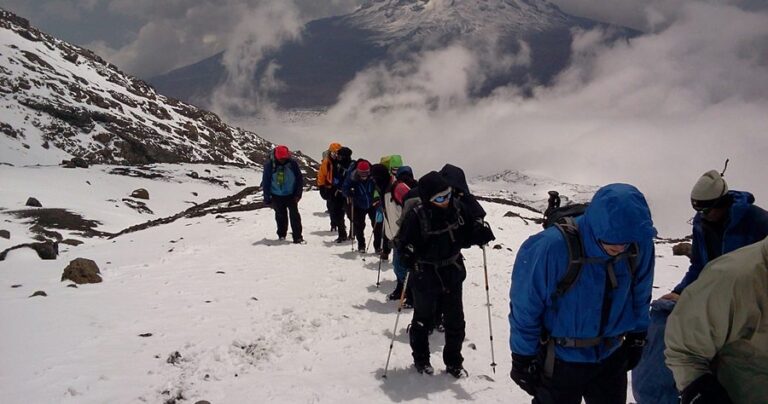
Questions Your Kilimanjaro Operator Should Answer For A Successful Climb
Choosing the right Kilimanjaro operator is crucial for a safe and memorable climb. This comprehensive guide details the essential questions you must ask your potential tour operator...
View package details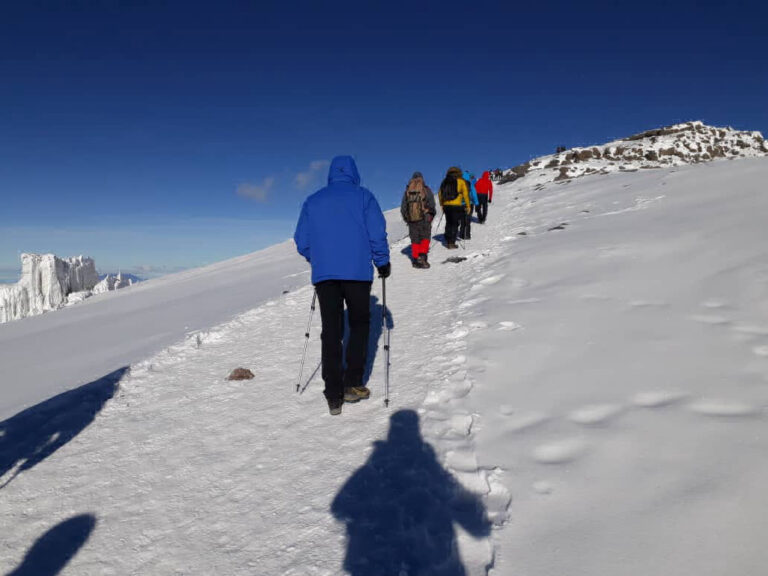
What Kilimanjaro Packages Often Leave Out 2026-2027
What Kilimanjaro Packages Often Leave Out is explained with current 2026-2027 planning, price, itinerary and booking information.
View package details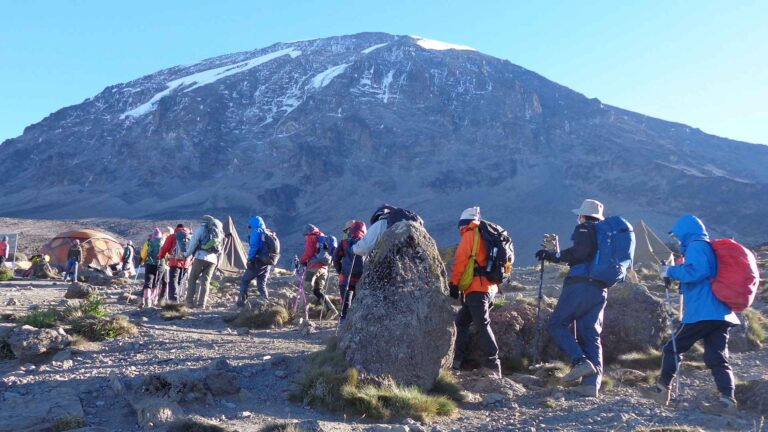
Is Kilimanjaro Really Worth The Cost? 2026-2027
Is Kilimanjaro Really Worth the Cost? is explained with current 2026-2027 planning, price, itinerary and booking information.
View package details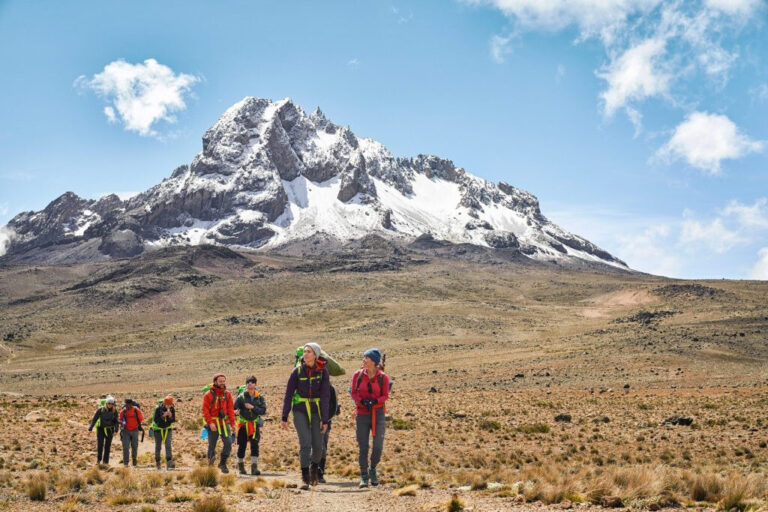
The Truth About Climbing Mount Kilimanjaro 2026-2027
The Truth about Climbing Mount Kilimanjaro is explained with current 2026-2027 planning, price, itinerary and booking information.
View package details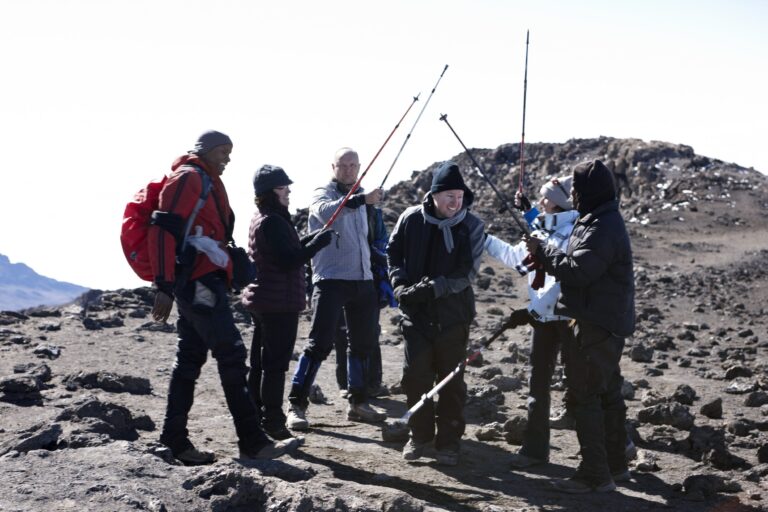
What Nobody Tells You About Climbing Kilimanjaro 2026-2027
What Nobody Tells You about Climbing Kilimanjaro is explained with current 2026-2027 planning, price, itinerary and booking information.
View package details30 Things To Know Before Booking Kilimanjaro: Your Expert Guide For Climbs
Your ultimate checklist for booking a Kilimanjaro climb in 2026-2027. This guide covers everything from choosing the right route and understanding costs to essential gear and preparation...
View package details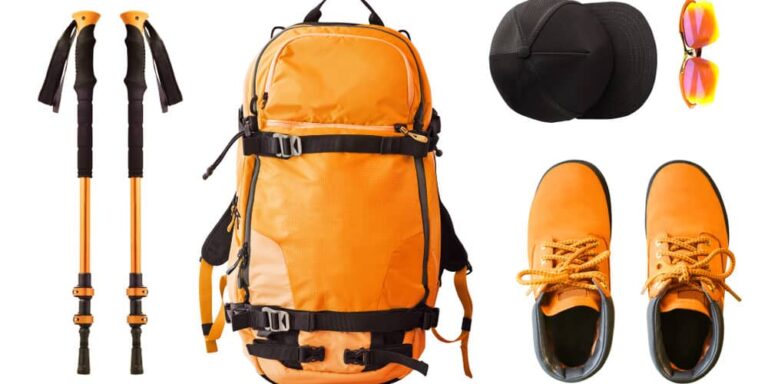
Reasons Climbers Regret Choosing A Short Kilimanjaro Route | Top Guide
Many Kilimanjaro climbers opt for shorter routes to save time or money, only to later regret their decision. This article details the common pitfalls of short routes, focusing on...
View package details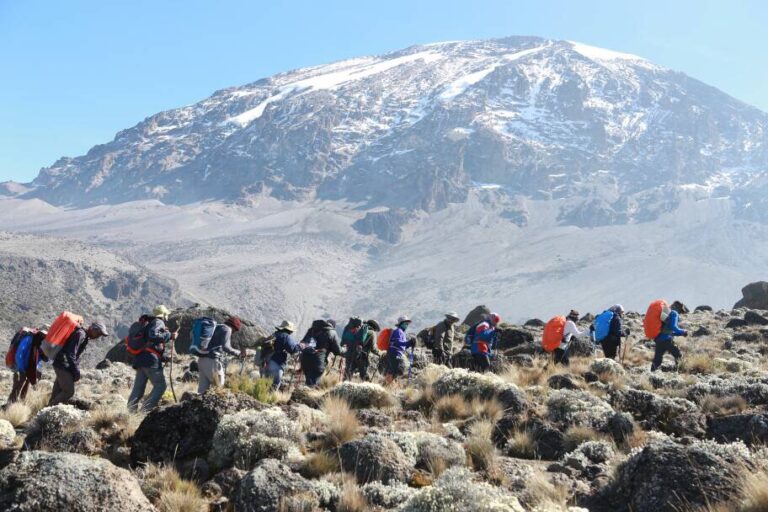
Kilimanjaro Low-Budget Booking Red Flags: Avoid Scams In 2026-2027
Climbing Kilimanjaro on a budget is possible, but requires vigilance. This guide highlights critical red flags to watch out for when booking a low-cost trek, ensuring your 2026-2027...
View package detailsNo related package matches those filters. Clear one or more filters to see the other topic-matched options.



