
Kilimanjaro National Park conservation fees are mandatory charges levied by Tanzania National Parks Authority (TANAPA) to fund park operations, conservation efforts, infrastructure development, and climber safety, essential for maintaining the mountain’s integrity and ensuring a sustainable climbing experience. For 2026-2027, these fees include park entry, camping/hut accommodation, rescue services, and often a forest/conservation levy, which are typically bundled by reputable tour operators into the overall climb package price. Understanding these components is crucial for transparent budgeting and appreciating the value they bring to your expedition.
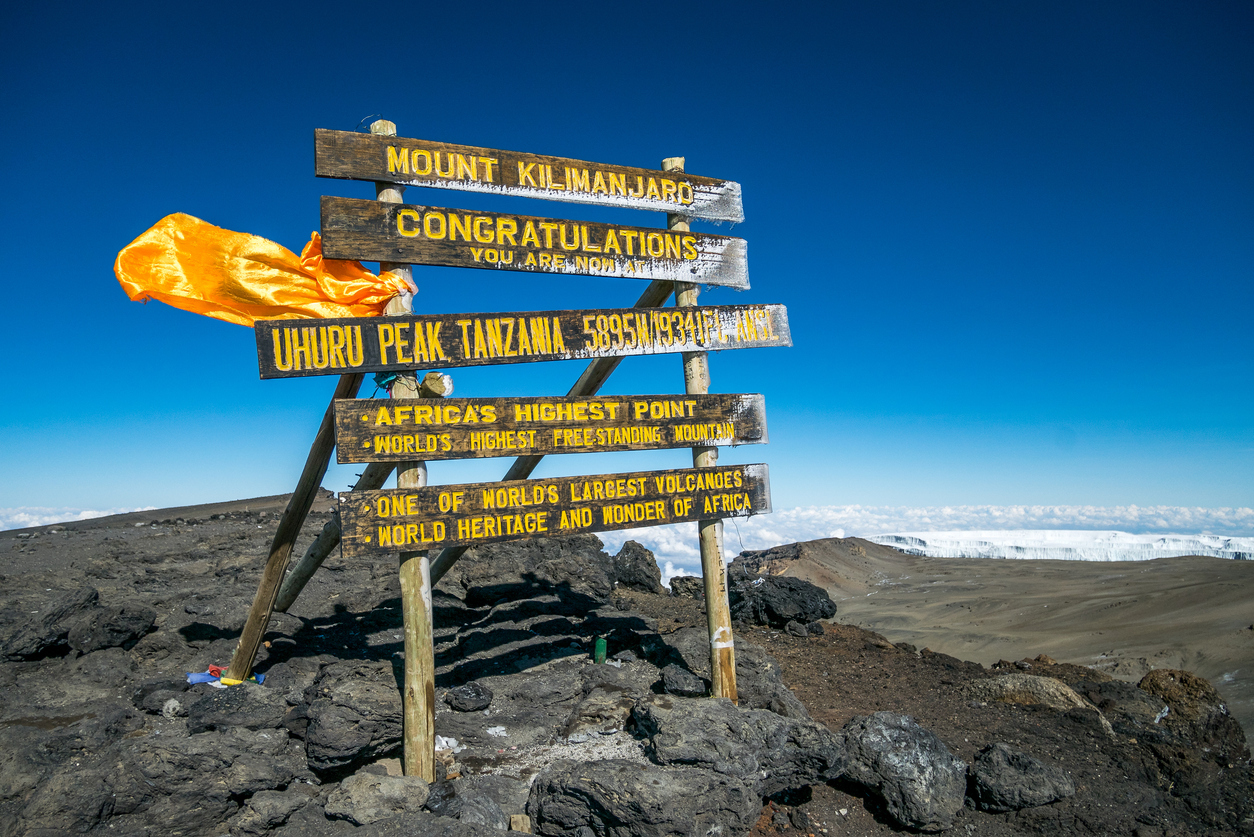
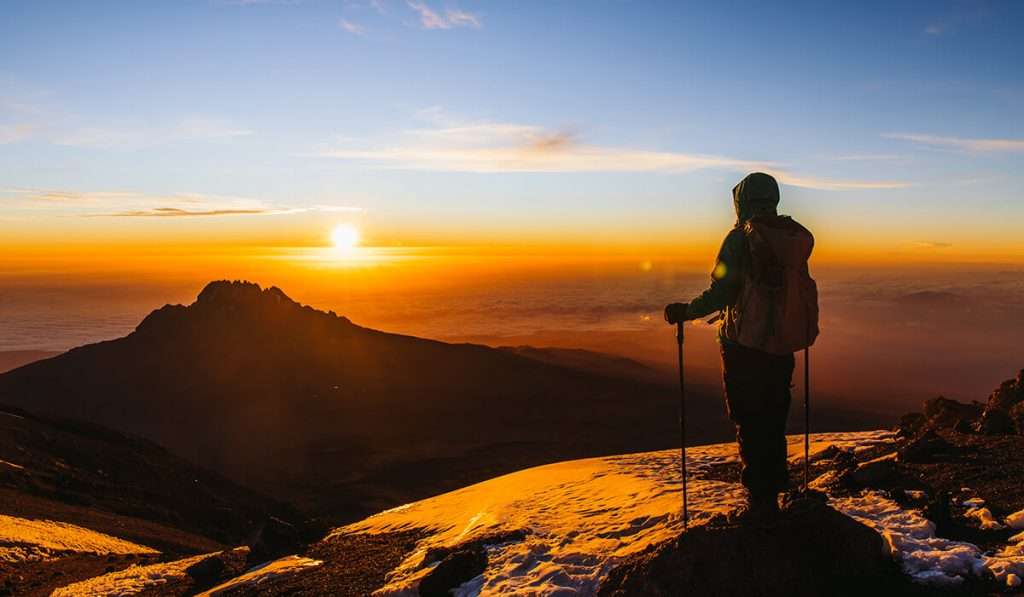
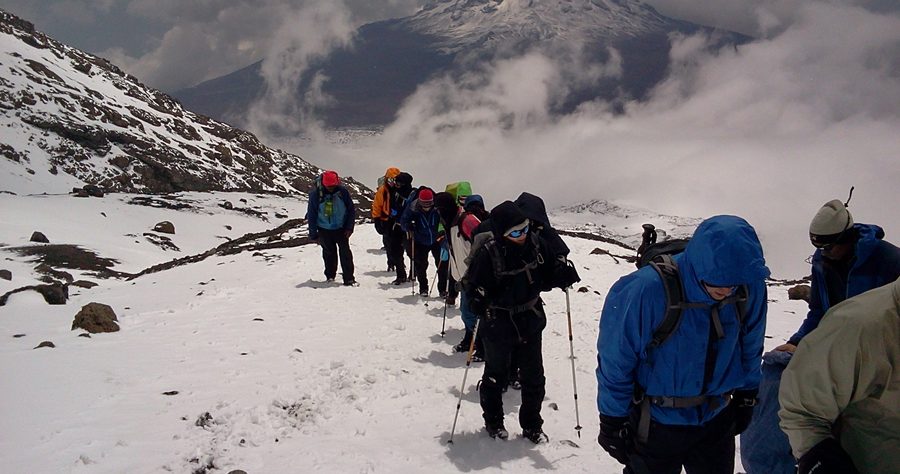
Understanding the Structure of Kilimanjaro National Park Conservation Fees
Climbing Kilimanjaro is a dream for many adventurers, and a significant part of planning this special journey involves understanding the associated costs. Among these, the Kilimanjaro National Park conservation fees stand out as a critical component. These fees are not arbitrary charges; they are vital contributions that directly support the preservation of this UNESCO World Heritage Site and ensure the safety and well-being of every climber who sets foot on its slopes. For those planning their ascent in 2026 or 2027, a clear grasp of these fees is paramount for accurate budgeting and informed decision-making.
The Tanzania National Parks Authority (TANAPA) is the governing body responsible for managing Kilimanjaro National Park and, consequently, for setting and collecting these conservation fees. The revenue generated from these fees is channeled into a variety of essential services and initiatives. This includes the ongoing maintenance of park trails, the upkeep of campsites and huts, waste management systems, anti-poaching patrols, wildlife conservation within the park’s ecosystem, and crucial rescue operations. Without these contributions, the park’s infrastructure would deteriorate, conservation efforts would falter, and the safety of climbers would be compromised.
It’s important for prospective climbers to recognize that these fees are typically integrated into the overall cost of a Kilimanjaro climb package offered by tour operators. While you might not pay each fee individually at the park gate, your chosen tour company will have accounted for them in their pricing. Reputable companies, like Top Guide Adventures, are transparent about what these fees cover, ensuring you understand where your money is going and the value it provides for your expedition. This transparency is key to building trust and providing peace of mind as you prepare for your trek.
For the 2026-2027 climbing seasons, the fundamental components of the Kilimanjaro National Park conservation fees remain consistent, though specific amounts are subject to review and potential adjustment by TANAPA. The primary fees generally include:
- Park Entry Fees: A daily fee for each day spent within the park boundaries.
- Camping/Hut Fees: A nightly fee for each night spent at designated campsites or inside the park’s huts.
- Rescue Fees: A mandatory fee contributing to the park’s emergency rescue services.
- Conservation Levy (or similar designation): An additional fee aimed at specific conservation projects within the park.
Navigating these fees can seem complex, but by understanding their purpose and how they are applied, you can approach your Kilimanjaro climb with confidence. This comprehensive guide aims to demystify the Kilimanjaro National Park conservation fees for 2026-2027, providing clarity on what to expect and why these charges are indispensable for a safe, sustainable, and memorable adventure.
The Essential Role of Conservation Fees in Park Management
Mount Kilimanjaro is more than just a mountain; it’s a unique ecological system, a vital water catchment area, and a national treasure. The Kilimanjaro National Park, established in 1977, encompasses a vast area of diverse ecosystems, from lush rainforests at the base to alpine deserts and the arctic summit zone. Protecting this fragile environment and ensuring its accessibility for future generations requires significant resources. This is precisely where the conservation fees play their indispensable role.
TANAPA utilizes the funds collected from these fees for a multitude of purposes directly impacting the park’s health and visitor experience. These include:
- Environmental Protection: Supporting anti-poaching units, monitoring wildlife, and combating threats like invasive species.
- Infrastructure Maintenance: Repairing and maintaining trails, bridges, and signage to prevent erosion and ensure safe passage.
- Waste Management: Implementing and managing systems to collect and remove waste from the mountain, a critical environmental challenge given the number of climbers.
- Reforestation Efforts: Planting trees in degraded areas, particularly in the montane forest zone, to restore habitats and protect water sources.
- Research and Monitoring: Funding scientific studies to understand the impacts of climate change and human activity on Kilimanjaro’s unique flora and fauna.
- Staffing and Operations: Employing rangers, guides, porters, and administrative staff who are essential for the park’s daily functioning and safety.
For climbers, the most tangible benefit of these fees is the assurance of safety. The rescue fee, in particular, underwrites the cost of emergency response, including the mountain rescue teams, medical support, and evacuation logistics. This system is crucial, as the mountain’s altitude and challenging terrain can pose significant risks. Knowing that a robust rescue infrastructure is in place provides invaluable peace of mind.
Moreover, the conservation fees contribute to the sustainable tourism model that Kilimanjaro aims to uphold. By charging for access and services, the park can manage visitor numbers, minimize environmental impact, and ensure that tourism benefits local communities through employment and the support of local businesses. This balance between conservation and tourism is delicate, and the fee structure is a key tool in achieving it.
When you pay your Kilimanjaro National Park conservation fees, whether directly or through your tour operator, you are not just paying for a trek; you are investing in the long-term survival of one of Africa’s most iconic natural wonders and supporting the safety of your own adventure. For the 2026-2027 seasons, this investment remains as critical as ever.
Breaking Down the Specific Kilimanjaro National Park Fees (2026-2027 Estimates)
While official figures for the 2026-2027 Kilimanjaro National Park conservation fees are typically released by TANAPA closer to the period, historical trends and recent adjustments allow us to provide a detailed breakdown of what climbers can anticipate. It is crucial to note that these figures are subject to change and should be confirmed with your tour operator closer to your booking date. However, understanding the categories and typical amounts is essential for planning.
Reputable tour operators, including Top Guide Adventures, meticulously track these fee changes and ensure they are accurately reflected in their package pricing. Transparency regarding these fees is a hallmark of responsible guiding companies.
Here’s a detailed look at the common fee categories and their estimated costs for 2026-2027:
1. Park Entry Fees
This is a daily fee charged for every day a climber spends within the Kilimanjaro National Park boundaries. The duration is calculated from the moment you enter the park until the moment you exit.
- Estimated Fee: Approximately $60 to $70 USD per person, per day.
- Calculation: If your trek lasts 7 days, you will incur 7 days of park entry fees.
- Purpose: Funds general park operations, maintenance, and conservation.
- Note for 2026-2027: Expect this fee to remain a significant daily charge.
2. Camping Fees (or Hut Fees)
This fee applies to each night spent on the mountain. The rate differs depending on whether you are camping at a designated campsite or staying in the park’s basic huts (primarily on Marangu Route).
- Camping Fee (per person, per night): Estimated at $40 to $50 USD.
- Hut Fee (per person, per night): Estimated at $50 to $60 USD.
- Purpose: Supports the maintenance and upkeep of campsites and huts, including sanitation facilities.
- Note for 2026-2027: These nightly rates are essential for budgeting the total cost of your chosen route, especially for longer treks.
3. Rescue Fees
This is a mandatory fee that contributes to the park’s emergency rescue services. It’s a critical component for climber safety.
- Estimated Fee: Approximately $10 to $20 USD per person.
- Purpose: Funds the Kilimanjaro Search and Rescue (KiSAR) team, medical personnel, and evacuation equipment.
- Note for 2026-2027: This fee is non-negotiable and vital for ensuring a safety net during your climb.
4. Conservation Levy / Crater Fees / Route-Specific Fees
Beyond the core fees, TANAPA may implement additional charges that are often route-dependent or cover specific park areas. For instance, some routes might have a specific “conservation levy” or “crater fee” applied.
- Conservation Levy: Some sources indicate a general conservation levy, often around $10 USD per person, though this can vary.
- Crater Fee: For climbers who aim to visit the crater rim (e.g., via Stella Point or Gilman’s Point on the Marangu and Kibo routes), an additional fee might apply, potentially around $50 USD per person. This is often paid on the summit day.
- Purpose: These fees can support specific conservation projects, access to sensitive areas, or specific service enhancements.
- Note for 2026-2027: Climbers should clarify with their operator if any such specific fees apply to their chosen route and if they are included in the package.
5. Crew Fees (Porters and Guides)
While not strictly “conservation fees” in the same vein as TANAPA charges, it is important to mention that the wages and welfare of the climbing crew (guides, porters, cooks) are a substantial part of the overall cost. These are often mandated by park regulations and park regulations and tour operator policies to ensure fair treatment and professional service.
- Purpose: To ensure fair wages, proper gear, food, and accommodation for the entire expedition team.
- Note for 2026-2027: Tour operators like Top Guide Adventures adhere to strict guidelines for crew welfare. These costs are bundled into the package price and reflect the ethical treatment of the support team.
Total Estimated Fee Range per Climber (for a 7-day trek)
Based on these estimates, a typical 7-day Kilimanjaro climb would incur the following approximate TANAPA fees:
- Park Entry: 7 days x $65 = $455
- Camping: 6 nights x $45 = $270
- Rescue Fee: $20
- Crater Fee (if applicable): $50
- Total Estimated TANAPA Fees: Approximately $795 – $800+ USD per person
This figure represents only the TANAPA fees. It does not include the cost of the guide and porter services, food, tents, equipment rental, park transportation, or the tour operator’s profit margin and operational costs. Therefore, the actual package price from a reputable operator will be significantly higher.
For 2026-2027, it is wise to budget for a slight increase in these fees. Always consult with your tour operator for the most up-to-date and accurate pricing details.
How Kilimanjaro National Park Conservation Fees Impact Your Climb Package
The Kilimanjaro National Park conservation fees are a significant portion of the overall cost of any Kilimanjaro climb. Reputable tour operators, such as Top Guide Adventures, incorporate these fees into their package pricing, ensuring a transparent and hassle-free experience for their clients. Understanding how these fees are integrated can help you appreciate the value and professionalism of a well-organized expedition.
Transparency in Pricing
When you receive a quote for a Kilimanjaro climb, the price is typically an all-inclusive figure covering various components. The Kilimanjaro National Park conservation fees form a substantial part of this, alongside crew wages, food, equipment, logistics, and the operator’s overheads. A reputable company will clearly outline what is included in their price, and often, this will explicitly state that park fees are covered.
For example, a package from Top Guide Adventures for a 2026-2027 climb would detail inclusions such as:
- Park entry fees for the duration of the trek.
- Camping or hut fees for each night.
- Rescue fees.
- Salaries for guides, porters, and cooks.
- All meals on the mountain.
- Tents and camping equipment.
- Boiled water.
- Portable toilets (on most routes).
- Transportation to and from the mountain gate.
- Accommodation in Moshi before and after the climb (often included).
Why Choosing a Reputable Operator Matters
Choosing a tour operator that adheres to ethical practices and includes all mandatory fees is crucial. Budget operators may sometimes advertise lower prices by attempting to circumvent certain fees or by underpaying their crew, which is illegal and unethical. This can lead to unexpected charges on the mountain, poor service, and potentially dangerous situations.
Top Guide Adventures, for instance, is committed to adhering to all TANAPA regulations and ensuring that all Kilimanjaro National Park conservation fees are paid. This commitment guarantees:
- Legitimate Access: Your climb is authorized and compliant with park regulations.
- Safety Assurance: The mandatory rescue fees are paid, ensuring access to emergency services.
- Fair Treatment of Crew: Adequate wages and support for guides and porters, which directly impacts their morale and performance.
- Environmental Responsibility: Contributions to park maintenance and conservation efforts.
Potential for Fee Increases
It’s important to be aware that TANAPA periodically reviews and adjusts park fees. While we are estimating for 2026-2027, there’s always a possibility of increases. Reputable operators will honor the price quoted at the time of booking for a certain period, but they will also clearly state their policy regarding potential fee hikes before the climb date, especially if the increase occurs significantly in advance.
When planning your 2026 or 2027 Kilimanjaro climb, always ask your potential tour operator for a detailed breakdown of costs and confirmation that all Kilimanjaro National Park conservation fees are included. This clarity prevents surprises and ensures your focus remains on the incredible adventure ahead.
Comparing Routes: How Fees Might Differ Based on Your Chosen Path
While the core Kilimanjaro National Park conservation fees (like daily park entry and rescue fees) are generally consistent across all routes, the overall cost and specific fee implications can vary slightly depending on the route you choose. This is primarily due to the differing durations of the routes and the type of accommodation used (camping versus huts).
Here’s how route choice can influence the total fee component of your climb package:
1. Route Duration and Daily Park Fees
The most significant variation comes from the number of days spent on the mountain. TANAPA charges park entry fees per day.
- Shorter Routes (e.g., Marangu 5-day, Machame 6-day): These routes will incur fewer daily park entry fees compared to longer ones. For example, a 5-day Marangu trek incurs 5 days of park entry fees, while a 7-day Lemosho trek incurs 7 days.
- Longer Routes (e.g., Lemosho 7/8-day, Northern Circuit 9-day): These routes offer higher acclimatization profiles and success rates but will naturally have more days incurring the daily park entry fee. This increases the total park entry fee component.
2. Camping vs. Hut Accommodation
The Marangu route is unique in that it utilizes dormitory-style huts rather than tents. All other routes (Machame, Lemosho, Shira, Rongai, Northern Circuit) are camping routes.
- Camping Routes: Incur nightly camping fees for each night spent camping. These fees are typically around $40-$50 USD per person, per night.
- Marangu Route (Hut Accommodation): Incurs nightly hut fees. These are often slightly higher than camping fees, estimated at $50-$60 USD per person, per night.
Given that the Marangu route is often a 5-day trek, the total hut fees might be comparable to or slightly higher than the camping fees on a shorter 6-day camping route, but the longer camping routes will accumulate higher total camping fees.
3. Crater Fees and Specific Area Access
Some routes may involve accessing specific areas that could incur additional fees. For instance, reaching the crater rim (Stella Point/Gilman’s Point) on summit day often involves a “crater fee” which might be around $50 USD. This fee is generally applicable to most routes that summit, but its inclusion in the package should be verified.
- Routes Summiting the Crater Rim: Most popular routes like Machame, Lemosho, Marangu, and Shira will include this fee component.
- Routes Not Summiting the Crater Rim: Some less common variations or older routes might have different summit objectives, but the standard routes all aim for Uhuru Peak via the crater rim.
4. Conservation Levy and Other TANAPA Charges
While TANAPA aims for a standardized fee structure, there can be minor variations or specific levies introduced. For example, a general “conservation levy” might be applied universally or specific to certain zones within the park. These are usually small amounts but contribute to the overall fee structure.
Example Comparison (Estimates for 2026-2027):
Let’s compare the TANAPA fee component for two popular routes over 7 days:
Route A: Machame Route (7 Days, Camping)
- Park Entry: 7 days x $65 = $455
- Camping: 6 nights x $45 = $270
- Rescue Fee: $20
- Crater Fee: $50
- Estimated Total TANAPA Fees: ~$795 USD
Route B: Marangu Route (5 Days, Huts)
- Park Entry: 5 days x $65 = $325
- Hut Fees: 4 nights x $55 = $220
- Rescue Fee: $20
- Crater Fee: $50
- Estimated Total TANAPA Fees: ~$615 USD
Important Considerations:
- These are estimates for TANAPA fees only. The total package price will differ significantly based on operator services, crew ratios, and other inclusions.
- Longer routes like Lemosho (7-8 days) or Northern Circuit (9 days) will have higher TANAPA fee components due to more days on the mountain.
- Always confirm the exact fee structure and inclusions with your tour operator for your chosen route and year (2026 or 2027).
Choosing a longer route generally means a higher total fee component but also offers better acclimatization and a more enjoyable, safer climb. The decision should balance budget with safety and success rate. Top Guide Adventures can help you select a route that fits your budget and preferences while ensuring all necessary Kilimanjaro National Park conservation fees are properly managed.
Navigating Fee Payment and What to Expect on the Mountain
For most climbers booking with a reputable company, the Kilimanjaro National Park conservation fees are paid upfront as part of the total package cost. This is the standard and recommended practice, ensuring that your climb is officially registered and all necessary permits and fees are settled before you even arrive in Tanzania.
Payment Process with Tour Operators
When you book your Kilimanjaro climb with a company like Top Guide Adventures, the process for handling these fees typically involves:
- Quotation: You receive a detailed quote that includes all mandatory fees, crew costs, food, accommodation, and logistics.
- Deposit: An initial deposit is usually required to confirm your booking and reserve your climbing dates for 2026 or 2027. This deposit helps the operator secure permits and pay initial park charges.
- Final Payment: The remaining balance is typically due a few weeks or months before your departure date. This final payment covers the bulk of the operational costs, including the remaining park fees, crew payments, and supplies.
This upfront payment system benefits both the climber and the operator. For the climber, it means peace of mind, knowing all logistical and financial aspects related to park access are handled. For the operator, it ensures they have the necessary funds to pay TANAPA and other suppliers, guaranteeing a smooth operation on the mountain.
What if You Book Independently or Need to Pay Extras?
While booking independently is not recommended due to the complexities and potential risks, if you were to arrange parts of your climb yourself, you would be responsible for paying these fees directly to TANAPA or designated park offices. This would typically involve:
- Registration at Park Headquarters: Upon arrival at the Kilimanjaro National Park entrance (e.g., Marangu Gate, Machame Gate), you would need to register and pay the relevant fees.
- Proof of Payment: You would need to carry receipts as proof of payment, as rangers will check these at various points on the mountain.
- Potential for On-the-Spot Payments: In rare cases, or if certain fees were not fully pre-paid by your operator (which would be a red flag), you might be asked to pay additional amounts on the mountain. This is uncommon with reputable companies.
On-Mountain Verification and Crew Tips
Park rangers regularly patrol the mountain and check climber registrations and fee payments. Your guide will manage these interactions. It’s essential to trust your guide to handle these administrative aspects correctly.
It’s also important to distinguish conservation fees from crew tips. While conservation fees fund park operations and safety, tips are a separate, customary payment for the hard work and dedication of your guides, porters, and cooks. Tips are usually paid in cash at the end of the trek in Moshi. While not a park fee, budgeting for tips is a crucial part of the overall Kilimanjaro climb cost for 2026-2027.
Potential for Unexpected Fees (Red Flags)
Be wary of situations where you are asked to pay significant, unexpected amounts on the mountain. Legitimate Kilimanjaro National Park conservation fees are typically settled beforehand. If a guide or porter demands extra money for reasons other than agreed-upon tips or pre-communicated, additional services (like extra snacks), it could be a sign of an unscrupulous operator or guide. This is another reason why booking with established companies like Top Guide Adventures is highly recommended.
They ensure all TANAPA fees are covered, and their guides are trained to handle all official interactions professionally, allowing you to focus on enjoying your climb.
2026-2027 Projections and Planning Your Kilimanjaro Climb
Planning a Kilimanjaro climb for the 2026 or 2027 seasons requires looking ahead and understanding how various factors, including conservation fees, influence the overall expedition. While the core fee structure is likely to remain similar, potential adjustments and the broader context of planning are important.
Anticipated Fee Adjustments
As mentioned, TANAPA reviews its fee structure periodically. It is reasonable to anticipate a modest increase in Kilimanjaro National Park conservation fees for the 2026-2027 period compared to previous years. These adjustments are usually implemented to keep pace with inflation, improve park services, and fund new conservation initiatives.
- Budgeting for Increases: Climbers should factor in a potential 5-10% increase on estimated fee components when budgeting for their 2026-2027 climb.
- Operator Policies: Confirm the booking terms with your operator regarding price guarantees and how potential fee hikes are handled. Companies like Top Guide Adventures often provide clear policies on this, ensuring you are not caught off guard.
Booking Windows for 2026-2027
Popular climbing seasons for Kilimanjaro are typically January-March (dry, colder) and June-October (dry, warmer). For these peak seasons in 2026 and 2027, booking well in advance is highly recommended.
- Ideal Booking Time: 6 to 12 months in advance is ideal for securing your preferred dates, especially for group departures or private climbs during peak season.
- Permit Availability: While TANAPA has capacity, popular campsites can fill up, particularly during peak times. Early booking helps secure these spots.
Choosing the Right Operator for 2026-2027
Selecting a trustworthy tour operator is paramount for a successful and safe Kilimanjaro climb. When evaluating operators for your 2026-2027 expedition, consider:
- Transparency: Do they clearly explain all costs, including Kilimanjaro National Park conservation fees?
- Safety Standards: Do they have robust safety protocols, experienced guides, and adequate oxygen supplies?
- Crew Welfare: Do they adhere to fair wages and working conditions for their guides and porters? This is often a key indicator of overall quality and ethical operation.
- Reviews and Reputation: Check independent reviews on platforms like TripAdvisor. Top Guide Adventures consistently receives positive feedback for its professionalism and client care.
- Inclusions: Ensure the package covers all essential elements, including park fees, meals, accommodation, and transfers.
The Value Proposition of Conservation Fees
It’s essential to view the Kilimanjaro National Park conservation fees not as an expense, but as an investment. Your contribution directly supports:
- The preservation of a unique natural wonder.
- The safety and well-being of yourself and your climbing team.
- The livelihoods of the local guides and porters who make your climb possible.
- Sustainable tourism practices that benefit the region.
For your 2026-2027 Kilimanjaro adventure, understanding and respecting these fees is part of the journey. It ensures that this magnificent mountain remains accessible and protected for generations to come.
Frequently Asked Questions About Kilimanjaro Conservation Fees
What are the main components of Kilimanjaro National Park conservation fees?
The primary fees include daily park entry, nightly camping or hut accommodation, and a mandatory rescue fee. Additional charges like crater fees may also apply depending on the route and summit day activities. These fees fund park operations, conservation, and climber safety.
Are Kilimanjaro National Park conservation fees included in my climb package?
Reputable tour operators, such as Top Guide Adventures, typically include all mandatory Kilimanjaro National Park conservation fees in their package price. It is essential to confirm this with your operator to ensure transparency and avoid unexpected costs during your trek.
How much do Kilimanjaro National Park conservation fees typically cost per person?
For a standard 7-day trek, the estimated TANAPA fees (park entry, camping, rescue, and crater fees) can range from approximately $700 to $900+ USD per person. This is an estimate and subject to change by TANAPA for the 2026-2027 seasons.
Can I pay the conservation fees directly at the park gate?
While theoretically possible if booking independently, it is strongly advised against. Reputable operators handle all fee payments in advance. Paying directly at the gate can be complex, time-consuming, and may lead to issues if permits are not secured properly. Always book through a trusted operator for a smooth experience.
Are there any discounts available for Kilimanjaro National Park conservation fees?
TANAPA does not typically offer discounts on conservation fees for individual climbers. The fees are set per person per day or per night. However, booking with a package deal from a reputable operator can offer overall value compared to arranging everything independently.
How do conservation fees contribute to the mountain’s environment?
The fees are vital for environmental protection, funding trail maintenance, waste management systems, anti-poaching efforts, reforestation projects, and research. This ensures the mountain’s ecosystems are preserved and the climbing experience remains sustainable.
What is the rescue fee for?
The rescue fee is a mandatory charge that funds the Kilimanjaro Search and Rescue (KiSAR) team. This service provides essential emergency response, medical assistance, and evacuation for climbers in distress, ensuring a critical safety net on the mountain.
Will the conservation fees increase for 2026-2027?
It is possible that TANAPA may adjust the conservation fees for the 2026-2027 climbing seasons. While exact figures are confirmed closer to the time, it is prudent to budget for potential modest increases and confirm the latest rates with your tour operator when booking.
Plan Your 2026-2027 Kilimanjaro Adventure with Confidence
Understanding the intricacies of Kilimanjaro National Park conservation fees is a crucial step in planning your unforgettable ascent. These fees are not just costs; they are essential contributions that ensure the mountain’s preservation, the safety of every climber, and the sustainability of tourism on this iconic peak. For your 2026 or 2027 Kilimanjaro climb, clarity on these charges translates directly into a smoother, more secure, and more rewarding experience.
At Top Guide Adventures, we are committed to transparency and excellence in every aspect of your journey. We ensure that all mandatory Kilimanjaro National Park conservation fees are accurately accounted for and included in our comprehensive climb packages. Our experienced team is dedicated to providing personalized attention, expert guidance, and unwavering support from your initial inquiry through to your triumphant summit and safe return.
We understand that planning a major expedition like climbing Kilimanjaro can bring many questions. Whether you’re curious about the latest fee structures for 2026-2027, seeking advice on the best route for your fitness level, or need assistance with tailoring your itinerary, our team is here to help. We pride ourselves on offering tailor-made journeys across Tanzania, ensuring your adventure meets your specific needs and expectations.
Don’t let the complexities of park fees deter you from achieving your Kilimanjaro dream. Let us handle the details so you can focus on your preparation and the incredible experience ahead.
Ready to start planning your 2026 or 2027 Kilimanjaro climb?
- Contact us via WhatsApp: +255616946642
- Email us: topguideadventures@gmail.com
- Backup Email: info@topguideadventures.com
Let Top Guide Adventures be your trusted partner in making your Kilimanjaro adventure a reality. We look forward to helping you conquer Africa’s highest peak safely and memorably.
Check Availability for Kilimanjaro National Park Conservation Fees Explained For Climbers 2026-2027
Ready to compare dates, prices, and the best option for your group? Send the package name and travel month so the team can reply with a clear quote, availability, and what is included.
How To Verify Kilimanjaro Park Fees Are Included In Your Trek Package
Climbing Mount Kilimanjaro is a dream for many, but understanding the costs involved, particularly park fees, is crucial for proper planning. This guide helps you verify that all necessary...
View package details
Kilimanjaro Climb With A Conservation Project: A Meaningful Adventure
Discover how to undertake a Kilimanjaro climb that actively contributes to conservation efforts. This guide details the benefits, project types, planning considerations, and what to expect...
View package details
Kilimanjaro Giant Lobelias Explained: Identification, Ecology, And Trekker
Explore the fascinating Giant Lobelias of Kilimanjaro. Learn about their remarkable adaptations to the alpine environment, where they thrive on the mountain slopes, and how to best spot...
View package details
Kilimanjaro Climb With Materuni Recovery Day 2026-2027
Kilimanjaro Climb with Materuni Recovery Day is explained with current 2026-2027 planning, price, itinerary and booking information.
View package details
Kilimanjaro Climb With Lake Chala Relaxation Day: Your Ultimate Post-Trek
Experience the ultimate Kilimanjaro adventure followed by serene relaxation at Lake Chala. This guide details how to combine these incredible Tanzanian experiences, covering itineraries...
View package details
Kilimanjaro Climb & West Safari: The Ultimate Tanzania Adventure 2026-2027
Experience the pinnacle of Tanzania with a combined Kilimanjaro climb and West Kilimanjaro safari. This guide details itineraries, preparation, and what to expect for your 2026-2027...
View package details
Kilimanjaro Climb With Mkomazi Rhino Safari 2026-2027
Kilimanjaro Climb with Mkomazi Rhino Safari is explained with current 2026-2027 planning, price, itinerary and booking information.
View package details
Kilimanjaro Climb With Amboseli Safari Extension: Your Ultimate Tanzania
Experience the pinnacle of African adventure by combining a challenging Kilimanjaro climb with a impressive safari in Amboseli National Park. This guide details itineraries, costs, best...
View package details
21-Day Kilimanjaro And Complete Tanzania Holiday: Your Ultimate Adventure
This comprehensive 21-day itinerary offers the ultimate Tanzanian adventure, merging the challenge of climbing Mount Kilimanjaro with the wildlife wonders of its famed national parks and...
View package details
18-Day Kilimanjaro And Northern Tanzania Grand Adventure: Trek, Safari &
An 18-day itinerary blending Kilimanjaro's summit with Northern Tanzania's wildlife and culture offers a comprehensive African experience. This adventure typically includes a multi-day trek...
View package details
17-Day Kilimanjaro, Serengeti, Ngorongoro & Zanzibar Tour: Your Ultimate
This 17-day tour combines the iconic Mount Kilimanjaro climb with unparalleled wildlife safaris in the Serengeti and Ngorongoro Crater, culminating in a relaxing beach escape in Zanzibar...
View package details
15-Day Kilimanjaro, Great Migration & Zanzibar Beach Package | Top Guide
Combine the thrill of summiting Mount Kilimanjaro, witnessing the iconic Great Migration in the Serengeti, and unwinding on the pristine beaches of Zanzibar in one unforgettable 15-day...
View package detailsNo related package matches those filters. Clear one or more filters to see the other topic-matched options.



