
A successful Kilimanjaro training plan for teen climbers in 2026-2027 emphasizes gradual physical conditioning, mental preparation, proper gear selection, and understanding acclimatization principles. It involves a progressive increase in cardiovascular endurance and strength training, focusing on leg muscles, core, and upper body, alongside regular hiking practice with a weighted backpack. Early planning, consistent effort over several months, and realistic goal setting are key to ensuring a teen is well-prepared for the physical and mental demands of climbing Mount Kilimanjaro.
Why a Specific Kilimanjaro Training Plan for Teens Matters
Climbing Mount Kilimanjaro is an extraordinary achievement, and for teenagers, it represents an even more significant milestone. While the mountain’s technical difficulty is low, its extreme altitude and duration demand a robust physical and mental commitment. A specialized Kilimanjaro training plan for teen climbers in 2026-2027 acknowledges that adolescents have unique physiological and psychological considerations compared to adults. This isn’t just about getting fit; it’s about building resilience, understanding their bodies, and fostering a sense of accomplishment that can last a lifetime. Top Guide Adventures understands these nuances and crafts experiences that prioritize safety and success for younger adventurers.
The goal of this comprehensive guide is to equip parents and young climbers with the knowledge and tools needed to prepare effectively. We’ll break down the essential components of a training regimen, from building cardiovascular stamina to packing the right gear, ensuring that your teen’s Kilimanjaro adventure in 2026 or 2027 is not only memorable but also safe and enjoyable. This plan is designed to be adaptable, allowing for individual progress while keeping the ultimate objective—standing on the Roof of Africa—firmly in sight.
Understanding the Kilimanjaro Challenge for Young Climbers
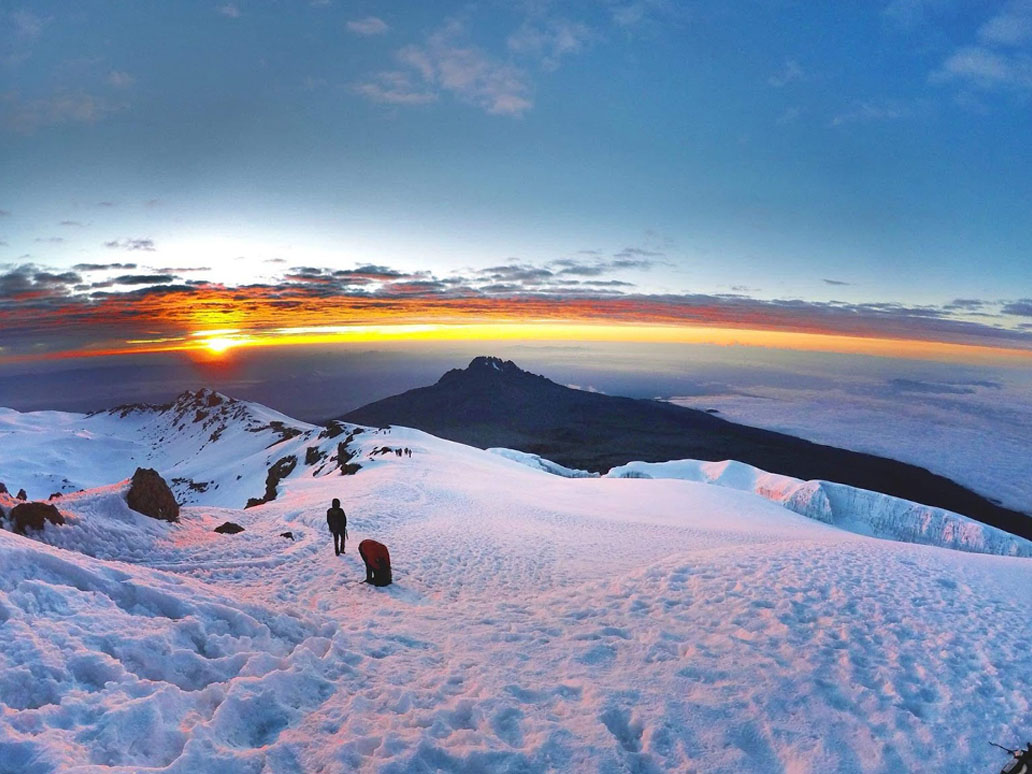
Before diving into training specifics, it’s crucial to grasp what climbing Kilimanjaro entails, especially for teenagers. The mountain stands at 5,895 meters (19,341 feet) above sea level, making it the highest peak in Africa and one of the Seven Summits. The primary challenge is not technical climbing, but rather the rapid ascent to high altitude. This poses a significant risk of altitude sickness, which can affect anyone, regardless of age or fitness level, though younger individuals may sometimes recover more quickly if symptoms are mild.
The climb typically takes between 5 to 9 days, depending on the chosen route. This prolonged physical exertion, combined with fluctuating temperatures, challenging terrain, and basic camping conditions, requires more than just basic fitness. It demands:
- Stamina: The ability to walk for 6-10 hours a day, often for consecutive days, on steep inclines.
- Endurance: Sustained physical effort at altitude where oxygen levels are significantly lower.
- Mental Fortitude: The capacity to persevere through discomfort, fatigue, and potentially challenging weather conditions.
- Adaptability: Being prepared for varying weather, simple living, and the unpredictable nature of mountain environments.
For teens, who may be experiencing growth spurts and hormonal changes, their bodies are still developing. This means a tailored approach to training is essential. We aim to prepare them thoroughly so they can focus on the incredible experience of climbing Kilimanjaro, rather than struggling with preventable physical limitations. Planning for a 2026 or 2027 climb allows ample time for this structured preparation.
Phase 1: Building the Foundation (6-9 Months Before Climb)
This initial phase is about establishing a consistent baseline of physical activity and gradually introducing the types of demands the climb will place on the body. For a 2026 or 2027 expedition, starting early is a significant advantage.
Cardiovascular Conditioning: The Heart of the Matter
Aerobic fitness is paramount for Kilimanjaro. The body needs to efficiently transport oxygen to the muscles, especially at altitude. Teens should engage in at least 3-4 sessions of moderate-to-high intensity cardiovascular exercise per week.
- Activities: Running, jogging, cycling, swimming, brisk walking, dancing, or using an elliptical machine.
- Duration: Aim for 30-60 minutes per session.
- Progression: Gradually increase the duration or intensity over weeks. If a teen is new to exercise, start with 20-30 minutes and build up.
Strength Training: Supporting the Ascent
While not a technical climb, Kilimanjaro requires strong legs and a stable core to navigate steep ascents and descents. Strength training sessions should be incorporated 2-3 times per week, focusing on compound movements that engage multiple muscle groups.
- Lower Body: Squats, lunges (forward, backward, side), calf raises, step-ups (mimicking climbing stairs).
- Core: Planks (front, side), crunches, leg raises, Russian twists. A strong core aids balance and stability on uneven terrain.
- Upper Body: Push-ups, rows, and overhead presses. These help with carrying a daypack and maintaining posture.
For teenagers, it’s important to focus on proper form over heavy weights. Bodyweight exercises or using resistance bands are excellent starting points. If using weights, ensure they are manageable and supervised.
Flexibility and Mobility: Preventing Injury
Good flexibility helps prevent muscle strains and improves overall movement efficiency. Incorporate stretching after workouts or on rest days.
- Stretches: Hamstring stretches, quadriceps stretches, calf stretches, hip flexor stretches, and upper body stretches.
- Activities: Yoga or Pilates can be highly beneficial for improving flexibility, core strength, and body awareness.
Introducing Hiking: The Most Relevant Training
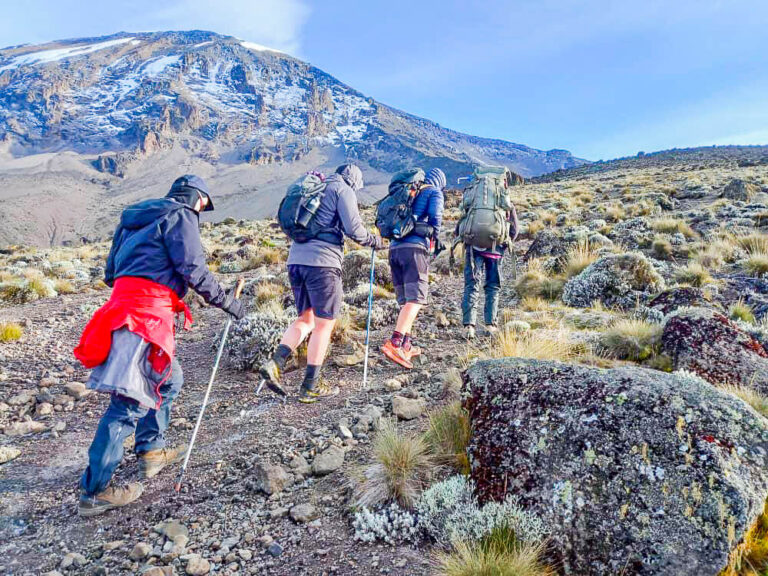
The best training for hiking is hiking itself. Begin with shorter, less strenuous hikes and gradually increase the distance, elevation gain, and pack weight.
- Frequency: Start with one longer hike per week.
- Duration: Begin with 1-2 hour hikes.
- Terrain: Seek out trails with varied terrain, including hills and stairs.
Key Takeaway for Phase 1: Consistency is more important than intensity at this stage. The aim is to build a habit of regular exercise and introduce the body to movement and moderate exertion.
Phase 2: Building Endurance and Acclimatization Practice (3-5 Months Before Climb)
As the expedition date approaches, the training focus shifts towards increasing endurance, simulating climb conditions, and introducing the concept of acclimatization.
Longer Hikes and Back-to-Back Days
This is where the training truly starts to mimic the Kilimanjaro experience. The goal is to build the stamina required for multiple days of consecutive trekking.
- Weekly Hikes: Gradually increase the length of your weekly hike to 3-5 hours.
- Elevation Gain: Prioritize hikes with significant elevation gain (e.g., 500-1000 meters or 1,500-3,000 feet).
- Back-to-Back Hikes: Simulate multi-day trekking by doing longer hikes on consecutive days (e.g., a 4-hour hike on Saturday and a 3-hour hike on Sunday). This teaches the body to recover and perform on tired legs.
Increasing Pack Weight
You’ll need to carry a daypack with essentials like water, snacks, extra layers, and a first-aid kit. Training with a weighted backpack is crucial.
- Weight: Start with 5-8 kg (10-18 lbs) and gradually increase to 10-12 kg (22-26 lbs).
- Practice: Wear the pack on your longer hikes. This helps you get used to the feel and adjust straps for comfort.
Altitude Simulation (Where Possible)
While true altitude simulation is difficult outside of specialized facilities, you can mimic some effects:
- High-Intensity Interval Training (HIIT): Short bursts of intense exercise followed by brief recovery periods can improve oxygen utilization.
- Hiking at Higher Elevations: If you live near mountains, seeking out trails at higher altitudes for training can be beneficial.
- Breathing Exercises: Practicing controlled breathing techniques can help improve oxygen intake and manage breathlessness.
Cross-Training and Variety
Continue with other forms of exercise to maintain overall fitness and prevent burnout. Activities like swimming or cycling can provide a good aerobic workout without the impact of hiking.
Key Takeaway for Phase 2: Focus on building sustained endurance and preparing the body for the repetitive nature of multi-day trekking. Practice is key to building confidence and physical readiness.
Phase 3: Peak Conditioning and Refinement (1-2 Months Before Climb)
This phase is about reaching peak fitness and fine-tuning details like gear and nutrition. The intensity of training remains high, but the volume might slightly decrease to allow for recovery before the climb.
Simulating Climb Days
Aim to replicate the longest and most demanding days of the Kilimanjaro climb.
- Long Hikes: Include at least two hikes of 6-8 hours with significant elevation gain during this period.
- Pack Weight: Ensure your daypack weight is consistent with what you’ll carry on the mountain.
Mental Preparation
The mental aspect of climbing Kilimanjaro is often underestimated. For teens, building mental resilience is as important as physical fitness.
- Visualization: Encourage teens to visualize themselves successfully completing challenging parts of the climb.
- Positive Self-Talk: Teach them strategies for maintaining a positive attitude when facing difficulties.
- Problem-Solving: Discuss potential challenges (weather, fatigue, altitude symptoms) and how to approach them calmly.
Gear Testing and Familiarization
This is the time to ensure all gear fits properly and is functional. Wear your hiking boots on long training hikes to break them in and prevent blisters. Test your waterproofs, base layers, and backpack.
Rest and Recovery
As the climb nears, prioritize rest. Overtraining in the final weeks can be detrimental. The body needs to be well-rested and recovered to perform optimally.
Key Takeaway for Phase 3: Peak physical condition, mental readiness, and finalized gear are the goals. Focus on simulating climb conditions and ensuring the body is primed for the expedition.
The Final Weeks: Tapering and Final Preparations
The last 1-2 weeks before the expedition are crucial for allowing the body to recover fully and store energy. This period is known as tapering.
- Reduce Intensity and Volume: Significantly decrease the duration and intensity of workouts. Stick to light cardio and stretching.
- Focus on Nutrition and Hydration: Eat balanced meals and stay well-hydrated. Avoid drastic changes to diet.
- Sleep: Ensure plenty of quality sleep.
- Final Gear Check: Lay out all your gear, check batteries, and pack your bags.
- Review Itinerary: Familiarize yourself with the daily schedule and route.
Do NOT try to cram in more training during this period. Your body needs rest to repair and rebuild. The fitness gained over the preceding months will be what carries you up the mountain.
Essential Gear for Teen Climbers
Proper gear is non-negotiable for a safe and comfortable Kilimanjaro climb. For teens, ensuring a good fit and appropriate warmth is paramount. Top Guide Adventures provides a detailed packing list, but here are the key categories:
Clothing Layers: The Key to Temperature Regulation
Kilimanjaro experiences extreme temperature variations, from tropical at the base to arctic at the summit. Layering is the most effective way to manage this.
- Base Layers: Moisture-wicking synthetic or merino wool tops and bottoms. Avoid cotton.
- Mid Layers: Fleece jackets or vests for insulation.
- Outer Layer: Waterproof and windproof jacket and pants (Gore-Tex or similar).
- Insulation Layer: A warm down or synthetic insulated jacket for summit night and cold evenings.
Footwear: Your Most Important Equipment
- Hiking Boots: Sturdy, waterproof, mid-to-high cut hiking boots. Ensure they are well broken-in to prevent blisters. A proper fit is critical for teens.
- Socks: Several pairs of moisture-wicking wool or synthetic hiking socks.
- Camp Shoes/Sandals: Lightweight footwear for wearing around camp.
Headwear and Handwear: Protecting Extremities
- Warm Hat: Wool or fleece hat that covers the ears.
- Sun Hat: Wide-brimmed hat for sun protection during the day.
- Balaclava or Neck Gaiter: For wind and cold protection, especially on summit night.
- Gloves: Lightweight liner gloves and warm, waterproof outer gloves or mittens.
Backpack and Duffel Bag
- Daypack (25-35 liters): For carrying water, snacks, camera, rain gear, and extra layers during the day. Should have a comfortable harness and hip belt.
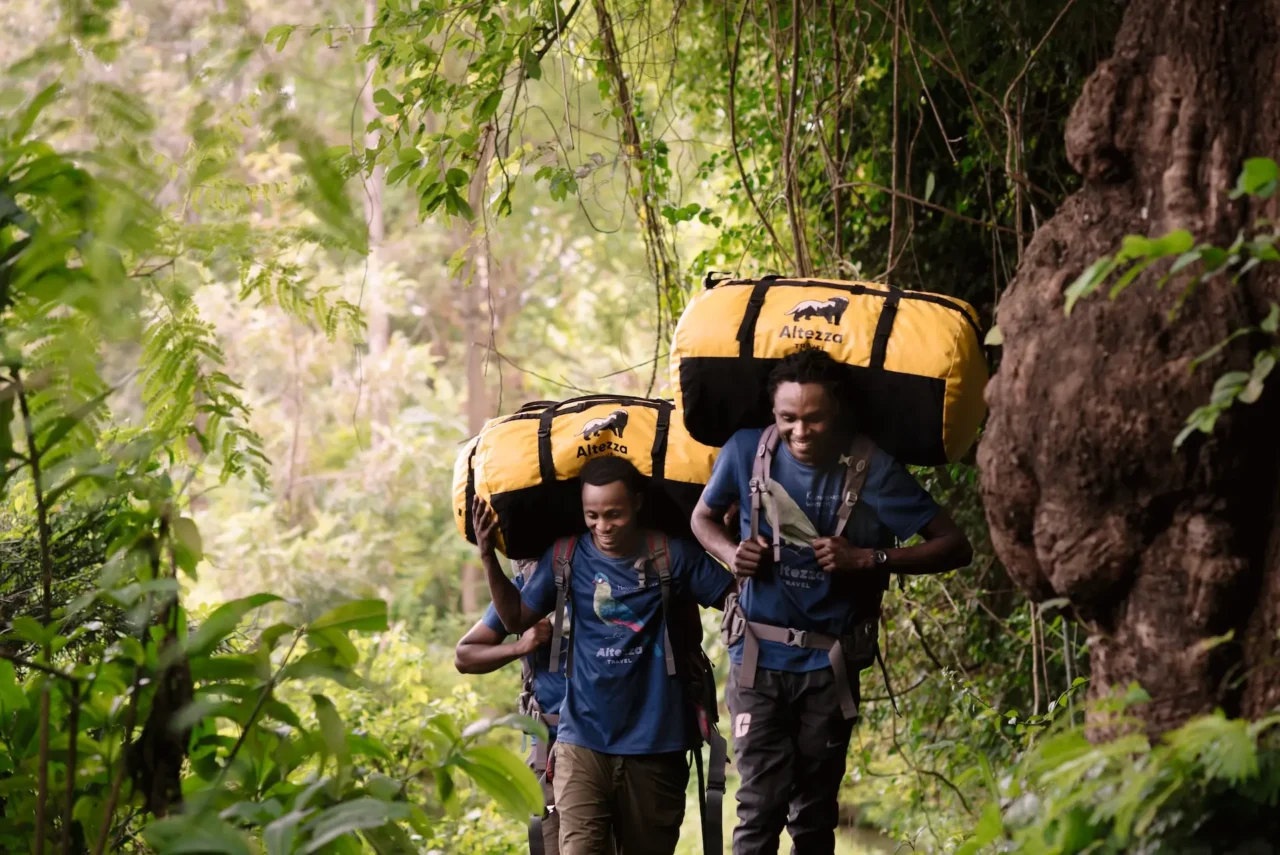
- Duffel Bag (80-100 liters): Waterproof, sturdy duffel bag for your main gear. This is carried by porters.
Sleeping Gear
- Sleeping Bag: A 4-season sleeping bag rated to at least -10°C (15°F) or -20°C (-4°F) is recommended for summit night.
- Sleeping Bag Liner: Adds warmth and keeps your sleeping bag clean.
Other Essentials
- Water Bottles/Hydration Reservoir: At least 2-3 liters capacity. Insulated covers are recommended to prevent freezing.
- Headlamp: With extra batteries. Essential for early morning starts and navigating camp at night.
- Sunscreen and Lip Balm: High SPF.
- Sunglasses: UV protection.
- Personal First-Aid Kit: Include blister treatment, pain relievers, antiseptic wipes, and any personal medications.
- Toiletries: Biodegradable soap, toothbrush, toothpaste, wet wipes.
- Trekking Poles: Highly recommended for reducing strain on knees, especially during descents.
Top Guide Adventures Tip: When selecting gear for teens, prioritize quality and fit. Renting some items like sleeping bags and down jackets from reputable operators like Top Guide Adventures can be a cost-effective option.
Nutrition and Hydration: Fueling the Climb
Proper nutrition and hydration are critical for energy levels, acclimatization, and overall well-being on Kilimanjaro. This is especially important for growing teenagers.
Hydration Strategy
Dehydration significantly increases the risk of altitude sickness. Aim to drink 3-5 liters of fluid per day.
- Water Sources: Guides will provide boiled or purified water.
- What to Drink: Water is primary. Electrolyte powders can help replenish lost salts and improve hydration. Herbal teas and clear broths are also good.
- Avoid: Caffeinated drinks and alcohol, as they can contribute to dehydration.
Nutrition on the Trail
Your body needs fuel to perform at altitude. While Top Guide Adventures provides nutritious meals, teens should also:
- Eat Regularly: Eat all meals provided, even if appetite is reduced. High-carbohydrate meals are best for energy.
- Snacks: Carry high-energy snacks like nuts, dried fruit, energy bars, and chocolate. These are great for quick boosts during the trek.
- Listen to Your Body: Appetite can decrease at altitude. Focus on easily digestible, energy-dense foods.
Pre-Climb Nutrition
In the weeks leading up to the climb, focus on a balanced diet rich in complex carbohydrates, lean proteins, and healthy fats. Ensure adequate iron intake, as iron is crucial for oxygen transport.
Teen Specific Note: Ensure your teen is eating enough to support their growth and training. Avoid restrictive diets. The focus should be on fueling their body for the demands of the climb.
Mental Preparation for Teenagers
The mental aspect of climbing Kilimanjaro is often as challenging as the physical. Teenagers, with their developing emotional regulation, can particularly benefit from targeted mental preparation.
Understanding Altitude Sickness Symptoms
Educating teens about the signs and symptoms of Acute Mountain Sickness (AMS) is vital. They should know that it’s okay to communicate how they are feeling without fear of judgment. Symptoms can include headache, nausea, dizziness, fatigue, and loss of appetite.
Crucial Point: If symptoms worsen or persist, descent is the only cure. Safety is paramount, and Top Guide Adventures guides are trained to assess and manage these situations.
Building Resilience and Positive Mindset
- Goal Setting: Break down the climb into smaller, manageable daily goals. Celebrate small victories.
- Coping Strategies: Practice deep breathing exercises, mindfulness, and positive affirmations.
- Teamwork: Emphasize the support system – guides, porters, and fellow climbers. Encourage them to support each other.
- Focus on the Experience: Remind them to appreciate the incredible scenery, unique culture, and the journey itself, not just the summit.
Managing Expectations
It’s important for teens (and their parents) to understand that reaching the summit is not guaranteed. Factors like weather, health, and acclimatization play a significant role. The journey and the effort are valuable achievements in themselves.
Choosing the Right Route for Teen Climbers
The route chosen significantly impacts the climbing experience, duration, difficulty, and acclimatization profile. For teen climbers, routes that offer higher success rates due to better acclimatization are preferable.
Recommended Routes for Teens:
- Machame Route (6-7 days): Popular for its scenic beauty and good acclimatization profile. It’s considered a challenging but rewarding option. A 7-day itinerary is highly recommended for teens to improve acclimatization and success rates.
- Lemosho Route (7-8 days): Offers excellent acclimatization and stunning scenery, starting in the west and joining the Machame route. An 8-day itinerary is ideal for maximizing acclimatization.
- Marangu Route (5-6 days): Known as the “Coca-Cola” route, it’s the only one with hut accommodation. However, its rapid ascent profile means lower success rates and a higher risk of altitude sickness, making it less ideal for teens. A 6-day option is still quite fast for acclimatization.
Routes to Consider Carefully or Avoid for Teens:
- Northern Circuit (9 days): The longest route, offering the best acclimatization and highest success rates. It’s a fantastic option for teens seeking a more relaxed pace and maximum acclimatization, though it requires more time.
- Rongai Route (6-7 days): Approaches from the north, drier, and good for avoiding rain in the wet season. Acclimatization is decent, but generally less scenic than western routes.
- Umbwe Route (5-6 days): The shortest and steepest route, offering poor acclimatization and very low success rates. It is **not recommended** for any climber, especially teens.
Top Guide Adventures Recommendation: For a Kilimanjaro training plan for teen climbers in 2026-2027, we strongly advise routes offering longer durations (7-9 days) like the Machame (7-day), Lemosho (8-day), or Northern Circuit (9-day). These routes provide better acclimatization, which is crucial for younger climbers. Our team can help you select the best route based on your teen’s fitness, available time, and preferences.
Age Restrictions and Health Considerations
While there is no official minimum age set by the park authorities, most tour operators, including Top Guide Adventures, have age policies for safety reasons. Typically, a minimum age of 10 or 12 years is enforced, depending on the operator and the chosen route.
- Minimum Age: Generally 10-12 years old for reputable operators. Some may have higher minimums.
- Medical Clearance: It is highly recommended that all teen climbers undergo a thorough medical examination by their pediatrician or a sports physician before starting their training and embarking on the climb.
- Pre-existing Conditions: Any pre-existing conditions (e.g., asthma, heart conditions, diabetes) must be discussed with a doctor. Proper management and physician approval are essential.
Parental Consent: For climbers under 18, parental or guardian consent is mandatory. This consent form typically details the risks involved and grants permission for medical treatment if necessary.
Top Guide Adventures Commitment: We work closely with parents to ensure all health and safety requirements are met for our younger clients. We encourage open communication regarding any health concerns.
Safety First: When to Reconsider or Postpone
Safety is the absolute priority. Even with the best Kilimanjaro training plan for teen climbers, certain situations warrant reconsideration or postponement of the climb.
- Persistent Altitude Sickness: If a teen experiences severe or worsening symptoms of AMS despite medication and rest, immediate descent is necessary.
- Acute Illness: If the teen develops a significant illness (e.g., severe cold, flu, stomach bug) close to or during the climb, it may be safer to postpone.
- Injury: A significant injury sustained during training or the early stages of the climb could prevent safe continuation.
- Mental Health Concerns: If a teen is experiencing significant anxiety or distress that training or the climb exacerbates, it might be wise to reassess.
Decision Making: These decisions are always made in consultation with the teen, parents, and our experienced guides. Our guides are trained to monitor climbers closely and make recommendations based on objective assessments.
Planning Your 2026-2027 Kilimanjaro Expedition with Top Guide Adventures
Choosing the right tour operator is as important as the training itself. Top Guide Adventures is dedicated to providing safe, memorable, and well-supported Kilimanjaro climbs for adventurers of all ages, including teens.
Why Choose Top Guide Adventures for Your Teen’s Climb?
- Experienced Guides: Our guides are certified, highly experienced in high-altitude trekking, and trained in first aid and emergency response. They are adept at managing group dynamics, including those with younger climbers.
- Safety Standards: We adhere to strict safety protocols, including carrying comprehensive medical kits, supplementary oxygen (on some routes), and pulse oximeters for monitoring.
- Tailored Support: We understand the unique needs of teen climbers and provide extra attention and encouragement. Our support teams (guides, porters, cooks) are trained to foster a positive and supportive environment.
- Quality Equipment: We ensure our clients have access to quality camping gear, including tents and dining equipment. We can also advise on and provide rental options for essential clothing and equipment.
- Sustainable Tourism: We are committed to responsible tourism practices, respecting the environment and supporting local communities.
Booking Your 2026 or 2027 Climb
The planning process for a Kilimanjaro climb should begin well in advance, especially when factoring in training for teens. Booking for 2026 and 2027 is now open.
- Consultation: Contact us for a personalized consultation to discuss your teen’s suitability, preferred dates, and route options.
- Itinerary Planning: We can help you choose the optimal route and duration for your teen’s expedition.
- Booking: Secure your dates and begin the formal preparation process.
Let’s Plan Your Adventure!
We are excited to help your family achieve this incredible goal. Whether you’re looking at a 2026 or 2027 expedition, the time to start planning is now. Get in touch with our team for expert advice and a smooth booking experience.
Contact us today:
- WhatsApp: +255616946642
- Email: topguideadventures@gmail.com
- Backup Email: info@topguideadventures.com
- Website: www.topguideadventures.com
Follow us on Instagram for inspiration: @top_guide_adventures
See what our clients say: TripAdvisor Reviews
Explore our Tanzania Safaris: Group Safaris & Tours
Machame Route Departures: Machame Route Groups
More Tanzania Travel Blog: Tanzania Safari Blog
Preparing your teen for Kilimanjaro is a journey in itself. With the right Kilimanjaro training plan for teen climbers, consistent effort, and the support of an experienced operator like Top Guide Adventures, your young adventurer will be well-equipped to reach the summit and create memories that will last a lifetime. We look forward to helping you plan an unforgettable 2026 or 2027 expedition.
Check Availability for Kilimanjaro Training Plan For Teen Climbers: Summit Success In 2026-2027
Ready to compare dates, prices, and the best option for your group? Send the package name and travel month so the team can reply with a clear quote, availability, and what is included.
Kilimanjaro Booking Checklist For First-Time Climbers: Your Essential Guide
Planning your first Kilimanjaro climb in 2026 or 2027? This detailed checklist covers everything from choosing a route and operator to packing and acclimatization, ensuring a well-prepared...
View package details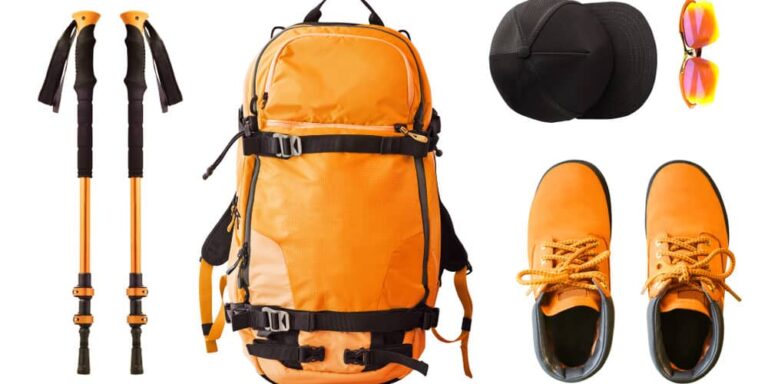
Reasons Climbers Regret Choosing A Short Kilimanjaro Route | Top Guide
Many Kilimanjaro climbers opt for shorter routes to save time or money, only to later regret their decision. This article details the common pitfalls of short routes, focusing on...
View package details
Kilimanjaro Tipping Mistakes And Etiquette: A Comprehensive Guide For Climbers
Navigating Kilimanjaro tipping can be confusing. This guide details common mistakes and proper etiquette for tipping your support crew, ensuring fair compensation and a positive experience...
View package details
Kilimanjaro Layering Mistakes That Leave Climbers Cold: Expert Guide 2026-2027
Discover the common Kilimanjaro layering mistakes that can lead to discomfort and hypothermia. This guide provides essential tips on choosing the right gear and layering system to ensure...
View package details
Barafu Camp Vs Kosovo On Kilimanjaro: A Definitive Comparison For Climbers
A detailed comparison of Barafu Camp and Kosovo Camp on Kilimanjaro, helping climbers decide which high-altitude staging post is best for their 2026-2027 ascent.
View package details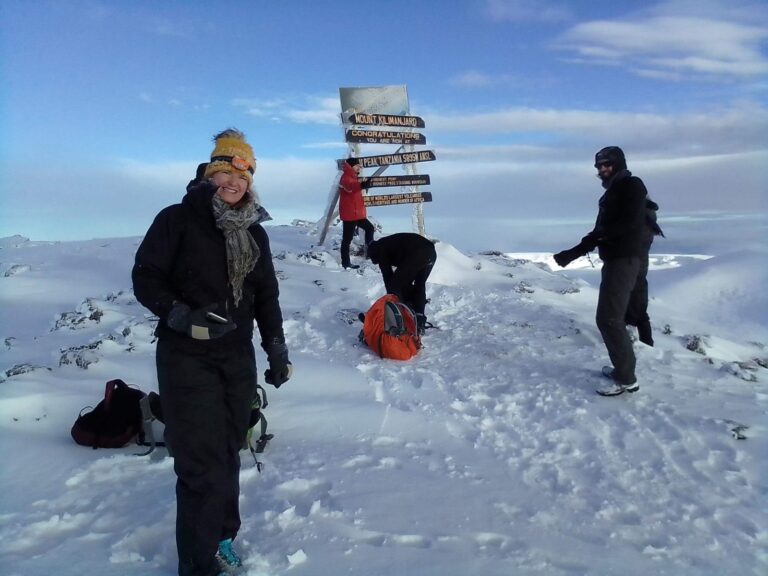
Kilimanjaro Medical Preparation For Older Climbers: Essential Guide 2026-2027
Climbing Kilimanjaro is achievable for older adventurers with thorough medical preparation. This guide covers essential health checks, fitness strategies, altitude acclimatization, and...
View package detailsBest Kilimanjaro Route For Climbers Over 60: Expert Guide 2026-2027
Choosing the right Kilimanjaro route is crucial for climbers over 60. This guide details the best options, focusing on acclimatization, duration, and success rates to help you plan your...
View package details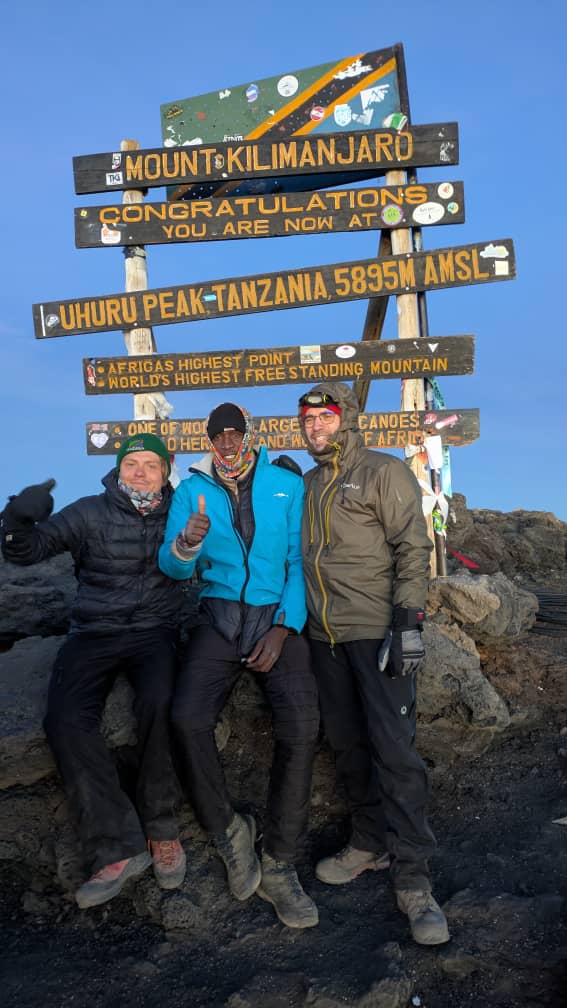
How Altitude Affects Younger Kilimanjaro Climbers In 2026-2027
Climbing Kilimanjaro presents unique challenges, especially for younger trekkers. This guide details how altitude affects them, covering symptoms, risks, preparation, and essential safety...
View package details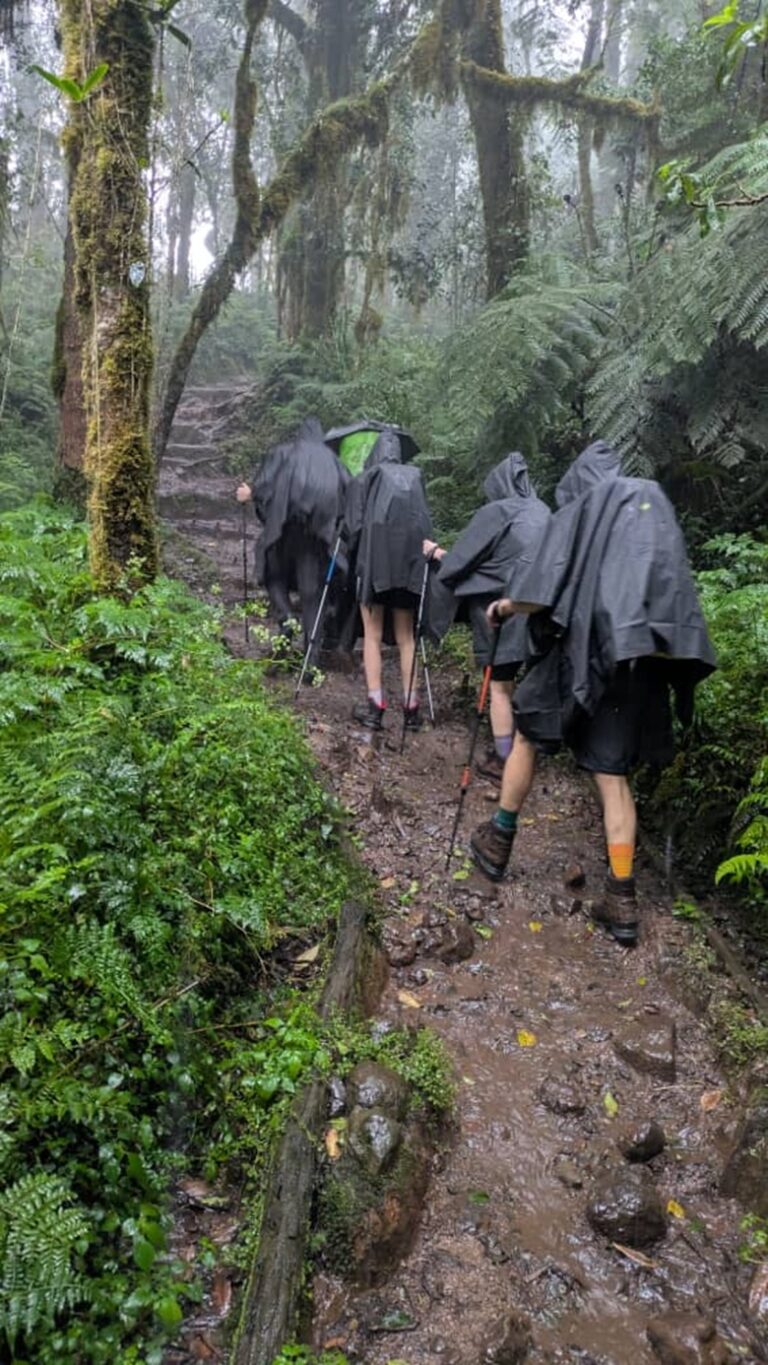
Kilimanjaro Packing List For Teenagers: Expert Guide Climbs 2026-2027
A comprehensive Kilimanjaro packing list tailored for teenage climbers, covering essential gear, clothing layers, footwear, and personal items for a successful 2026-2027 ascent. Expert tips...
View package details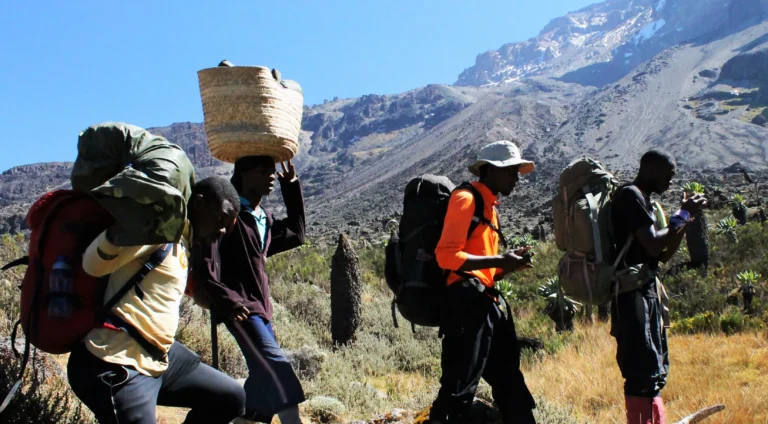
How To Prepare A Teenager For Kilimanjaro: A Comprehensive Guide 2026-2027
Climbing Kilimanjaro is an incredible adventure for teenagers. This guide provides essential advice for parents and teens on physical training, mental preparation, gear selection, and what...
View package details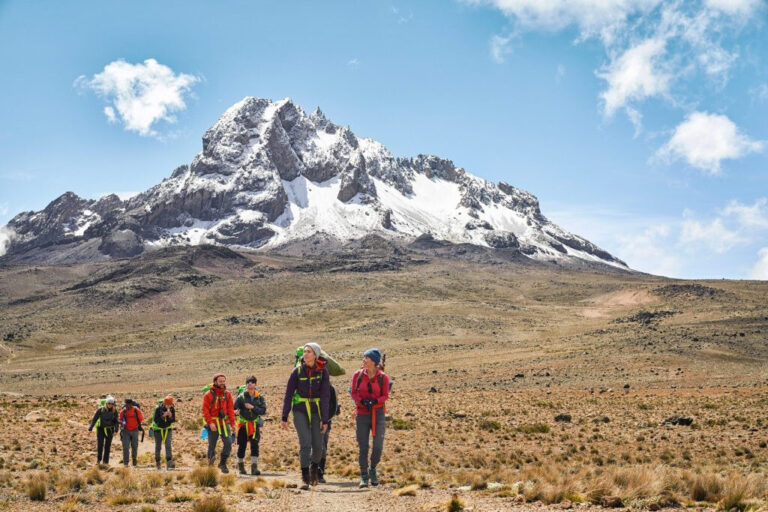
Kilimanjaro Climbing Package For Parents And Teenagers 2026-2027
Kilimanjaro Climbing Package for Parents and Teenagers is explained with current 2026-2027 planning, price, itinerary and booking information.
View package details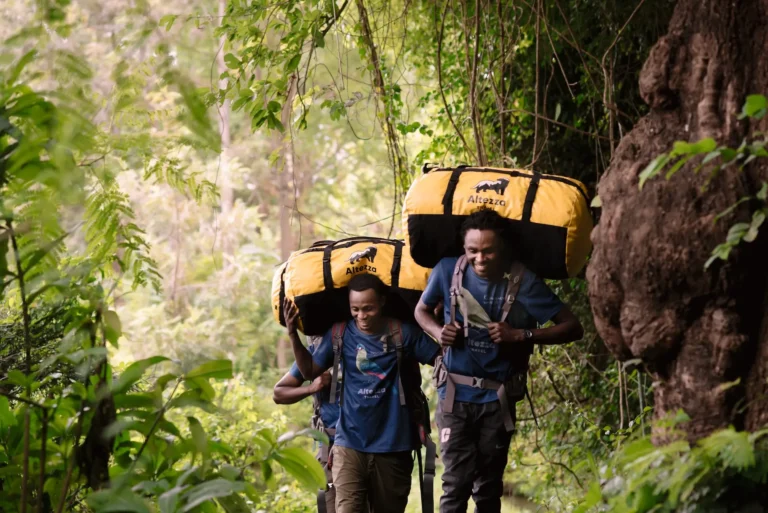
Best Kilimanjaro Route For Teenagers 2026-2027
Best Kilimanjaro Route for Teenagers is explained with current 2026-2027 planning, price, itinerary and booking information.
View package detailsNo related package matches those filters. Clear one or more filters to see the other topic-matched options.



