
A Kilimanjaro climb with extra rest days is highly recommended for better acclimatization, a reduced risk of altitude sickness, and a more enjoyable trekking experience. Incorporating additional days allows your body to adapt more effectively to the increasing altitude, especially on longer routes like the Lemosho or Northern Circuit, and is a key factor in successfully reaching Uhuru Peak. For trekkers planning their ascent in 2026 or 2027, choosing an itinerary with more rest days, such as an 8-day Lemosho or a 9-day Northern Circuit, is a strategic decision for safety and success.
Why Extra Rest Days Make a Difference on Kilimanjaro
The allure of Kilimanjaro, Africa’s highest peak, draws thousands of adventurers each year. While the physical challenge is significant, the primary hurdle for many climbers is the altitude. Kilimanjaro’s summit, Uhuru Peak at 5,895 meters (19,341 feet), presents a serious altitude challenge that demands respect and careful preparation. This is where the strategic advantage of a Kilimanjaro climb with extra rest days truly shines. These additional days are not just about taking it easy; they are a vital component of successful acclimatization, dramatically increasing your chances of reaching the summit safely and comfortably.
Altitude sickness, also known as Acute Mountain Sickness (AMS), is a common concern for trekkers. It occurs when the body cannot adjust quickly enough to the lower oxygen levels at higher elevations. Symptoms can range from mild headaches and nausea to severe and life-threatening conditions like High Altitude Pulmonary Edema (HAPE) and High Altitude Cerebral Edema (HACE). The principle of “climb high, sleep low” is crucial, but even more critical is allowing ample time for your body to adapt. Extra rest days provide precisely this opportunity, giving your body more time to produce red blood cells and adjust to the thinner air.
At Top Guide Adventures, we’ve seen firsthand the positive impact that extended itineraries have on our clients. Climbers who opt for longer routes with built-in rest days consistently report a more positive experience, with fewer instances of severe altitude-related symptoms. They can appreciate the stunning scenery, conserve energy for the summit push, and truly savor the journey rather than just endure it. For your planned Kilimanjaro climb in 2026 or 2027, prioritizing acclimatization through extra rest days is the smartest investment you can make in your expedition.
Understanding Acclimatization: The Science Behind Extra Rest Days
Acclimatization is the process by which your body adapts to a lower level of oxygen at higher altitudes. When you ascend rapidly, your body is deprived of the oxygen it needs for normal functioning. This can lead to a cascade of physiological responses, many of which are unpleasant and potentially dangerous. The key to successful acclimatization is a slow and steady ascent, allowing your body sufficient time to make the necessary adjustments.
Here’s a breakdown of what happens and how extra rest days help:
- Increased Red Blood Cell Production: The primary mechanism of acclimatization is the body’s increased production of erythropoietin (EPO), a hormone that stimulates the bone marrow to produce more red blood cells. Red blood cells carry oxygen from the lungs to the tissues. At high altitudes, where oxygen is scarce, your body needs more red blood cells to deliver adequate oxygen to your vital organs. This process takes time – typically several days to a week for significant adaptation. Extra rest days provide the time needed for this crucial biological response to occur.
- Improved Respiration and Heart Rate: Your breathing rate and heart rate will naturally increase at higher altitudes to compensate for the lower oxygen levels. However, with proper acclimatization, your body becomes more efficient. Breathing becomes deeper and more regular, and your resting heart rate can normalize somewhat as your body adapts. Gradual ascent, facilitated by rest days, prevents your system from being overwhelmed.
- Fluid Balance and Hydration: Dehydration is a major risk factor for altitude sickness. At high altitudes, the air is drier, and you lose more fluids through respiration. Your body also tends to excrete more sodium and water. Staying well-hydrated is paramount, and rest days offer opportunities to focus on fluid intake without the immediate pressure of climbing.
- Reducing the Risk of AMS: The most direct benefit of slow ascent and adequate rest is the significant reduction in the risk of developing Acute Mountain Sickness (AMS). While AMS can still affect anyone regardless of fitness level, a well-acclimatized body is far more resilient. Extra rest days allow for gradual exposure to altitude, minimizing the physiological stress that triggers AMS symptoms.
Many mountaineering organizations, including those guiding Kilimanjaro climbs, recommend a general rule of thumb: ascend no more than 300-500 meters (1,000-1,600 feet) per day once you are above 3,000 meters (10,000 feet), with a rest day for every 1,000 meters (3,300 feet) gained. When you choose a Kilimanjaro climb with extra rest days, you are essentially adopting this scientifically proven approach to high-altitude trekking. For instance, an 8-day Lemosho route incorporates a rest day at Barranco Camp, a critical point for acclimatization and a welcome break before the famous Barranco Wall climb. Similarly, the 9-day Northern Circuit is designed with multiple acclimatization days, making it one of the most successful routes in terms of summit rates.
Choosing the Right Kilimanjaro Route for Extra Rest Days
Not all Kilimanjaro routes are created equal when it comes to incorporating extra rest days and prioritizing acclimatization. Some routes are inherently shorter and faster, designed for trekkers with limited time but at a higher risk of altitude sickness. Others are longer, more scenic, and specifically designed to allow for gradual ascent and better acclimatization. If your goal is a Kilimanjaro climb with extra rest days, focusing on the latter is paramount.
Here’s a look at the most popular routes and how they accommodate additional rest:
The Lemosho Route: A Popular Choice for Gradual Ascent
The Lemosho route is renowned for its stunning scenery and high success rates, largely due to its gradual ascent profile. It is one of the most popular choices for those seeking a Kilimanjaro climb with extra rest days. While it can be done in 6 or 7 days, Top Guide Adventures strongly recommends the 8-day Lemosho itinerary. This extra day is typically spent at Barranco Camp (around 3,950m) before the challenging Barranco Wall climb. This strategic rest allows climbers to acclimatize further at a good altitude, making the subsequent ascents more manageable and significantly improving the chances of reaching the summit. The 8-day Lemosho offers a beautiful traverse of the Shira Plateau and the opportunity to see different ecosystems.
The Machame Route: The “Whiskey Route” with Options
Often called the “Whiskey Route” because it’s considered a bit tougher and more scenic than the Marangu route, Machame is another popular option. It is also known for its excellent acclimatization profile. The standard Machame route is 6 days, but like Lemosho, Top Guide Adventures highly recommends the 7-day Machame itinerary. The additional day allows for a crucial rest day, typically at Karanga Camp, before the final push to Barafu Camp and the summit. This extended Machame climb provides more time for the body to adapt, reducing the risk of AMS and making the trek more enjoyable. The 7-day Machame route offers a good balance of challenge, scenery, and acclimatization for your 2026-2027 climb.
The Northern Circuit: The Ultimate Kilimanjaro Climb with Extra Rest
For the absolute best acclimatization and the highest success rates, the Northern Circuit is unparalleled. It is the longest route on Kilimanjaro, circling the mountain entirely. This extended duration is precisely what makes it the ultimate choice for a Kilimanjaro climb with extra rest days. Typically offered as a 9-day trek (and sometimes 10 days), the Northern Circuit provides ample time for your body to adjust to the altitude. It follows the Lemosho route for the initial days before branching off to traverse the northern slopes. This route offers impressive views, diverse landscapes, and crucially, multiple opportunities for acclimatization hikes and rest days. If your primary concern is a comfortable, safe, and successful summit attempt in 2026 or 2027, the Northern Circuit is the gold standard.
Other Routes and Rest Day Considerations
The Marangu Route (Coca-Cola Route) is the oldest and most direct, often completed in 5 or 6 days. Its rapid ascent profile makes it less ideal for those prioritizing acclimatization and extra rest. The Rongai Route approaches from the north and is a good option, particularly in the rainy season, but standard itineraries are 6 or 7 days. While a 7-day Rongai offers a bit more time than a 5-day version, it doesn’t offer the same acclimatization benefits as the Lemosho or Northern Circuit. For a truly comfortable Kilimanjaro climb with extra rest days, sticking to the longer versions of Lemosho, Machame, or opting for the Northern Circuit is the most prudent strategy.
The Benefits of a Slower Pace: More Than Just Rest
Opting for a Kilimanjaro climb with extra rest days is about more than just avoiding altitude sickness; it’s about transforming the entire trekking experience. A slower pace, facilitated by these additional days, allows for a more profound connection with the mountain and its environment.
Here are some of the key benefits:
- Enhanced Enjoyment and Appreciation: When you’re not constantly battling fatigue and the effects of altitude, you have the mental and physical capacity to truly appreciate Kilimanjaro’s diverse ecosystems. From the lush rainforest at the base to the alpine desert and the arctic zone at the summit, each stage offers unique beauty. Extra rest allows you to pause, observe, take photographs, and absorb the incredible landscapes without feeling rushed.
- Reduced Physical Strain: Climbing Kilimanjaro is physically demanding, even on a good day. Adding extra days distributes the effort over a longer period. This means less strenuous daily ascents, allowing your muscles to recover and reducing the overall physical toll. You arrive at camp less exhausted, which can improve sleep quality and overall well-being.
- Improved Mental Fortitude: The mental aspect of climbing Kilimanjaro is as significant as the physical. When you feel well-acclimatized and less fatigued, your confidence grows. Facing challenges like the Barranco Wall or the summit night is easier when you have a reserve of energy and a positive mindset. Rest days provide opportunities for reflection, camaraderie with your fellow climbers and guides, and a general sense of calm preparation.
- Better Nutrition and Hydration: On longer treks, there’s more time to focus on eating well and staying hydrated. Rest days allow for more relaxed mealtimes and dedicated periods to drink water and electrolytes. Proper nutrition and hydration are critical for energy levels and acclimatization, and a slower pace makes managing these aspects much easier.
- Increased Summit Success Rates: This is the most compelling benefit. Numerous studies and anecdotal evidence from tour operators like Top Guide Adventures consistently show that longer itineraries with adequate acclimatization lead to higher summit success rates. By giving your body the time it needs to adapt, you are fundamentally increasing your odds of standing on Uhuru Peak.
For trekkers planning their Kilimanjaro adventure for 2026 or 2027, consider the long-term benefits. While a shorter climb might seem appealing for time constraints, the potential for discomfort, sickness, or even a failed summit attempt can overshadow any initial savings. Investing in an extended itinerary, a true Kilimanjaro climb with extra rest days, is an investment in your safety, enjoyment, and ultimate success.
Planning Your 2026-2027 Kilimanjaro Climb with Extra Rest Days
Planning a Kilimanjaro climb requires careful consideration of various factors, and for those seeking a comfortable and successful experience, incorporating extra rest days is a top priority. Whether you are looking at dates in 2026 or 2027, the principles remain the same. Top Guide Adventures specializes in tailoring itineraries to meet the needs of our clients, emphasizing safety, acclimatization, and enjoyment.
Best Time of Year for a Comfortable Climb
While Kilimanjaro can be climbed year-round, certain periods offer more favorable weather conditions, which can further enhance your experience, especially when you’ve opted for a Kilimanjaro climb with extra rest days. The best times are generally during the dry seasons:
- January to March: This is a popular time, characterized by warm, dry weather. It’s a great period for excellent visibility and comfortable trekking temperatures.
- June to October: This is the main dry season, offering cooler temperatures but clear skies. It’s often considered the prime time for climbing Kilimanjaro, with minimal rainfall and good trekking conditions.
The shoulder seasons (April-May and November-December) can be wetter and colder, potentially making the trek more challenging. However, with a longer itinerary and extra rest days, even these periods can be managed. The key is that a slower pace provides more buffer against unpredictable weather, allowing you to rest and wait out any short rain showers.
Choosing Your Itinerary: 7, 8, or 9 Days
As discussed, the length of your trek is directly related to acclimatization. For a Kilimanjaro climb with extra rest days, Top Guide Adventures recommends the following minimum durations:
- Machame Route: 7 days (Standard is 6 days)
- Lemosho Route: 8 days (Standard is 7 days)
- Northern Circuit: 9 days (Standard is 8 days)
These extended itineraries are not just about adding a day; they are strategically designed with rest points at optimal altitudes. For example, the 8-day Lemosho often includes a rest day at Barranco Camp (3,950m), a crucial altitude for acclimatization. The 9-day Northern Circuit builds in even more flexibility and rest, making it the most comfortable option for 2026-2027 climbs.
What’s Included in Your Climb Package?
When booking a Kilimanjaro climb with extra rest days with Top Guide Adventures, you can expect comprehensive support. Our packages are designed to handle the logistics, allowing you to focus on your climb. Typical inclusions often cover:
- Professional Guides and Crew: Highly experienced, certified guides trained in first aid and altitude sickness management. Support crew including cooks and porters.
- Accommodation: Tents during the climb, and usually accommodation in a hotel before and after the trek.
- Meals: All meals prepared by our cooks during the trek, focusing on nutritious and energy-rich food.
- Park Fees: All national park entrance fees, camping fees, and rescue fees.
- Equipment: High-quality tents, sleeping mats, cooking equipment, and safety gear (like oxygen cylinders for emergencies).
- Transportation: Transfers to and from Kilimanjaro International Airport (JRO) and to the mountain gate.
- Bottled Water: Provided during the trek (often boiled or filtered water is also available).
It’s essential to clarify exactly what is included when comparing operators for your 2026-2027 climb. We pride ourselves on transparency and ensuring our clients have everything they need for a successful expedition.
Booking Your 2026-2027 Kilimanjaro Adventure
Booking your Kilimanjaro climb with extra rest days well in advance is crucial, especially if you are targeting specific dates in 2026 or 2027. Popular times, like the dry seasons, fill up quickly. Early booking allows you to secure your preferred itinerary, dates, and potentially benefit from early planning.
Top Guide Adventures offers flexible booking options. You can reach us directly to discuss your requirements and receive a personalized quote. Whether you’re looking for a private climb or wish to join a group departure, we can accommodate your needs.
Contact us today to start planning your 2026-2027 Kilimanjaro climb with extra rest days:
- WhatsApp: +255616946642
- Email: topguideadventures@gmail.com
- Backup Email: info@topguideadventures.com
What to Pack for a Longer Kilimanjaro Climb
When you opt for a Kilimanjaro climb with extra rest days, your packing list will be similar to any Kilimanjaro trek, but with a few considerations for the extended duration and potentially varied weather. The key is layering and choosing high-quality gear. Remember, your porters will carry the bulk of your luggage, but you’ll need a comfortable daypack for essentials during your trek.
Clothing Essentials
- Base Layers: Moisture-wicking thermal tops and bottoms (merino wool or synthetic). Bring at least two sets.
- Mid Layers: Fleece jackets or sweaters for insulation.
- Outer Layer (Insulation): A warm down or synthetic insulated jacket for cold evenings and summit night.
- Waterproof Outerwear: A waterproof and breathable jacket and trousers (Gore-Tex or similar). Essential for rain and wind protection.
- Trekking Trousers: Comfortable, quick-drying hiking trousers (avoid jeans). Consider zip-off options.
- Shirts: Several moisture-wicking short-sleeved and long-sleeved shirts.
- Headwear: A warm woolen hat or beanie that covers your ears, and a sun hat with a wide brim for protection during the day. A balaclava or neck gaiter is also useful for summit night.
- Gloves: Warm waterproof gloves or mittens, and thinner liner gloves.
- Socks: Several pairs of thick woolen hiking socks and some thinner liner socks.
- Footwear: Broken-in, waterproof hiking boots with good ankle support. Comfortable camp shoes or trainers for evenings.
Equipment and Accessories
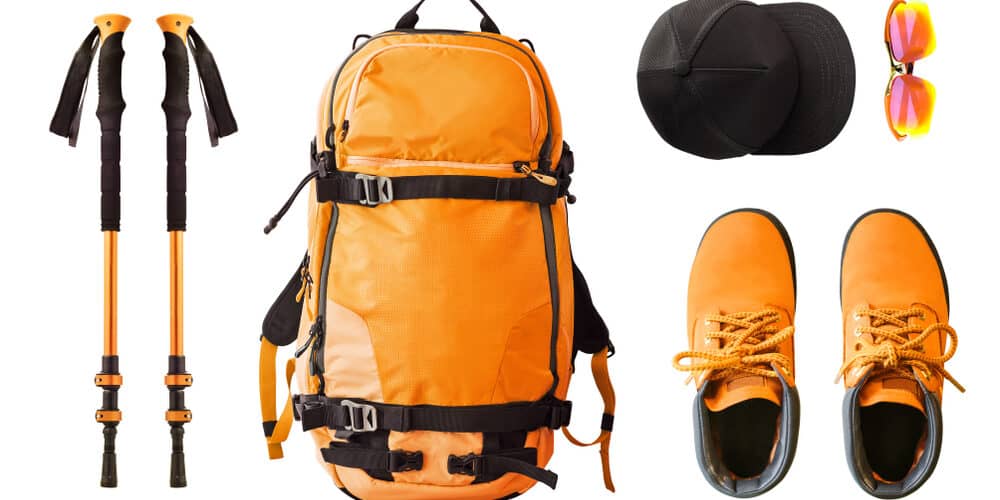
- Backpack: A comfortable daypack (30-40 liters) for essentials you need during the day (water, snacks, camera, rain gear, sunscreen). A larger duffel bag (80-100 liters) for your main gear to be carried by porters.
- Sleeping Bag: A 4-season sleeping bag rated to at least -10°C (15°F), preferably -20°C (-4°F) for summit night.
- Sleeping Bag Liner: Adds warmth and keeps your sleeping bag clean.
- Trekking Poles: Highly recommended to reduce strain on your knees, especially during descents.
- Headlamp: With extra batteries. Essential for navigating in the dark, especially on summit night.
- Water Bottles/Hydration Reservoir: At least 2-3 liters capacity. Insulated covers are recommended to prevent freezing.
- Sunglasses: With UV protection.
- Sunscreen: High SPF.
- Lip Balm: With SPF.
- Insect Repellent: Especially for the lower rainforest section.
- Personal First-Aid Kit: Including pain relievers, blister treatment, antiseptic wipes, bandages, and any personal medications. Your guides will also carry a comprehensive kit.
- Toiletries: Biodegradable soap, toothbrush, toothpaste, wet wipes, hand sanitizer. A small towel.
- Camera and Power Bank: Extra batteries and memory cards. Power sources are limited on the mountain.
- Snacks: Energy bars, nuts, dried fruit, chocolate – high-energy foods you enjoy.
- Book/Journal: For downtime during rest days.
Remember to pack light but smart. Your porters will carry most of your gear, but you’ll be responsible for your daypack. When planning your Kilimanjaro climb with extra rest days for 2026 or 2027, ensure your packing list covers the extended duration and potential for varied weather.
Preparing Physically and Mentally for a Longer Trek
While a Kilimanjaro climb with extra rest days inherently makes the trek more manageable, physical and mental preparation are still crucial. The goal is to arrive at the mountain in the best possible condition to maximize your chances of success and enjoyment.
Physical Training
The best preparation for climbing Kilimanjaro is hiking. Focus on:
- Cardiovascular Fitness: Engage in regular aerobic activities like running, cycling, swimming, or brisk walking for at least 3-4 times a week.
- Strength Training: Focus on leg strength (squats, lunges) and core strength. Carrying a weighted backpack on training hikes is highly beneficial.
- Hiking Practice: Aim for long hikes (4-6 hours) with significant elevation gain in the months leading up to your trek. If possible, do back-to-back hiking days to simulate the demands of consecutive trekking days on Kilimanjaro.
- Altitude Training (Optional): If you live at sea level and have the opportunity, spending a few days at a moderate altitude (e.g., 2,000-3,000 meters) before your climb can be beneficial, though not essential if you have a well-planned itinerary with rest days.
Mental Preparation
Kilimanjaro is as much a mental challenge as a physical one. Extra rest days can significantly boost your mental resilience, but proactive preparation helps:
- Set Realistic Expectations: Understand that altitude sickness is a possibility for everyone. Be prepared for discomfort, cold, and fatigue. A longer trek with rest days helps manage these, but acknowledging them is important.
- Visualize Success: Imagine yourself reaching the summit, enjoying the views, and completing the trek. Positive visualization can be a powerful motivator.
- Develop Coping Strategies: Think about how you’ll handle challenges. Focus on one step at a time, celebrate small victories, and rely on the support of your guides and team.
- Learn About Kilimanjaro: Understanding the mountain, its routes, and the challenges involved can reduce anxiety and build confidence. Reading about other trekkers’ experiences (like those facilitated by Top Guide Adventures) can be insightful.
- Embrace the Journey: With a longer itinerary, you have more time to enjoy the process. Try to stay present and appreciate the unique experience, rather than solely focusing on the summit.
By combining dedicated physical training with mental preparation, you’ll be well-equipped for your Kilimanjaro climb with extra rest days, whether you are planning for 2026 or 2027. The additional rest will provide a buffer, but your own preparation is key to a safe and rewarding adventure.
The Role of Guides and Crew on Your Extended Climb
The success and safety of any Kilimanjaro climb, especially a longer one with extra rest days, hinges significantly on the quality of the guiding team and support crew. At Top Guide Adventures, we understand that our guides are the backbone of your expedition. For a Kilimanjaro climb with extra rest days, their expertise in acclimatization management, client care, and safety protocols becomes even more critical.
Experienced and Certified Guides
Our guides are not just mountain walkers; they are seasoned professionals with extensive experience on Kilimanjaro. They possess:
- In-depth Knowledge: They know the mountain intimately – its routes, weather patterns, and potential hazards.
- First Aid and Wilderness Medicine Training: All our lead guides are certified in wilderness first aid and are trained to recognize and manage altitude sickness symptoms effectively.
- Acclimatization Expertise: They are skilled at monitoring climbers’ health, pacing the group appropriately, and advising on hydration and rest – crucial for longer itineraries.
- Communication Skills: They are adept at communicating vital information to clients, motivating the team, and fostering a positive group dynamic.
Support Crew: Cooks and Porters
Your climb is made possible by a dedicated support crew:
- Cooks: They prepare delicious, nutritious, and energy-rich meals three times a day, ensuring you have the fuel you need. On longer treks, variety and quality are key to maintaining morale and energy levels.
- Porters: They carry the majority of your gear, including tents, food, cooking equipment, and your personal duffel bag. Their strength and efficiency are vital, and we ensure they are treated ethically and with respect, adhering to fair wages and working conditions.
For a Kilimanjaro climb with extra rest days, the crew’s role extends beyond logistics. They help create a comfortable camp environment, manage supplies for the longer duration, and contribute to the overall morale. Knowing you have a reliable and experienced team supporting you allows you to focus on your climb and enjoy the journey, especially when planning for 2026-2027.
Comparing Kilimanjaro Itineraries: The Value of Extra Days
When researching Kilimanjaro climbs for 2026 or 2027, you’ll encounter various itinerary lengths. Understanding the true value of longer treks with extra rest days is key to making an informed decision.
| Route | Standard Duration | Recommended Duration with Extra Rest Days | Acclimatization Profile | Summit Success Rate (Approx.) |
|---|---|---|---|---|
| Marangu | 5-6 days | 6 days | Poor to Fair | ~60-70% (for 6 days) |
| Rongai | 6-7 days | 7 days | Fair | ~70-80% (for 7 days) |
| Machame | 6 days | 7 days | Good | ~80-90% (for 7 days) |
| Lemosho | 7 days | 8 days | Very Good | ~85-95% (for 8 days) |
| Northern Circuit | 8 days | 9 days | Excellent | ~90-98% (for 9 days) |
As the table illustrates, extending your trek by just one or two days, particularly on routes like Machame, Lemosho, and the Northern Circuit, dramatically improves the acclimatization profile and, consequently, the summit success rate. A Kilimanjaro climb with extra rest days is not just a comfort option; it’s a strategic choice that leverages the principles of high-altitude physiology for a safer and more rewarding expedition.
For trekkers planning their 2026 or 2027 adventure, consider the table’s insights. While a 5-day Marangu might be the cheapest upfront, the lower success rate and higher risk of altitude sickness often make it a false economy. Investing in a longer itinerary with Top Guide Adventures ensures you are prioritizing your well-being and your goal of reaching Uhuru Peak.
Potential Challenges on a Longer Kilimanjaro Trek (and How to Mitigate Them)
Even with a Kilimanjaro climb with extra rest days, challenges can arise. A longer trek doesn’t eliminate risks but provides better tools to manage them. Being prepared for potential issues is part of smart planning.
- Altitude Sickness: While extra rest days significantly reduce the risk, AMS can still occur. Early recognition of symptoms and prompt communication with your guide are paramount. Your guide is trained to assess your condition and make critical decisions regarding descent if necessary.
- Weather Changes: Kilimanjaro’s weather is notoriously unpredictable. You can experience sunshine, rain, snow, and high winds, sometimes all in one day. Longer treks offer more flexibility to wait out bad weather or adjust plans if necessary. Proper gear is essential.
- Physical Fatigue: Despite the slower pace, the cumulative effect of trekking at altitude can lead to fatigue. Maintaining good nutrition, hydration, and utilizing rest days effectively are key mitigation strategies.
- Digestive Issues: Changes in diet, water, and the physical stress of trekking can sometimes lead to stomach upsets. Sticking to the food provided by our cooks, maintaining good hygiene (hand sanitizer is your friend!), and informing your guide of any issues can help manage this.
- Cold Temperatures: Especially on summit night and at higher camps, temperatures can plummet well below freezing. Layering correctly and using a warm sleeping bag are crucial.
The advantage of a Kilimanjaro climb with extra rest days, especially when guided by experienced professionals like those at Top Guide Adventures, is that these challenges are managed proactively. Our guides are trained to monitor the group closely, adjust the pace, and make informed decisions to ensure the safety and well-being of every climber. Planning for 2026-2027 with these potential challenges in mind will help you prepare thoroughly.
Making the Most of Your Rest Days
Those extra days built into your itinerary are not just for passive recovery; they are opportunities to enhance your acclimatization and enjoyment. Here’s how to make the most of them:
- Hydrate, Hydrate, Hydrate: This cannot be stressed enough. Use rest days to focus on drinking plenty of water, herbal teas, and electrolyte-rich fluids.
- Eat Well: Fuel your body with the nutritious meals provided. If you have a bit of an appetite loss due to altitude, try to eat small, frequent snacks.
- Gentle Movement: Light walking around the campsite can aid circulation and prevent stiffness, without causing undue exertion.
- Rest and Sleep: Prioritize sleep. While altitude can sometimes disrupt sleep patterns, resting in your tent is still beneficial.
- Monitor Your Health: Pay attention to how you are feeling. Note any symptoms of altitude sickness and communicate them to your guide.
- Enjoy the Scenery: Use the downtime to take photos, journal, or simply sit and appreciate the incredible environment you are in.
- Socialize: Connect with your fellow climbers and guides. Building camaraderie can significantly boost morale.
A well-utilized rest day contributes directly to a more comfortable and successful Kilimanjaro climb with extra rest days. For your 2026-2027 adventure, view these days as strategic assets in your summit bid.
Is a Kilimanjaro Climb with Extra Rest Days Right for You?
The decision to opt for a longer itinerary with additional rest days often comes down to individual priorities and circumstances. However, for the vast majority of trekkers, the answer is a resounding yes.
Consider this if:
- You want to maximize your chances of reaching the summit.
- You have concerns about altitude sickness.
- You prefer a more relaxed and enjoyable trekking pace.
- You want more time to appreciate the stunning scenery.
- You are not an elite athlete and want to manage physical exertion.
- You are celebrating a special occasion in 2026 or 2027 and want the best possible experience.
While a shorter trek might be tempting for budget or time reasons, the benefits of a Kilimanjaro climb with extra rest days—enhanced acclimatization, reduced risk, greater enjoyment, and higher success rates—far outweigh the marginal increase in cost or duration for most people. It’s an investment in a safer, more memorable, and ultimately more successful Kilimanjaro experience.
Book Your 2026-2027 Kilimanjaro Climb with Top Guide Adventures
Choosing the right tour operator is as important as choosing the right route and itinerary. Top Guide Adventures is one of Tanzania’s most trusted companies, dedicated to providing complete travel experiences with personal attention, care, and dedicated support for every client. We specialize in organizing Kilimanjaro climbs, ensuring that safety and acclimatization are prioritized.
When you book a Kilimanjaro climb with extra rest days with us for 2026 or 2027, you benefit from:
- Expertly crafted itineraries that emphasize acclimatization.
- Highly experienced and certified guides with excellent safety records.
- Comprehensive support crew ensuring comfort and sustenance.
- Transparent pricing with clear inclusions.
- Personalized service from initial inquiry to post-climb follow-up.
Don’t leave your Kilimanjaro dream to chance. Plan a climb that prioritizes your well-being and maximizes your success. A Kilimanjaro climb with extra rest days is the smartest way to approach Africa’s highest peak.
Ready to plan your 2026 or 2027 Kilimanjaro adventure? Contact Top Guide Adventures today:
- WhatsApp: +255616946642
- Email: topguideadventures@gmail.com
- Website: www.topguideadventures.com
Let us help you craft an unforgettable Kilimanjaro experience with the comfort and safety that extra rest days provide.
“,
“faq_schema”: [
{
“question”: “What is the main benefit of adding extra rest days to a Kilimanjaro climb?”,
“answer”: “The primary benefit of adding extra rest days to a Kilimanjaro climb is significantly improved acclimatization to the high altitude. This slower pace reduces the risk of Acute Mountain Sickness (AMS), increases comfort during the trek, and substantially boosts the chances of successfully reaching Uhuru Peak.”
},
{
“question”: “Which Kilimanjaro routes are best suited for a climb with extra rest days?”,
“answer”: “The routes best suited for a Kilimanjaro climb with extra rest days are the Lemosho, Machame, and especially the Northern Circuit. Top Guide Adventures recommends the 8-day Lemosho, 7-day Machame, and 9-day Northern Circuit itineraries for optimal acclimatization and comfort.”
},
{
“question”: “How much more expensive is a Kilimanjaro climb with extra rest days compared to a shorter one?”,
“answer”: “A Kilimanjaro climb with extra rest days will typically be slightly more expensive due to additional days of guide, crew, food, and park fees. However, the increase in cost is relatively small compared to the significant benefits in safety, enjoyment, and success rates, making it a worthwhile investment for your 2026-2027 trek.”
},
{
“question”: “Can I still get altitude sickness even with extra rest days on Kilimanjaro?”,
“answer”: “Yes, it is still possible to experience altitude sickness even with extra rest days, as individual acclimatization varies. However, a slower ascent with more rest significantly reduces the likelihood and severity of symptoms. Promptly communicating any symptoms to your guide is crucial for management.”
},
{
“question”: “What is the recommended duration for a Kilimanjaro climb with extra rest days for 2026-2027?”,
“answer”: “For a Kilimanjaro climb with extra rest days, Top Guide Adventures recommends a minimum of 7 days for the Machame route, 8 days for the Lemosho route, and 9 days for the Northern Circuit. These extended itineraries are designed for optimal acclimatization and a more comfortable trekking experience.”
}
]
}
“`
Check Availability for Kilimanjaro Climb With Extra Rest Days 2026-2027
Ready to compare dates, prices, and the best option for your group? Send the package name and travel month so the team can reply with a clear quote, availability, and what is included.
Kilimanjaro Climb With Materuni Recovery Day 2026-2027
Kilimanjaro Climb with Materuni Recovery Day is explained with current 2026-2027 planning, price, itinerary and booking information.
View package details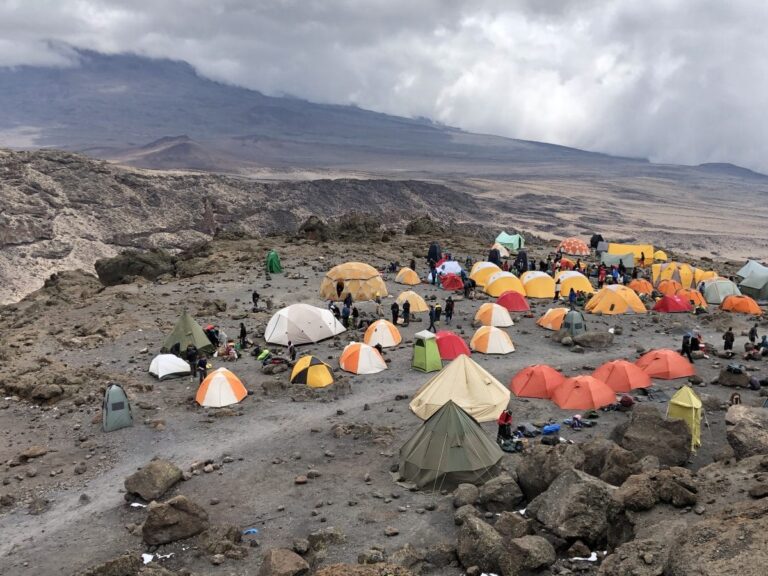
Kilimanjaro Climb With Lake Chala Relaxation Day: Your Ultimate Post-Trek
Experience the ultimate Kilimanjaro adventure followed by serene relaxation at Lake Chala. This guide details how to combine these incredible Tanzanian experiences, covering itineraries...
View package details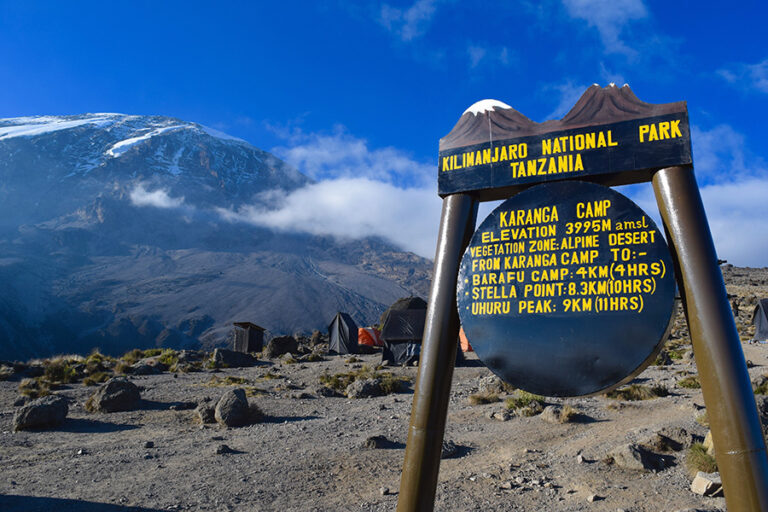
Kilimanjaro Climb & West Safari: The Ultimate Tanzania Adventure 2026-2027
Experience the pinnacle of Tanzania with a combined Kilimanjaro climb and West Kilimanjaro safari. This guide details itineraries, preparation, and what to expect for your 2026-2027...
View package details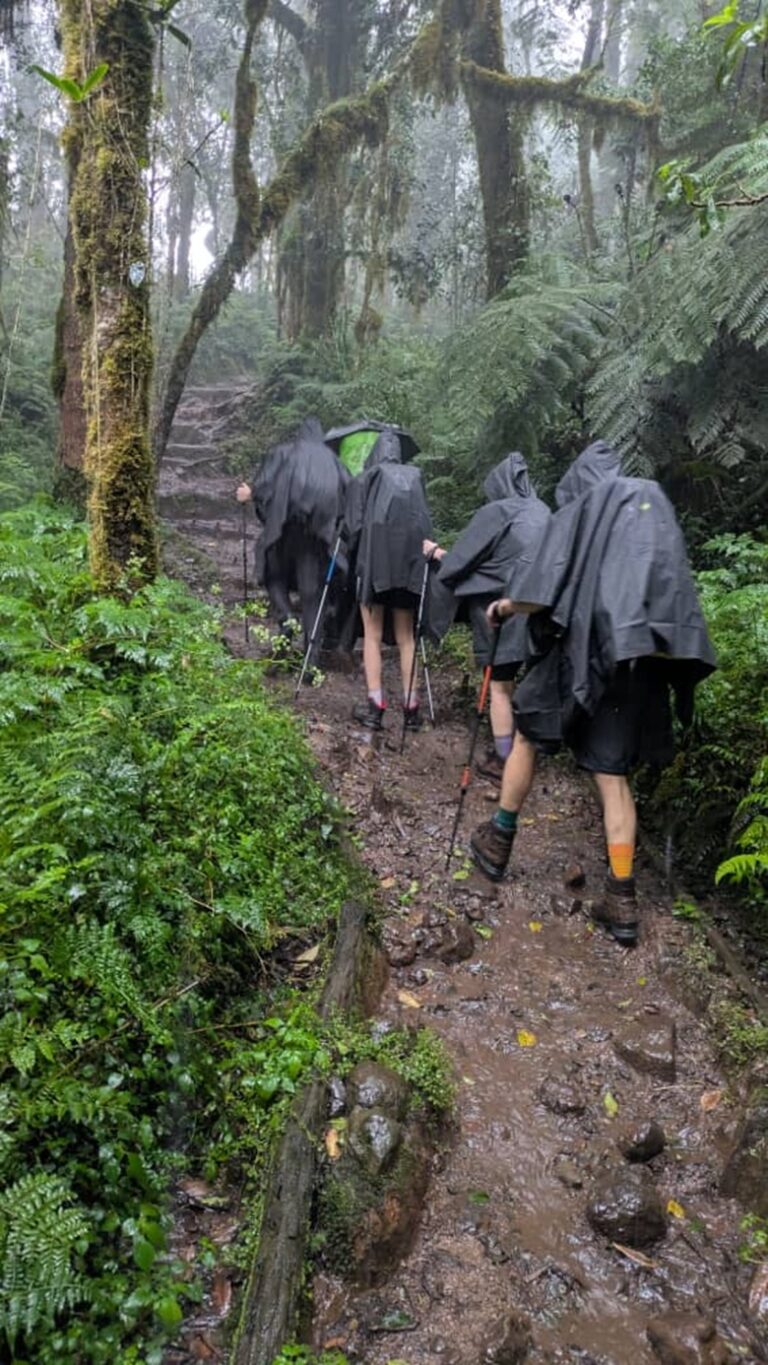
Kilimanjaro Climb With Mkomazi Rhino Safari 2026-2027
Kilimanjaro Climb with Mkomazi Rhino Safari is explained with current 2026-2027 planning, price, itinerary and booking information.
View package details
Kilimanjaro Climb With Amboseli Safari Extension: Your Ultimate Tanzania
Experience the pinnacle of African adventure by combining a challenging Kilimanjaro climb with a impressive safari in Amboseli National Park. This guide details itineraries, costs, best...
View package details
13-Day Kilimanjaro Climb, Cultural Tour & Zanzibar Holiday: Your Ultimate
This 13-day itinerary offers an unparalleled Tanzanian experience, blending the thrill of conquering Mount Kilimanjaro with deep cultural exploration and the serene beauty of Zanzibar...
View package details
Kilimanjaro Questions To Ask During Your Briefing For Climbs 2026-2027
Before embarking on your Kilimanjaro adventure, a thorough briefing is crucial. This guide outlines the most important questions to ask your tour operator to ensure you're fully prepared...
View package details
Kilimanjaro Contract Terms You Should Understand For Your Climb 2026-2027
Navigating the fine print of your Kilimanjaro climb contract is crucial. This guide breaks down essential terms, from payment schedules and cancellation policies to what's included and...
View package details
What A Kilimanjaro Mountain Crew Should Provide For Your Climb 2026-2027
Planning a Kilimanjaro climb? Understand precisely what your mountain crew needs to provide, from essential gear and experienced guides to food, safety, and logistical support. This...
View package details
How To Compare Kilimanjaro Package Inclusions For Your Climb 2026-2027
Choosing the right Kilimanjaro climb package in 2026 or 2027 involves meticulously comparing what's included. This guide breaks down essential inclusions like park fees, guide/porter...
View package details
Kilimanjaro Booking Checklist For First-Time Climbers: Your Essential Guide
Planning your first Kilimanjaro climb in 2026 or 2027? This detailed checklist covers everything from choosing a route and operator to packing and acclimatization, ensuring a well-prepared...
View package details
Questions Your Kilimanjaro Operator Should Answer For A Successful Climb
Choosing the right Kilimanjaro operator is crucial for a safe and memorable climb. This comprehensive guide details the essential questions you must ask your potential tour operator...
View package detailsNo related package matches those filters. Clear one or more filters to see the other topic-matched options.



